
Food-grade silicone offers a non-toxic polymer alternative, replacing standard disposable plastics safely. You might worry about chemical leaching ruining your packaged meals. Here is the good news: making this switch guarantees high heat resistance. Many B2B buyers ask, does silicone have microplastics, seeking clear answers for product lines.
1. What Exactly Is Food-Grade Silicone and How Is It Made?
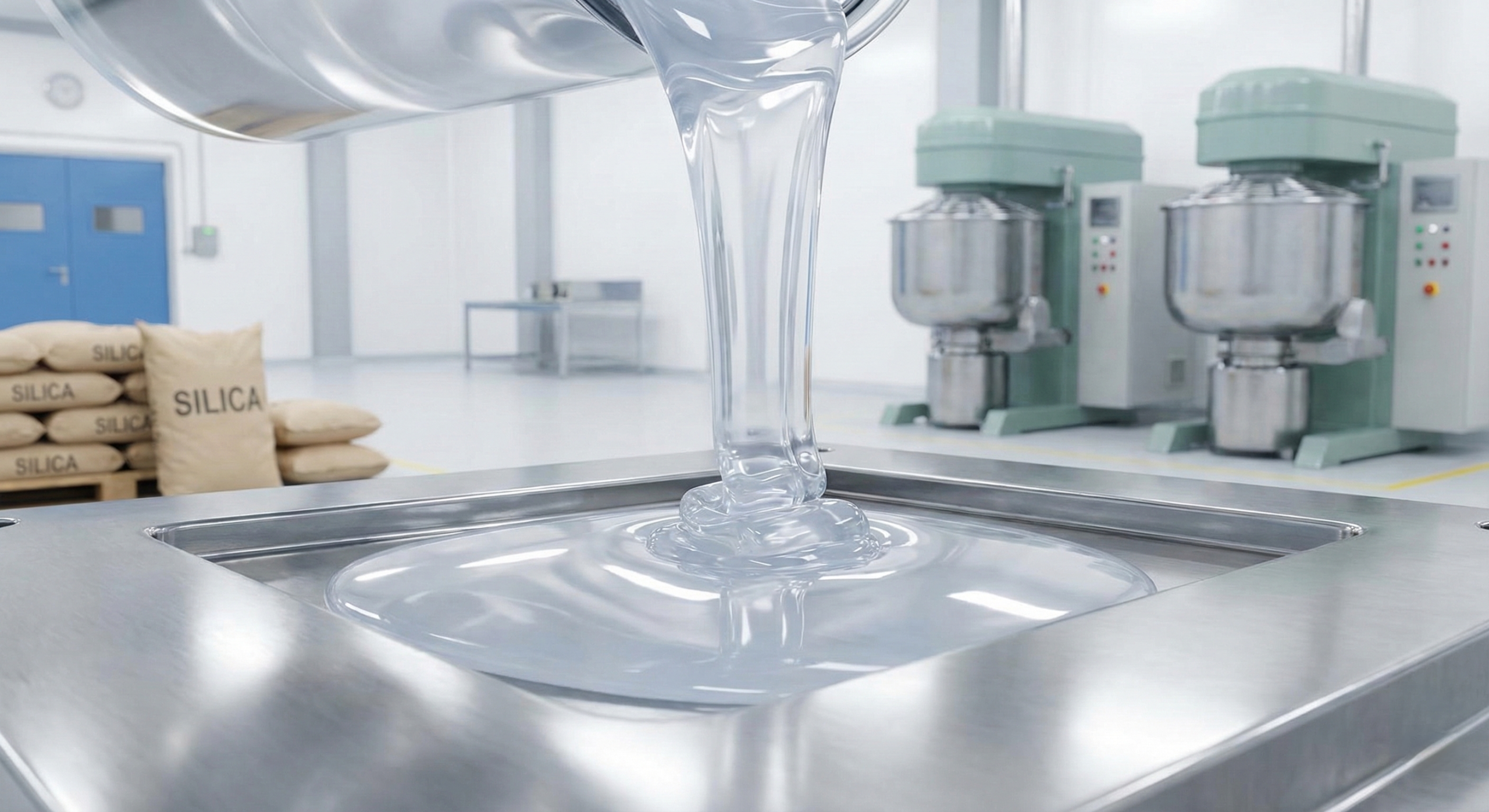
Food-grade silicone creates a robust synthetic polymer by bonding silica with oxygen. Clients often ask if does silicone have microplastics, wondering about material stability. Science shows that this material forms a solid structure rather than shedding fragments. Manufacturing cures raw components under pressure, producing versatile, inert parts.
This structured creation guarantees a material resistant against extreme temperatures. Many B2B buyers require stable, traceable materials for their manufacturing lines. You need parts that maintain physical integrity over long life cycles. Using pure raw materials prevents future degradation issues.
What Materials Constitute This Safe Polymer?
You might be wondering: what exactly goes into this material? Core elements include alternating silica and oxygen molecules combined with carbon. This combination yields a highly flexible yet tough end product. Production teams rely on these fundamental building blocks.
Here are primary characteristics of this cured polymer:
- High resistance against damage from extreme hot or cold environments.
- Odorless nature lacking BPA, latex, lead, or phthalates.
- Outstanding flexibility without risking cracking or crumbling over time.
| Material Component | Primary Function |
| Silica | Provides base structural stability |
| Oxygen | Binds molecules together tightly |
| Carbon | Adds flexibility and strength |
This composition delivers a clear advantage over conventional polymers by maintaining strict structural bounds.
Key Takeaway: Sourcing high-quality raw materials guarantees your products withstand intense conditions without breaking down.
2. Why Is Food-Grade Silicone Better Than Single-Use Plastic?
This advanced polymer outperforms disposable plastics because it remains incredibly durable and highly heat-resistant. When evaluating materials, you might question does silicone have microplastics, and data confirms it resists degrading into harmful particles. Plastics degrade quickly, contaminating environments, while our subject holds up perfectly from freezers directly into microwaves. You receive a reliable product lasting years.
Replacing billions of plastic bags requires radically functional, durable alternatives. Many manufacturers need solutions appealing towards eco-conscious consumers. You can offer items that genuinely reduce landfill waste. Sustainable choices drive modern B2B purchasing decisions.
How Does Durability Affect Your Bottom Line?
Here is the deal: constant replacement costs eat away profits. Choosing a material that will never harden, crack, peel, crumble, dry out, rot, or become brittle saves money long-term. Smart financial planning demands long-lasting components. You protect your budget by avoiding cheap disposables.
Consider these operational benefits:
- Lower replacement frequency due to extended product lifespans.
- Increased customer satisfaction from long-lasting retail goods.
- Reduced risk regarding non-compliance with global safety standards.
| Feature | Single-Use Plastic | Advanced Polymer |
| Lifespan | Short, single-use | Long, reusable |
| Chemical Leaching | High risk | Zero risk |
| Heat Tolerance | Melts easily | Microwave safe |
Data shows that transitioning towards reusable polymers drastically lowers long-term procurement costs.
Key Takeaway: Swapping cheap plastics for durable alternatives protects both planetary health and your operational budget.
3. Wait, Does Silicone Have Microplastics Like Traditional Plastics Do?
This material never sheds microplastics because its stable molecular structure resists breaking down under normal use. People constantly ask does silicone have microplastics, and scientific consensus points toward its resilience against crumbling. Traditional polymers split into microscopic pieces, polluting waterways severely. You can confidently utilize this material without contributing towards that specific pollution.
This stability makes it a premium choice for food storage and medical devices. Brands utilizing these compounds avoid growing consumer backlash against microplastic contamination. You protect your brand reputation by making this shift. Stable components mean fewer product recalls.
Why Does Structural Integrity Matter?
Let us be clear: material failure ruins products completely. When a container peels or dries out, it fails end users, causing complaints. Your B2B buyers demand consistency. Delivering flawless items builds trust.
Stable structures deliver distinct advantages:
- Prevents microscopic shedding into food or water supplies.
- Maintains a smooth, intact surface even after repeated washing.
- Eliminates brittle breakdowns associated with cheap containers.
| Contamination Risk | Traditional Plastics | Stable Polymer |
| Particle Shedding | High | Negligible |
| Brittle Breakdown | Common over time | Does not occur |
| Waterway Pollution | Severe | Minimal |
Selecting materials with strong structural bonds heavily reduces risks of consumer contamination.
Key Takeaway: Utilizing materials resisting fragmentation safeguards consumer health while strengthening your brand reputation.
4. Is Silicone Truly Safe for Extreme Temperatures and Cooking?
This material remains completely safe for cooking because it handles extreme heat and freezing cold without melting or warping. Addressing concerns about does silicone have microplastics confirms that high temperatures will not cause fragmentation. You can safely bake in ovens up to 425°F or freeze items without issue. This capability makes it perfect for sous vide applications.
You need materials that survive harsh kitchen environments. B2B buyers prioritizing kitchenware demand this level of performance. The product must hold up perfectly every single time. Consistent performance prevents costly manufacturing errors.
What Temperature Ranges Can It Withstand?
What is the real story? Thermal resistance remains unmatched within culinary manufacturing sectors. It transitions seamlessly from sub-zero freezers directly into high-heat ovens. Your customers will appreciate this seamless usability.
Here is how it performs across different settings:
- Safe for prolonged freezing without becoming brittle.
- Microwave safe for quick reheating tasks.
- Dishwasher safe for easy and sanitary cleaning.
| Environment | Performance Result | Safety Level |
| Freezer | Remains flexible | 100% Safe |
| Microwave | No melting or warping | 100% Safe |
| Oven (up to 425°F) | Stable structural integrity | 100% Safe |
Testing proves that temperature fluctuations do not alter chemical stability or safety profiles.
Key Takeaway: Offering temperature-resistant products provides ultimate convenience and safety for culinary applications.
5. How Does Silicone Compare Against Other Food Storage Materials?
This polymer offers superior balance regarding durability, lightweight portability, and safety compared against heavy glass. In discussions about whether does silicone have microplastics, its solid nature proves advantageous over other flexible alternatives. While mason jars provide plastic-free storage, they break easily and consume massive amounts of shelf space. You gain a flexible, shatterproof option traveling well.
Manufacturers face pressure finding materials meeting diverse consumer needs. Providing lightweight and space-saving designs answers that demand directly. You stay ahead of market trends with these solutions. Smart packaging reduces shipping expenses dramatically.
Why Choose This Over Glass or Metal?
Ready for the good part? You get glass purity without fragility. Transporting delicate containers causes logistical headaches and high damage rates during shipping. This material bounces back from impacts without damage.
Evaluate these comparative benefits:
- Takes up a fraction of space compared against bulky glass jars.
- Will not shatter into dangerous shards if dropped.
- Weighs significantly less, reducing overall freight costs.
| Material Type | Weight | Breakability | Space Efficiency |
| Glass | Heavy | High | Poor |
| Metal | Medium | Low (Dents) | Moderate |
| Polymer | Lightweight | Zero | Excellent |
Logistics data indicates that shatterproof, lightweight products drastically lower shipping damages and storage costs.
Key Takeaway: You achieve better combinations regarding safety, convenience, and durability by selecting this versatile polymer.
6. Is Food-Grade Silicone Environmentally Friendly and Recyclable?
This compound acts environmentally friendly because its reusability replaces hundreds of single-use items effectively. When considering does silicone have microplastics, you can be glad it never breaks down into toxic ocean waste. While it does not biodegrade, partnerships with programs like TerraCycle® ensure responsible recycling. You actively prevent billions of bags from entering landfills.
Achieving sustainability goals requires strategic material choices. Most local facilities do not accept these items directly, requiring specific take-back programs. You must educate your customers regarding proper disposal methods. Clear instructions build consumer confidence.
How Can You Manage Product End-of-Life?
This is where it gets interesting: taking responsibility for your product lifecycle builds immense brand loyalty. Setting up a return program for damaged items keeps them out of trash bins. You show genuine commitment regarding planetary health.
Follow these steps for responsible management:
- Partner with specialized recycling organizations like TerraCycle®.
- Clearly label products using appropriate recycling instructions.
- Encourage customers returning items that reached their end of life.
| Disposal Method | Environmental Impact | Recommendation |
| Landfill | Persistent polymer waste | Avoid |
| Local Curb Recycling | Rarely accepted | Check local rules |
| TerraCycle® Program | Responsibly recycled | Highly Recommended |
Dedicated recycling streams effectively neutralize end-of-life impacts from non-biodegradable polymers.
Key Takeaway: Implementing specialized recycling programs turns durable products into fully sustainable business models.
7. What Are Key Benefits of Choosing Silicone for B2B Manufacturing?
Choosing this material for B2B manufacturing provides unmatched batch consistency, flexible mold designs, and rigorous quality control. Your engineers might ask does silicone have microplastics during qualification phases, and confirming its stability accelerates approval. A reliable factory partner guarantees fast prototyping and precise dimensional accuracy. You avoid headaches involving inconsistent batches and missed deadlines.
Global procurement managers demand traceable materials and ISO certifications. Working with an integrated manufacturer ensures direct pricing and clear communication. You secure a supply chain scaling with your growth. Factory direct sourcing eliminates unnecessary markup fees.
How Does Factory Direct Sourcing Help You?
Look at the facts: eliminating middlemen reduces risk and lowers costs. A direct partnership means you get in-house mold design and rapid responses for technical issues. You retain full control over production timelines.
Direct manufacturing yields several distinct advantages:
- Access towards 100% inspection and customizable quality standards.
- Flexible order volumes supporting both trial runs and mass production.
- Strong after-sales support resolving any quality discrepancies immediately.
| Sourcing Model | Communication Speed | Quality Control |
| Trading Company | Slow | Variable |
| Direct Factory | Fast | Strict & Traceable |
| Mixed Broker | Unpredictable | Poor |
Direct integration with manufacturing facilities streamlines production and solidifies product consistency.
Key Takeaway: Partnering directly with certified manufacturers minimizes operational risks and guarantees superior product quality.
8. Are All Silicone Products Free From BPA and Toxins?
High-quality food-grade polymer remains entirely free from BPA, BPS, lead, latex, and phthalates. When questioning does silicone have microplastics, you also need verifying the absence of cheap chemical fillers. Not all polymers on the market meet strict FDA and EU safety requirements. You must request specific compliance documentation from your suppliers.
Low-quality options often use chemical fillers leaching out when exposed to heat. This presents a massive liability for medical or culinary brands. You cannot afford risking consumer health with unverified materials. Patient safety requires absolute material purity.
How Do Fillers Affect Product Safety?
Here is the catch: cheap suppliers cut corners by mixing in plastic polymers. These adulterated materials fail basic pinch tests by turning white when twisted. You need pure platinum curing for maximum safety.
Avoid cheap materials by watching for these red flags:
- Unpleasant chemical odors straight out of packaging.
- Discoloration or white streaks when material gets stretched.
- Lack of clear FDA, EU, or ISO certification documents.
| Material Grade | BPA/Toxin Presence | Regulatory Compliance |
| Platinum Food-Grade | None | FDA & EU Approved |
| Standard Grade | Minimal | Varies |
| Filler-Mixed | High Risk | Non-Compliant |
Rigorous laboratory testing proves that only pure platinum-cured polymers guarantee complete toxin elimination.
Key Takeaway: Always demand verified certifications ensuring your products remain completely free from harmful chemical fillers.
9. How Can You Identify High-Quality Platinum Food-Grade Silicone?
You identify high-quality platinum curing by checking relevant certifications, assessing odor, and verifying physical resilience. Customers researching does silicone have microplastics want assurances they buy premium, safe goods. True platinum-cured materials meet rigorous FDA standards without any residual chemical smells. You should only source from facilities demonstrating clear quality control systems.
Procurement professionals rely on data and physical samples before committing large orders. Consistent dimensional accuracy indicates a well-maintained manufacturing process. You protect your investment through diligent supplier vetting. Detailed documentation prevents future compliance failures.
What Should You Look For During Sample Testing?
The truth is: samples reveal a supplier’s true capabilities clearly. A rigorous pilot order uncovers whether factories can maintain stability across batches. You learn exactly how they handle quality deviations.
Focus your sample evaluation on these criteria:
- Perfect dimensional tolerance matching your engineering drawings.
- No visual defects, bubbles, or weak points inside structures.
- Consistent performance during extreme temperature exposure tests.
| Testing Metric | Expected Outcome | Failure Indicator |
| Odor Test | Completely odorless | Chemical smell |
| Pinch Test | Retains original color | Turns white |
| Heat Exposure | Remains stable | Melts or deforms |
Standardized sample evaluation protocols prevent costly mass production errors and ensure regulatory compliance.
Key Takeaway: Thoroughly testing initial samples guarantees your final production run meets exact engineering specifications.
10. Can Transitioning Toward Silicone Solutions Improve Your Brand Value?
Transitioning toward these solutions drastically improves brand value by aligning products with consumer sustainability demands. Educating audiences on does silicone have microplastics establishes your brand as a transparent authority. Offering products replacing hundreds of single-use items positions your company as an environmental leader. You attract loyal customers who care deeply about reducing waste.
B2B buyers also prefer suppliers prioritizing high-quality, long-lasting components over cheap disposables. This commitment justifies premium pricing and higher profit margins. You differentiate your brand within crowded marketplaces. Superior quality creates undeniable competitive advantages.
How Does Quality Influence Customer Retention?
It boils down to this: reliability builds trust, and trust generates repeat business. When users buy bags surviving years of dishwashers without degrading, they recommend your brand. You turn casual buyers into vocal advocates.
Consider the impact of superior materials on your reputation:
- Generates positive reviews focusing on extreme durability.
- Lowers return rates caused by material failure or breakage.
- Creates marketing opportunities around plastic-free living initiatives.
| Brand Metric | Traditional Plastic Focus | Premium Polymer Focus |
| Customer Loyalty | Low | Very High |
| Perceived Value | Cheap | Premium |
| Eco-Friendly Image | Negative | Highly Positive |
Market analysis indicates that brands adopting sustainable polymer solutions experience stronger customer retention.
Key Takeaway: Upgrading your product materials directly improves brand reputation and secures long-term market competitiveness.
Swapping single-use plastics for durable, food-grade alternatives completely eliminates risks of chemical leaching and early degradation. This guide resolved your concerns regarding material safety, high-heat performance, and environmental impacts. We provide customized, certified manufacturing solutions that upgrade your product lines and protect consumer health. If you feel ready for upgrading your supply chain, contact us today discussing your specific project needs. We believe in crafting sustainable, precision-engineered components driving future safe manufacturing.
FAQ
Q1: Can I recycle my damaged items?
Yes, you can recycle them through specialized programs. Most local curbside facilities do not accept this material, requiring dedicated return programs like TerraCycle® preventing landfill waste.
Q2: How do I know if containers remain safe for meals?
You can confirm safety by checking for FDA or EU compliance certifications. High-quality food-grade polymers contain no BPA, lead, latex, or phthalates, making them entirely safe for direct food contact.
Q3: Can I safely cook meals directly inside these bags?
Absolutely, you can cook with them without any risk. The material handles extreme heat up to 425°F safely, making it ideal for ovens, microwaves, and sous vide preparations.
Q4: What is a safe way for cleaning these reusable items?
The best cleaning method relies simply upon your dishwasher. High thermal resistance allows these items to withstand intense washing cycles without warping, degrading, or absorbing odors.
Q5: Will my products break down into harmful microplastics?
No, they will not shed harmful particles. The robust molecular structure of alternating silica and oxygen bound with carbon ensures the material remains intact and stable over years of heavy use.