
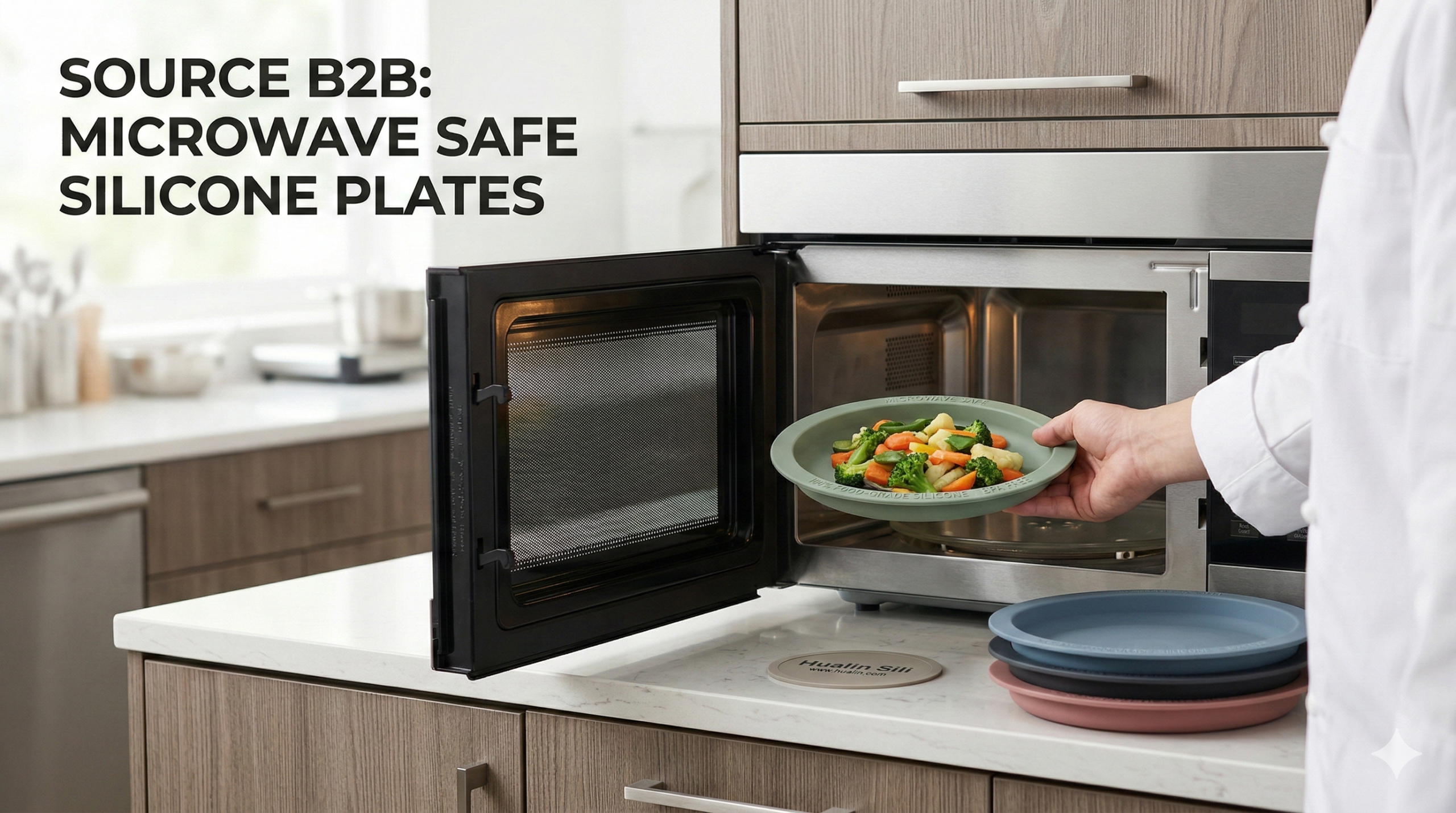
Yes, you can microwave silicone plates safely provided they are made of 100% food-grade material. Many professional kitchens and parents worry about the safety of heating polymers, especially when feeding vulnerable populations. The truth is that poor-quality materials can warp or release odors under high heat, leading to significant inventory loss and safety concerns. Fortunately, by understanding the properties of high-quality materials, you can confidently determine if can you put silicone in the microwave for your daily operations.
What are silicone plates?
Silicone plates are non-toxic, flexible food containers made from 100% food-grade silicone rubber. When considering if [can you put silicone in the microwave], you must first identify the material’s purity and manufacturing source. These products are engineered to be break-proof and eco-friendly, serving as a superior alternative to flimsy plastic or traditional wood.
Understanding the material composition
High-quality plates are made from silicon, oxygen, carbon, and hydrogen. Unlike plastic, these materials do not contain fillers or hazardous chemical additives.
- Free from BPA, BPS, and PVC.
- Lead-free and phthalate-free.
- Hypoallergenic and bacteria-resistant.
In other words, the material is designed for extreme durability and safety.
Compliance with safety standards
Professional manufacturers ensure that their products meet international baby and food safety regulations. This includes FDA (US) and LFGB (Europe) certifications for all food-contact surfaces.
- FDA-approved since 1979.
- Compliant with REACH and RoHS.
- Certified by ISO quality systems.
Here is the thing: compliance is the only way to guarantee safety in a B2B supply chain.
Key features for professional use
The physical properties of these plates make them ideal for high-traffic environments like hospitals or daycares. Their non-slip nature and lightweight design reduce breakage costs significantly.
- Soft yet sturdy construction.
- Temperature resistant from -40°C to 250°C.
- Available in suction and divided designs.
| Feature | Specification | Benefit |
|---|---|---|
| Material | 100% Food-Grade | Non-toxic safety |
| Certification | FDA / LFGB | Regulatory compliance |
| Durability | Break-proof | Lower replacement costs |
Key Takeaway: Understanding the chemical makeup and certification of your plates ensures you are using a product that is inherently safe for heat exposure.
Moving forward, it is essential to look at the specific demographics that benefit from this technology.
Who needs silicone plates for business?
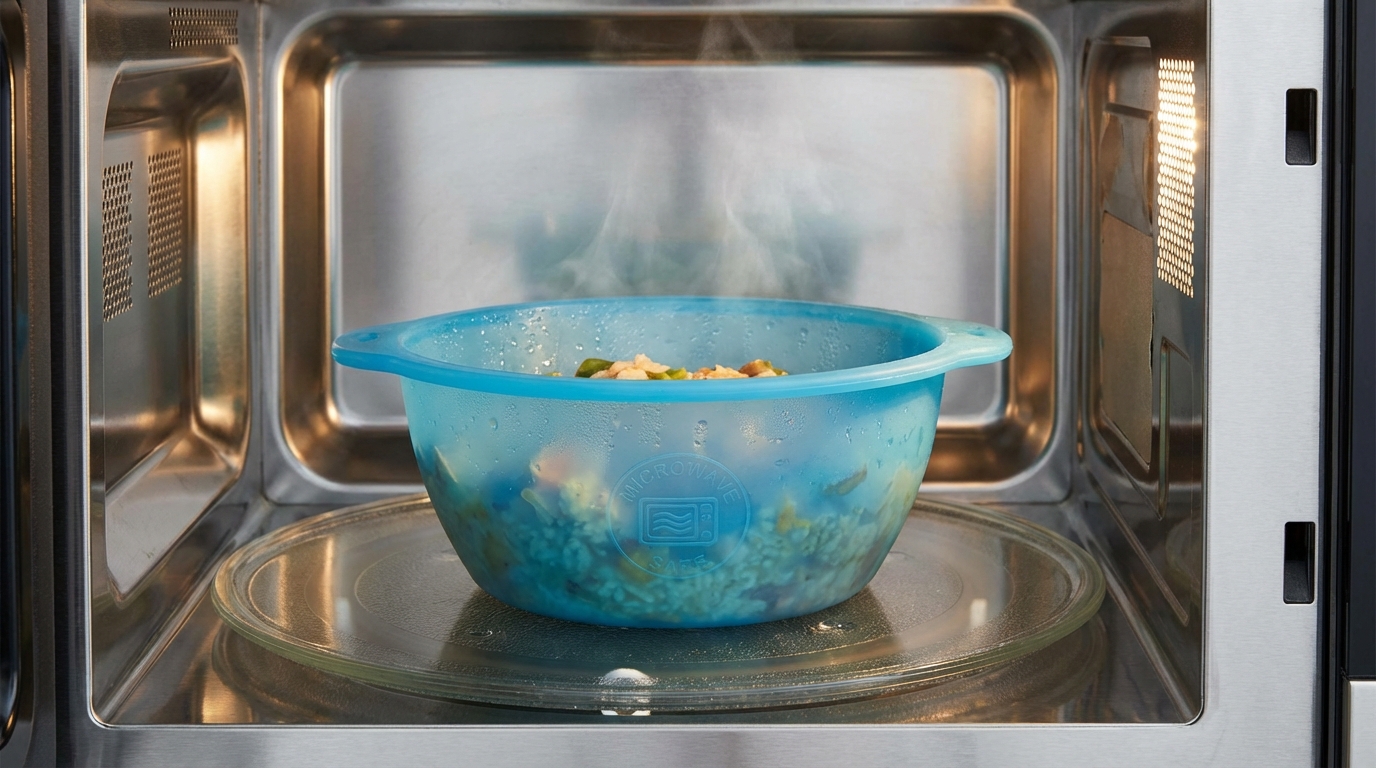
Childcare centers, senior care facilities, and medical institutions are the primary entities that require these durable solutions. For these sectors, the question of can you put silicone in the microwave is a matter of operational efficiency and patient safety. High-performance silicone allows these organizations to heat meals quickly without the risk of shattering or melting.
Applications in childcare and education
Infants and toddlers require feeding solutions that can withstand being dropped or thrown. Silicone’s natural suction properties help maintain order during meal times.
- Encourages independent eating.
- Minimizes mess with suction bases.
- Reduces noise in large dining halls.
Believe it or not, these plates can survive hundreds of drops without a single crack.
Benefits for senior care and hospitals
Elderly patients often struggle with heavy or fragile ceramic tableware. Lightweight silicone plates with deep sections make self-feeding much more manageable.
- Lightweight for easy handling.
- Deep edges for easier scooping.
- Stays cool to the touch longer than steel.
The bottom line is that these products improve the quality of life for those with limited mobility.
Wholesale and OEM requirements
Retailers and brands look for manufacturers who can provide bulk quantities with consistent quality control. Customization options allow businesses to align the product with their brand identity.
- Custom color matching (Pantone).
- Integrated logo placement.
- Specialized suction or lid designs.
| User Group | Primary Need | Silicone Solution |
|---|---|---|
| Childcare | Impact Resistance | Flexible, break-proof material |
| Senior Care | Ease of Use | Suction base and light weight |
| Retailers | Brand Consistency | Custom OEM/ODM capabilities |
Key Takeaway: Identifying the specific needs of your end-users helps in selecting the right silicone grade and design for maximum utility.
Thermal performance is the next critical factor to analyze when using these products in industrial microwaves.
What is the heat resistance of silicone?
Silicone is exceptionally heat-resistant, typically maintaining its structural integrity between -40°C and 250°C. This wide range confirms that [can you put silicone in the microwave] is perfectly safe for standard cooking and reheating. Unlike many plastics, silicone does not become brittle in the freezer or melt in the oven.
Maximum temperature thresholds
Most food-grade silicone is rated to withstand temperatures far higher than a standard microwave can produce. This thermal stability prevents the plate from warping or losing its shape over time.
- Safe for ovens up to 230°C – 250°C.
- Stable in boiling water for sterilization.
- Resistant to rapid temperature changes.
Think about it: you can move a plate directly from the freezer to the microwave without risk.
Resistance to thermal shock
Thermal shock occurs when a material cracks due to sudden temperature changes. Silicone is an elastomer, meaning it expands and contracts without breaking.
- No cracking when heating frozen food.
- Flexible molecular structure.
- Maintains seal integrity in lid sets.
It gets better because this flexibility also makes the plates easier to store in cramped kitchen environments.
Heat distribution during microwaving
Silicone does not heat up as quickly as glass or ceramic, which helps protect the user’s hands. However, the food inside will still reach high temperatures, so caution is always advised.
- Stays cooler than ceramic.
- Reduces risk of contact burns.
- Uniform heating across the surface.
| Environment | Temp Range | Compatibility |
|---|---|---|
| Freezer | -40°C | Fully Compatible |
| Microwave | 100°C – 150°C | Fully Compatible |
| Oven | Up to 250°C | Fully Compatible |
Key Takeaway: High thermal resistance makes silicone the most versatile material for professional kitchens moving between cold storage and heating.
Now, you must learn how to verify these claims on the specific products you purchase.
How do you identify microwave-safe silicone?
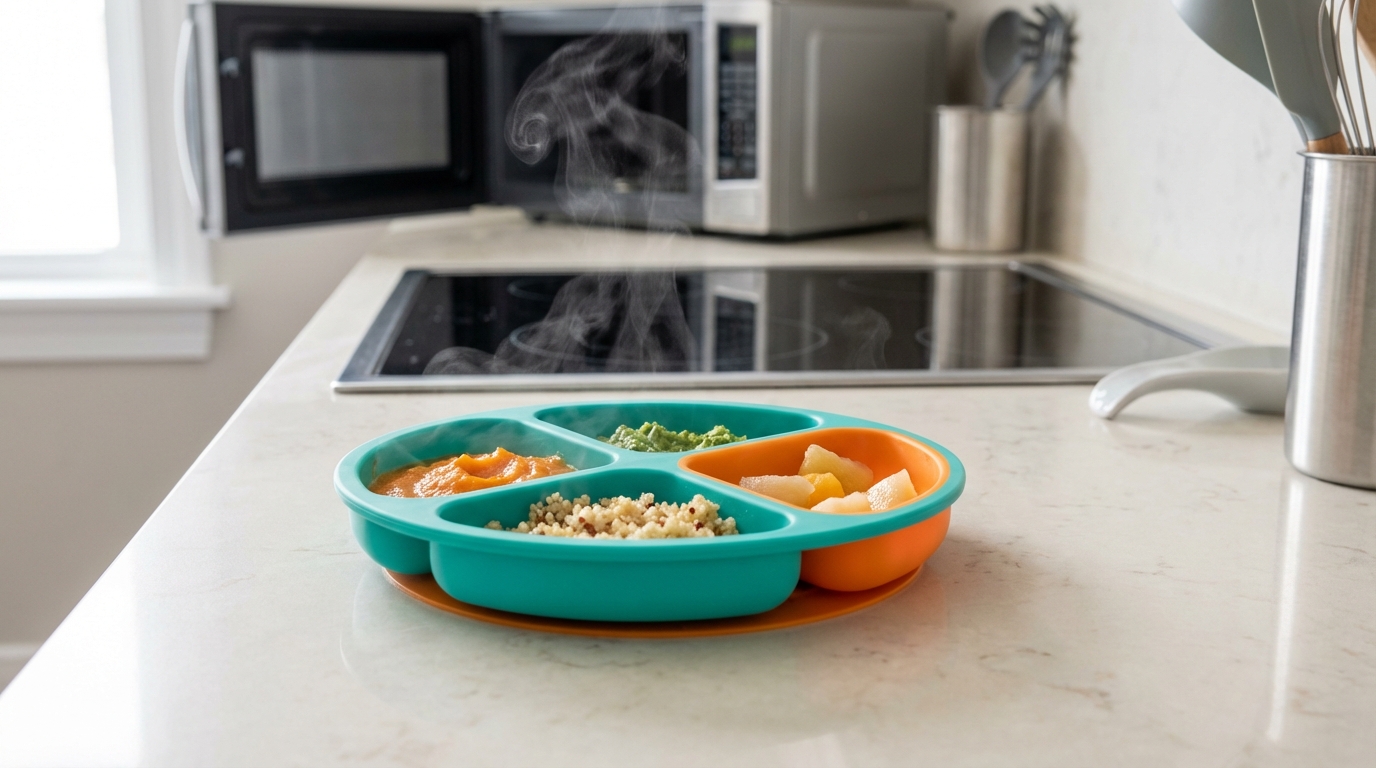
You can identify microwave-safe silicone by checking for the universal microwave symbol or the “Microwave Safe” text embossed on the bottom. When determining if can you put silicone in the microwave, always look for manufacturer-specific markings. Authentic food-grade products will also list their temperature limits and certification standards clearly.
Symbols and embossed markings
Reliable manufacturers include molded-in symbols that won’t wear off over time. These markings are your first line of defense against using the wrong material.
- Three wavy lines (Microwave symbol).
- Snowflake symbol (Freezer safe).
- Wine glass and fork (Food safe).
Make no mistake, if these symbols are missing, you should exercise extreme caution.
Testing for fillers (The Pinch Test)
Poor-quality silicone often contains chemical fillers that can off-gas in the microwave. You can perform a simple “pinch test” to verify the purity of the material.
- Twist or pinch a flat surface.
- Check for white streaks or “blooming.”
- Pure silicone maintains its color.
In other words, if it turns white when twisted, it likely contains harmful fillers.
Verifying manufacturer credentials
For B2B buyers, verifying the factory’s ISO and FDA registrations is the most reliable way to ensure safety. Documentation should be available for every batch produced.
- Request FDA/LFGB test reports.
- Check for ISO 9001 certification.
- Verify material traceability records.
| Verification Method | What to Look For | Reliability |
|---|---|---|
| Visual Check | Embossed wavy lines | High |
| Pinch Test | No color change | Moderate |
| Certification | Official Lab Reports | Absolute |
Key Takeaway: Using a combination of visual symbols and official documentation prevents the accidental use of non-microwave-safe materials.
Safety concerns often center around chemical exposure, which requires a deeper look into leaching.
Are there chemical leaching risks in microwaves?
No, high-quality 100% food-grade silicone does not leach chemicals like BPA, phthalates, or lead into your food. The concern of [can you put silicone in the microwave] often stems from negative experiences with plastic. Because silicone is chemically inert, it does not react with food or release toxins when exposed to electromagnetic waves.
Absence of BPA and phthalates
BPA is a chemical found in many plastics that can mimic hormones in the body. Silicone is a completely different polymer structure and does not require these additives.
- 100% BPA-free by nature.
- No phthalates used for flexibility.
- Safe for infants and pregnant women.
Let’s be honest: your health and your customers’ safety depend on avoiding these endocrine disruptors.
Inertness and food reactivity
Silicone does not change the flavor of food and does not absorb odors. This inertness is why it is used so widely in medical and food-processing industries.
- Tasteless and odorless material.
- Does not stain from acidic foods.
- Won’t react with oils or fats.
The best part is that the material remains stable even after thousands of heating cycles.
Comparison with plastic leaching
Plastic often degrades under high heat, releasing microplastics and chemical vapors. Silicone maintains its molecular bonds even at the top range of microwave settings.
- No “plastic” smell when heating.
- Resistant to oxidative degradation.
- Stable in high-frequency environments.
| Material | Leaching Risk | Heat Stability |
|---|---|---|
| Food-Grade Silicone | Negligible | Very High |
| Standard Plastic | High (BPA/Microplastics) | Low |
| Ceramic (Glazed) | Moderate (Lead/Cadmium) | High |
Key Takeaway: Silicone provides a chemically stable heating environment, making it the safest choice for long-term food preparation and service.
Despite its safety, there are specific scenarios where you should pause before heating.
When should you avoid microwaving silicone?
You should avoid microwaving silicone if the product contains metal inserts, internal structural frames, or is not certified as food-grade. Before asking can you put silicone in the microwave, inspect the item for any overmolded metal parts. Additionally, extremely cheap “silicone-coated” items may have a plastic core that could melt.
Presence of metal components
Some high-end silicone products use metal cores for rigidity. Metals cause arcing in microwaves, which can lead to fires or equipment damage.
- Check for metal rims or handles.
- Inspect internal support structures.
- Avoid plates with metallic decorative paint.
Here is the kicker: even a small amount of metal can ruin your microwave in seconds.
Industrial vs. Food-grade silicone
Not all silicone is created equal. Industrial-grade silicone is used for gaskets and tools and contains additives that are not safe for food contact.
- Avoid “hardware store” silicone mats.
- Check for the “Food Safe” icon.
- Only use products from reputable suppliers.
In short, never assume that all flexible rubber-like materials are microwave-safe.
Damage and structural integrity
If a silicone plate is torn, cracked, or showing signs of melting from a stove burner, it should not be used in the microwave. Damaged areas can trap moisture and cause uneven heating.
- Inspect for deep cuts or tears.
- Look for surface “pitting.”
- Replace items that feel sticky.
| Risk Factor | Consequence | Prevention |
|---|---|---|
| Metal Inserts | Microwave Arcing / Fire | Visual and magnet check |
| Industrial Grade | Toxic off-gassing | Use FDA-certified products |
| Physical Damage | Uneven heating / Bacteria | Routine inventory inspection |
Key Takeaway: Identifying non-compatible components like metal or industrial additives is essential for maintaining a safe kitchen environment.
Understanding how silicone stacks up against traditional materials can further clarify its value.
How does food-grade silicone differ from plastic?
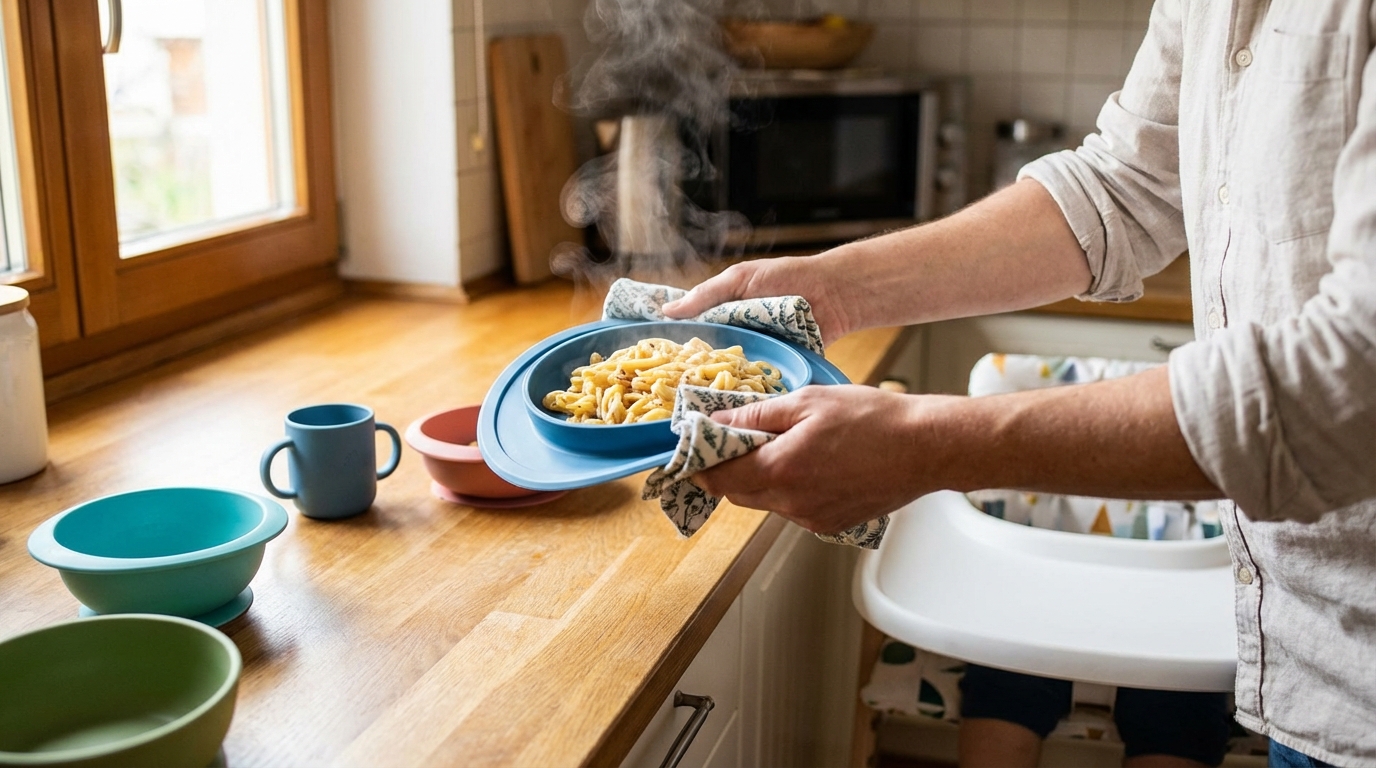
Food-grade silicone differs from plastic primarily in its thermal stability, chemical purity, and environmental impact. While you might question [can you put silicone in the microwave], you likely already know the risks of melting plastic. Silicone is derived from silica (sand), making it more sustainable and durable than petroleum-based plastics.
Durability and lifecycle
Plastics tend to become brittle and crack after repeated exposure to heat and UV light. Silicone remains flexible and functional for many years, even with daily microwaving.
- Resistant to warping and melting.
- Does not crack when frozen.
- Withstands heavy industrial dishwashers.
Think of it this way: one silicone plate can outlast a dozen plastic alternatives.
Safety and toxin exposure
When plastic is heated, it often releases a “burnt” smell, indicating chemical breakdown. Silicone is odorless and does not release volatile organic compounds (VOCs).
- Non-porous surface resists stains.
- Does not harbor bacteria growth.
- Hypoallergenic for sensitive users.
The truth is that silicone provides a professional-grade safety level that plastic simply cannot match.
Environmental sustainability
Silicone is more eco-friendly because it lasts longer and doesn’t break down into microplastics that pollute our oceans. Many businesses are switching to silicone to meet their sustainability goals.
- Reduces single-use plastic waste.
- Recyclable at specialized facilities.
- Lower carbon footprint over its lifecycle.
| Property | Silicone | Plastic |
|---|---|---|
| Base Material | Silica (Sand) | Petroleum |
| Heat Resistance | Up to 250°C | Typically <100°C |
| Flexibility | High / Permanent | Low / Becomes brittle |
Key Takeaway: Choosing silicone over plastic is a strategic decision that enhances safety, durability, and corporate environmental responsibility.
Proper maintenance after heating ensures the longevity of your investment.
How should you clean silicone after microwaving?
You should clean silicone plates by rinsing them with fragrance-free soapy water or placing them in the dishwasher’s top rack. Maintaining hygiene is simple once you confirm can you put silicone in the microwave for heating. Because silicone is non-porous, it does not trap food particles or odors, making it exceptionally easy to sanitize.
Dishwasher safety and best practices
Most silicone plates are designed to withstand the high heat of commercial dishwashers. However, using the correct detergents is vital for preserving the surface finish.
- Use the top rack for home units.
- Select fragrance-free detergents.
- Avoid abrasive scrubbing pads.
It’s worth noting that scented soaps can occasionally leave a temporary residue on the silicone surface.
Removing stubborn grease and stains
If the microwave causes oil to bake onto the surface, a simple baking soda paste can restore the plate. This keeps the material looking new and prevents “sticky” buildup.
- Mix baking soda with water.
- Apply to grease spots for 30 minutes.
- Rinse with warm water.
Basically, a little preventative care goes a long way in a high-volume business.
Drying and storage techniques
Silicone is quick-drying, but it is important to ensure plates are completely dry before stacking to prevent water spots. Their flexible nature allows for creative storage solutions.
- Stack and nest to save space.
- Store in a cool, dry place.
- Avoid sharp objects during storage.
| Cleaning Method | Advantage | Frequency |
|---|---|---|
| Dishwasher | High-heat sanitization | Daily |
| Hand Wash | Gentle on surface | After every use |
| Baking Soda | Removes heavy oils | As needed |
Key Takeaway: Simple cleaning protocols and dishwasher compatibility make silicone the most low-maintenance material for busy food service operations.
Beyond standard cleaning, some facilities require higher levels of sanitization.
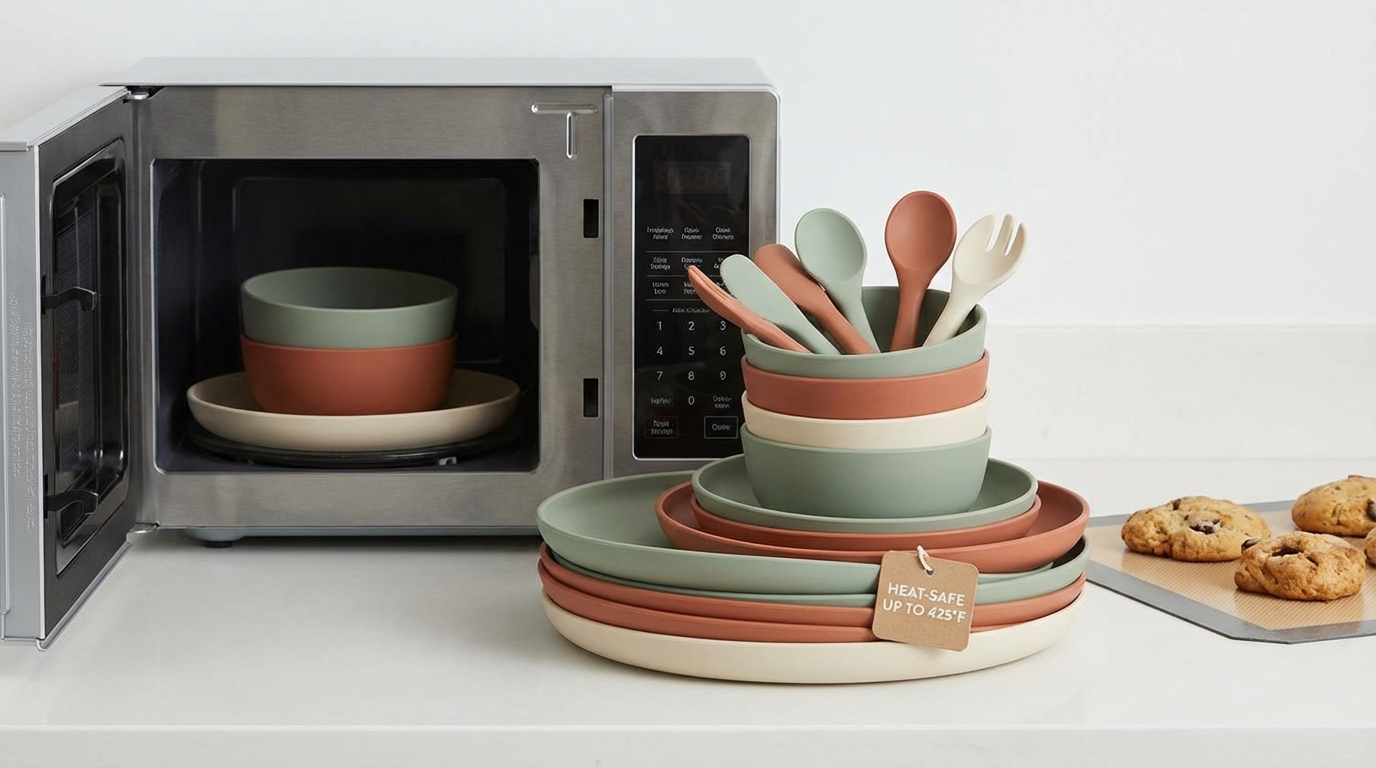
Can you sterilize silicone plates in microwaves?
Yes, you can sterilize silicone plates in the microwave by using steam or microwave-safe sterilization bags. For organizations wondering [can you put silicone in the microwave] for hygiene purposes, this is a highly effective method. Steam sterilization kills 99.9% of harmful bacteria and viruses without the need for harsh chemicals.
Steam sterilization basics
To sterilize using steam, you must ensure there is enough water to create a humid environment. This is common in baby bottle and pacifier maintenance.
- Add a small amount of water to the plate.
- Cover with a microwave-safe lid (vented).
- Heat on high for 2-3 minutes.
The point is that heat and moisture combined are lethal to common pathogens.
Using sterilization bags
Professional-grade sterilization bags are available for bulk sanitization of smaller silicone parts like spoons or teether plates.
- Follow the bag’s time guidelines.
- Allow the steam to vent before opening.
- Use tongs to remove hot items.
You’ll find that this method is much faster than boiling large pots of water on a stove.
Maintaining medical-grade hygiene
In healthcare settings, silicone plates can be put through autoclaves or microwave steam cycles to meet strict infection control standards.
- Biocompatible material properties.
- Resistant to microbial colonization.
- Withstands medical-grade disinfectants.
| Sanitization Method | Temperature | Time |
|---|---|---|
| Microwave Steam | ~100°C | 2-5 Minutes |
| Boiling Water | 100°C | 5-10 Minutes |
| Chemical Soak | Room Temp | Varies by solution |
Key Takeaway: The ability to steam-sterilize silicone in a microwave provides a rapid, chemical-free way to maintain the highest hygiene standards.
Finally, selecting the right manufacturing partner ensures these safety features are built-in.
Why choose professional silicone manufacturing?
Choosing professional silicone manufacturing ensures that every plate is made from traceable, 100% food-grade material under strict quality control. When you ask can you put silicone in the microwave, the answer depends entirely on the integrity of the factory. A certified manufacturer provides the DFM support and material testing necessary to protect your brand from safety recalls.
Engineering and DFM support
Professional factories provide Design for Manufacturing (DFM) guidance to ensure your custom plates are both functional and easy to produce. This reduces tooling errors and speeds up your launch cycle.
- Feasibility reviews for complex designs.
- Material selection for specific heat needs.
- Tolerance planning for perfect suction.
Let’s be clear: expert engineering at the start prevents expensive failures at the end.
Integrated quality control systems
A reliable partner manages the entire process—from raw material mixing to final export inspection. This “one-stop” approach eliminates the quality drift that occurs with multiple vendors.
- IQC (Incoming material verification).
- IPQC (In-process monitoring).
- FQC/OQC (Final quality checks).
Think about it: you get peace of mind knowing every batch meets your exact specifications.
Customization and brand development
For B2B buyers looking to scale, professional manufacturers offer OEM and ODM services that allow for unique product lines. This includes everything from custom colors to innovative structural features.
- LSR and compression molding options.
- Custom surface textures and coatings.
- Professional packaging for retail readiness.
| Service Element | Professional Manufacturer | Generic Supplier |
|---|---|---|
| Material Quality | 100% Traceable Food-Grade | Unknown fillers possible |
| Documentation | Full ISO/FDA/LFGB reports | Minimal or fake papers |
| Technical Support | 24-hour DFM and engineering | Sales only / No engineering |
Key Takeaway: Partnering with a certified manufacturer guarantees that your products are safe for microwave use and built to international regulatory standards.
*
We have explored the safety, thermal properties, and operational benefits of using silicone plates in high-heat environments. At HuaLin Silicone, we solve the problems of material inconsistency, regulatory non-compliance, and slow development cycles. Our team provides end-to-end manufacturing solutions—from in-house mold design to ISO-certified mass production—ensuring your products are stable, safe, and ready for the global market. We are committed to being the industry leader in precision silicone engineering, delivering high-performance parts that protect both your customers and your brand reputation. To start your custom project or request a DFM review, contact us today.
*
FAQ Section
Can I microwave silicone plates if they are very cold?
Yes, silicone is highly resistant to thermal shock. You can move a plate directly from the freezer to the microwave without any risk of cracking or breaking.
What’s the best way to tell if my silicone plate is real?
Concise judgment sentence: The pinch test is the most immediate way to check for purity. Twist a flat section of the plate; if the material turns white, it contains fillers and is not 100% pure silicone.
How do I know if my plate is microwave-safe?
Look for the embossed microwave symbol on the base. Most reputable manufacturers mold three wavy lines or the words “Microwave Safe” directly into the product to ensure permanent identification.
Can I use silicone plates in a convection microwave?
Yes, as long as the temperature does not exceed 250°C. Standard food-grade silicone is rated for oven use, making it compatible with the heat settings of convection units.
How do I know if my silicone is food-grade?
Check for FDA or LFGB certification markings and documentation. High-quality manufacturers will provide test reports verifying that the material is free from BPA, lead, and other hazardous chemicals.