
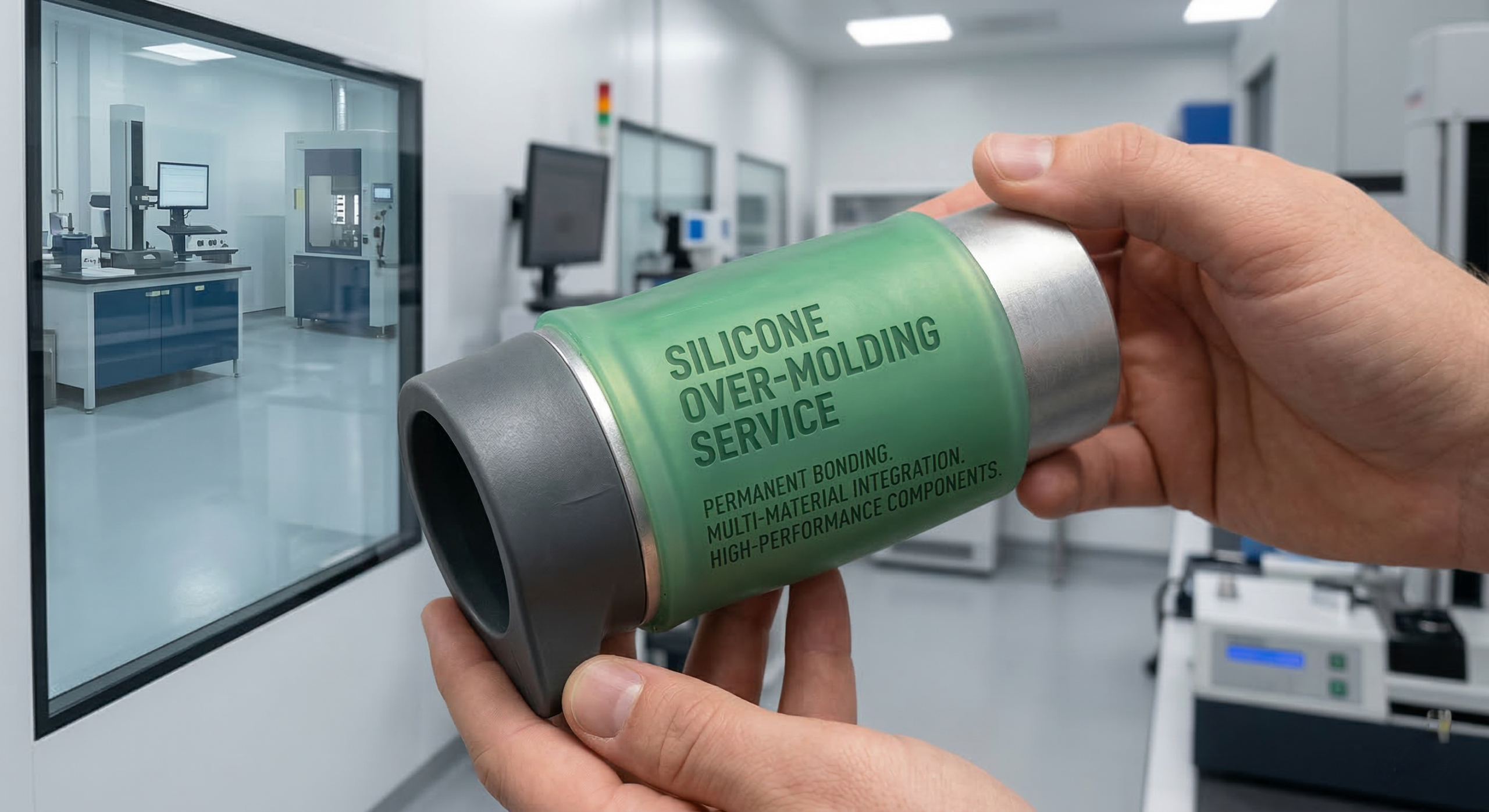
Yes, you can overmold silicone onto plastic or metal to create durable, high-performance multi-material components. Many engineers struggle with assembly failures or parts that lack the necessary ergonomic grip and sealing properties. This leads to increased production costs and lower customer satisfaction when products feel unfinished or fail in the field. HuaLin provides professional solutions for your manufacturing needs, ensuring you never have to ask Can you overmold silicone onto plastic or metal? when designing your next innovation.
What Is Silicone Over-Molding?
Silicone over-molding is a specialized manufacturing process where silicone rubber is molded over, under, or through a substrate material to create a single integrated part. When you consider the question, Can you overmold silicone onto plastic or metal? the answer lies in the ability to combine flexible silicone with rigid bases. This technique is essential for creating seals, protective covers, and soft-touch handles.
Understanding the Basic Process
The process typically involves placing a pre-fabricated part into a mold and injecting silicone around it. This creates a permanent bond without the need for adhesives or mechanical fasteners.
Here is the deal:
By using this method, you reduce assembly time and eliminate potential points of failure between two separate components.
- Permanent bonding of materials
- Reduction in assembly labor
- Enhanced product aesthetics
Types of Over-Molding Techniques
There are two primary ways to achieve a successful over-mold: compression molding and injection molding. Your choice depends on the complexity of the part and the production volume required.
Let’s dive in:
Choosing the right technique ensures that the substrate remains undamaged during the high-pressure molding phase.
- Silicone Compression Over-Molding
- LSR Injection Over-Molding
Key Takeaway: Silicone over-molding simplifies your supply chain by delivering a finished, multi-material component in one production cycle.
| Feature | Description |
|---|---|
| Integration | Combines two materials into one part |
| Substrates | Metals, Plastics, and other Silicones |
| Secondary Ops | Eliminates the need for manual assembly |
The integration of materials through over-molding significantly increases the structural integrity of complex assemblies.
Can You Overmold Silicone Onto Plastic or Metal?
Yes, the process is highly effective for both plastic and metal substrates, provided the materials are selected correctly for temperature resistance. When you ask if you can overmold silicone onto plastic or metal, you are looking for a way to add value and functionality to a rigid structure. We specialize in ensuring that these bonds are airtight and permanent.
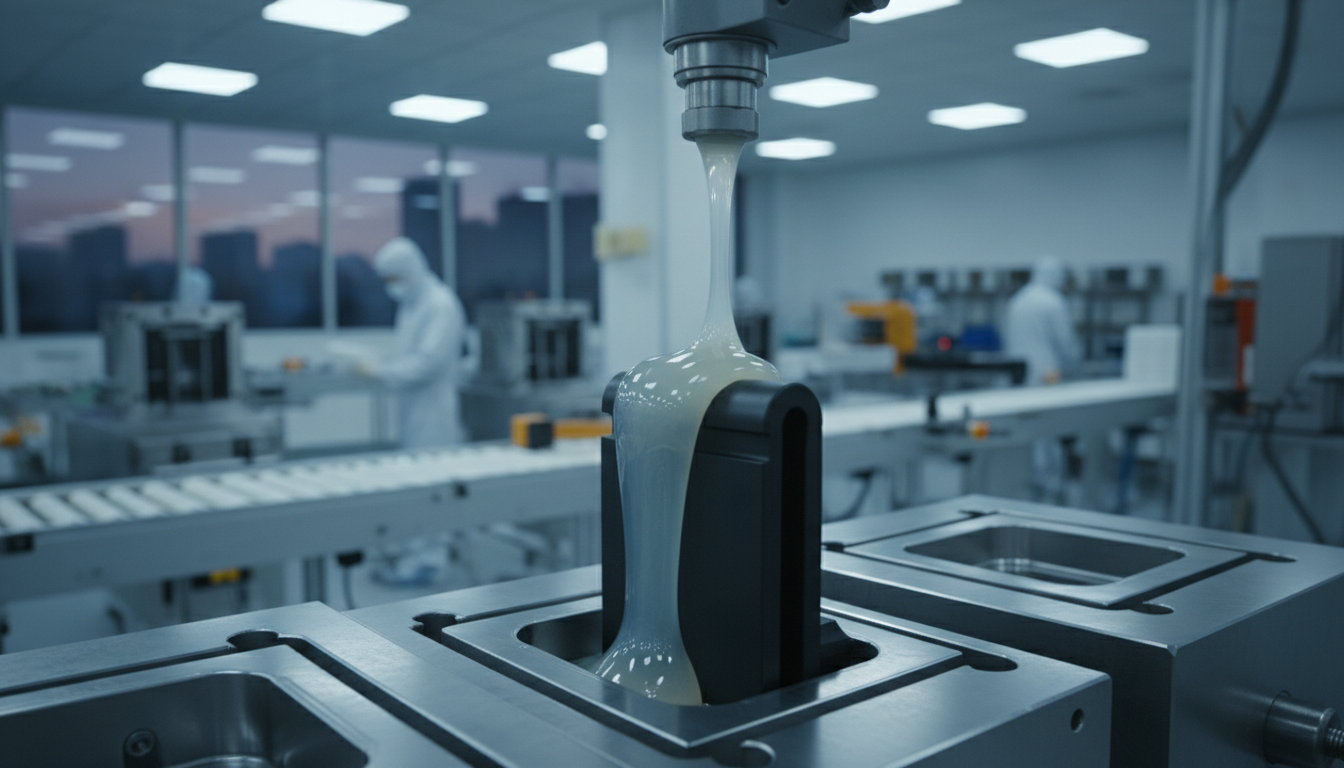
Molding Silicone Over Plastic
The most important factor when molding over plastic is the melting point of the substrate. The plastic must withstand the heat required to cure the silicone without deforming or melting.
Think about it:
If the plastic softens too much during the cycle, the final part will lose its dimensional accuracy and functional purpose.
- Uses high-temp thermoplastics
- Provides soft-touch surfaces
- Ideal for ergonomic grips
Molding Silicone Over Metal
Metal substrates like aluminum and stainless steel are much easier to work with because of their high thermal stability. They can easily withstand the temperatures found in compression or injection molds.
Look at it this way:
Metal provides the strength of the component, while the silicone provides the necessary chemical resistance and sealing.
- No risk of substrate melting
- Excellent for surgical tools
- Supports mechanical interlocking
Key Takeaway: Both plastic and metal serve as excellent substrates if the material properties are matched to the specific molding environment.
| Substrate Type | Key Consideration | Best Application |
|---|---|---|
| Plastic | Melting Point | Consumer Electronics |
| Metal | Surface Primer | Industrial Components |
The versatility of silicone allows it to adhere to a vast range of industrial materials when processed by experts.
How Does Silicone Compression Over-Molding Work?
Silicone compression over-molding is a two-step process that uses heat and pressure to bond solid silicone rubber to a rigid base. For those wondering, Can you overmold silicone onto plastic or metal? this method is often the most cost-effective solution for lower volumes. It involves placing the substrate into the mold cavity along with a silicone preform before the mold is closed.
The Two-Stage Production Cycle
First, the substrate is manufactured, usually through injection molding or CNC machining. In the second stage, this substrate is placed into a specialized compression mold where the silicone is vulcanized directly onto it.
What’s the bottom line?
This method allows for very tight control over the placement of the silicone on large or heavy substrates.
- Precise material placement
- Low initial tooling costs
- Suitable for high-consistency rubber (HCR)
Heat and Pressure Management
During the cycle, the mold is heated to between 150°C and 200°C to catalyze the curing process. The pressure ensures the silicone flows into every detail of the mold and the substrate surface.
It gets better:
This high-pressure environment creates a mechanical bond that is nearly impossible to separate once the part is fully cured.
- High curing temperatures
- Controlled hydraulic pressure
- Uniform material distribution
Key Takeaway: Compression over-molding is the preferred choice for simple geometries and projects that require a lower upfront investment in tooling.
| Process Variable | Purpose | Result |
|---|---|---|
| Heat | Cures the silicone | Solid, rubberized layer |
| Pressure | Forces material flow | Precise detail replication |
| Tooling | Holds the substrate | Perfect alignment |
Consistent thermal management is the secret to achieving a defect-free bond in compression molding environments.
Why Use LSR Injection Over-Molding for Parts?
Liquid Silicone Rubber (LSR) injection over-molding is the gold standard for high-precision, high-volume production runs. Many clients ask, can you overmold silicone onto plastic or metal using automated systems? The answer is yes, and LSR is the material that makes this automation possible and efficient.
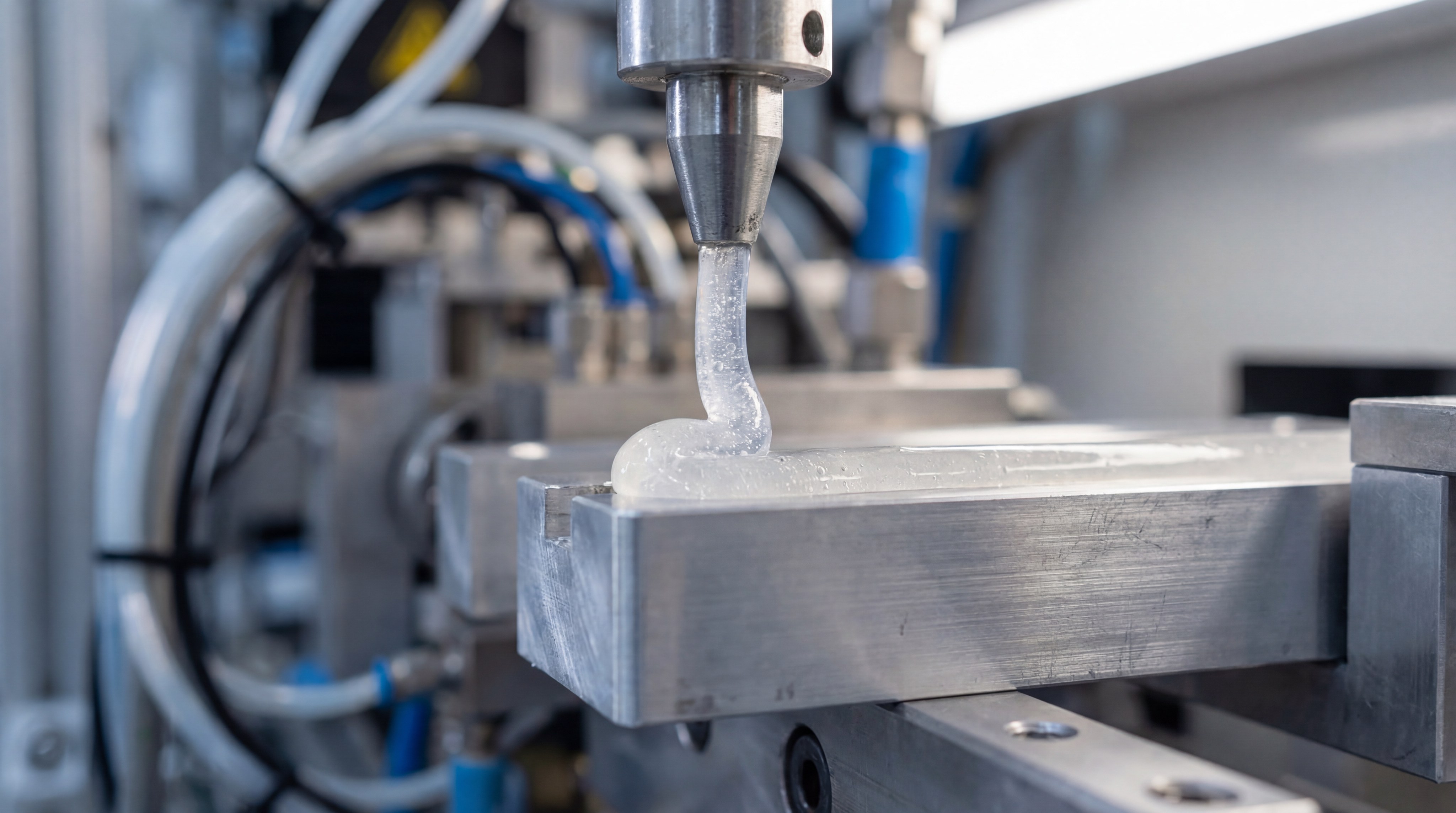
High Precision and Complexity
LSR has a very low viscosity, allowing it to flow into thin-walled sections and intricate designs that solid silicone cannot reach. This makes it ideal for complex medical devices or miniature electronic seals.
The best part?
You can achieve incredibly tight tolerances, which is critical for parts that must fit into larger, complex assemblies.
- Superior flow characteristics
- High repeatability
- Flash-less molding capabilities
Faster Production Cycles
Because LSR is pumped through a cold runner system into a hot mold, the cycle times are significantly faster than compression molding. This efficiency directly translates to a lower cost per unit for large orders.
Why does this matter?
Faster cycles mean you can get your product to market quicker without sacrificing the quality of the over-mold bond.
- Automated material feeding
- Reduced human intervention
- Lower long-term costs
Key Takeaway: LSR injection over-molding provides the highest level of precision and is the most efficient way to scale your production.
| Feature | LSR Injection | Compression Molding |
|---|---|---|
| Cycle Time | Very Fast | Moderate |
| Complexity | High | Basic to Moderate |
| Automation | Fully Automated | Manual/Semi-Auto |
Transitioning to LSR injection molding is a strategic move for companies looking to optimize their high-volume manufacturing lines.
What Materials Work for Silicone Over-Molding?
Selecting the right materials is the most critical step in answering the question, Can you overmold silicone onto plastic or metal? for your specific project. Not all plastics or metals are compatible with the silicone curing process. You must choose substrates that can handle the thermal load of the mold without compromising their structural integrity.
Compatible Plastic Substrates
High-performance plastics like PEEK, Valox, and certain grades of Nylon are excellent candidates for over-molding. These materials maintain their shape and strength even when exposed to the high temperatures required for silicone vulcanization.
The truth is:
Using a low-cost plastic that warps in the mold will ruin your entire production run and lead to wasted material costs.
- High-temperature resistance
- Excellent chemical bonding
- Rigid structural support
Metal Substrate Selection
Common metals used in this process include stainless steel, aluminum, and brass. These materials offer the best surface energy for bonding and the highest degree of reliability in the molding chamber.
Here is the deal:
Metal substrates often require a surface treatment or primer to ensure that the silicone adheres permanently to the smooth surface.
- Aluminum for lightweight parts
- Stainless steel for medical use
- Brass for electrical components
Key Takeaway: Material compatibility is the foundation of a successful over-molding project and must be verified during the design phase.
| Material | Temp Resistance | Bonding Quality |
|---|---|---|
| PEEK | Excellent | Very High |
| Aluminum | Superior | Requires Primer |
| Nylon (Glass Filled) | Good | Mechanical Lock |
Choosing high-temperature thermoplastics ensures that your components remain dimensionally stable throughout the entire molding process.
How Do You Ensure Strong Material Bonding?
Achieving a permanent bond between two dissimilar materials is the greatest challenge in the molding industry. When people ask, can you overmold silicone onto plastic or metal, they are usually worried about the silicone peeling off. We use a combination of mechanical and chemical methods to ensure your parts stay together for their entire lifespan.
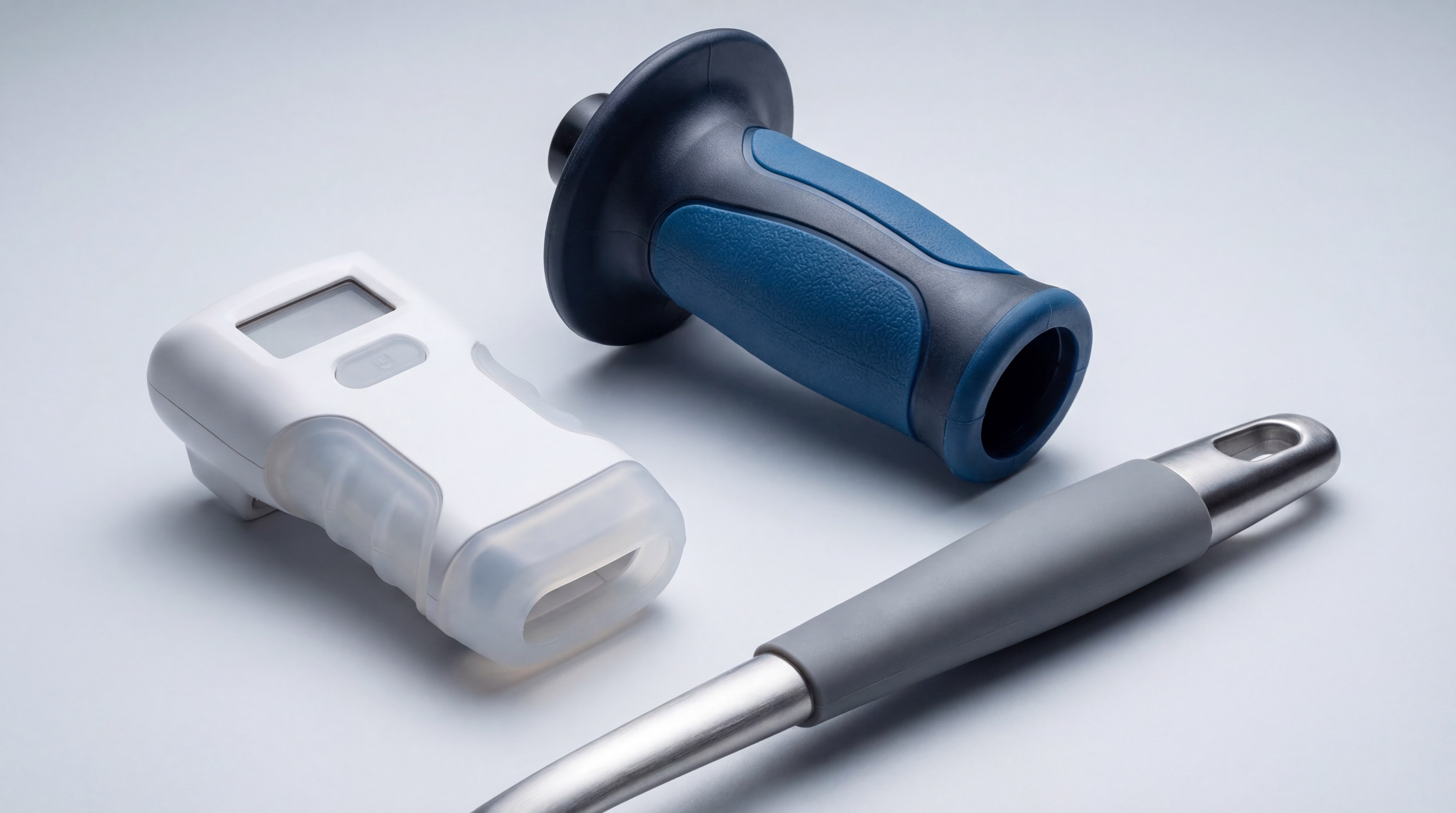
Chemical Primers and Surface Treatment
For many metals and some plastics, we apply a specialized primer to the substrate before it enters the mold. This primer acts as a bridge, creating a chemical link between the rigid base and the flexible silicone.
Let’s dive in:
Without these treatments, the silicone would only be held in place by friction, which is not enough for most industrial applications.
- Increases surface energy
- Creates chemical cross-linking
- Resists peeling and shearing
Designing Mechanical Interlocks
The most reliable way to ensure a bond is to design “locks” or “holes” into the substrate. The silicone flows through these features, essentially “nailing” itself to the part as it cures.
Think about it:
A mechanical lock provides a physical guarantee that the materials will not separate, regardless of chemical compatibility.
- Through-holes for material flow
- Undercuts for physical gripping
- Ribbed surfaces for extra grip
Key Takeaway: A combination of chemical primers and mechanical design features provides the strongest and most durable bond possible.
| Bonding Method | Mechanism | Best Use Case |
|---|---|---|
| Primer | Chemical reaction | Smooth metal surfaces |
| Mechanical Lock | Physical interference | High-stress components |
| Plasma Treatment | Surface activation | Difficult plastics |
Engineering “fail-safe” mechanical locks into your substrate design is the most effective way to prevent material delamination.
What Are the Primary Benefits of This Process?
The advantages of this technique extend far beyond simple aesthetics. By exploring Can you overmold silicone onto plastic or metal? you are opening the door to improved product performance. Over-molding allows you to create parts that are waterproof, shock-resistant, and comfortable for the end-user.
Improved Ergonomics and Feel
Adding a layer of silicone to a rigid plastic or metal handle provides a soft-touch surface that is easier to grip. This is particularly important for hand tools, medical instruments, and consumer electronics.
Look at it this way:
A comfortable product is a product that people want to use, leading to better brand loyalty and higher sales.
- Non-slip surfaces
- Vibration damping
- Soft tactile feedback
Superior Sealing and Protection
Over-molding creates an airtight and watertight seal around electronic components or internal chambers. It also provides a protective “bumper” that shields the part from impact and abrasion.
But that’s not all:
Because the silicone is molded directly onto the part, there are no gaps or seams where bacteria or moisture can hide.
- IP-rated waterproofing
- Shock and drop protection
- Seamless hygienic designs
Key Takeaway: Over-molding enhances both the functional performance and the perceived value of your manufactured components.
| Benefit | Impact | User Value |
|---|---|---|
| Grip | Reduced fatigue | Comfort |
| Sealing | Moisture barrier | Reliability |
| Cushioning | Impact resistance | Durability |
Integrating protective silicone layers directly into your product design eliminates the need for expensive secondary gaskets or covers.
Can You Overmold Silicone Over Metal Inserts?
Over-molding metal inserts is a standard practice for creating high-strength parts with soft interfaces. If you are asking, can you overmold silicone onto plastic or metal inserts, the answer is a resounding yes. This process is commonly used to create everything from surgical handles to industrial valves where a metal core provides the strength.
Positioning and Tolerance Control
The biggest challenge with metal inserts is keeping them perfectly positioned inside the mold while the silicone is being injected. If the insert moves, the wall thickness of the silicone will be uneven, leading to potential failure.
It gets better:
Using precision-machined “locating pins” inside the mold ensures that your metal core stays exactly where it needs to be.
- Prevents part shifting
- Ensures uniform thickness
- Maintains critical dimensions
Managing Thermal Expansion
Metal and silicone expand at different rates when heated. Designers must account for this “mismatch” to prevent the silicone from cracking or the metal from warping the mold.
Why does this matter?
Understanding these thermal dynamics allows us to design molds that compensate for expansion, resulting in a perfect fit every time.
- Coefficient of expansion analysis
- Balanced cooling cycles
- Stress-relief design features
Key Takeaway: Metal inserts provide the structural backbone for parts that require the flexibility and resistance of a silicone exterior.
| Insert Material | Strength | Thermal Stability |
|---|---|---|
| Stainless Steel | High | Excellent |
| Aluminum | Moderate | Good |
| Carbon Steel | Very High | Moderate |
Properly secured metal inserts allow for the creation of hybrid components that possess both extreme rigidity and surface flexibility.
What Industries Use Silicone Over-Molded Parts?
Many diverse sectors have adopted this technology to solve complex engineering problems. When investigating Can you overmold silicone onto plastic or metal? you will find applications in everything from baby care to aerospace. Each industry leverages different properties of silicone to meet their specific regulatory and functional requirements.

Medical and Healthcare Applications
The medical industry uses over-molding for surgical tool handles, masks, and diagnostic equipment. Silicone’s biocompatibility and ability to withstand sterilization make it the ideal material for these critical devices.
The truth is:
In healthcare, the seamless nature of over-molded parts prevents the growth of bio-contaminants, making the devices much safer for patients.
- FDA-approved materials
- Autoclave compatibility
- Ergonomic surgical grips
Consumer Electronics and Baby Products
From waterproof phone cases to soft-tip baby spoons, over-molding is everywhere in the consumer market. It allows brands to create products that are both safe for children and durable enough for daily use.
Here is the deal:
Combining a BPA-free plastic core with food-grade silicone creates the perfect balance of safety and structural integrity.
- Soft-touch electronics
- Durable baby feeding tools
- Water-resistant enclosures
Key Takeaway: The widespread use of over-molding across industries proves its reliability and versatility as a modern manufacturing solution.
| Industry | Primary Use | Material Focus |
|---|---|---|
| Medical | Surgical Handles | Biocompatibility |
| Consumer | Handheld Devices | Ergonomics |
| Automotive | Seals & Gaskets | Thermal Resistance |
Industry-wide adoption of silicone over-molding stems from its unique ability to meet stringent safety and performance standards simultaneously.
How Do You Choose the Best Molding Partner?
Choosing the right manufacturer is the final step in your journey. While you now know the answer to can you overmold silicone onto plastic or metal, executing the process requires specialized equipment and deep engineering expertise. A partner like HuaLin brings years of experience to ensure your project is a success from prototype to production.
Evaluating Technical Capabilities
Your partner should offer both compression and LSR injection molding to give you the flexibility your project deserves. They must also have in-house tooling capabilities to ensure the molds are built to the highest standards.
Let’s dive in:
A manufacturer that understands “mold flow” and “thermal dynamics” will save you thousands of dollars in potential redesign costs.
- In-house mold design
- Multi-material expertise
- Prototype to scale-up support
Quality Control and Certification
Over-molding is a sensitive process, and rigorous quality control is non-negotiable. Look for a partner with ISO certifications and a documented history of delivering high-quality, defect-free parts.
Think about it:
One bad batch of parts can ruin your reputation; you need a partner who treats your quality standards as their own.
- ISO 9001 certification
- 100% visual inspection
- Material traceability logs
Key Takeaway: The right partner does more than just mold parts; they act as an extension of your engineering team to optimize your design.
| Criterion | What to Look For | Why It Matters |
|---|---|---|
| Experience | Years in industry | Proven reliability |
| Equipment | Modern LSR machines | High precision |
| Support | DFM feedback | Cost optimization |
Partnering with a manufacturer that provides comprehensive Design for Manufacturing (DFM) feedback is the best way to ensure project success.
Conclusion
Silicone over-molding is the ultimate solution for engineers and product designers looking to combine the strength of plastic or metal with the unique benefits of silicone. Throughout this analysis, we have solved the problem of material selection, explained the complexities of the bonding process, and identified the best manufacturing techniques for your specific needs. HuaLin stands ready to transform your vision into reality with our high-precision molding services.
Our vision is to push the boundaries of multi-material manufacturing, providing our clients with components that are not only functional but also superior in quality and design. We are committed to innovation, sustainability, and the success of your brand. If you are ready to take your product to the next level and need an expert to guide you through the process, contact us today to start your project.
Frequently Asked Questions
Can I overmold silicone onto any plastic?
No. You must use high-temperature thermoplastics like PEEK or glass-filled Nylon that can withstand the 150°C+ temperatures required for the silicone curing process without melting or deforming.
What’s the best metal for silicone bonding?
Stainless steel. It offers excellent thermal stability and surface energy, making it highly receptive to chemical primers and providing a permanent, corrosion-resistant bond.
How do I know if my design is suitable?
It depends on the geometry and material choice. You should perform a DFM (Design for Manufacturing) review with your molding partner to identify potential issues with material flow or substrate positioning.
Can I use multiple colors in overmolding?
Yes. You can achieve multi-colored effects by using sequential molding steps or different silicone formulations, which is common in consumer branding and safety-critical medical devices.
What’s the best way to reduce costs?
Simplify the substrate. Reducing the complexity of the plastic or metal part and using mechanical locks instead of expensive chemical primers can significantly lower your per-unit production costs.