
3D Printing with Silicone: A Revolution in Manufacturing? Yes, this technology represents a fundamental shift in how elastomeric components are designed and produced for industrial applications. Many engineering teams struggle with the high costs and long lead times of creating metal molds for early-stage functional testing. You risk wasting significant budget on tooling for a design that might require multiple revisions before it is ready for the market. 3D Printing with Silicone solves this by allowing you to iterate rapidly, test complex geometries, and verify material performance without the need for expensive upfront molds.
What is the primary technology used for silicone printing?
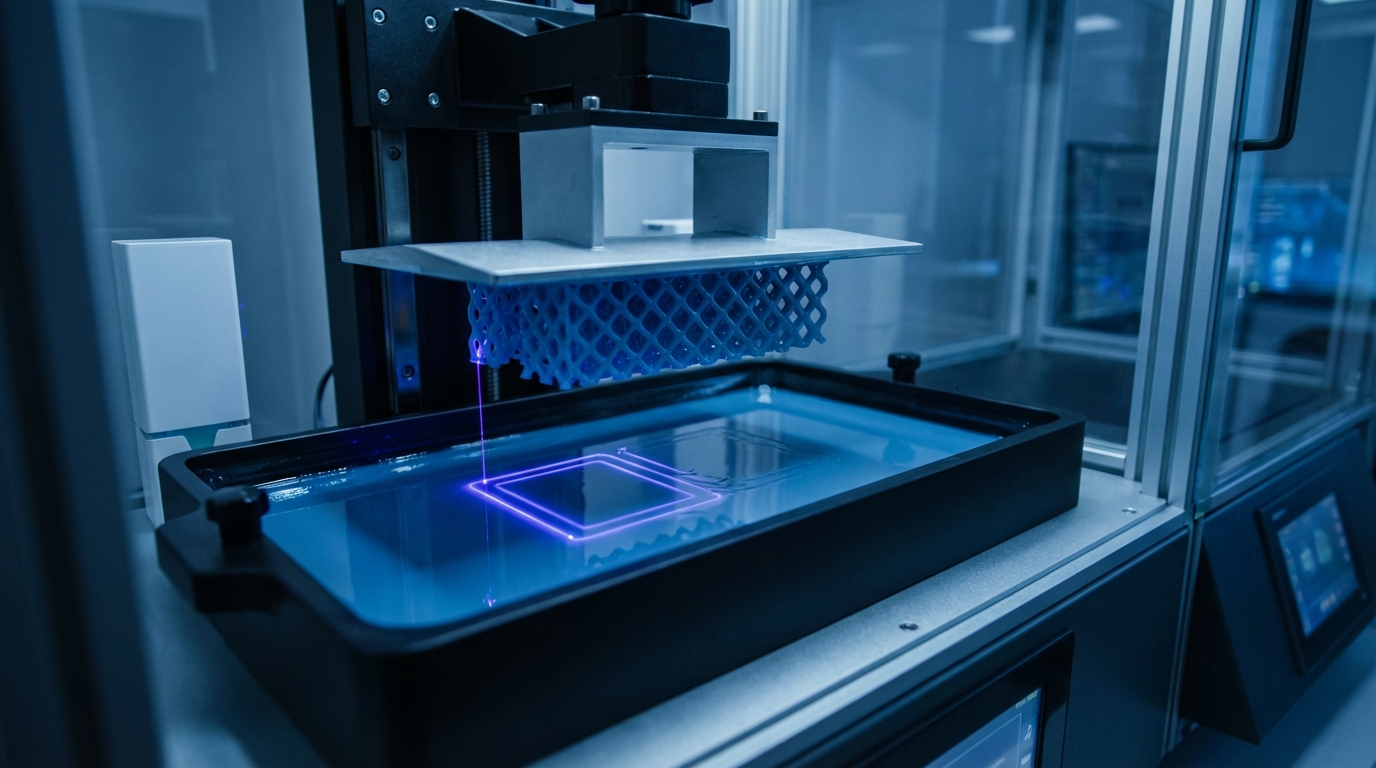
Stereolithography (SLA) is currently the most effective method for 3D Printing with Silicone because it provides the resolution and surface finish required for industrial parts. This process uses a high-precision laser to cure liquid silicone resin in a vat, building the part one thin cross-section at a time.
The layer-by-layer SLA process
But here is the kicker:
Unlike traditional filament-based printing, SLA uses a vat of resin to ensure every feature is fully supported and accurately formed. This method is ideal for creating parts that require tight tolerances and intricate internal structures.
- High-precision laser curing for accuracy.
- Vat-based resin system for support.
- Intricate internal geometry capabilities.
- Thin cross-section building process.
Post-processing for final durability
To achieve full mechanical strength, your printed parts must undergo specific finishing steps.
- Support structure removal for clean geometry.
- Specialized UV curing cycles for molecular stability.
- Thorough surface cleaning of residual resin.
- Final dimensional accuracy inspection.
Key Takeaway
SLA technology enables the creation of high-fidelity silicone parts with smooth surfaces and complex details.
| Feature | SLA Silicone Printing |
|---|---|
| Technology | UV-Laser Stereolithography |
| Finish | Smooth, no visible layers |
| Accuracy | High precision for seals |
This technical approach ensures that your prototypes behave exactly like production-grade silicone components.
Why choose 3D printing over silicone molding?
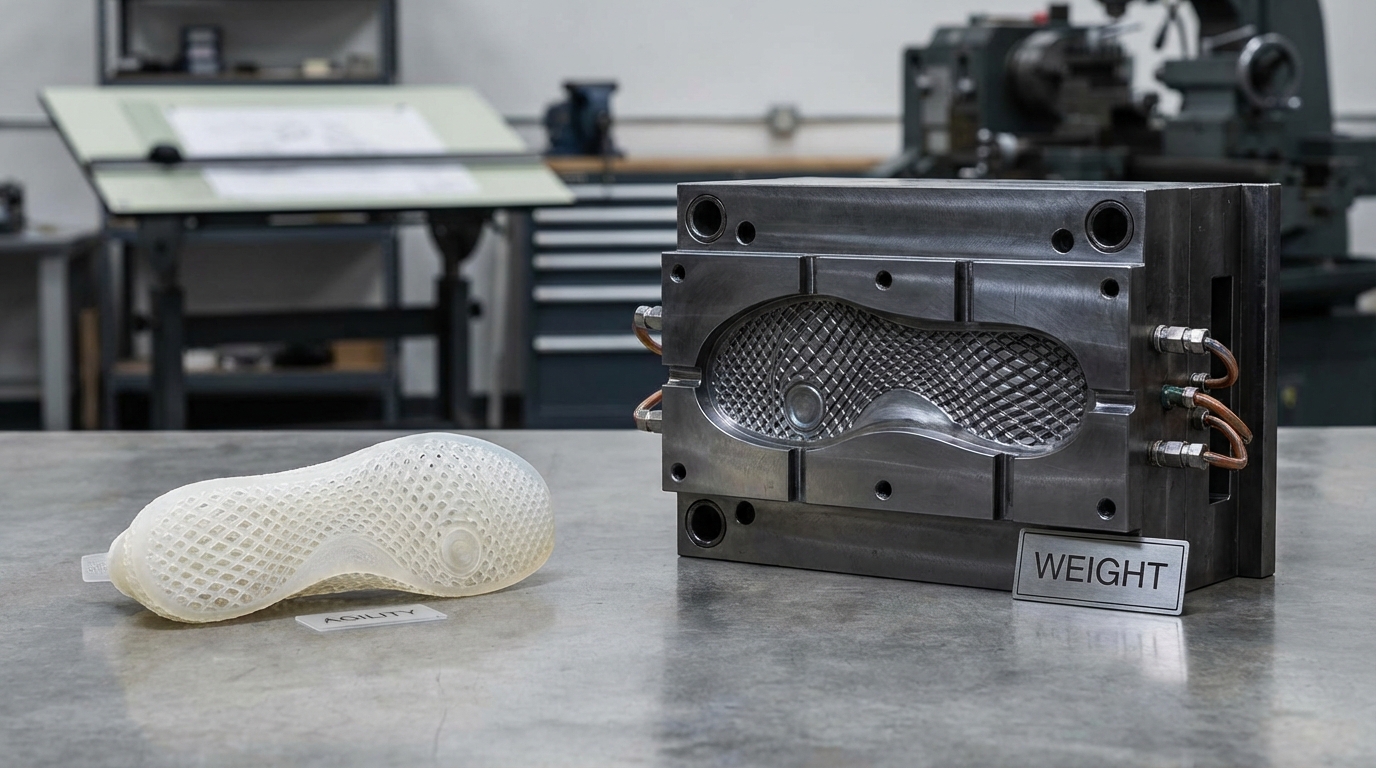
You should choose 3D Printing with Silicone when your project requires speed and cost-efficiency during the research and development phase. Traditional molding involves significant wait times for tool fabrication, which can stall your innovation cycle for weeks or even months.
Eliminating the cost of tooling
Wait, there is more:
By removing the need for a physical mold, you can test dozens of design variations for a fraction of the cost of a single steel tool. This allows you to fail fast and perfect your product before committing to mass production.
- Significant reduction in upfront investment.
- Cost-effective testing of multiple designs.
- Avoidance of expensive steel tool fabrication.
- Financial flexibility for early-stage projects.
Accelerating your time to market
Speed is a competitive advantage in modern manufacturing.
- Print functional parts in 1–5 days.
- Modify designs instantly without re-tooling.
- Order exact quantities for pilot testing.
- Faster verification of mechanical performance.
Key Takeaway
Additive manufacturing reduces the financial risk of design errors and dramatically shortens the development timeline.
| Metric | 3D Printing | Traditional Molding |
|---|---|---|
| Initial Cost | Low (Per part) | High (Tooling fee) |
| Speed | 1–5 Days | 4–8 Weeks |
| Iterations | Unlimited | Limited by tool |
Low-volume printing acts as a bridge between a digital concept and a physical, functional reality.
Which durometers are available for printed silicone?
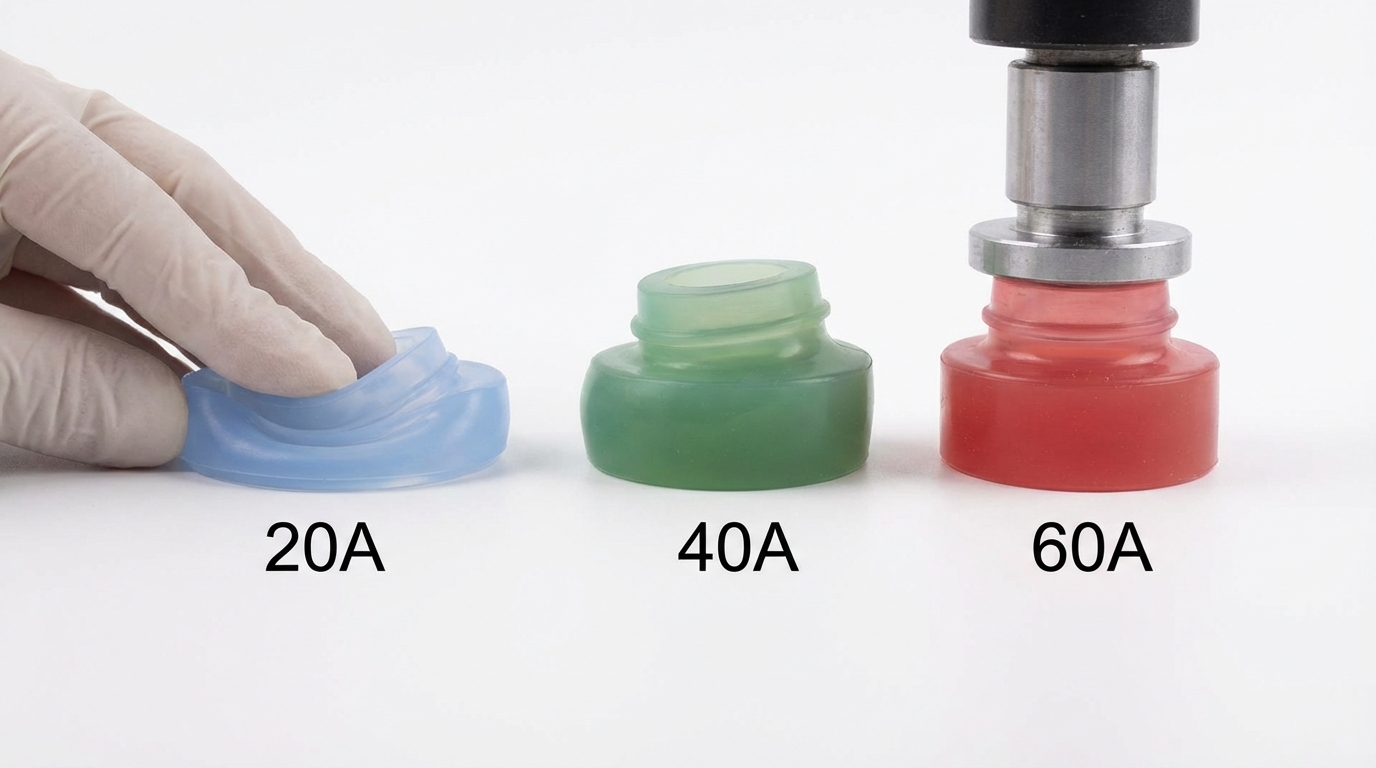
Most industrial-grade resins for 3D Printing with Silicone offer durometers ranging from 20A to 60A on the Shore A scale. This range covers everything from the softness of a rubber band to the relative firmness of an automotive tire tread.
Matching hardness to application
Think about it:
The ability to select a specific hardness ensures that your prototype mimics the tactile and functional properties of the final product. You can choose softer grades for comfort-focused designs or harder grades for structural gaskets.
- 20A for medical softs and comfort grips.
- 40A for standard industrial gaskets.
- 60A for durable protective gear.
- Shore A scale compatibility.
Material property consistency
Printed silicone maintains its elasticity and recovery properties regardless of the selected hardness level.
- High flexibility at lower durometers.
- Wear resistance at higher durometers.
- Consistent molecular recovery after compression.
- Stable performance across all grades.
Key Takeaway
A versatile durometer range allows you to simulate nearly any molded silicone part with high accuracy.
| Durometer | Common Usage | Material Feel |
|---|---|---|
| 20A | Comfort grips, medical softs | Very soft, elastic |
| 40A | Watertight seals, gaskets | Medium, flexible |
| 60A | Buttons, protective gear | Firm, durable |
Selecting the correct durometer is essential for validating the ergonomic and mechanical performance of your design.
Is printed silicone suitable for medical applications?

Yes, 3D Printing with Silicone is highly suitable for medical use because the resins used often meet stringent biocompatibility standards. These materials are tested to ensure they do not cause adverse reactions when in contact with human skin or tissue.
Biocompatibility and certification
In other words:
You can use these printed parts for surgical guides, patient-specific anatomical models, or wearable medical devices. Passing international safety standards ensures the material is safe for clinical and laboratory environments.
- ISO 10993-05 cytotoxicity compliance.
- ISO 10993-10 irritation safety.
- Safe for skin-contact wearables.
- Clinical environment compatibility.
Reliability in sensitive environments
Medical components require more than just safety; they need environmental resilience.
- Resistant to common sterilization chemicals.
- Withstands moisture and bodily fluids.
- Maintains shape under repeated cleaning.
- Durable during long-term surgical simulations.
Key Takeaway
Medical-grade printed silicone provides a safe and effective way to prototype life-saving devices.
| Standard | Test Type | Result |
|---|---|---|
| ISO 10993-05 | Cytotoxicity | Passed / Non-toxic |
| ISO 10993-10 | Irritation/Sensitization | Passed / Safe |
Compliance with international standards makes printed silicone a trusted choice for the healthcare industry.
What are the design limitations of printed silicone?
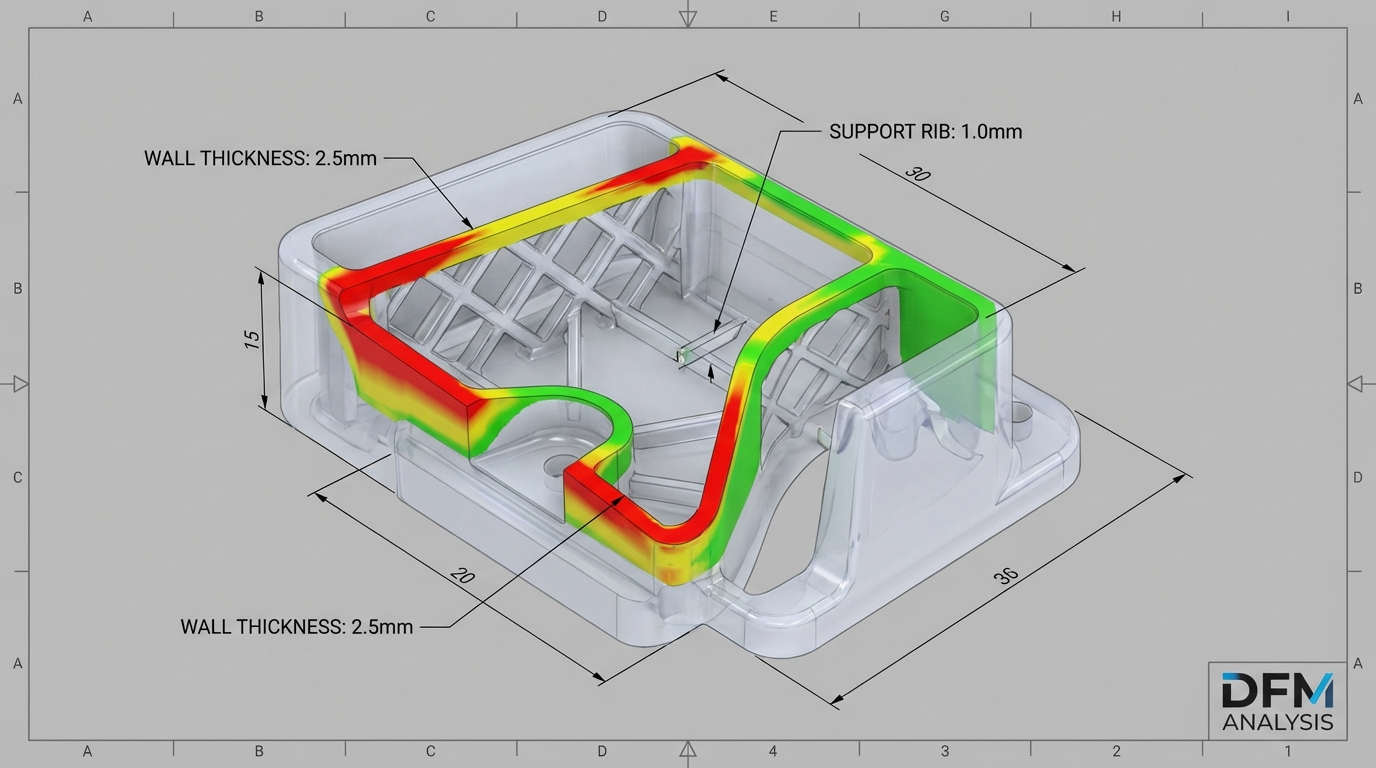
While powerful, 3D Printing with Silicone does have specific limitations regarding maximum part size and available color options. Understanding these boundaries during the design phase will help you avoid manufacturing delays and manage expectations.
Size and color constraints
Here is the deal:
Most current SLA systems for silicone are restricted to a build volume of approximately 4.7 inches by 2.8 inches. Additionally, color choices are typically limited to translucent white or black, depending on the material’s durometer.
- Build volume limits for larger parts.
- Standard colors: Translucent white and black.
- Restricted aesthetic customization.
- Dependency on specific resin durometers.
Design for manufacturability (DFM)
You must ensure your digital model is optimized for the additive process to ensure success.
- Minimum wall thickness maintenance.
- Accessible support structure placement.
- Avoidance of overly thick sections.
- Proper orientation for UV curing.
Key Takeaway
3D printing is best suited for small to medium parts where geometry is more important than color variety.
| Limitation | Specification | Impact |
|---|---|---|
| Build Size | ~120mm x 70mm x 100mm | Limits large parts |
| Colors | Translucent / Black | Limited aesthetics |
| Supports | Required for overhangs | Post-print cleaning |
Acknowledging these constraints early allows you to design parts that are both functional and easy to manufacture.
How does printed silicone handle extreme temperatures?
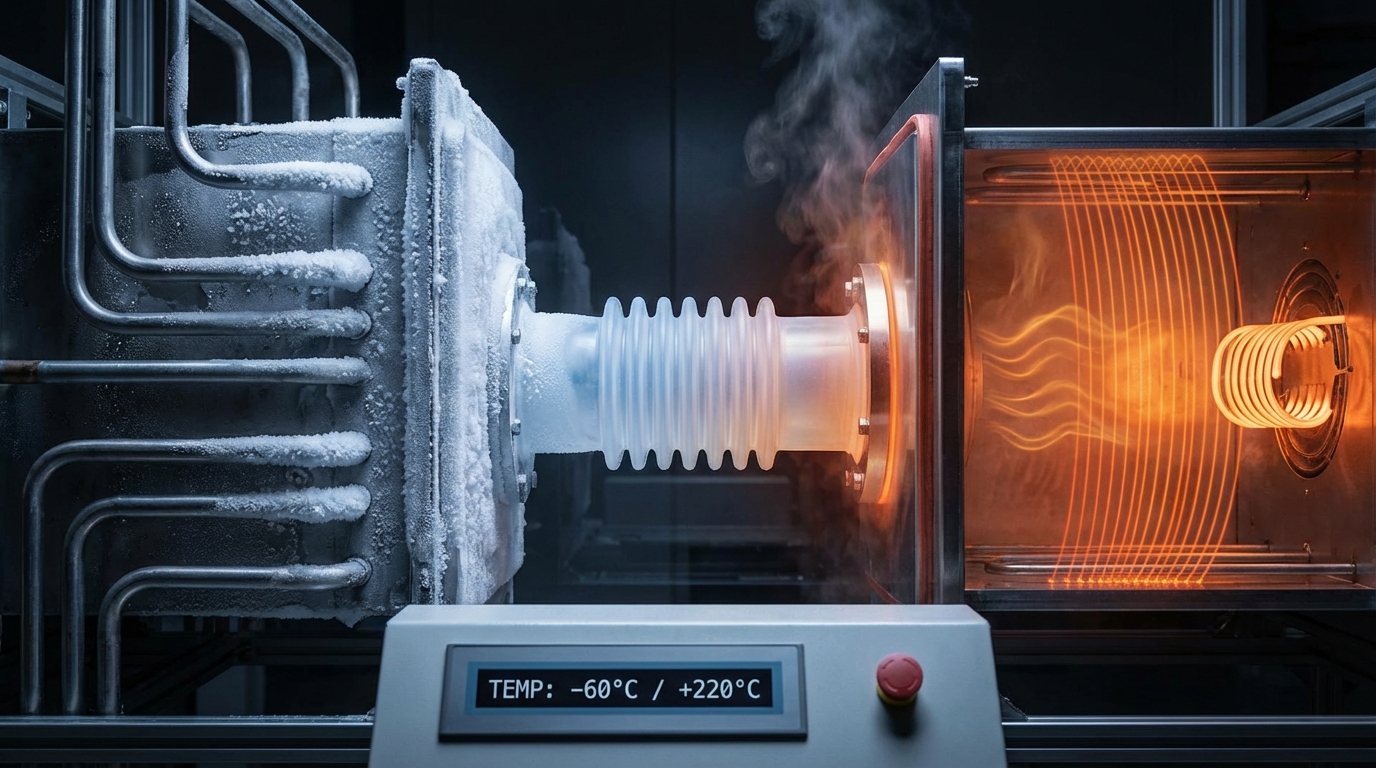
3D Printing with Silicone produces components that are naturally resistant to both high heat and extreme cold. The chemical structure of silicone remains stable even when exposed to temperatures that would degrade standard plastic 3D prints.
Thermal stability of silicone parts
Truth be told:
This material can typically operate in environments ranging from -60°C to over 200°C without losing its elastomeric properties. This makes it an excellent choice for automotive engine components and industrial machinery gaskets.
- Operational range: -60°C to 200°C.
- Resists melting under high heat.
- Retains flexibility in extreme cold.
- Molecular stability in harsh climates.
Environmental resistance factors
Beyond temperature, printed silicone resists a variety of harsh conditions.
- High UV light resistance.
- 100% waterproof for airtight seals.
- Resistance to acids and alkalis.
- Prevents yellowing or cracking outdoors.
Key Takeaway
The thermal and chemical resilience of printed silicone mirrors the high performance of molded LSR.
| Environment | Resistance Level | Typical Result |
|---|---|---|
| High Heat | Excellent | No melting or warping |
| UV Exposure | High | No yellowing or cracking |
| Water | 100% Waterproof | Permanent seal |
These properties ensure your prototypes can be tested in real-world conditions without premature failure.
Can 3D printing help optimize silicone part design?
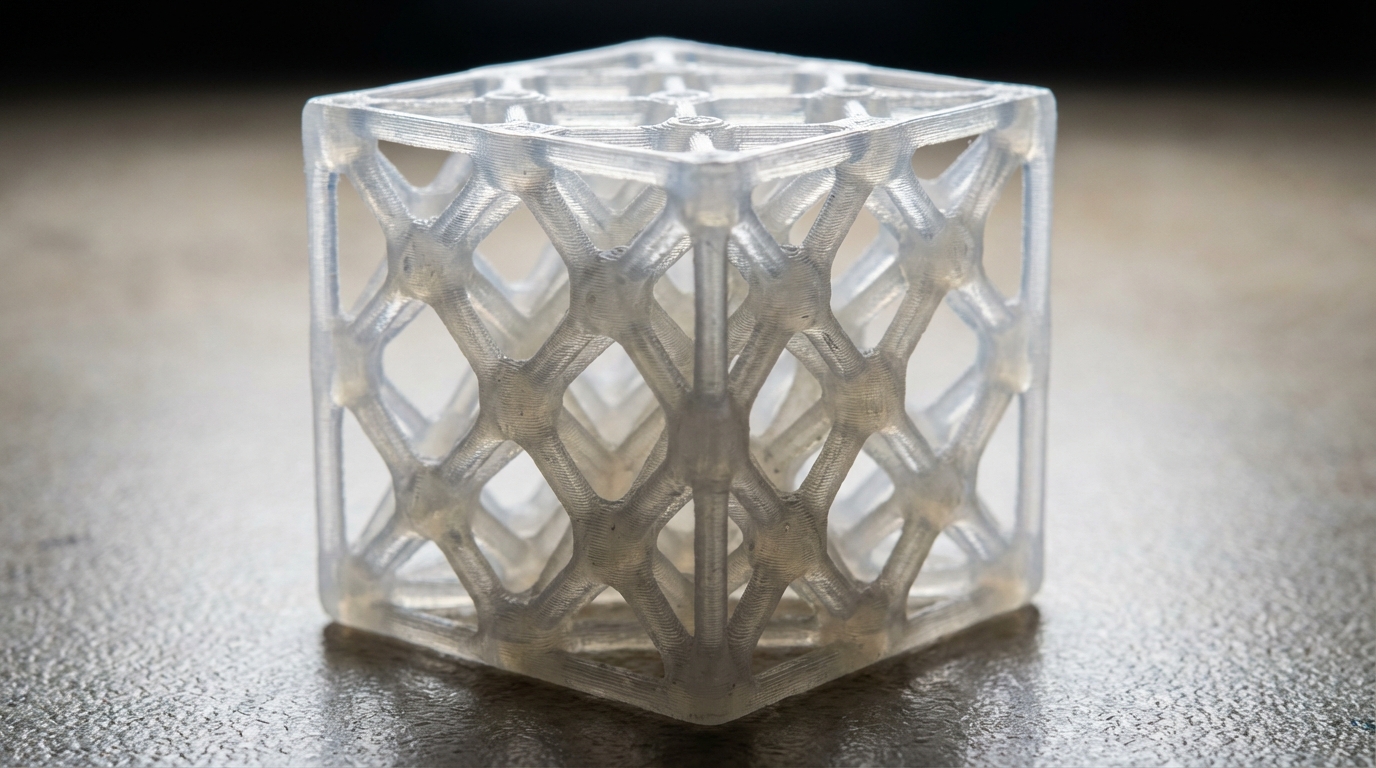
You can utilize 3D Printing with Silicone to explore complex design features that would be impossible to manufacture using traditional injection molding. Molding often requires draft angles and simple geometries to allow part ejection, but 3D printing removes these barriers.
Unlocking geometric complexity
You might be wondering:
How much freedom do you actually gain with an additive approach? You can design internal channels for fluid flow, undercuts, and lattice structures that molding simply cannot replicate.
- Internal fluid flow channel design.
- Complex lattice structures for weight reduction.
- Undercuts without needing slides.
- Draft angle freedom for designers.
Enhancing part functionality
Optimization often leads to better performance and lighter weight.
- Component integration into single prints.
- Adjustable damping via internal voids.
- Multi-stage protection in complex seals.
- Lightweighting of industrial components.
Key Takeaway
Additive manufacturing allows you to focus on the functional needs of the part rather than molding constraints.
| Design Feature | Possible with 3D Printing | Possible with Molding |
|---|---|---|
| Internal Channels | Yes | Limited |
| Undercuts | Yes | No (requires slides) |
| Lattice Structures | Yes | No |
Leveraging this design freedom leads to more innovative products and improved engineering solutions.
How does the surface finish compare to molded parts?
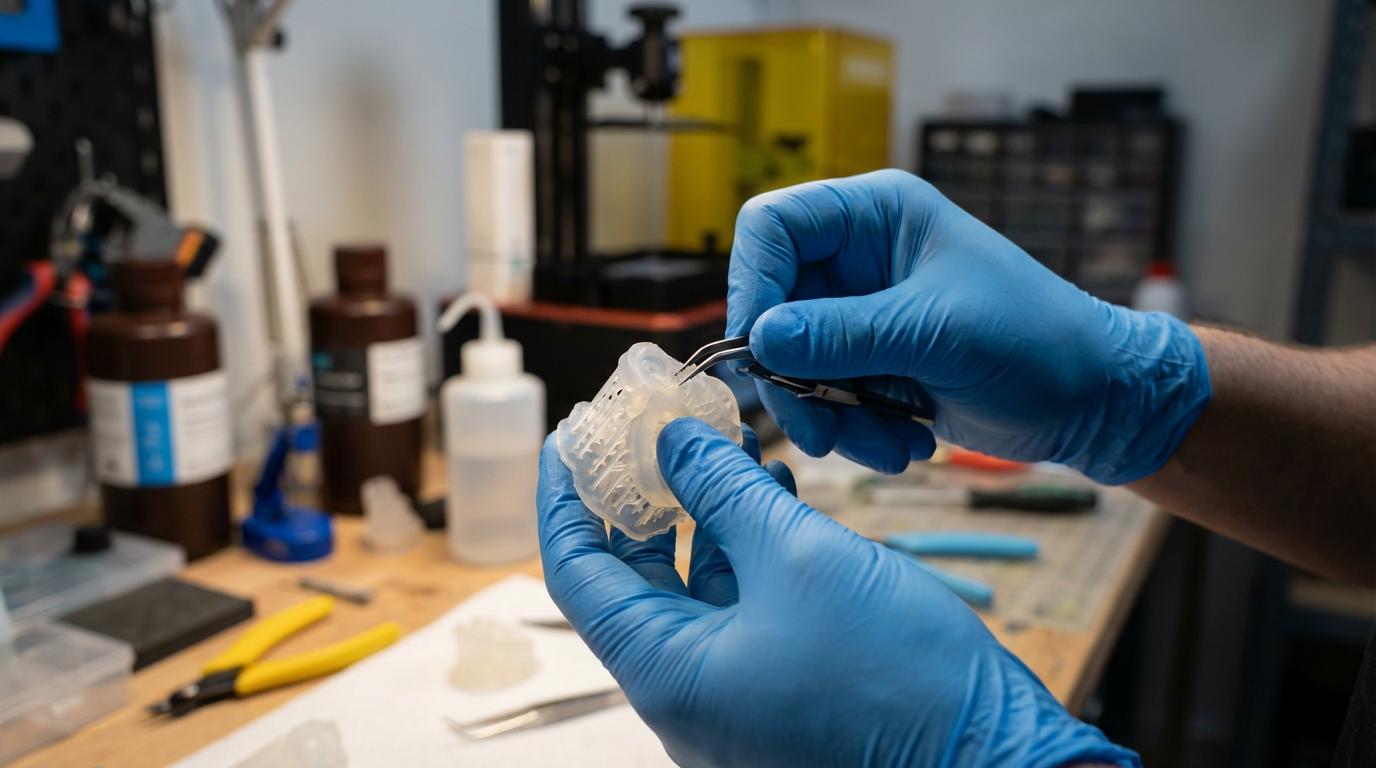
The surface finish of 3D Printing with Silicone via SLA is significantly smoother than other 3D printing methods like FDM or SLS. While molded parts can achieve a high-gloss finish, printed silicone offers a professional matte or satin texture that is highly functional.
Achieving smooth textures
Best of all:
The layers in an SLA silicone print are virtually invisible to the naked eye, giving the part a solid, professional look. This high surface quality is vital for parts that come into contact with skin or require a precise seal.
- Virtually invisible layer lines.
- Professional matte or satin texture.
- Smooth contact surfaces for skin.
- High-fidelity aesthetic appearance.
Managing support structure marks
Every additive part requires support structures that may leave small marks on the surface.
- Strategic placement to hide support marks.
- Precision hand-finishing for smooth contact points.
- High-resolution settings for better finish.
- Minimal post-print surface remediation.
Key Takeaway
Printed silicone provides a surface quality that is comparable to high-end industrial molds.
| Method | Surface Quality | Post-Processing |
|---|---|---|
| SLA Printing | Smooth, Matte | Support removal |
| LSR Molding | High Gloss to Matte | Minimal (De-flashing) |
High-quality surfaces ensure that your prototypes are not only functional but also visually ready for stakeholder presentations.
What are the most common industrial applications?
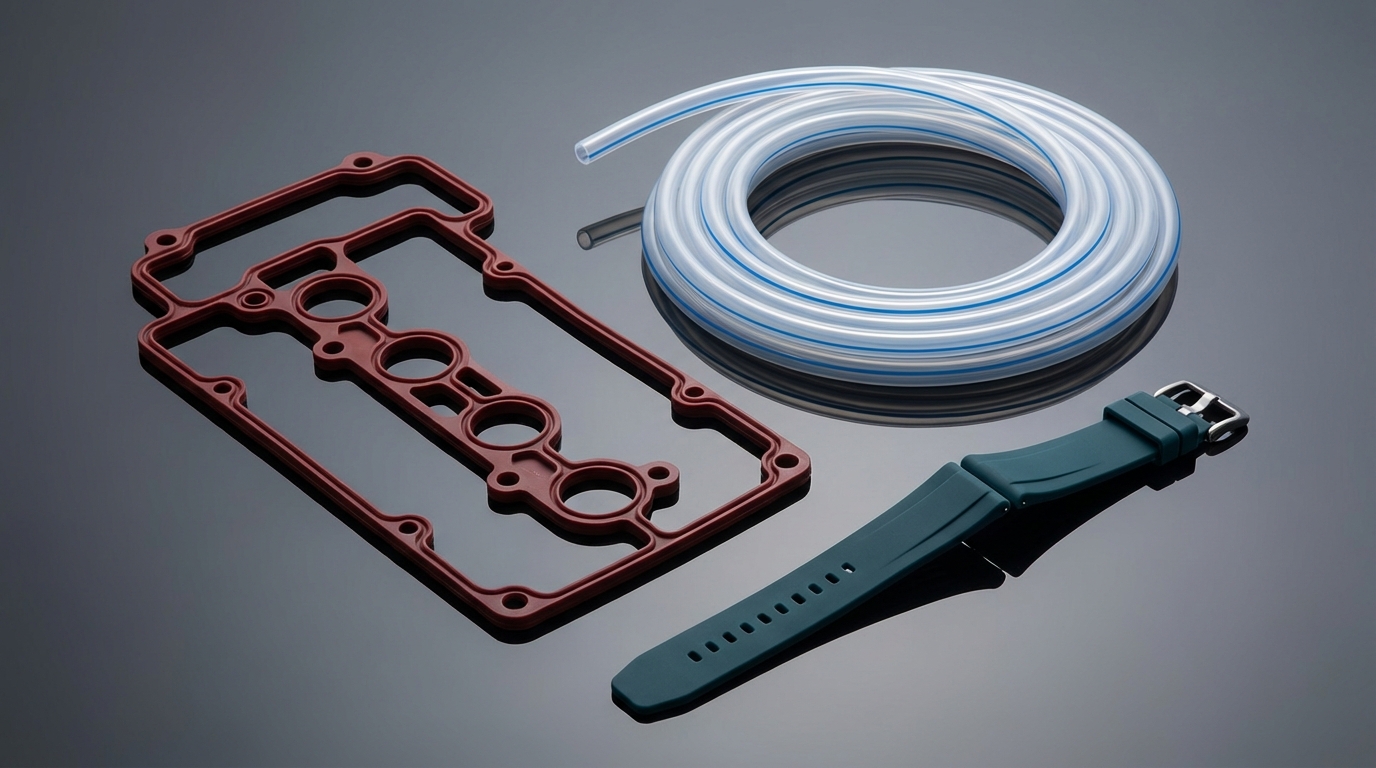
Industrial sectors use 3D Printing with Silicone across a wide range of applications where flexibility and environmental resistance are paramount. From heavy machinery to consumer gadgets, silicone parts provide the essential barrier needed to protect internal electronics.
Seals, gaskets, and enclosures
Imagine this:
Instead of waiting weeks for a custom seal, you can print a watertight gasket for a new enclosure in a single afternoon. This allows for immediate pressure testing and waterproofing verification during the design phase.
- Custom watertight gaskets and seals.
- Protective enclosures for electronics.
- Immediate pressure testing capabilities.
- Rapid enclosure prototyping.
Consumer and wearable technology
The soft-touch properties of silicone make it a favorite for consumer-facing products.
- Wearable straps and fitness trackers.
- Impact-resistant protective sleeves.
- Tactile keypads for control panels.
- Skin-safe consumer gear.
Key Takeaway
Printed silicone is a versatile material that serves critical needs in the electronics, medical, and industrial sectors.
| Industry | Primary Use | Key Benefit |
|---|---|---|
| Electronics | Protective covers | Impact absorption |
| Industrial | Custom gaskets | Chemical resistance |
| Wearables | Straps/Wristbands | Skin safety |
The diversity of these applications demonstrates why silicone remains a top-tier material for modern engineering.
Is 3D printing cost-effective for large production runs?
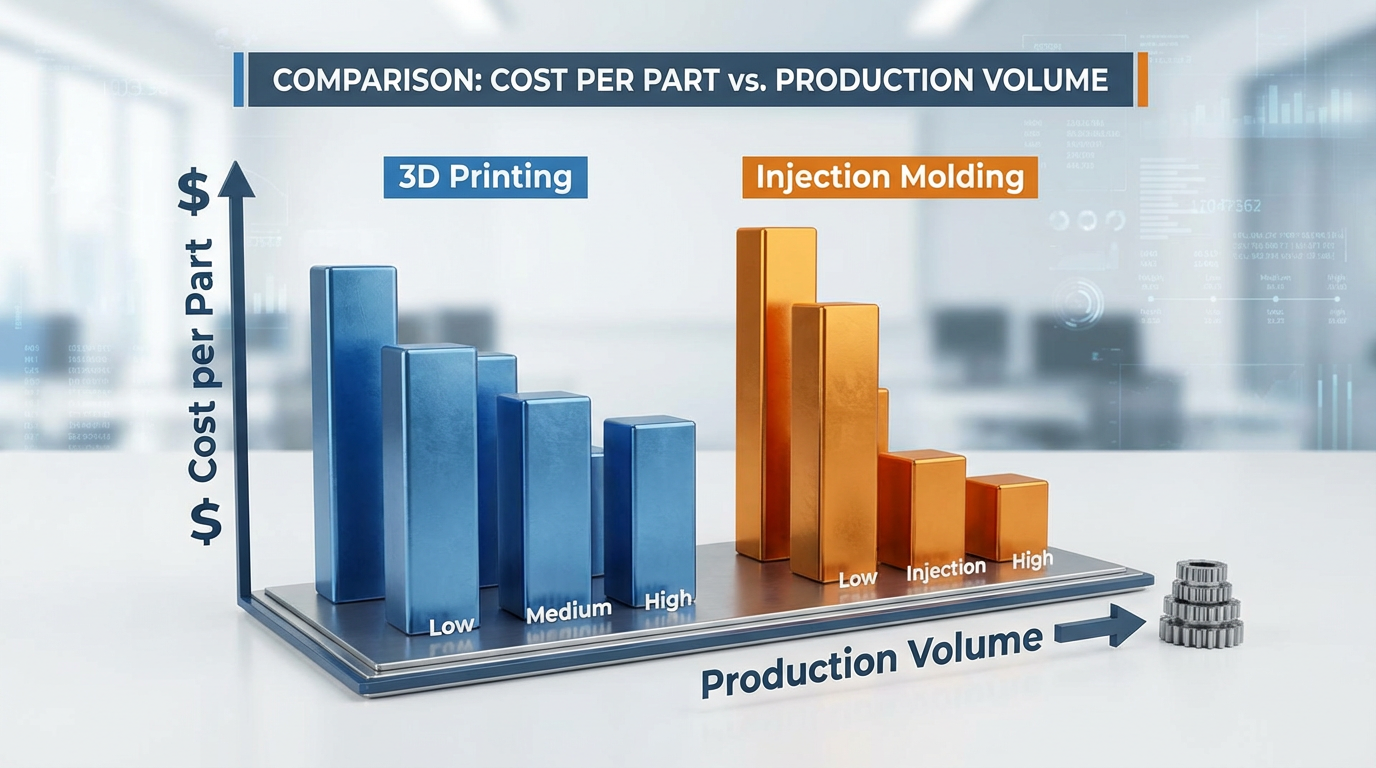
While 3D Printing with Silicone is the best choice for prototypes and low volumes, it typically becomes less cost-effective as you scale toward mass production. For thousands of units, the efficiency and speed of high-volume injection molding usually outweigh the flexibility of 3D printing.
The transition from print to mold
On top of that:
The printing process serves as a perfect validation step before you invest in a permanent mold. Once your design is finalized through printing, you can move to molding with absolute confidence in the part’s performance.
- Perfect validation before mold investment.
- Seamless transition to high volume.
- Performance verification during R&D.
- Reduced risk of mold revisions.
Volume and cost analysis
Understanding the tipping point for costs will help you manage your production budget.
- Cheaper for batches of 1–50 parts.
- Competitive for batches up to 500 parts.
- Economical transition to injection molding for mass runs.
- Strategic budget optimization across lifecycle.
Key Takeaway
3D printing is a specialized tool for R&D and low volumes, while molding is the king of mass production.
| Production Volume | Preferred Method | Reasoning |
|---|---|---|
| Prototyping | 3D Printing | No tooling, fast speed |
| Low Volume | 3D Printing/Molding | Bridge production |
| Mass Production | LSR Molding | Lowest cost per unit |
By using both technologies strategically, you can optimize your budget across the entire product life cycle.
Conclusion
3D printing with silicone provides a transformative solution for B2B manufacturers who need high-performance prototypes without the delays of traditional tooling. By bridging the gap between digital design and functional elastomeric parts, you can accelerate your innovation cycles and reduce financial risks. Whether you are developing medical devices, industrial seals, or consumer electronics, this technology offers the flexibility and precision required for modern engineering.
Ready to bring your silicone designs to life? To learn more about our custom manufacturing and engineering services, contact us today to discuss your project requirements. We are dedicated to providing stable, high-quality silicone solutions that empower your brand to lead the market.
FAQ
Can I print silicone in multiple colors?
Current silicone 3D printing is mostly limited to translucent white and black, so you should use injection molding if specific color matching is required.
What’s the best durometer for a soft grip?
A durometer of 20A Shore A is typically best for soft-touch applications, as it provides maximum flexibility and comfort.
Can I print large automotive parts with silicone?
No, printed silicone is currently limited to smaller sizes, as parts must fit within a roughly 4.7-inch build volume.
How fast can I get a 3D printed silicone prototype?
You can typically receive functional silicone parts in as little as 1 to 5 days, depending on geometry and shipping requirements.
Is 3D printed silicone as strong as molded silicone?
Yes, printed silicone using SLA technology maintains nearly identical mechanical and chemical properties to its molded counterparts.