
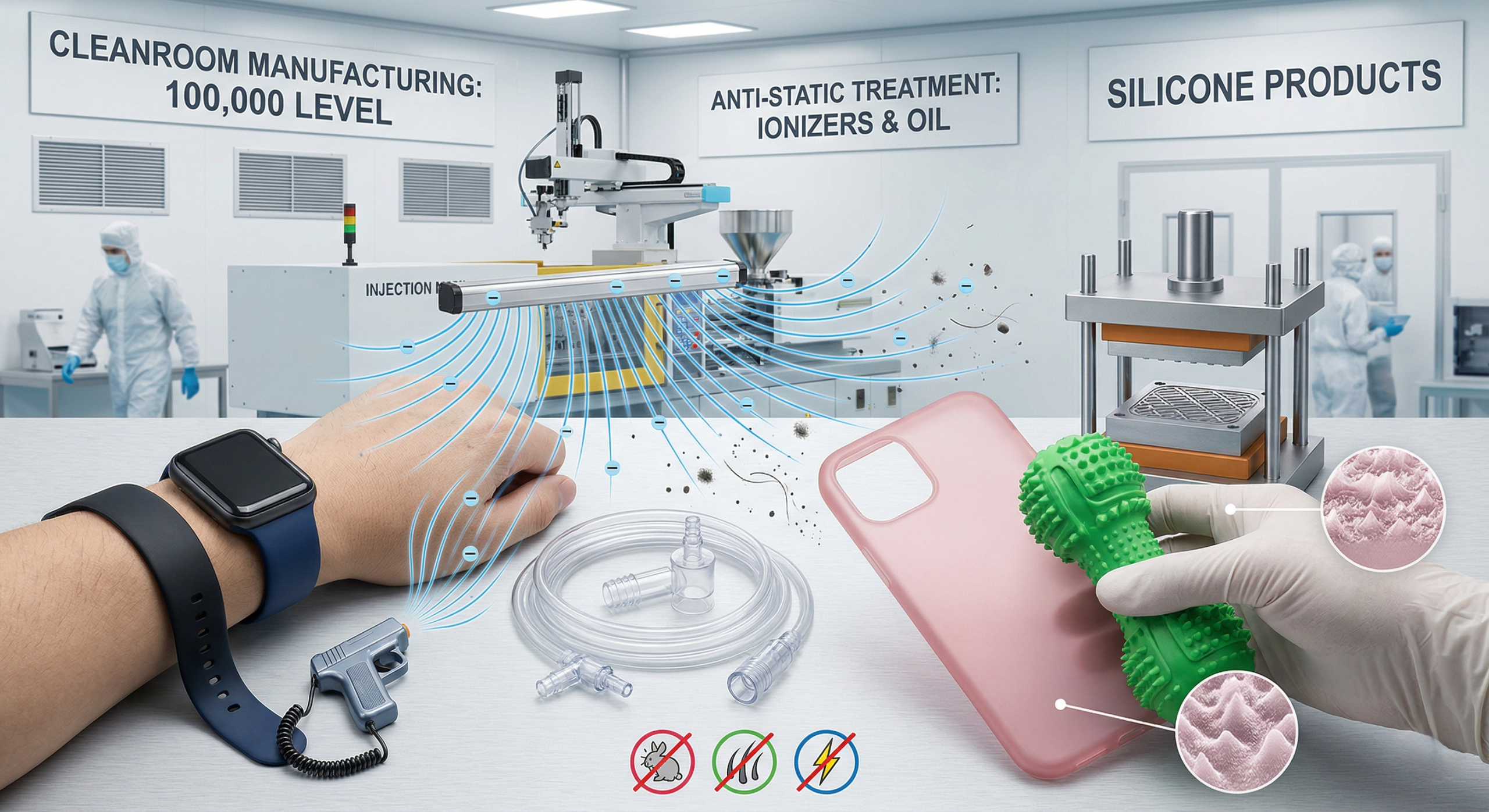
Reducing dust on silicone requires a strategic combination of cleanroom manufacturing, surface texture optimization, and specialized anti-static coatings. You likely know that silicone’s natural static charge acts like a magnet for lint, hair, and airborne particles. This accumulation ruins premium branding and compromises hygiene in sensitive applications like healthcare. By adopting advanced curing and material treatments, you can ensure high-end Silicone Products remain pristine from the factory floor to the end-user’s hands.
Does the workshop level affect silicone products?
Workshop levels directly determine the volume of airborne particulates that can embed into the material during the molding process. Producing Silicone Products in a controlled environment is your first line of defense against surface contamination.
Why are cleanrooms necessary?
You might be wondering: why bother with a cleanroom? Here is the deal: airborne dust becomes permanently trapped in the silicone during the liquid phase or cooling stage. This creates visual defects that cannot be washed away later.
- Prevent structural weaknesses caused by debris.
- Maintain high aesthetic standards for clear parts.
- Reduce the rate of batch rejections during QC.
What is the 100,000 level standard?
A 100,000-level dust-free workshop ensures that the number of particles per cubic foot is strictly limited. 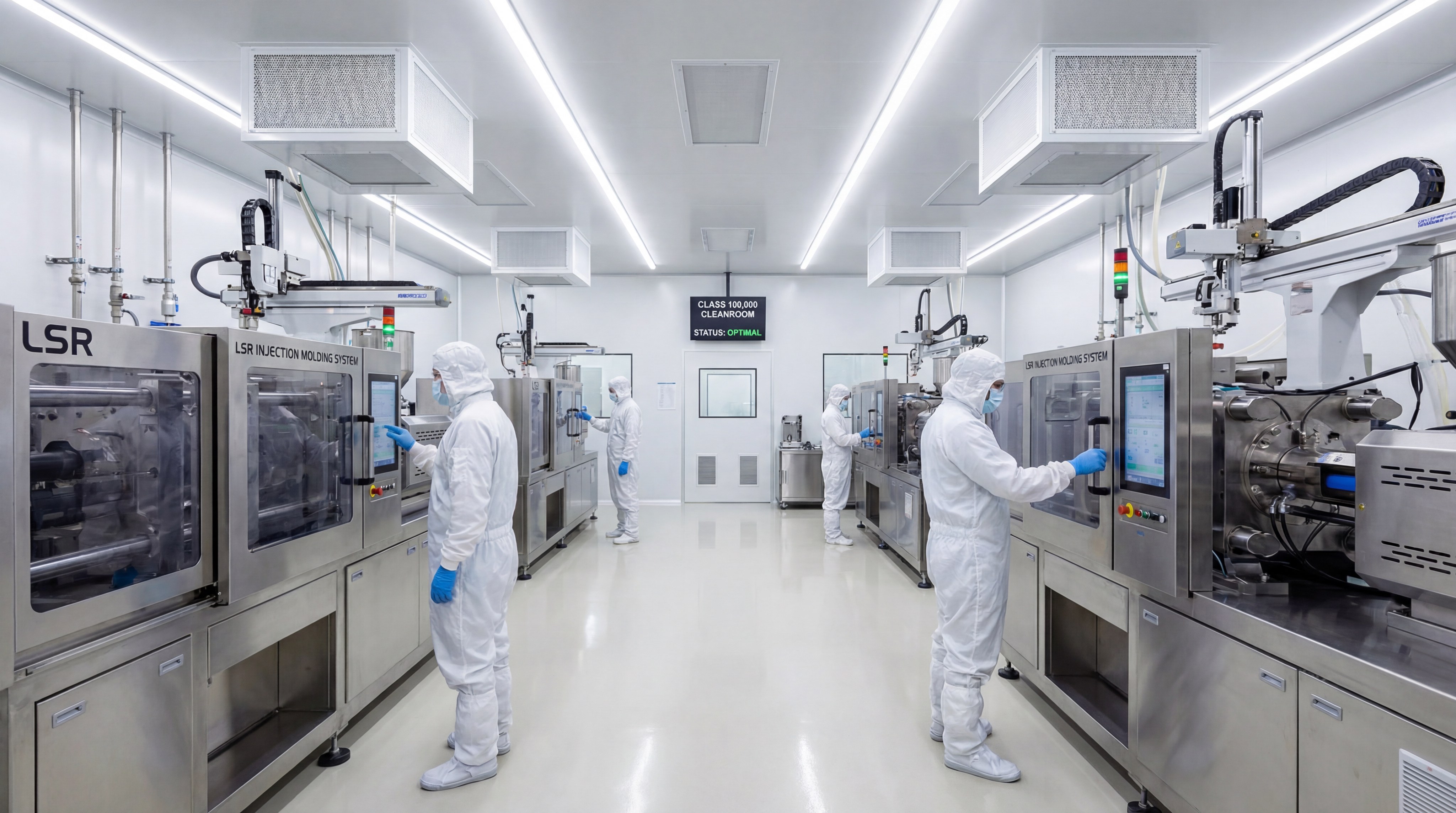 You can achieve superior surface clarity when you eliminate the risk of environmental pollutants during the injection process.
- Consistent air filtration cycles.
- Mandatory protective gear for all staff.
- Sealed entry points to block external dust.
Is post-molding protection required?
Once the part is out of the mold, it is still vulnerable to static attraction. You should move the parts directly into dust-free packaging areas to preserve the factory-clean finish.
- Immediate cooling in a filtered environment.
- Use of anti-static bins for transportation.
- Automated inspection to catch particles early.
Key Takeaway: Environmental control is the most critical factor in preventing embedded dust during the early manufacturing stages.
| Control Method | Impact Level | Primary Benefit |
|---|---|---|
| Cleanroom Molding | High | Prevents embedded debris |
| Filtered Air | Medium | Reduces surface fallout |
| Controlled Access | Low | Limits human-carried dust |
Analysis shows that environmental particulate control is more cost-effective than attempting to clean contaminated parts later.
Why use frosted designs for silicone products?
A frosted surface reduces the physical contact area available for dust particles to adhere to the material. Many high-quality Silicone Products utilize compression molding to create a matte finish that masks minor imperfections.
How does surface area affect dust?
Think about it: a perfectly smooth surface provides maximum grip for microscopic particles. 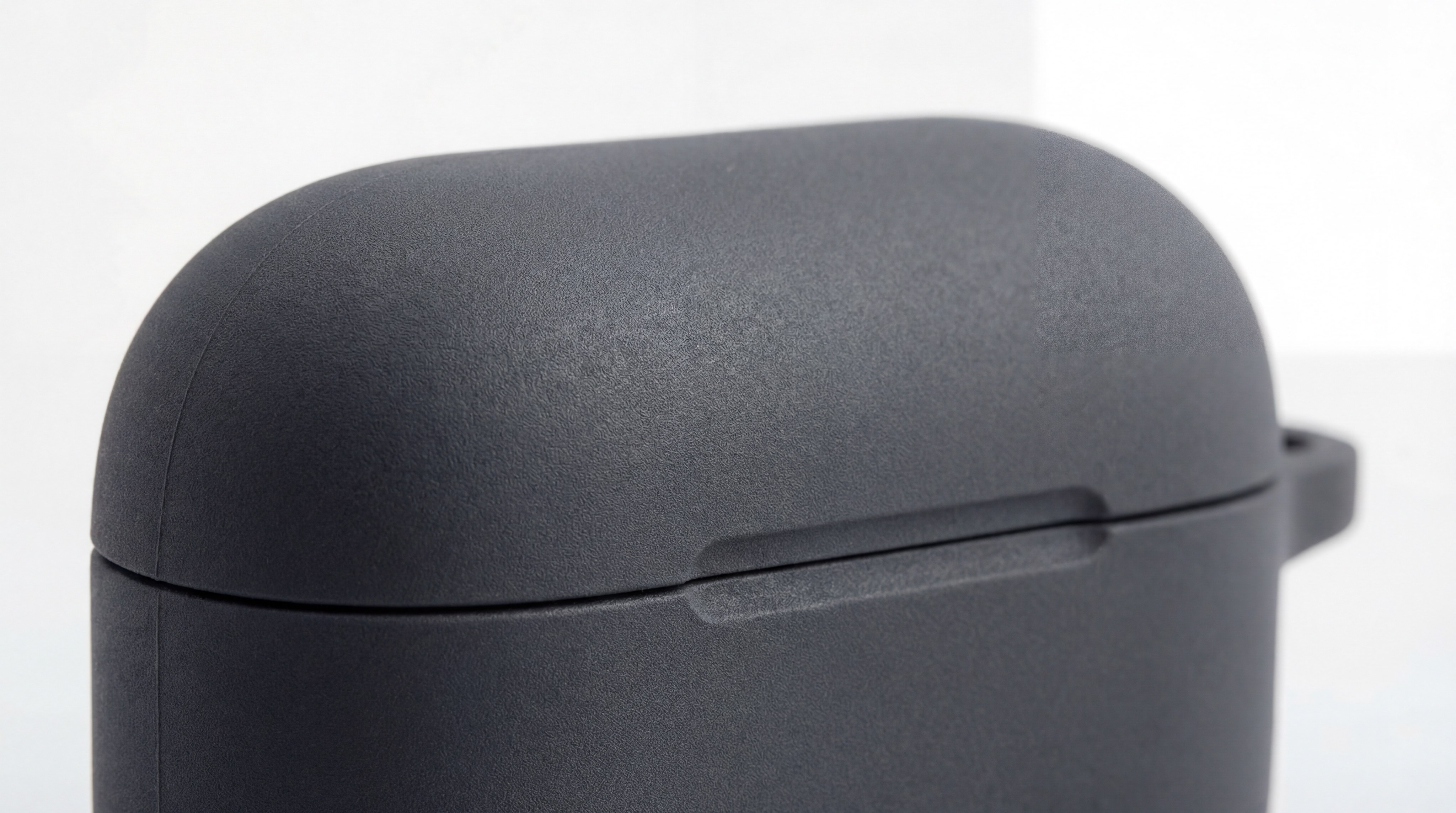 By introducing a micro-texture, you create peaks and valleys that prevent dust from forming a solid bond.
- Lower surface tension across the part.
- Reduced “sticky” feel for the consumer.
- Easier cleaning if dust does settle.
What mold techniques help?
You can achieve this effect through specialized mold texturing or chemical etching on the steel tool. This ensures the texture is molded directly into the part rather than applied as a post-process.
- Precise DFM planning for grain selection.
- Consistent matte appearance across batches.
- Durable finish that does not wear off.
Key Takeaway: Texture optimization is a passive but highly effective design strategy to mitigate dust attraction without chemical additives.
| Design Type | Dust Visibility | Tactile Feel |
|---|---|---|
| High Gloss | High | Tacky/Grippy |
| Frosted/Matte | Low | Soft-Touch |
| Sandblasted | Very Low | Textured |
Passive surface modification through mold texturing provides a permanent solution to the dust-magnet problem.
How does antistatic oil benefit silicone products?
Antistatic oil creates a chemical barrier that neutralizes the surface charge to repel lint and hair effectively. Wearable Silicone Products benefit significantly from this smooth, skin-friendly finish that prevents “pocket lint” accumulation.
Is the coating permanent?
But wait, there’s more to consider regarding the longevity of these treatments. While the oil is durable, it is designed to last for the typical lifecycle of the product under normal wear.
- Resistance to sweat and light friction.
- Maintains a “silk-feel” for months.
- Can be reapplied if necessary during refurbishing.
Can it improve the hand feel?
Applying a specialized spray coating transforms a tacky surface into a premium, velvet-like texture. 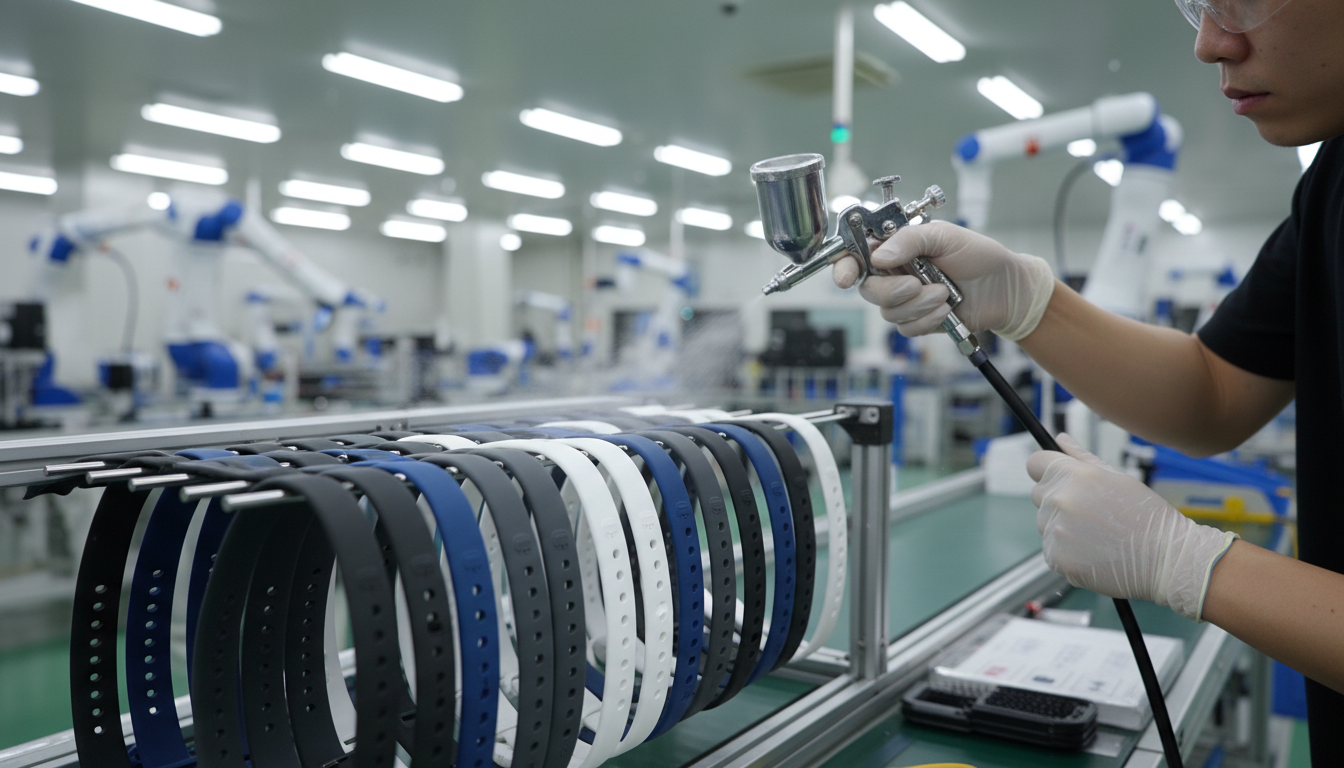 You can see a massive improvement in user satisfaction when the product feels smooth rather than rubbery.
- Enhanced resistance to skin oils.
- Reduced friction for easier handling.
- Professional appearance for consumer electronics.
Key Takeaway: Antistatic oil spray is the gold standard for achieving a premium, lint-resistant finish on consumer-facing parts.
| Treatment | Effectiveness | Application Cost |
|---|---|---|
| Hand Feel Oil | Excellent | Moderate |
| UV Modification | Good | High |
| Talcum Powder | Temporary | Low |
The application of anti-static oils is a high-value secondary operation that directly correlates with perceived product quality.
Does secondary vulcanization reduce surface stickiness?
Secondary vulcanization, often called post-curing, removes residual volatile substances that contribute to a tacky surface. Silicone Products made with LSR injection molding are typically baked in an oven to stabilize the material properties.
How does heat removal work?
The truth is that standard molding often leaves low-molecular-weight silicone on the surface. By baking the parts at high temperatures, you evaporate these volatiles, leaving a drier and less reactive finish.
- Increases material hardness slightly.
- Improves dimensional stability over time.
- Eliminates the chemical odors common in new rubber.
Is it required for safety?
If you are manufacturing items for food or medical contact, this step is often non-negotiable. You ensure that the parts meet strict regulatory standards while simultaneously reducing their dust-attraction profile.
- Compliance with FDA and LFGB standards.
- Reduced leaching of silicone oils.
- Safer for long-term skin contact.
Key Takeaway: Post-curing is a vital process for both material safety and the reduction of surface tackiness.
| Process Step | Temperature | Duration |
|---|---|---|
| Primary Molding | 160°C – 200°C | Seconds |
| Post-Curing | 150°C – 200°C | 2 – 4 Hours |
| Cool Down | Ambient | 1 Hour |
Secondary vulcanization creates a chemically stable surface that is naturally less prone to attracting environmental particles.
Are static eliminators vital for silicone products?
Static eliminators are active tools used to dissipate the electric charges that build up during demolding. You must protect Silicone Products during the critical seconds after they leave the heated mold to prevent instant dust attraction.
When should you use ionizers?
The best time to neutralize the charge is immediately upon part ejection. You should place ionization bars over the conveyor belts or at the robot arm’s collection point to strip away the static.
- Neutralizes both positive and negative charges.
- Prevents parts from sticking to each other.
- Keeps the parts “electronically neutral” for packaging.
Does packaging matter?
You can negate all your hard work by using the wrong plastic bags for shipping. You should always use anti-static bags or cleanroom-certified PE packaging to maintain the pristine state of the parts.
- Prevents friction-induced static during transit.
- Blocks external dust from entering the box.
- Preserves the anti-static oil coating.
Key Takeaway: Active static management during handling ensures that parts remain clean until they reach the end customer.
| Equipment | Function | Priority |
|---|---|---|
| Ionization Bars | Charge Neutralization | Essential |
| Anti-static Bins | Safe Storage | High |
| PE Clean Bags | Dust Barrier | Critical |
Active ionization technology provides a dynamic defense against the invisible forces that cause dust buildup.
Which material grade attracts the least dust?
Liquid silicone rubber (LSR) and specific high-consistency rubber (HCR) grades with anti-static additives offer the best resistance. Selecting the right grade for your Silicone Products such as medical components ensures long-term clarity and hygiene.
HCR vs LSR performance?
The fact of the matter is that LSR often has a smoother finish but can be more prone to static if not treated. You might find that HCR provides a slightly more “dry” finish naturally, depending on the filler used.
- LSR is better for complex geometries.
- HCR offers excellent durability for large parts.
- Both require post-curing for the best results.
Are there anti-static additives?
You can now source silicone compounds that have anti-static agents mixed directly into the raw material. This provides an internal solution that doesn’t rely on surface coatings that might wear away over time.
- Permanent dust resistance through the part.
- No need for secondary spray operations.
- Ideal for high-friction industrial parts.
Key Takeaway: Material selection at the start of the project can eliminate the need for expensive secondary treatments later.
| Material Grade | Dust Resistance | Cost Factor |
|---|---|---|
| Standard LSR | Low | Base |
| Anti-static LSR | High | Premium |
| Post-Cured HCR | Medium | Standard |
Choosing advanced material grades allows for inherent dust resistance that survives even the harshest cleaning cycles.
How to clean dust-free silicone products daily?
You should use mild soap and warm water followed by air drying to maintain the integrity of the surface. Many Silicone Products are designed for easy maintenance, provided you avoid abrasive tools that could scratch the finish.
Can you use chemicals?
You should be careful, as harsh solvents like alcohol can strip away anti-static coatings over time. It is much better to stick to pH-neutral detergents that lift dust without attacking the silicone material.
- Avoid bleach or heavy degreasers.
- Use soft microfiber cloths for wiping.
- Rinse thoroughly to prevent soap residue.
What drying method is best?
The last thing you want is to leave lint from a towel on your clean part. You should let the parts air dry in a clean area or use compressed air to blow away water droplets.
- Prevents water spots on clear silicone.
- Eliminates the transfer of fabric fibers.
- Speed up the process for industrial components.
Key Takeaway: Proper maintenance protocols ensure that the anti-dust properties of the silicone remain effective throughout the product’s life.
| Cleaning Tool | Recommended | Reason |
|---|---|---|
| Microfiber | Yes | No lint transfer |
| Cotton Towel | No | Leaves fibers |
| Compressed Air | Yes | Quick and clean |
Daily cleaning with gentle methods preserves both the aesthetic and functional properties of high-end silicone parts.
Is dust control critical for medical grade parts?
Medical environments require zero tolerance for dust to prevent contamination and ensure patient safety. Silicone Products used in healthcare devices must be manufactured under strict ISO 13485 conditions to meet regulatory hurdles.
What are the sterility impacts?
Dust is not just an eyesore; it is a carrier for bio-burden and bacteria. 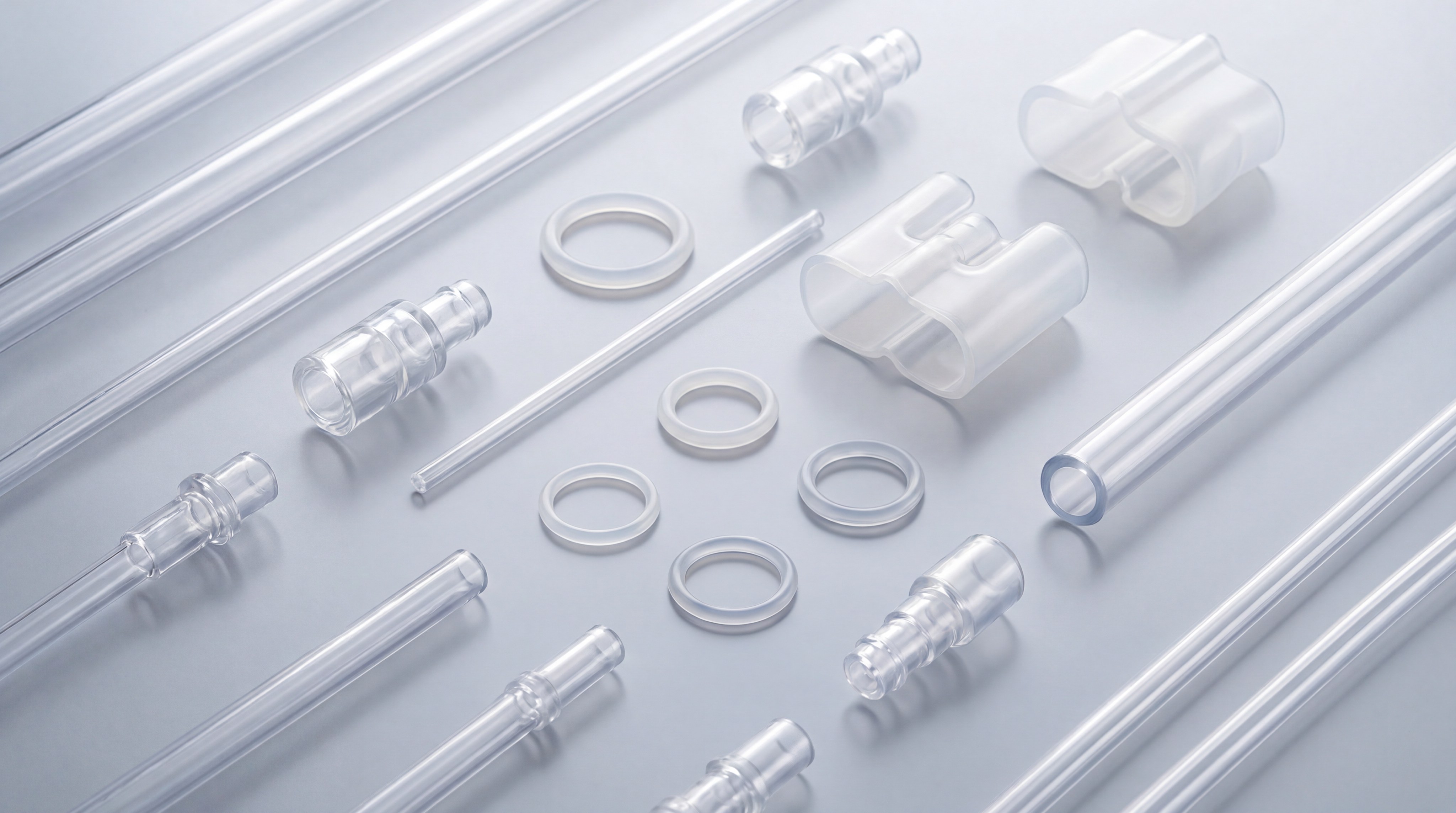 You must ensure that parts are dust-free so that sterilization processes like autoclaving or Gamma radiation are fully effective.
- Particles can shield bacteria from radiation.
- Dust in tubing can cause blockages.
- Clear parts must remain transparent for monitoring.
How does dust affect compliance?
Failure to control particulates during production can lead to failed audits and product recalls. You need a partner who understands that dust-free manufacturing is a regulatory requirement, not just a preference.
- ISO 13485 certification is essential.
- Traceability of the production environment.
- Strict 100% inspection protocols.
Key Takeaway: For medical applications, dust reduction is a vital safety protocol that protects both the patient and the manufacturer.
| Medical Requirement | Impact of Dust | Solution |
|---|---|---|
| Biocompatibility | Potential irritation | Cleanroom molding |
| Transparency | Visual obstruction | Frosted design |
| Sterility | Bacterial harboring | UV modification |
High-precision medical manufacturing demands a “zero-dust” mindset to ensure device reliability and regulatory compliance.
Do protective sleeves need anti-dust coatings?
Protective sleeves require anti-dust treatments to prevent them from sticking to clothing or attracting unsightly lint in retail settings. You can apply spray coatings to these Silicone Products to ensure a premium, non-stick finish that consumers expect.
Does it help installation?
Have you ever struggled to put a silicone case on a phone? That friction is caused by a lack of surface treatment. You can make installation much easier for the end-user by providing a smooth, low-friction surface.
- Reduces “stiction” between surfaces.
- Prevents the sleeve from turning inside out.
- Enhances the overall user experience.
Is spray better than material mix?
For consumer goods, a surface spray is often more cost-effective while providing a superior “silky” feel. You should choose this method if your priority is the tactile sensation and visual cleanliness of the exterior.
- More vibrant color preservation.
- Lower initial material costs.
- Excellent results for complex textures.
Key Takeaway: Anti-dust coatings on protective sleeves are essential for both aesthetic appeal and functional ease of use.
| Sleeve Feature | Untreated | Coated |
|---|---|---|
| Dust Attraction | High | Minimal |
| Surface Friction | High | Low |
| Visual Appeal | Dull | Premium |
Applying anti-static treatments to protective enclosures significantly increases the retail value and longevity of the product.
Why are pet products prone to attracting hair?
Pet accessories often face high friction against fur, which builds a strong static charge that attracts hair instantly. For durable Silicone Products like custom keypads or pet toys, heavy-duty anti-static treatments are necessary to maintain hygiene.
Are the additives non-toxic?
You must ensure that any anti-dust agents used are safe for animals who might chew on the product. It is vital to use food-grade additives that provide dust resistance without compromising safety.
- BPA-free and non-toxic materials.
- Compliance with global pet safety standards.
- Odorless finishes that don’t repel pets.
Can treatments survive scratching?
The reality of pet products is that they face extreme physical abuse. You should opt for material-integrated anti-static solutions rather than surface sprays if the product will be subjected to heavy scratching.
- Resistance to bite marks and tears.
- Long-lasting performance in dirt.
- Easy to wash without losing properties.
Key Takeaway: Pet-safe silicone requires specialized anti-dust strategies that balance extreme durability with non-toxic chemical safety.
| Pet Product Challenge | Solution | Benefit |
|---|---|---|
| Constant Fur Contact | Integrated additives | Permanent resistance |
| Chewing/Biting | Food-grade material | Animal safety |
| Outdoor Use | UV resistance | Prevents degradation |
Designing for the pet industry requires a dual focus on rigorous material safety and high-performance dust repulsion.
Conclusion
Reducing dust on silicone is a multi-layered process that begins with cleanroom manufacturing and ends with specialized surface treatments. By understanding the roles of frosted designs, antistatic oils, and secondary vulcanization, you can produce parts that are both functional and visually stunning. At HuaLin Silicone, our vision is to provide world-class precision engineering that solves your most difficult material challenges. We invite you to contact us today to discover how our 100,000-level workshop and expert DFM support can elevate your next project.
FAQ
Can I use alcohol to clean silicone products?
Yes, but you should use it sparingly as frequent alcohol wipes can eventually degrade anti-static spray coatings. For best results, use mild soap and water for daily maintenance to preserve the surface finish.
What’s the best environment for storing silicone?
Store your parts in a cool, dry place inside sealed anti-static bags to prevent moisture and static buildup. Humidity control is also helpful in reducing the overall charge on the material surface.
Can I apply talcum powder to reduce stickiness?
Yes, talcum powder is a common industrial solution for temporary stickiness reduction, though it is not a permanent fix. For long-term results, you should opt for anti-static oil or frosted surface designs.
How do I know if a product is medical grade?
You should look for ISO 13485 certification and FDA or LFGB compliance documentation from the manufacturer. Medical-grade parts are produced in much stricter environments than standard consumer goods.
Can I prevent dust with home remedies?
You can use a very diluted solution of fabric softener as a temporary anti-static wipe, but it is not recommended for professional applications. Industrial-grade coatings are far more effective and durable.