
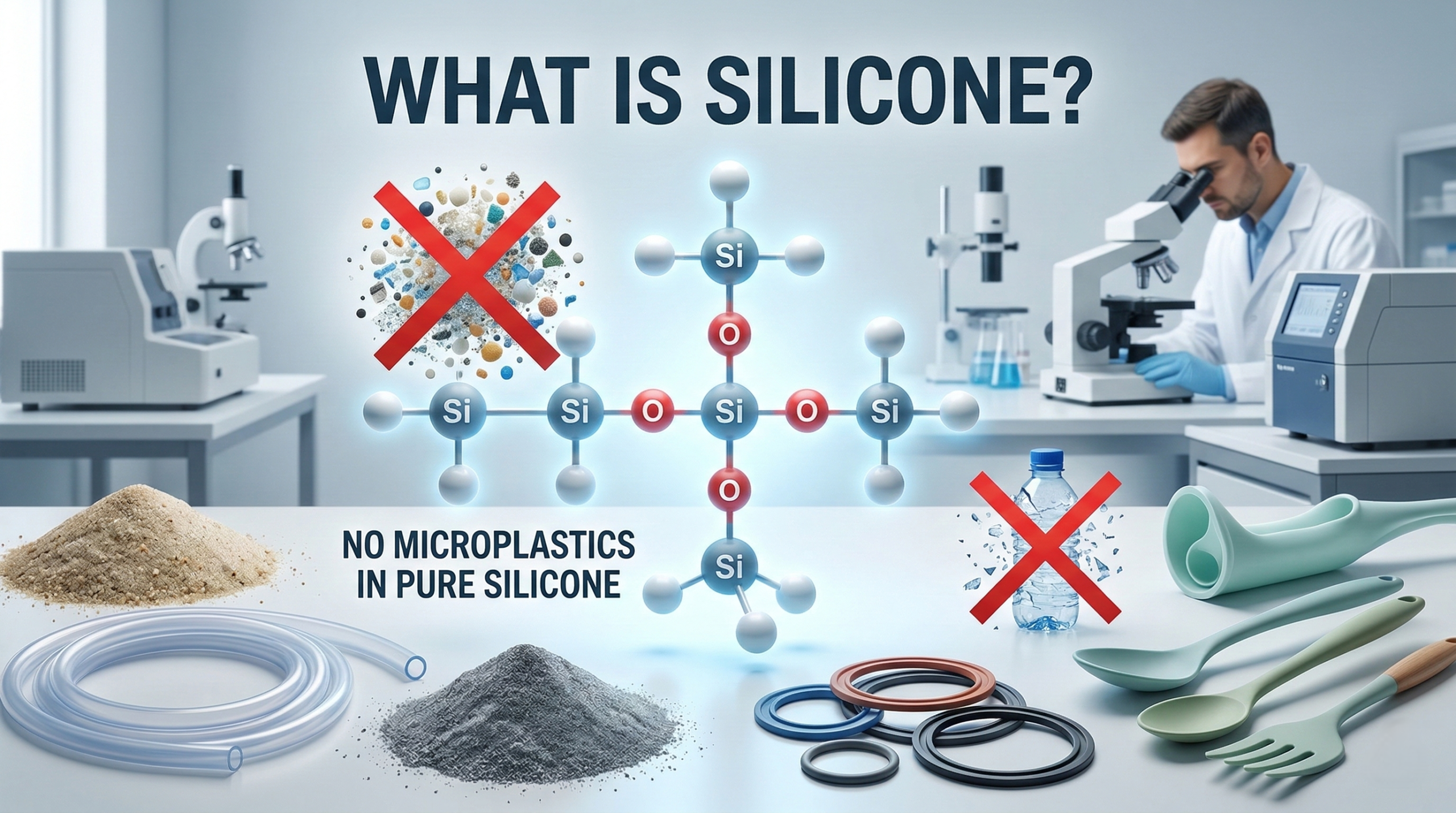
Silicone represents a highly versatile synthetic polymer built from alternating silicon and oxygen atoms. You often manage urgent product launches requiring durable components. Sourcing unreliable materials causes massive production failures. We offer premium silicone manufacturing solutions guaranteeing strict quality control. Many procurement directors constantly ask if does silicone have microplastics during environmental audits. This guide explains polymer structures clearly.
1. What Is Silicone Made Of and How Does It Form?
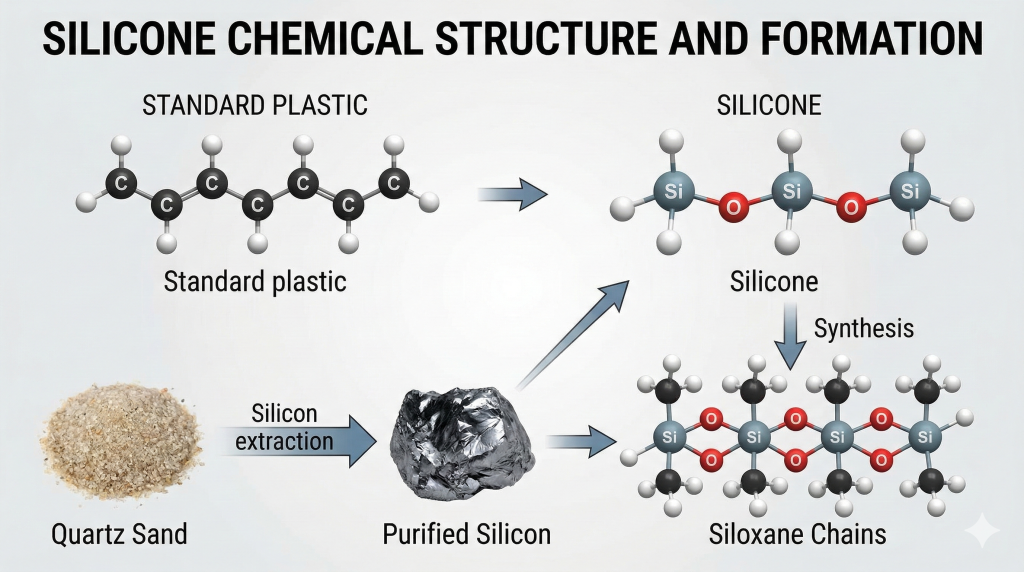
Silicone forms through complex chemical synthesis combining raw silicon with oxygen, carbon, and hydrogen. A common question among engineers involves environmental safety and does silicone have microplastics. Pure silicone contains zero plastic compounds during initial manufacturing. You get an entirely distinct polymer class.
How Do Manufacturers Process Raw Silicon?
We extract elemental silicon directly from abundant quartz sand. Here’s the deal: this extraction requires extreme heat alongside heavy carbon. Engineers purify resulting raw materials carefully.
- Workers heat quartz at highly elevated temperatures.
- Chemical reactions create unique siloxane chains.
- Factories refine these compounds thoroughly.
What Makes the Chemical Structure Unique?
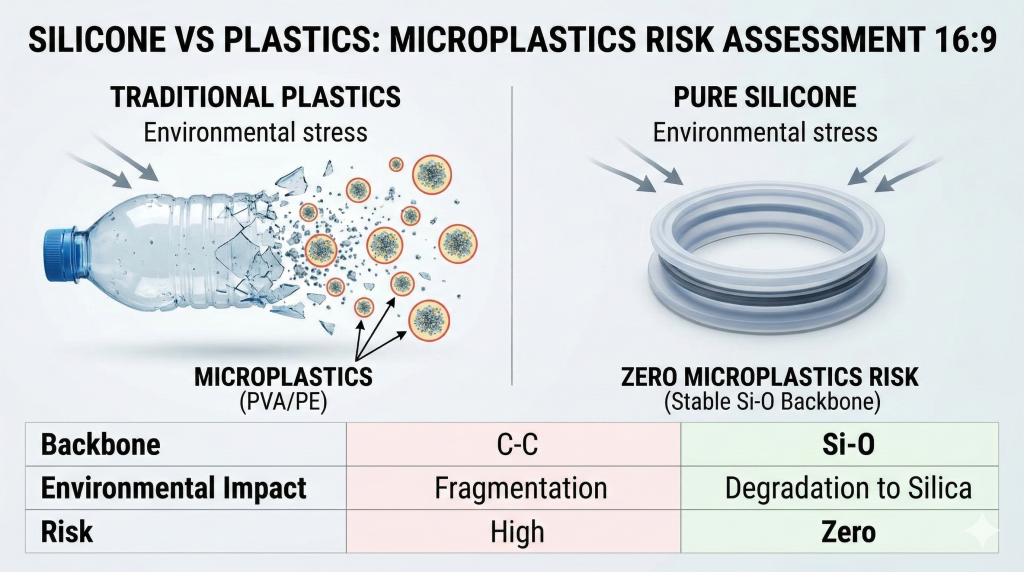
These synthetic polymers feature an incredibly stable backbone resisting rapid degradation. You might be wondering: how this benefits your factory. Alternating atoms create unmatched thermal resistance.
2. Does Silicone Have Microplastics in Its Structure?
Silicone fundamentally lacks microplastics within its pure chemical structure. When clients ask does silicone have microplastics, we always explain its unique inorganic backbone. You can confidently source these materials for environmentally sensitive projects. Your products will pass strict regulatory inspections easily.
How Does This Material Differ From Plastics?
Traditional plastics rely entirely on carbon-based petrochemical backbones. What’s the real story? Silicone utilizes a strong silicon-oxygen backbone instead. This fundamental difference prevents standard plastic degradation pathways completely.
- Plastics fragment into tiny toxic particles easily.
- Silicones maintain structural integrity under extreme stress.
- Your products avoid upcoming plastic-related regulatory bans.
Can Contamination Occur During Manufacturing?
Poor manufacturing practices might introduce unwanted foreign particles occasionally. This is where it gets interesting: strict quality control prevents cross-contamination completely. We ensure clean production environments constantly.
3. How Do the Properties of Silicone Benefit B2B Uses?
These unique properties offer massive advantages for large-scale industrial manufacturing. You might inquire: does silicone have microplastics when exposed extreme heat? This material retains structural purity without releasing toxic fragments. Your production lines gain incredible efficiency with these components.
What Are the Core Thermal Advantages?
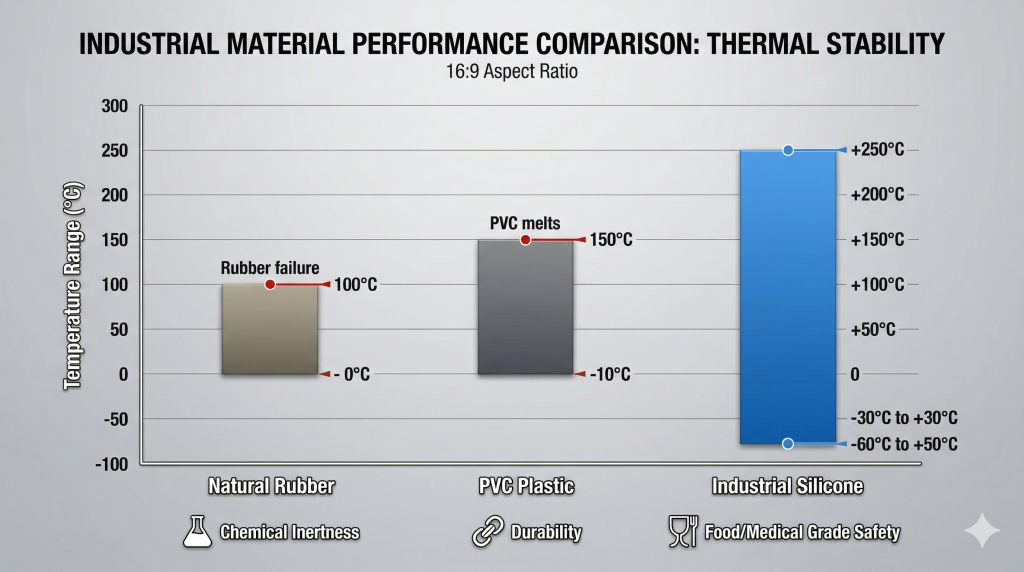
This synthetic rubber withstands massive temperature fluctuations seamlessly. Ready for the good part? Your parts perform perfectly in freezing conditions. They also survive intense heat without melting.
- Components tolerate heat above 200 degrees Celsius.
- Flexibility remains intact below minus 50 degrees.
- Thermal stability reduces expensive replacement costs.
Why Is Chemical Inertness Important?
Industrial applications demand materials resisting harsh chemical reactions. Here’s the deal: these rubbers do not react with most acids. You avoid rapid equipment degradation easily.
- Medical devices remain completely sterile.
- Food processing belts avoid dangerous contamination.
- Automotive seals block corrosive engine fluids.
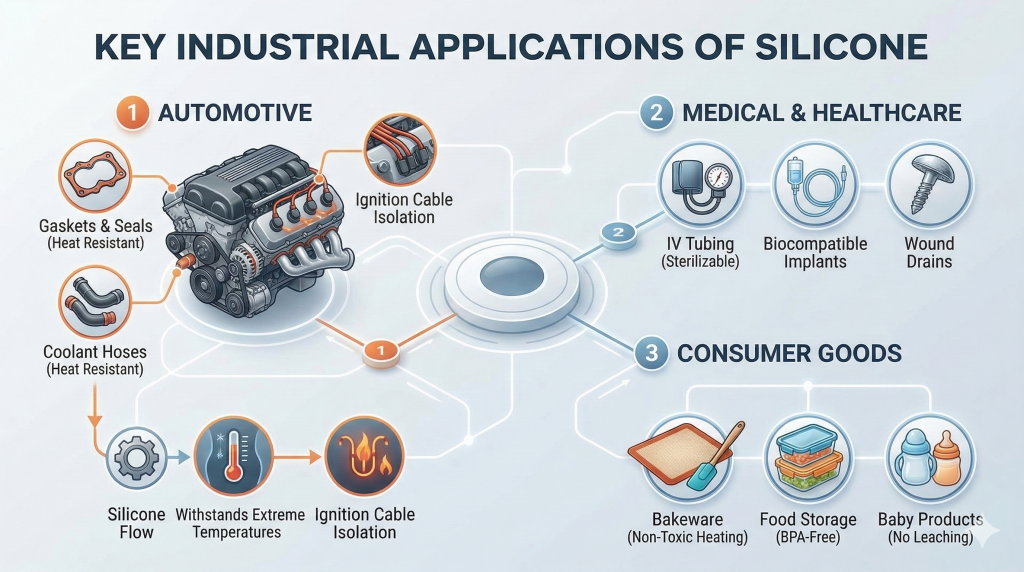
4. What Are the Main Industrial Applications of Silicone?
Industrial sectors utilize this versatile polymer across countless demanding applications. We frequently answer the question: does silicone have microplastics when deployed heavily? Heavy industrial usage causes zero plastic fragmentation. You find these components everywhere from cars kitchenware.
Where Do Automotive Manufacturers Use It?
Car builders require durable seals protecting sensitive engine components. You might be wondering: why they reject standard rubber. Natural rubber degrades quickly under intense engine heat.
- Gaskets seal fluid compartments flawlessly.
- Hoses transfer hot liquids safely.
- Shock absorbers reduce harsh vibrations.
How Does the Medical Field Benefit?
Healthcare providers demand totally safe materials contacting human tissue directly. This is where it gets interesting: sterile environments require chemically inert tools. Biocompatibility ensures patient safety always.
- Tubing delivers life-saving fluids reliably.
- Implants integrate into bodies safely.
- Surgical tools withstand repeated steam sterilization.
5. Is Silicone Safe for Medical and Food Industries?
Food and medical industries recognize this material as exceptionally safe. People constantly ask does silicone have microplastics before buying baby products. Strict testing confirms zero plastic particle shedding occurs. You can trust these materials around sensitive populations.
What Standards Must Medical Grade Meet?
Healthcare regulators enforce incredibly strict material safety guidelines globally. Here’s the deal: factories must achieve specific ISO certifications. These rigorous tests prevent toxic chemical leaching entirely.
- ISO 13485 dictates medical manufacturing quality.
- Biocompatibility tests ensure cellular safety.
- Cleanroom production prevents foreign particle contamination.
Why Do Food Brands Prefer It?
Kitchenware manufacturers need non-toxic materials interacting directly with hot meals. What’s the real story? Cheap plastics release harmful chemicals during cooking. This synthetic alternative remains completely stable constantly.
- Baking mats handle oven heat safely.
- Spatulas resist melting in boiling water.
- Storage containers prevent chemical food contamination.
6. How Does Silicone Break Down Over Time?
This robust polymer breaks down exceptionally slowly compared typical plastics. Environmentalists ask does silicone have microplastics during eventual decomposition. The material degrades back into harmless sand over decades. You never worry about toxic environmental accumulation.
What Factors Cause Material Degradation?
Extreme environmental conditions eventually weaken even the strongest polymer bonds. Ready for the good part? Normal usage barely affects overall structural integrity. Only severe external forces accelerate breakdown.
- Decades of harsh UV sunlight cause brittleness.
- Extreme mechanical tearing damages thin sections.
- Specific strong acids dissolve chemical bonds.
What Remains After Complete Decomposition?
Total breakdown produces incredibly simple and natural elemental byproducts. You might be wondering: what happens in landfills. It never fragments into dangerous microscopic plastic bits.
- Amorphous silica returns directly nature.
- Carbon dioxide releases harmlessly.
- Water vapor evaporates into surrounding air.
7. When Does Silicone Have Microplastics Contamination?
Contamination only happens when irresponsible manufacturers blend cheap plastic fillers. Buyers routinely ask does silicone have microplastics when purchasing budget options. Pure grades never contain these harmful synthetic additions. You must verify supplier certifications carefully.
Why Do Some Factories Use Fillers?
Unethical suppliers mix cheap additives reducing overall production costs. This is where it gets interesting: these fillers compromise structural integrity severely. The resulting hybrid material degrades poorly.
- Plasticizers lower raw material expenses.
- Cheap fillers weaken thermal resistance drastically.
- Mixed compounds fail regulatory safety tests.
How Can Buyers Detect Fake Materials?
Simple physical tests reveal hidden plastic fillers immediately. Here’s the deal: pure polymers behave differently than cheap mixtures. You can perform quick checks onsite easily.
- Pinching fake materials reveals distinct white lines.
- Pure pieces stretch without changing color.
- Burning fake parts produces thick black smoke.
8. Why Do Manufacturers Prefer Silicone Over Plastics?
Modern factories increasingly replace traditional plastics with advanced synthetic rubbers. When evaluating safety limits, does silicone have microplastics remains a central concern. Zero fragmentation risks make it vastly superior. You gain incredible product longevity using these upgrades.
How Do Lifespans Compare Exactly?
Plastics crack rapidly after repeated mechanical stress or heat exposure. What’s the real story? Premium synthetic rubbers last exponentially longer under pressure. Your maintenance costs drop significantly over time.
- Rubber keypads survive millions of presses.
- Plastic buttons crack after brief heavy usage.
- Industrial seals maintain airtight compression for years.
What Are the Environmental Marketing Benefits?
Consumers actively boycott brands utilizing excessive single-use plastic components. Ready for the good part? Switching materials creates powerful sustainable marketing campaigns. Your business attracts eco-conscious demographics effortlessly.
- Brands advertise completely plastic-free product lines.
- Safe degradation appeals deeply to green buyers.
- Premium pricing reflects higher material quality.
9. How Can You Ensure High-Quality Silicone Sourcing?
Sourcing reliable materials requires strict supplier vetting and continuous monitoring. Asking does silicone have microplastics helps filter out dishonest vendors quickly. You need partners providing fully transparent production data. Your supply chain demands absolute consistency always.
What Certifications Should You Request?
Legitimate factories eagerly provide detailed third-party quality testing documentation. Here’s the deal: missing paperwork indicates severe hidden production risks. You must demand valid certificates upfront.
- ISO 9001 proves solid management systems.
- FDA reports verify raw material safety.
- SGS test results confirm chemical purity.
Why Is Factory Direct Purchasing Better?
Trading companies often switch hidden suppliers causing massive quality fluctuations. You might be wondering: how direct factory relationships help. Direct communication eliminates expensive middlemen entirely.
- Direct buyers control manufacturing schedules tightly.
- Engineers solve technical problems much faster.
- Volume pricing discounts increase profit margins.
10. Does Silicone Have Microplastics Risks During Disposal?
Proper disposal methods prevent any hypothetical environmental contamination completely. While verifying does silicone have microplastics, analysts also evaluate end-of-life scenarios. Industrial recycling facilities process these materials efficiently. You can manage waste streams responsibly today.
Can Facilities Recycle These Materials?
Specialized recycling plants depolymerize old components back into raw base fluids. This is where it gets interesting: standard municipal centers cannot process them. You must partner with dedicated industrial recyclers.
- Chemical recycling breaks molecular bonds down.
- Mechanical grinding creates useful industrial lubricants.
- Repurposed fluids serve secondary manufacturing needs.
What Happens During Safe Incineration?
Burning this polymer inside controlled industrial incinerators poses zero danger. What’s the real story? The process generates useful heat energy efficiently. Toxic fumes never enter our delicate atmosphere.
- High heat reduces material into clean silica ash.
- Advanced filters catch any harmless particulate matter.
- Facilities capture generated thermal energy for power.
Navigating industrial material choices requires prioritizing safety alongside durability. We established that pure synthetic rubbers eliminate dangerous plastic fragmentation entirely. You can confidently manufacture premium goods meeting strict international standards. Our dedicated factory specializes in delivering custom molded parts solving your exact production challenges. By choosing sustainable engineering solutions, we build a cleaner manufacturing future together. Please contact us today to discuss your next big project.
FAQ
Q1: Can I use these materials in extreme temperatures?
Yes, absolutely. The unique silicon-oxygen backbone provides exceptional thermal stability preventing melting.
Q2: What’s the best way to verify material purity?
It is simple. Performing a basic pinch test reveals white lines if cheap plastic fillers exist.
Q3: How do I know if my supplier is reliable?
You must verify third-party certifications. Legitimate factories provide valid ISO and FDA documentation constantly.
Q4: Can I recycle these industrial components safely?
Yes, with specialized partners. Chemical recycling facilities break down old parts into useful base oils efficiently.
Q5: What’s the best application for this synthetic rubber?
It depends on your industry. Automotive and medical sectors benefit most due to extreme durability.