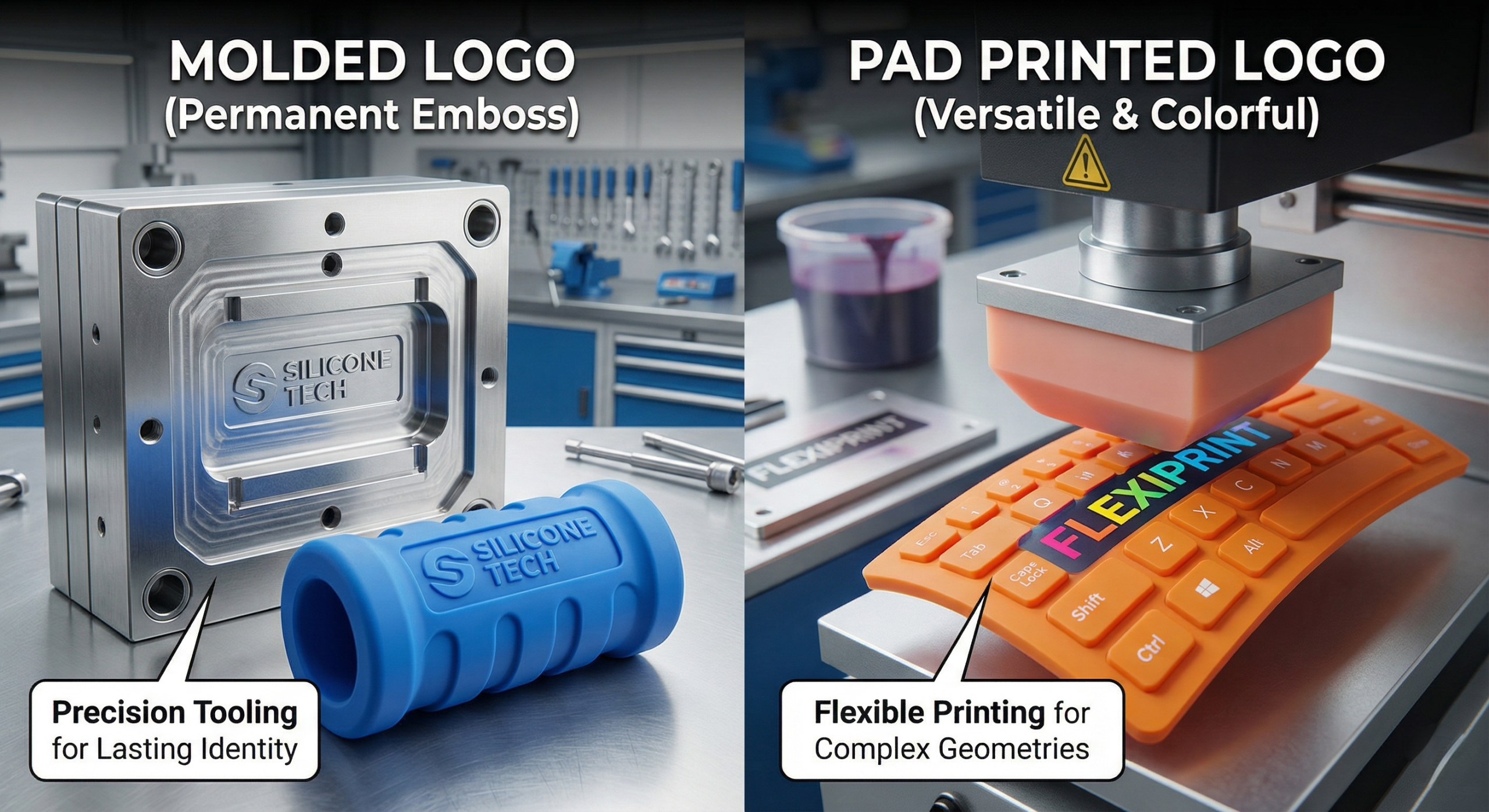
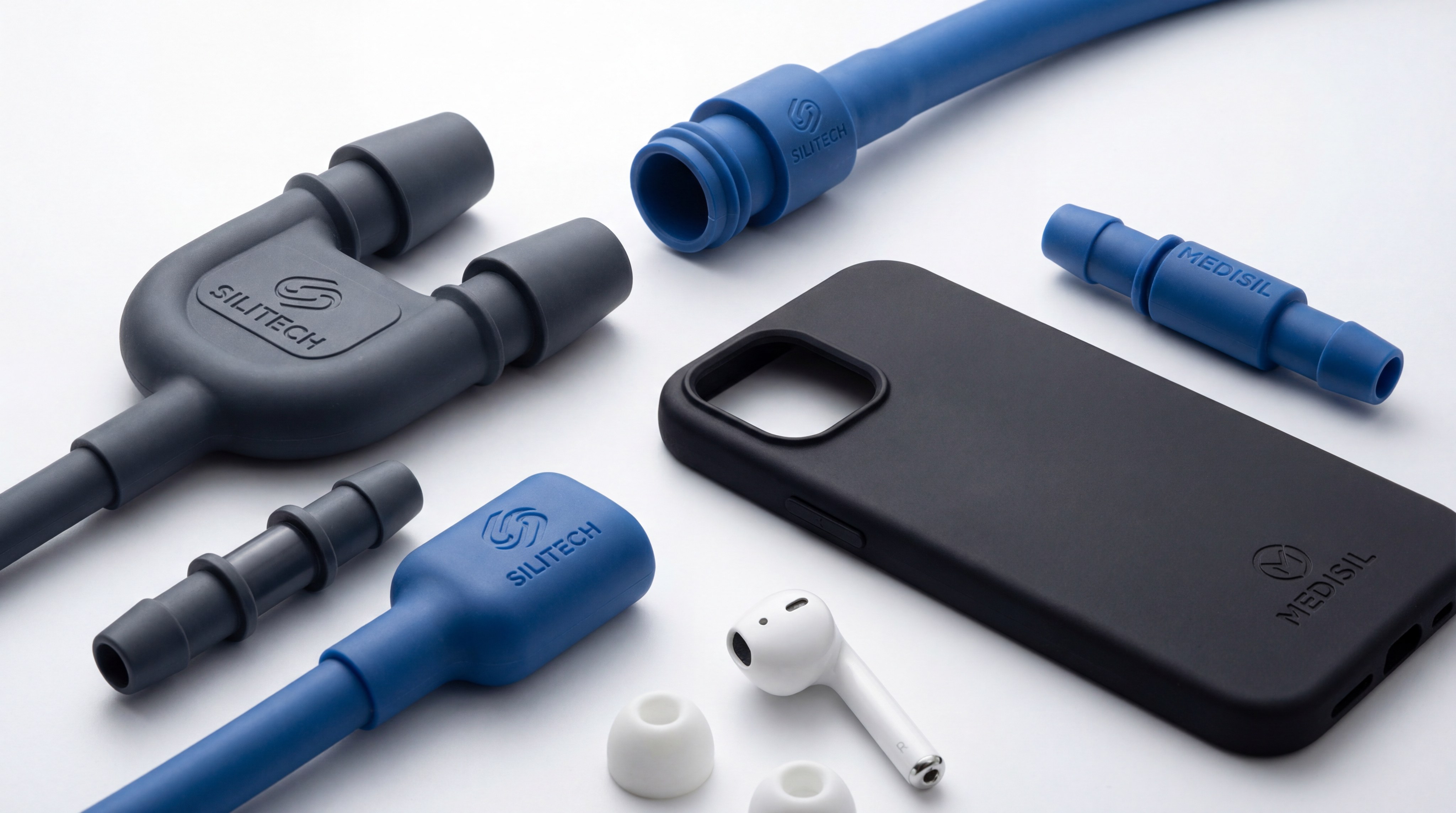
You can put a logo or pattern on silicone rubber products by integrating the design directly into a silicone mold for a permanent embossed finish or by utilizing specialized surface printing techniques like pad printing and laser marking for existing parts.
Many B2B organizations struggle to differentiate their technical silicone components in a crowded industrial marketplace. Without clear branding or unique surface textures, your high-performance parts are often viewed as generic commodities rather than proprietary engineering solutions. By utilizing a custom silicone mold, you can transform standard rubber items into signature brand assets that command higher market value and ensure long-term customer loyalty.
Why is branding essential for custom silicone products?
Branding is essential because it establishes your market authority and ensures that end-users immediately recognize the quality associated with your engineering. Utilizing a precision silicone mold allows you to embed your identity into the physical structure of the product.
Increasing Perceived Market Value
You need to understand that professional finishes suggest a level of rigor that appeals to high-tier B2B buyers. Here is the deal: branded products often command significantly higher price points than generic alternatives.
- Enhances visual professionality
- Builds immediate consumer trust
- Differentiates from low-cost competitors
Key Takeaway: Branding is a strategic investment in intellectual property protection and market positioning.
| Benefit | Strategic Outcome | Long-term Value |
|---|---|---|
| Identity | High Recognition | Brand Loyalty |
| Authority | Professionalism | Market Trust |
| Security | IP Protection | Reduced Counterfeiting |
A clearly branded product serves as a permanent marketing tool that survives the entire lifecycle of the component.
How do you choose the right silicone mold for logos?
Choosing the right tool depends entirely on your intended production volume and the level of detail required for your logo. A high-quality silicone mold manufactured from hardened steel ensures that fine logo edges remain crisp even after tens of thousands of injection cycles.
Determining Tooling Life Cycles
You must evaluate whether your project requires prototype-grade or production-grade tooling. But that’s not all; the choice of metal affects how well the texture transfers to the rubber surface.
- Steel Tooling: Best for high-precision, high-volume logos.
- Aluminum Tooling: Ideal for short runs and initial patterns.
- Prototyping Molds: Suitable for testing placement and scale.
Key Takeaway: The precision of your final logo is strictly limited by the engineering quality of the mold tooling used.
| Mold Type | Detail Retention | Production Volume |
|---|---|---|
| Hard Tooling | Excellent | 10,000+ units |
| Soft Tooling | Moderate | 100 – 1,000 units |
| Rapid Prototype | Basic | 1 – 50 units |
Investing in superior tooling at the start reduces the per-unit cost of branding over the life of the project.
What is the difference between embossed and debossed logos?
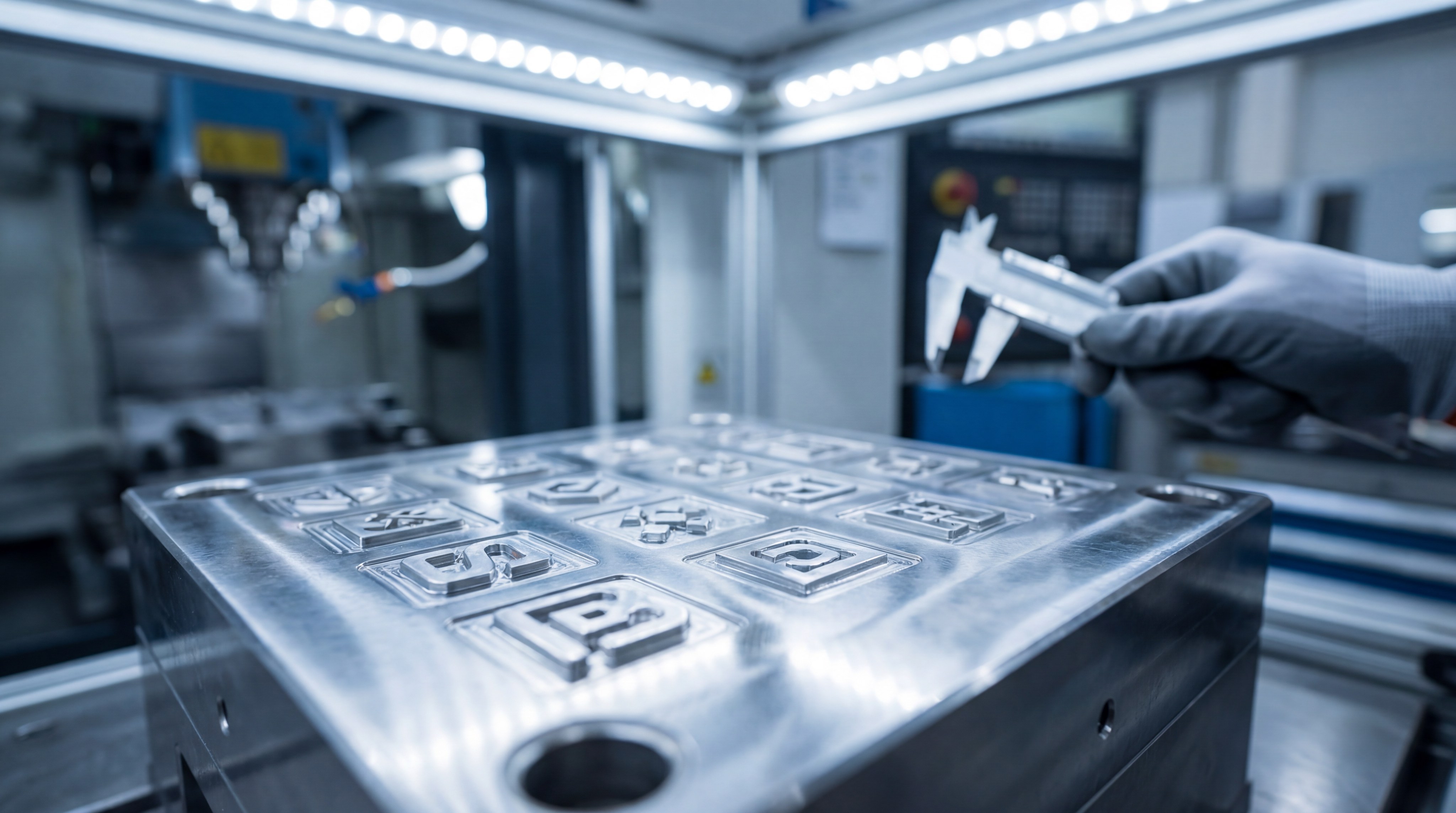
The primary difference lies in whether the logo is raised above the surface or recessed into the material of the part. When you design a silicone mold, you must decide if the tooling will have engraved or protruding features to achieve these effects.
Tactile and Functional Differences
You should consider the environment where the product will be used before deciding on the logo style. Here is the kicker: debossed logos are generally more protected from surface wear and friction during heavy use.
- Embossed: Provides superior grip and tactile feedback.
- Debossed: Easier to clean and resistant to abrasion.
- Textured Patterns: Useful for creating non-slip surfaces.
Key Takeaway: Choose embossed for branding that needs to be felt and debossed for branding that needs to last in harsh conditions.
| Feature | Embossed (Raised) | Debossed (Recessed) |
|---|---|---|
| Durability | Exposed to surface wear | Protected within the part |
| Feel | High tactile response | Smooth surface profile |
| Cleaning | Can trap debris at edges | Very easy to wipe clean |
Functional requirements such as sterilization or hygiene often dictate which molding style is appropriate for your industry.
How does precision tooling affect pattern quality?
Precision tooling dictates the sharpness of every line and the consistency of the texture across the entire production batch. An inferior silicone mold will produce “mushy” logos that lack the professional finish required for high-end consumer or medical devices.
Managing Surface Textures
Think about it: if the mold cavity lacks the proper finish, the logo may stick or tear during the ejection process. Precision machining allows for the creation of intricate patterns like leather grain or micro-stippling.
- CNC Milling: Perfect for large patterns and bold text.
- EDM Machining: Essential for microscopic logo details.
- Laser Engraving: Used for ultra-fine textures and serial numbers.
Key Takeaway: High-fidelity patterns require advanced machining processes to ensure the transition between surfaces is professional.
| Method | Precision Level | Best Application |
|---|---|---|
| EDM | 0.005mm | Intricate, deep logos |
| CNC | 0.01mm | Large patterns/text |
| Laser | High | Micro-textures |
Micro-precision in the tool shop directly translates to brand excellence on the retail shelf or in the hospital ward.
Can you use direct printing for silicone branding?
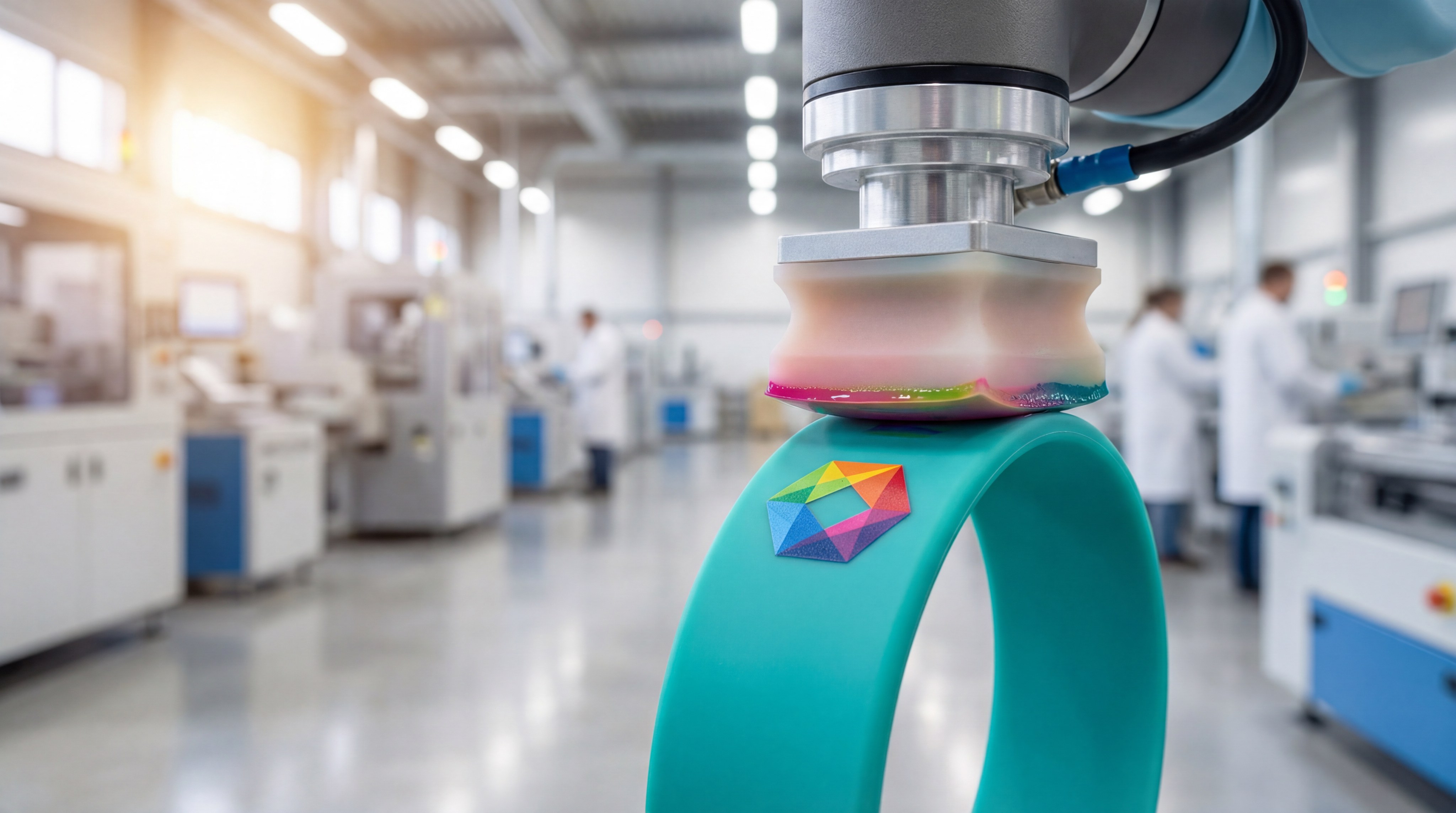
Direct printing is a highly effective method for applying multi-color logos or complex patterns that molding cannot achieve. By using a specialized silicone mold to create the substrate, you can then apply ink that chemically bonds with the rubber.
Exploring Pad Printing for Curved Surfaces
You will find that pad printing is the gold standard for adding logos to irregular or 3D geometries. Here is the deal: the flexible silicone pad conforms to the product shape to transfer ink with extreme accuracy.
- Supports multiple colors
- Works on curved surfaces
- Fast turnaround times
Key Takeaway: Printing offers the most visual flexibility for designs that require high color contrast and fine gradients.
| Method | Geometry | Color Support |
|---|---|---|
| Pad Printing | Complex/Curved | 1 – 4 colors |
| Screen Printing | Flat/Large | High Opacity |
| Digital Printing | Flat | Full CMYK |
Direct application methods are ideal when you need to brand existing inventory without creating new expensive tooling.
What are the best printing techniques for silicone?
The best techniques are those that solve the problem of silicone’s naturally inert surface which resists standard industrial inks. Whether you use a silicone mold for the base part or a stock item, the ink must be silicone-based to ensure a permanent bond.
Heat Transfer and Laser Marking
You might require a solution that is completely permanent and impossible to remove even with chemical cleaners. But that’s not all; laser marking creates a permanent color change in the material itself without any consumables.
- Heat Transfer: Great for full-color photographic images.
- Laser Marking: Best for permanent serial numbers.
- Water Transfer: Ideal for 360-degree camouflage or wood patterns.
Key Takeaway: Technique selection depends on the balance between aesthetic complexity and environmental durability requirements.
| Technique | Durability | Complexity |
|---|---|---|
| Laser Marking | Permanent | Low (Monochrome) |
| Heat Transfer | High | Moderate |
| Water Transfer | Moderate | Very High |
Selecting the wrong method can lead to peeling or fading, which ultimately undermines your brand’s reputation for quality.
Why is surface preparation critical for ink adhesion?
Surface preparation is critical because silicone is a low-surface-energy material that naturally repels most foreign substances including ink. When a part comes out of a silicone mold, it often carries residual release agents that must be neutralized.
Chemical Priming and Flame Treatment
You need to increase the surface energy of the part to allow the ink to “wet” the surface properly. Here is the kicker: without plasma or flame treatment, the logo may peel off with a simple touch.
- Degreasing: Removes mold release oils.
- Activation: Uses flame or plasma to open the surface.
- Priming: Creates a chemical bridge for the ink.
Key Takeaway: Adhesion failure is almost always a result of inadequate surface preparation rather than poor ink quality.
| Step | Purpose | Method |
|---|---|---|
| Degreasing | Remove oils | Solvent wash |
| Activation | Increase Energy | Plasma/Flame |
| Priming | Chemical Bridge | Applied Primer |
Properly prepared surfaces ensure that your logo remains vibrant and intact for the entire life of the silicone product.
How do you design artwork for silicone injection molds?
Designing artwork for these molds requires you to account for the unique flow characteristics of liquid rubber. A standard silicone mold cannot capture lines that are too thin, as the material will not properly fill the microscopic gaps.
Accounting for Material Shrinkage
You must scale your artwork slightly larger than the final intended size to compensate for physical changes during cooling. Think about it: if your logo is designed at exactly 1:1 scale, it will end up too small on the finished part.
- Maintain minimum line weights (0.2mm+)
- Use vector file formats (.AI or .STEP)
- Include draft angles for clean ejection
Key Takeaway: Successful branding begins with artwork that respects the physical limitations of silicone material flow.
| Parameter | Minimum Spec | Reason |
|---|---|---|
| Line Weight | 0.2mm – 0.5mm | Flow consistency |
| Draft Angle | 1.0 degree | Clean part release |
| File Type | Vector / 3D | Machining precision |
Collaborating with a tooling engineer during the design phase prevents costly revisions after the steel has been cut.
What role does curing play in logo durability?
Curing is the final chemical step that “locks” the printed logo into the silicone substrate through high-heat exposure. Even if you use a high-precision silicone mold for the part, the logo remains fragile until it is properly baked.
The Importance of Heat and Time
You need to precisely control the oven temperature to prevent deforming the silicone part while ensuring the ink cures. But that’s not all; post-curing also removes volatile compounds to ensure the branded part is safe for medical use.
- Cross-links the ink to the part
- Ensures color stability
- Removes unwanted VOCs
Key Takeaway: Curing is the mandatory “finish line” that guarantees your branding will not smear or rub off.
| Factor | Effect on Logo | Risk of Failure |
|---|---|---|
| Temperature | Bond Strength | Part Deformation |
| Time | Completeness | Tacky Surface |
| Airflow | Uniformity | Uneven Color |
Without a controlled curing environment, even the most expensive printing setup will fail to produce professional results.
How do you scale production for branded silicone parts?
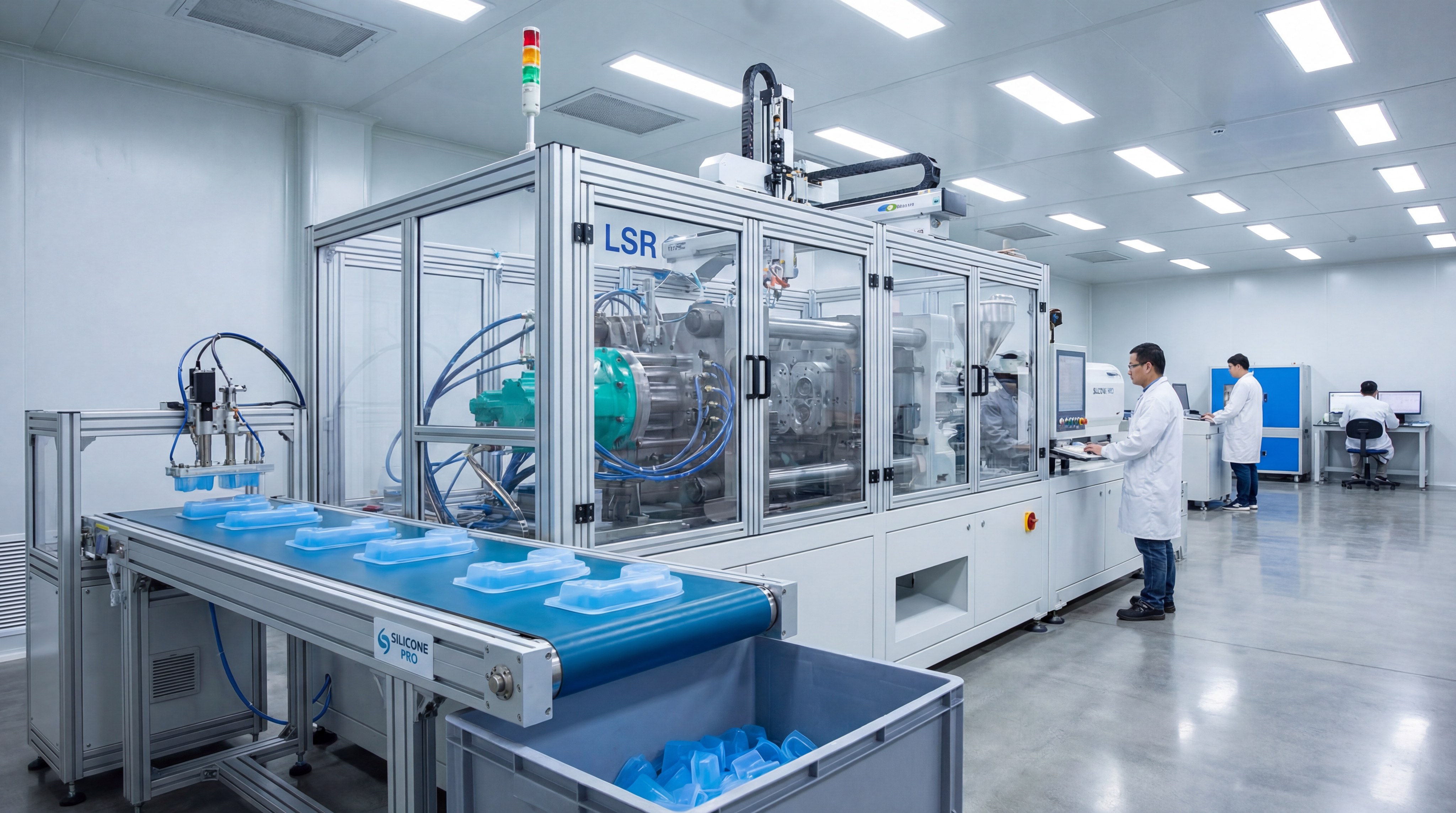
Scaling requires a transition from manual processes to automated systems that ensure every logo is identical to the first. When your silicone mold moves into mass production, you must evaluate if your branding method can keep pace with injection cycle times.
Transitioning to Multi-Cavity Tooling
You can significantly lower your per-unit cost by replicating the logo across dozens of cavities in a single mold base. Here is the deal: automation in printing and molding is the only way to achieve consistent quality at high volumes.
- Automated Pad Printing: Brands thousands of parts per hour.
- Multi-Cavity Molds: Produces many branded parts per cycle.
- Vision Inspection: Automatically checks logo alignment.
Key Takeaway: Scaling production is a balance between higher initial tooling costs and significantly lower long-term labor expenses.
| Volume | Branding Method | Unit Cost |
|---|---|---|
| Low (<500) | Manual Printing | High |
| Medium (5k) | Multi-Cavity Tooling | Moderate |
| High (50k+) | Automated Injection | Low |
Efficiency in the branding stage is just as critical as efficiency in the molding stage for maintaining project profitability.
Frequently Asked Questions
Can I put a multi-colored logo on a silicone product?
Yes. This is achieved through multi-color pad printing or a specialized process called multi-color dripping where different colored silicones are injected into the same mold.
Will a molded logo ever wear off or fade?
No. Because a molded logo is part of the physical geometry of the silicone, it is permanent and will last for the entire life of the product.
What is the most cost-effective way to add a logo?
For existing products, pad printing is the most economical. For new products, including the logo in the initial mold design is the best long-term value.
Does branding affect the food-grade safety of the part?
Not if you use FDA-compliant silicone inks. Proper post-curing ensures that the branding does not introduce any harmful chemicals or residues.
How small can a logo be on a silicone part?
With precision CNC or laser engraving, text as small as 1mm can be achieved, though 2mm is recommended for maximum legibility and material flow.
Conclusion
Elevating your silicone products through professional branding is the most effective way to secure your market position and protect your intellectual property. Whether you choose the structural permanence of an integrated mold design or the vibrant versatility of precision printing, the key to success lies in engineering rigor and surface preparation. By selecting the right tooling and application methods, you ensure a finished product that reflects your company’s commitment to excellence and reliability.
Ready to transform your technical designs into signature brand assets? Contact us today to receive a professional consultation on custom mold integration and advanced printing solutions tailored to your specific project requirements. Our mission is to provide high-precision silicone manufacturing that empowers B2B brands to lead their industries with superior quality and distinctive design.