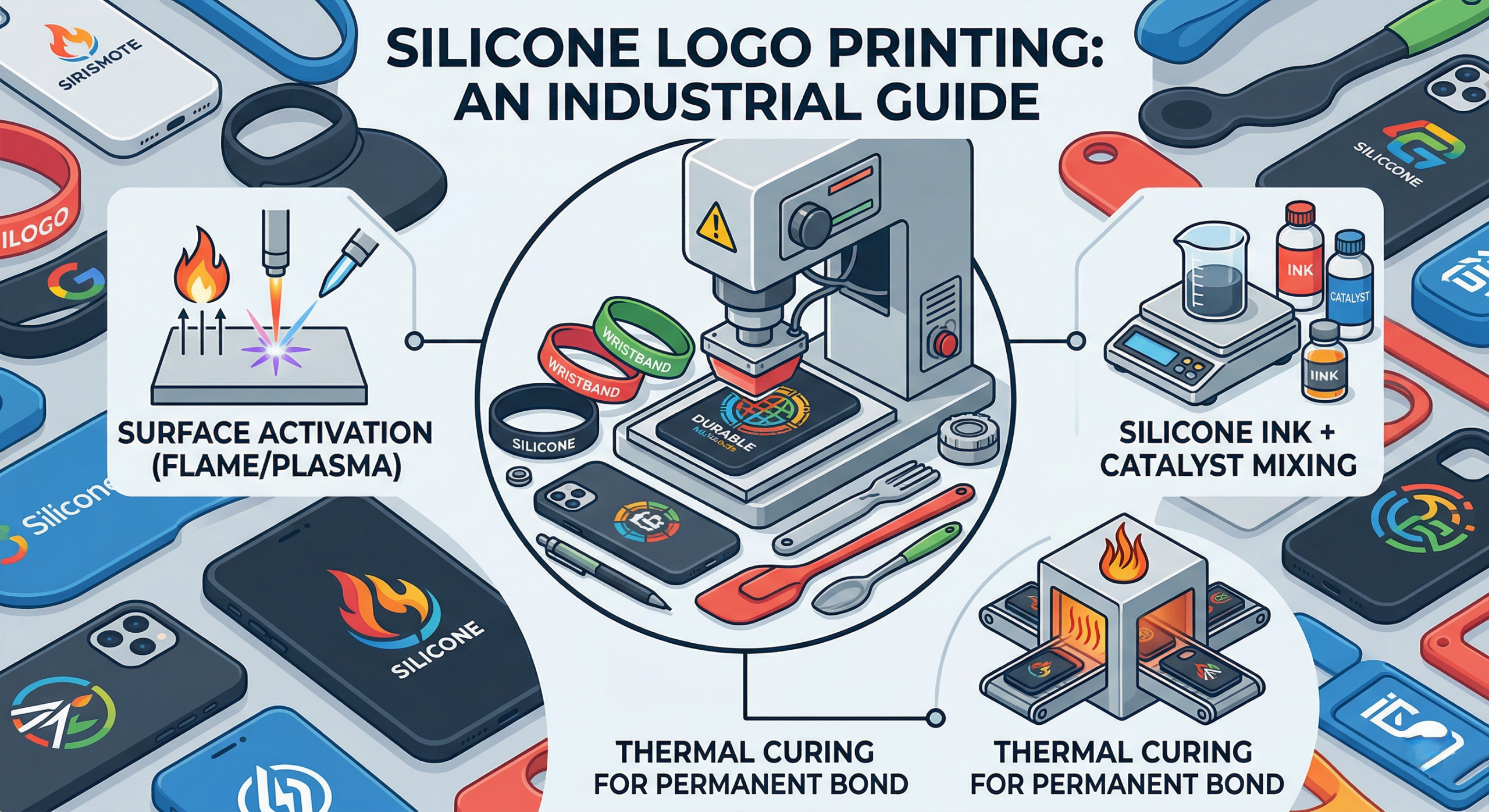
To print a logo on silicone, you must use specialized silicone-based inks, a chemical catalyst, and high-temperature curing equipment to ensure the design does not peel or smudge. Many B2B buyers face the recurring problem of branding that wears off during regular use, making products look unprofessional and cheap. This lack of durability can agitate your clients and lead to significant inventory waste if the ink fails to bond correctly. By utilizing a high-quality Custom Silicone Mold from a reliable factory, you can integrate branding early and choose the best post-processing printing methods to guarantee a permanent, high-definition finish.
Why is silicone printing so difficult?
Silicone printing is difficult because the material possesses an extremely low surface energy that naturally repels most liquids and pigments. When you produce a product via a Custom Silicone Mold, the resulting surface is inert and non-porous, meaning it provides no “teeth” for the ink to grab onto. This chemical resistance is why standard printing techniques often fail on silicone components.
Is surface energy the main hurdle?
The short answer is yes. Silicone’s “anti-stick” properties are intentional for its use in gaskets and kitchenware, but they prevent traditional adhesion.
Here is the deal:
- Silicone is non-polar, which repels polar ink molecules.
- Low surface energy causes ink to “bead up” rather than wet the surface.
- The waxy texture creates a barrier against chemical bonding.
Key Takeaway: Overcoming the material’s natural repulsion requires changing the surface chemistry through specialized activation.
| Barrier | Description | Impact |
|---|---|---|
| Low Energy | Material repels standard liquid pigments. | Ink beads and slides off. |
| Non-Porous | Surface has no microscopic holes for ink. | No mechanical anchoring. |
| Chemical Inertia | Material does not react with common solvents. | No chemical bond forms. |
Understanding these physical barriers is the first step toward selecting the correct industrial printing solution.
Can standard inks bond to silicone?
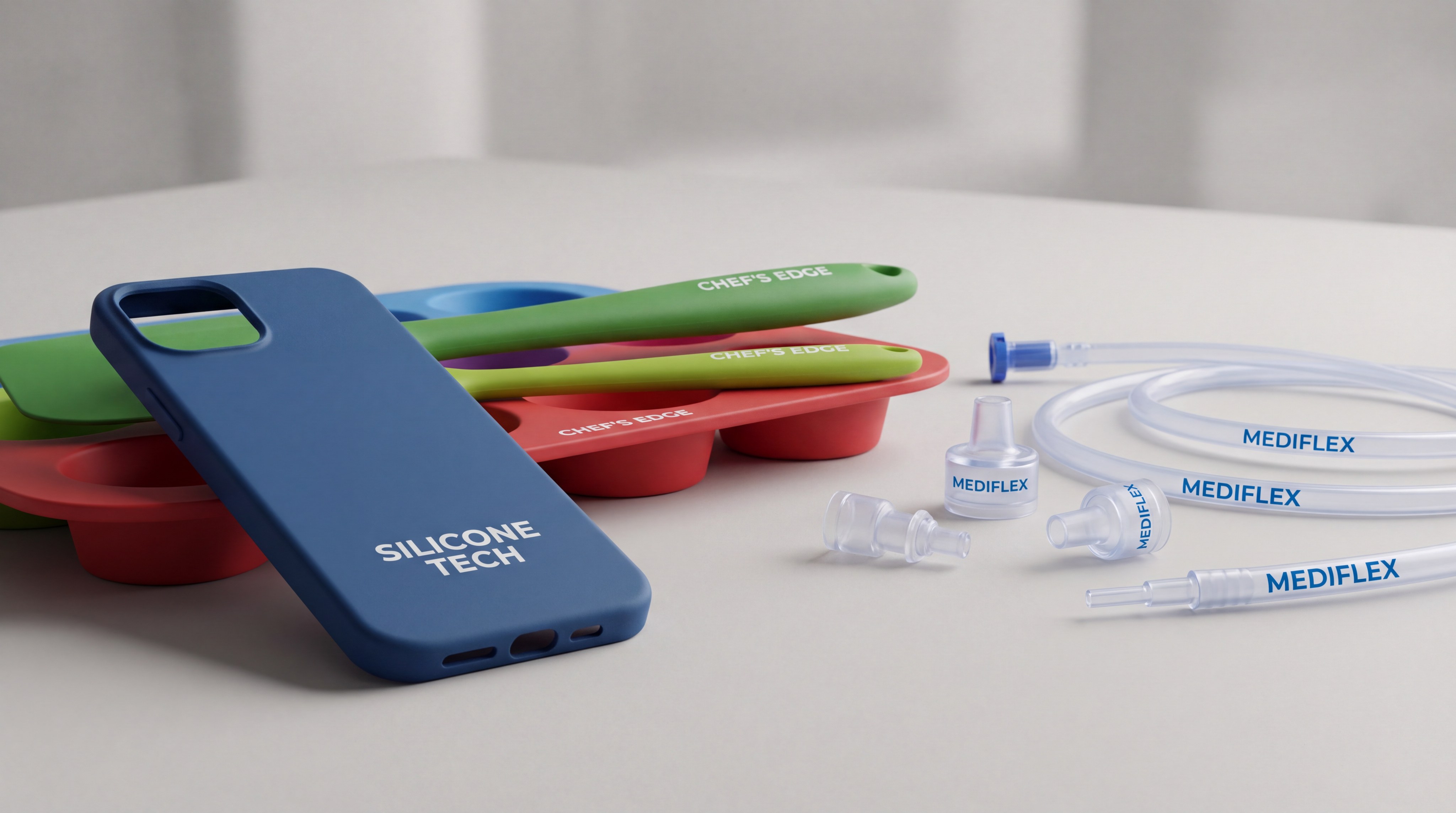
Standard inks cannot bond to silicone because they are chemically incompatible with the elastomer’s polymer chain. Even if your Custom Silicone Mold produces a perfectly smooth finish, solvent-based or water-based inks will simply sit on top of the material. Within a few hours of handling, these inks will flake away, leaving your branding unrecognizable.
Will permanent markers or plastic inks work?
But wait, there is more: even high-end plastic inks used for ABS or PVC will fail here. These inks rely on “melting” slightly into the substrate, a process that silicone is entirely immune to.
Consider these facts:
- Permanent markers rub off with a simple thumb swipe.
- Plastic-grade inks cannot penetrate the silicone cross-links.
- Water-based inks never dry or bond to the oily surface.
Key Takeaway: Relying on generic inks for silicone branding will lead to 100% failure in a commercial environment.
| Ink Type | Result on Silicone | Commercial Viability |
|---|---|---|
| Solvent-Based | Flakes off immediately. | Zero. |
| Water-Based | Never dries; smudges. | Zero. |
| Silicone-Based | Permanent chemical bond. | High (Industry Standard). |
Using the wrong ink is the most common mistake made during the transition from prototyping to mass production.
Is a Custom Silicone Mold better for logos?
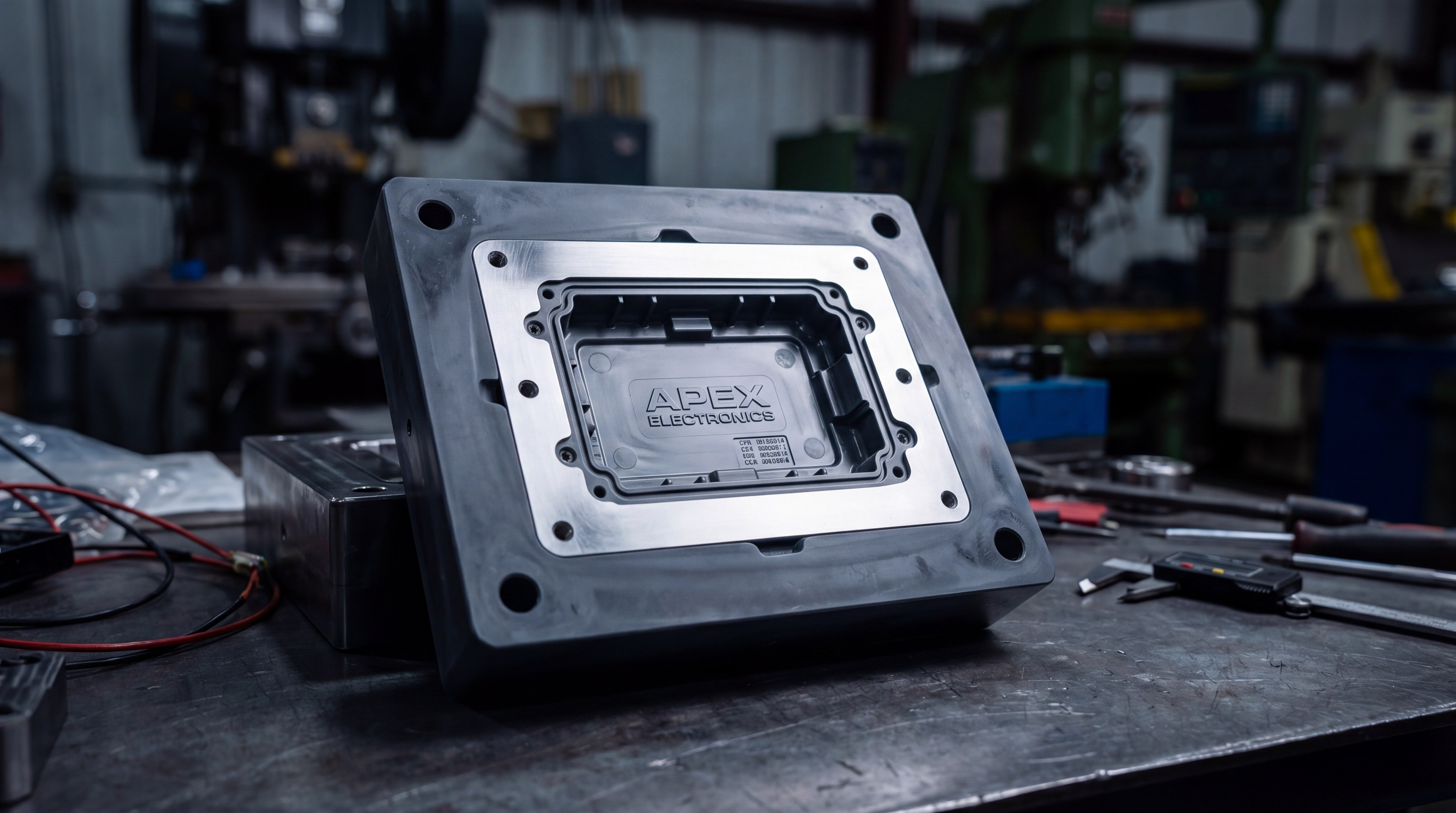
A Custom Silicone Mold is often the superior choice because it allows you to emboss or deboss logos directly into the material during the molding process. This creates a tactile, structural brand mark that can never be rubbed off or faded by chemicals. This method is highly recommended for high-volume B2B orders where permanence is a critical success metric.
Should you use embossing or printing?
It really comes down to your aesthetic goals. Embossed logos are raised above the surface, while debossed logos are recessed into it, often providing a more “premium” feel.
Here is the deal:
- Embossed logos offer the highest durability as they are part of the part.
- Debossed logos can be “ink-filled” later for a multi-color look.
- Mold-integrated branding eliminates the labor cost of post-printing.
Key Takeaway: Incorporating your logo into the mold design provides an indestructible branding solution for long-life products.
| Method | Permanence | Color Flexibility |
|---|---|---|
| Direct Printing | High (if cured). | Very High. |
| Embossed Mold | Permanent. | Low (Single Color). |
| Debossed Mold | Permanent. | Medium (Can be filled). |
Choosing the right mold structure at the start saves thousands in secondary operation costs during the production lifecycle.
What essential equipment is required?
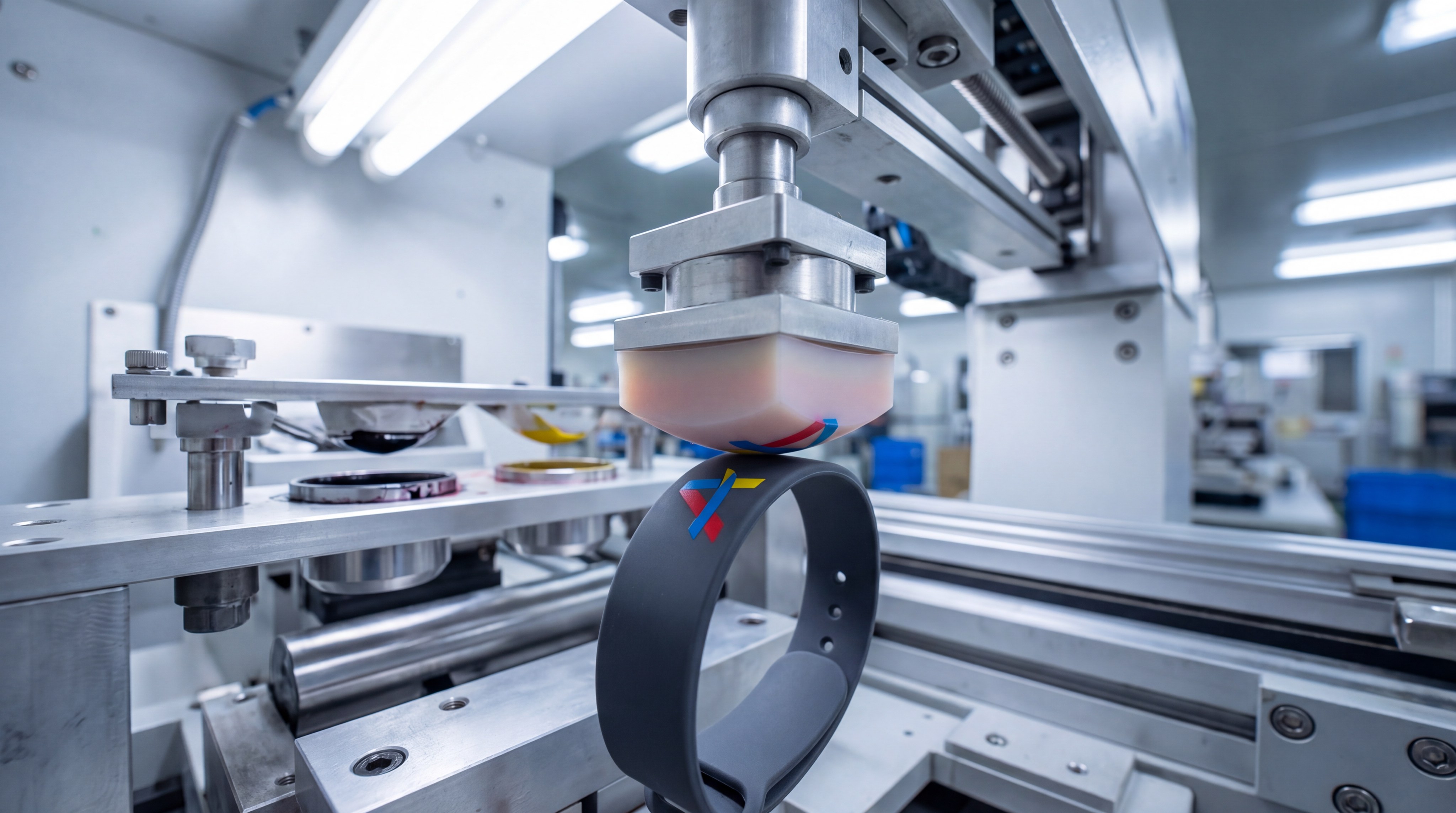
You require a pad printing machine, a precision mixing scale for catalysts, and an industrial curing oven to print on silicone. Even with a high-quality Custom Silicone Mold, the printing phase demands technical precision that home-office setups cannot provide. Industrial pad printers use a soft silicone bulb to transfer ink from an etched plate onto your product with microscopic accuracy.
Do you need an industrial curing oven?
The secret is in the heat. Unlike traditional inks that air-dry, silicone inks remain wet until they are exposed to high-temperature thermal energy.
But wait, there is more:
- Digital scales ensure the 10:1 ink-to-catalyst ratio is perfect.
- Clean-room environments prevent dust from ruining the logo finish.
- Conveyor ovens provide consistent heat for high-volume curing.
Key Takeaway: Professional branding requires a significant investment in machinery to move beyond the limitations of manual application.
| Equipment | Essential Role | Critical Success Factor |
|---|---|---|
| Pad Printer | Logo transfer to 3D shapes. | Etched plate depth. |
| Mixing Scale | Chemical ratio precision. | 0.01g accuracy. |
| Curing Oven | Permanent bonding via heat. | Temperature stability. |
Investing in the right hardware ensures your brand identity remains as durable as the silicone part itself.
Why is surface preparation critical?
Surface preparation is critical because it removes factory oils and “activates” the material, allowing your Custom Silicone Mold parts to accept the specialized ink. Without this step, even the most expensive silicone ink will fail to form a chemical bond. Professional manufacturers often use plasma or flame treatment to temporarily alter the surface energy.
Is flame treatment really necessary?
It depends on the durability requirements of your project. For medical or industrial parts, flame treatment is the only way to guarantee a bond that resists sterilization and harsh solvents.
Here is the deal:
- Alcohol wipes remove surface oils but don’t change energy levels.
- Flame treatment breaks molecular bonds to create “hooks” for ink.
- Plasma treatment is the most precise method for high-tech components.
Key Takeaway: Skipping the activation phase is the primary reason for logo failure in the silicone manufacturing industry.
| Prep Method | Effectiveness | Best Use Case |
|---|---|---|
| Isopropyl Wipe | Low. | Basic consumer goods. |
| Flame Treatment | High. | General industrial parts. |
| Plasma Treatment | Maximum. | Medical and high-precision gear. |
Proper preparation ensures that the ink becomes a permanent extension of the product rather than a temporary layer.
How does silicone-based ink work?
Silicone-based ink works by utilizing a chemical catalyst that initiates a “cross-linking” reaction between the ink and the product surface. When you print on an item from a Custom Silicone Mold, the ink actually becomes part of the silicone structure during the curing process. This is fundamentally different from other inks that simply dry via evaporation.
Why must you add a catalyst?
The catalyst acts as a hardener that triggers the molecular bond. Without it, the ink remains a sticky gel that will never solidify, regardless of how long you wait.
But wait, there is more:
- Specialized pigments are suspended in a silicone-oil base.
- The catalyst must be mixed thoroughly just before the printing starts.
- Once mixed, the ink has a limited “pot life” of a few hours.
Key Takeaway: Mastering the chemistry of silicone ink is the only way to achieve a “permanent” logo rating.
| Component | Function | Mixing Note |
|---|---|---|
| Ink Base | Provides color and texture. | Must be stirred first. |
| Catalyst | Triggers the chemical bond. | 10% of total weight. |
| Thinners | Controls viscosity for the pad. | Add sparingly for flow. |
Consistent results depend entirely on the precision of the chemical mix used in the printing department.
Is pad printing better than screen printing?
Pad printing is generally better for the types of complex geometries produced by a Custom Silicone Mold, as it can wrap logos around curves. Screen printing is restricted to flat surfaces and is often used for large industrial mats or panels. When choosing a manufacturer, you should ensure they offer the specific technique that matches your part’s geometry.
Which method offers the most detail?
If your logo has fine lines or small text, pad printing is your best friend. The soft silicone pad picks up incredibly fine detail from a laser-etched metal plate.
Here is the deal:
- Pad printing handles 3D shapes and irregular surfaces easily.
- Screen printing allows for a thicker, more vibrant ink laydown.
- Multi-color registration is more precise with modern pad printers.
Key Takeaway: Select pad printing for precision and 3D parts; reserve screen printing for high-volume flat goods.
| Method | Geometry | Detail Level |
|---|---|---|
| Pad Printing | Curved/3D. | Extremely High. |
| Screen Printing | Flat/Large. | Moderate. |
Choosing the wrong printing method can lead to distorted logos and unreadable text on small silicone components.
Why must you cure the ink with heat?
You must cure the ink with heat because the chemical cross-linking process requires thermal energy to reach its final, permanent state. Parts fresh from a Custom Silicone Mold are typically heat-resistant, making them the perfect substrate for high-temperature curing. If you attempt to air-dry silicone ink, it will never reach full hardness, leaving your brand vulnerable to damage.
Can the ink ever air dry?
Technically, no commercial-grade silicone ink will ever air-dry to a permanent finish. Air-drying only results in a “tacky” surface that attracts dust and eventually peels off.
But wait, there is more:
- Heat ensures the ink and product “fuse” at a molecular level.
- High temperatures drive off any remaining oils that might weaken the bond.
- Standard curing times range from 10 to 30 minutes at 120°C+.
Key Takeaway: Thermal curing is the final, non-negotiable step in the industrial silicone printing process.
| Temperature | Curing Time | Bond Strength |
|---|---|---|
| Room Temp | 48+ Hours. | Very Weak (Failure). |
| 120°C | 15 Minutes. | Industrial Standard. |
| 150°C | 10 Minutes. | Maximum Durability. |
Thermal stability is what makes silicone a premium material, and your printing process should leverage that strength.
How can you avoid common printing errors?
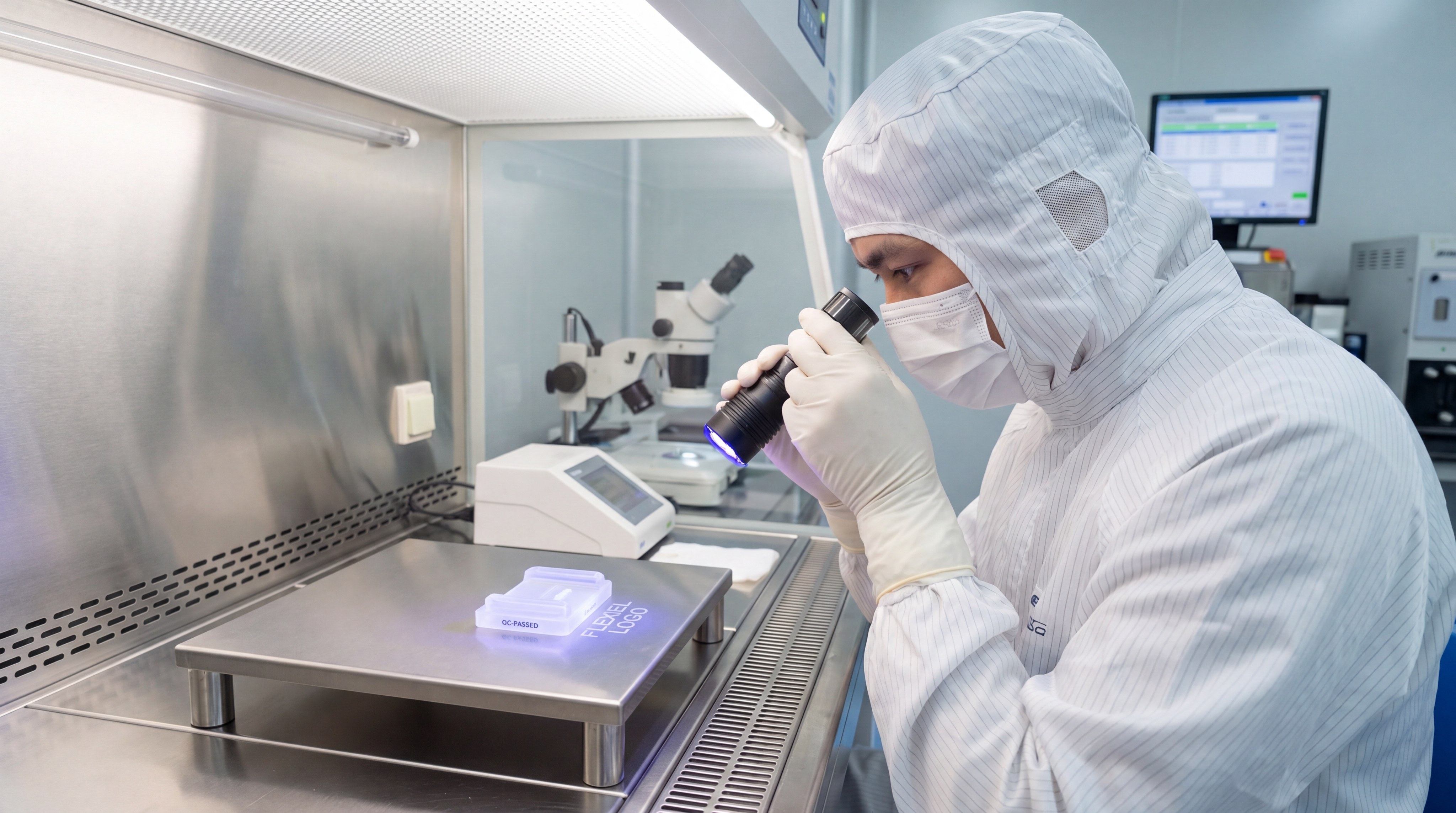
You can avoid common printing errors by implementing strict quality control measures from the moment the part leaves the Custom Silicone Mold. The most frequent mistakes involve contamination, where microscopic oils from a worker’s hands prevent the ink from sticking to the surface. Using gloves and maintaining a dust-free environment is essential for a clean, professional finish.
Does the mixing ratio really matter?
Yes, a difference of even 1% in the catalyst ratio can cause the ink to become brittle and crack when the silicone is stretched.
Here is the deal:
- Use a digital scale to ensure 10:1 ratio accuracy every time.
- Clean all equipment with solvent between different color runs.
- Monitor humidity levels, as moisture can interfere with the catalyst.
Key Takeaway: Perfection in silicone printing is found in the details of the environment and the chemical preparation.
| Error | Consequence | Prevention |
|---|---|---|
| Contamination | Ink bubbles or peels. | Wear powder-free gloves. |
| Low Heat | Ink stays tacky/soft. | Use calibrated ovens. |
| Old Ink | Poor flow and detail. | Fresh batches daily. |
Consistent monitoring of these variables is what separates industrial-grade suppliers from amateur printing shops.
Should you outsource logo printing?
You should outsource logo printing when you require a scalable manufacturing solution that combines high-volume output with guaranteed durability. While a Custom Silicone Mold can be designed by many, the high-tech equipment needed for permanent logo application—like plasma treaters and conveyor ovens—is a massive capital investment. Partnering with a specialist ensures your B2B orders meet all safety and longevity standards.
Is industrial quality guaranteed?
When you work with a professional factory, you receive a “Cross-Hatch” adhesion test report to prove the logo will not fail.
But wait, there is more:
- Professionals offer FDA and medical-grade compliant inks.
- You benefit from lower per-unit costs at high volumes.
- Expert technicians handle the complex chemical mixing for you.
Key Takeaway: Outsource to gain access to advanced adhesion technology that is impossible to replicate in a DIY setting.
| Project Phase | DIY | Professional Factory |
|---|---|---|
| Prototyping | Possible. | Recommended. |
| Mass Production | High Risk. | Efficient & Reliable. |
| Certification | N/A. | ISO & FDA Compliant. |
Leveraging industrial expertise allows you to focus on product design while experts handle the technical branding challenges.
Strategic Manufacturing Insights
Printing on silicone is a technical challenge that requires a deep understanding of polymer science and chemical bonding. By selecting the right ink, mastering thermal curing, and potentially integrating your logo into a Custom Silicone Mold, you ensure that your brand remains visible for the entire life of the product. Our factory-direct services provide a one-stop solution from initial tooling to final, permanent branding for various industries. We believe that every product should reflect the quality of the brand behind it, which is why we invest in the latest pad printing and plasma activation technologies. To ensure your next project features indestructible branding and high-precision molding, contact us today for an expert consultation.
Common Industry Questions
Can I print a multi-color logo on silicone?
Yes, but it requires a multi-station pad printer where each color is applied sequentially and cured. This increases production time and cost compared to single-color logos.
What is the best way to test if a logo is permanent?
The industry standard is the “Tape Test” or “Cross-Hatch Test,” where you score the ink and attempt to pull it off with high-tack adhesive tape.
Will the logo fade if the product is boiled or frozen?
No, if you use high-quality silicone-based ink and proper curing, the logo will share the same temperature resistance as the silicone substrate itself.
Can I use a standard laser printer for silicone logos?
No, standard toner and inkjet inks will not bond to silicone and will simply wipe away or fail to dry.
Is there a way to add a logo without using any ink?
Yes, you can use laser marking to etch a logo into the surface, or integrate it into the mold design for an embossed or debossed finish.