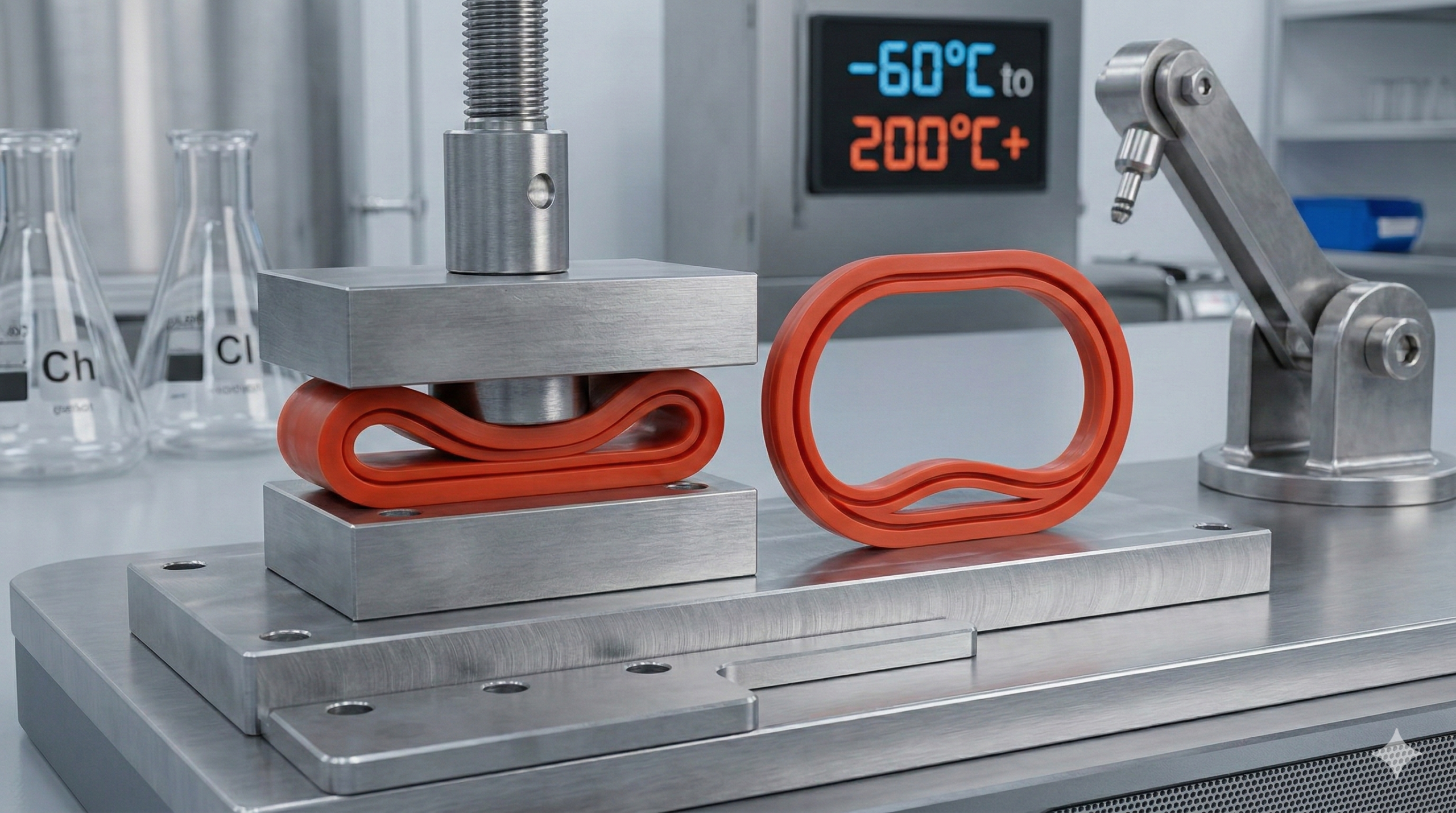
Industrial sealing environments are becoming increasingly harsh, often pushing traditional rubber materials to the brink of catastrophic failure. When a seal fails due to extreme temperature spikes or corrosive chemical exposure, the resulting downtime and equipment damage can cost a facility thousands of dollars per hour. To prevent these risks, engineers require a material that maintains its physical properties under duress. High-performance Silicone industrial parts provide the ultimate solution, offering an unmatched combination of thermal stability, chemical inertness, and long-term durability that ensures system integrity in even the most demanding applications.
What Makes Silicone Industrial Parts Superior to Other Elastomers?
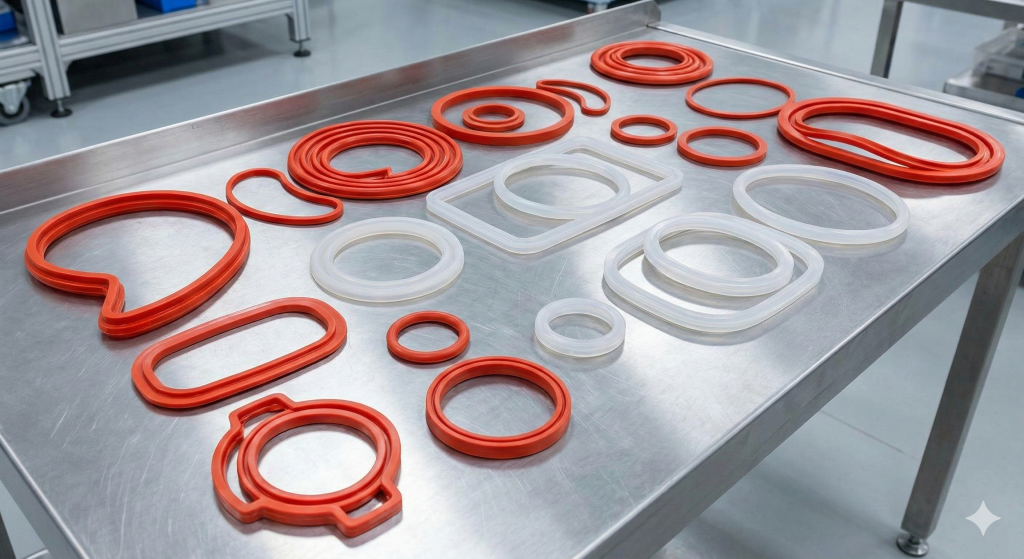
Silicone industrial parts stand out in modern manufacturing primarily because of their unique inorganic molecular backbone. Unlike organic rubbers like EPDM or Nitrile, which rely on carbon-to-carbon bonds, silicone is constructed from alternating silicon and oxygen atoms. This atomic arrangement is inherently more stable than carbon-based chains. It allows the material to resist environmental stressors that would normally cause other elastomers to crack, harden, or melt within weeks.
Here is the deal:
The performance gap between silicone and standard rubber is most evident when analyzing service life under fluctuating loads. While organic polymers begin to oxidize and lose their elasticity the moment they are installed, silicone remains chemically “quiet.” This means it does not react with the surrounding atmosphere or fluids, preserving its original mechanical state. For engineers, this translates to a seal that performs exactly the same on day 1,000 as it did on day one.
Molecular Stability and Chemical Backbone
The Si-O bond energy in silicone is significantly higher than the C-C bond energy found in traditional hydrocarbons. This chemical strength prevents the polymer chain from breaking down when exposed to high-energy environments like UV radiation or high heat. Consequently, silicone maintain its structural integrity where others fail.
Furthermore, this inorganic nature prevents the material from becoming a food source for fungus or bacteria. In industrial environments where moisture is prevalent, this resistance to biological growth is a vital advantage. It ensures that the seals do not rot or degrade over time in damp conditions.
Superior Flexibility and Compression Recovery
One of the most critical metrics for any industrial seal is its ability to return to its original shape after being compressed. Silicone excels in this area, maintaining a low compression set even after months of being squeezed between heavy metal flanges. This ensures that the sealing force remains constant and leak-proof.
The material’s inherent flexibility also allows it to be used in dynamic sealing applications.
- Excellent elastic recovery after repeated mechanical stress.
- Maintains flexibility at sub-zero temperatures where others turn brittle.
- Resistant to permanent deformation under heavy static loads.
- Consistent performance across a wide durometer range.
Performance in Cryogenic and Arctic Conditions
While many materials are chosen for heat, silicone is equally valuable for its performance in extreme cold. It remains flexible at temperatures as low as -60°C, ensuring that seals in refrigeration or aerospace applications do not shatter. Most organic rubbers would crystallize and fail long before reaching these thermal depths.
This cryogenic stability makes it indispensable for liquid nitrogen handling and high-altitude equipment. The material does not require plasticizers to stay soft, which means it won’t leach chemicals or become stiff over time. This purity is a hallmark of high-quality industrial silicone.
| Comparison Metric | Silicone (LSR/HCR) | Standard Organic Rubber (EPDM/NBR) |
|---|---|---|
| Main Backbone | Silicon-Oxygen (Inorganic) | Carbon-Carbon (Organic) |
| Service Temperature | -60°C to +250°C | -30°C to +120°C |
| Ozone Resistance | Excellent | Poor to Moderate |
| Compression Set | Very Low | Moderate to High |
Detailed molecular analysis confirms that the inorganic Si-O bond is the foundational reason for silicone’s long-term mechanical superiority in harsh environments.
Key Takeaway: The inorganic molecular structure of silicone provides a level of thermal and mechanical stability that organic elastomers cannot match, making it the most reliable choice for high-stakes industrial sealing.
How Does Silicone Maintain Integrity Under Extreme Heat?
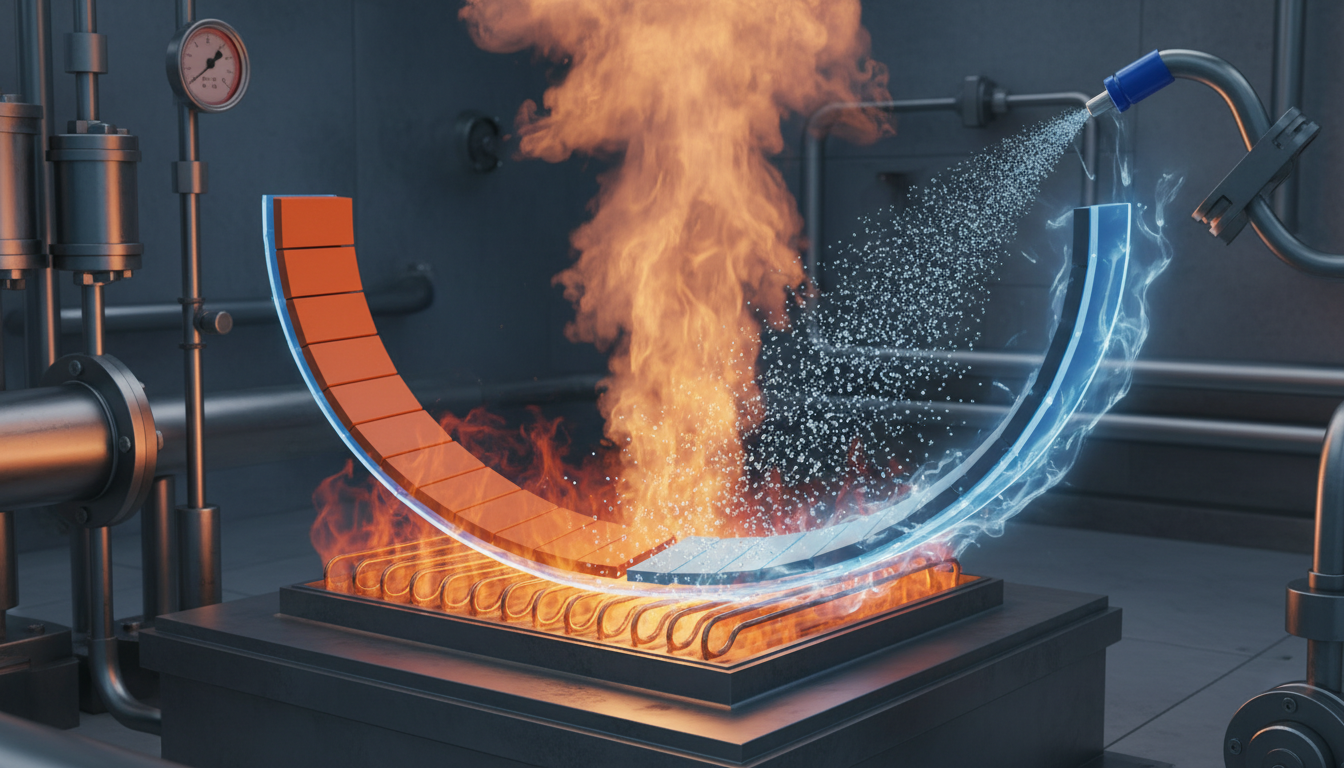
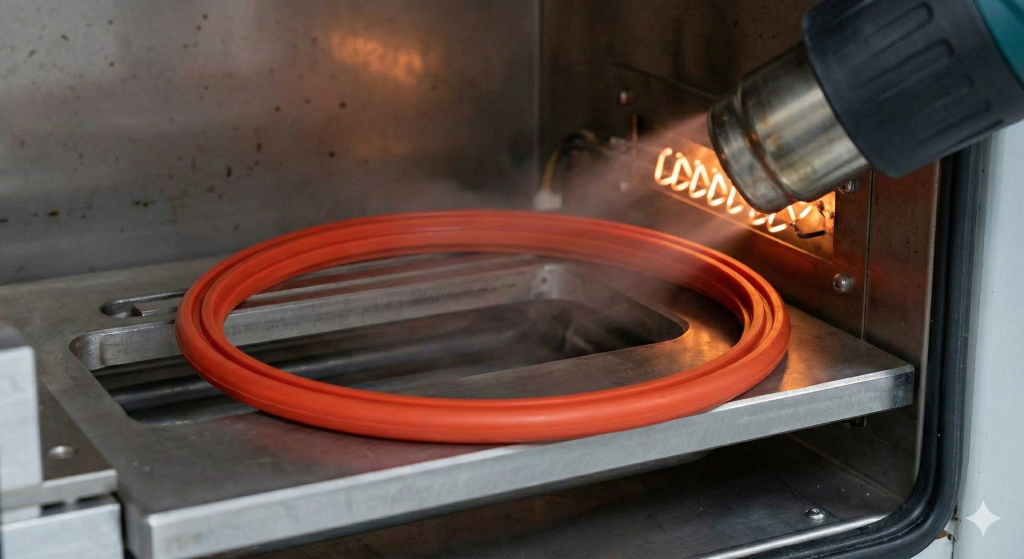
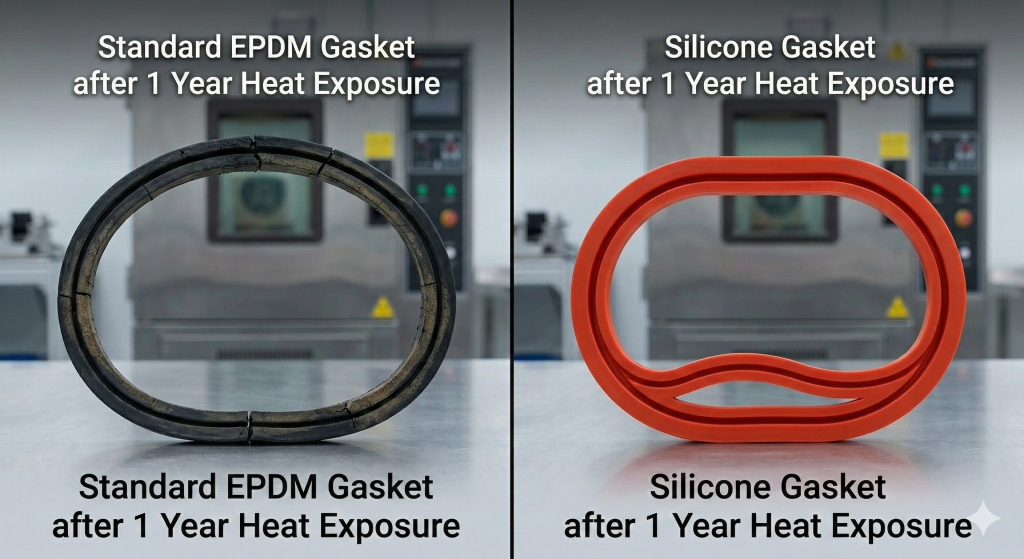
Silicone industrial parts are the gold standard for high-temperature applications because their physical properties remain virtually unchanged across a massive thermal spectrum. Standard silicone grades can comfortably operate at 200°C continuously without showing signs of degradation. Specialized formulations can even withstand intermittent spikes up to 300°C. This makes silicone indispensable for gaskets in turbochargers, industrial ovens, and aerospace environmental control systems.
Why does this matter?
Thermal stability directly impacts the safety and efficiency of high-energy machinery. When a seal is exposed to heat, many plastics and rubbers experience “thermal outgassing” or shrinkage, leading to a loss of sealing pressure. Silicone’s low coefficient of thermal expansion ensures that the seal stays exactly where it was designed to be.
Resistance to Thermal Oxidation
Heat typically causes most rubbers to oxidize, which leads to the material becoming either “gummy” or extremely brittle and prone to cracking. Silicone resists this oxidation process remarkably well because its bonds are already in a highly oxidized state. It maintains its tensile strength and elongation properties even after thousands of hours of continuous thermal exposure.
This longevity reduces the risk of sudden, catastrophic failure in mission-critical equipment.
- Resists hardening in high-heat engine compartments.
- Maintains seal face integrity in industrial kilns and ovens.
- Prevents leakage in high-temperature fluid transport systems.
- Withstands repetitive thermal cycling without stress cracking.
Dimensional Stability at High Temperatures
Precision machinery relies on seals that do not change size when they get hot. Unlike many synthetic materials that warp or swell when heated, silicone seals maintain their precise dimensions. This ensures that the seal remains seated correctly within its groove, preventing bypass leaks in high-pressure, high-heat scenarios.
This stability is a product of the material’s low thermal expansion rate and high cross-link density. By maintaining its shape, silicone ensures that the mechanical tolerances of the assembly are preserved. This is particularly important in the aerospace industry where temperature shifts are rapid and extreme.
Preventing Material Softening and Creep
Many elastomers lose their “stiffness” as temperatures rise, causing them to squeeze out of the seal gap—a phenomenon known as creep. Silicone is uniquely resistant to this type of mechanical failure. It retains its Shore A hardness throughout its operating range, ensuring it remains a robust barrier.
This resistance to softening makes it a safer choice for heavy-duty industrial valves.
- Maintains durometer stability up to 200°C.
- Resists extrusion under thermal and mechanical load.
- Ensures consistent torque on bolted flange connections.
| Thermal Characteristic | Value for Industrial Silicone | Impact on Performance |
|---|---|---|
| Max Continuous Temp | 200°C – 230°C | Long-term reliability in ovens/engines. |
| Intermittent Peak Temp | 300°C | Protection against system overshoots. |
| Thermal Expansion | Very Low | Maintains tight tolerances in grooves. |
| Brittleness Point | Below -60°C | Prevents cracking in cold-start cycles. |
The ability of silicone to maintain both its chemical bonds and its physical dimensions under intense heat prevents the most common causes of industrial seal failure.
Key Takeaway: Silicone’s ability to remain functional and dimensionally stable at temperatures exceeding 200°C allows it to serve in critical roles where other materials would fail.
Why Is Chemical Stability Critical for Industrial Sealing?
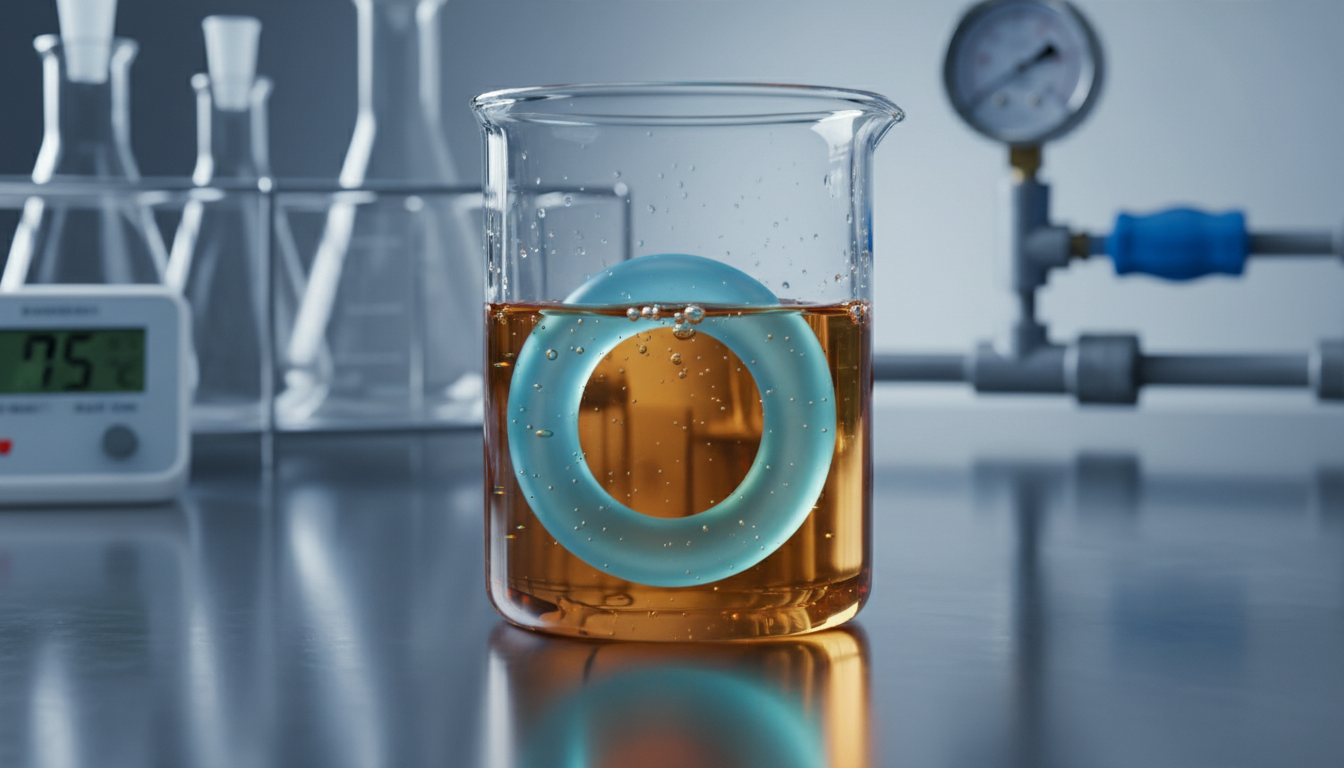
Silicone industrial parts are often the only viable solution when seals must face aggressive chemical environments daily. In sectors such as pharmaceutical manufacturing or chemical processing, seals are frequently exposed to cleaning agents, alcohols, and dilute acids. Silicone’s non-reactive nature ensures that it does not leach contaminants into the process stream, which is vital for purity.
You might be wondering:
How can a material be so soft yet so resistant to chemical attack? The answer lies in its saturated chemical structure, which lacks the double bonds that chemicals typically attack. This makes it an ideal candidate for medical grade silicon parts where biocompatibility and chemical resistance are non-negotiable requirements.
Resistance to Weathering and Ozone
Industrial seals aren’t just threatened by chemicals; UV radiation and ozone in the atmosphere can also degrade material. Silicone is virtually unaffected by these factors, whereas materials like Nitrile will develop deep cracks when exposed to the sun. This makes it ideal for outdoor electrical enclosures and telecommunications equipment that must last decades.
This environmental resilience is why silicone is used for outdoor gaskets and window seals.
- Zero degradation from long-term UV exposure.
- Immune to ozone-induced surface cracking.
- Maintains color and texture in harsh climates.
- Does not become brittle when exposed to salt spray.
Inertness in Sterile Processing
Because silicone does not support the growth of bacteria and resists degradation from steam sterilization, it is the preferred material for food processing. In these environments, seals must withstand frequent wash-downs with strong detergents and high-pressure steam. Silicone remains inert and does not absorb or release odors or flavors into the food supply.
This purity is achieved through the use of high-quality platinum curing agents. Platinum-cured silicone is cleaner than peroxide-cured versions, as it produces no acidic by-products. This makes it the standard for the biotech and pharmaceutical industries.
Resistance to Oils and Industrial Fluids
While standard silicone is excellent with many chemicals, it can swell when exposed to certain petroleum-based oils. However, the chemical versatility of silicone allows for the creation of fluorosilicone variants. These specialized parts combine the heat resistance of silicone with the fuel and oil resistance of fluoropolymers.
This adaptability ensures there is a silicone solution for almost any fluid handling challenge.
- Resists breakdown from polar solvents and alcohols.
- Compatible with many dilute acids and alkalis.
- Excellent performance in aqueous solutions and steam.
| Environmental Factor | Silicone Resistance Level | Comparison to NBR/EPDM |
|---|---|---|
| UV & Sunlight | Excellent | Significantly Superior |
| Ozone | Excellent | Significantly Superior |
| Alcohols/Dilute Acids | High | Comparable to EPDM |
| Steam Sterilization | Excellent | Superior to NBR |
Silicone’s inherent chemical inertness and resistance to environmental aging make it the premier choice for seals that must maintain purity and integrity over long service lives.
Key Takeaway: Silicone’s chemical inertness prevents material degradation and process contamination, ensuring safety and compliance in regulated industries.
Can Silicone Seals Handle High-Pressure Environments?
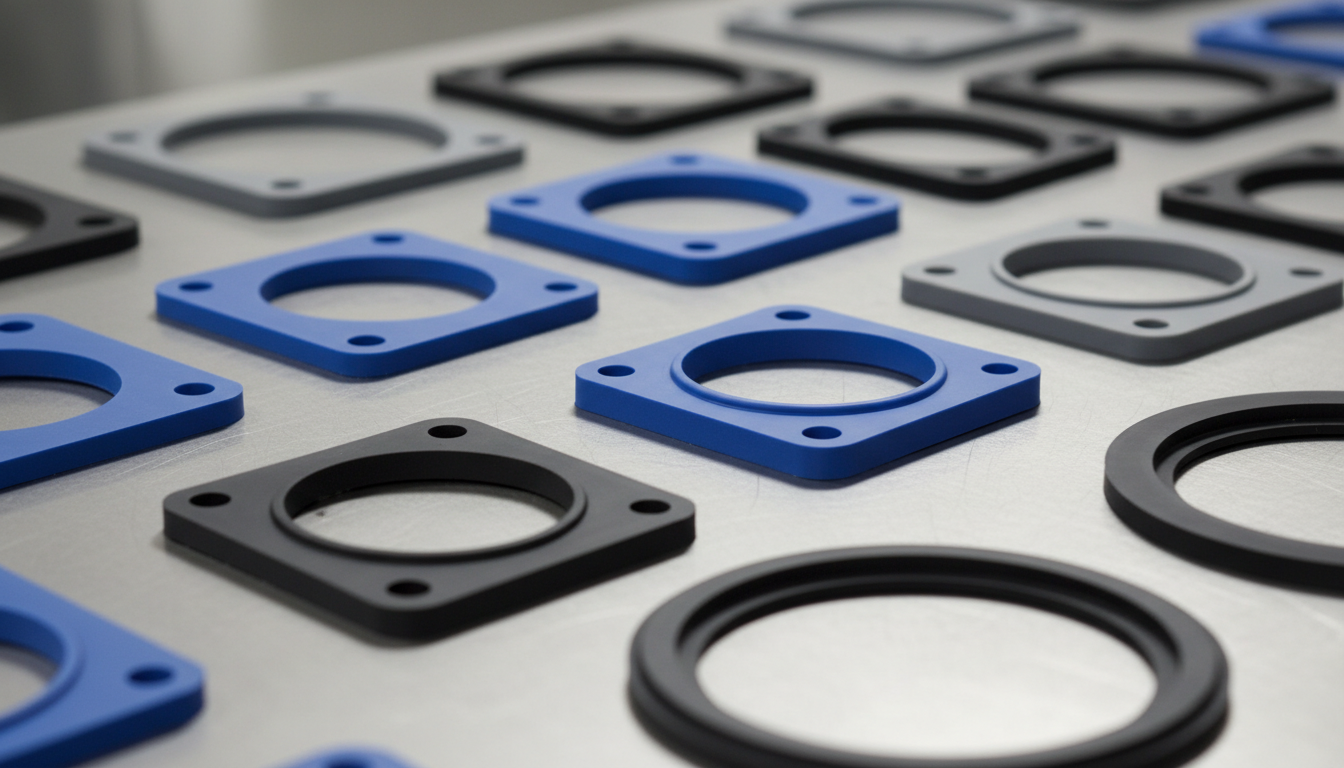
Silicone industrial parts are often mistakenly viewed as too soft for high-pressure work, but engineering advancements have changed this perception. By adjusting the durometer (hardness) of the silicone and utilizing Liquid Silicone Rubber (LSR) molding, manufacturers can create seals that resist extrusion. These seals maintain their integrity even under fluctuating pressure cycles found in advanced pneumatic systems.
Here is the bottom line:
Pressure resistance is a function of material hardness and seal geometry. When silicone is formulated to a higher Shore A hardness, it gains the structural stiffness required to bridge gaps between metal parts. This prevents the rubber from being “blown out” by high-pressure air or fluids during operation.
The Role of Durometer and Hardness
Silicone can be formulated from 10 to 80 Shore A hardness depending on the application’s needs. For high-pressure applications, a higher durometer provides the necessary stiffness to prevent the seal from being forced into the clearance gaps. A harder silicone seal acts as a rigid wall, maintaining the pressure differential without deforming.
Conversely, softer silicones are used where only a light sealing force is available.
- 70-80 Shore A for high-pressure hydraulic gaskets.
- 50-60 Shore A for standard industrial seals.
- 30-40 Shore A for delicate electronic enclosures.
- Customized hardness for specific compression requirements.
Preventing Extrusion Failures
Through precision Design for Manufacturing (DFM), silicone seals are designed with specific geometries that distribute pressure evenly. Engineers often add “ribs” or reinforced cross-sections to the seal to provide extra support against pressure spikes. This reduces the risk of localized material failure or tearing at the seal’s edges.
Using LSR injection molding allows for these complex, pressure-resistant shapes to be produced with extreme consistency.
- Complex ribbing patterns for high-pressure distribution.
- Integrated metal or plastic reinforcements for structural support.
- Precision flash-less molding to eliminate weak points.
Dynamic Pressure and Pulse Resistance
In systems where pressure cycles rapidly, such as pulsating pumps, silicone’s fatigue resistance is a major asset. It can expand and contract millions of times without developing the internal heat that causes other rubbers to fail. This high “flex life” ensures that the seal does not disintegrate under the stress of constant movement.
This makes silicone a top choice for diaphragm pumps and pressure regulators. The material’s elasticity allows it to follow the movement of the piston or diaphragm perfectly. It provides a consistent seal even as the pressure peaks and drops.
| Pressure Variable | Silicone Performance | Engineering Solution |
|---|---|---|
| Static Pressure | High Resistance | Use 70-80 Shore A durometer. |
| Pressure Spikes | Excellent Resilience | Incorporate DFM ribbing. |
| Extrusion Risk | Moderate | Tighten tolerances via LSR molding. |
| Flex Fatigue | Very High | Natural property of Si-O backbone. |
Through a combination of high-durometer formulations and precision LSR molding, silicone can be successfully deployed in high-pressure industrial environments.
Key Takeaway: While naturally soft, silicone can be engineered through hardness adjustments and precision molding to provide robust performance in pressurized industrial systems.
What Are the Primary Industries Benefiting from Silicone Seals?
Silicone industrial parts are the invisible workhorses of modern infrastructure, penetrating almost every major technical sector. From the automotive industry’s transition to EV battery seals to the intricate requirements of precision vape silicone parts, silicone is everywhere. It provides the zero-leakage assurance and thermal protection necessary for high-value consumer and industrial products.
Why does this matter?
The versatility of silicone means it can be adapted to the specific regulatory and mechanical needs of vastly different fields. Whether it’s the need for flame retardancy in a car battery or USP Class VI compliance in a medical pump, silicone can be tuned to meet the challenge. This makes it a “universal” polymer for forward-thinking design engineers.
Automotive and EV Battery Sealing
Silicone gaskets are used in electric vehicle battery packs to provide environmental sealing while also offering flame retardancy. These seals must prevent water ingress for the life of the vehicle while managing the heat generated during rapid charging. Silicone’s ability to act as a thermal insulator between battery cells adds an extra layer of safety.
In traditional internal combustion engines, silicone remains vital for high-heat areas.
- Turbocharger hose connectors and gaskets.
- Valve cover seals for high-temperature resistance.
- Spark plug boots for electrical insulation and heat.
- Coolant system seals that resist anti-freeze chemicals.
E-Cigarette and Vaporizer Technology
In the vaping industry, custom LSR seals are critical for preventing pod leakage, which is the number one consumer complaint. These parts must be food-safe, heat-resistant, and manufactured to extremely tight tolerances (±0.05mm) to ensure a perfect fit. Silicone is the only material that can handle the heat of the heating coil while remaining safe for inhalation.
The use of Liquid Silicone Rubber allows for the mass production of these tiny, complex parts.
- Zero-leakage pod gaskets for e-liquid containment.
- High-heat mouthpiece components for user comfort.
- Precision O-rings for airflow control systems.
Consumer Electronics and Wearables
The trend toward waterproof smartphones and smartwatches has driven massive demand for micro-silicone seals. These parts must be incredibly small yet provide a perfect barrier against water immersion (IP68 ratings). Silicone’s ability to be overmolded onto plastic frames makes it the ideal choice for these space-constrained designs.
This provides a permanent, leak-proof bond that cannot be achieved with traditional gaskets.
- Speaker and microphone acoustic seals.
- Charging port waterproof gaskets.
- Buttons and keypad tactile overlays.
- Soft-touch wearable bands and sensors.
| Industry Sector | Primary Benefit of Silicone | Key Component |
|---|---|---|
| Automotive (EV) | Flame Retardancy / Heat | Battery Pack Gaskets |
| Medical/Bio | Biocompatibility | Pump Diaphragms |
| Vaping | Heat Resistance / Purity | Pod Sealing Gaskets |
| Electronics | Waterproofing (IP68) | Micro-O-rings |
Silicone’s broad range of properties allows it to solve specific, high-stakes engineering challenges across the entire spectrum of modern industry.
Key Takeaway: From heavy automotive applications to precision vaping devices, silicone is the essential material for industries requiring specialized, high-tolerance sealing solutions.
How Do Custom Liquid Silicone Rubber (LSR) Seals Improve Performance?
Silicone industrial parts manufactured via LSR injection molding offer superior consistency compared to traditional compression molding. This process involves mixing a two-part liquid compound and injecting it into a heated mold, where it cures rapidly. LSR allows for complex geometries, such as micro-seals and overmolded components, which improve the overall efficiency of the assembly.
Keep this in mind:
The transition from solid rubber to liquid silicone is a leap in manufacturing precision. Because the material starts as a liquid, it can fill incredibly thin sections and intricate details that solid rubber would skip. This results in parts with fewer defects and much tighter dimensional tolerances.
Precision Tooling and Tolerances
LSR molding utilizes high-precision steel tools that allow for intricate details and thin-walled sections. In industrial sealing, a difference of 0.1mm can be the difference between a leak and a perfect seal. LSR molding regularly achieves tolerances of ±0.05mm, ensuring that every part in a million-unit run is identical.
This precision is critical for automated assembly lines where robots expect parts to be perfectly uniform.
- Achieves wall thicknesses as low as 0.25mm.
- Maintains consistent durometer across the entire part.
- Eliminates the “knit lines” that cause mechanical weak points.
- Enables flash-less molding for cleaner, more professional parts.
Multi-Component Injection Molding
LSR can be overmolded directly onto plastic or metal substrates during the molding process. This creates a permanent chemical bond between the seal and the part, simplifying assembly and ensuring the seal never slips. Overmolding also reduces the number of potential leak paths by integrating the seal into the housing itself.
This technique is widely used in medical devices and handheld electronics.
- Combines a rigid plastic housing with a soft silicone seal.
- Reduces labor costs by eliminating manual seal installation.
- Improves seal reliability by preventing displacement.
Speed and Scalability of Production
Because LSR cures in seconds rather than minutes, the production cycle is much faster than traditional rubber molding. This allows manufacturers to scale up to millions of parts per month with high efficiency. The automated nature of LSR systems also minimizes human error, leading to a much lower scrap rate.
This scalability makes silicone cost-competitive for high-volume consumer goods.
- Fully automated injection and de-molding cycles.
- Minimal post-processing or trimming required.
- High repeatability over long production runs.
- Lower energy consumption per part produced.
| Molding Feature | LSR Injection Molding | Traditional Compression Molding |
|---|---|---|
| Cycle Time | Very Fast (10-60 sec) | Slow (3-10 min) |
| Precision | ±0.05mm | ±0.15mm |
| Overmolding | Highly Effective | Difficult/Inefficient |
| Automation | Fully Automated | Often Labor Intensive |
LSR injection molding is the technological engine that enables the creation of the high-precision, high-performance silicone seals required by modern industry.
Key Takeaway: LSR injection molding enables the creation of high-precision, complex seals that improve assembly reliability and mechanical performance.
What Are the Specialized Grades of Silicone for Industrial Use?
Silicone industrial parts are not limited to a single “one-size-fits-all” formulation. Depending on the application, specific additives can be introduced to the base polymer to provide functional properties beyond simple sealing. This “functional expandability” is what makes silicone a “future-facing” material for industrial designers.
Why does this matter?
An industrial seal might need to do more than just stop a leak; it might also need to block radio waves or conduct electricity. By choosing a specialized grade, engineers can collapse multiple functions into a single silicone component. This simplifies the final product design and reduces the number of parts needed.
Conductive and EMI Shielding Silicone
By adding carbon, silver, or nickel-coated particles, silicone can become electrically conductive. These seals are used in electronic enclosures to provide both a water-tight seal and protection against electromagnetic interference (EMI). They prevent sensitive electronics from being disrupted by external radio signals while keeping dust and moisture out.
This dual-purpose role is essential in modern telecommunications and aerospace.
- Provides shielding for 5G base station enclosures.
- Ensures clean signals in medical imaging equipment.
- Acts as a grounding path in high-voltage systems.
- Maintains sealing integrity while conducting current.
Fluorosilicone for Oil and Fuel Resistance
Standard silicone can swell and lose its strength when exposed to fuels, oils, and non-polar solvents. Fluorosilicone (FVMQ) variants solve this problem by incorporating fluorine groups into the polymer chain. These parts offer the high heat resistance of silicone with the chemical resistance of high-end fluorinated polymers.
This makes them perfect for aerospace fuel systems and automotive fuel lines.
- Resists swelling in jet fuel and diesel.
- Maintains flexibility at -50°C for high-altitude flight.
- Withstands aggressive engine oils and lubricants.
Flame Retardant and Low Smoke Grades
In industries like mass transit, rail, and aerospace, fire safety is the top priority. Specialized silicone grades are available that are self-extinguishing and produce very little smoke or toxic gas when exposed to flame. These materials meet the strict UL 94 V-0 flame rating, ensuring they do not contribute to the spread of a fire.
This is a critical safety feature for indoor and enclosed environments.
- Used in cabin seals for trains and aircraft.
- Ideal for high-voltage battery insulation.
- Protects electrical wiring in public buildings.
- Complies with international fire, smoke, and toxicity (FST) standards.
| Specialized Grade | Key Additive/Modification | Primary Application |
|---|---|---|
| Conductive | Carbon or Silver Particles | EMI/RFI Shielding |
| Fluorosilicone | Fluorine Groups | Fuel and Oil Systems |
| Flame Retardant | Platinum/Metal Oxides | Public Transit/EV Batteries |
| High Tear | Increased Cross-linking | High-Flex Diaphragms |
The ability to customize silicone with specialized additives allows it to solve a wider range of industrial problems than any other elastomer.
Key Takeaway: Through specialized formulations like fluorosilicone or conductive grades, silicone can be tailored to solve specific environmental and electrical challenges.
Why Is Acoustic Performance a Factor in Industrial Sealing?
Silicone industrial parts are increasingly chosen for their unique ability to manage sound waves and mechanical vibrations. In the world of high-end electronics and wearables, precision-molded acoustic silicon parts act as both seals and dampers. They prevent moisture ingress while simultaneously isolating sound or vibration in sensitive devices.
Here is the deal:
The same elasticity that makes silicone a great seal also makes it an incredible energy absorber. When sound waves or mechanical vibrations hit silicone, the material’s molecular structure converts that kinetic energy into a tiny amount of heat. This “dampening” effect is what makes devices feel solid and sound clear.
Vibration Dampening in Precision Electronics
Silicone’s natural elasticity makes it an excellent energy absorber for high-frequency vibrations. It is used to mount sensors, microphones, and speakers in industrial equipment to prevent mechanical “noise” from interfering with data collection. Without these silicone dampeners, the vibration of a machine’s motor could easily overwhelm its sensitive internal sensors.
This is especially critical in the automotive and robotics sectors.
- Isolates LiDAR and camera sensors from vehicle vibration.
- Protects delicate MEMS microphones in mobile devices.
- Dampens motor noise in handheld medical tools.
- Prevents “rattle” in high-speed industrial fans.
Sound Isolation in Wearable Tech
For smartwatches and earbuds, silicone gaskets provide a waterproof barrier that doesn’t distort audio. Because silicone has a consistent density, it can be engineered to reflect or transmit sound in specific ways. High-quality earbud tips, for example, use silicone to create a seal in the ear canal that blocks outside noise while enhancing bass response.
This dual-role performance is why silicone is the standard for the audio industry.
- Creates a hermetic seal for internal speaker chambers.
- Blocks ambient noise through high-quality ear-tip sealing.
- Prevents “leakage” of sound out of the device housing.
Audio Precision and Component Protection
In high-fidelity audio equipment, every component must be isolated from unwanted resonance. Silicone O-rings and pads are used to “float” circuit boards and vacuum tubes, ensuring that external vibrations don’t color the sound. This level of precision is only possible with a material that maintains its dampening properties over years of use.
This longevity ensures the device maintains its sound quality for its entire life.
- Soft-touch buttons that provide quiet, tactile feedback.
- Custom-molded speaker surrounds for long-throw drivers.
- Internal gaskets that prevent internal air-pressure “whistling.”
| Acoustic Function | Silicone Benefit | Real-World Example |
|---|---|---|
| Dampening | High Energy Absorption | Sensor Isolation Mounts |
| Isolation | Blocks Sound Transmission | Earbud Sealing Tips |
| Protection | Prevents Component Vibration | Floating PCB Mounts |
| Sealing | IPX8 Waterproofing | Smartwatch Gaskets |
Silicone’s ability to provide high-performance sealing while managing acoustic and mechanical energy makes it a multi-functional hero in the electronics industry.
Key Takeaway: Silicone serves a dual purpose in electronics, providing a hermetic seal while offering the vibration isolation necessary for high-fidelity acoustic performance.
How Does Material Durability Reduce Long-Term Operational Costs?
Silicone industrial parts significantly lower the total cost of ownership (TCO) by reducing the frequency of seal replacements. While the initial purchase price of silicone may be higher than low-grade rubber, its lifespan is often three to five times longer. This durability prevents the “silent costs” of procurement, shipping, and labor associated with frequent maintenance.
Why does this matter?
The true cost of a seal is not the price of the part itself, but the cost of the machine being turned off to replace it. In a large-scale manufacturing plant, an unscheduled shutdown can cost tens of thousands of dollars in lost production. Durable silicone seals ensure that these shutdowns happen as rarely as possible.
Extending Maintenance Cycles
In heavy industry, replacing a seal often requires disassembling a massive machine or a complex piping system. Because silicone does not degrade under heat or chemical stress, these maintenance intervals can be safely extended. This allows maintenance teams to focus on proactive improvements rather than constantly putting out fires caused by failed seals.
This reliability is a major advantage for remote or hard-to-access equipment.
- Reduces the need for frequent teardowns of industrial pumps.
- Lowers labor hours spent on routine gasket replacements.
- Increases the “mean time between failures” (MTBF) for critical assets.
- Ensures consistent performance in “set and forget” applications.
Improving Overall Equipment Effectiveness (OEE)
OEE is the standard for measuring manufacturing productivity. A single failed seal can stop an entire production line, tanking the facility’s OEE for the day. By using reliable silicone components, facilities reduce the frequency of these unplanned stops, leading to smoother operations and higher output.
Consistent sealing also prevents product waste and contamination.
- Eliminates leaks that cause environmental cleanup costs.
- Prevents batch contamination in chemical processing.
- Reduces energy loss from leaking steam or air systems.
Material Longevity and Waste Reduction
From a sustainability perspective, longer-lasting parts mean less waste ending up in landfills. Because silicone is so stable, it doesn’t need to be replaced nearly as often as Nitrile or Neoprene. This reduces the environmental footprint of the facility and aligns with corporate green initiatives.
This long-term stability also means you can stock fewer spare parts.
- Less inventory capital tied up in replacement seals.
- Lower shipping and logistics costs for frequent re-orders.
- Reduced environmental impact through lower material consumption.
| Cost Category | Impact of Low-Grade Rubber | Impact of High-Grade Silicone |
|---|---|---|
| Purchase Price | Low | Moderate |
| Labor Cost | High (Frequent Replacement) | Low (Long Service Life) |
| Downtime Cost | High (Unpredictable Failure) | Low (Highly Reliable) |
| TCO (5 Years) | High | Low |
The long-term durability of silicone seals translates directly into lower maintenance costs, higher productivity, and a better return on investment for industrial operations.
Key Takeaway: The long-term durability of silicone seals translates directly into lower maintenance costs and higher productivity for industrial operations.
How Should You Choose the Right Silicone Seal Manufacturer?
Choosing the right partner for your Silicone industrial parts is just as important as the material selection itself. A manufacturer must offer more than just production capacity; they should provide Design for Manufacturing (DFM) support and advanced automation. Selecting a partner with deep technical expertise ensures that your sealing components meet the highest industrial standards from the very first batch.
The bottom line is this:
Poorly designed tooling or inconsistent molding processes can negate all the benefits of high-quality silicone. You need a partner who understands the nuances of LSR flow, venting, and thermal management to ensure every part is perfect. This level of partnership transforms a vendor into a strategic asset for your engineering team.
Evaluating DFM and Tooling Capabilities
A top-tier manufacturer will review your seal designs to optimize them for the injection molding process. This includes suggesting changes to draft angles, wall thicknesses, and gate placements to ensure a perfect mold fill. High-quality steel tooling is essential for maintaining the ±0.05mm tolerances required for high-performance sealing.
This collaborative approach prevents costly design errors before the first part is even made.
- Simulates material flow to prevent air traps and bubbles.
- Optimizes cooling lines in the mold for consistent curing.
- Suggests material grades based on your specific environmental needs.
- Provides rapid prototyping to test seal performance in the field.
Quality Certifications and Automation
Consistency is the hallmark of a great manufacturer. Look for partners who hold ISO 9001 certifications and utilize fully automated LSR injection systems. Automation eliminates the “human factor” that leads to defects in manual compression molding. It ensures that the mixing ratio, injection pressure, and cure time are identical for every single part.
This level of control is necessary for industries like medical and automotive.
- In-process monitoring for real-time quality control.
- Automated vision systems to detect micro-defects.
- Batch traceability for regulatory compliance.
Scalable Production and Global Logistics
Your manufacturer should be able to support you from the initial prototype phase through to mass production of millions of units. This requires a facility with multiple high-tonnage LSR machines and the logistical reach to ship parts globally. A partner who can grow with your project ensures a stable supply chain and consistent quality over the years.
This scalability is vital for consumer electronics and vaping products.
- Capacity to handle sudden spikes in demand.
- Experienced logistics teams for international shipping.
- Dedicated account management for long-term support.
| Selection Criteria | What to Look For | Why It Matters |
|---|---|---|
| Engineering Support | DFM and Flow Simulation | Prevents defects and reduces cost. |
| Process Control | Fully Automated LSR Molding | Ensures part-to-part consistency. |
| Quality Standards | ISO 9001 / Medical Grade | Guarantees regulatory compliance. |
| Capacity | Scalable Mass Production | Secures your long-term supply chain. |
Choosing a manufacturer with deep technical expertise and advanced LSR capabilities ensures that your sealing components will perform flawlessly in the field.
Key Takeaway: Choosing a manufacturer with deep technical expertise and advanced LSR capabilities ensures that your sealing components meet the highest industrial standards.
Frequently Asked Questions
Can I use silicone seals for high-vacuum applications?
Yes, silicone is excellent for vacuum use because it has very low outgassing properties, especially when post-cured. This makes it suitable for laboratory and semiconductor environments where maintaining a pure atmosphere is critical for the process.
What’s the best way to prevent silicone seal degradation in outdoor use?
Silicone is naturally resistant to UV and ozone, so no special coatings are typically required. However, ensuring you choose a high-quality LSR or HCR grade with the appropriate stabilizers will maximize its multi-decade outdoor lifespan.
Can I customize the hardness of industrial silicone seals?
Absolutely. Silicone can be formulated to various Shore A hardness levels, from as soft as gel (10 Shore A) to as hard as a hockey puck (80 Shore A). This allows you to choose a softer grade for low-closure force seals or a harder grade for high-pressure gaskets.
What’s the best silicone grade for food-grade processing?
You should always look for FDA-compliant or platinum-cured silicone. Platinum curing ensures there are no peroxide by-products, making the material completely safe for direct contact with food, beverages, and sensitive pharmaceutical products.
Can I replace EPDM seals with silicone for better heat resistance?
In most cases, yes, silicone offers a much higher temperature ceiling than EPDM. However, you should always check for chemical compatibility if the seal will be in constant contact with specific petroleum-based oils or concentrated fuels.
Final Thoughts
Silicone is more than just a sealing material; it is a high-performance engineering solution that addresses the core challenges of heat, chemical exposure, and mechanical wear. For businesses looking to enhance their product reliability and operational efficiency, choosing the right silicone components is a critical step towards long-term success. From extreme temperature stability to precision LSR manufacturing, silicone provides the zero-leakage assurance required for modern industrial systems. To learn more about how our precision molding services can support your next project, please contact us for a detailed consultation and expert design support.