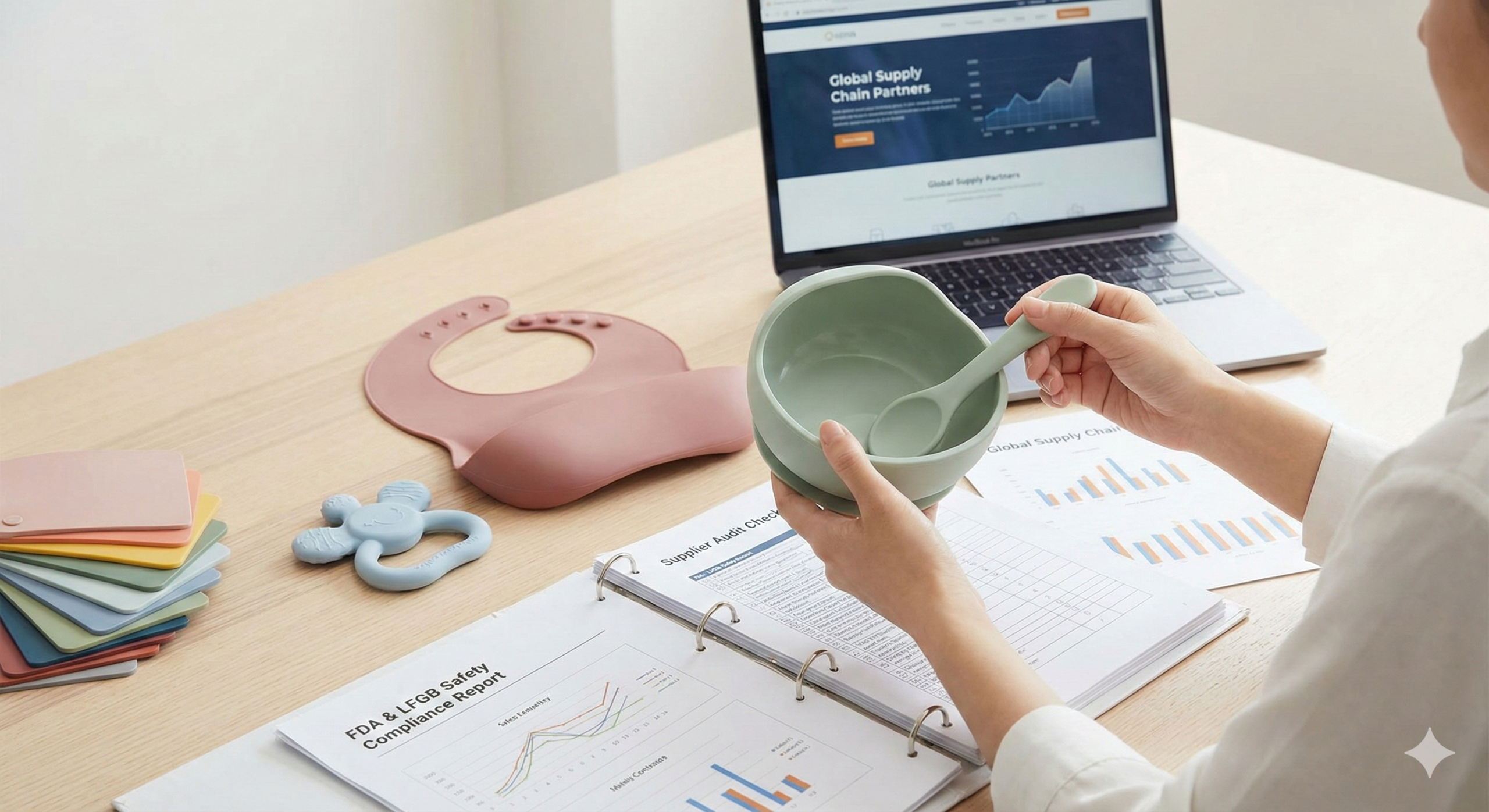
Selecting the ideal manufacturing partner ensures your inventory meets the highest safety standards while protecting your profit margins from the risks of low-quality production. The baby products market is saturated with suppliers, but many lack the rigorous safety standards and specialized engineering required for infant health. For retailers, selecting the wrong partner leads to high defect rates, regulatory fines, and irreparable brand damage.
Imagine launching a new line of teething toys only to discover they fail LFGB compliance or have inconsistent material density that poses a choking hazard. A single safety recall can bankrupt a growing retail brand and lose consumer trust forever. This guide provides a strategic roadmap for How to Choose a Reliable Silicone Baby Products Manufacturer, ensuring your supply chain is built on safety, transparency, and scalable quality.
1. Are safety certifications truly non-negotiable?
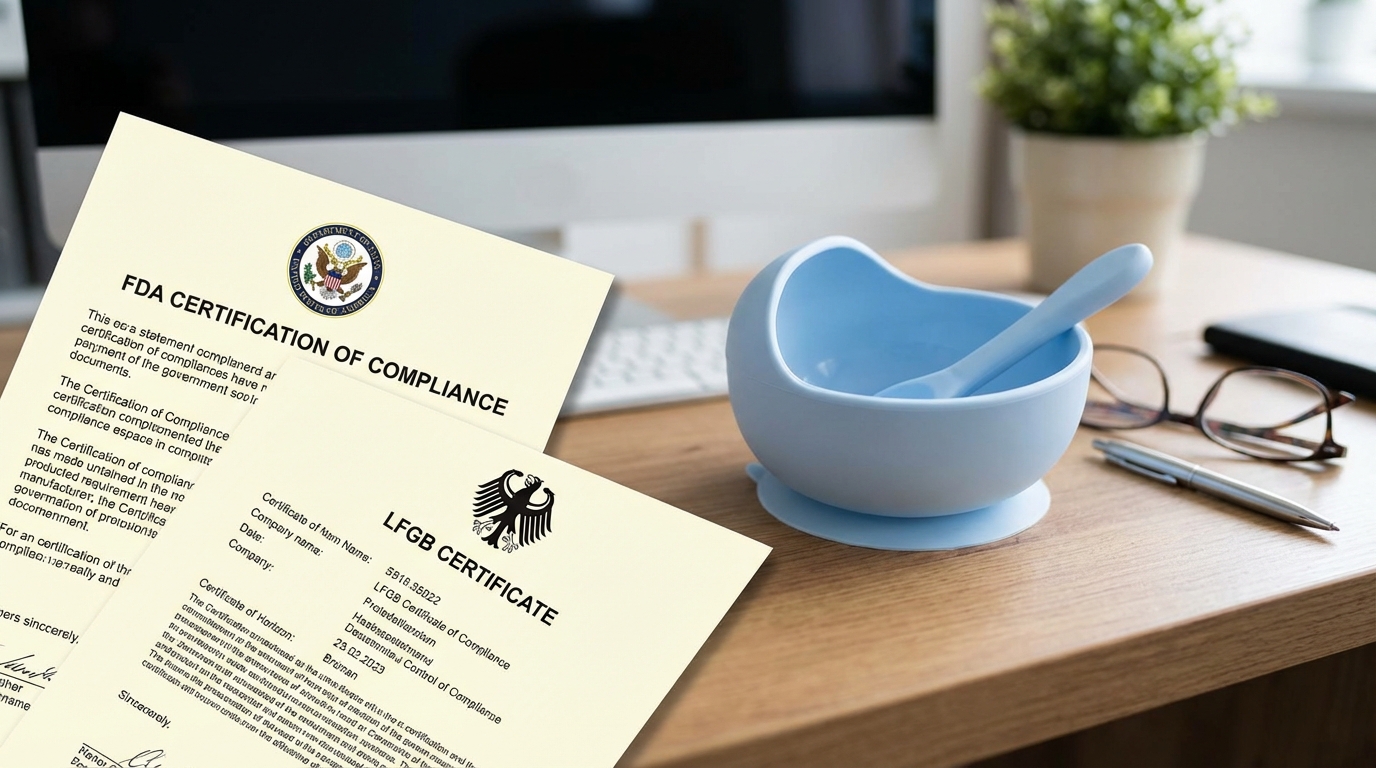
Yes, certifications like FDA and LFGB are the only objective proof that a product is chemically safe for infants and compliant with international law. When researching How to Choose a Reliable Silicone Baby Products Manufacturer, your first step must be a deep dive into their regulatory documentation. You cannot afford to take a factory’s word for it; you need verified proof from accredited laboratories.
A professional manufacturer will have a library of medical grade silicone parts certifications ready for your review. These documents prove the material is free from BPA, phthalates, and lead.
Why are FDA and LFGB standards critical?
FDA (US) and LFGB (Europe) represent the gold standard for food-contact safety across the globe. These certifications ensure the silicone does not leach harmful chemicals when exposed to heat or saliva.
Here is the deal:
- LFGB testing is often more rigorous than FDA, involving sensory tests for odor and taste.
- FDA compliance is mandatory for entering the North American market.
- Passing both indicates a superior grade of raw material that protects your brand’s reputation.
How do you verify authentic test reports?
You must never accept a simple PDF at face value without performing a verification check. Always cross-reference report numbers with the issuing laboratory, such as SGS, TUV, or Intertek, to ensure the documents are current.
Think about it:
- Check the “Applicant Name” to ensure it matches the factory you are talking to.
- Verify the “Issue Date” to confirm the test was performed within the last 12 months.
- Look for specific pass/fail results on heavy metal migration and volatile organic compounds.
What are the global compliance requirements?
Beyond material safety, baby products must also meet physical and mechanical standards to prevent injuries. This includes testing for small parts, sharp edges, and tensile strength to ensure the product doesn’t break during use.
Key Takeaway:
Establishing a foundation of safety requires rigorous document verification and an understanding of the specific regulations governing your target retail market.
| Key Criterion | Industry Standard | Retailer Requirement |
|---|---|---|
| Material Safety | FDA / LFGB | Current Year Lab Reports |
| Toy Safety | EN71 / CE | Physical & Mechanical Testing |
| Chemical Safety | RoHS / REACH | SVHC Statement |
The integration of these standards ensures that every product on your shelf is legally compliant and physically safe for sensitive infants.
2. Does the supplier specialize in baby product range?
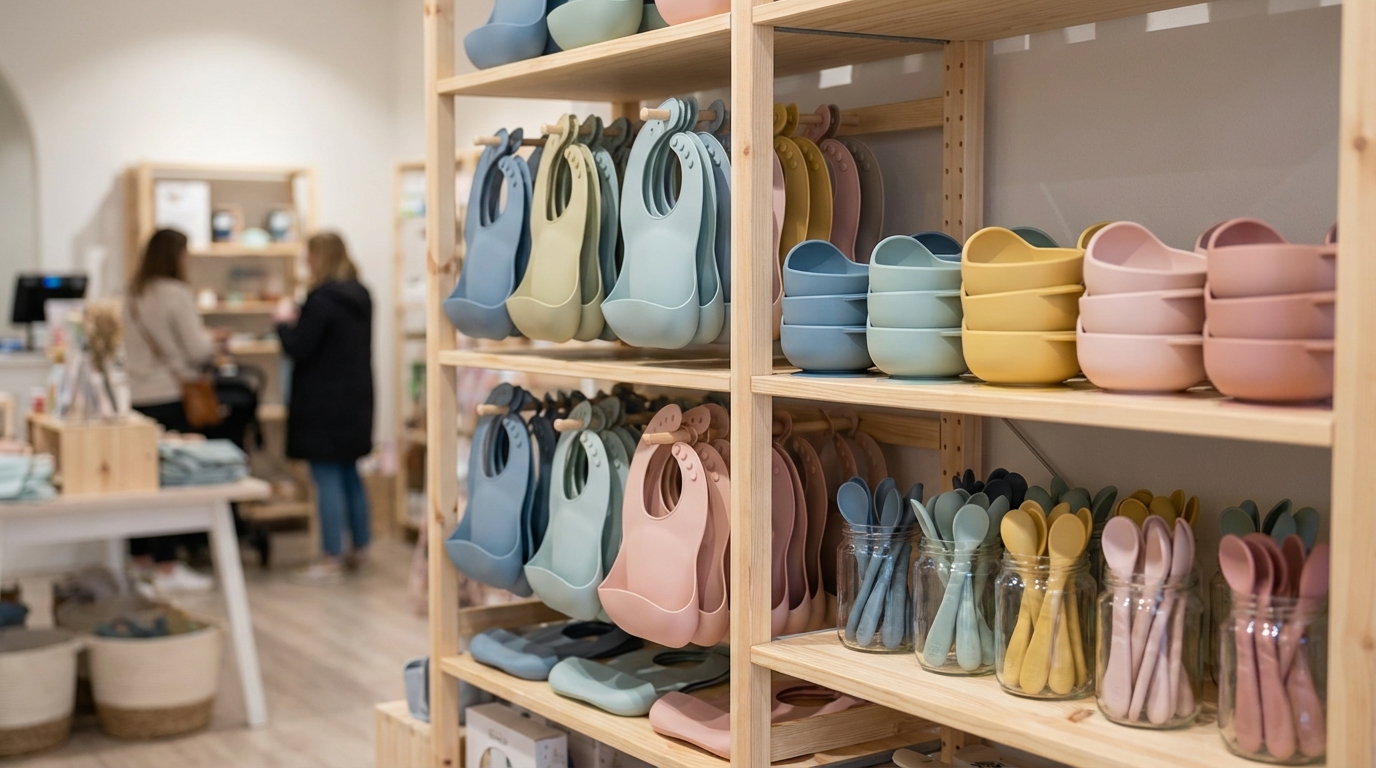
Specialization is vital because a dedicated baby product manufacturer understands infant ergonomics, age-appropriate textures, and specific toxicity risks that general factories might overlook. Learning How to Choose a Reliable Silicone Baby Products Manufacturer involves evaluating if their core expertise aligns with the delicate needs of the mother and baby sector. A general silicone factory may produce industrial gaskets one day and bibs the next, which increases the risk of cross-contamination.
A specialized partner will focus exclusively on mother and baby care solutions to ensure the highest purity. Their production lines are optimized for high-transparency, food-grade materials that parents demand.
Is their catalog updated with current trends?
Retailers must stay ahead of the curve, and your supplier should be the one driving that innovation. Check if the manufacturer regularly releases new designs for bibs, bowls, and educational toys to keep your retail inventory competitive.
Why does this matter?
- Modern parents look for aesthetic “Instagrammable” colors like dusty rose and sage green.
- New functional designs, such as suction-base bowls or spill-proof lids, provide higher retail value.
- Frequent updates show the manufacturer is invested in the market’s long-term growth.
Do they offer specialized silicone baby sets?
Offering cohesive sets for feeding, teething, or bath time is a proven way to increase your average order value. Look for manufacturers capable of producing matching sets to simplify your SKU management and create a unified brand experience.
Here is the kicker:
- Sets allow for more attractive retail packaging and higher perceived value.
- A single supplier for a whole set ensures color consistency across different items.
- Bulk ordering sets often leads to better logistical efficiency and lower individual unit costs.
What is the depth of their industry knowledge?
An expert supplier doesn’t just make products; they understand the “why” behind every design choice. They should be able to advise you on the best Shore hardness for a teether versus a spoon handle.
Key Takeaway:
Choosing a specialized manufacturer provides you with industry-specific insights that reduce product development errors and enhance the functional appeal of your brand.
| Product Category | Specialization Depth | Innovation Frequency |
|---|---|---|
| Feeding Gear | High (BPA-free) | Quarterly Updates |
| Teethers | High (Ergonomic) | Bi-annual Designs |
| Bath Toys | Medium (Molding) | Seasonal Updates |
Partnering with a specialist ensures that your product range is built on a foundation of ergonomic research and current consumer preferences.
3. How is your intellectual property protected?

Intellectual property is protected through legally binding Non-Disclosure Agreements and clearly defined tooling ownership contracts that prevent your designs from being leaked. When developing custom products, understanding How to Choose a Reliable Silicone Baby Products Manufacturer requires a focus on legal security. Your unique designs are your brand’s biggest asset, and they must be shielded from competitors.
A professional manufacturer will provide a comprehensive NDA before ever requesting your 3D files or technical drawings. This establishes a baseline of trust and legal recourse should any information be mishandled.
Does the factory sign strict NDAs?
A Non-Disclosure Agreement (NDA) is a non-negotiable prerequisite for any custom manufacturing project. It ensures that your proprietary blueprints, material formulations, and branding strategies remain confidential throughout the production lifecycle.
The best part?
- It prevents the factory from selling your specific design to other clients.
- It protects your market advantage by keeping your upcoming product launches secret.
- It demonstrates the manufacturer’s commitment to professional ethical standards.
Who owns the molds after production ends?
One of the most common pitfalls in overseas manufacturing is the confusion over mold ownership. You must clarify in your contract that the tooling belongs to you, especially if you have paid the mold fee upfront.
But wait, there’s more:
- Ensure the contract states you can move the mold to another facility if necessary.
- Request photos of the physical mold with your company name or project ID engraved.
- Clarify who is responsible for mold maintenance and storage costs over the long term.
How are digital files managed securely?
In the digital age, your 3D CAD files are vulnerable to hacking or unauthorized internal sharing. Ask your supplier about their internal data security protocols and who has access to your proprietary files.
Key Takeaway:
Legal and digital protection of your designs is just as important as the physical manufacturing, ensuring your brand remains unique in a crowded market.
| IP Aspect | Standard Protocol | Recommended Action |
|---|---|---|
| Design Privacy | NDA Signature | Sign before DFM |
| Mold Ownership | Client-Owned | Include in Purchase Order |
| Exclusive Rights | Geographic Exclusivity | Negotiate for custom molds |
Rigorous IP protection protocols safeguard your investment and ensure that your innovation remains your exclusive competitive advantage.
4. What about MOQ and pricing transparency?
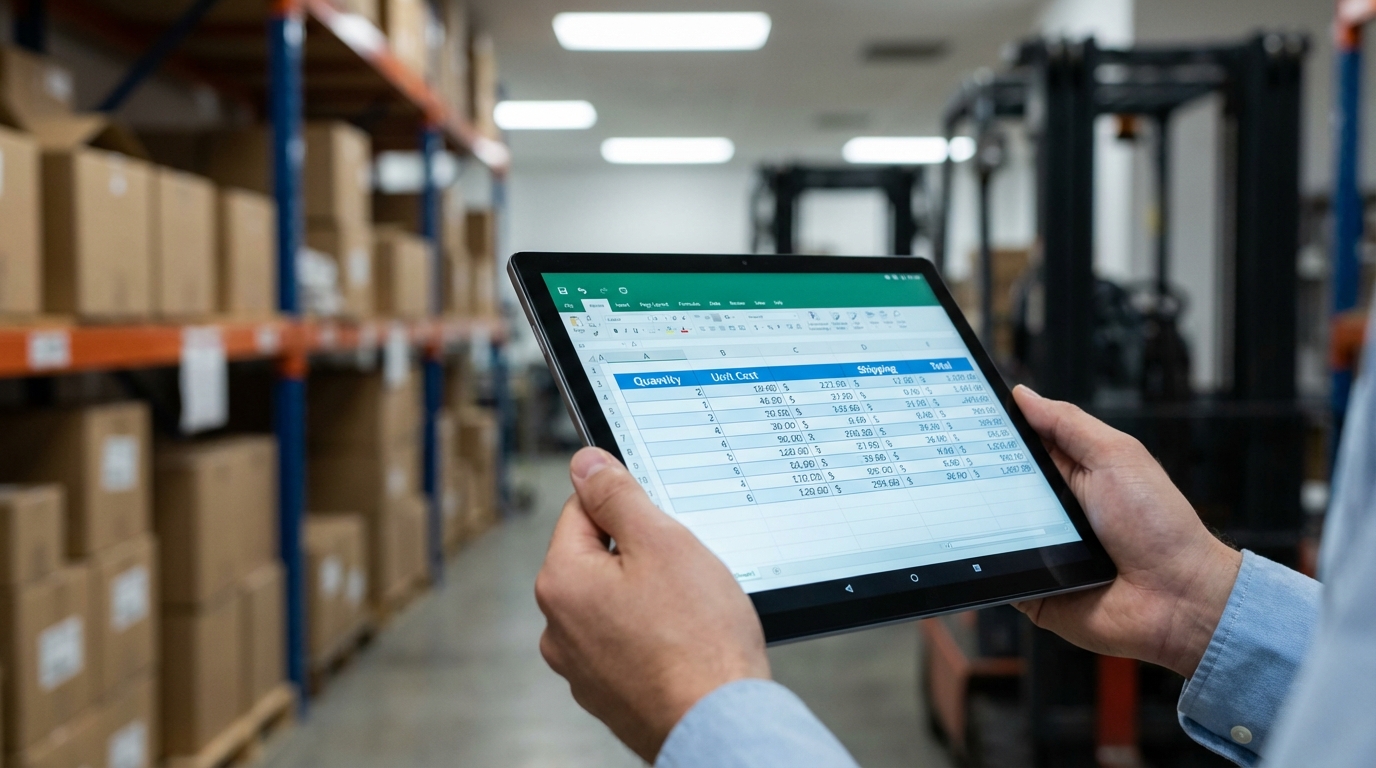
Pricing transparency is achieved through detailed line-item quotes that account for material costs, labor, packaging, and any potential customization fees. Evaluating How to Choose a Reliable Silicone Baby Products Manufacturer involves looking closely at their financial flexibility and Minimum Order Quantities (MOQs). High MOQs can stifle a small retailer’s growth, while hidden fees can destroy your projected margins.
A reliable partner will offer a clear price breakdown that changes based on volume. This allows you to plan your scaling strategy with precision and confidence.
Can you start with small pilot orders?
Testing a new market entry requires agility, and large MOQs can be a significant barrier. A flexible manufacturer often supports lower MOQs for stock items to help you validate a product’s success before committing to bulk.
Here is why this matters:
- Small orders reduce your capital risk when testing new colors or designs.
- They allow you to manage inventory levels more effectively during seasonal shifts.
- Suppliers willing to start small often value the long-term growth of your partnership.
Are there hidden costs for custom colors?
When you request a specific Pantone shade, some factories may surprise you with “color mixing” or “line cleaning” fees. Ensure your initial quote includes all costs for color matching and logo embossing to avoid invoice shocks.
Think about it:
- Always ask for a “landed cost” estimate that includes shipping and duties.
- Clarify if the price includes individual retail packaging or just bulk master cartons.
- Negotiate price breaks for future orders as your volume naturally increases.
How does volume affect your unit price?
Understanding the economies of scale in silicone manufacturing is critical for long-term profitability. Most factories have specific “break points” where the unit price drops significantly once a certain quantity is reached.
Key Takeaway:
Transparent pricing and flexible MOQs are the cornerstones of a scalable retail business, allowing for better cash flow and market testing.
| Order Scale | MOQ Expectation | Pricing Model |
|---|---|---|
| Stock Items | 100 – 500 units | Unit Price + Freight |
| Custom Colors | 1,000+ units | Unit Price + Setup Fee |
| Full OEM | 3,000+ units | Unit Price + Tooling |
Clear financial terms prevent budgetary surprises and allow you to reinvest your profits back into growing your product line.
5. How fast are samples and prototyping lead times?
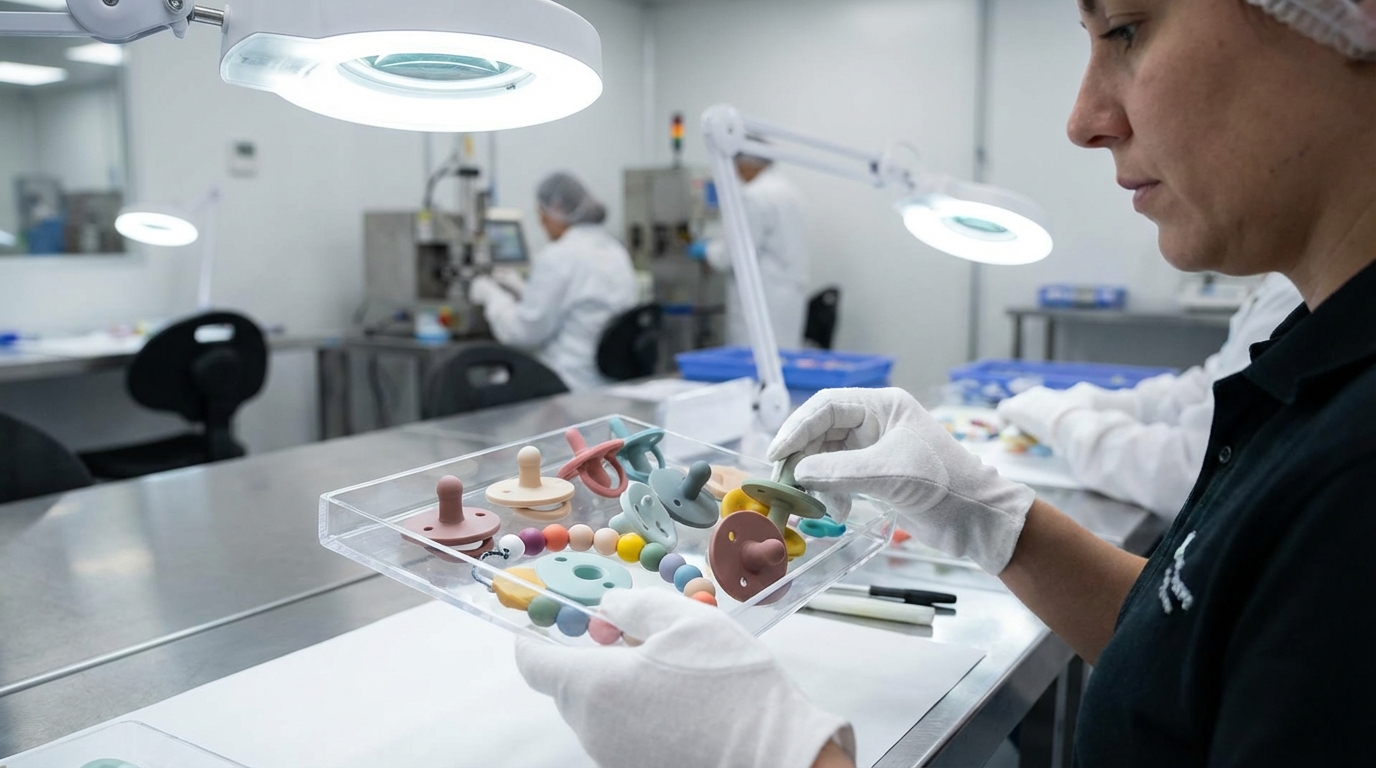
Prototyping speed is determined by the factory’s in-house tooling capabilities and their experience with rapid 3D printing for silicone parts. In the fast-moving baby products industry, time-to-market is a critical competitive advantage. Your supplier’s ability to produce rapid prototypes determines how fast you can respond to new trends or customer feedback.
Standard samples should be available within a week to verify material quality. For custom designs, the process is more complex but should still follow a predictable timeline.
What is the turnaround for off-the-shelf samples?
Before you invest in custom molds, you should always request “off-the-shelf” samples to feel the material quality and check the factory’s finish. These should be dispatched within 3-7 days to keep your project moving.
The best part?
- You can verify the silicone’s texture, flexibility, and smell immediately.
- It allows your team to perform basic “drop tests” and cleaning tests.
- It acts as a benchmark for the quality you expect from your custom production.
How long does custom mold fabrication take?
Developing a unique product requires a custom mold, which is the most time-consuming part of the pre-production phase. For new designs, the tooling process usually takes 20-45 days, depending on the complexity of the part.
Here is the deal:
- 3D printed prototypes can be made in days for initial shape verification.
- The “First Article” from the new mold is the most important sample you will approve.
- Ask for a detailed timeline that includes stages for design, milling, and trial runs.
Can they provide rapid DFM suggestions?
Design for Manufacturing (DFM) is the process of optimizing your part’s design to make it easier and cheaper to produce. An expert supplier will review your drawings and suggest changes that reduce defects without compromising your vision.
Key Takeaway:
Speed in the sampling phase is a strong indicator of the manufacturer’s overall efficiency and their ability to hit your product launch deadlines.
| Stage | Estimated Time | Retailer Action |
|---|---|---|
| Stock Sample | 3 – 7 Days | Material Feel Check |
| 3D Prototype | 5 – 10 Days | Functional Testing |
| Mold Tooling | 20 – 45 Days | Final Design Approval |
Efficient prototyping reduces your time-to-market and ensures that any design flaws are caught before expensive mass production begins.
6. What quality control measures are in place?
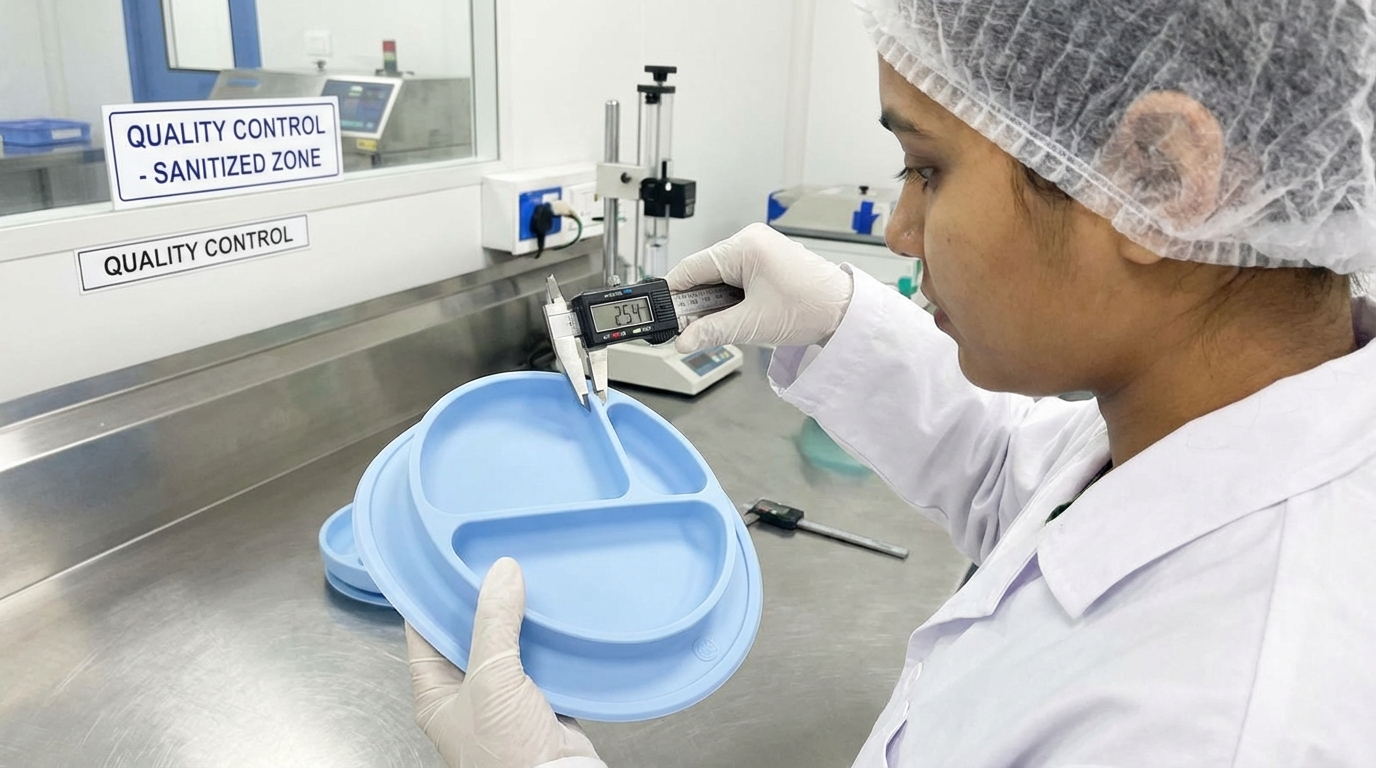
Comprehensive quality control involves a three-stage process: checking raw materials, monitoring the production line, and a final 100% visual inspection. Consistency is the hardest part of manufacturing, and a “reliable” manufacturer must have a documented QC process. When researching How to Choose a Reliable Silicone Baby Products Manufacturer, you must ask for their about page or QC manual to see how they prevent errors.
A transparent supplier will provide AQL (Acceptable Quality Limit) reports for every batch. This data allows you to track the factory’s performance and ensure your customers receive only the best items.
Does the factory use in-process inspections?
In-Process Quality Control (IPQC) is the best way to catch errors before a whole batch is ruined. Technicians should monitor dimensions, material curing times, and color consistency throughout the molding cycle.
Why does this matter?
- It prevents “flash” (excess silicone on edges) from becoming a common defect.
- It ensures that suction bases and lids fit perfectly every single time.
- Real-time measurements prevent the waste of valuable raw materials.
How are defect rates managed and reported?
No factory is perfect, but a professional one will have a system for identifying and resolving recurring issues. Ask how they handle “seconds” or defective units to ensure they never end up in your shipping containers.
But wait, there’s more:
- Request a sample QC report from a previous production run.
- Check if they use automated visual inspection systems for high-volume orders.
- Confirm that they perform a “pull test” on pacifier nipples or teether parts.
What are the standards for raw material purity?
The quality of the final product starts with the raw silicone beads or liquid. Your supplier should perform an Incoming Quality Control (IQC) check on every new batch of raw material to verify its safety certificates.
Key Takeaway:
A multi-layered QC system is your best defense against product recalls and customer complaints, ensuring long-term brand health.
| QC Phase | Focus Area | Verification Method |
|---|---|---|
| Incoming (IQC) | Raw Material Purity | Batch Certificates |
| In-Process (IPQC) | Dimensional Accuracy | Real-time Measurements |
| Final (FQC) | Surface Finish/Logo | 100% Visual Check |
Rigorous inspection protocols at every stage of the manufacturing process guarantee that your products meet the highest global quality standards.
7. Can the supplier handle custom retail packaging?
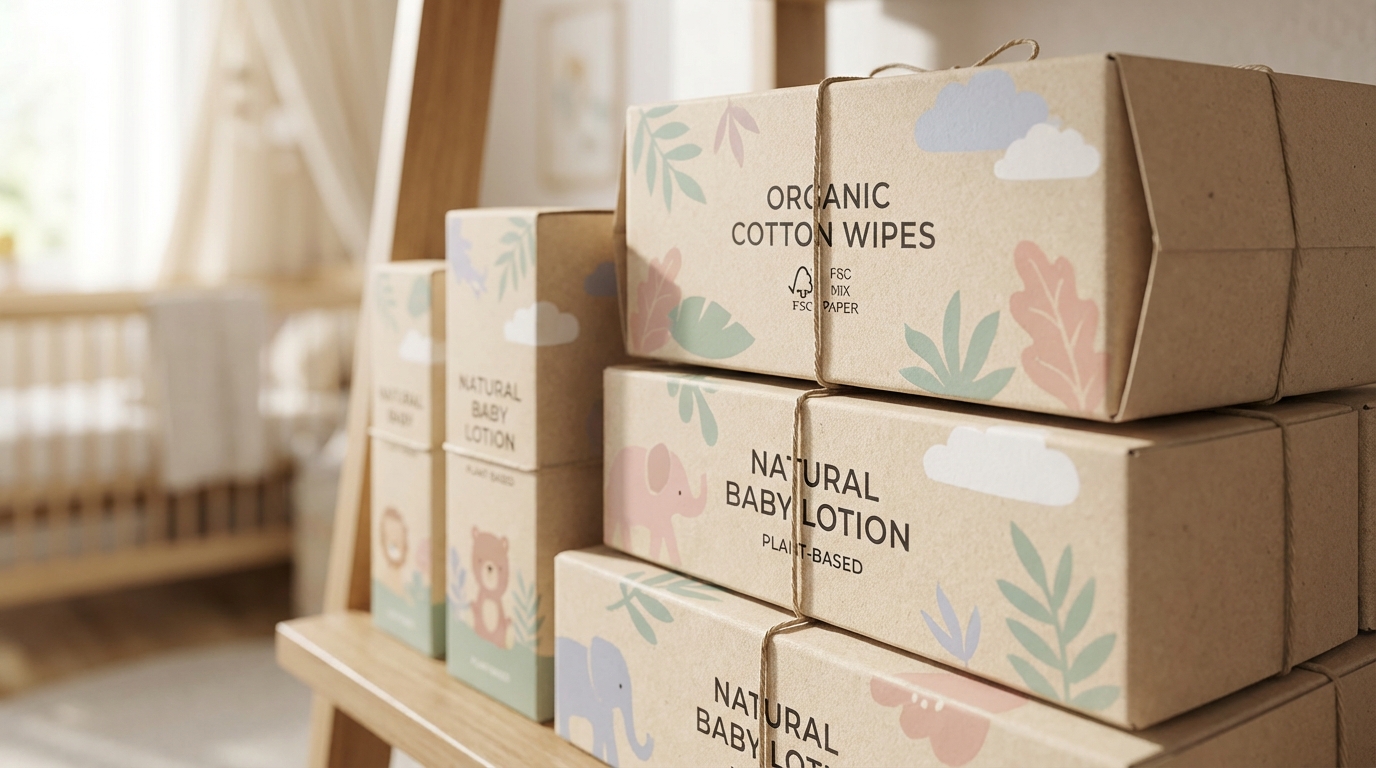
Yes, top-tier manufacturers offer “retail-ready” solutions, including FSC-certified boxes, custom printing, and biodegradable inserts that enhance the unboxing experience. For retailers, the packaging is an extension of the product itself. Your supplier should be able to provide packaging that protects the item while communicating your brand’s values to the parent.
Using a single partner for both production and packaging saves you significant time and secondary processing costs. It also ensures that the packaging fits the product perfectly, reducing shipping damage.
Is the packaging retail-ready for your market?
Different sales channels—whether Amazon, a boutique, or a big-box store—have different packaging requirements. Verify if your supplier can provide hang tags, barcodes, and durable shipping cartons that meet these specific standards.
Here is the deal:
- Eco-friendly packaging is a major selling point for modern, conscious parents.
- Sturdy boxes prevent the silicone from being crushed or deformed during transit.
- Consistent branding across the product and the box builds consumer trust.
Do they support multi-language labeling?
If you plan to sell in multiple countries, your packaging must comply with local labeling laws, including safety warnings in different languages. Ensure the factory has the printing capability to handle complex, multi-language artwork.
Think about it:
- Can they print QR codes that link to your digital user manuals?
- Do they offer matte or gloss finishes that match your brand aesthetic?
- Can they provide a sample of the printed box before the full production run?
What sustainability options do they offer?
Sustainability is no longer a luxury; it is a requirement for many modern brands. Ask if they offer recycled paperboard, soy-based inks, or plastic-free alternatives for their packaging solutions.
Key Takeaway:
Integrated packaging services simplify your supply chain and ensure your products are ready for the shelf the moment they arrive.
| Packaging Type | Customization Level | Retail Benefit |
|---|---|---|
| Color Box | High (Full Print) | Premium Brand Image |
| Header Card | Medium | Cost-Effective Display |
| Printed Bag | Low | Protection & Branding |
Custom, professional packaging not only protects your products but also serves as a powerful marketing tool that differentiates your brand at the point of sale.
8. What are the logistics and shipping capacities?
Reliable shipping capacity is defined by the factory’s ability to handle large export volumes and offer a variety of Incoterms to suit the buyer’s needs. When learning How to Choose a Reliable Silicone Baby Products Manufacturer, you must assess their industry experience with international logistics. Shipping costs and delays can quickly eat into your retail margins if not managed correctly.
A supplier with strong logistics expertise will offer multiple shipping terms to optimize your landed cost. They should have a network of reliable freight forwarders to ensure your goods move smoothly across borders.
Which shipping terms (FOB/CIF) do they offer?
Understanding Incoterms is vital for managing your costs and responsibilities. Determine if the supplier handles the export to the port (FOB) or if they can provide door-to-door (DDP) service directly to your warehouse.
Here is why this matters:
- DDP (Delivered Duty Paid) is best for retailers who want to avoid the headache of customs clearance.
- FOB (Free on Board) gives you more control over the choice of shipping carrier and costs.
- Clear terms prevent unexpected fees for port storage or customs inspections.
Can they scale production for viral products?
In the age of social media, a product can go viral overnight, leading to a massive spike in demand. Ask about the factory’s monthly production capacity and their ability to ramp up production quickly without sacrificing quality.
But wait, there’s more:
- Check if they have multiple production lines for high-volume orders.
- Ask how they prioritize orders during peak seasons like the holidays.
- Ensure they have a stable supply of raw materials to prevent production bottlenecks.
How do they manage international documentation?
Exporting products requires a mountain of paperwork, including commercial invoices, packing lists, and certificates of origin. A reliable partner will handle this documentation accurately to prevent delays at customs.
Key Takeaway:
Logistical competence is the “hidden” part of manufacturing that determines whether your products arrive on time and within budget.
| Term | Responsibility | Best For |
|---|---|---|
| EXW | Buyer Handles All | Experienced Importers |
| FOB | Supplier to Port | Standard Sea Freight |
| DDP | Supplier to Door | Small/Medium Retailers |
A manufacturer with robust logistics capabilities acts as an extension of your own operations, ensuring a seamless flow of goods from the factory to your retail shelves.
9. Which manufacturing process is best for your parts?
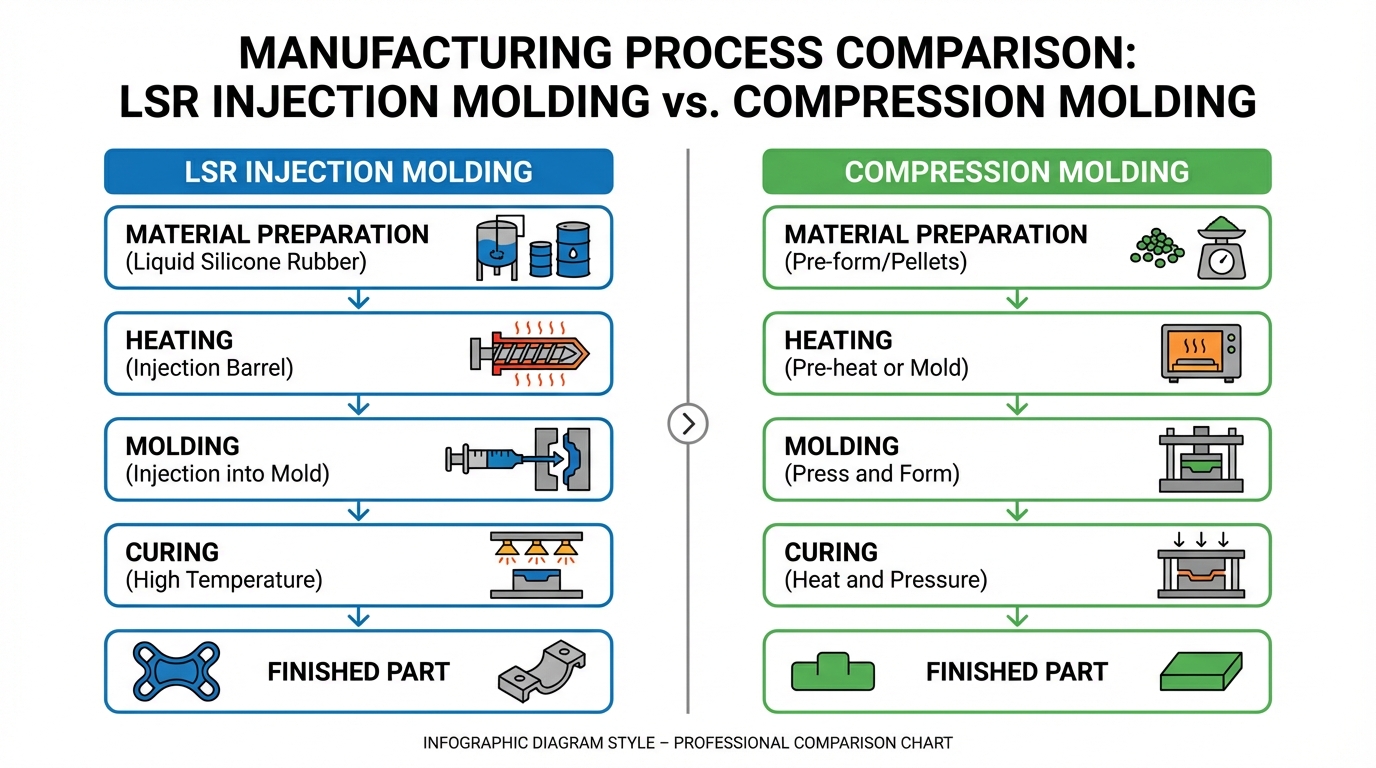
The best process depends on the part’s complexity; Liquid Silicone Rubber (LSR) is best for high-precision items like pacifiers, while compression molding is ideal for simpler shapes. Choosing the right manufacturing method is a technical decision that impacts both your production cost and the final product’s quality. You need a partner who can explain the pros and cons of each method based on your specific requirements.
LSR molding is a highly automated process that ensures ultra-high precision and consistency. Compression molding, on the other hand, has lower tooling costs and is excellent for larger, less complex items.
Is LSR molding better than compression molding?
For products that require tight tolerances and high purity, such as bottle nipples or precision medical parts, LSR is the undisputed leader. It uses a closed-system injection process that minimizes the risk of human error or contamination.
Think about it:
- LSR results in parts with no “parting lines” or flash, making them safer for babies.
- The cycle time for LSR is much faster, which is better for high-volume production.
- Compression molding is better for testing new designs due to lower initial mold costs.
How does overmolding benefit baby products?
Overmolding is a specialized process where silicone is bonded to a plastic or metal insert during the molding stage. This allows you to create durable, multi-material products like spoons with a hard core and a soft silicone exterior.
Here is the deal:
- It creates a seamless bond that prevents bacteria from growing in cracks.
- It allows for ergonomic handles that are easy for both parents and babies to grip.
- Overmolded products are generally more durable and “premium” in the eyes of the consumer.
What is the impact of curing on safety?
The curing process is where the silicone “sets” into its final shape. A reliable manufacturer uses post-curing ovens to ensure all volatile compounds are removed, meeting the strictest food-grade standards.
Key Takeaway:
Understanding the technical processes allows you to select the most cost-effective and highest-quality method for each unique product in your catalog.
| Process | Precision | Cost (Volume) | Typical Product |
|---|---|---|---|
| LSR | Ultra-High | High Setup | Pacifiers / Nipples |
| Compression | Medium | Low Setup | Bibs / Bowls |
| Overmolding | High | Medium/High | Spoons / Hard Handles |
Selecting the appropriate manufacturing technology ensures that your products are not only cost-competitive but also engineered for maximum safety and performance.
10. Is after-sales communication reliable and fast?

Reliable after-sales communication is characterized by a dedicated account manager who provides 24-hour response times and proactive updates on your order status. When deciding How to Choose a Reliable Silicone Baby Products Manufacturer, you must look for a partner who values long-term relationships over a single transaction. The best manufacturers offer a single point of contact to ensure nothing gets lost in translation.
Effective communication minimizes errors, speeds up re-orders, and ensures that any manufacturing defects are resolved quickly and fairly. It turns a vendor into a true strategic partner for your retail brand.
Will you have a dedicated account manager?
Having one person who understands your brand’s history, quality standards, and shipping preferences is invaluable. This dedicated representative acts as your internal advocate within the factory walls.
The best part?
- You don’t have to explain your requirements to a new person every time you call.
- They can provide you with real-time updates on production delays or milestones.
- They can proactively suggest ways to improve your designs based on factory feedback.
How are manufacturing errors resolved post-ship?
Even with the best QC, errors can sometimes occur. A reliable manufacturer will have a clear, written policy for replacing defective units or providing credits on future orders to ensure you never lose money on poor production.
Here is the deal:
- They should offer a “warranty period” for manufacturing defects found after unboxing.
- They should be willing to discuss “Corrective Action” reports to prevent the same error from happening twice.
- Transparency during a crisis is the true test of a manufacturing partner’s reliability.
Can they support your marketing efforts?
A great supplier can even help you sell the product. Ask if they can provide high-resolution photos of the manufacturing process or material testing videos that you can use on your social media and website.
Key Takeaway:
Professional communication and a strong after-sales commitment are what separate a world-class manufacturer from a standard factory.
| Support Level | Response Time | Documentation |
|---|---|---|
| Standard | 24 – 48 Hours | Email Only |
| Premium | < 12 Hours | Dedicated WhatsApp/Email |
| Technical | On-Demand | DFM & Engineering Notes |
Building a transparent, responsive communication channel with your manufacturer creates a stable foundation for your business to scale and thrive.
Conclusion
Selecting the best silicone baby products supplier is a balance of safety compliance, manufacturing capability, and open communication. By auditing certifications, testing samples, and clarifying IP protection, retailers can build a stable supply chain that supports long-term growth. Choosing the right partner means you can focus on marketing and sales, knowing your production is in expert hands.
HuaLin Silicone is an ISO-certified leader in the industry, dedicated to providing precision-engineered parts and transparent service. We understand that in the baby products world, safety is the only standard that matters. Ready to start your project with an ISO-certified partner? Contact us today to request a DFM review or a custom quote.
FAQ (Frequently Asked Questions)
- What is the average MOQ for custom colored silicone baby items?
Typically, custom colors require a batch of 500 to 1,000 units per color, as the raw material must be mixed specifically for your Pantone requirement to ensure consistency. - How do I know if the silicone is “Food Grade”?
Authentic food-grade silicone will have accompanying FDA or LFGB test reports that match the batch number of your production run; you should always verify these with the testing lab. - Is it possible to combine multiple SKUs in one shipping container?
Yes, most professional manufacturers allow for mixed-load containers to help retailers manage their inventory more efficiently and reduce overall shipping costs. - How long does the tooling for a custom baby bowl take?
Standard mold development for a silicone baby bowl usually takes between 25 and 35 days, which includes the design phase, milling, and the initial sampling runs. - Do you provide help with packaging design?
Yes, many suppliers offer DFM (Design for Manufacture) support for both the product and the packaging to ensure everything is retail-ready and cost-effective upon arrival.