
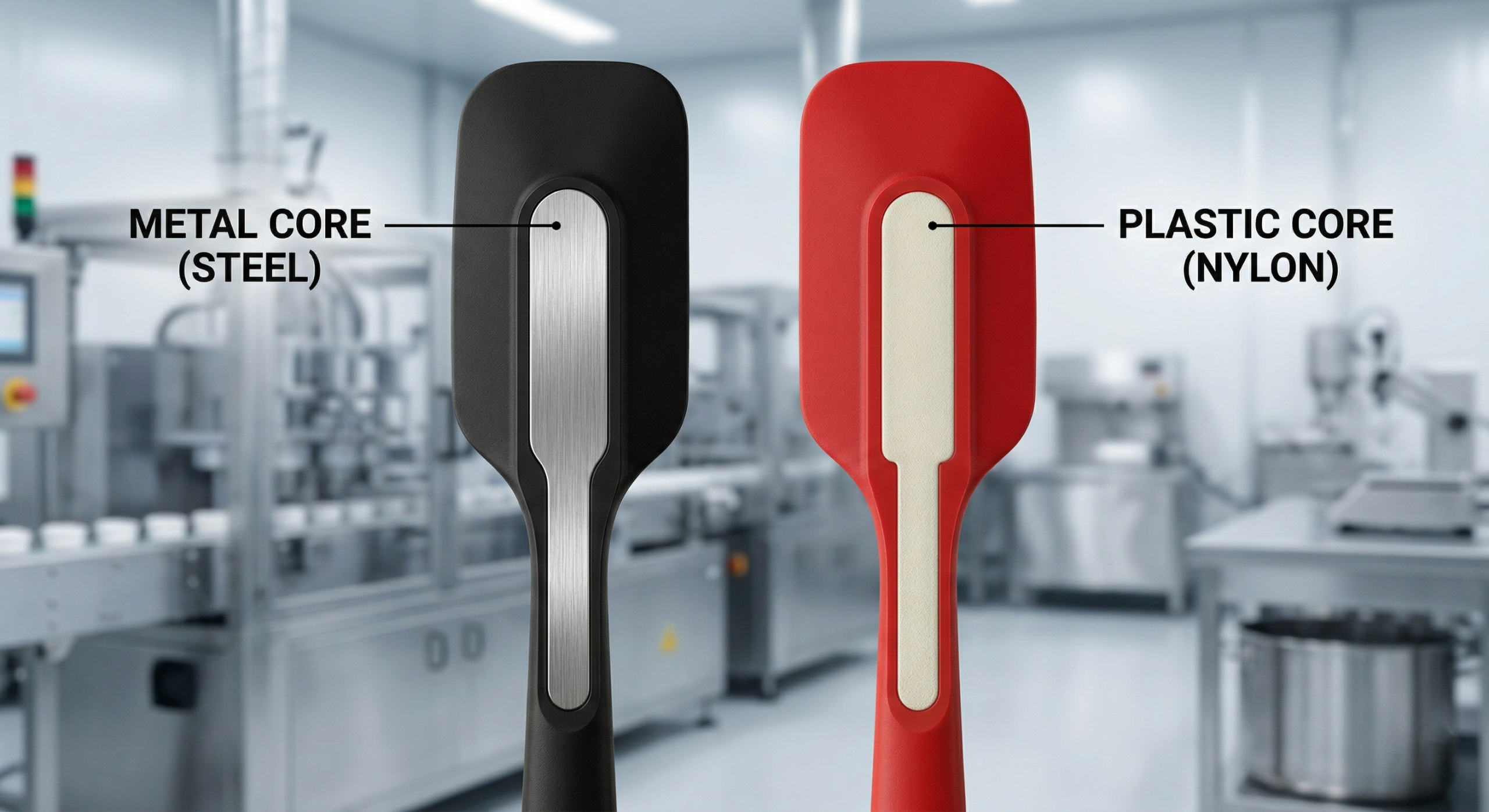
Deciding between a metal or plastic core depends heavily on your specific product requirements and target market needs. Imagine running a busy commercial kitchen where cooking tools break under heavy daily use constantly. Replacing broken utensils wastes valuable business budget and frustrates professional chefs during peak service hours. Providing durable Silicone Spatulas for Manufacturing solves this frustrating problem by offering absolute reliability. Solid backbones handle demanding culinary tasks perfectly every single time.
What Are Metal Cores in Silicone Spatulas for Manufacturing?
Metal cores serve as a rigid internal backbone for high-performance cooking tools. Creating robust Silicone Spatulas for Manufacturing requires a strong internal structure capable of handling heavy mixing tasks. Steel or aluminum inserts provide maximum strength without adding excessive bulk inside a finished item. These rigid components prevent your tool from snapping when users manipulate thick doughs daily.
Professional chefs heavily rely on this unwavering structural integrity during busy service hours. Bending handles quickly ruin expensive culinary preparations and frustrate busy restaurant kitchen staff immensely. Solid steel backbones guarantee your culinary instruments survive years of intense commercial kitchen abuse effortlessly. Investing in premium internal materials elevates ordinary kitchen gadgets into highly respected professional equipment.
Why Choose Metal Inserts?
Selecting steel components delivers immediate benefits for anyone processing large volumes of food. Here’s the deal: integrating a steel backbone transforms an ordinary gadget into a true instrument. Users gain incredible leverage when stirring massive pots of thick stew or hearty chili. This mechanical advantage reduces physical strain on human wrists during extended food preparation shifts.
Manufacturers understand that premium markets demand absolute perfection from their daily culinary equipment.
- Superior torque transfer during heavy use
- Exceptional structural integrity under pressure
- Reliable performance for commercial applications
Engineers specify high-grade stainless steel because it resists internal rusting incredibly well over time.
Can Metal Cores Bend?
They offer extremely minimal flex compared against alternative structural material options available today. This inherent rigidity greatly benefits individuals who need strict control over their culinary instruments. Experienced cooks strongly prefer this stiffness while aggressively scraping massive industrial stainless steel bowls. Pushing thick batters requires substantial kinetic energy that flexible tools simply absorb and waste.
You will never experience a sudden handle failure when utilizing a steel-reinforced kitchen tool. What’s the real story? Cheap plastic handles snap violently under pressure, ruining meals instantly. Choosing strong inserts guarantees maximum safety and reliability for heavy-duty culinary preparation activities.
Key Takeaway: Selecting steel inserts guarantees maximum durability for demanding heavy-duty professional culinary applications.
How Do Plastic Cores Function in Spatula Production?

Plastic inserts provide a wonderfully lightweight and flexible foundation for everyday culinary tools. Integrating nylon elements into Silicone Spatulas for Manufacturing lowers overall product weight remarkably. These flexible centers allow a rubber outer layer to conform perfectly against curved surfaces. Consumers greatly appreciate this flexibility when scraping delicate sauces or folding airy cake mixtures.
Factory engineers frequently select polymer materials for gadgets aimed directly at casual home cooks. This material choice allows for highly creative handle designs and vibrant color options easily. Mass production facilities utilize rapid injection molding machines for creating these polymer components quickly. High production speeds translate directly into fantastic retail cost savings for everyday retail shoppers.
Are Plastic Inserts Durable?
They withstand moderate pressure remarkably well during normal daily food preparation activities at home. Nylon materials resist cracking under typical household stress levels experienced during regular meal prep. You might be wondering: do they break easily under normal cooking conditions? High-quality polymer compositions offer surprising resilience despite their highly valued bending capabilities.
Home users rarely generate enough physical force to snap a well-made polymer tool backbone.
- Excellent bend recovery memory
- Resistant against internal snapping
- Perfect for light mixing tasks
Engineers carefully formulate these polymers for maximum longevity under standard household cooking scenarios.
What Makes Them Popular?
They cost significantly less money while maintaining excellent functionality for casual cooking enthusiasts globally. Manufacturers can mold nylon into highly ergonomic shapes that fit human hands wonderfully well. Lightweight designs prevent wrist fatigue during lengthy holiday baking sessions with family members. Ready for the good part? These affordable tools perform beautifully without breaking your budget.
Retailers love stocking polymer-backed gadgets because they sell rapidly at very attractive price points. Customers frequently buy multiple colors for matching their unique kitchen decor perfectly.
Key Takeaway: Nylon centers provide an excellent balance of flexibility and cost-effectiveness for everyday consumer goods.
How Does Heat Resistance Compare for Cores?
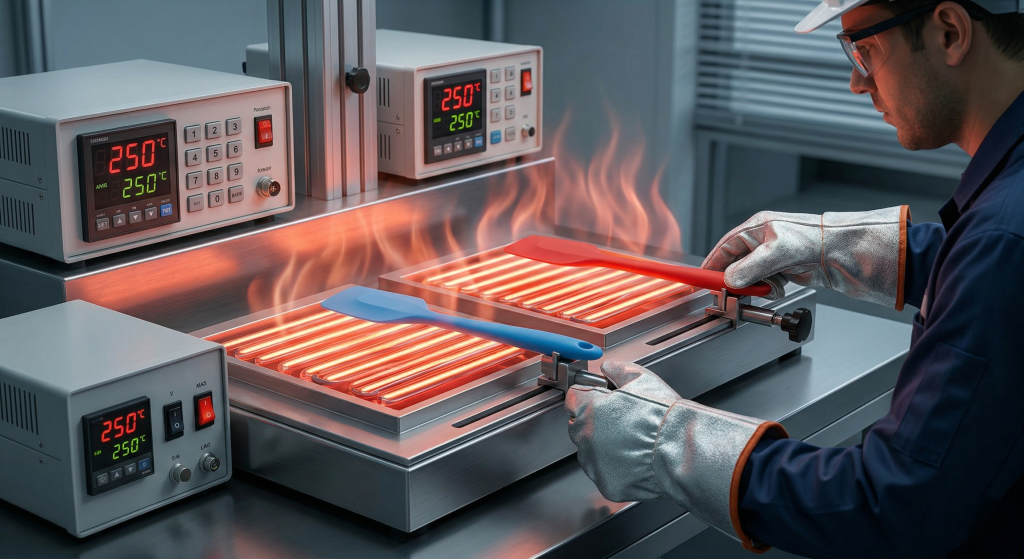
Steel components withstand significantly higher temperatures than their nylon counterparts during intense cooking sessions. Developing premium Silicone Spatulas for Manufacturing demands careful consideration regarding temperature limits during use. Steel inserts remain completely stable even when exposed directly against extreme cooking heat sources. Nylon materials might soften if left resting inside a boiling pot for extended periods.
Engineers test these thermal properties rigorously before approving any new kitchen tool design for production. Metal backbones consistently pass extreme heat exposure tests without showing any structural degradation whatsoever. Consumers expect their culinary tools to survive accidental drops into screaming hot frying pans. Meeting these high consumer expectations requires selecting materials with exceptional thermal stability ratings.
Can Metal Withstand Deep Frying?
Stainless steel handles extreme culinary environments beautifully without degrading internally or losing mechanical strength. This is where it gets interesting… an outer rubber layer usually fails long before any steel backbone could. Chefs confidently plunge these rugged tools into bubbling vats of hot frying oil daily. This remarkable thermal resilience makes metal-backed tools highly prized in busy commercial restaurant settings.
Quality testing laboratories subject these instruments to intense heat chambers for verification purposes regularly.
- Withstands temperatures exceeding 500 degrees Fahrenheit
- Will not melt inside boiling liquids
- Maintains structural shape under heat stress
These rigorous evaluations prove that metal remains superior for high-temperature culinary applications.
Does Nylon Melt During Cooking?
Standard nylon components perform perfectly well for casual baking and light pan frying tasks. They only risk softening under direct and prolonged exposure against high heat sources. Truth be told: most home cooks never reach temperatures hot enough for melting nylon. Standard boiling water poses absolutely no threat against high-quality polymer tool inserts.
Factory technicians formulate these polymers specifically for resisting moderate kitchen heat levels successfully. Users should simply avoid leaving polymer tools resting directly on hot iron skillets indefinitely.
Key Takeaway: Steel backbones offer absolute peace of mind for high-heat commercial culinary environments globally.
Which Core Type Excels in Silicone Spatulas for Manufacturing?
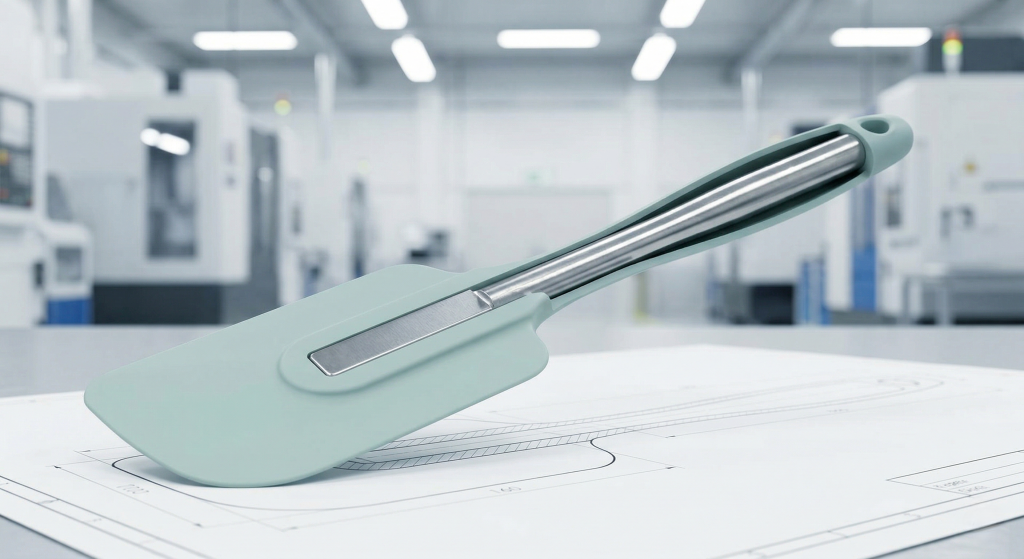
Steel options provide superior torque while nylon options deliver much better contouring abilities. When designing Silicone Spatulas for Manufacturing, engineers must balance rigid strength against necessary flexibility. A stiff backbone excels at pushing heavy dough around a large mixing bowl efficiently. A yielding nylon center works beautifully for scraping delicate icing from tight bowl corners.
Matching the tool design directly against its intended culinary purpose guarantees high user satisfaction. Pastry chefs require highly flexible edges for smoothing out delicate buttercreams on large cakes. Butchers need rigid instruments for moving heavy ground meat mixtures around massive steel bowls. Successful product lines usually offer both variations for covering all possible culinary application needs.
Why Does Flexibility Matter?
A yielding edge allows chefs complete access for scraping bowls completely clean without missing batter. What’s the real story? Stiff tools leave food behind because they cannot conform tightly against curved surfaces. This wasted food reduces profit margins inside high-volume commercial baking operations noticeably over time. Flexible tools recover almost every single drop of expensive cake batter effortlessly.
Home bakers also appreciate tools that navigate around sharp pan corners easily.
- Better bowl scraping capabilities
- Easier icing spreading action
- Gentler on delicate food ingredients
These flexible characteristics make baking activities much more enjoyable for casual weekend cooks.
When Is Rigidity Required?
Thick bread dough demands a stiff tool that will not buckle under heavy human pressure. Folding heavy ingredients requires substantial physical leverage that only rigid materials can provide successfully. Users quickly grow frustrated when flimsy tools bend backwards during intense mixing sessions. Strong backbones transfer human physical energy directly into the dense food mixture efficiently.
Commercial kitchens process massive quantities of dense ingredients daily without stopping for equipment failures. Rigid instruments survive these grueling operational requirements while maintaining their perfect original shape.
Key Takeaway: Match your internal flexibility rating directly against your primary intended culinary task requirements.
How Do Materials Affect Handle Heat Transfer?
Nylon components block thermal energy transfer much better than steel components do practically. Safety testing regarding Silicone Spatulas for Manufacturing reveals how quickly handles become dangerously hot. Steel conducts thermal energy rapidly from a hot pan directly into a user’s hand. Nylon acts as a powerful insulator that keeps handles cool even during extended resting.
Protecting user hands remains a top priority during kitchen gadget design phases everywhere. Burns happen quickly when cooks grab highly conductive metal handles left near open flames. Polymer centers eliminate this specific thermal danger entirely through their natural insulating properties. This safety feature makes polymer tools highly desirable for long simmering cooking tasks.
Do Steel Handles Get Too Hot?
They can become uncomfortably warm if left resting inside a heated skillet accidentally. But here’s the kicker… thick rubber overmolding significantly reduces this specific thermal transfer issue. Manufacturers add extra thick rubber layers around metal handles for preventing severe skin burns. This protective silicone barrier absorbs much of the migrating thermal energy safely.
Professional chefs train themselves for avoiding hot handle grabs during frantic dinner services.
- Thick overmolding provides necessary insulation
- Steel conducts thermal energy rapidly
- Hand fatigue increases alongside hot handles
Proper grip techniques mitigate many thermal risks associated with solid metal kitchen tools.
Is Nylon Safer for Hands?
Insulating properties make nylon centers completely safe for extended pan stirring duties at home. Users rarely experience burning sensations when holding these tools directly over hot stoves. Here’s the deal: polymers simply refuse rapid thermal energy absorption during normal cooking conditions. This characteristic provides wonderful peace of mind for distracted home cooks juggling multiple pans.
Families cooking together appreciate tools that never grow dangerously hot during prolonged use. Kids can safely grasp these handles without fearing sudden painful thermal shocks.
Key Takeaway: Nylon backbones provide superior thermal insulation for maximum user comfort during long cooking sessions.
What Is the Impact of Weight on Experience?
Heavier tools feel more premium but frequently cause wrist fatigue during long commercial shifts. Evaluating ergonomics in Silicone Spatulas for Manufacturing requires balancing perceived quality against actual comfort. Steel components add satisfying heft that many professionals associate directly with premium craftsmanship. However, this extra mass tires a human wrist quickly when folding large heavy batches.
Product designers spend countless hours optimizing tool balance for preventing repetitive strain injuries. A perfectly balanced heavy tool feels lighter than a poorly balanced lightweight tool. Engineers carefully distribute internal metal weight for achieving perfect ergonomic harmony within the hand. This meticulous balancing process separates premium cooking instruments from cheap dollar store alternatives.
Why Do Chefs Prefer Heavy Tools?
Substantial weight provides excellent control when manipulating thick culinary ingredients inside deep pots. Ready for the good part? That extra metallic mass actually does some pushing work automatically. Gravity assists the chef when dropping a heavy tool through thick stews or batters. This momentum reduces the sheer physical muscle power required for continuous stirring actions.
Premium weight distribution signals high manufacturing quality immediately upon grasping the tool handle.
- Feels highly premium in hand
- Better momentum for stirring tasks
- Reduces required pushing muscle force
Experienced cooks trust heavy instruments instinctively because flimsy tools break under professional workloads.
Who Benefits from Lighter Tools?
Home bakers frosting dozens of delicate cupcakes strongly prefer tools that weigh almost nothing. Reduced mass allows for rapid hand movements without causing painful joint strain or fatigue. The bottom line is: lightweight tools make highly repetitive baking tasks significantly more enjoyable. Users can flick their wrists rapidly for creating beautiful frosting swirls effortlessly.
Elderly users or individuals with arthritis find lightweight polymer tools much easier for managing daily. Reduced weight means less physical pain during basic food preparation activities at home.
Key Takeaway: Select lightweight designs for repetitive tasks and heavy designs for power mixing applications.
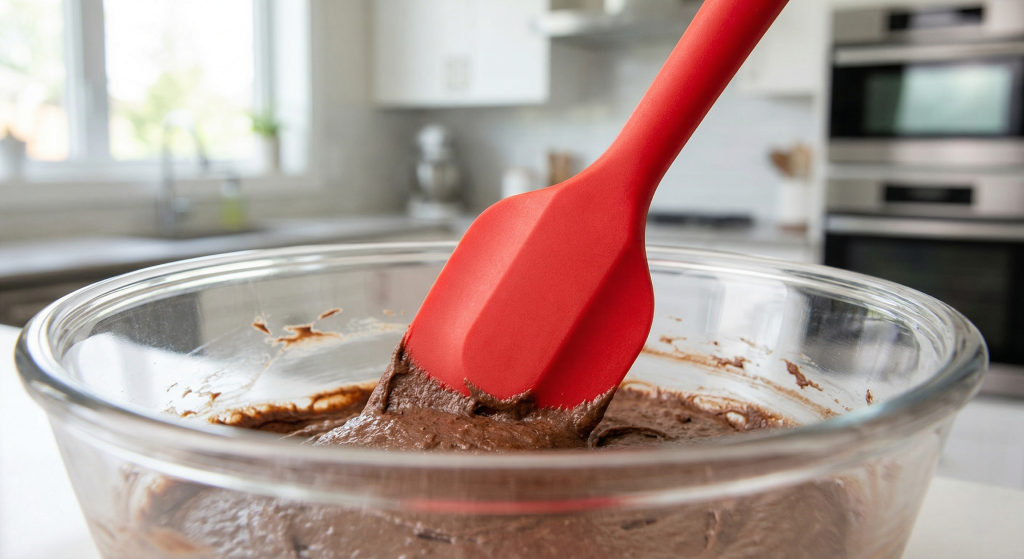
Producing steel-backed tools requires significantly higher financial investment than molding simple nylon alternatives. Cost analysis regarding Silicone Spatulas for Manufacturing shows that raw materials dictate retail pricing. Sourcing quality stainless steel inserts costs much more money than buying bulk nylon pellets. Assembling these premium components also demands incredibly precise factory machinery and longer cycle times.
Factory managers closely monitor these production expenses for maintaining healthy business profit margins. Metal stamping processes generate scrap material that factories must recycle at additional operational costs. Polymer injection systems produce almost zero waste material during normal daily manufacturing runs. This incredible material efficiency makes polymer designs highly attractive for budget-conscious brand owners.
Why Are Steel Tools Expensive?
Machining solid metal pieces requires expensive factory tooling and extremely high energy consumption daily. It boils down to this: premium materials always command premium production rates on factory floors. Workers must carefully position metal inserts inside rubber molds by hand before vulcanization begins. This manual labor increases overall production time and drives up final unit costs considerably.
High-quality stainless steel simply costs more money on global commodities markets than basic plastic.
- Higher raw material sourcing expenses
- Slower production cycle times
- More expensive factory tooling requirements
Brands pass these elevated manufacturing costs directly onto consumers through higher retail price tags.
Can Nylon Maximize Profit Margins?
Injection molding nylon inserts happens incredibly rapidly and costs mere pennies per unit produced. This mechanical efficiency allows brands to sell high-quality tools at very competitive market prices. You might be wondering: do lower costs mean terrible product quality? Modern polymers provide excellent physical properties while keeping manufacturing expenses wonderfully low.
Automated robotic systems can mass-produce polymer tools without requiring expensive human intervention continuously. This automation drastically reduces overhead expenses for large scale kitchen gadget manufacturing facilities.
Key Takeaway: Nylon centers offer fantastic profit margins for brands targeting budget-conscious retail consumers globally.
What Are Typical Uses for Metal Cores?
Commercial kitchens rely heavily upon rigid tools for their most demanding daily food preparation. The target demographic for Silicone Spatulas for Manufacturing featuring steel includes true professional chefs. These skilled users frequently push dense bread doughs around massive steel mixing bowls. A yielding polymer tool simply cannot generate enough force for moving thick culinary substances.
Culinary schools teach students that proper equipment selection prevents dangerous kitchen accidents completely. Forcing flexible tools through thick meat mixtures frequently causes dangerous hand slippage. Sudden slips cause serious knife wounds or painful burns in crowded commercial kitchens. Rigid instruments provide predictable physical resistance that keeps chefs safe during frantic cooking tasks.
Do Bakeries Need Steel Tools?
Commercial bakers require perfectly rigid instruments for folding massive batches of thick cookie dough. Here’s the deal: a snapping handle ruins an entire batch of expensive ingredients instantly. Broken plastic shards hiding inside food products cause massive legal liabilities for restaurant owners. Solid steel completely eliminates this terrifying contamination risk from commercial baking operations.
Artisan bread makers use these stiff tools for manipulating heavy sourdough starters daily.
- Moving thick cookie dough safely
- Stirring heavy ground meat mixtures
- Scraping large commercial mixing bowls
These demanding tasks destroy inferior kitchen gadgets within just a few short weeks.
Are They Good for Grilling?
High thermal resistance makes metal perfect for manipulating food directly upon screaming hot griddles. They maintain structural integrity even when pressed firmly against superheated iron cooking surfaces. What’s the real story? Professional line cooks abuse their tools mercilessly during busy dinner rushes. Only metal survives this level of continuous high-temperature punishment without melting away.
Burger flippers need stiff edges for scraping burnt cheese off cast iron surfaces quickly. Metal backbones provide the necessary leverage for cleaning grills between fast food orders.
Key Takeaway: Commercial environments demand the absolute rigidity and thermal stability that only steel provides.
Where Do Plastic Cores Perform Best?
Domestic kitchens benefit greatly from the yielding nature of nylon-backed culinary hand tools. Designing everyday Silicone Spatulas for Manufacturing means focusing intently on tasks like frosting cakes. These gentle activities require delicate finesse rather than brute force for achieving perfect results. A flexible edge glides smoothly around non-stick pans without leaving any food remnants behind.
Homeowners invest heavily in expensive non-stick cookware that requires incredibly gentle handling daily. Rigid metal tools occasionally scratch these delicate teflon coatings if users apply excessive pressure. Polymer-backed gadgets provide a wonderfully soft touch that preserves expensive cookware for many years. This protective quality makes them wildly popular among casual weekend cooking enthusiasts globally.
Why Are They Perfect for Baking?
Contouring edges scrape every last drop of cake batter from mixing bowls absolutely effortlessly. Truth be told: saving that extra batter adds up to an entire extra cupcake. Kids love licking the bowl clean after a highly flexible tool gathers the remnants. Stiff metal instruments simply cannot reach into tight bowl corners as effectively as nylon.
Spreading thick buttercream frosting across delicate sponge cakes requires a very soft touch.
- Perfect bowl scraping capabilities
- Gentle on non-stick pan coatings
- Smooth cake icing spreading action
These specific traits make polymer instruments absolutely indispensable for casual home baking projects.
Are They Safe for Kids?
Lightweight designs allow children to participate safely in family baking activities without struggling physically. They cause zero property damage if dropped accidentally upon delicate kitchen floor tiles. This is where it gets interesting… colorful polymer tools actually encourage kids to cook. Vibrant handle colors make food preparation feel like a fun game for young children.
Parents appreciate tools that pose no heavy dropping risks for tiny bare toes. Polymer instruments represent the absolute safest choice for chaotic family kitchen environments.
Key Takeaway: Nylon options provide unmatched utility for delicate baking tasks and everyday family cooking.
How Should You Choose the Right Core Type?
Selecting the correct internal material requires analyzing your target customer’s specific daily needs carefully. Launching a successful line of Silicone Spatulas for Manufacturing means aligning product features perfectly. Premium brands targeting culinary professionals should always invest heavily in rigid steel components. Brands focused on colorful household gadgets will find fantastic success using cost-effective nylon centers.
Market research clearly indicates that consumers buy kitchen gadgets based primarily on intended usage. A professional barbecue pitmaster expects completely different tool performance than a casual weekend baker. Understanding these distinct buyer personas helps factory engineers recommend the absolute best structural materials. Smart material choices ultimately lead directly toward higher product ratings and increased retail sales.
What Do Professionals Want?
Experienced chefs demand total reliability and will gladly pay premium prices for indestructible tools. The bottom line is: professionals cannot afford sudden equipment failures during busy dinner services. A broken tool stalls the entire cooking line and creates angry restaurant patrons instantly. Therefore, commercial buyers exclusively seek out gadgets featuring bombproof internal metal construction.
Restaurant supply stores stock heavy-duty instruments because their clientele demands uncompromising daily performance.
- Indestructible daily commercial performance
- Firm grip and heavy tool heft
- Maximum thermal stability under fire
These professional buyers care very little about fancy colors or lightweight ergonomic features.
What Do Home Cooks Prefer?
Casual users prioritize fun aesthetics, lightweight handling, and affordable retail pricing above absolute durability. They highly appreciate tools that make weekend baking projects much easier and more enjoyable. Ready for the good part? Polymer tools satisfy all these specific consumer desires beautifully. Low production costs allow brands to offer massive color variety for matching any kitchen.
Retail shoppers frequently purchase entire matching utensil sets for upgrading their kitchen decor instantly. Attractive polymer gadgets look fantastic displayed prominently inside ceramic countertop utensil holders.
Key Takeaway: Match your material selection directly against the price expectations of your specific buyers.
Target Market | Recommended Material
Strategic material selection guarantees higher customer satisfaction within your specific target demographic.
Choosing the Right Manufacturing Partner
Partnering with a reliable factory guarantees your culinary tools meet strict quality standards perfectly. We provide expert engineering guidance for helping brands select ideal materials for their unique product lines. Bring your custom designs to life by reaching out to our team at contact us today. Delivering flawless culinary instruments empowers chefs worldwide to create their greatest gastronomic masterpieces yet.
FAQ
Q1: Can I use metal cores for non-stick pans?
Yes, they are completely safe. The outer rubber layer protects the delicate pan coating from any scratches.
Q2: What’s the best core for baking cakes?
Nylon cores perform best here. Their flexible nature allows the edge to scrape curved bowls perfectly clean.
Q3: How do I know if my spatula has a metal core?
Check the weight and flexibility. Steel tools feel noticeably heavier and refuse to bend under moderate pressure.
Q4: Can I melt a plastic core by accident?
Yes, it is possible. Leaving a nylon tool inside a boiling pot will eventually soften its internal structure.
Q5: What’s the best choice for commercial kitchens?
Steel cores represent the optimal choice. They survive extreme heat and heavy daily abuse without snapping.