
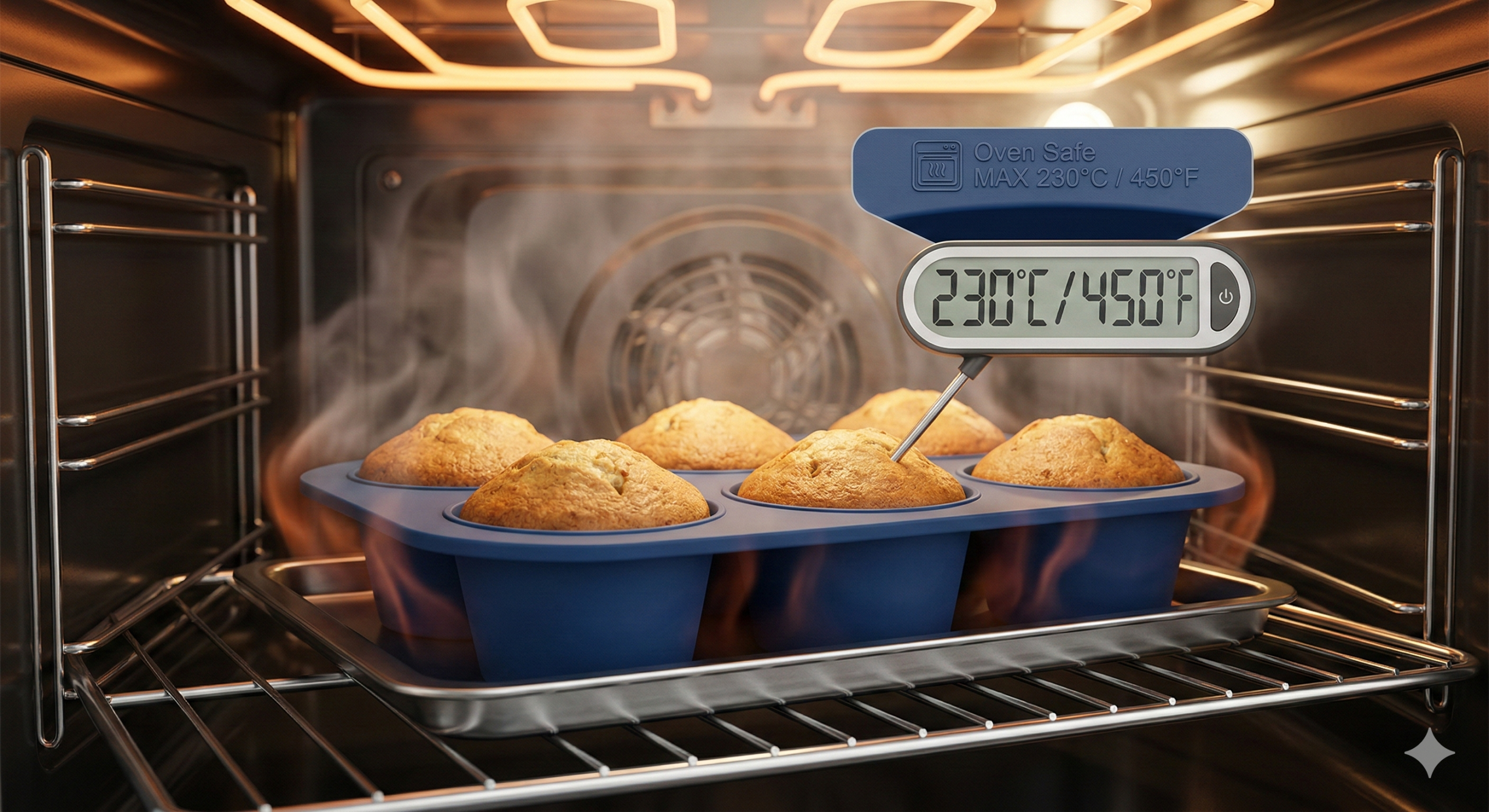
Yes, silicone is specifically designed to go in the oven and can withstand extreme temperatures without melting or degrading. You likely face the frustration of traditional metal pans causing food to stick or unevenly baking your delicate products. This inconsistency agitates your production schedule and risks product waste, especially when high-volume output is required for your business. HuaLin provides the professional-grade solution with high-stability materials that help you understand exactly how hot can silicone get for safe, efficient manufacturing.
Is Silicone Safe for High-Heat Oven Baking?
Yes, high-quality silicone is completely safe for baking at standard oven temperatures. When assessing industrial applications, you must determine how hot can silicone get to ensure the material maintains its structural integrity during long production cycles. Most food-grade variants are rated for significant heat exposure without leaching chemicals.
Why Thermal Stability Matters
The molecular structure of silicone allows it to remain stable under intense heat stress. But consider this: not all silicone is created equal.
- It resists oxidation and UV light.
- It maintains flexibility even after cooling.
- It prevents the migration of harmful fillers.
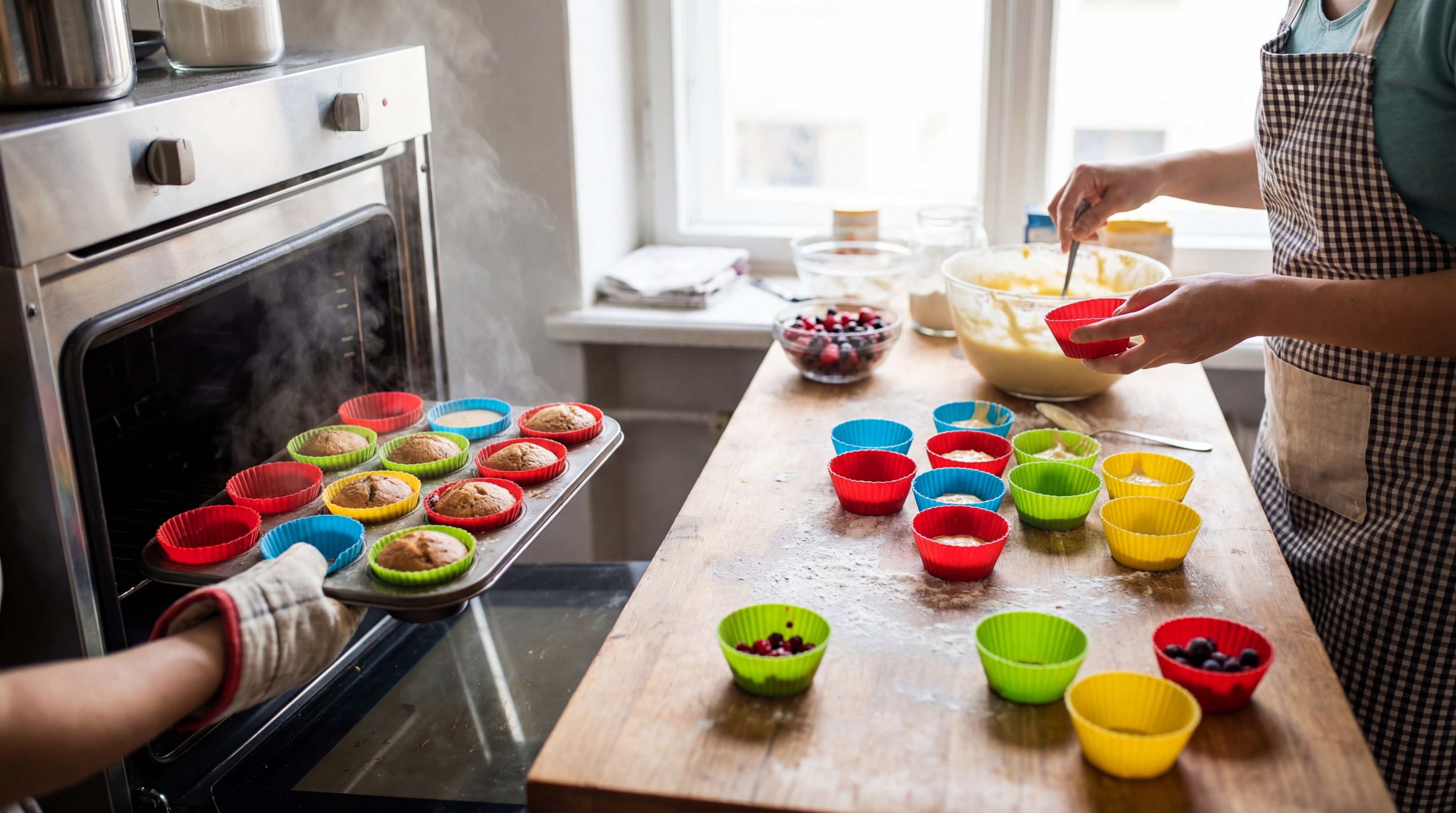
The Role of Material Purity
Pure silicone provides a non-toxic environment for food processing and medical use. Key Takeaway: Using certified silicone ensures your products meet global safety standards while resisting extreme oven heat.
| Feature | Performance Level |
|---|---|
| Temperature Range | -60°C to +230°C |
| Chemical Inertness | High |
| Toxicity | BPA-Free / Non-toxic |
Selecting high-purity materials is the foundation of reliable high-heat manufacturing.
How Hot Can Silicone Get Before It Melts?
Most food-grade silicone products can safely handle temperatures up to 230°C (450°F) without melting. It is vital to consult your manufacturer to confirm how hot can silicone get based on the specific grade of raw material used in your molds. Exceeding these limits can cause the material to become brittle or lose its non-stick properties over time.
Understanding Temperature Thresholds
Silicone does not “melt” like plastic but will eventually char or degrade if pushed beyond its limits. Think about it: this makes it significantly safer for industrial ovens than many thermoplastic alternatives.
- Standard limit: 230°C.
- Specialized industrial limit: 250°C+.
- Low-temperature limit: -60°C.
Risks of Exceeding Limits
If you push a mold past its rated threshold, you risk permanent deformation of the cavity. Key Takeaway: Monitoring oven calibration prevents accidental degradation of your custom silicone tooling.
| Grade | Max Temperature | Common Use |
|---|---|---|
| Food-Grade | 230°C | Baking / Cooking |
| Industrial | 250°C | Gaskets / Seals |
| Medical | 200°C | Sterilization |
Precise temperature management extends the lifecycle of your silicone production assets.
Can You Put Silicone Directly on Oven Racks?
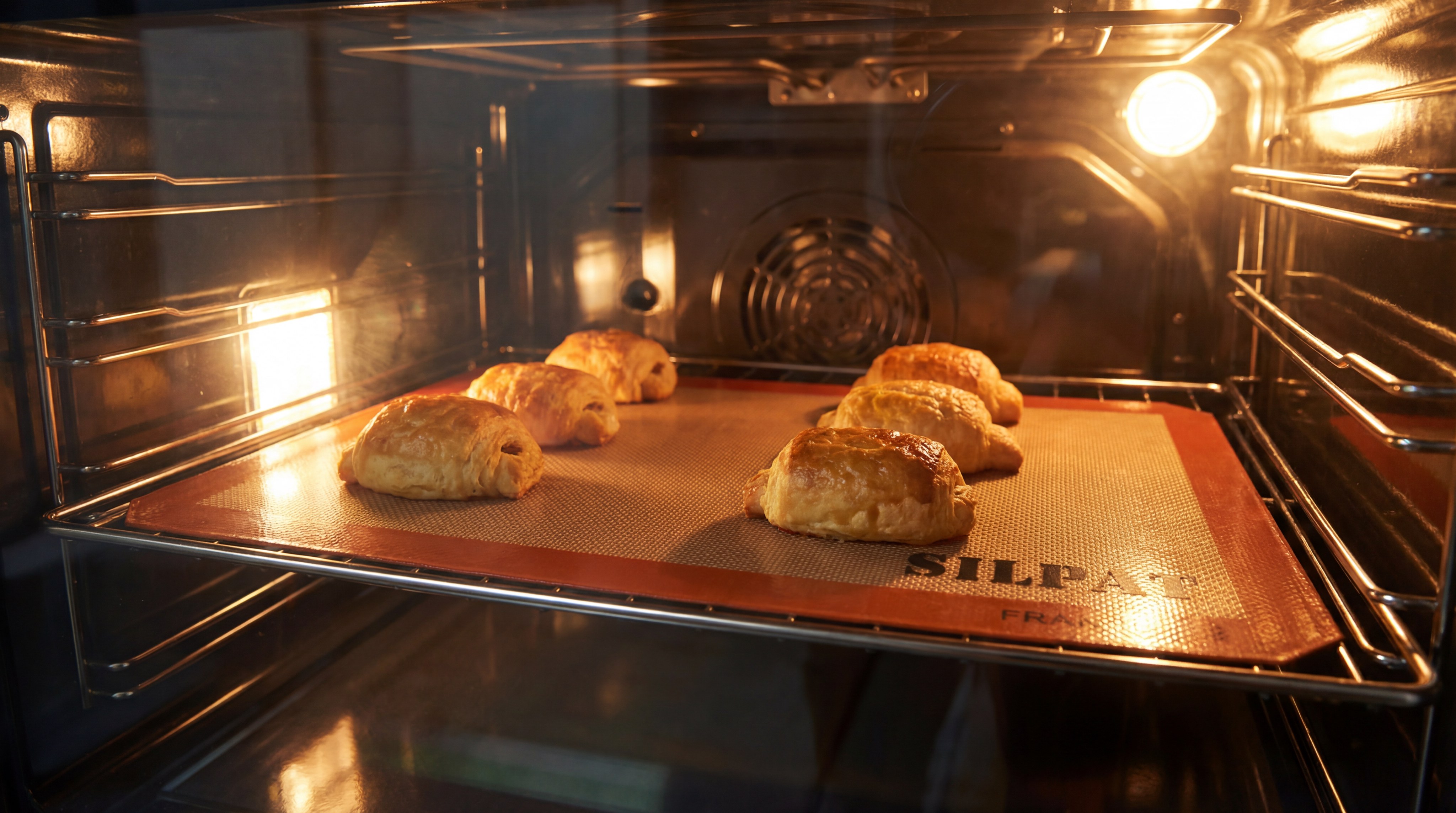
Yes, you can place silicone items directly on oven racks, although using a metal tray provides better stability for flexible molds. Determining how hot can silicone get on a wire rack is essential because the localized heat from the rack bars can sometimes exceed the ambient air temperature. A supporting tray ensures the base of your mold remains level and prevents spills during the loading process.
Stability and Spill Prevention
The inherent flexibility of silicone is a major benefit for de-molding, but it can be a liability when moving liquid batter. Here is the truth: a rigid support tray is your best friend in a high-volume bakery or factory.
- Prevents sagging between rack bars.
- Simplifies the loading and unloading process.
- Ensures a flat bottom for your finished products.
Heat Circulation Tips
While silicone allows for even heat distribution, airflow around the mold is still necessary for a perfect finish. Key Takeaway: Balancing mold stability with proper airflow leads to more consistent product batches and fewer defects.
| Support Type | Stability | Airflow |
|---|---|---|
| Direct Rack | Low | High |
| Perforated Tray | High | Medium |
| Solid Baking Sheet | High | Low |
Strategic mold placement is a simple way to optimize your thermal processing efficiency.
Does Oven Heat Cause Silicone to Release Fumes?
High-quality, cured silicone does not release toxic fumes or unpleasant odors when heated within its specified range. You need to know how hot can silicone get before secondary curing issues might lead to minor off-gassing in lower-quality products. Professional manufacturers use post-curing processes to ensure all volatile organic compounds are removed before the product reaches your facility.
Identifying Quality Silicone
Low-grade silicone often contains fillers that can smoke or smell when exposed to high heat. But consider this: professional-grade LSR (Liquid Silicone Rubber) is virtually odorless.
- Look for FDA or LFGB certifications.
- Perform a “twist test” to check for white fillers.
- Verify the post-curing documentation from your supplier.
BPA and Filler Concerns
True silicone is naturally BPA-free and does not require the plasticizers found in PVC or other plastics. Key Takeaway: Investing in premium silicone prevents product contamination and protects the health of your end-users.
| Contaminant | Silicone Status | Risk Level |
|---|---|---|
| BPA | Absent | None |
| Phthalates | Absent | None |
| Volatile VOCs | Removed (if post-cured) | Very Low |
Eliminating chemical risks through high-grade material selection builds long-term consumer trust.
Will All Silicone Items Survive Oven Temperatures?
No, not every silicone-based product is intended for oven use, so you must verify the specific application rating. When sourcing components, asking how hot can silicone get for a specific part—like a protective sleeve or a handle—can prevent catastrophic melting in the field. Only items explicitly labeled “oven-safe” or “food-grade” should be subjected to the intense heat of a commercial oven.
Food-Grade vs. Decorative Silicone
Decorative or hardware-grade silicone often contains dyes or stabilizers that are not heat-resistant. The best part? HuaLin identifies the correct material grade during the DFM phase to ensure your parts survive their intended environment.
- Kitchen tools: Usually safe to 200°C.
- Baking molds: Usually safe to 230°C.
- Phone cases: Often NOT oven-safe.
Labeling and Certifications
Always check for the embossed oven-safe symbol on the bottom of the mold before use. Key Takeaway: Proper identification of material grades prevents accidental fire hazards and equipment damage in your kitchen or factory.
| Item Type | Oven Safe? | Typical Limit |
|---|---|---|
| Bakeware | Yes | 230°C |
| Spatulas | Often | 200°C |
| Sealing Rings | Usually | 220°C |
Rigorous material verification is the only way to guarantee safety in high-temperature environments.
How Hot Can Silicone Get in Professional Kitchens?
Commercial ovens often operate at higher intensities, making it critical to know how hot can silicone get during continuous use. Professional grade silicone is engineered to handle the “hot spots” often found in industrial convection ovens. These materials undergo more rigorous testing to ensure they don’t warp or degrade when the oven is opened and closed frequently.
Industrial Heat Applications
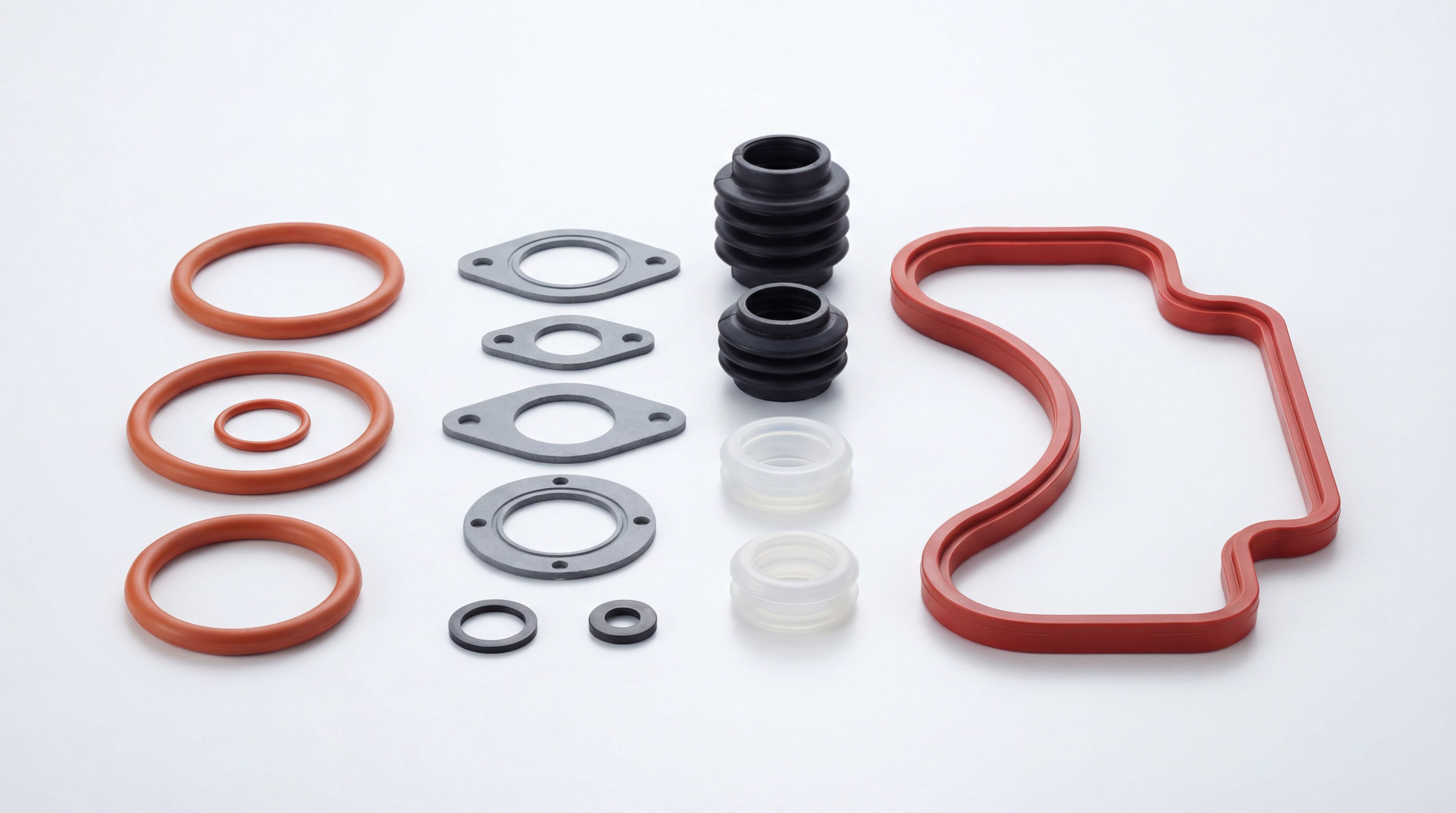
In manufacturing, silicone is used for more than just baking; it serves as a high-heat insulator and gasket material. Think about it: the durability required for a 24/7 production line is much higher than for home use.
- High-precision LSR injection parts.
- Compression molded industrial seals.
- Heat-shielding protective covers.
LSR vs. Compression Molding
Different manufacturing processes can affect how well a part handles thermal cycling. Key Takeaway: Choosing the right molding process ensures your silicone parts maintain their dimensions despite extreme temperature swings.
| Process | Precision | Heat Resistance |
|---|---|---|
| LSR Molding | Very High | Excellent |
| Compression | Moderate | Good |
| Overmolding | High | Grade Dependent |
Process selection is just as important as material selection for high-performance silicone components.
Does Silicone Performance Change with Repeated Heating?
High-quality silicone maintains its non-stick and flexible properties even after hundreds of oven cycles. When you analyze how hot can silicone get over long periods, you will find that premium materials exhibit very little “compression set” or permanent deformation. This longevity makes silicone an incredibly cost-effective material for B2B applications where tool life is a key KPI.
Preventing Warping and Cracking
Unlike metal, which can warp, or plastic, which can crack, silicone remains elastic. But consider this: only high-purity silicone avoids the “drying out” effect seen in cheaper materials.
- Resistant to thermal fatigue.
- Maintains non-stick surface without re-seasoning.
- Withstands rapid temperature changes.
Long-Term Durability
In a professional setting, the cost-per-use of silicone is significantly lower than disposable alternatives. Key Takeaway: Using durable silicone molds reduces your long-term overhead by minimizing the frequency of equipment replacement.
| Material | Cycle Life | Maintenance |
|---|---|---|
| Premium Silicone | 3000+ Cycles | Low |
| Economy Silicone | 500-1000 Cycles | Moderate |
| Coated Metal | 200-500 Cycles | High |
Long-term material performance is the secret to maintaining high production margins.
Can Silicone Go from the Freezer to the Oven?
Yes, one of silicone’s most impressive traits is its ability to handle extreme thermal shock. You can investigate how hot can silicone get immediately after being at -60°C, and the answer remains the same: the material won’t shatter. This makes it perfect for “freeze-and-bake” product lines where efficiency and speed are paramount for your supply chain.
Thermal Shock Resistance
Most materials expand or contract rapidly when moved between temperature extremes, leading to structural failure. Here is the truth: silicone’s low coefficient of thermal expansion prevents this damage.
- No pre-heating of the mold is required.
- Safe for blast freezing.
- Ideal for sous-vide to oven transitions.
Best Practices for Prep
While the material can handle the shift, the food inside might need specific timing for the best results. Key Takeaway: Silicone’s resistance to thermal shock allows for more flexible manufacturing workflows and faster product turnaround times.
| Environment | Temperature | Silicone Status |
|---|---|---|
| Deep Freeze | -60°C | Flexible |
| Room Temp | 25°C | Stable |
| Hot Oven | 230°C | Stable |
Thermal versatility enables innovative production methods that traditional materials cannot support.
Why is Food-Grade Silicone Better for Baking?
Food-grade silicone offers a healthier, more efficient alternative to traditional greased metal pans. Understanding how hot can silicone get allows you to leverage its non-stick properties to eliminate the need for fats and oils in your recipes. This not only improves the nutritional profile of your products but also simplifies the cleaning process in a busy industrial environment.
Non-Stick Health Benefits
Because food releases easily from the surface, you can reduce calorie counts and ingredient costs simultaneously. Think about it: how much could you save annually by eliminating pan liners and sprays?
- No chemical non-stick coatings to flake off.
- 100% BPA and latex-free.
- Reduced risk of cross-contamination.
Easier Cleanup Routines
Silicone is naturally hydrophobic, meaning it repels water and prevents food particles from bonding to the surface. Key Takeaway: Fast cleanup cycles mean your molds spend more time in the oven and less time in the wash station.
| Cleanup Factor | Silicone | Metal |
|---|---|---|
| Scouring Required | Never | Frequently |
| Dishwasher Safe | Yes | Sometimes |
| Drying Time | Rapid | Moderate |
Operational efficiency starts with choosing materials that simplify your daily maintenance tasks.
Is Silicone Safer than Metal for Oven Use?
Silicone is often a safer choice for complex shapes and delicate items that might break in rigid metal pans. Determining how hot can silicone get compared to metal reveals that while metal conducts heat faster, silicone provides more even cooking. For B2B buyers, this means fewer burnt edges and a more uniform product appearance across large-scale production runs.
Comparisons with Traditional Pans
Metal pans can leach trace amounts of heavy metals into acidic foods over time. But consider this: high-quality silicone is chemically inert and does not react with ingredients.
- Won’t rust or corrode.
- No “metallic” taste transfer.
- Cools down much faster for safer handling.
Safety in the B2B Supply Chain
When you source from an ISO-certified factory, you receive documentation that guarantees material safety and performance. Key Takeaway: Switching to professional silicone improves your product quality consistency and reduces the risk of heavy metal contamination.
| Safety Metric | Silicone | Aluminum | Steel |
|---|---|---|---|
| Reactivity | Inert | High | Moderate |
| Handling Safety | High | Low | Low |
| Durability | High | Moderate | High |
Prioritizing inert materials like silicone protects both your brand reputation and your customers’ health.
At HuaLin, we solve the complex manufacturing challenges that arise when precision meets high-heat environments. We eliminate the risks of inconsistent dimensions, material failure, and slow development cycles through our integrated OEM/ODM approach. Our vision is to empower global brands with stable, high-performance silicone solutions that set new standards for quality and reliability.
Whether you need custom molds for food processing or high-precision industrial gaskets, our team is ready to provide expert DFM guidance and mass production support. We invite you to reach out to our engineering team today to discuss your project requirements and receive a free quote. Let us help you transform your design concepts into durable, market-ready silicone products.
Frequently Asked Questions
Can I put silicone bakeware under the broiler?
No, you should never place silicone directly under a broiler or near an open flame. While silicone is heat-resistant, the intense, direct infrared heat of a broiler can exceed 250°C, causing the material to smoke or degrade.
What’s the best way to clean silicone after oven use?
The best method is using warm soapy water and a soft sponge, or simply placing it in the dishwasher. You should avoid abrasive scrubbers because they can damage the non-stick surface and create tiny pores where bacteria might grow.
How do I know if my silicone is truly oven-safe?
You must check for a stamped “Oven Safe” logo or a specific temperature rating (usually 230°C/450°F) on the product itself. If the product lacks clear branding or certification marks like FDA or LFGB, it may contain fillers that are not safe for high heat.
Can I use sharp knives to cut food directly in silicone molds?
No, you should never use metal knives or sharp tools inside silicone molds. Although the material is tough, it is susceptible to punctures and tears from sharp edges, which will permanently ruin the mold’s integrity.