
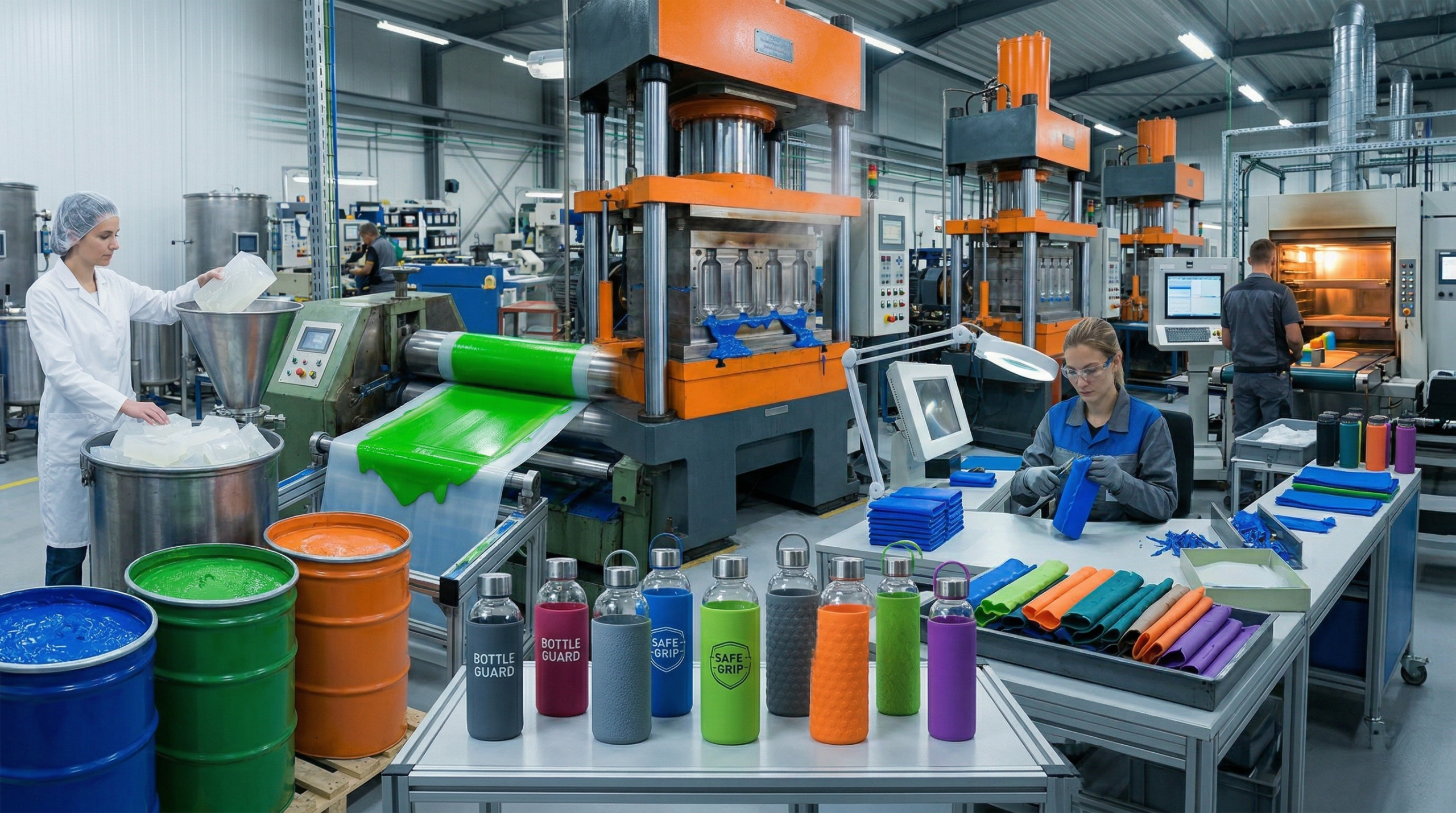
Factories produce protective items using highly specialized molding techniques. Dropping glass vessels creates huge messes constantly. Broken containers waste valuable liquids instantly. Custom Silicone Bottle Sleeves solve this exact problem effectively. Manufacturing facilities must follow strictly regulated procedural steps transforming raw liquid polymers into highly durable accessories designed for heavy daily usage.
What Are Silicone Bottle Sleeves Exactly?
These products function as shock-absorbing outer layers for fragile containers. Manufacturers utilize tough elastomers creating Silicone Bottle Sleeves designed for extreme durability. They wrap around bases preventing accidental shattering upon impact. You can rely on them for daily hydration safety anywhere.
Why Choose This Material Over Plastics?
Here is the deal… Rigid plastics crack under pressure frequently. Flexible polymers absorb severe shocks naturally. You get much better longevity with elastomeric compounds.
- They resist extreme temperatures perfectly.
- Colors remain vibrant over long periods.
- Surfaces provide excellent grip characteristics.
Can Temperature Extremes Damage Them?
What is the real story? Cold environments do not cause brittleness. High heat from dishwashers causes zero deformation. Your investment remains perfectly intact during harsh conditions.
How Do Factories Begin Production?
This is where it gets interesting… Engineers review client specifications thoroughly before acting. Precise dimensions dictate every subsequent manufacturing step. Key Takeaway: Careful planning guarantees perfect fitment for your custom drinkware.
| Feature | Plastic Quality | Rubber Quality |
| Flexibility | Low | Maximum |
| Heat Resistance | Poor | Excellent |
| Impact Safety | Minimal | Superior |
Analyzing this chart reveals why elastomers dominate current accessory markets completely.
How Do We Select The Raw Materials?
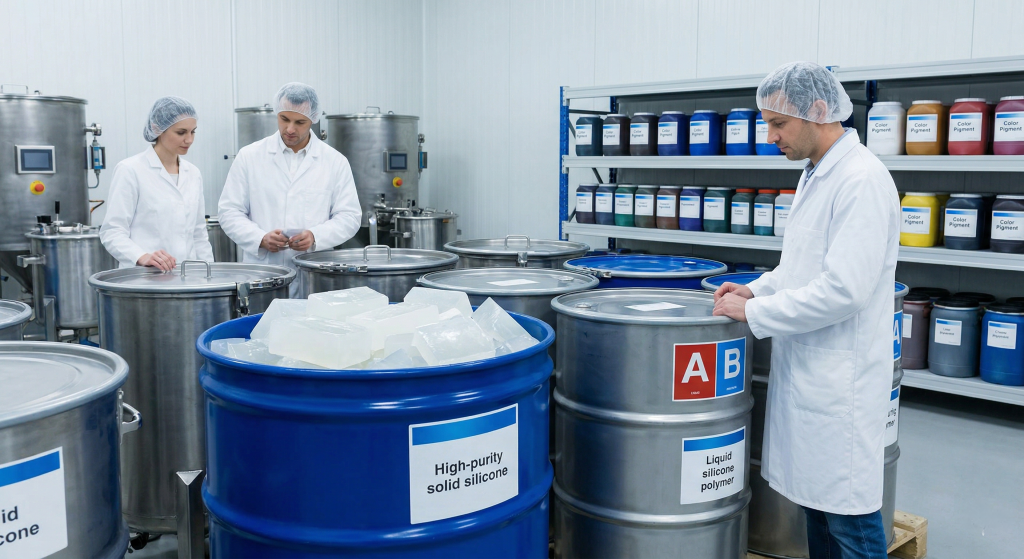
Factories select specific polymer grades based on strict client safety requirements. Medical and food-safe Silicone Bottle Sleeves require highly purified input materials always. Technicians avoid industrial grades preventing toxic chemical leaching completely. You need absolute safety for products contacting drinking water directly.
What Separates Liquid From Solid Forms?
You might be wondering… Uncured rubber arrives in two distinct physical states. Liquid versions flow through automated injection systems rapidly. Solid blocks require heavy mechanical processing before molding.
- Liquid forms cure incredibly fast.
- Solid blocks cost less initially.
- Both provide excellent final durability.
Does FDA Compliance Really Matter Here?
But here is the kicker… Non-compliant materials risk human health directly. Certified compounds pass strict chemical migration tests. You should demand certification reports from suppliers always.
How Do Workers Prepare The Compounds?
Ready for the good part? Operators blend raw polymers with colored pigments systematically. Giant mechanical rollers knead everything into uniform sheets. Key Takeaway: Proper material blending prevents structural weaknesses in your finished goods.
| Grade Type | Best Application | Cost Level |
| Industrial | Machinery Parts | Low |
| Food Safe | Drinkware Items | Medium |
| Medical Grade | Baby Products | High |
Reviewing these options helps buyers optimize their procurement budgets effectively.
What Is The Mixing And Milling Process?
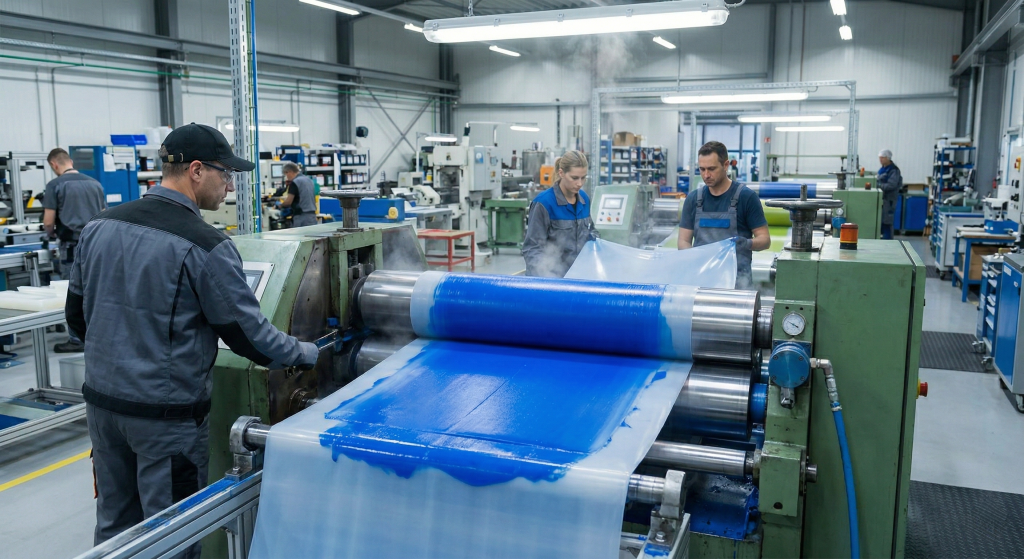
Workers combine raw bases with specific curing agents thoroughly. Production teams load solid Silicone Bottle Sleeves materials into massive steel rollers carefully. Heavy pressure forces additives evenly throughout the entire matrix. This mechanical kneading generates significant friction heat naturally.
How Are Vibrant Colors Achieved Effectively?
Here is the deal… Technicians add concentrated pigment pastes during the milling phase. The heavy rollers smash colorants into translucent base material. You see completely uniform coloration after several passes.
- Accurate weighing ensures batch consistency.
- Rollers operate at controlled speeds.
- Workers monitor material temperatures constantly.
Can Trapped Air Ruin The Product?
What is the real story? Air bubbles create weak spots inside finished rubber parts. The milling action squeezes out hidden gas pockets continuously. You receive structurally sound items lacking hidden defects.
How Is Material Shaped Before Molding?
This is where it gets interesting… Operators cut milled sheets into precise weight sections. These smaller pieces fit perfectly inside individual mold cavities later. Key Takeaway: Exact pre-cutting reduces raw material waste during mass production.
| Milling Phase | Action Taken | Primary Purpose |
| Phase 1 | Base mixing | Distribute catalyst |
| Phase 2 | Pigment insertion | Colorize compound |
| Phase 3 | Extrusion cutting | Prepare for molds |
Following these structured steps guarantees high quality unvulcanized preforms ready.
How Does Compression Molding Actually Work?
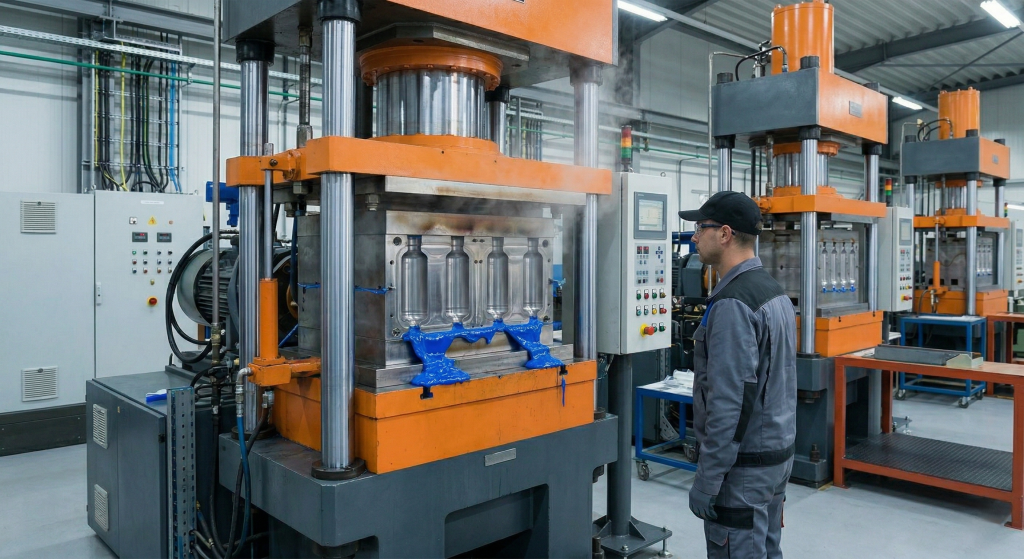
Heavy hydraulic presses apply immense heat and pressure simultaneously. Operators place raw Silicone Bottle Sleeves preforms directly into heated metal cavities. Top plates descend crushing the material into designated shapes. Vulcanization occurs rapidly under these extreme physical conditions.
What Role Does Temperature Play Here?
You might be wondering… Curing requires temperatures exceeding 160 degrees Celsius typically. Heat activates chemical cross-linking within polymer chains. You get solid durable products from soft gooey pastes.
- Under-curing leaves products incredibly sticky.
- Over-curing causes severe material brittleness.
- Precise controls yield perfect elasticity.
Can Complex Shapes Be Molded Easily?
But here is the kicker… Tooling engineers design molds accommodating intricate exterior patterns. Pressurized rubber flows into every tiny mechanical detail. You can request customized logos or aggressive grip textures.
How Are Finished Items Released Safely?
Ready for the good part? Workers open massive steel plates after timer cycles finish. Air blasts help separate hot rubber from metal surfaces. Key Takeaway: Proper mold release techniques prevent tearing newly formed items.
| Parameter Name | Typical Value Range | Critical Result |
| Temperature | 160-180 Celsius | Cures rubber base |
| Pressure Force | 150-250 Tons | Forces shape fill |
| Cycle Timer | 2-5 Minutes | Dictates daily output |
Maintaining specific operational ranges prevents massive factory scrap rates completely.
What Is Liquid Injection Molding Technology?
Automated systems inject liquid polymers directly into closed heated molds. Facilities manufacture premium Silicone Bottle Sleeves using this highly advanced manufacturing method. Pumping mechanisms combine two separate liquid components mixing them instantly. Curing happens much faster compared against traditional compression techniques.
Why Do Factories Utilize LSR Systems?
Here is the deal… Liquid systems require zero manual raw material handling. Computers control injection volumes eliminating human measuring errors completely. You receive incredibly precise parts boasting tight dimensional tolerances.
- Automation lowers long term costs.
- Cycle times decrease greatly.
- Flash waste drops near zero.
Does LSR Offer Superior Material Purity?
What is the real story? Closed pumping systems prevent environmental dust contamination entirely. Medical industries prefer this method for sanitary reasons. You avoid black spots ruining bright cosmetic appearances.
How Quickly Does The Liquid Cure?
This is where it gets interesting… Heated molds transform liquid mixtures solid within seconds. Robotic arms extract finished pieces without human intervention. Key Takeaway: LSR technology delivers unmatched precision for high volume orders.
| Method Feature | Compression System | Injection System |
| Labor Needs | High requirement | Low requirement |
| Material Waste | Moderate level | Very low level |
| Setup Costing | Lower entry | Much higher entry |
Evaluating production volumes dictates which specific molding technology works best.
How Are Rough Edges Removed Safely?
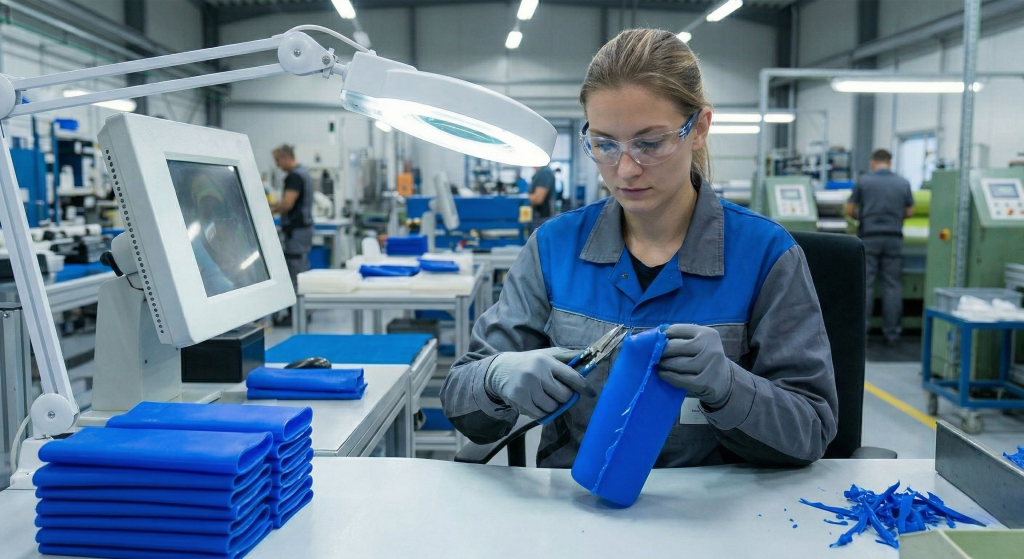
Workers must tear away excess rubber material from molded borders. Almost all Silicone Bottle Sleeves develop thin extra edges called flash. This thin webbing forms where two mold halves meet tightly. Removing these artifacts improves cosmetic appeal drastically.
What Is Manual Deflashing Exactly?
You might be wondering… Skilled operators use small tools pulling away unwanted flash. They inspect every single piece under bright lights manually. You rely on their sharp eyes catching tiny imperfections.
- Workers rip away large flash quickly.
- Small snips clean complex corners.
- Visual checks happen simultaneously.
Can Machines Automate This Trimming Task?
But here is the kicker… Specialized machinery freezes parts using liquid nitrogen rapidly. Tumbling action breaks off frozen brittle flash perfectly. You benefit from extremely uniform edges across massive orders.
Does Flash Indicate Poor Mold Quality?
Ready for the good part? Slight flash occurs naturally during normal compression processes. However excessive webbing points toward worn out steel tooling. Key Takeaway: Controlling flash thickness represents proper machine maintenance protocols.
| Trimming Technique | Best Used For | Processing Speed |
| Manual Tearing | Simple round shapes | Moderate pace |
| Tool Snipping | Complex sharp corners | Slow pace |
| Cryogenic Tumble | Massive volume orders | Very fast pace |
Choosing correct trimming methods balances labor costs against output requirements.
What Is The Post-Curing Requirement?
Subsequent baking removes leftover volatile compounds trapped inside rubber structures. High quality Silicone Bottle Sleeves spend hours inside massive industrial convection ovens. Heat drives out smelly gases improving general material safety. This critical step solidifies molecular bonds permanently.
Why Do Unbaked Items Smell Bad?
Here is the deal… Primary molding uses chemical catalysts leaving distinct odors behind. These byproducts migrate outward slowly at room temperature. You definitely want odorless products touching your drinking vessels.
- Ovens run around 200 degrees Celsius.
- Baking times span four hours typically.
- Ventilation systems exhaust dangerous fumes.
Does Subsequent Baking Improve Physical Strength?
What is the real story? Heat forces unreacted polymer chains completing their chemical links. Tensile strength increases substantially making parts much harder to tear. You get tougher accessories surviving harsher daily abuse.
Is Post-Curing Mandatory For Everything?
This is where it gets interesting… Food grade products demand post-curing passing strict FDA testing. Industrial parts might skip this saving factory electricity costs. Key Takeaway: Always insist on post-cured products securing consumer health safety.
| Benefit Category | Pre-Baked State | Post-Baked State |
| Chemical Odor | Noticeable smell | Zero smell |
| Tear Strength | Standard level | Upgraded level |
| FDA Compliance | Fails testing | Passes testing |
Skipping oven time risks catastrophic compliance failures during independent testing.
How Do We Apply Custom Finishes?
Factories spray specialized coatings preventing sticky surfaces catching pocket lint. Uncoated Silicone Bottle Sleeves attract dust particles like powerful magnets. Technicians apply thin polyurethane layers creating smooth matte textures. These advanced treatments improve premium tactile feels dramatically.
Can Logos Be Printed On Rubber?
You might be wondering… Screen printing transfers vibrant ink logos onto curved surfaces easily. Inks require specific silicone bases adhering properly without peeling. You can display brand graphics clearly facing your customers.
- Pad printing handles complex small text.
- Screen printing covers large flat areas.
- Laser engraving removes top layers permanently.
Does UV Light Cure Surface Coatings?
But here is the kicker… Ultraviolet lamps harden liquid sprays almost instantaneously. Automated conveyor belts carry parts under intense bright bulbs. You receive scratch-resistant surfaces enduring heavy daily friction.
How Are Custom Colors Matched Precisely?
Ready for the good part? Color specialists mix pigments hitting exact Pantone matching system targets. Spectrometers verify hues eliminating human visual guessing entirely. Key Takeaway: Custom finishing upgrades simple rubber tubes into premium retail goods.
| Surface Finish | Primary Purpose | Wear Durability |
| Matte Coating | Dust prevention | High rating |
| Silk Screened | Brand display | Medium rating |
| Laser Etching | Permanent logo | Maximum rating |
Applying secondary treatments increases perceived brand value very effectively.
What Quality Inspections Are Required?
Quality assurance teams inspect dimensions verifying exact client engineering tolerances. Reliable Silicone Bottle Sleeves undergo rigorous physical stress testing protocols daily. Machines stretch material samples recording ultimate breaking points accurately. Shipping defective merchandise destroys manufacturer reputations permanently.
How Do Cameras Assist Quality Control?
Here is the deal… High speed CCD cameras scan parts detecting tiny black spots. Software algorithms reject items falling outside programmed visual parameters. You receive perfect batches free from annoying cosmetic blemishes.
- Cameras work faster than human eyes.
- Machines measure micrometer dimensional deviations.
- Automated sorting prevents mixed batches.
Are Destructive Tests Actually Performed?
What is the real story? Technicians slice random samples checking internal cross-section consistencies. Chemical baths verify resistance against harsh cleaning detergents. You want factories destroying bad parts before they ship.
How Do Factories Track Production Lots?
This is where it gets interesting… Every batch receives unique barcode labels storing complete manufacturing histories. Engineers trace defects back toward specific raw material shipments. Key Takeaway: Complete traceability guarantees accountability across entire global supply chains.
| Testing Method | Target Defect | Execution Frequency |
| Visual Camera | Black dirt spots | Every single part |
| Dimension Scan | Shape warpage | Hourly random samples |
| Tear Machine | Weak material bonds | Daily production batches |
Implementing multi-layered testing regimes guarantees excellent product consistency constantly.
How Are Products Packed For Shipping?
Workers arrange finished items protecting them against rough transit conditions. Mass produced Silicone Bottle Sleeves require careful boxing preventing permanent deformation. Factories pack bulk orders inside heavy duty corrugated cartons. Proper logistics planning ensures safe arrival anywhere globally.
What Prevents Crushing During Ocean Freight?
You might be wondering… Stiff cardboard dividers separate individual layers preventing weight stacking damage. Plastic bags protect inner contents against high ocean humidity. You receive pristine merchandise ready for immediate retail display.
- Pallets receive tight shrink wrap bindings.
- Corner guards protect fragile cardboard edges.
- Desiccant packs absorb trapped airborne moisture.
Can Factories Provide Retail Packaging?
But here is the kicker… Many manufacturers assemble custom printed gift boxes directly in-house. Workers slide rubber sleeves onto actual glass bottles carefully. You save money skipping outside fulfillment center assembly fees.
How Are Barcodes Managed Effectively?
Ready for the good part? Scanning systems verify carton contents generating accurate shipping manifests automatically. Labels display weight dimensions aiding quick customs clearance processes. Key Takeaway: Professional packaging operations streamline complex international import procedures seamlessly.
| Packaging Layer | Material Utilized | Primary Protection |
| Primary Unit | PE Bag Or Box | Dust and Scratches |
| Master Carton | 5-Ply Cardboard | Heavy Crushing Force |
| Pallet Base | Wood And Wrap | Handling Drop Shocks |
Structuring pallets correctly avoids costly damages during heavy forklift operations.
Closing Thoughts On Production
Manufacturing durable protective covers involves highly complex chemistry combined with heavy machinery. Careful material selection determines absolute product safety standards. Precise tooling dictates exact dimensional fitment perfectly. Trust our experienced teams guiding your next big project. Visit our website and contact us today starting a profitable conversation. We build lasting partnerships raising your brand quality globally.
FAQ
Q1: What’s the best way cleaning these protective covers safely?
Warm soapy water works perfectly. Dishwashers remove heavy grease stains without causing material degradation. You never need harsh industrial solvents cleaning them.
Q2: How do I know if my sleeve uses food-grade rubber?
Request factory certification documents immediately. Reputable suppliers provide independent lab testing reports proving chemical safety. Medical grades feature completely translucent base appearances naturally.
Q3: Can I request custom pantone colors matching my brand?
Yes, exact color matching happens daily. Technicians blend specific pigment ratios achieving perfect visual alignment. You review physical samples approving them prior mass production.
Q4: What’s the best method preventing dust accumulation?
Applying matte polyurethane coatings stops dust completely. This factory treatment seals microscopic surface pores permanently. Your items maintain clean professional appearances much longer.
Q5: Can I stretch a smaller sleeve over larger bottles?
No, excessive stretching causes severe tearing. Elastomers possess breaking points tearing under extreme mechanical stress. You must order specific dimensions fitting your exact container.