
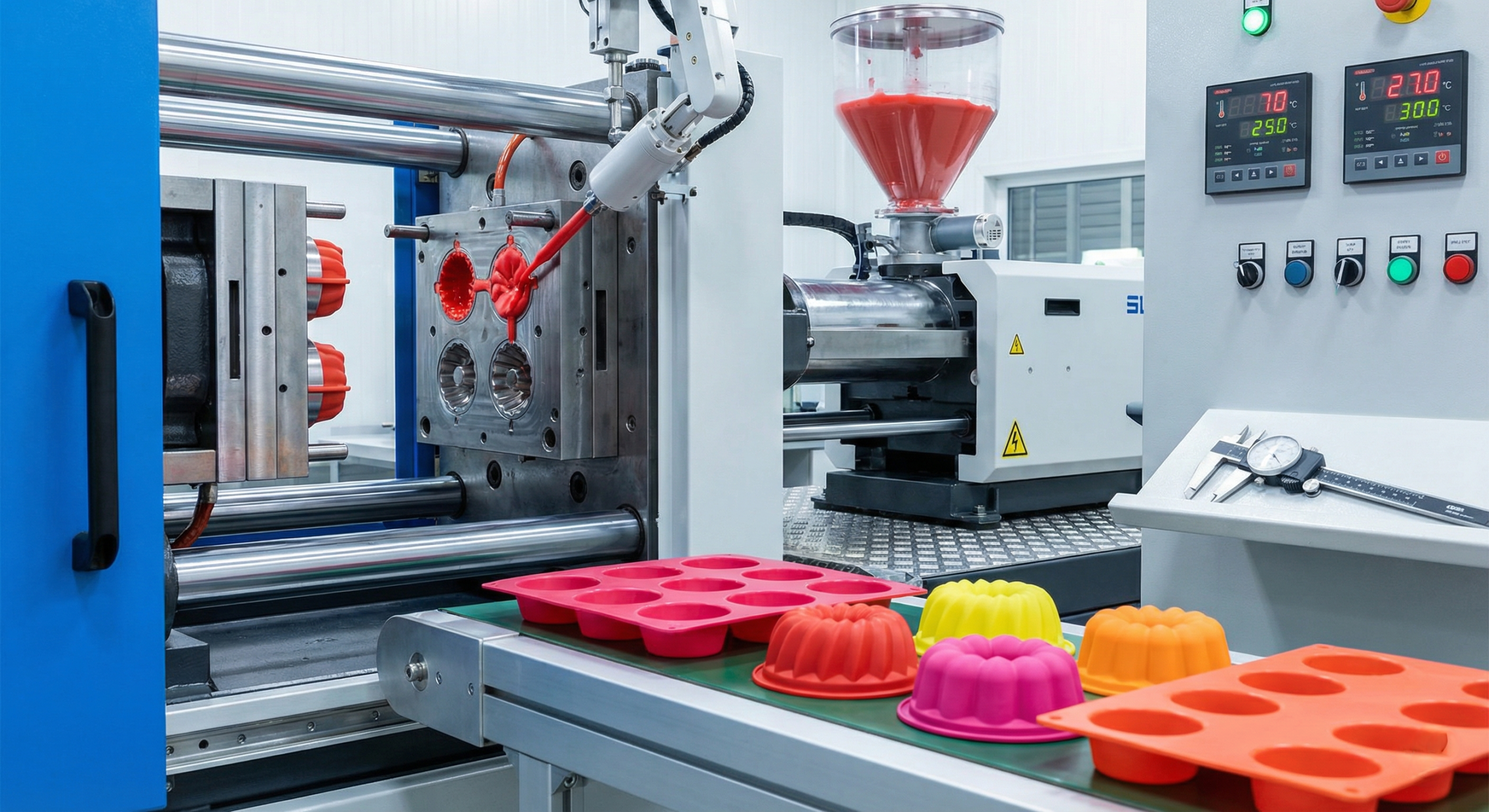
The rise of silicone bake molds is driven by a global shift toward flexible, non-stick, and highly durable kitchenware that eliminates the traditional frustrations of rusting metal pans. Traditional metal bakeware often leads to stuck cakes, rusted corners, and uneven heating that ruins your professional results. You know the feeling of spending hours on a recipe only to have it tear apart because a pan failed to release, costing you time and materials. Our advanced manufacturing processes use food grade silicone to ensure every bake is perfect.
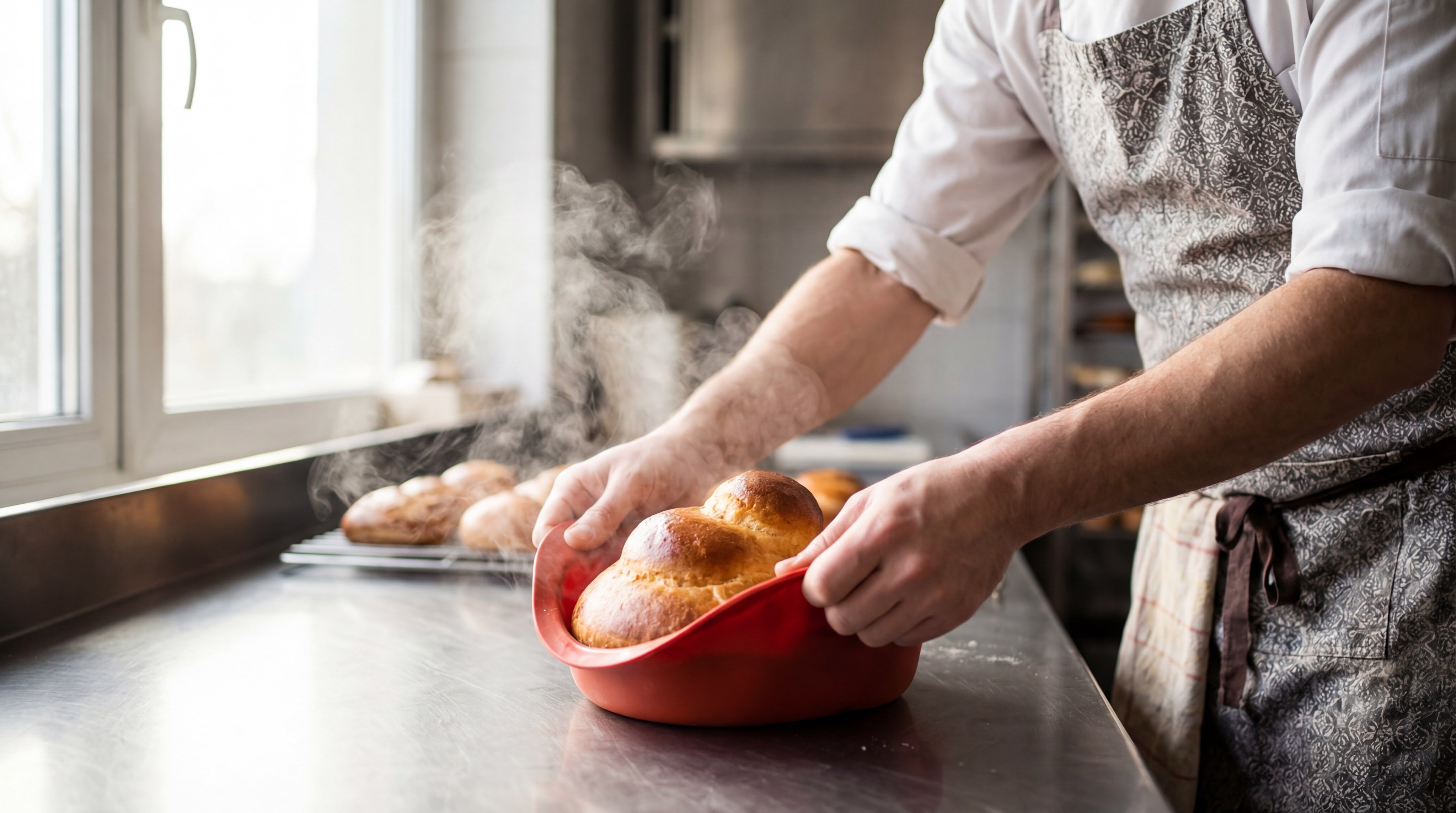
Why is silicone bakeware dominating the modern kitchen?
Silicone bakeware dominates the kitchen because food grade silicone provides a non-stick surface that is heat-stable from -40°C to 230°C. You no longer need to worry about heavy greasing or parchment paper liners.
Superior release and flexibility
Look: the flexibility of the material is its greatest strength.
- Effortless release of delicate pastries.
- Space-saving storage through collapsible designs.
- Resistance to breakage if dropped in a busy kitchen.
Durability over traditional metal
Traditional pans rust and warp, but silicone maintains its shape for years. This longevity makes it a favorite for high-volume commercial environments.
Key Takeaway
The switch to silicone represents a move toward efficiency and reliability, allowing for more creative designs without the risk of damage during de-molding.
| Feature | Silicone Benefit | Impact |
|---|---|---|
| Surface | Non-stick | No oils required |
| Thermal | -40 to 230°C | Multi-appliance safe |
The durability of these materials ensures a lower cost of ownership over the product’s lifetime.
What market shifts are driving the demand for silicone?
Market shifts toward sustainable living and home-based culinary hobbies are driving the massive global demand for premium food grade silicone. You see consumers moving away from single-use plastics and paper liners in favor of reusable tools.
The surge in home baking
The democratization of professional tools has led to more people baking at home.
- Demand for intricate novelty shapes.
- Focus on BPA-free and non-toxic materials.
- Growth of social media-inspired culinary content.
Sustainable kitchenware initiatives
Here is the deal: eco-conscious buyers want products that last a decade, not a week. Silicone is perfectly positioned as the “forever” material for modern kitchens.
Key Takeaway
Consumer values have shifted toward health and environmental safety, making silicone the logical choice for modern product lines.
| Trend | Market Driver | Consumer Focus |
|---|---|---|
| Eco-friendly | Reusability | Reducing kitchen waste |
| Health-focus | Non-toxic | BPA-free assurance |
These market trends indicate a permanent shift in how consumers value their kitchen inventory.
How do we select the right raw materials for molds?
Selecting raw materials starts with identifying high-purity food grade silicone that meets strict international safety standards like FDA and LFGB. You must ensure the base silica is processed into platinum-cured elastomer for the highest performance.
Platinum-cured vs. peroxide-cured
Understanding the curing agent is the secret to a high-end product.
- Platinum-cured offers zero odor or taste transfer.
- Higher clarity and better mechanical strength.
- No toxic by-products during the manufacturing phase.
Global safety compliance
We prioritize materials that pass chemical leaching tests. This guarantees your brand’s reputation remains untarnished by safety concerns or recalls.
Key Takeaway
Starting with certified, high-purity raw materials is the only way to ensure the safety and longevity of the final bake mold.
| Grade | Curing Method | Safety Level |
|---|---|---|
| Premium | Platinum | Maximum Purity |
| Standard | Peroxide | General Purpose |
Material purity directly correlates with the quality of the baking experience for the end user.
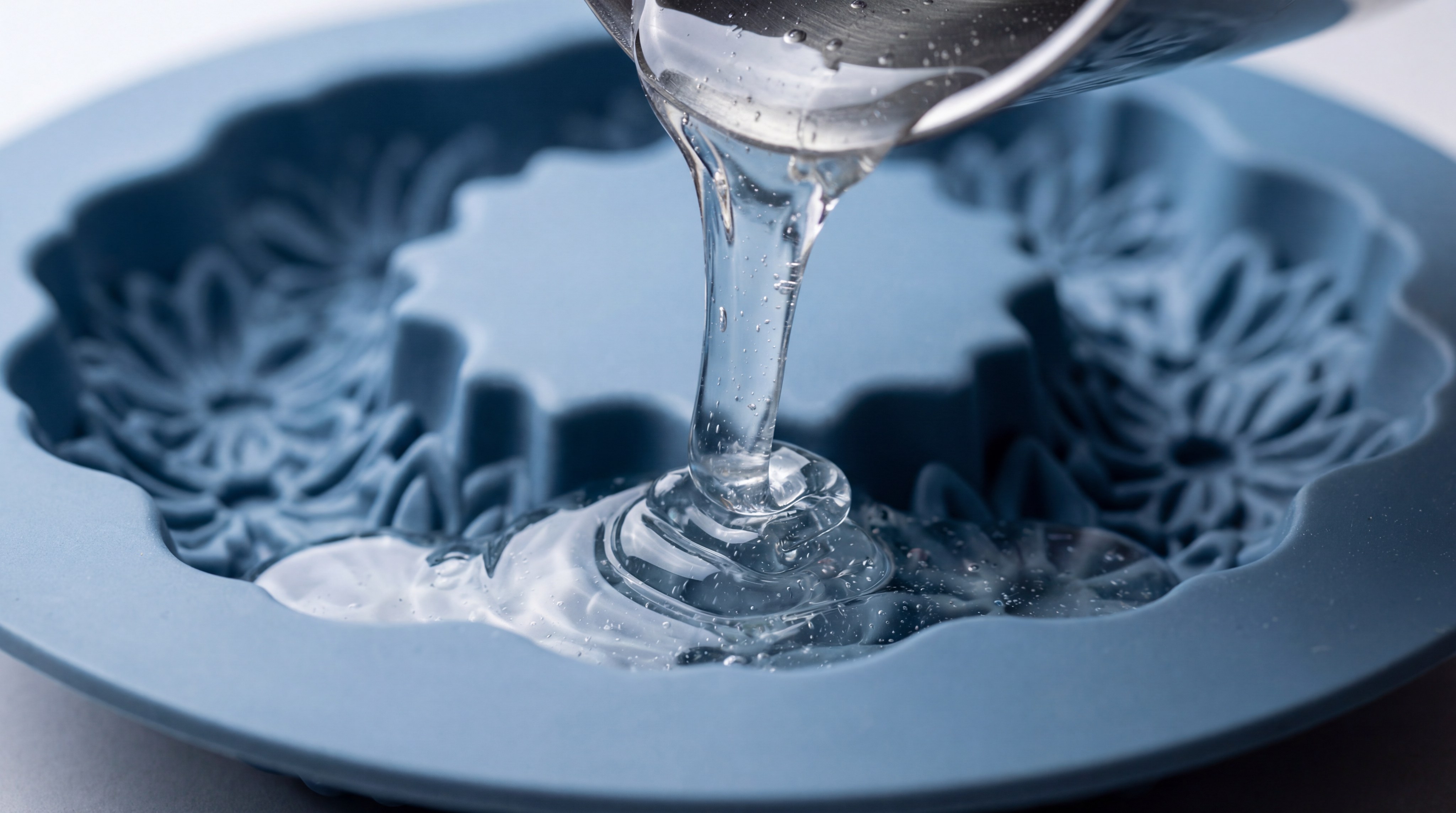
Why is precise mixing vital for product performance?
Precise mixing is vital because an uneven distribution of pigments or curing agents in the food grade silicone can cause structural failure. You need a perfectly homogenous mixture to ensure every part of the mold reacts the same way to oven heat.
Homogeneity and color consistency
Uniform material is the foundation of structural integrity.
- Mathematical precision in pigment addition.
- Prevention of color “swirling” or blotches.
- Stable thermal resistance across the entire surface.
Vacuum degassing techniques
Air bubbles are the enemy of a durable mold. We use vacuum chambers to pull out every tiny bubble, ensuring a solid, tear-resistant finished product.
Key Takeaway
Mixing is where the chemical properties of the silicone are balanced, determining how well the mold will perform under pressure.
| Step | Objective | Result |
|---|---|---|
| Pigmenting | Color Uniformity | Brand Consistency |
| Degassing | Bubble Removal | Structural Strength |
Precision in the mixing room prevents costly defects during the molding and curing phases.
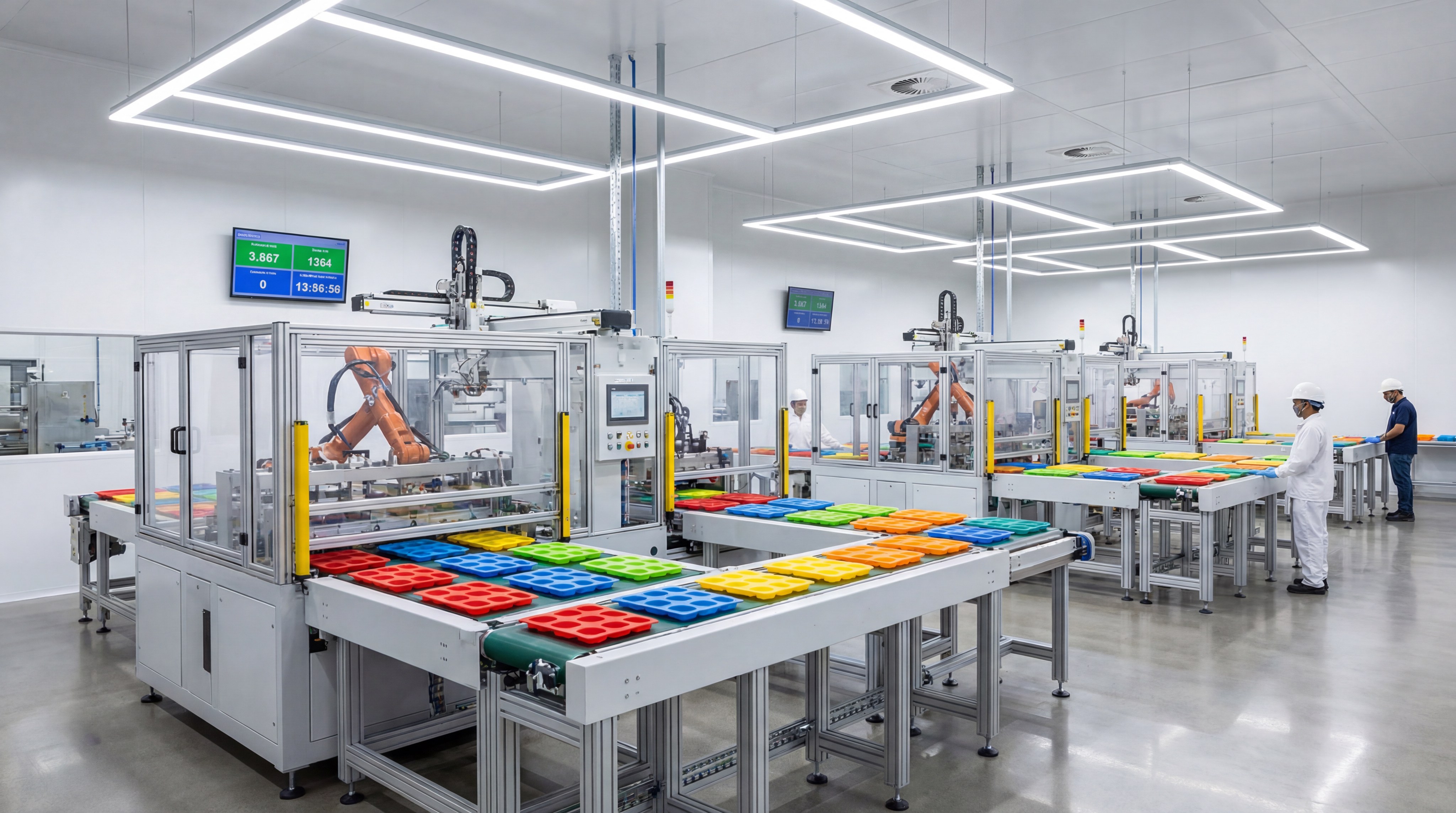
How are the silicone bake molds actually shaped?
Silicone bake molds are shaped through advanced compression or liquid injection molding using high-precision steel tools and food grade silicone. You can achieve incredibly intricate details that would be impossible with traditional metal stamping.
Compression molding efficiency
This method is perfect for standard shapes and high-volume runs.
- Lower tooling costs for simple designs.
- High efficiency for thick-walled products.
- Reliable results for classic muffin and cake pans.
Liquid Silicone Rubber (LSR) injection
For the most complex designs, injection molding is the only way to go.
- Extreme precision for intricate patterns.
- Faster cycle times for mass production.
- Minimal manual handling during the process.
Key Takeaway
The shaping method is chosen based on your design’s complexity and your target production volume to optimize costs.
| Method | Best For | Cycle Speed |
|---|---|---|
| Compression | Basic Geometries | Moderate |
| LSR Injection | Intricate Details | Fast |
Technological investment in shaping allows us to push the boundaries of modern bakeware design.
What happens during the critical curing stage?
During the curing stage, the food grade silicone undergoes a chemical reaction called vulcanization that transforms it from a paste into a solid. You must carefully monitor temperature and pressure to ensure the chemical bonds are permanent and strong.
The chemistry of vulcanization
Heat acts as the catalyst for cross-linking the polymer chains.
- Permanent heat stability after curing.
- Development of the mold’s elastic properties.
- Resistance to tearing and chemical degradation.
Monitoring the cure cycle
Timing is everything in the factory. Under-curing results in a tacky product, while over-curing can lead to brittleness and failure.
Key Takeaway
Vulcanization is the “magic” step that gives silicone its legendary flexibility and indestructible nature.
| Variable | Requirement | Analysis |
|---|---|---|
| Temp | 170°C to 190°C | Catalyst Activation |
| Pressure | High PSI | Void Prevention |
Scientific control over the curing environment ensures consistent mechanical properties in every batch.
Why is post-curing essential for food safety?
Post-curing is essential because it involves a secondary heating process that drives off volatile organic compounds from the food grade silicone. You want to ensure that your molds are completely odorless and safe for high-temperature oven use.
Eliminating volatiles for purity
Secondary heating ensures the product is truly inert.
- Removal of chemical residues from the base reaction.
- Compliance with strict European LFGB standards.
- Ensuring no “silicone smell” during first-time use.
Enhancing mechanical properties
Think of it as heat-treating your product. This stage further stabilizes the silicone, making it even more resistant to the thermal shocks of a kitchen.
Key Takeaway
Post-curing is the ultimate quality assurance step that separates premium manufacturers from low-cost competitors.
| Process | Duration | Standard |
|---|---|---|
| Oven Cure | 4-6 Hours | LFGB Compliant |
| Cooling | Controlled | Dimensional Stability |
Skipping this step is a major safety risk that we never take in our facility.

How do we ensure every mold meets strict quality standards?
We ensure standards are met through a multi-stage inspection process that utilizes food grade silicone samples for rigorous lab testing. You can trust that our 100% visual inspection catches any aesthetic or structural flaws before shipment.
Multi-stage inspection protocols
Quality isn’t an accident; it’s a planned sequence.
- Initial trial run inspections.
- Mid-production visual monitoring.
- Final tensile and tear resistance testing.
Lab verification and certification
We don’t just guess at purity. Our samples are sent to independent labs to verify they are free from BPA, lead, and other contaminants.
Key Takeaway
Rigorous testing protocols mitigate the risk of defective products reaching your customers and damaging your brand.
| QC Check | Method | Target |
|---|---|---|
| Visual | 100% Manual | Zero Surface Defects |
| Physical | Tensile Test | High Durability |
A commitment to quality control is the backbone of a successful long-term manufacturing partnership.
What finishing steps guarantee a retail-ready product?
Finishing steps guarantee a retail-ready product by removing excess “flash” and thoroughly cleaning the food grade silicone surface. You receive a product that is perfectly trimmed, polished, and ready for the consumer’s kitchen.
Precision trimming and polishing
No customer wants ragged edges or messy seams.
- Manual trimming of complex geometries.
- Ultrasonic cleaning to remove microscopic dust.
- Inspection of parting lines for smoothness.
Custom packaging and branding
We help you make the product yours. From printed sleeves to custom color boxes, the packaging protects the mold and sells your brand vision.
Key Takeaway
The final presentation of the product is just as important as the manufacturing process for retail success.
| Step | Benefit | Outcome |
|---|---|---|
| Trimming | Smooth Edges | Premium Feel |
| Packaging | Protection | Retail Readiness |
Attention to detail in the final stages ensures a positive unboxing experience for the end user.
How can you find the best manufacturing partner?
Finding the best manufacturing partner requires looking for facilities that prioritize food grade silicone purity and technical innovation. You should ask about their certifications, capacity, and willingness to support custom OEM/ODM designs.
Evaluating technical expertise
Look for a partner who acts as an engineer, not just a supplier.
- Proven track record with global brands.
- In-house mold making and design support.
- Transparent communication throughout the lifecycle.
Capacity and lead times
Here is the truth: a great partner must meet your deadlines. Ensure they have the machinery and staff to scale as your business grows.
*
The shift toward silicone bakeware represents a logical evolution in kitchen technology. At NEWTOP SILICONE, our brand stance is built on the pillars of transparency, engineering excellence, and safety. We invite you to leverage our deep expertise in silicone fabrication to build a product line that your customers will love. If you are ready to start your next project with a partner who understands the details, contact us today.
Frequently Asked Questions
Can I use silicone molds in my air fryer safely?
Yes, silicone is perfectly safe for air fryer use as it can typically withstand temperatures up to 230°C.
What’s the best way to clean these bake molds?
The best method is using warm soapy water and a soft sponge, though high-quality silicone is also dishwasher safe.
How do I know if the silicone is 100% pure?
Twist the material; if white shows through the color, it likely contains cheap fillers rather than being 100% pure.
What’s the best temperature range for storage?
Silicone is incredibly stable and can be stored in any temperature from sub-zero freezers to warm kitchen cabinets without degradation.
Can I put these molds directly on the oven rack?
Yes, but for better stability and easier handling, placing the silicone mold on a metal baking sheet is often recommended.