You choose the right partner by evaluating their technical precision, certification compliance, and communication transparency. Navigating the vast landscape of global suppliers often leads to costly delays and sub-par material quality that can ruin your brand’s market standing. By partnering with a dedicated Silicone Manufacturer, you can secure high-performance components while optimizing your production costs effectively.
Why Source From a Chinese Silicone Manufacturer?
You gain access to an unparalleled supply chain, advanced manufacturing technology, and significant cost efficiencies by sourcing from this region. A Chinese Silicone Manufacturer often provides a vertically integrated solution that covers everything from raw material sourcing to final assembly. You will find that these facilities have scaled their operations to meet both small-batch specialized needs and high-volume consumer demands.
Is China the Leader in Silicone Production?
You can benefit from the world’s most robust infrastructure for polymer chemistry and mold making located within Chinese industrial hubs. These factories often utilize the latest European machinery while maintaining lower overhead costs than Western competitors.
- High-density industrial clusters for fast logistics.
- Access to high-purity liquid silicone rubber.
- Diverse range of secondary processing options.
- Expertise in multi-shot and overmolding techniques.
What Cost Advantages Do These Suppliers Offer?
You reduce your capital expenditure significantly through lower tooling costs and competitive labor rates for assembly. While the unit price is attractive, you should focus on the total cost of ownership, including shipping and quality assurance.
Think about it.
By leveraging these regional strengths, you position your brand to compete more aggressively on price without sacrificing the functional integrity of your products.
| Advantage Category | Buyer Benefit |
|---|---|
| Tooling Cost | 30-50% lower than US/EU markets |
| Lead Times | Faster prototyping due to local ecosystems |
| Scalability | Rapid ramp-up for mass market launches |
The strategic concentration of raw material suppliers and mold shops in China allows you to iterate designs faster than in any other manufacturing environment.
How Do You Define Your Product Specifications?
You must provide detailed technical drawings, 3D models, and specific material requirements to ensure production accuracy. Working with a Silicone Manufacturer requires you to be explicit about tolerances and shore hardness levels. You will avoid most manufacturing defects simply by standardizing your communication during the initial Request for Quotation (RFQ) phase.
What Materials Best Suit Your Application?
You need to identify whether your product requires general-purpose silicone, food-grade material, or high-purity medical grades. Each selection impacts the final cost and the specific certifications the factory must provide for your target market.
- Food-grade (FDA/LFGB) for kitchenware.
- Medical-grade (ISO 10993) for healthcare.
- Industrial-grade for gaskets and seals.
- Flame-retardant grades for electronics.
How Precise Do Your Measurements Need to Be?
You should define your tolerances based on the functional requirements of the part to avoid unnecessary production expenses. While silicone is flexible, high-precision applications like electronics seals require tighter control over the molding process.
Here’s the catch.
Defining your specifications early ensures that you and your supplier are aligned on the expected quality benchmarks for every production run.
| Specification Item | Common Range |
|---|---|
| Shore Hardness | 10A to 80A |
| General Tolerance | +/- 0.1mm to 0.5mm |
| Color Matching | Pantone or RAL standards |
Clear technical documentation acts as the foundation for a successful partnership and minimizes the risk of receiving parts that do not fit your final assembly.
What Experience Does the Manufacturer Have?
You should look for a history of successful projects within your specific industry and a proven track record of international exports. A manufacturer that understands Western quality expectations will be much easier for you to manage remotely. You can verify their experience by requesting case studies or looking at the complexity of the parts they currently produce.
Have They Handled Projects in Your Industry?
You will find that manufacturers specializing in your niche already understand common failure points and regulatory hurdles. If you are in the baby care sector, you need a partner who knows the intricacies of BPA-free production and bite-resistance testing.
- Previous experience with similar part geometries.
- Knowledge of industry-specific safety standards.
- Availability of relevant product samples.
- Established relationships with specialized material labs.
How Many Years of Exporting Do They Have?
You benefit from a supplier that understands international shipping logistics, customs documentation, and global communication standards. Factories with long-term export experience are usually more transparent about their internal processes and quality management systems.
Look.
Evaluating a manufacturer’s history allows you to gauge their stability and their ability to handle the specific technical challenges of your product design.
| Experience Marker | Importance Level |
|---|---|
| Industry Longevity | High (Stability and knowledge) |
| Client Portfolio | Medium (Shows versatility) |
| Export Volume | High (Logistical competence) |
Choosing a partner with deep vertical expertise ensures they can provide valuable Design for Manufacturability (DFM) feedback that saves you time and money.
Which Certifications Are Essential for Safety?
You must verify ISO 9001 for quality management and industry-specific marks like FDA or LFGB for food-contact items. A reputable Silicone Manufacturer will proactively share their certification documents and audit reports with you. You should never assume compliance; always ask for valid, third-party test reports that match the material used in your specific parts.
Is ISO 9001 Mandatory for Quality?
You should consider ISO 9001 the minimum standard for any professional factory because it ensures consistent management of processes. This certification proves that the manufacturer has a system in place to handle non-conforming products and customer complaints effectively.
- Standardized quality control workflows.
- Documented material traceability.
- Regular internal and external audits.
- Continuous improvement protocols.
Does the Material Meet FDA or LFGB Standards?
You must ensure that silicone intended for contact with the human body or food meets strict chemical leaching requirements. European markets often require LFGB testing, which is more rigorous than the standard FDA protocols used in the United States.
It gets better.
Securing the correct certifications protects you from legal liability and ensures your products are safe for the end consumer in every market.
| Certification | Market / Industry |
|---|---|
| ISO 9001 | Global / General Manufacturing |
| FDA | USA / Food & Medical |
| LFGB | EU / Food Grade |
| RoHS / REACH | EU / Electronics & Safety |
Verified compliance is non-negotiable for professional buyers who want to maintain high safety standards and avoid costly product recalls at the border.
Should You Choose OEM or ODM Services?
You select OEM if you have a completed design or ODM if you require the factory to assist with engineering and development. Understanding these service models helps you determine how much technical support you will need from your Chinese partner. You will find that most large factories offer a hybrid approach to accommodate various stages of product maturity.
Do You Need a Unique Proprietary Design?
You should opt for Original Equipment Manufacturing (OEM) when you want full control over the intellectual property and specific dimensions of your part. This allows you to differentiate your product in the market through custom features that competitors cannot easily replicate.
- Full control over part aesthetics and function.
- Exclusive ownership of the production molds.
- Ability to switch suppliers more easily.
- Custom branding and packaging options.
Can the Factory Help With Initial Engineering?
You can leverage Original Design Manufacturing (ODM) to speed up your time-to-market if you only have a general product concept. The factory provides pre-engineered solutions that you can private label with your own brand name and minimal modifications.
Here is the deal.
Deciding between OEM and ODM depends on your internal engineering resources and whether you want to own the unique design of the component.
| Service Type | Best For |
|---|---|
| OEM | Custom, proprietary products |
| ODM | Fast market entry with standard items |
| Hybrid | Refining an existing concept for production |
Selecting the right service model allows you to balance your creative vision with the technical manufacturing capabilities of your chosen production partner.
What Production Technology Is Required?
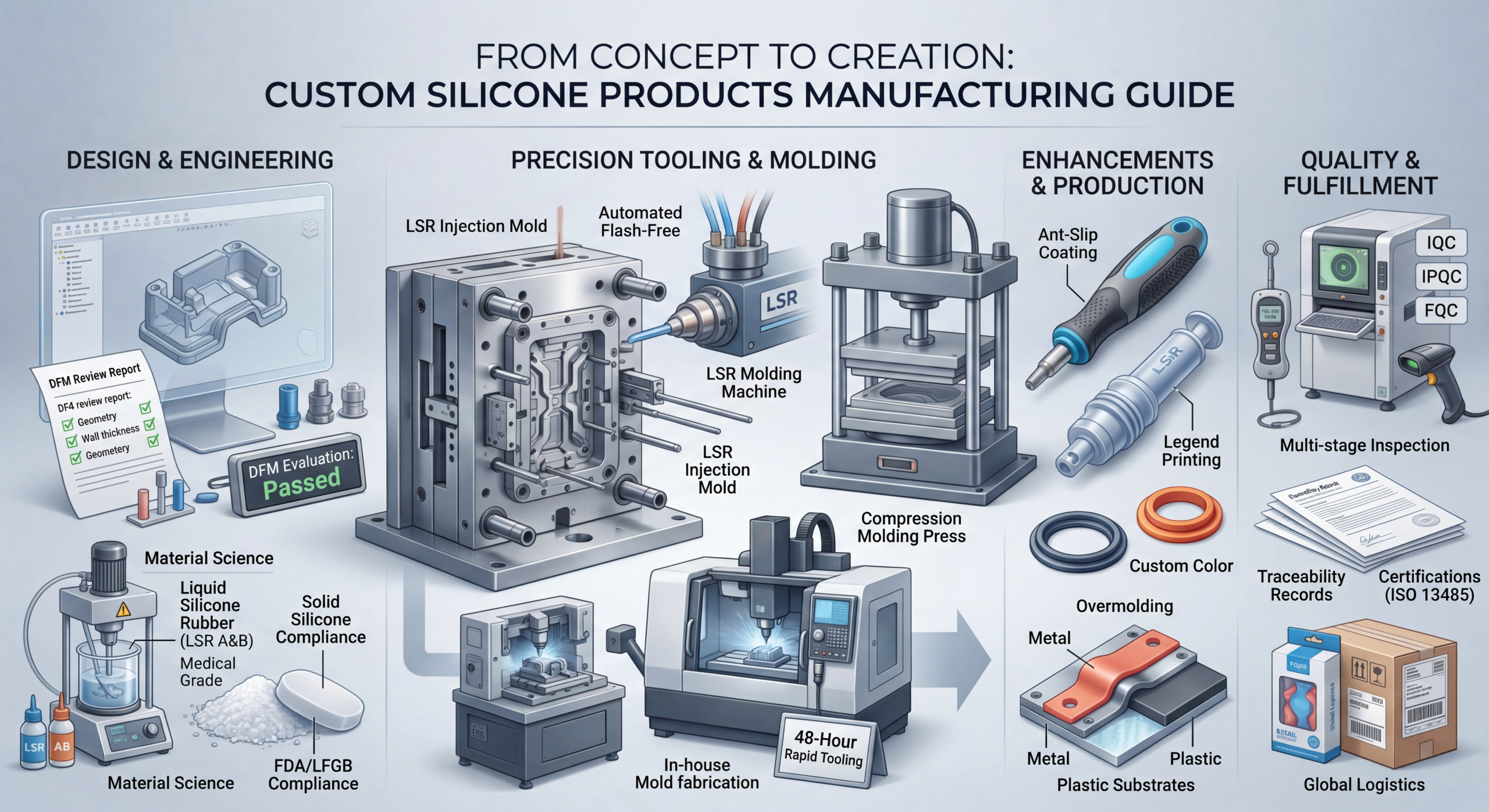
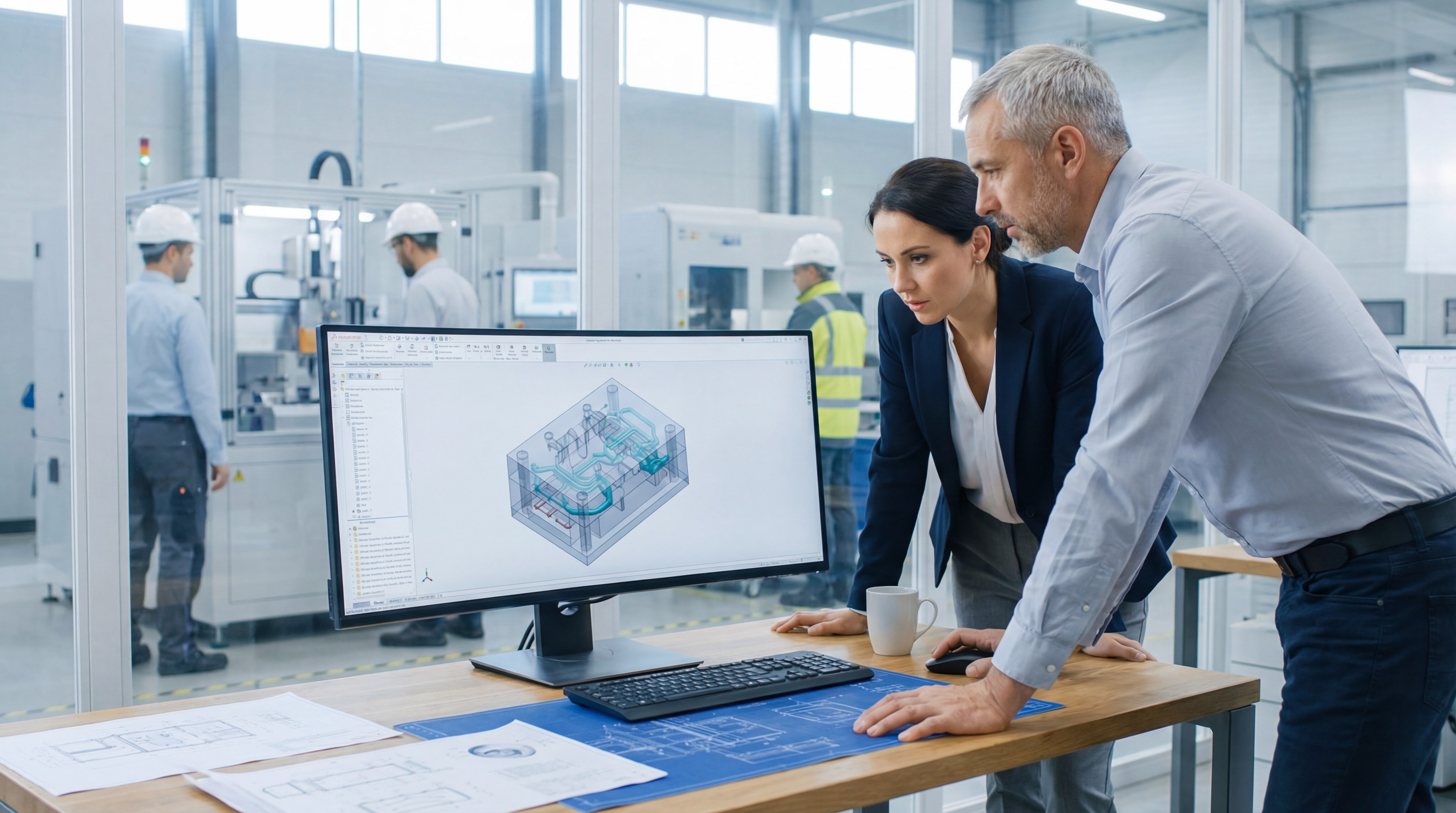
You need to determine if Liquid Silicone Rubber (LSR) injection or compression molding is better suited for your part complexity. A professional Silicone Manufacturer will guide you through this decision based on your required tolerances and total order volume. You will find that modern facilities offer both options to ensure they can handle a wide variety of project types.
Is LSR Injection Molding Better for Precision?
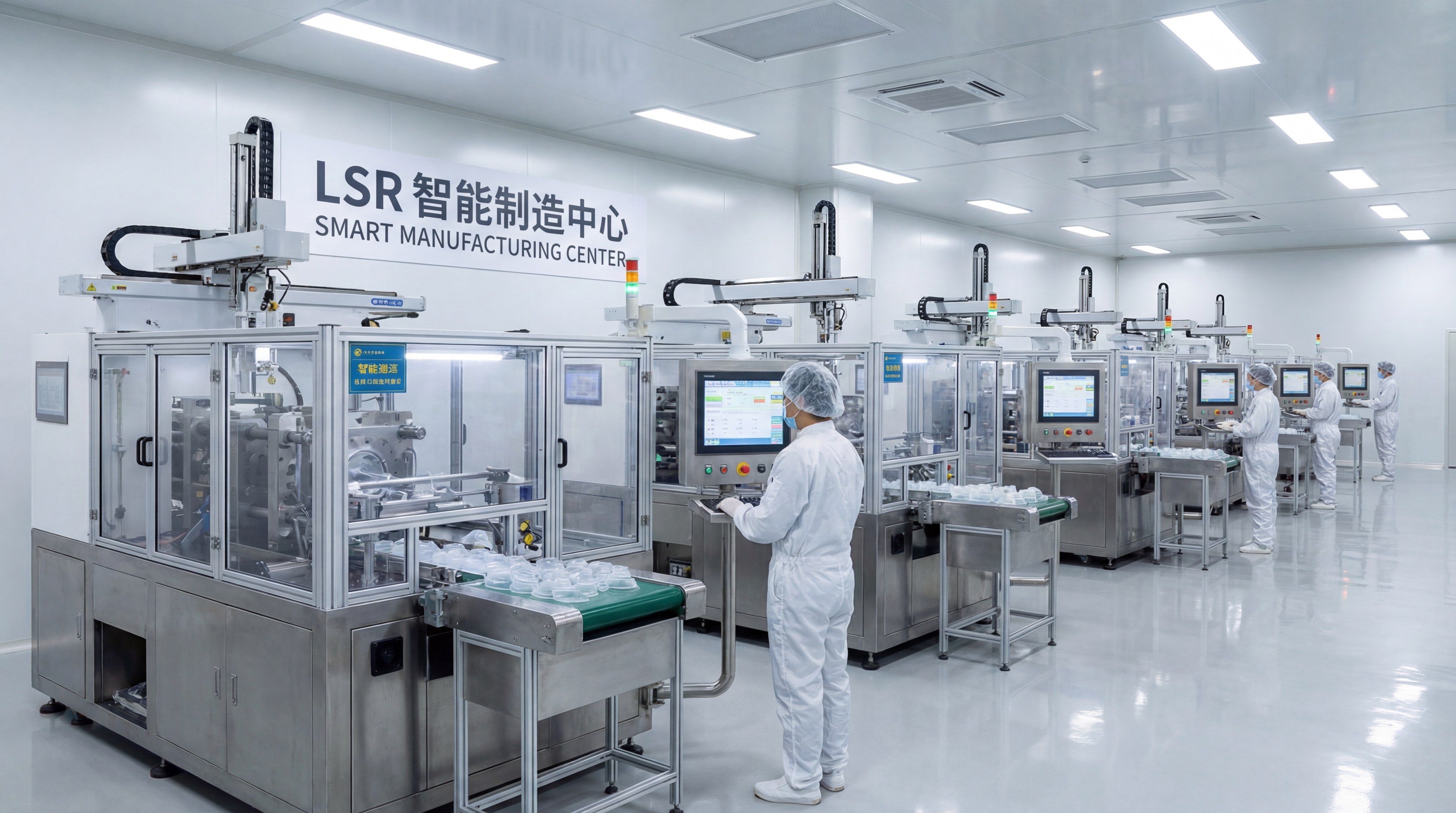
You should choose LSR injection molding if your parts require high precision, flash-free edges, and automated high-volume production. This technology is ideal for complex geometries and medical-grade components where cleanliness and consistency are the top priorities.
- Minimal human intervention in the process.
- Excellent repeatability across millions of cycles.
- Lower long-term labor costs for high volumes.
- Ability to overmold onto plastic or metal.
Does the Factory Use Automated Vulcanization?
You benefit from automated processes because they reduce the risk of human error during the curing and de-molding stages. Consistency in heating and pressure ensures that every batch of silicone has the same mechanical properties and surface finish.
Believe it or not.
Choosing the right technology directly impacts your unit cost and the long-term durability of the silicone parts in their final application.
| Technology | Precision Level | Best Quantity |
|---|---|---|
| Compression | Medium | Low to Medium |
| LSR Injection | High | Medium to High |
| Extrusion | High (Linear) | Continuous |
Matching your product requirements to the appropriate molding technology is the most effective way to optimize both quality and manufacturing speed.
How Is Quality Control Managed on Site?
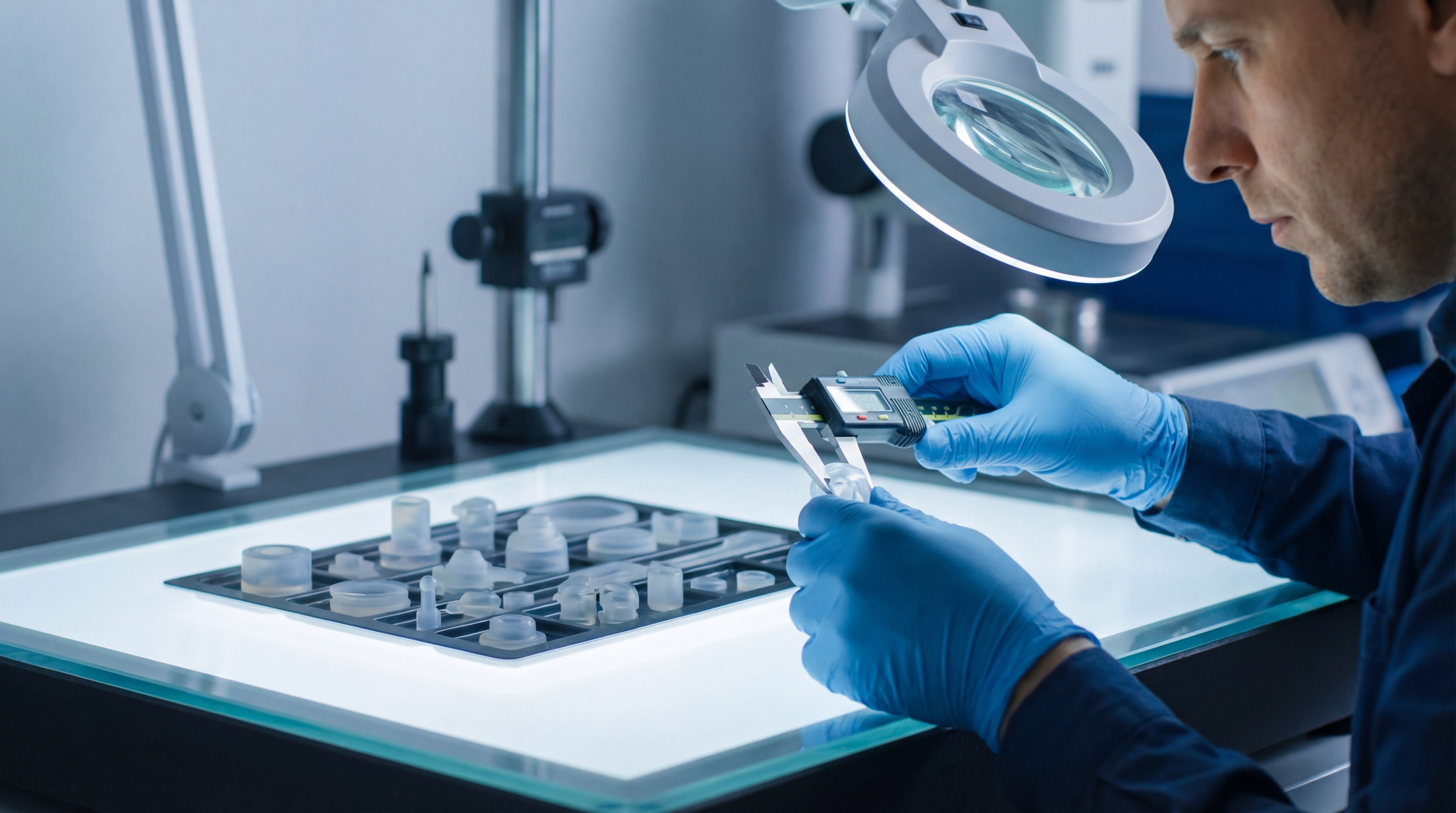
You ensure reliability by confirming the factory uses in-process inspections, advanced testing equipment, and strict material batch tracking. Quality control should not just happen at the end of the line; you want a partner who monitors every step of the production cycle. You should ask for a detailed Quality Control Plan (QCP) to understand how they prevent defects before they reach the packaging stage.
Are There In-Process Visual Inspections?
You should verify that operators are trained to spot common silicone defects like air bubbles, flash, or contamination during production. Early detection allows the factory to adjust machine settings immediately, saving you from a high percentage of wasted material.
- Real-time monitoring of molding parameters.
- Hourly sampling for dimensional checks.
- Cleanroom environments for sensitive parts.
- Standardized light boxes for color consistency.
What Testing Equipment Is Used for Hardness?
You need to know if the manufacturer uses calibrated durometers to check shore hardness and tensile strength testers for material performance. Professional labs on-site ensure that the raw material meets the specified datasheet before it ever enters the production machines.
The bottom line?
A rigorous quality control system is what separates a reliable industrial partner from a low-cost supplier that produces inconsistent and faulty results.
| QC Step | Purpose |
|---|---|
| Incoming Inspection | Verify raw material purity |
| In-Process Check | Ensure molding consistency |
| Final Audit | Validate dimensions and aesthetics |
| Lab Testing | Confirm chemical compliance |
By insisting on a transparent quality management process, you significantly reduce the risk of product failure and protect your long-term brand equity.
Why Is Prototyping Critical Before Mass Production?
You utilize prototyping to validate design tolerances, material feel, and functional performance before committing to expensive tooling. A Silicone Manufacturer will often provide a low-cost sample mold or 3D-printed mockups to help you visualize the final product. You will find that discovering a design flaw during the prototyping phase is much cheaper than fixing a multi-cavity production mold.
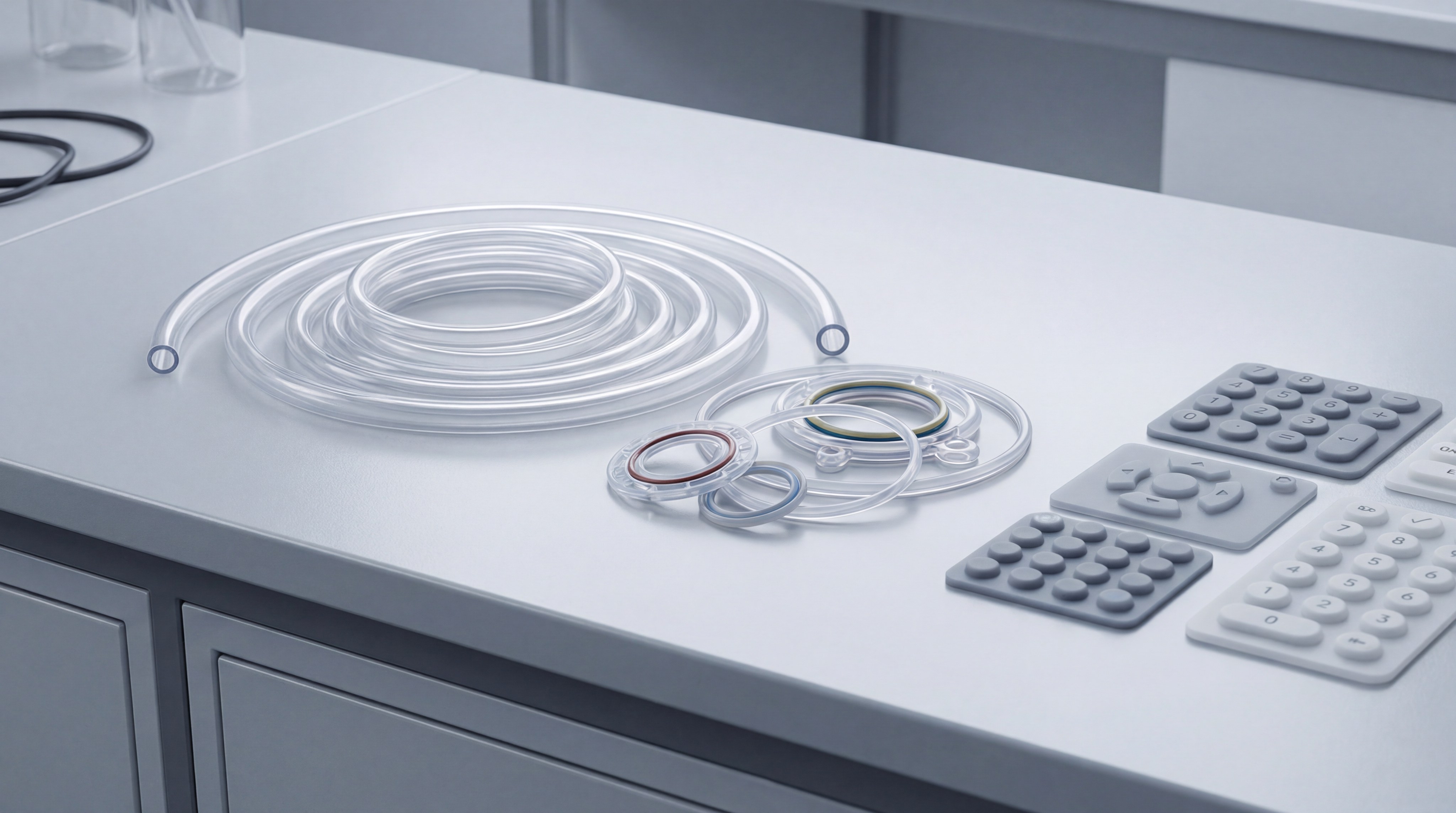
Can You Test Material Texture With a Sample?
You can assess the tactile feel of different silicone grades and surface finishes, such as matte, glossy, or soft-touch coatings. This physical feedback is essential for consumer products like kitchenware or electronic cases where the “hand-feel” influences perceived value.
- Hands-on testing of assembly fit.
- Validation of color and translucency.
- Functional testing of sealing properties.
- Early feedback from your internal stakeholders.
How Fast Is the Turnaround for Prototypes?
You should look for manufacturers that can deliver physical prototypes within 7 to 14 days to keep your development schedule on track. Rapid iteration allows you to refine the product based on real-world testing without delaying your scheduled market launch.
Now.
Investing in a robust prototyping phase ensures that your final production run meets every functional and aesthetic requirement without expensive surprises.
| Prototype Method | Speed | Accuracy |
|---|---|---|
| 3D Printing | Very Fast | Low (Material diffs) |
| CNC Machining | Fast | Medium |
| Prototype Mold | Moderate | High (Actual material) |
Prototyping serves as your final insurance policy, allowing you to move into mass production with complete confidence in your product’s design and performance.
Are Their Ethical and Green Practices Verified?
You audit their social responsibility and environmental impact by checking for BSCI, SEDEX, or specific waste management protocols. Many modern brands prioritize sustainability, and you should ensure your manufacturer aligns with your corporate values regarding labor and the environment. You will find that top-tier Chinese factories are increasingly investing in solar energy and closed-loop water systems to reduce their footprint.
Do They Hold BSCI or SEDEX Certifications?
You should look for these social compliance audits to ensure that the factory treats its workers fairly and maintains a safe working environment. These certifications are often required by large retailers and help you avoid ethical scandals that could damage your brand’s reputation.
- Fair wages and regulated working hours.
- Workplace health and safety measures.
- Prohibition of child or forced labor.
- Ethical business conduct and transparency.
How Does the Factory Handle Silicone Scrap?
You should ask if the manufacturer has a process for recycling silicone waste or using it for secondary, non-critical applications. Reducing industrial waste is not only good for the planet but can also help lower your overall production costs over time.
Truth be told.
Partnering with an ethically responsible factory ensures long-term supply chain stability and meets the growing consumer demand for transparently made products.
| Practice | Positive Impact |
|---|---|
| Social Audit | Employee retention and safety |
| Waste Recycling | Lower environmental impact |
| Energy Efficiency | Reduced carbon footprint |
A commitment to ethical and green practices is a strong indicator of a well-managed company that values long-term partnerships over short-term profits.
How Can You Successfully Negotiate the Best Terms?
You secure better outcomes by balancing unit price with quality guarantees, lead time reliability, and intellectual property protections. A reputable Silicone Manufacturer values a long-term partnership and will often work with you on flexible payment terms as your order volume grows. You will achieve the best results by being transparent about your growth projections and quality expectations from the very first meeting.
What Factors Influence the Final Unit Price?
You should understand that material weight, cycle time, and the number of cavities in the mold are the primary drivers of your production cost. Discussing these variables openly with the factory allows you to make design changes that could significantly lower your price per piece.
- Total volume of silicone material used.
- Complexity of the secondary processing.
- Automation level of the molding machine.
- Packaging and shipping requirements.
How Do You Protect Your Intellectual Property?
You must sign a NNN (Non-Disclosure, Non-Use, Non-Circumvention) agreement that is valid under Chinese law before sharing sensitive design files. This legal framework provides you with the protection needed to prevent your designs from being sold to other competitors.
That’s not all.
Successful negotiation is about creating a win-win scenario where the factory remains profitable while you receive high-quality parts on time and within budget.
| Negotiation Point | Priority | Strategy |
|---|---|---|
| Unit Price | Medium | Focus on material efficiency |
| Lead Times | High | Agree on strict milestones |
| Quality Guarantee | Critical | Define clear penalty clauses |
Mastering the art of supplier negotiation allows you to build a resilient supply chain that supports your brand’s growth and profitability for years to come.
Selecting the right partner is the most important decision you will make in your product development journey. By following this guide, you can confidently navigate the complexities of sourcing and secure a manufacturing relationship that delivers consistent quality and value. If you are ready to start your next project with a reliable partner, contact us today to discuss your specific requirements.
Frequently Asked Questions
Can I request a factory audit before placing a large order?
Yes, professional manufacturers welcome on-site audits or third-party inspections to verify their capabilities and quality systems.
What’s the best way to verify a supplier’s business license?
You should request a copy of their official business registration and cross-check it through the National Enterprise Credit Information Publicity System.
How do I know if the silicone used is truly medical grade?
You must ask for the specific material datasheet and a corresponding ISO 10993 biocompatibility test report from a certified laboratory.
Can I protect my intellectual property through a Chinese NNN?
Yes, a properly drafted NNN agreement written in Chinese and governed by Chinese courts is the most effective way to protect your designs.
What’s the best lead time to expect for custom tooling?
You should generally expect between 20 to 35 days for high-quality production molds, depending on the complexity of the part design.