
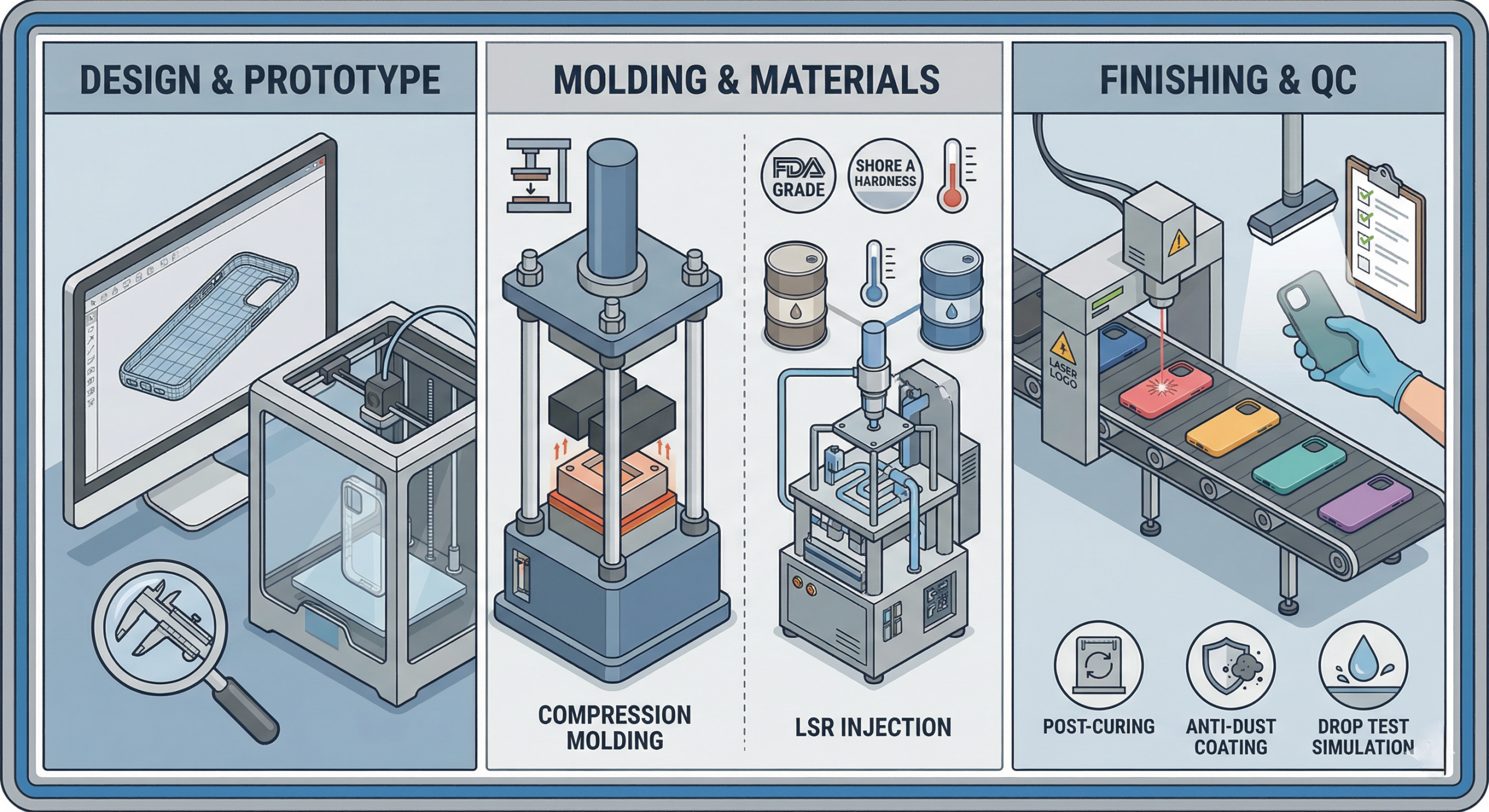
Creating high-quality silicone cases involves a precise journey from 3D CAD design through specialized molding processes like LSR or compression molding to final quality validation. You might find yourself frustrated with generic protective solutions that don’t fit your industrial components or lack the durability needed for consumer retail. If you settle for inferior manufacturing partners, you risk facing inconsistent dimensions and material failures that damage your reputation. By choosing a professional manufacturing route for Silicone Cases?, you secure a repeatable, controlled process that ensures your protective parts are stable from the first prototype to full-scale mass production.
How do you design your Silicone Cases?
You design these protectors by first establishing a digital 3D model that accounts for the unique shrinkage rates and parting lines of silicone material. Understanding the mechanical requirements of Silicone Cases? allows you to optimize wall thickness and functional access points early in the development cycle. You can find more details on our available products to see how different designs perform in real-world applications.
What goes into the 3D CAD structure?
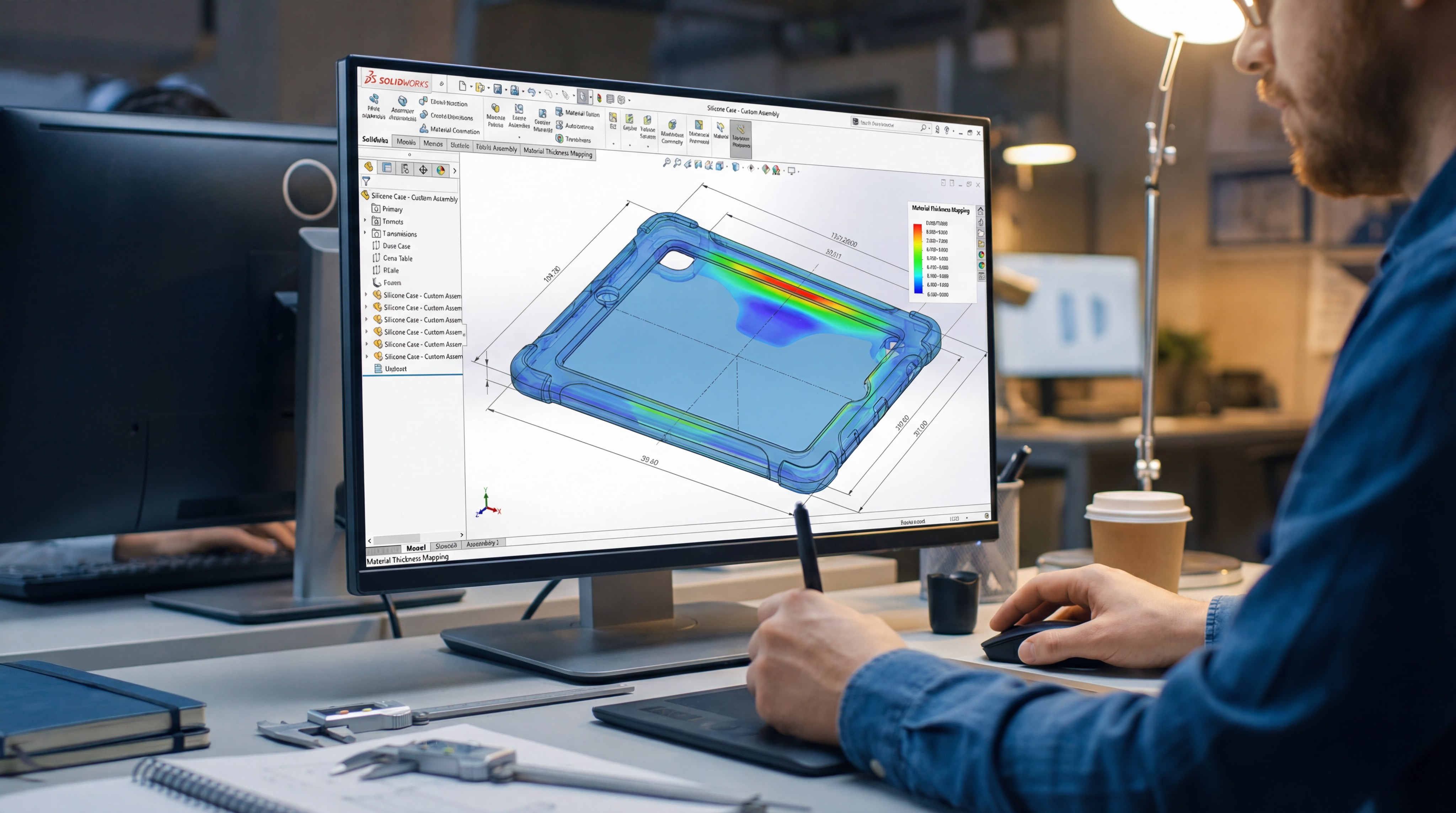
Your initial drawing must define the exact geometry while providing enough draft for easy demolding. You need to consider how the material flows into the cavity to avoid air traps.
- Draft angles for extraction.
- Ribbing for structural support.
- Gate placement for material injection.
You might think the design is finished once the drawing is done. But that’s not all…
Why should you create a prototype first?
Prototyping lets you verify the “snap” fit and tactile feel before investing in expensive steel tooling. You can use 3D printing or CNC-machined aluminum molds to test functional prototypes quickly.
- Verification of dimensional accuracy.
- Assessment of material texture and grip.
- Testing of button feedback and port access.
Here is the kicker: catching a design flaw at this stage saves thousands of dollars in mold modifications later.
Key Takeaway
Professional 3D engineering ensures your cases provide maximum protection without compromising device functionality or aesthetic appeal.
| Design Phase | Critical Task | Primary Tool |
|---|---|---|
| Concept | 3D CAD Modeling | SolidWorks/Rhino |
| Validation | Prototyping | 3D Printing/CNC |
| Finalization | DFM Review | Tooling Prep |
The following table summarizes the essential design steps to ensure your project starts with a solid foundation.
What materials work best for Silicone Cases?
The best materials for these items are high-consistency rubber (HTV) or liquid silicone rubber (LSR) chosen based on your specific safety and performance requirements. When selecting the grade for your Silicone Cases?, you must prioritize compliance with global standards like FDA or LFGB to ensure the product is non-toxic. Your choice of material directly impacts the durability, elasticity, and chemical resistance of the finished protective cover.
Are FDA grade materials necessary?
Using food-grade or medical-grade silicone ensures that your products are safe for skin contact and free from harmful BPA or phthalates. This is especially vital for products used in the baby care or healthcare sectors.
- Non-toxic and hypoallergenic properties.
- Resistance to high and low temperatures.
- Compliance with REACH and RoHS standards.
It gets even better…
How do you choose the right Shore A hardness?
You select the hardness level, typically between 30 and 70 Shore A, to balance soft-touch comfort with enough rigidity to stay securely on the device. Lower hardness provides more cushion, while higher hardness offers better structural stability.
- 30A: Very soft, high elasticity.
- 50A: Standard case hardness, balanced.
- 70A: Rigid, high tear resistance.
You might be wondering about the specific differences. Here is the kicker: the right hardness prevents the case from becoming loose or “baggy” over time.
Key Takeaway
Choosing high-purity raw materials guarantees a safer, more durable product that maintains its shape and color throughout its lifespan.
| Material Grade | Hardness Range | Best Application |
|---|---|---|
| Food-Grade | 40-60 Shore A | Kitchen/Baby products |
| Industrial | 50-70 Shore A | Rugged electronics |
| Medical-Grade | 30-50 Shore A | Healthcare devices |
The following data compares material properties to help you select the most suitable silicone grade for your environment.
Which molding method fits your Silicone Cases?
You choose between compression molding and LSR injection molding based on your production volume, part complexity, and budget constraints. For high-volume projects requiring Silicone Cases?, selecting our custom mold making service ensures that the manufacturing route is optimized for your specific geometry. You need to weigh the lower tooling cost of compression against the high precision and automation of injection routes.
Is compression molding cost-effective?
Compression molding is the most common choice for solid-colored cases because it offers lower initial tooling investments and works well for high-consistency rubber. You place a pre-weighed piece of silicone into a heated mold to vulcanize it under pressure.
- Lower mold costs compared to LSR.
- Ideal for high-volume solid products.
- Compatible with a wide range of colors.
But that’s not all…
Why invest in LSR injection molding?
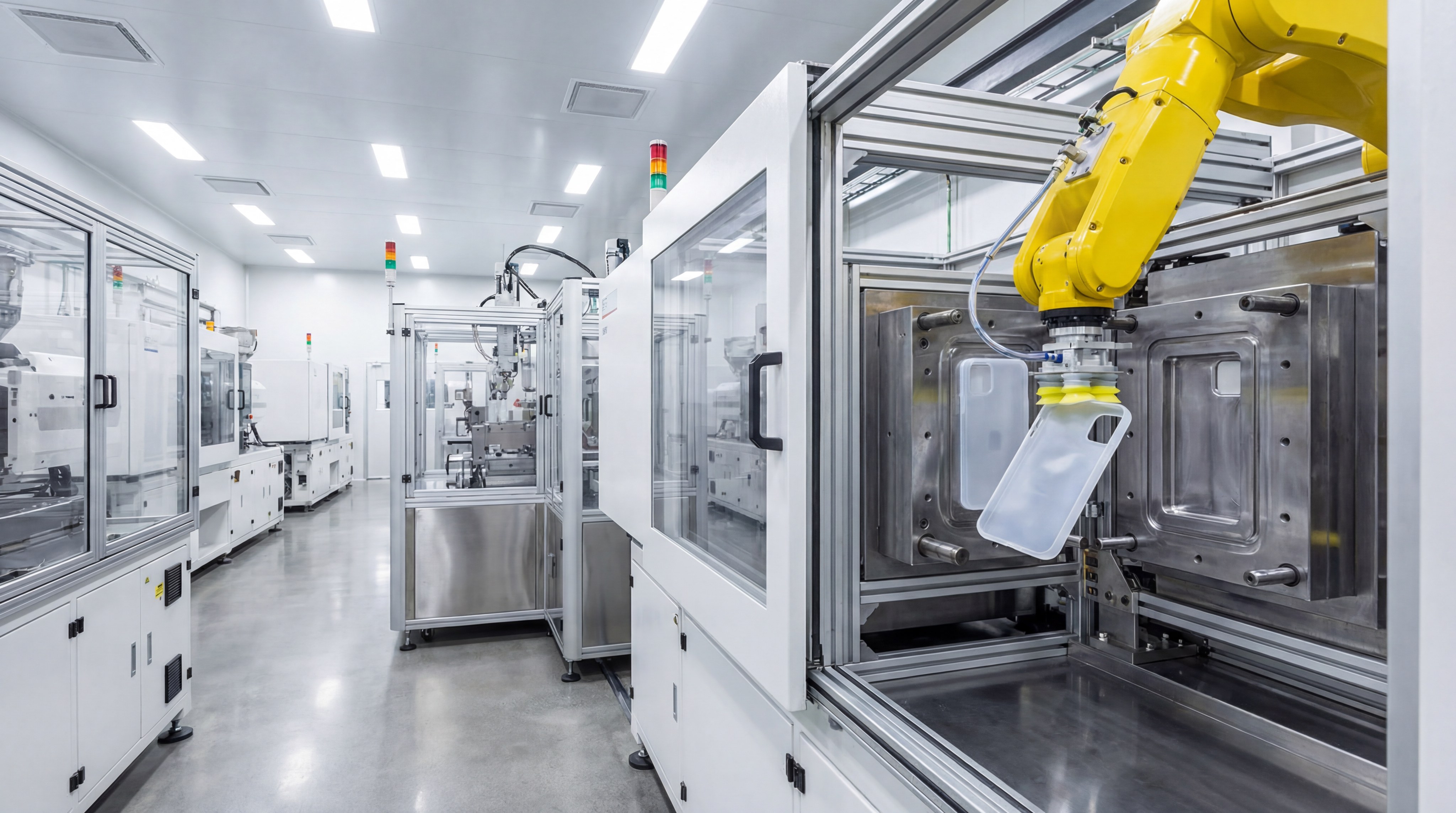
LSR molding is perfect for high-precision items and complex designs where flash must be minimized and hygiene is a priority. This automated process injects liquid silicone into a cold runner system, which then cures in a heated mold.
- Extremely tight dimensional tolerances.
- Minimal manual labor and trimming.
- Superior consistency across large batches.
Believe it or not, the higher initial cost often pays for itself through reduced waste and faster cycle times.
Key Takeaway
Matching the molding process to your project’s volume and complexity is the most effective way to optimize your unit cost and lead time.
| Process | Tooling Cost | Precision | Ideal Volume |
|---|---|---|---|
| Compression | Low to Medium | Moderate | High |
| LSR Injection | High | Excellent | Very High |
| Drip Molding | Medium | Artistic | Moderate |
The analytical table below contrasts the main molding processes to guide your manufacturing strategy.
Is compression molding right for Silicone Cases?
Compression molding is right for your project if you need a durable, cost-effective solution for large quantities of solid silicone covers. When you produce Silicone Cases? through this method, you utilize hydraulic presses that apply heat and pressure to raw silicone blanks. This process is particularly efficient for protective items that do not require complex internal seals or ultra-thin walls.
How does the workflow operate?
You start by mixing the raw silicone with color pastes and vulcanizing agents before cutting the material into precisely weighed “slugs.” These slugs are placed in the mold cavities and cured for a set time under high temperature.
- Material compounding and color matching.
- Precision cutting for weight control.
- Heat curing and vulcanization.
The process might seem simple. But that’s not all…
What are the primary cost benefits?
You benefit from significantly lower mold fabrication costs because compression molds are generally simpler to design and machine than injection molds. This makes it an attractive option for startups or companies launching new product lines.
- Reduced upfront capital expenditure.
- Faster mold lead times (typically 2-3 weeks).
- High production output with multi-cavity tools.
Here is the kicker: despite the lower cost, the material properties of compressed silicone are virtually identical to more expensive molding methods.
Key Takeaway
Compression molding offers the best ROI for high-volume, standard-colored protective cases without compromising structural integrity.
| Parameter | Metric | Impact |
|---|---|---|
| Tooling Time | 15-20 Days | Faster market entry |
| Unit Cost | Low | Higher profit margin |
| Waste Factor | Moderate | Controlled through DFM |
Review the following summary to understand why compression molding remains a staple in the protective gear industry.
Why use LSR injection for Silicone Cases?
You should use LSR injection when your application demands the highest levels of precision, cleanliness, and material consistency. For medical or high-end tech Silicone Cases?, utilizing liquid silicone rubber molding provides a seamless finish and eliminates the parting line issues found in traditional methods. You gain a competitive edge by offering a more refined, professional product that feels superior to the touch.
How does LSR achieve high precision?
The liquid nature of the raw material allows it to flow easily into thin walls and intricate textures that solid silicone struggle to reach. You achieve tighter tolerances, ensuring that your cases fit perfectly every time without any “wobble” or loose edges.
- Excellent flow for complex geometries.
- Low viscosity prevents air entrapment.
- Automated dosing for batch-to-batch consistency.
That’s just the beginning…
Is the process fully automated?
LSR systems often run with minimal human intervention, using robots to remove finished parts and clean the molds automatically. This reduces the risk of contamination and human error during the critical molding phase.
- Integrated robotic part extraction.
- Cold runner systems reduce material waste.
- Continuous production 24/7 capability.
Here is the kicker: the lack of manual handling makes this the only viable option for sterile medical environments.
Key Takeaway
LSR injection molding is the premier choice for brands that prioritize precision, hygiene, and a premium “flawless” surface finish.
| Feature | LSR Advantage | Result |
|---|---|---|
| Cycle Time | 30-60 Seconds | High efficiency |
| Flash Control | Self-trimming molds | No manual labor |
| Hygiene | Closed-loop system | Medical compliance |
The comparative data below highlights the technical superiority of LSR for demanding protective applications.
Can you overmold parts with Silicone Cases?
You can definitely overmold silicone onto plastic or metal substrates to create a single, multi-material component with superior grip and protection. Designing overmolded Silicone Cases? requires a deep understanding of chemical bonding agents and the thermal limits of the base material. This technique allows you to combine a rigid internal skeleton with a soft, shock-absorbent outer shell for maximum durability.
How does metal bonding work?
You first apply a specialized primer to the metal insert, which then chemically bonds with the silicone during the high-temperature molding process. This ensures that the silicone will not peel away from the metal even under heavy use.
- Mechanical interlocking for extra strength.
- Surface preparation via sandblasting.
- Chemical primer application.
But wait, there’s more…
What about bonding to plastic?
You must select a plastic substrate, like nylon or polycarbonate, that can withstand the molding temperature of the silicone without warping. When successful, the two materials become fused at the molecular level.
- Creation of rigid/soft hybrid structures.
- Elimination of secondary assembly steps.
- Enhanced ergonomics and user grip.
You might think assembly is easier. Here is the kicker: overmolding eliminates the gap where dust and moisture usually accumulate in multi-part assemblies.
Key Takeaway
Overmolding provides a robust, integrated solution that enhances the functionality and premium feel of high-performance protective gear.
| Substrate | Bonding Type | Temperature Limit |
|---|---|---|
| Stainless Steel | Chemical + Mechanical | Very High |
| Polycarbonate | Chemical Primer | High (up to 120C) |
| Aluminum | Chemical + Primed | Very High |
This table outlines the most common substrate combinations used in modern hybrid case manufacturing.
How do you do brand your Silicone Cases?
You brand these items by integrating logos directly into the mold or applying them through high-contrast secondary processes like laser engraving. When you explore our logo branding services, you find that Silicone Cases? offer a versatile canvas for your company’s identity. You should choose a branding method that matches your budget and the expected wear-and-tear of the final environment.
Which logo method is most durable?
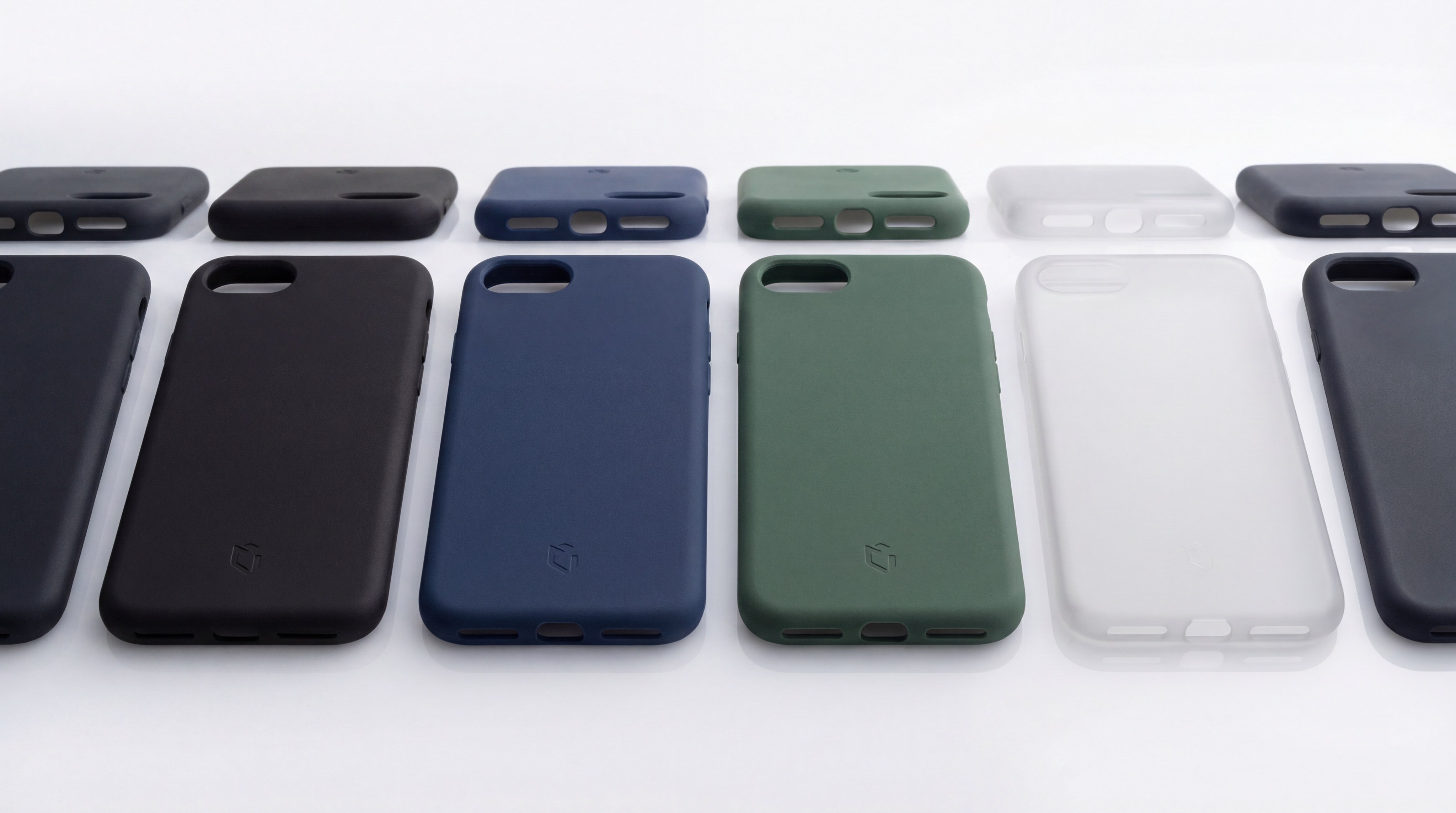
Molded-in logos, where the design is debossed or embossed during the molding stage, are permanent and will never fade or peel. You can also use multi-color “dripping” molding to create 3D logos with vibrant colors that are part of the material.
- Debossed (sunken) or Embossed (raised) logos.
- 3D liquid dripping for multi-colored graphics.
- Laser engraving for high-precision detailing.
But that’s not all…
Can you print full colors?
Silk-screen and pad printing allow you to apply specific Pantone colors to the surface of the silicone, though they require a specialized “feeling oil” coating for durability. This is ideal for complex branding that includes text or intricate icons.
- Silk-screen printing for flat surfaces.
- Pad printing for curved or textured areas.
- Protective oil coating to prevent wear.
Here is the kicker: a laser-engraved logo on a matte finish provides a subtle, luxury look that high-end tech consumers love.
Key Takeaway
Effective branding transforms a simple protective cover into a powerful marketing tool that builds brand recognition and consumer trust.
| Branding Method | Longevity | Complexity |
|---|---|---|
| Molded-in | Permanent | Low to Medium |
| 3D Dripping | Permanent | High (Multi-color) |
| Laser Engraving | Very High | High Detail |
Select the branding strategy that best reflects your brand’s identity and meets your customers’ expectations for quality.
What quality checks ensure Silicone Cases?
You ensure high standards through a multi-stage inspection process that includes dimensional checks, tensile testing, and visual flaw detection. When you verify Silicone Cases?, you must look for common defects like flash, bubbles, or material impurities that could compromise the protection of the device. Following our baby care standards provides a blueprint for the most rigorous quality controls available in the industry.
How do you measure dimensional accuracy?
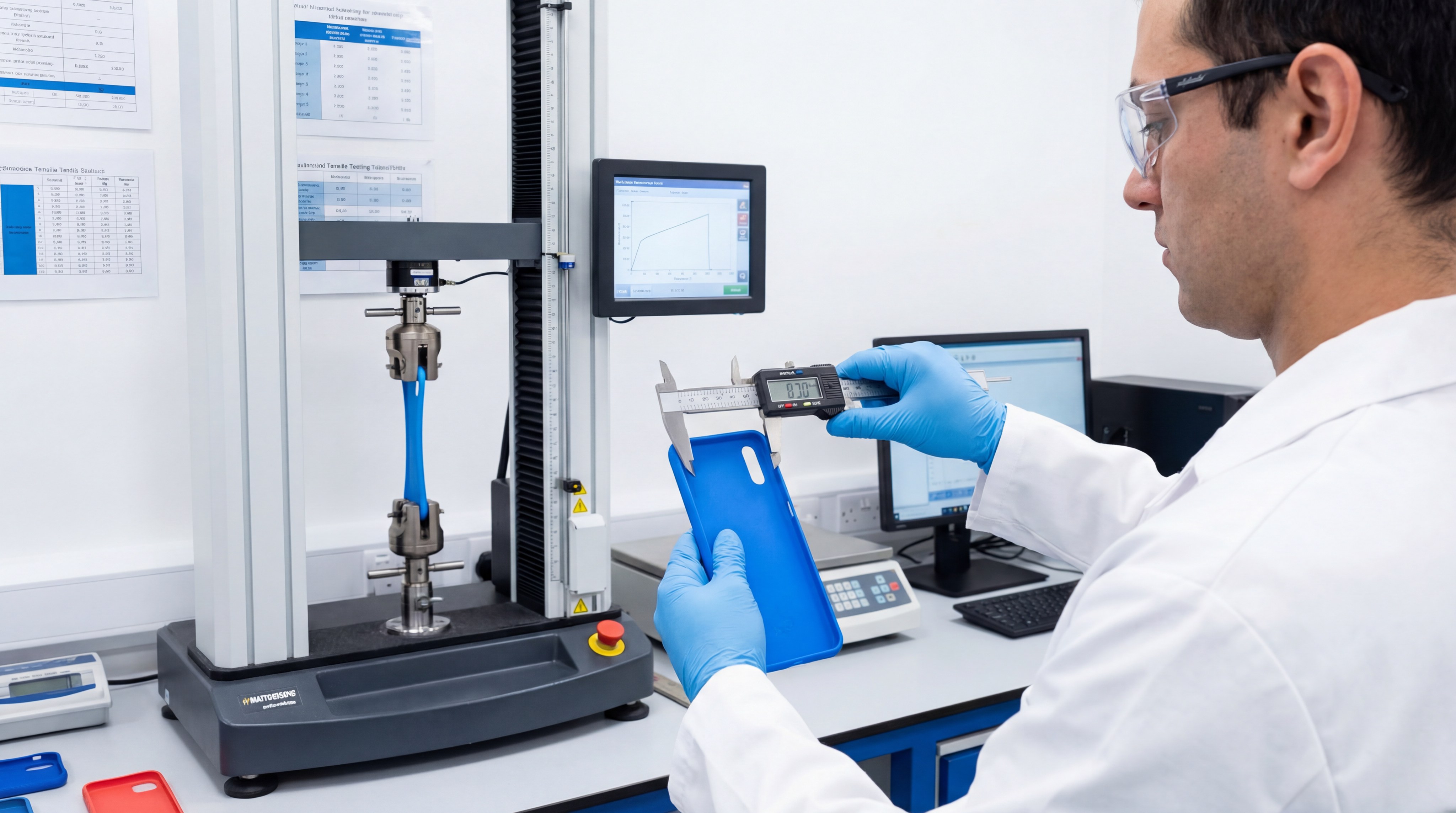
You use digital calipers and automated optical inspection (AOI) systems to ensure that every critical dimension falls within the specified tolerance, usually +/- 0.05mm. This guarantees that the case will not slip off the device or interfere with port access.
- Caliper measurement of wall thickness.
- Verification of button alignment.
- Check for port clearance and opening size.
It gets even better…
What testing ensures long-term durability?
You conduct stretch tests and environmental aging simulations to confirm that the silicone maintains its elasticity and doesn’t yellow or become brittle over time. Drop tests are also essential to validate that the case actually protects the hardware inside.
- Tensile strength and elongation testing.
- Hardness verification with durometers.
- Impact and drop simulation.
Here is the kicker: a 100% visual inspection ensures that not a single piece with a surface blemish ever reaches your warehouse.
Key Takeaway
Rigorous quality control protocols prevent batch rejections and ensure your customers receive a product that meets global safety and performance standards.
| QC Stage | Tool Used | Target Result |
|---|---|---|
| Incoming | Material Testing | Purity / Color Match |
| In-Process | AOI Systems | Dimensional Accuracy |
| Final | Visual Inspection | Zero Surface Defects |
The summary table below details the essential checkpoints required to maintain premium manufacturing standards.
How is post-processing done for Silicone Cases?
You perform post-processing to remove excess material, finalize the surface texture, and ensure the product is free from any manufacturing odors. For premium Silicone Cases?, selecting our baby care production line ensures that your products undergo an extra 4-hour secondary vulcanization to meet strict safety standards. You must refine the edges and surface finish to provide the high-end “soft touch” feel that users expect.
Why is secondary vulcanization critical?
This process involves baking the finished parts in an oven to remove residual volatile substances and stabilize the material’s properties. It is a mandatory step if you want your products to meet FDA or LFGB food-grade safety certifications.
- Elimination of residual odors.
- Stabilization of physical dimensions.
- Improvement of overall tensile strength.
You might think you’re done after molding. But that’s not all…
How do you refine the surface finish?
Trimming excess “flash” from the parting lines is usually done manually or with automated die-cutting tools to ensure a smooth, seamless edge. You can also apply a “feeling oil” or matte spray coating to give the silicone a silky, anti-dust surface.
- Manual or die-cut flash removal.
- Grinding and polishing of edges.
- Anti-dust spray coating application.
Here is the kicker: secondary vulcanization can also be used to slightly adjust the final hardness of the silicone for a perfect feel.
Key Takeaway
Professional post-processing turns a raw molded part into a retail-ready product that feels premium and is safe for the end-user.
| Step | Purpose | Duration |
|---|---|---|
| Trimming | Remove excess material | Instant |
| Post-Curing | Odor/Safety compliance | 2-4 Hours |
| Coating | Silk-touch/Anti-dust | 15 Minutes |
The table below summarizes the post-manufacturing steps that distinguish high-quality cases from generic alternatives.
Where should you source Silicone Cases?
You should source your cases from a factory-direct manufacturer that offers in-house tooling, DFM support, and transparent quality control systems. When you order Silicone Cases?, working with an ISO-certified partner in a major manufacturing hub like Dongguan allows you to benefit from a mature supply chain and faster logistics. You need to verify that your supplier can handle everything from material mixing to export documentation to simplify your procurement process.
Why choose a factory with in-house tooling?
Having an in-house tool shop allows for much faster iterations during the design phase and ensures that your intellectual property is protected within one facility. It also means the engineers who design the mold are the same ones who will run the production, leading to fewer quality risks.
- Faster response to design changes.
- Better control over mold maintenance.
- Reduced overall development lead times.
That’s just the beginning…
What are the benefits of a one-stop service?
A one-stop manufacturer handles everything from material compounding to final packaging and shipping documents. This eliminates the “quality drift” that happens when parts are moved between multiple vendors for different steps like printing or assembly.
- Single point of accountability.
- Consistent quality across all stages.
- Simplified communication and logistics.
Here is the kicker: a direct factory relationship often provides 24-hour DFM support to help you optimize your design for mass production immediately.
Key Takeaway
Sourcing directly from a specialized silicone manufacturer provides the best balance of technical expertise, quality assurance, and competitive pricing.
| Vendor Type | Design Support | Quality Control | Unit Cost |
|---|---|---|---|
| Direct Factory | High (In-house) | Excellent | Lowest |
| Trading Company | Low | Variable | Higher |
| Local Broker | Medium | Third-party | Highest |
The following table highlights the strategic advantages of choosing a vertically integrated manufacturing partner for your project.
*
Frequently Asked Questions
Can I create cases for custom industrial equipment?
Yes, we specialize in protective covers for handheld scanners, POS devices, and medical instruments tailored to your specific hardware dimensions and environmental needs.
What’s the best way to prevent silicone from attracting dust?
Applying a specialized “feeling oil” or anti-static spray coating during post-processing creates a silky surface that resists dust, lint, and fingerprints.
How do I know if my design is suitable for compression or LSR?
Our engineering team provides a free DFM review; generally, simpler solid parts favor compression, while complex, thin-walled, or multi-colored parts require LSR.
Can I mix different colors in a single silicone case?
Absolutely, you can use co-injection or dripping molding to combine multiple colors, or utilize a “marble” mixing technique for unique, swirled aesthetic patterns.
What is the typical lead time for custom silicone tooling?
For standard compression molds, lead times are usually 15-20 days, while complex LSR or multi-cavity injection tools can take 25-35 days to complete.
*
Creating the perfect protective solution requires a partner who understands that quality is built into every step of the process. Whether you are launching a consumer brand or protecting vital industrial assets, our team is ready to transform your vision into reality with precision engineering and world-class manufacturing standards. For a detailed review of your project and to receive a professional quotation, please contact us today. We are committed to leading the silicone industry with sustainable innovation and uncompromised excellence in every part we produce.