
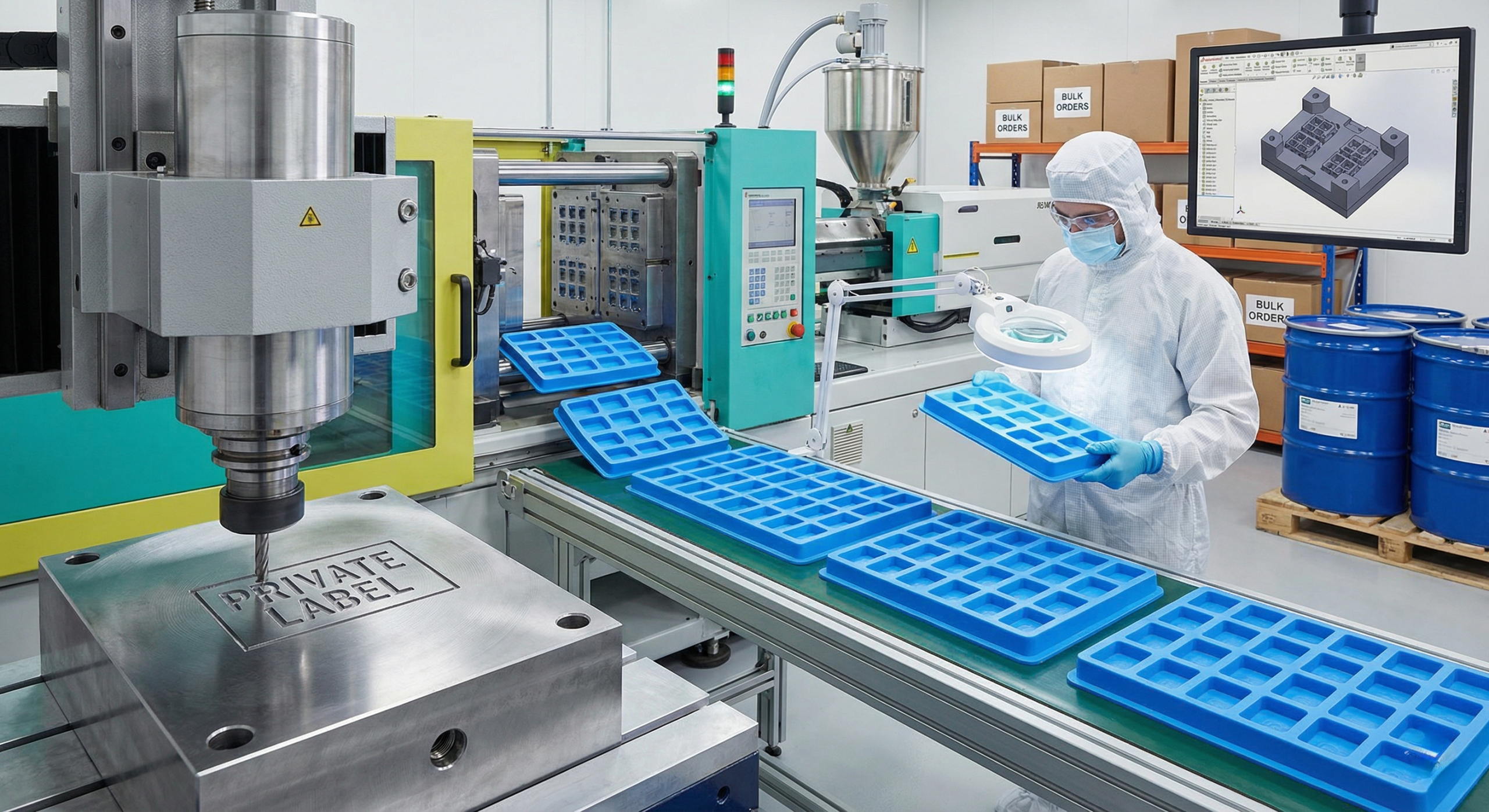
To make silicone molds that support bulk orders and private labeling, you must implement precision tool engineering, select high-grade industrial polymers, and utilize automated manufacturing processes. Scaling a product from a simple concept to a massive inventory often feels like an insurmountable hurdle for many emerging brands. Without a refined manufacturing strategy, your production costs will surge, lead times will fluctuate, and your branding will lack the professional finish required for the global market. By mastering the technical nuances of Silicone Molds and choosing the right fabrication methods, you can ensure consistent quality and rapid scalability.
What are silicone molds for bulk production?
These are high-durability tooling systems engineered to withstand thousands of high-pressure casting cycles without losing dimensional accuracy. Utilizing industrial-grade Silicone Molds allows you to replicate complex geometries with micron-level precision for resins, food-grade materials, or medical components.
Why use high-strength materials?
Selecting premium silicone grades ensures that your production line remains operational for longer periods without frequent mold replacements. These materials are specifically designed to resist tearing and thermal fatigue during the repetitive stresses of mass production.
But that’s not all:
- Tear Resistance: Prevents damage during the demolding of complex parts.
- Heat Stability: Maintains shape during high-temperature material injections.
- Chemical Inertia: Ensures no reaction with the casting materials used.
Here is the deal; you cannot expect a prototype-grade mold to survive the rigors of a 10,000-unit production run.
Key Takeaway: High-volume orders require industrial-grade tooling to maintain product consistency and reduce long-term costs.
| Feature | Advantage for Bulk Production |
|---|---|
| High Shore A Hardness | Prevents deformation under mechanical pressure |
| Low Shrinkage Rate | Ensures every unit matches the master prototype |
| High Cycle Life | Reduces the need for frequent tooling reinvestment |
This analytical approach ensures that your initial investment in tooling translates directly into a lower cost-per-unit.
Why choose silicone molds for mass orders?
Choosing Silicone Molds for large-scale production provides a unique balance of intricate detail reproduction and rapid reusability. They are essential for brands looking to manufacture premium bake molds or baby products that require strict safety certifications.
Can they handle complex designs?
The flexibility of silicone allows for the creation of deep undercuts and complex textures that rigid molds simply cannot replicate. This flexibility significantly reduces the risk of product breakage during the extraction phase of manufacturing.
Believe it or not:
- Design Freedom: Supports geometries that are impossible for steel molds.
- Surface Finish: Captures matte, gloss, or textured finishes perfectly.
- Rapid Prototyping: Allows for quick iterations before final bulk tooling.
The kicker is that silicone can be adjusted for different levels of flexibility depending on your specific product needs.
Key Takeaway: Silicone provides the versatility needed to create complex, high-detail products that stand out in competitive markets.
| Benefit | Impact on Mass Production |
|---|---|
| Zero Draft Angles | Allows for straighter walls and more modern designs |
| Multiple Cavities | Increases output per cycle for faster fulfillment |
| Material Memory | Guarantees that the 50,000th unit is identical to the first |
By leveraging these benefits, you can maintain a high standard of quality even when producing at a massive scale.
How to design silicone molds for private labels?
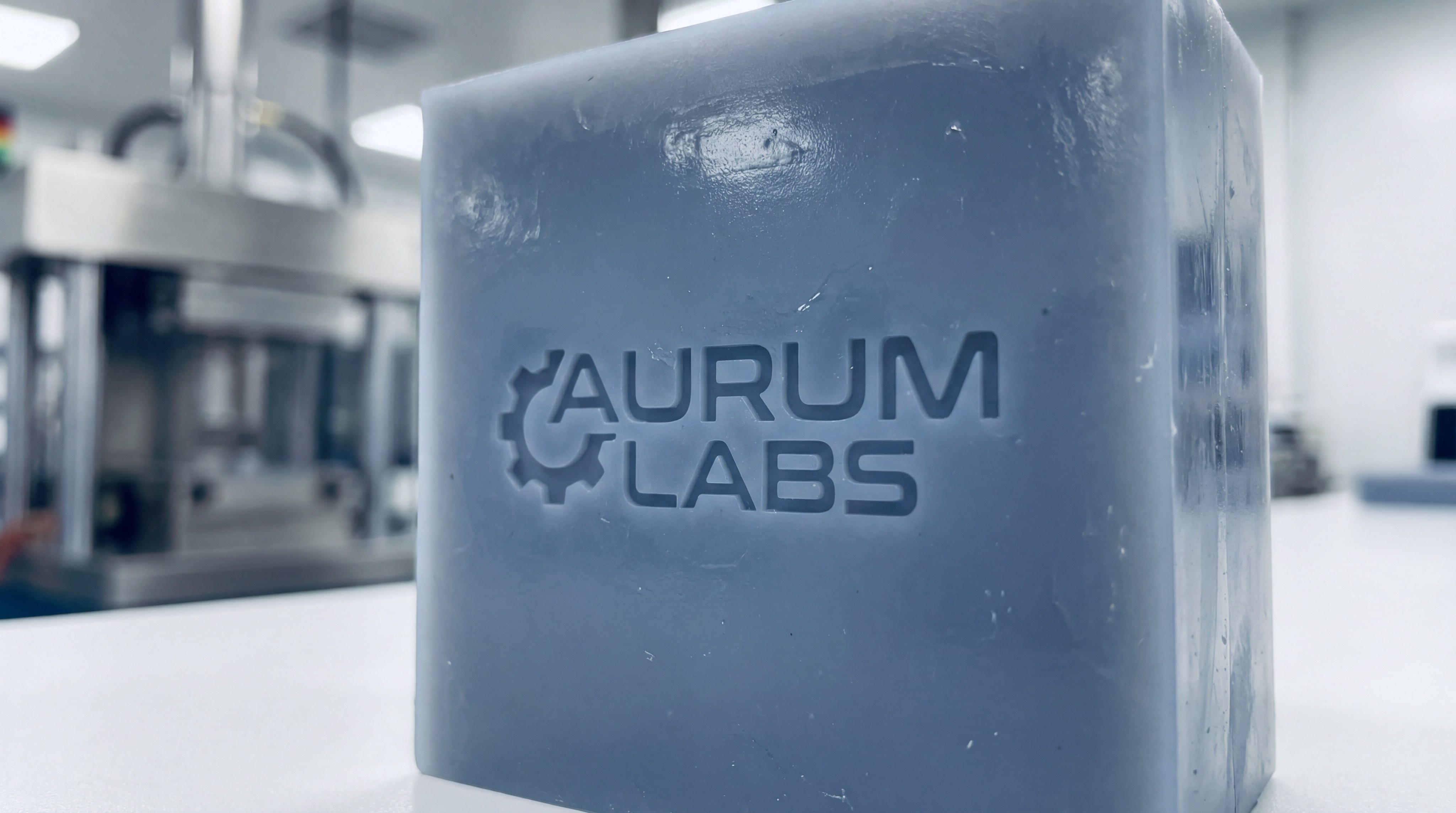
Designing Silicone Molds for private labeling requires integrating your brand elements directly into the master prototype using CNC machining. This process ensures that every item produced carries your embossed or debossed logo, creating a permanent and professional brand identity.
What are the best logo techniques?
CNC engraving the logo into a metal master is the most effective way to ensure sharp, clean lines on every molded product. This method is far superior to secondary printing or labeling, as it makes the branding part of the physical product.
But wait, there’s more:
- Embossed Logos: Create a premium, tactile feel for your customers.
- Precision Engraving: Ensures small text remains legible across thousands of units.
- Strategic Placement: Optimizes the demolding process to avoid logo distortion.
Here is the kicker; integrated branding reduces your post-production labor costs significantly because labeling is finished during the molding stage.
Key Takeaway: Design your branding into the mold itself to achieve a professional finish and eliminate secondary labeling steps.
| Labeling Method | Longevity | Professionalism |
|---|---|---|
| Molded-in Logo | Permanent | High |
| Pad Printing | Temporary | Moderate |
| Adhesive Label | Short-term | Low |
Successful private labeling starts at the design phase to ensure your brand identity is as durable as the product itself.
Which materials suit high-volume silicone molds?
Liquid Silicone Rubber (LSR) is the industry standard for high-volume Silicone Molds due to its exceptional purity and fast cycle times. Choosing the right material for LSR injection versus compression molding is a critical decision that dictates your overall production speed and product quality.
Is platinum-cured silicone necessary?
For products involving food, babies, or medical applications, platinum-cured silicone is mandatory to ensure the absence of toxic by-products. This material offers higher clarity and superior mechanical properties compared to cheaper tin-cured alternatives.
Think about this:
- Purity: No “blooming” or white residue after long-term use.
- Speed: Faster curing times in automated injection systems.
- Certification: Easily meets global food-grade and medical standards.
But that’s not all, as high-grade materials also extend the life of your expensive production tooling.
Key Takeaway: Use platinum-cured LSR for high-volume orders to guarantee safety compliance and manufacturing efficiency.
| Material Type | Best Use Case | Life Span |
|---|---|---|
| Platinum LSR | Medical & Food Bulk | Extremely High |
| Peroxide Silicone | Industrial Parts | Moderate |
| RTV-2 Silicone | Low Volume Prototypes | Low |
Selecting the correct material from the start prevents costly compliance failures and ensures product longevity.
How to construct a box for silicone molds?
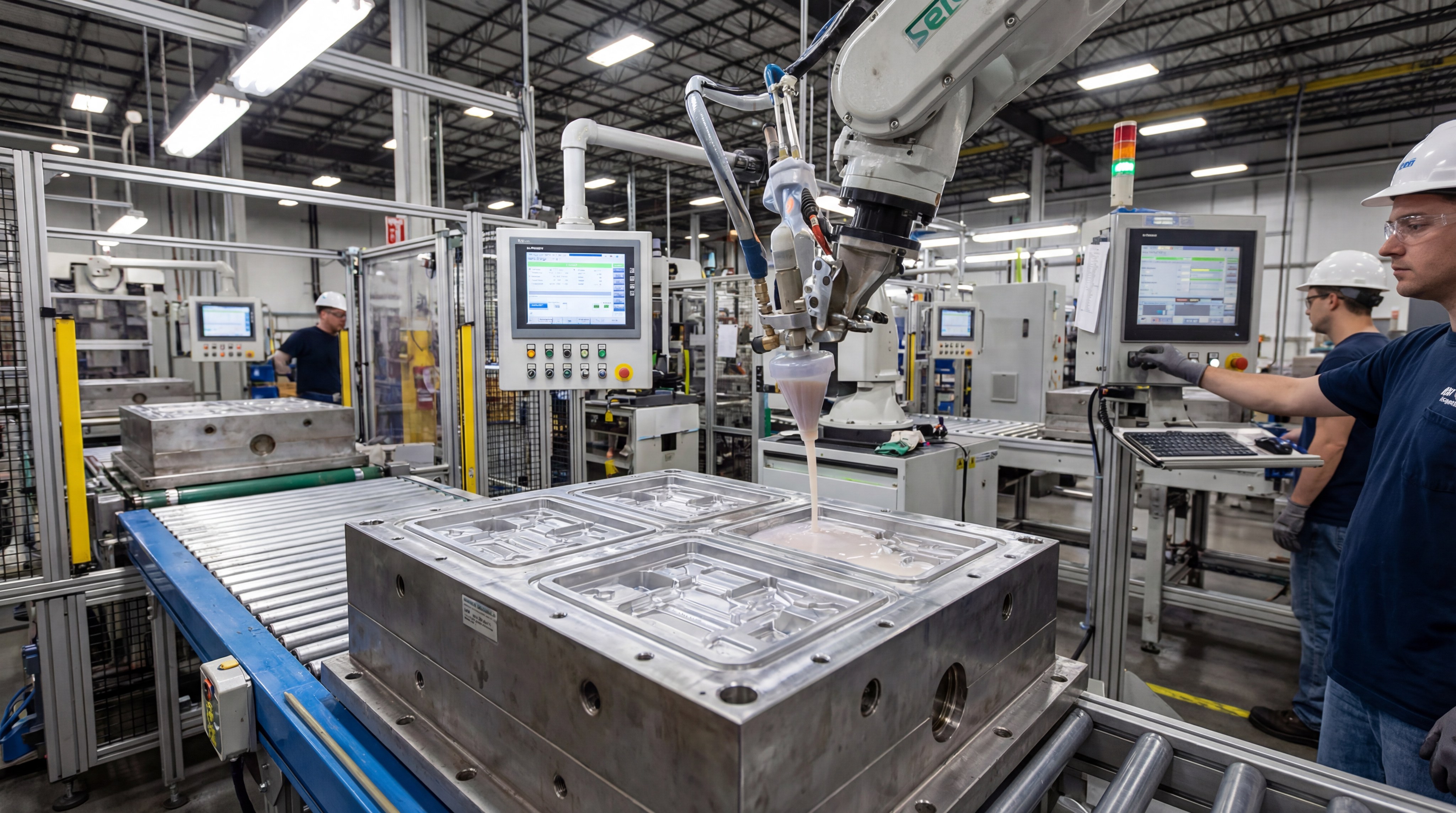
Industrial mold boxes for Silicone Molds must be precisely constructed from aluminum or high-density polymers to ensure uniform wall thickness. A robust container prevents the liquid silicone from leaking and ensures that the mold remains perfectly square during the curing process.
How do you prevent leakage?
Using high-precision gaskets and mechanical clamps is the professional way to secure mold boxes during the pouring phase. In a bulk environment, these boxes are often part of a larger automated assembly that moves through curing ovens.
But the story doesn’t end there:
- Modular Design: Allows for quick swaps between different product prototypes.
- Wall Consistency: Ensures even heat distribution for faster, uniform curing.
- Surface Preparation: Using high-quality release agents prevents mold sticking.
The secret is that a perfectly sealed box reduces material waste, which can save thousands of dollars in a mass production run.
Key Takeaway: Invest in CNC-machined mold boxes to ensure structural integrity and minimize material waste during bulk pouring.
| Box Material | Durability | Heat Transfer |
|---|---|---|
| Aluminum | High | Excellent |
| Polycarbonate | Moderate | Fair |
| Wood/MDF | Low | Poor |
A well-constructed mold box is the foundation of a defect-free production run that meets private label standards.
How to mix and pour silicone molds correctly?
Automated metering and mixing systems are essential for producing consistent Silicone Molds at a scale that supports bulk orders. These systems ensure that the catalyst and base are mixed at a perfect 1:1 or 10:1 ratio, eliminating human error.
Why is vacuum degassing required?
Vacuum degassing removes trapped air bubbles that could create weak points or surface defects in your final production molds. In a high-volume setting, this process is often integrated directly into the injection machinery to maintain speed.
Here is the deal:
- Bubble Removal: Ensures a smooth, professional surface on the final part.
- Consistency: Guaranteed uniform density across every single mold.
- Automation: Speeds up the preparation phase for 24/7 manufacturing.
But that’s not all; proper mixing also ensures that the silicone cures at the predicted rate every time.
Key Takeaway: Use automated mixing and vacuum systems to eliminate air entrapment and ensure consistent material properties.
| Method | Consistency | Output Speed |
|---|---|---|
| Automated LSR | 100% | Ultra-Fast |
| Static Mixers | 95% | Fast |
| Manual Mixing | 60% | Slow |
Consistency in the mixing phase is the only way to avoid batch-wide failures during mass production cycles.
What is the curing time for silicone molds?
Curing time for Silicone Molds can be reduced from hours to seconds by using heat-accelerated catalysts and high-temperature injection systems. While room temperature curing is fine for samples, mass production requires a controlled environment to maximize throughput.
How does heat affect curing?
Applying precise heat in a curing oven or heated mold plate forces the chemical reaction to complete in a fraction of the standard time. However, the temperature must be carefully monitored to prevent thermal shrinkage, which could ruin the product dimensions.
You might be wondering:
- Shortened Leads: Reduces the total production time for large orders.
- Increased Hardness: Heat can sometimes improve the final mechanical strength.
- Predictable Schedules: Allows for precise manufacturing planning and delivery.
The kicker is that precise temperature control also ensures that the branding remains crisp and undistorted.
Key Takeaway: Use heat-accelerated curing in a controlled environment to maximize production speed without compromising dimensional accuracy.
| Temperature | Curing Time (LSR) | Risk Level |
|---|---|---|
| 180°C | 30 – 60 Seconds | Moderate |
| 100°C | 5 – 10 Minutes | Low |
| 25°C | 12 – 24 Hours | Very Low |
Managing the curing phase correctly allows you to meet tight deadlines for massive private label shipments.
How to scale silicone molds for production?
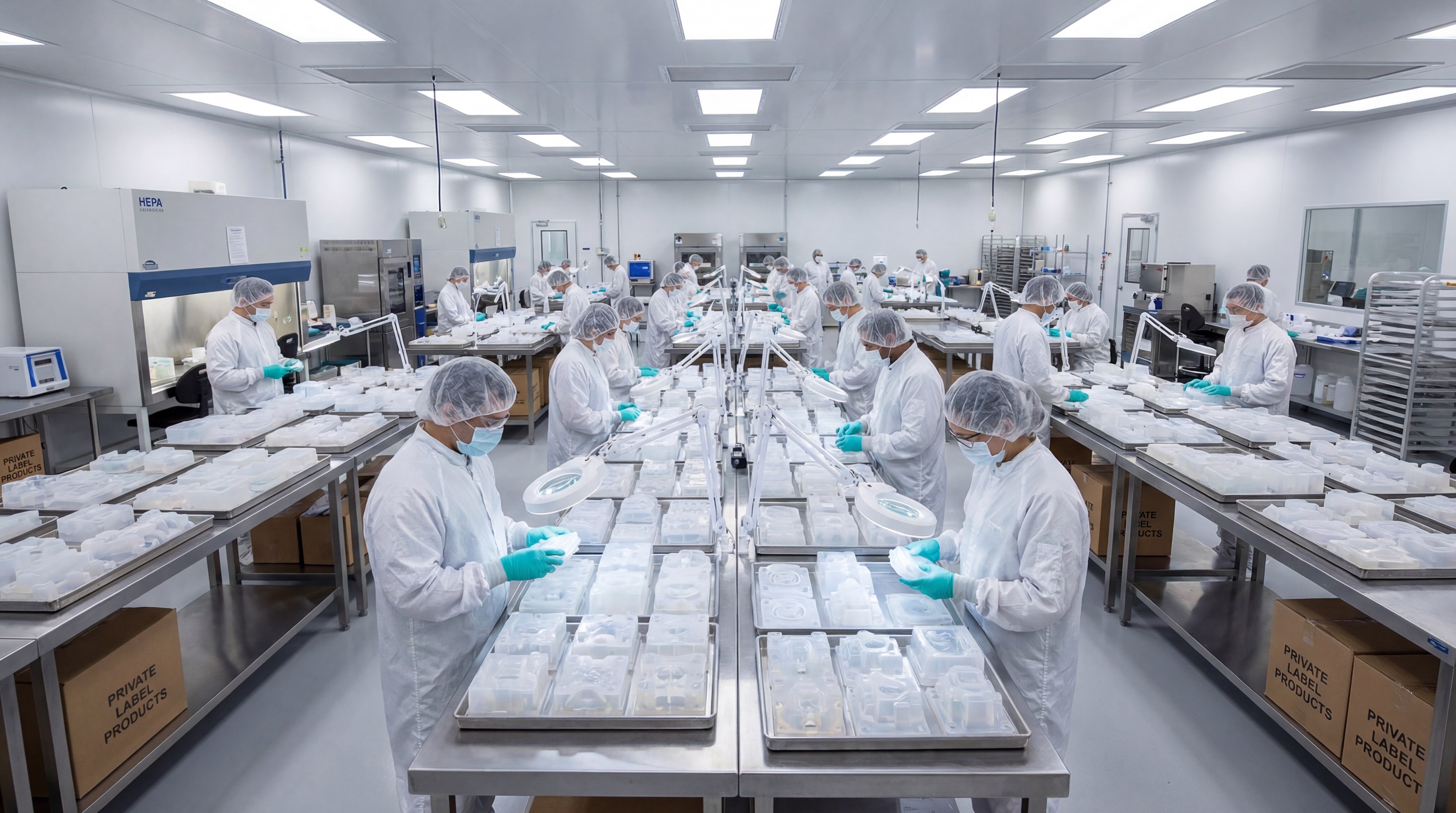
Scaling Silicone Molds for massive output involves moving away from manual methods and embracing high-volume manufacturing guides that prioritize multi-cavity tooling. This transition allows you to produce thousands of parts per day with minimal labor intervention.
What is multi-cavity tooling?
Multi-cavity molds contain multiple identical cavities in a single steel block, allowing you to produce up to 128 units in a single injection cycle. This is the most efficient way to lower your unit cost while fulfilling massive global orders.
Here is the kicker:
- Labor Savings: One operator can manage multiple high-output machines.
- Time Efficiency: Drastically reduces the time required for bulk fulfillment.
- Quality Control: Simplifies the inspection process by ensuring cavity uniformity.
But that’s not all; scaling also requires a robust quality management system to catch defects early in the run.
Key Takeaway: Transition to multi-cavity LSR injection molding to achieve the lowest possible unit cost at high volumes.
| Volume Level | Best Method | Cavity Count |
|---|---|---|
| 1 – 500 | Compression | 1 – 2 |
| 5,000+ | LSR Injection | 4 – 16 |
| 100,000+ | High-Speed LSR | 32 – 128 |
Strategic scaling is the difference between a small local brand and a global private label leader.
How to budget for bulk silicone molds tooling?
Budgeting for Silicone Molds requires balancing the high upfront cost of precision tooling against the significantly lower unit price at scale. Understanding the LSR tooling budget for B2B projects is essential for maintaining healthy profit margins.
Should you choose steel or aluminum?
For bulk orders exceeding 50,000 units, hardened steel molds are the only viable option due to their ability to withstand millions of cycles without wear. Aluminum is a great budget choice for mid-range orders but will eventually degrade under high-pressure injection.
But wait, there’s more:
- ROI Analysis: Higher initial costs often lead to 50% lower unit prices.
- Tool Life: Steel molds can last for over a decade in a mass production setting.
- Maintenance Costs: Precision steel tools require less frequent repair than aluminum.
Here is the dealer; your tooling is a capital investment that pays for itself through efficiency and consistency.
Key Takeaway: Invest in hardened steel multi-cavity molds if your production forecast exceeds 50,000 units per year.
| Tooling Material | Cost Range | Life Cycles |
|---|---|---|
| Hardened Steel | $15,000 – $50,000+ | 1,000,000+ |
| Aluminum | $3,000 – $10,000 | 5,000 – 20,000 |
| Soft Tooling | $500 – $2,000 | 50 – 100 |
Proper budgeting ensures that your manufacturing project remains financially viable from the first prototype to the final shipment.
Which certifications do silicone molds require?
To successfully launch a private label brand, your Silicone Molds must produce items that meet international safety standards like FDA, LFGB, and REACH. You must find a reliable manufacturer who provides full material traceability and lab-tested compliance documents.
Is FDA or LFGB more important?
While FDA is the standard for the US market, LFGB is required for Europe and is generally considered more stringent. For a global private label, choosing materials that meet both standards is the safest way to ensure worldwide market access.
Believe it or not:
- Traceability: Ensures every batch of material can be tracked back to the source.
- BPA-Free: A non-negotiable requirement for modern consumer trust.
- RoHS Compliance: Necessary if your silicone parts are used in electronic devices.
But that’s not all, as these certifications also protect your brand from legal liability and product recalls.
Key Takeaway: Always verify that your manufacturer holds ISO 9001 certification and provides third-party testing for FDA/LFGB compliance.
| Certification | Market | Focus |
|---|---|---|
| FDA | USA | Food Contact Safety |
| LFGB | Europe | High Purity & Safety |
| ISO 9001 | Global | Quality Management |
Meeting these standards is not just about legal compliance; it is about building a brand that consumers can trust for years.
What We Solved
We have addressed the critical transition from low-volume prototyping to industrial-scale manufacturing. By highlighting the importance of multi-cavity LSR injection, precision steel tooling, and integrated branding, we provide a roadmap for brands to scale without sacrificing quality. Our analysis bridge the gap between creative design and the rigorous demands of global B2B fulfillment.
Brand Vision & Industry Stance
Our vision is to empower brands through manufacturing excellence and uncompromising material purity. We believe that professional-grade silicone products should be accessible to any brand with a commitment to quality and safety. In an industry often clouded by low-cost, low-quality alternatives, we stand as a beacon of reliability and technical expertise.
Ready to scale your production?
Contact us today to discuss your custom molding requirements and receive a detailed quote for your bulk or private label project.
Frequently Asked Questions
Can I use the same silicone mold for both prototyping and mass production?
No, because prototype molds are typically made from soft RTV silicone which degrades after 50-100 uses. Mass production requires hardened steel or aluminum molds that can withstand high-pressure injection cycles and thermal stress.
What’s the best way to ensure my private label logo looks professional?
The best way is to CNC-engrave your logo directly into the metal production tool. This creates a permanent, high-definition mark on every product that won’t fade or peel like inks and stickers.
How do I know if my manufacturer is using genuine food-grade silicone?
You should always request third-party testing reports from labs like SGS or Intertek that confirm FDA or LFGB compliance. A reliable manufacturer will also have ISO 9001 certification and provide full material traceability for every batch.
Can I reduce the upfront tooling costs for a bulk order?
Yes, you can opt for compression molding if your volume is in the low thousands, as the tooling is significantly cheaper than LSR. However, if your long-term goal is 50,000+ units, the higher cost of LSR tooling will actually save you money through lower unit prices.
How long does a typical production-grade silicone mold last?
A high-quality hardened steel mold used for LSR injection can easily last for over 1,000,000 cycles with proper maintenance. In contrast, aluminum molds typically last between 10,000 and 50,000 cycles before the parting lines begin to wear.