
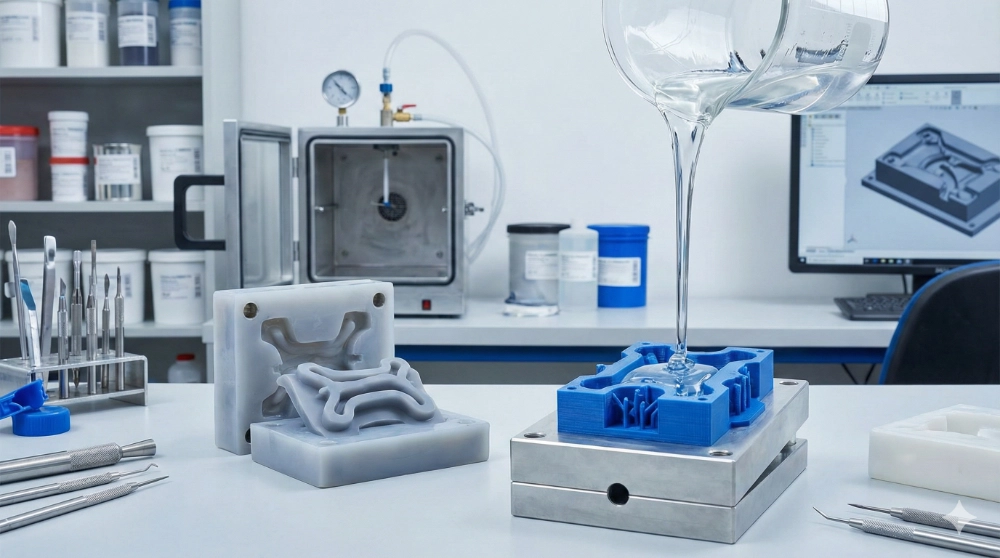
Creating silicone molds involves a systematic process of master pattern fabrication, housing construction, and liquid polymer pouring to achieve high-fidelity part replication. If you are struggling with high tooling costs or slow prototyping cycles, you are not alone. These bottlenecks can stall product launches and drain R&D budgets. Custom Silicone Manufacturing provides the precision and scalability needed to overcome these engineering hurdles efficiently.
1. What is the primary role of Custom Silicone Manufacturing?
Custom Silicone Manufacturing serves as a bridge between initial design concepts and repeatable mass production by creating durable, flexible negatives of a master part. This process allows engineers to produce complex geometries that would be impossible or prohibitively expensive to create using traditional rigid tooling.
How does silicone compare to organic rubber?
Silicone is a class of polymers containing silicon in their molecular chain, offering superior stability compared to organic rubbers. It transforms from a liquid to a flexible solid when reacted with a catalyst, capturing micron-level surface details effectively.
Look:
- It maintains properties from -60°C to 200°C.
- It resists chemical exposure and fungal growth.
- It offers high elongation without permanent deformation.
The best part? Silicone is naturally non-adhesive, meaning most parts peel away easily after curing without the need for excessive force.
Key Takeaway: Silicone’s unique chemical structure provides the thermal and physical resilience required for high-performance industrial applications.
| Material Feature | Silicone Rubber | Organic Rubber |
|---|---|---|
| Temperature Range | Very Wide (-60 to 200°C) | Limited Stability |
| Detail Capture | Excellent (Micron-level) | Moderate |
| Chemical Inertness | High | Low to Moderate |
The thermal stability and inertness of silicone make it the superior choice for high-precision industrial molding environments.
2. Why should you invest in professional mold design?
Professional mold design ensures that your Custom Silicone Manufacturing process remains stable across multiple production runs and meets specific mechanical requirements. Investing in high-quality molds reduces the risk of part failure and surface defects during the extraction phase.
What makes professional molds more durable?
Professional molds use platinum-catalyzed silicones which offer superior long-term dimensional stability and extremely low shrinkage. While cheaper alternatives might degrade after a few pulls, industrial-grade molds maintain their integrity for dozens of cycles.
Here is the deal:
- Platinum-cure systems ensure consistent part dimensions.
- High tear strength formulas prevent mold damage during extraction.
- Optimized wall thickness prevents warping during the curing process.
You will find that the initial investment pays for itself through reduced scrap rates and faster cycle times.
Key Takeaway: High-grade materials and engineering-led design are critical for achieving batch-to-batch consistency in production.
| Design Factor | Professional Mold | Amateur/DIY Mold |
|---|---|---|
| Catalyst Type | Platinum-Cure (Stable) | Tin-Cure (Higher Shrinkage) |
| Cycle Life | 25–50+ pulls | 5–10 pulls |
| Dimensional Accuracy | High | Variable |
Strategic material selection directly correlates with the longevity and repeatability of the molding tool.
3. Which industries utilize these molding techniques?
Custom Silicone Manufacturing is essential for industries ranging from healthcare and automotive to consumer electronics and pet products. These sectors rely on silicone’s biocompatibility and environmental resistance to meet strict regulatory standards and performance goals.
How does the medical sector use silicone?
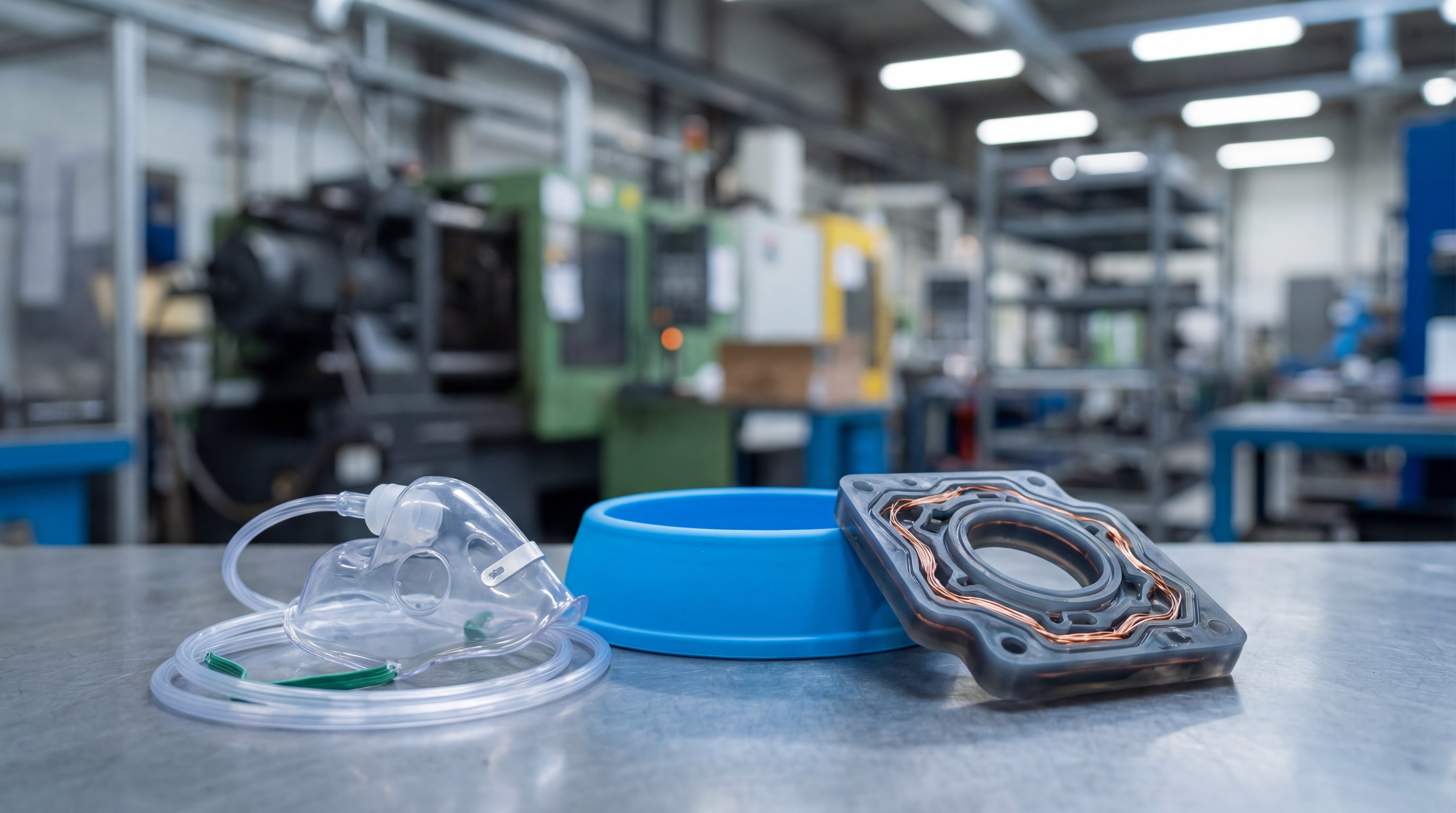
In the medical-grade silicone parts sector, the material is used for biocompatible seals, respiratory masks, and surgical tool handles. These parts must withstand repeated sterilization cycles without losing their mechanical properties or leaching harmful substances.
The best part?
- Silicone is FDA and ISO 13485 compliant.
- It is soft enough for patient comfort yet durable for long-term use.
- It can be manufactured in cleanroom environments to ensure purity.
For healthcare providers, this reliability is non-negotiable for patient safety.
Key Takeaway: Silicone’s compliance with safety standards makes it the primary choice for regulated medical and consumer industries.
| Industry Sector | Typical Application | Key Requirement |
|---|---|---|
| Medical | Ventilator bellows | Biocompatibility/FDA |
| Pet Products | Chew toys | Non-toxic/Tear-resistance |
| Acoustics | Ear tips | Sound isolation/Comfort |
Diverse industry adoption highlights silicone’s versatility in meeting both functional and regulatory demands.
4. How do you design a high-quality master pattern?
Designing a high-quality master pattern requires a focus on surface finish and draft angles to ensure the Custom Silicone Manufacturing process yields flawless parts. Since silicone captures every microscopic detail, any flaw in the master will be perfectly replicated in every single molded component.
Why is surface finish so important?
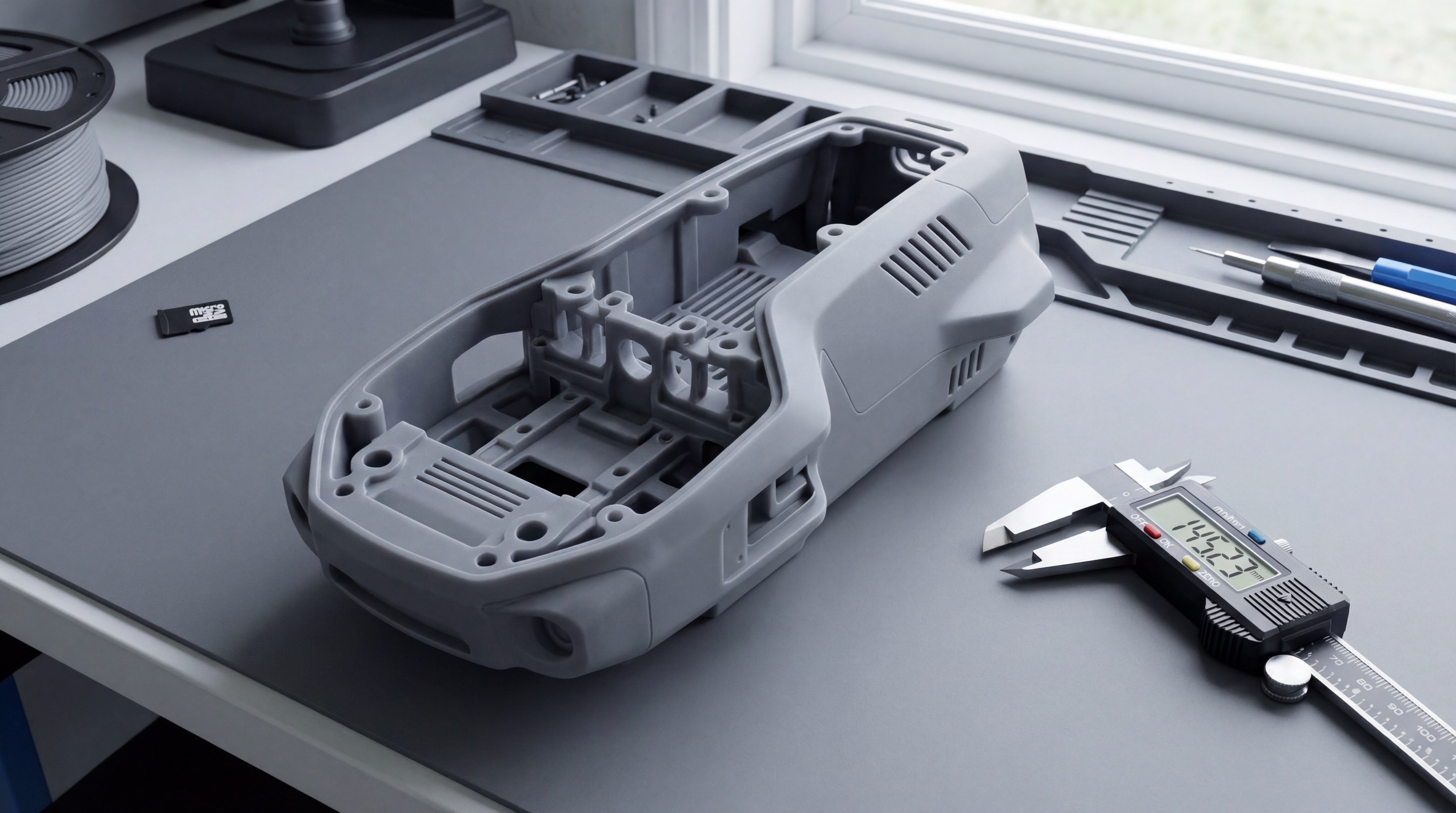
A smooth surface finish on the master reduces friction during de-molding and ensures the final part meets aesthetic requirements. Using high-resolution 3D printing or CNC machining allows you to create patterns with the necessary precision and smoothness.
Look:
- SLA printing at 50 microns provides a balanced surface.
- Draft angles of 1-3 degrees facilitate easier extraction.
- Polishing the master prevents the “locking” of parts in the mold.
The best part? A well-finished master significantly extends the life of your silicone mold by reducing stress during pull-out.
Key Takeaway: Precision at the master pattern stage is the most cost-effective way to ensure high-quality output.
| Pattern Method | Surface Quality | Best Application |
|---|---|---|
| 3D Printing (SLA) | High | Intricate prototypes |
| CNC Machining | Superior | High-precision engineering |
| Sculpting | Variable | Organic/Artistic shapes |
The fidelity of the master pattern acts as the technical ceiling for the final product’s quality.
5. Should you choose a one-piece or two-piece mold?
Choosing between a one-piece and two-piece mold depends on the complexity of your part’s geometry and the presence of undercuts in your Custom Silicone Manufacturing plan. Simple parts with a flat side are ideal for one-piece molds, while fully 3D objects require a multi-part approach.
When is a one-piece mold most efficient?
One-piece molds are essentially open trays that work best for designs with a single flat surface and no internal voids. They are faster to produce and eliminate the risk of “parting lines” or seams on the final part.
Here is the deal:
- One-piece molds are easier for beginners to master.
- They are ideal for gaskets, seals, and relief carvings.
- Extraction is simplified as there are no alignment keys to manage.
However, if your part is complex, a single block of silicone might trap the master permanently.
Key Takeaway: Mold architecture should be determined by part geometry to balance ease of production with extraction safety.
| Mold Type | Best For | Main Advantage |
|---|---|---|
| One-Piece | Flat-bottomed parts | Seamless surfaces |
| Two-Piece | Complex 3D objects | Undercut handling |
| Multi-Piece | Highly intricate tools | Maximum detail access |
Selecting the correct mold configuration prevents mechanical entrapment and ensures process efficiency.
6. What are the steps for making a one-piece mold?
The steps for making a one-piece mold involve constructing a non-porous housing, securing the master, and pouring the degassed silicone mixture steadily. This foundational Custom Silicone Manufacturing technique relies on gravity and proper material preparation to succeed.
How do you ensure a bubble-free mold?
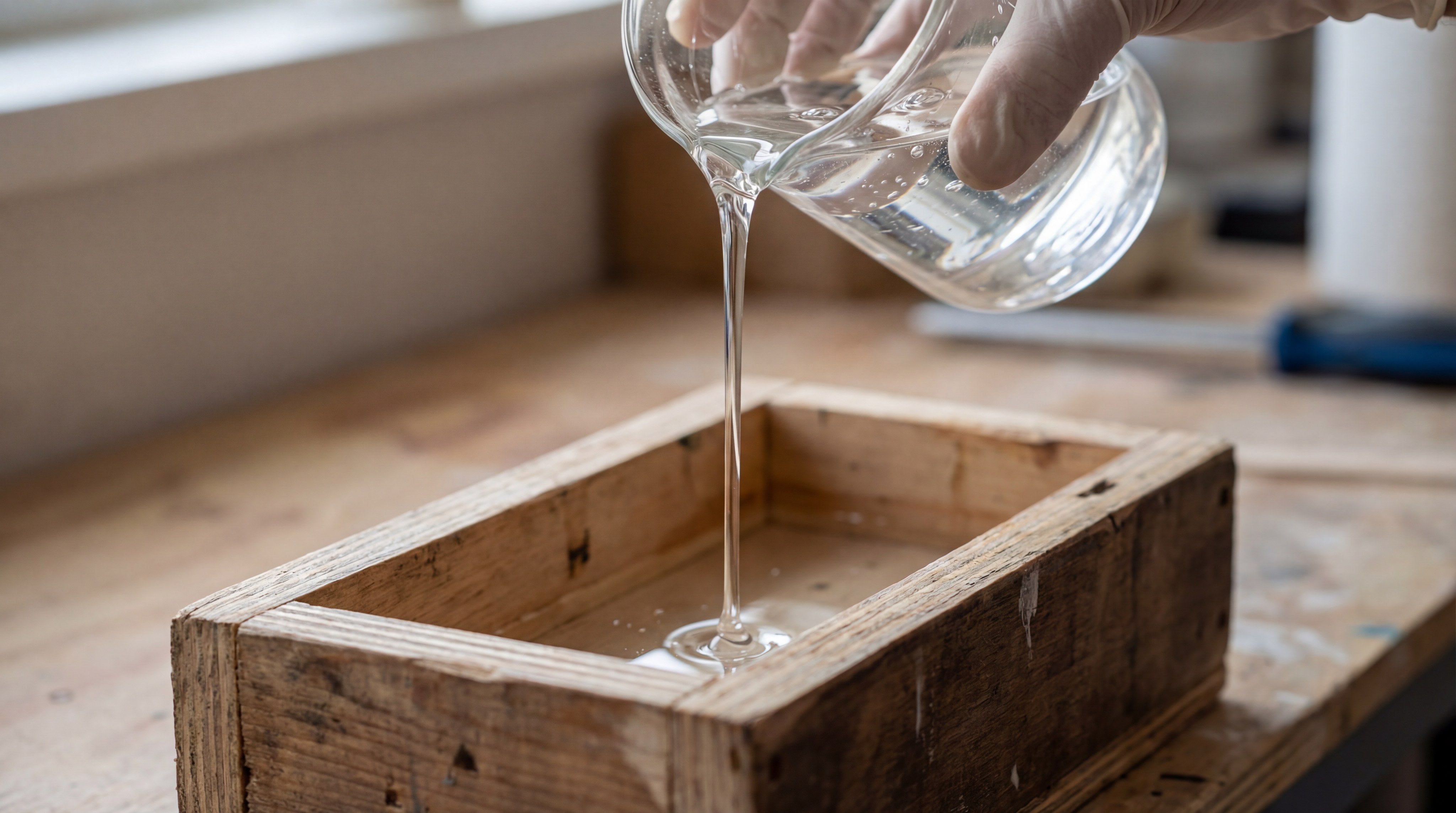
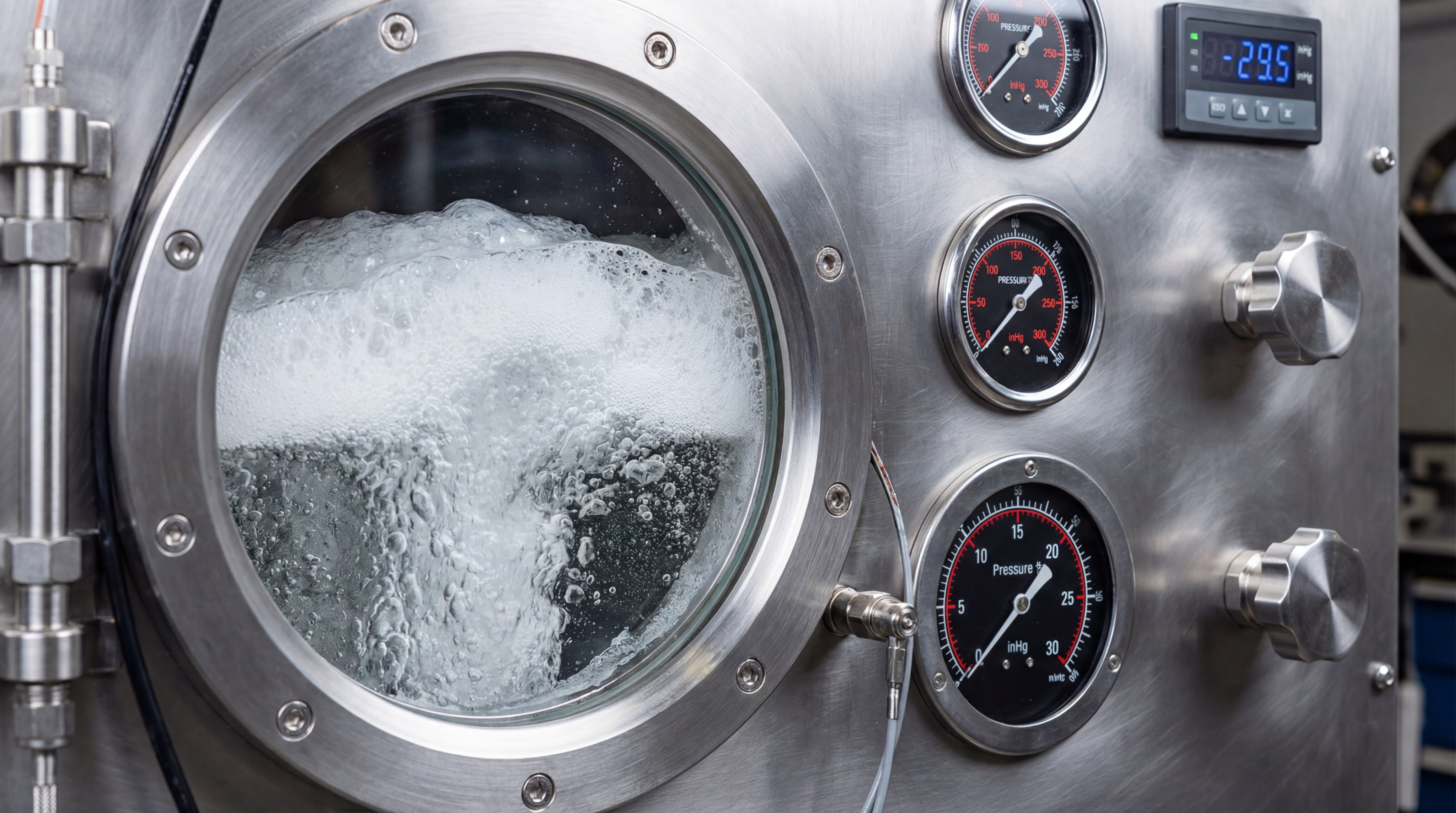
Removing air from the silicone mixture is the most critical step to prevent surface pitting and structural weakness. Professionals use vacuum chambers to degas the liquid, but a “long pour” technique can also help pop bubbles before they settle.
Look:
- Pour in a thin, steady stream from a height.
- Start at the lowest point of the mold housing.
- Allow the silicone to flow naturally over the master.
The best part? A bubble-free mold ensures that every detail, including embossed text, is perfectly captured.
Key Takeaway: Controlled pouring and air removal are the secrets to a professional-grade mold surface.
| Step | Action | Critical Goal |
|---|---|---|
| Preparation | Secure master to base | Prevent floating |
| Degassing | Vacuum or Long Pour | Eliminate voids |
| Curing | Temperature control | Prevent warping |
Meticulous attention to the pouring stage minimizes the risk of structural defects in the final mold.
7. How do you successfully execute a two-piece mold?
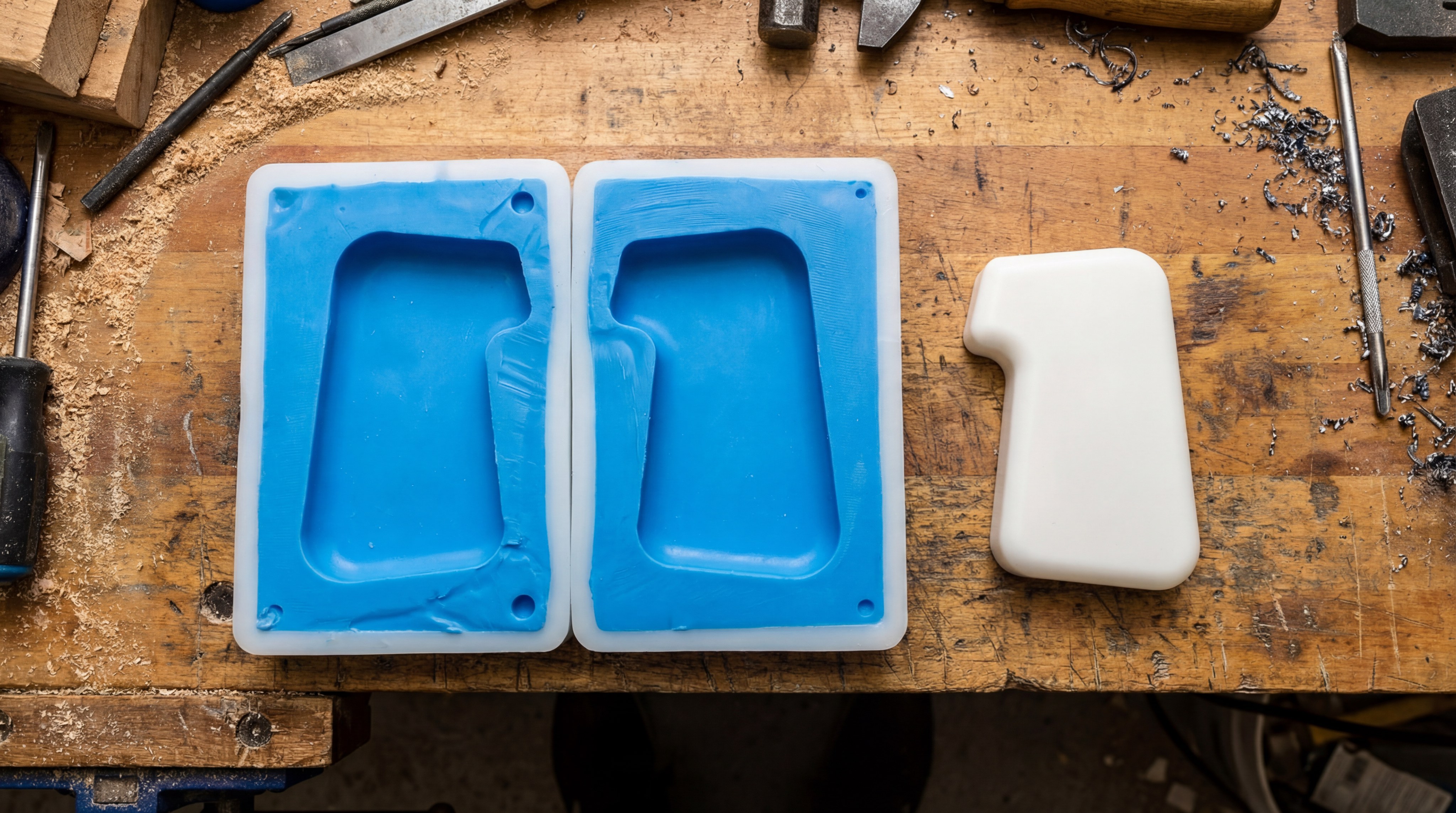
Executing a two-piece mold successfully requires a “two-stage pour” where each half is created sequentially using a parting line established by a clay bed. This Custom Silicone Manufacturing method is necessary for objects that must be accessible from all sides.
Why are alignment keys necessary?
Alignment keys, or registration marks, ensure that the two halves of the mold lock together in the exact same position every time. Without these features, the two halves might shift during casting, resulting in a misaligned or “stepped” final part.
Here is the deal:
- Keys prevent lateral shifting during the second pour.
- They ensure the parting line remains as thin as possible.
- Standard keys include cylindrical divots or beveled notches.
Look: If the two halves aren’t flush, resin will leak out, creating excessive flash that requires manual trimming.
Key Takeaway: Precision registration is the difference between a high-quality industrial part and a failed casting.
| Stage | Action | Importance |
|---|---|---|
| First Pour | Embed master in clay | Establishes parting line |
| Release Agent | Coat first silicone half | Prevents permanent bonding |
| Second Pour | Pour over first half | Creates mirrored cavity |
The second-stage pour relies entirely on the quality of the release agent to prevent a total mold failure.
8. What is the value of silicone overmolding?
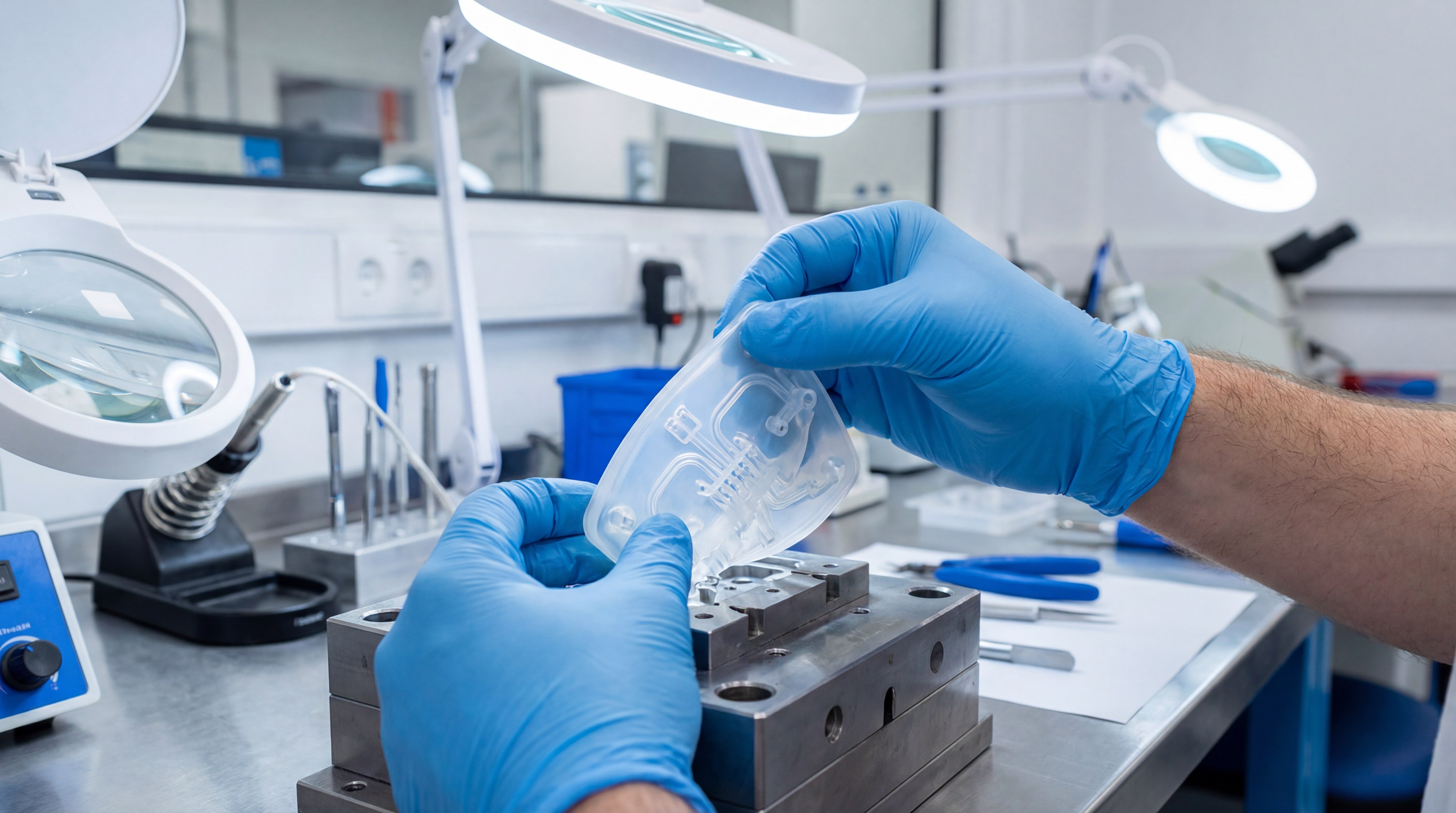
Silicone overmolding adds functional value by bonding a soft silicone layer onto a rigid substrate, such as a plastic handle or metal frame. This technique is a staple in Custom Silicone Manufacturing for creating ergonomic grips, protective sleeves, and integrated seals.
Can silicone bond to other materials?
Yes, silicone can be bonded to plastics and metals through chemical primers or mechanical interlocks designed into the substrate. This creates a permanent, seamless assembly that is much more durable than using adhesives after production.
Look:
- It eliminates the need for manual assembly.
- It provides superior sealing against water and dust.
- It enhances the tactile feel of consumer products.
The best part? Overmolding reduces long-term labor costs by consolidating multiple production steps into a single molding cycle.
Key Takeaway: Overmolding combines the strength of rigid materials with the protective benefits of silicone in a single, high-performance unit.
| Overmolding Benefit | Impact on End-User | Industrial Value |
|---|---|---|
| Soft-Touch Grip | Improved Ergonomics | User Comfort |
| Vibration Damping | Shock Protection | Component Longevity |
| Integrated Sealing | Waterproofing | IP-Rating Compliance |
Strategic overmolding enhances both the perceived quality and the functional durability of industrial tools.
9. How do you maintain quality in mass production?
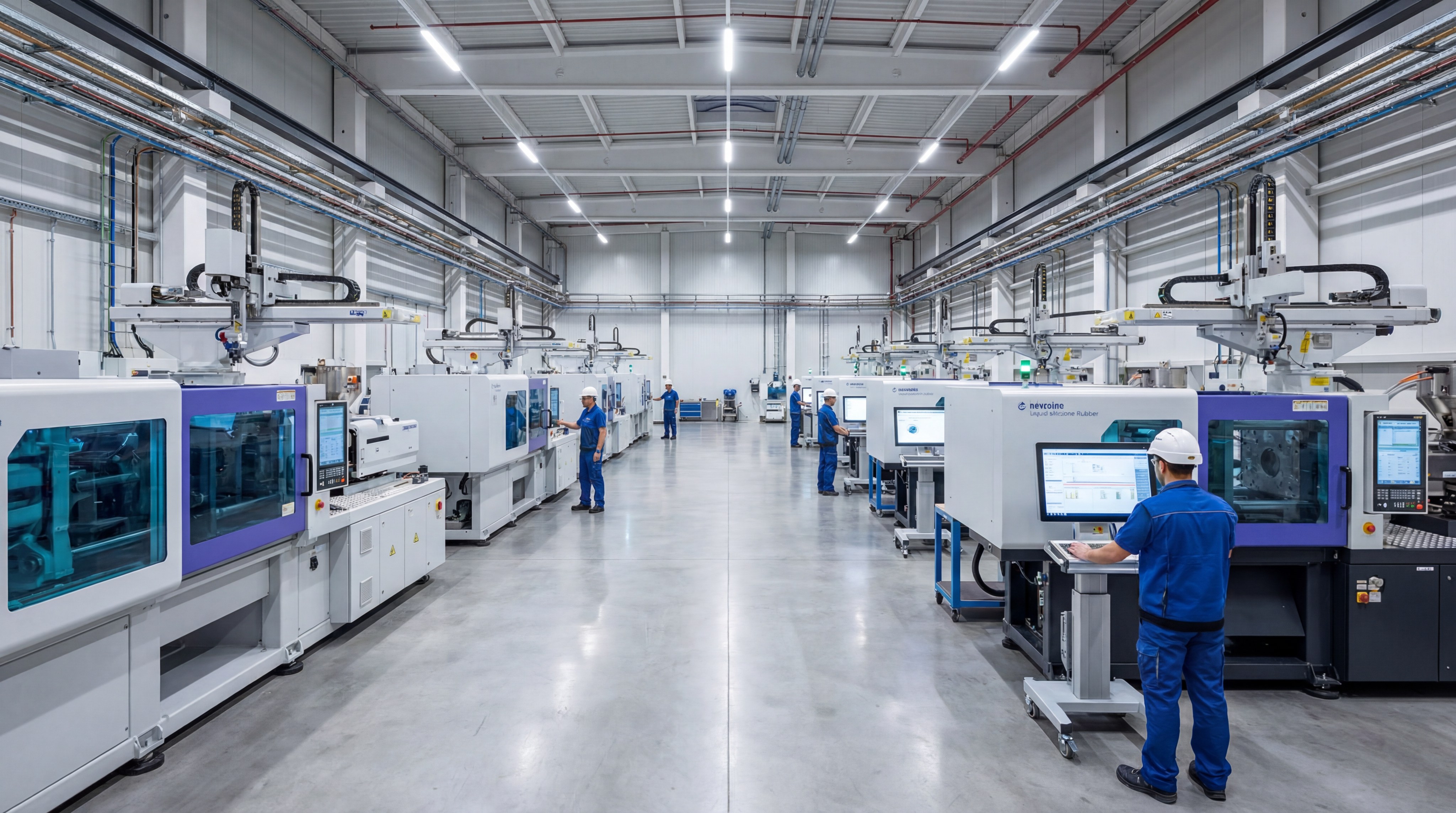
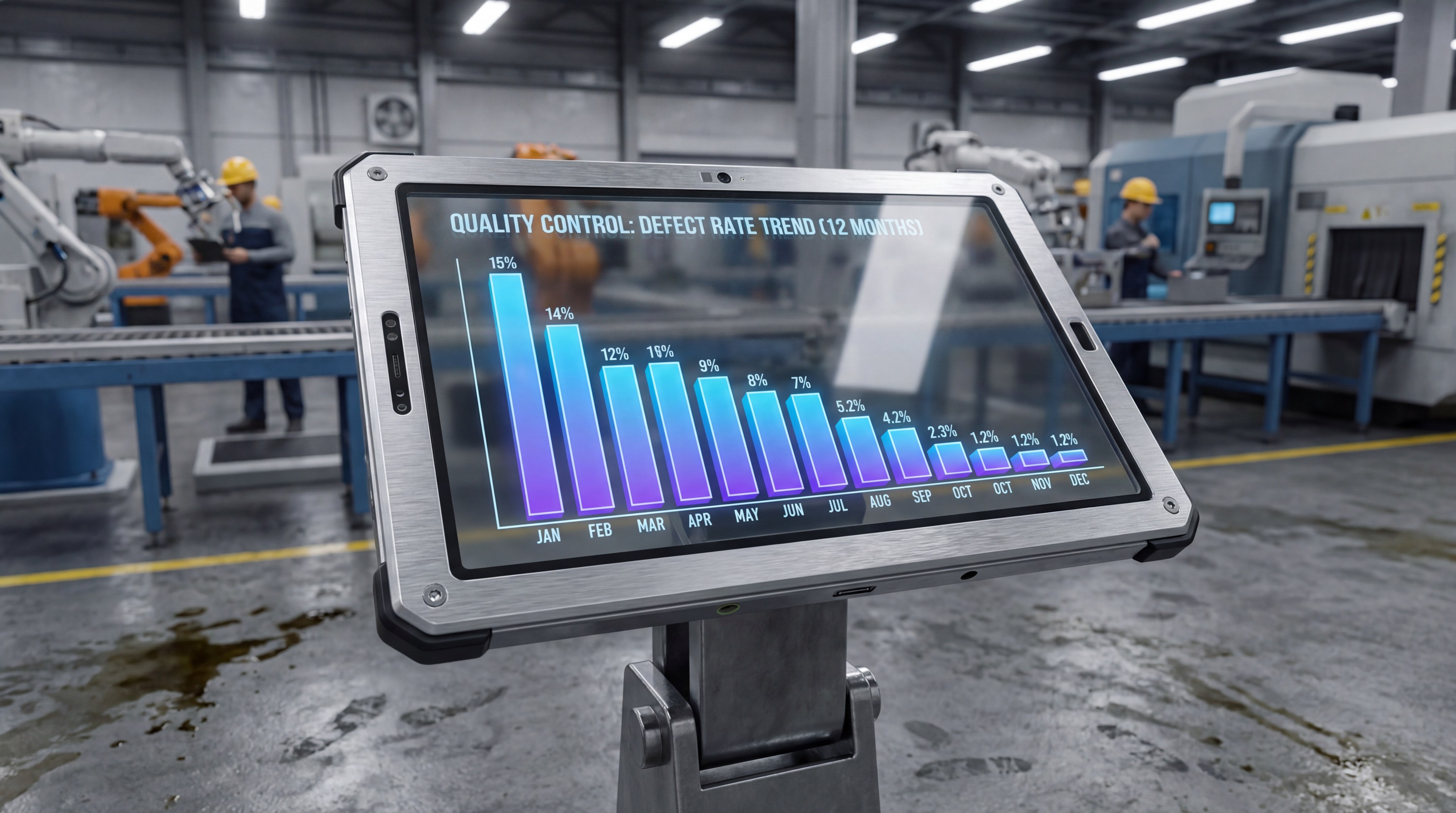
Maintaining quality in mass production requires a multi-stage inspection process that monitors material purity, dimensional accuracy, and surface integrity. In Custom Silicone Manufacturing, even small deviations in temperature or mix ratio can lead to batch-wide failures.
What are the standard QC protocols?
Standard protocols include Incoming Quality Control (IQC) for raw materials, In-Process Quality Control (IPQC) during molding, and Final Quality Control (FQC) before shipping. Modern factories use CCD visual inspection cameras to catch microscopic defects that human eyes might miss.
Here is the deal:
- 100% inspection is available for critical medical or automotive parts.
- Reliability tests include aging chambers and waterproof testing.
- IATF 16949 standards ensure full traceability of every batch.
You can learn more about our quality protocols to see how we maintain consistent excellence across thousands of units.
Key Takeaway: A robust quality assurance system is essential for preventing costly batch rejections and ensuring regulatory compliance.
| QC Stage | Tool/Method | Goal |
|---|---|---|
| IQC | Material Testing | Verify purity and mix ratio |
| IPQC | CCD Visual Scan | Catch molding defects early |
| FQC | Dimensional Check | Ensure tolerance compliance |
Integrated quality monitoring reduces waste and guarantees that every part meets the original engineering specification.
10. How do you choose the right manufacturing partner?
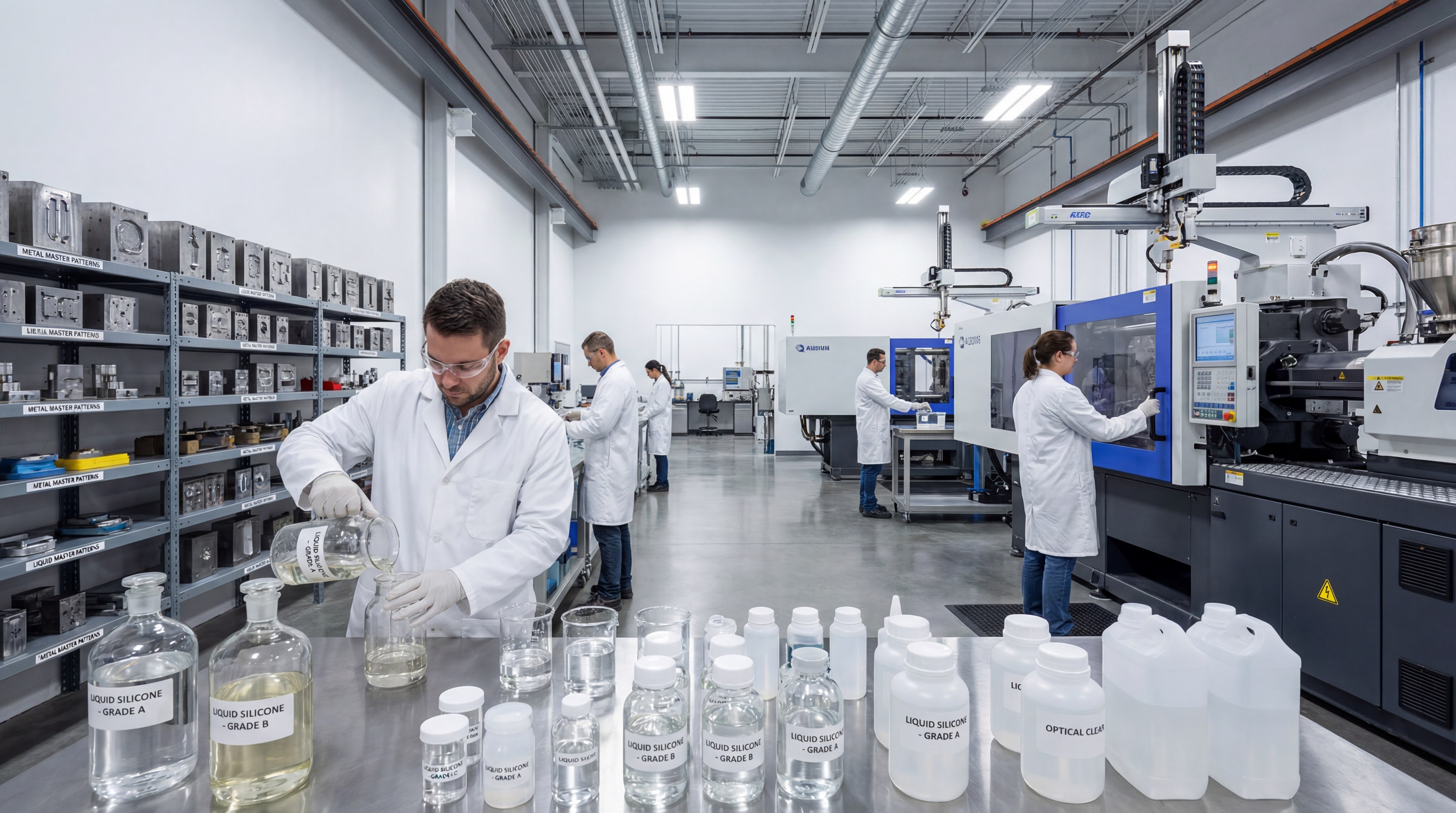
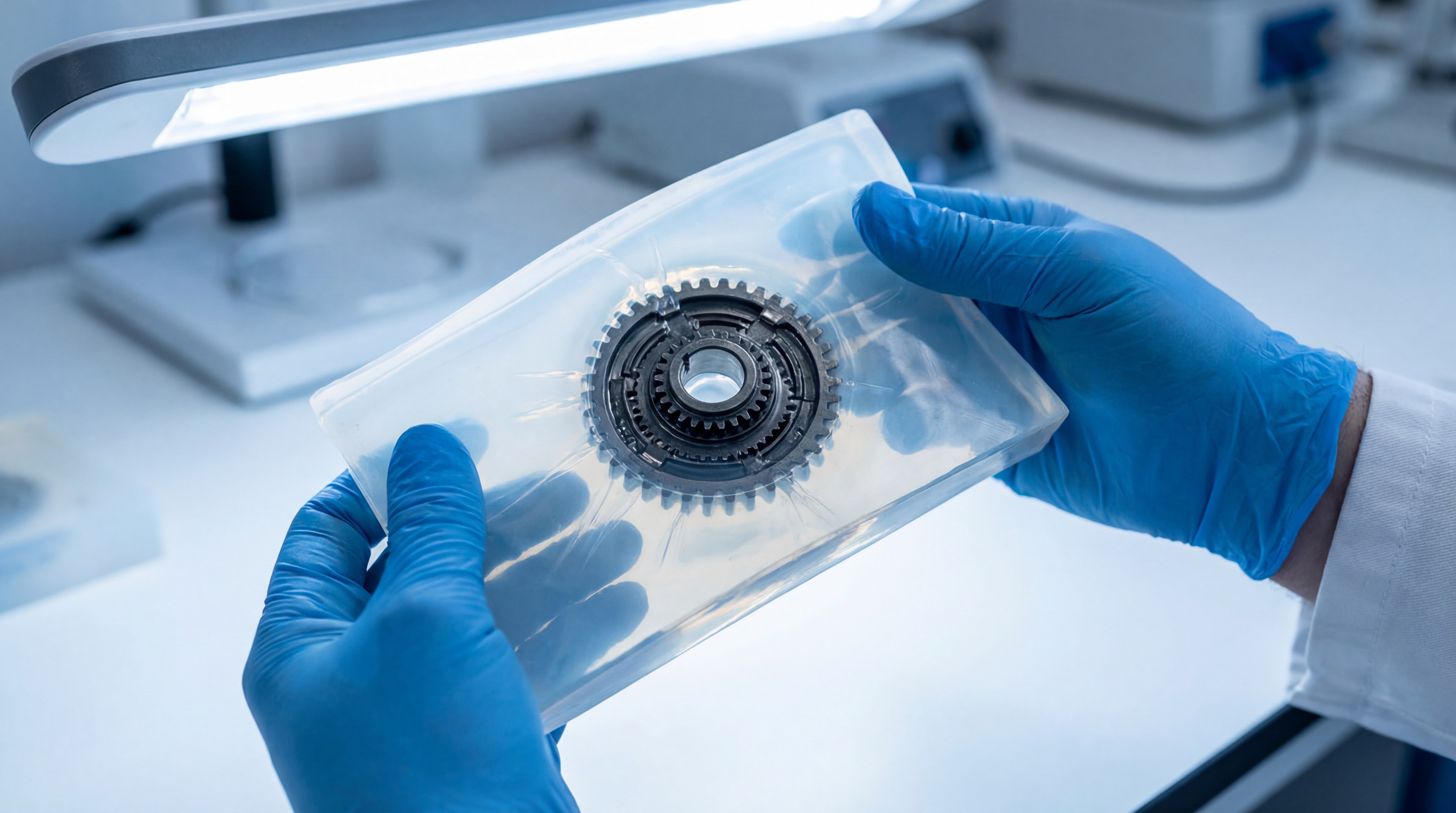
Choosing the right partner involves evaluating their in-house tooling capabilities, regulatory compliance, and ability to provide Design for Manufacturing (DFM) feedback. A partner who understands Custom Silicone Manufacturing deeply can help you optimize your design to save time and money.
Why is in-house mold making a priority?
Factories that handle their own mold design and manufacturing can iterate faster and maintain tighter control over quality. When tooling and production happen under one roof, the communication gap between designers and engineers is eliminated.
Look:
- Fast DFM feedback catches errors before tooling begins.
- In-house adjustments save weeks of shipping time.
- Direct accountability ensures the mold is built to last.
The best part? You get a more reliable product and a faster route to market.
Key Takeaway: Integrated partners provide the technical depth and speed required for successful large-scale product launches.
| Vendor Criteria | High-Quality Partner | Low-Cost Alternative |
|---|---|---|
| Tooling | In-house / Precision | Outsourced / Manual |
| Compliance | ISO 9001 / IATF 16949 | None or self-certified |
| DFM Support | Detailed / Proactive | Minimal or none |
Selecting a partner based on engineering capability rather than price alone ensures long-term project viability.
Frequently Asked Questions
Can I use 3D printed masters for silicone molds?
Yes, SLA (resin) printing is the preferred method for creating masters because it produces the smooth surfaces and sharp details required for industrial-grade silicone reproduction.
How do I know if I need a one-piece or two-piece mold?
If your part has a flat side and no internal voids, a one-piece mold is sufficient. However, if your part is fully 3D or has complex undercuts, you must use a two-piece mold to ensure safe extraction.
Can I mix different brands of silicone together?
No, mixing brands is not recommended as different manufacturers use different catalysts. This can result in “cure inhibition,” where the silicone remains tacky and never fully hardens.
How long does a professional silicone mold typically last?
A high-quality platinum-cure silicone mold can last between 25 and 50 pulls, depending on the complexity of the part and the chemical aggressiveness of the casting resin used.
How do I prevent bubbles without expensive equipment?
While a vacuum chamber is best, you can use the “long pour” technique. Pouring the silicone in a very thin, steady stream from a high distance helps air bubbles pop before they enter the mold housing.
At HuaLin Silicone, we are committed to providing factory-direct solutions that take you from initial design to stable mass production without the quality risks of traditional vendors. Our in-house engineering and IATF-certified processes ensure that your complex projects are delivered on time and within specification. To start your next project with a team that values precision and reliability, contact us today for a free DFM review and custom quote.