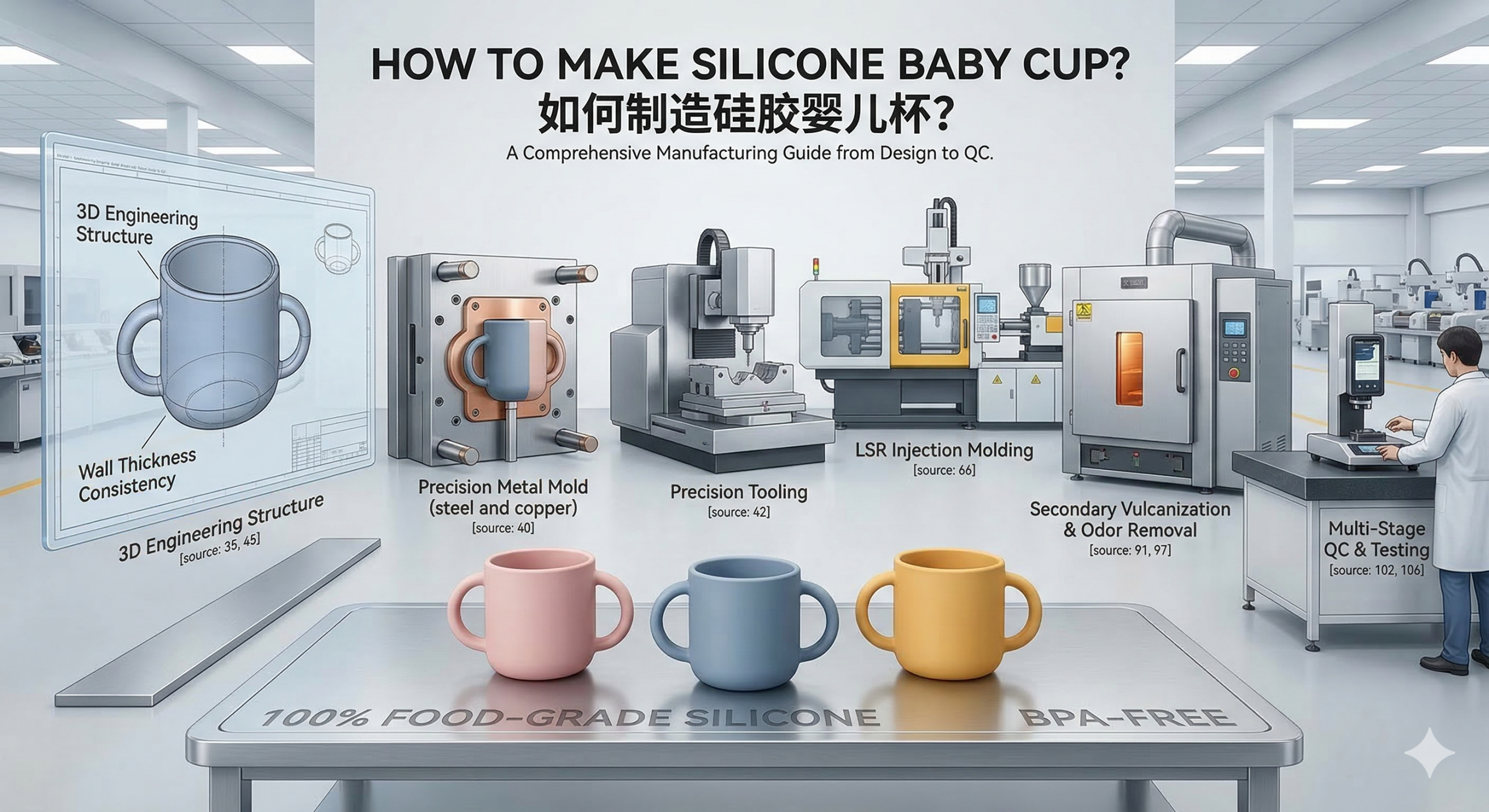
Manufacturing a silicone baby cup involves a technical sequence of 3D engineering, mold development, and high-temperature injection using 100% food-grade rubber. Transitioning infants to open cups often results in shattered glass or messy spills, creating stress for caregivers. Many parents also fear chemical leaching from cheap plastics, searching instead for a durable and non-toxic alternative for daily feeding.
Is is silicone safe for babies? Absolutely, and utilizing medical-grade silicone provides an unbreakable, heat-resistant solution that supports oral development while ensuring mealtime remains chemical-free.
What defines a high-quality silicone baby cup?
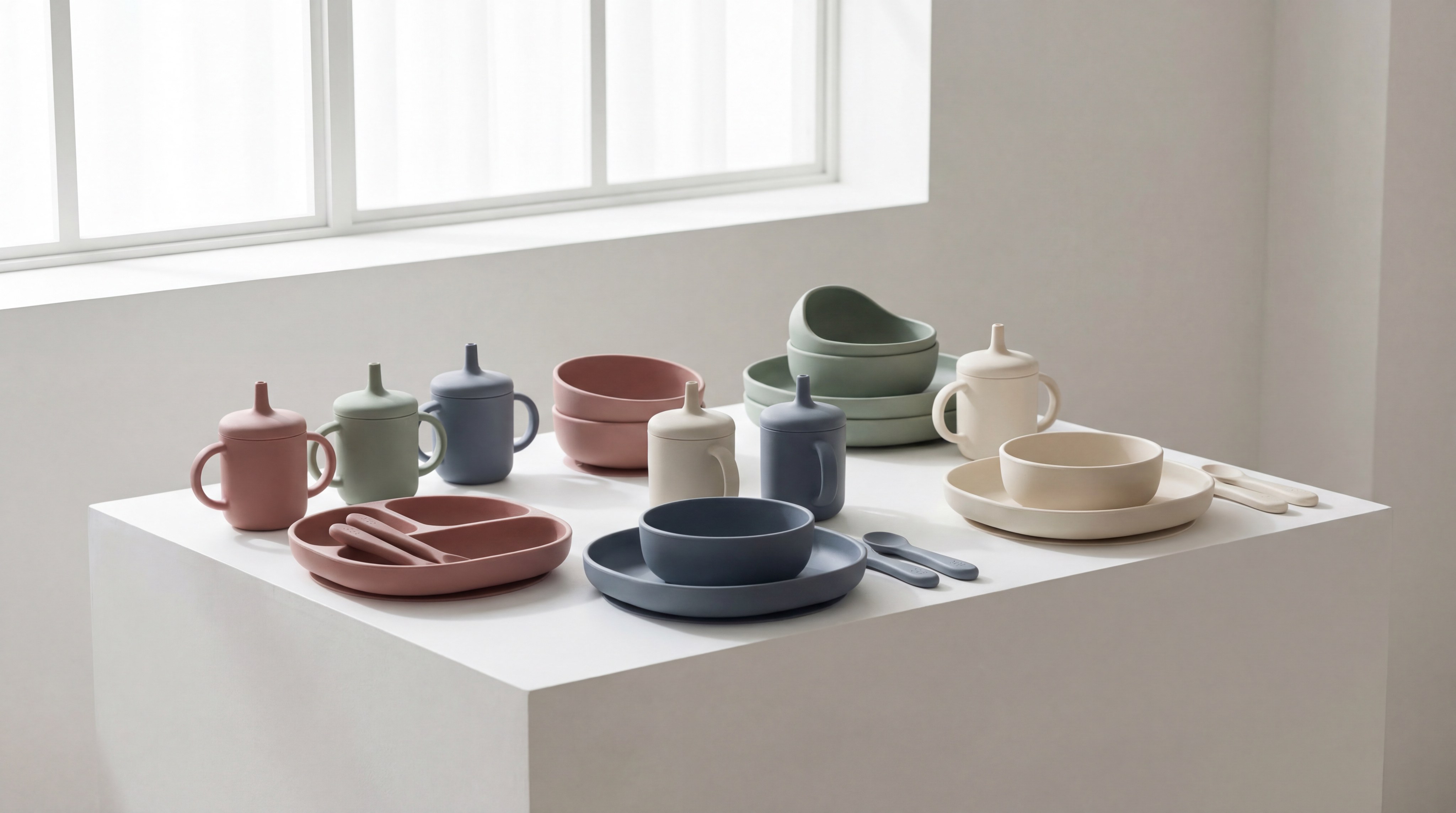
When evaluating production standards, the first question experts ask is: is silicone safe for babies? For a cup to be considered premium, it must be crafted from 100% food-grade silicone that is completely free from BPA, PVC, phthalates, and lead. Using high-purity raw materials ensures that no harmful substances migrate into liquid, even when heated.
What are the primary material features?
Think about it: the material properties define the user experience for both the parent and the child. High-quality silicone cups are engineered to be both functional and resilient under extreme conditions.
- Temperature Resistance: Capable of handling both boiling liquids and freezing snacks safely.
- Hypoallergenic Surface: A smooth finish that prevents the growth of bacteria and mold.
- Tactile Grip: A soft-touch surface that helps infants develop essential fine motor skills.
- Durability: Unlike plastic, it will not crack, peel, or become brittle over time.
Key Takeaway: Premium baby cups prioritize material purity and physical resilience to ensure long-term safety and utility.
| Feature Category | Quality Standard | Benefit for Infants |
|---|---|---|
| Material Purity | 100% Food-Grade | No chemical leaching into drinks |
| Thermal Range | -60°C to 200°C+ | Safe for microwave and freezer |
| Physical Texture | Soft Shore 30A-50A | Gentle on developing gums and teeth |
Analysis Guide: When selecting a manufacturer, verify their certifications and prioritize fumed silicone rubber for better clarity and tear strength.
Why is silicone the best choice for infants?
Safety is the top priority for any nursery product, and many developers wonder: is silicone safe for babies? Compared to traditional materials like plastic or glass, silicone offers a unique combination of flexibility and chemical stability. It effectively replaces hazardous materials by providing a soft, break-proof alternative that withstands the rigors of high-chair drops.
Is it more durable than plastic?
Believe it or not, silicone outlasts almost every other material in a kitchen environment. Its molecular structure allows it to absorb impact without structural failure.
- Break-Proof Design: Survives repeated drops on hard kitchen floors without chipping.
- Anti-Choking Safety: The flexible nature ensures there are no sharp edges if compressed.
- Stain Resistance: Does not absorb odors or colors from strong juices or milks.
- Eco-Friendly: Reusable for years, reducing the environmental impact of disposable plastics.
Key Takeaway: Silicone’s longevity and safety profile make it a cost-effective and superior alternative to hazardous plastics.
| Material Type | Durability Level | Safety Concerns | Life Cycle |
|---|---|---|---|
| Plastic | Low | BPA/Phthalate leaching | Short (cracks easily) |
| Glass | Moderate | Breaking/Sharding risk | Variable |
| Silicone | High | None (if food-grade) | Very Long (reusable) |
Analysis Guide: Analyze the “rebound” property of the material; high-quality silicone returns to its original shape instantly after compression.
How does the initial design phase begin?
Before production starts, engineers must confirm: is silicone safe for babies when designed with specific thicknesses? The process begins with a detailed 3D structure that accounts for liquid volume and the center of gravity. This prevents tipping while ensuring the handles are ergonomic for small, developing hands.
What goes into 3D structure and tooling?
The best part? Precision engineering prevents manufacturing defects before the metal molds are even cut.
- 3D Modeling: Creating a digital blueprint that defines the cup’s wall thickness and capacity.
- Mold Selection: Utilizing high-grade steel or copper for the tooling to ensure durability.
- Draft Angle Planning: Ensuring the cup can be removed from the mold without tearing.
- CNC Machining: Using 3-axis CNC machines to carve the precise shape into the metal.
Key Takeaway: Sophisticated 3D design and robust tooling are the foundations of a consistent, defect-free silicone product.
| Design Phase | Critical Requirement | Outcome |
|---|---|---|
| 3D Prototyping | Wall thickness consistency | Prevents collapse during use |
| Tooling Choice | S136 Steel or equivalent | High-volume production stability |
| DFM Review | Draft angle optimization | Minimizes waste and surface defects |
Analysis Guide: Always request a DFM (Design for Manufacturing) report to identify potential “weak spots” that could lead to air bubbles.
How is the silicone raw material mixed?
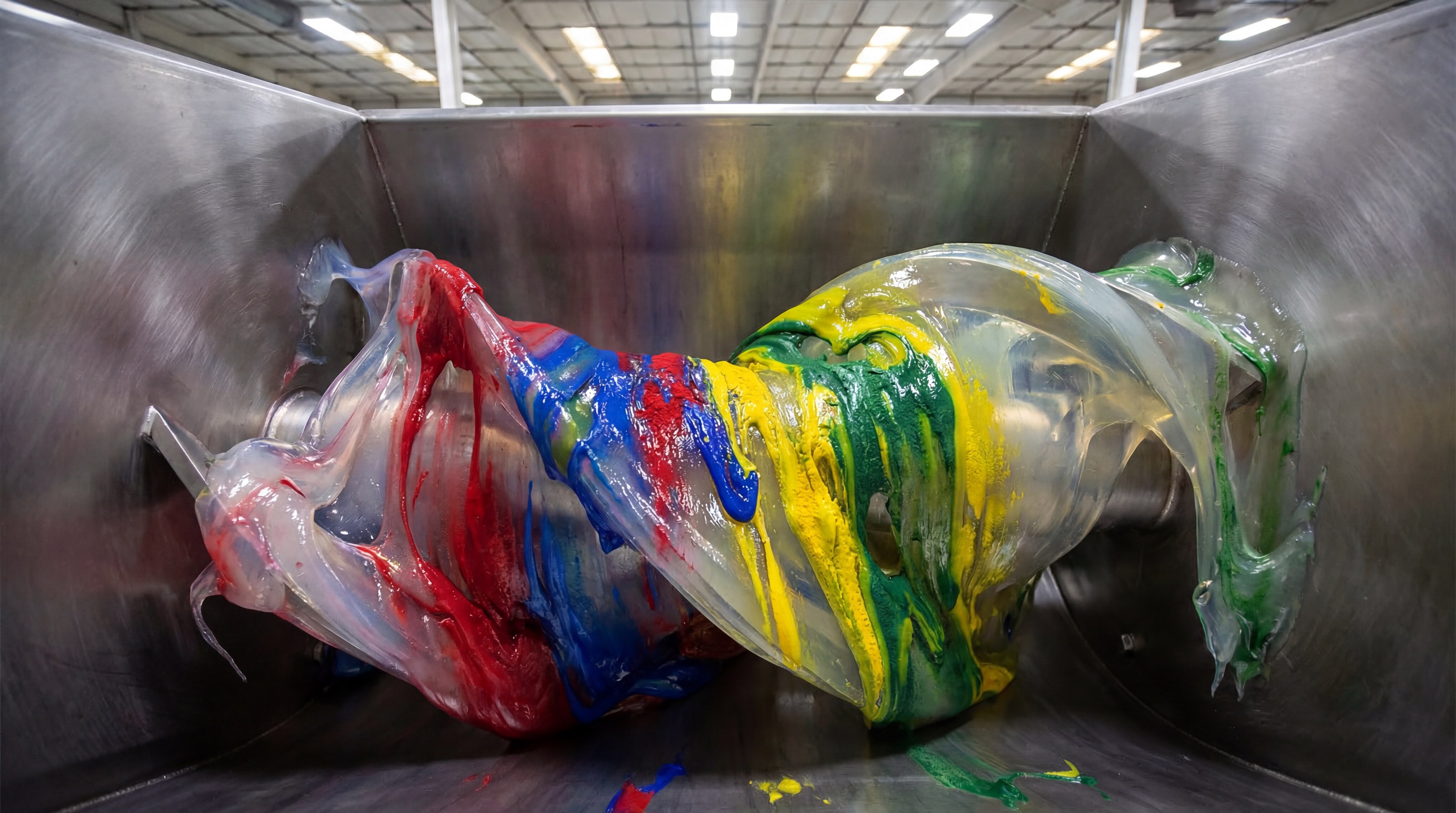
A common question during the material preparation stage is: is silicone safe for babies when pigments are added? To ensure safety, only food-grade color masterbatches are mixed with raw silicone rubber. This ensures the color is embedded in the material and cannot flake off during use.
How do you achieve custom colors?
Look: color is more than just aesthetics; it is part of your brand identity and market appeal. Manufacturers must precisely weigh every ingredient to maintain consistency across different batches.
- Base Selection: Choosing between transparent fumed silicone or precipitated rubber.
- Weight Precision: Using digital scales to ensure exact ratios of silicone and pigment.
- Mechanical Kneading: Using a roller machine to distribute color evenly through the material.
- Filtering: Passing the mixed material through mesh to remove any potential impurities.
Key Takeaway: Controlled mixing and high-purity pigments ensure that even vibrant cups remain non-toxic and color-fast.
| Mixing Step | Equipment Used | Purpose |
|---|---|---|
| Pigment Addition | Color Masterbatch | Achieves specific Pantone shades |
| Kneading | Two-Roll Mill | Ensures uniform color distribution |
| Weighing | Precision Digital Scales | Maintains batch-to-batch consistency |
Analysis Guide: Evaluate the clarity of the base material; fumed silicone is generally clearer and stronger for premium baby products.
Which molding process should you use?
Determining the right production method often leads back to the question: is silicone safe for babies during high-heat molding? The choice usually falls between Compression Molding and Liquid Silicone Rubber (LSR) Injection Molding. Each method offers different benefits depending on your desired production volume and design complexity.
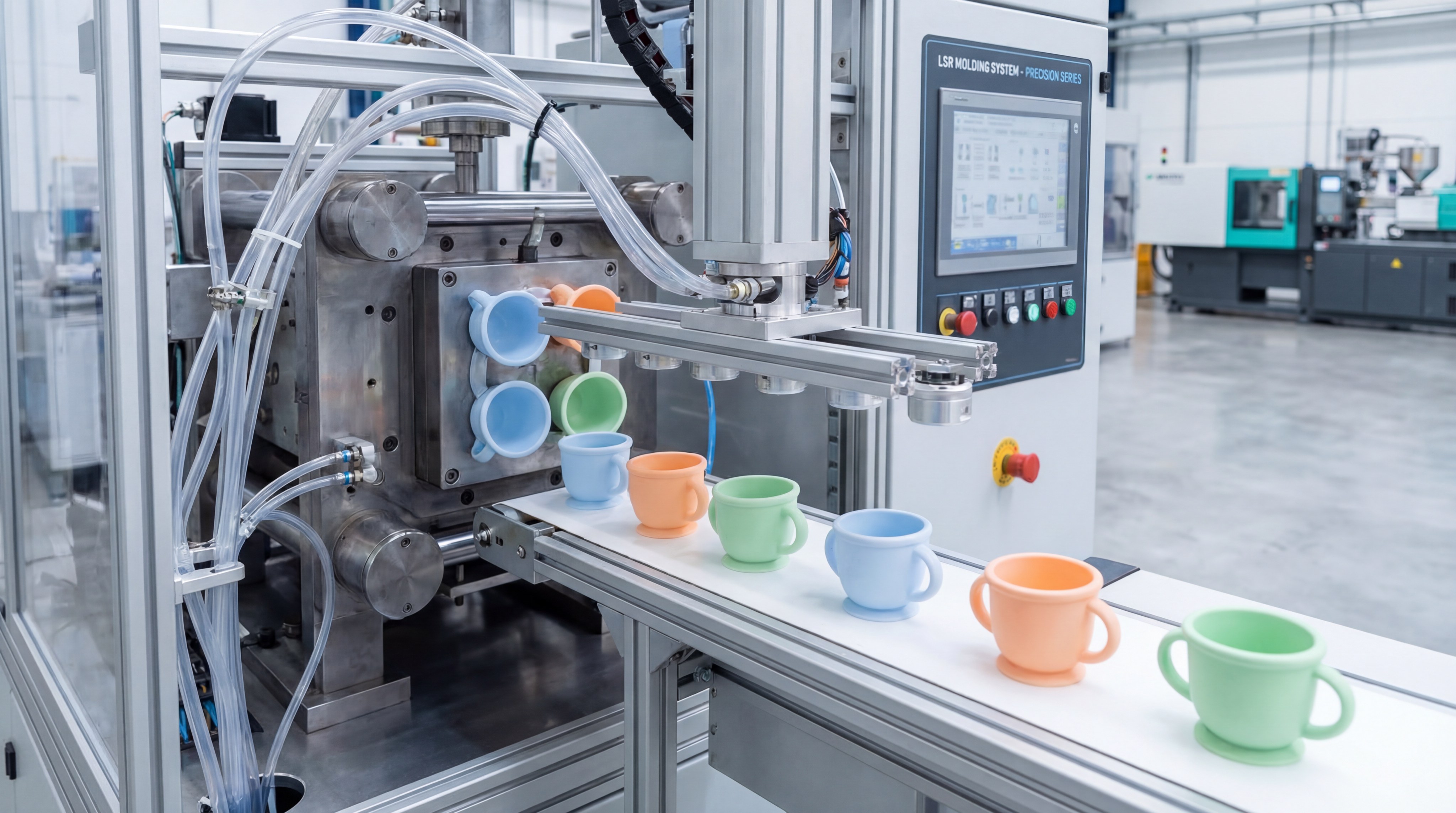
What is the difference between LSR and compression?
Here is the deal: your choice depends entirely on your budget and the complexity of your cup design.
- Compression Molding: Lower tooling costs and ideal for solid colors and simple shapes.
- LSR Injection: High precision, incredibly soft touch, and virtually invisible parting lines.
- Co-Injection: Allows for multi-colored designs or over-molding onto plastic frames.
- Curing Control: Precise management of temperature and pressure to ensure the silicone sets.
Key Takeaway: LSR is the gold standard for medical-grade precision, while compression molding offers the best value for high volumes.
| Process Type | Tooling Cost | Unit Cost | Parting Line Quality |
|---|---|---|---|
| Compression | Low to Moderate | Low | Visible |
| LSR Injection | High | Moderate | Minimal/Invisible |
| Over-molding | Moderate | High | Specialized |
Analysis Guide: If your design features intricate logos or very thin walls, LSR molding is generally the non-negotiable choice.
What occurs during curing and demolding?
During the heating stage, a chemical transition occurs, and technicians must monitor: is silicone safe for babies if the curing time is off? Once the material is injected into the mold, heat and pressure transform the raw rubber into a stable, solid cup. This process, known as vulcanization, defines the final hardness of the product.
How are cups removed from the mold?
Wait, there is more to it than just “popping” the cups out of the machine.
- Vulcanization: The process where silicone molecules cross-link to become a durable solid.
- Timing Accuracy: Precise control to prevent “under-cooking” or “over-cooking” the material.
- Manual/Auto Demolding: Removing the finished cup while warm to maintain shape integrity.
- Initial Visual QC: Checking for immediate flaws like air pockets or material shortages.
Key Takeaway: Successful curing requires a perfect balance of heat, pressure, and time to ensure the cup’s structural integrity.
| Curing Variable | Impact on Product | Correction Method |
|---|---|---|
| Temperature | Affects hardness/feel | Calibrated heating elements |
| Pressure | Controls wall thickness | Hydraulic system adjustment |
| Cycle Time | Affects material stability | Automated timer controls |
Analysis Guide: Examine the “flash” (excess material) around the edges; minimal flash indicates high-quality tooling and precise pressure settings.
Why is secondary vulcanization mandatory?
After the initial mold, the question remains: is silicone safe for babies if there is a lingering rubber smell? Secondary vulcanization is the critical baking process that removes volatile organic compounds (VOCs) and catalyst residues. This step ensures the final product is completely odorless and safe for oral contact.
Does it eliminate chemical odors?
The secret is in the oven: specialized industrial ovens bake the cups to finalize the chemical transition.
- Oven Baking: Placing the cups in a high-temperature oven for 2 to 4 hours.
- Standard Compliance: An essential step to meet stringent FDA and LFGB food-safety standards.
- Hardness Stabilization: Finalizes the material’s physical properties so it doesn’t change over time.
- Odor Removal: Evaporates any remaining chemical by-products from the molding phase.
Key Takeaway: Never skip secondary vulcanization; it is the final guarantee of a non-toxic, medical-grade product.
| Process Metric | Duration | Standard Met |
|---|---|---|
| FDA Standard | 2 Hours @ 200°C | Basic safety compliance |
| LFGB Standard | 4 Hours @ 200°C | EU-grade premium safety |
| No Baking | 0 Hours | Not recommended for babies |
Analysis Guide: If a silicone product has a strong “rubbery” smell, it likely skipped this critical secondary baking stage.
How is the final quality control managed?
Final inspection is where technicians verify once more: is silicone safe for babies before the product reaches the warehouse? This involves rigorous testing for material purity, suction strength, and mechanical durability. Every unit must be able to withstand stress without breaking into small parts that could become choking hazards.
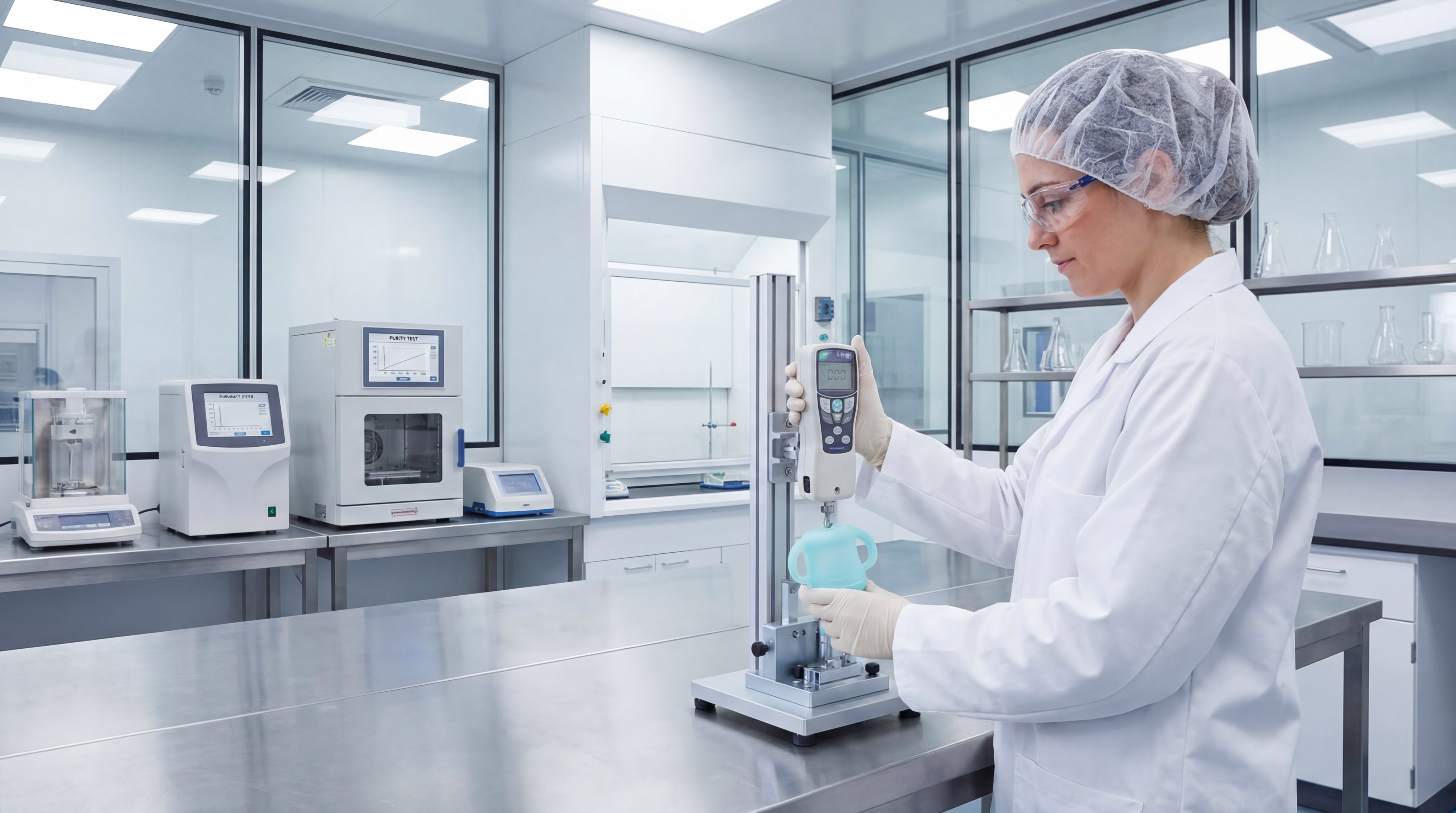
What testing ensures product safety?
It gets better: a multi-stage quality audit prevents defective units from ever leaving the factory floor.
- Tensile Testing: Pulling the silicone to ensure it does not tear under extreme force.
- Visual Audit: Human inspectors look for black spots, air bubbles, or surface impurities.
- Dimensional Check: Verifying that every cup matches the 3D blueprint within microns.
- Suction Verification: Ensuring lids or bases function correctly for spill-proof designs.
Key Takeaway: Rigorous QC and professional oversight transform a raw manufactured part into a retail-ready trusted product.
| QC Check | Method | Target |
|---|---|---|
| Tensile Test | Mechanical pulling | No tearing under stress |
| Visual Check | 100% human audit | Zero black spots or bubbles |
| Dimensional | Caliper measurement | Matches 3D blueprint exactly |
Analysis Guide: For high-end branding, consider “In-Mold Logos” that are carved into the tooling to prevent scraping or fading.
What is the cost to manufacture these cups?
When planning your budget, you must ask: is silicone safe for babies within my target price point? Production costs generally range from $1.29 to $3.19 USD per unit. This price fluctuates based on the material grade, design complexity, and specific packaging requirements you select.
Which factors influence the unit price?
Think about it: scale is your best friend in manufacturing, but quality always comes at a baseline cost.
- Material Grade: Platinum-cured silicone is more expensive than standard peroxide-cured grades.
- Tooling Investment: LSR molds are more expensive upfront but lower unit costs over time.
- Order Volume: Bulk manufacturing significantly reduces the overhead costs per cup.
- Post-Processing: Extra steps like laser engraving or complex packaging add to the final price.
Key Takeaway: Balancing upfront tooling costs with order volume is the key to achieving a profitable retail margin.
| Cost Driver | Influence | Strategy for Savings |
|---|---|---|
| Tooling | High Upfront | Amortize over 10,000+ units |
| Material | Moderate | Use standard food-grade for basics |
| Packaging | Low to Moderate | Use simple polybags for bulk |
Analysis Guide: Don’t just look at the unit price; a slightly higher cost including 100% inspection saves you from expensive product recalls.
How do you handle custom branding?
Branding is the final step in the process, and retailers often ask: is silicone safe for babies when using ink branding? We utilize non-toxic, food-safe silicone inks for printing logos or patterns. Alternatively, laser engraving offers a permanent, ink-free branding solution that will never fade or peel during washing.
What are the logo printing options?
Here is the thing: your branding should be as durable as the cup itself to maintain a professional appearance.
- Screen Printing: Adding logos with specialized, food-safe silicone inks.
- Laser Engraving: Permanent, ink-less branding that cannot be scraped off by infants.
- Custom Packaging: Options including eco-friendly paper boxes or printed hangtags.
- In-Mold Logos: Carving the logo directly into the steel mold for a 3D effect.
Key Takeaway: Sophisticated branding and high-quality packaging turn a simple silicone cup into a recognized household brand.
| Branding Method | Durability | Cost Level |
|---|---|---|
| Screen Printing | High | Moderate |
| Laser Engraving | Permanent | Low per unit |
| In-Mold Logo | Permanent | High Tooling Cost |
Analysis Guide: For infants, laser engraving is the preferred choice as it avoids any potential for ink consumption if the baby chews the logo.
Common manufacturing questions?
- Can silicone baby cups go in the dishwasher?
Yes, they are top-rack dishwasher safe and can withstand high-temperature cycles without warping. - What’s the best way to verify food-grade purity?
Perform the “pinch test”; if you twist the silicone and it turns white, it likely contains cheap fillers. - Can I customize the color to match my brand?
Yes, we can match any Pantone color to align perfectly with your existing product line. - How long does the tooling process take?
Usually, mold development and sampling take between 15 and 25 days depending on the design. - What’s the standard MOQ for custom designs?
For custom cups, minimum orders typically start at 500 to 1,000 units to offset setup costs.
Understanding every phase of the silicone baby cup manufacturing process—from 3D design to secondary vulcanization—is vital for delivering a safe, trusted product. By prioritizing high-grade materials and rigorous quality control, you ensure your brand stands for excellence in the infant care market. Ready to launch your own line of premium infant products? contact us today to get a custom quote and professional engineering support for your next project.