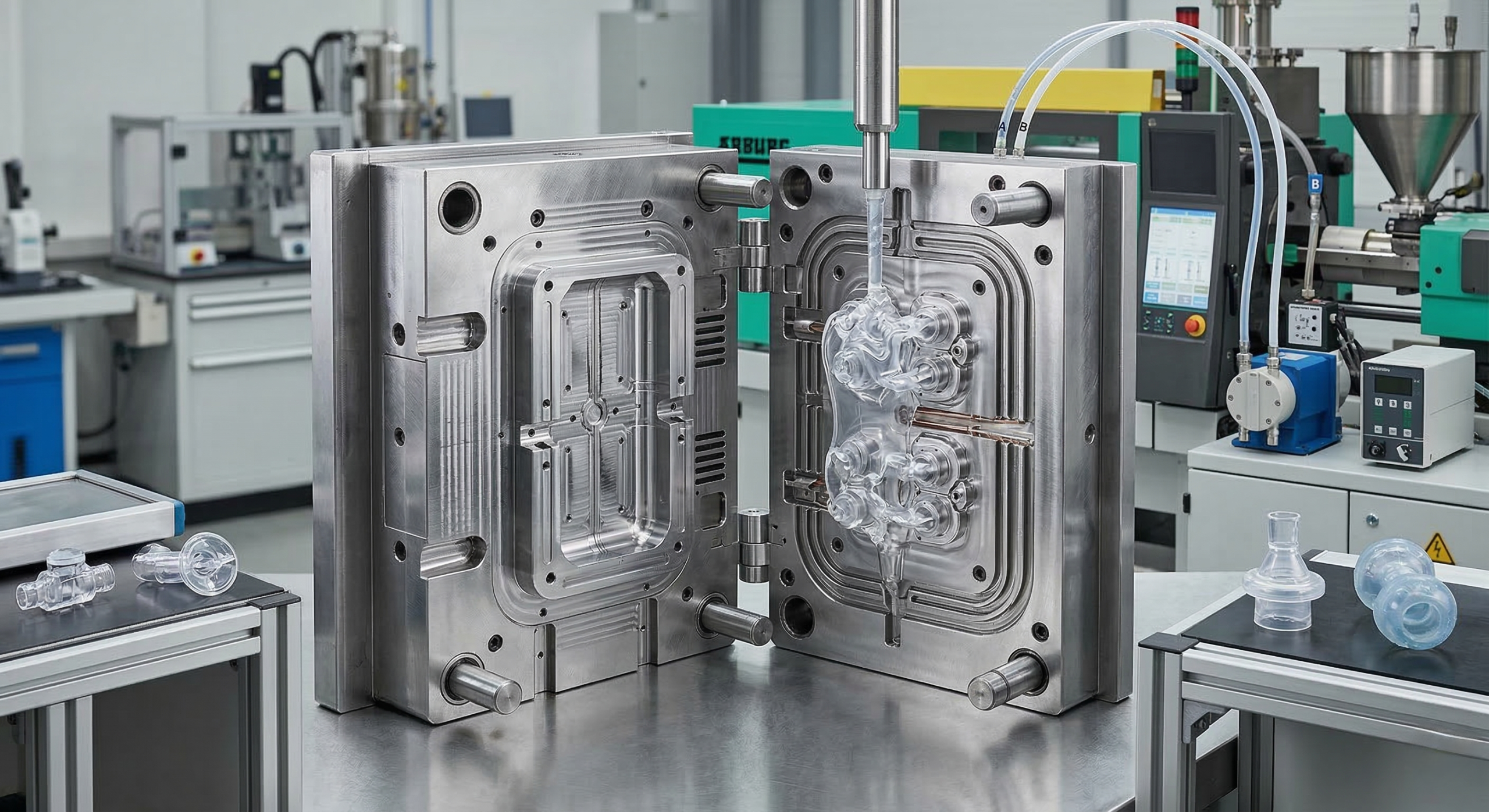
Why is liquid silicone rubber (LSR) tooling so expensive? The high cost is primarily driven by the need for extremely high-precision hardened steel molds that can withstand high temperatures and prevent material “flash” due to the silicone’s low viscosity. You may feel overwhelmed when you receive an initial quote that seems significantly higher than traditional plastic injection molding. If you ignore these variables, you risk choosing poor-quality tooling that leads to high scrap rates and constant production delays. By partnering with an expert who understands Why is liquid silicone rubber (LSR) tooling so expensive?, you can optimize your design for better ROI and long-term durability.
What is liquid silicone rubber exactly?
Why is liquid silicone rubber (LSR) tooling so expensive? It involves processing a unique two-component material that requires specialized mixing and heat-curing equipment unlike standard thermoplastics. This material is a platinum-cured elastomer that offers incredible stability across extreme temperature ranges.
What are the main properties of LSR?
Look: LSR provides a set of physical characteristics that make it indispensable for high-performance applications. It maintains flexibility from -50°C to 250°C while resisting chemicals and UV aging.
- High thermal stability for extreme environments.
- Excellent electrical insulation properties.
- Superior elongation and tear strength.
Where is this material typically used?
Here is the kicker: the demand for this material is exploding across sectors that require safety and longevity. You will find it in everything from automotive gaskets to specialized pet products that need to be non-toxic and durable.
- Consumer electronics and wearable straps.
- Automotive engine seals and gaskets.
- Industrial valves and dampening components.
Key Takeaway: LSR is a premium material choice because it offers life-long durability and safety that cheaper plastics simply cannot match in harsh conditions.
| Property | Benefit for Users |
|---|---|
| Thermal Range | Works in freezing or boiling temperatures. |
| Durability | Resists aging and ozone degradation. |
| Safety | Hypoallergenic and non-toxic for contact. |
The following table summarizes why these properties justify the initial material investment.
How much do LSR raw materials cost?
Why is liquid silicone rubber (LSR) tooling so expensive? The Why is liquid silicone rubber (LSR) tooling so expensive? question is often coupled with the fact that raw LSR is priced as a high-performance elastomer rather than a commodity plastic. Standard grades usually start at a higher price point because of the platinum catalyst and pure chemical composition.
What is the price for general-purpose LSR?
But wait, there is more: the price you pay depends heavily on the volume and the specific additives required for your part. For most industrial applications, you can expect a stable price range that reflects the quality of the raw components.
- Standard price range: $10 to $20 per kilogram.
- Fluctuations based on color matching requirements.
- Volume discounts for large-scale production runs.
Why do specialty grades cost more?
Believe it or not: when you move into medical or food-contact grades, the price increases due to the rigorous testing and certifications involved. You are paying for the peace of mind that the material meets international safety standards like FDA or LFGB.
- Medical grade: $25 to $50 per kilogram.
- Optical grade for LED lenses: $40+ per kilogram.
- Self-lubricating or flame-retardant additives.
Key Takeaway: While raw material costs are higher than TPE or HCR, the performance benefits and safety certifications provide a much higher value for regulated industries.
| Material Grade | Avg. Cost / kg | Typical Application |
|---|---|---|
| General Purpose | $10 – $20 | Automotive, Industrial |
| Food/Medical | $25 – $50 | Kitchenware, Implants |
| Specialty | $40 – $70+ | LED Optics, Electronics |
This breakdown illustrates how grade selection directly impacts your bottom line.
What drives the injection molding costs?
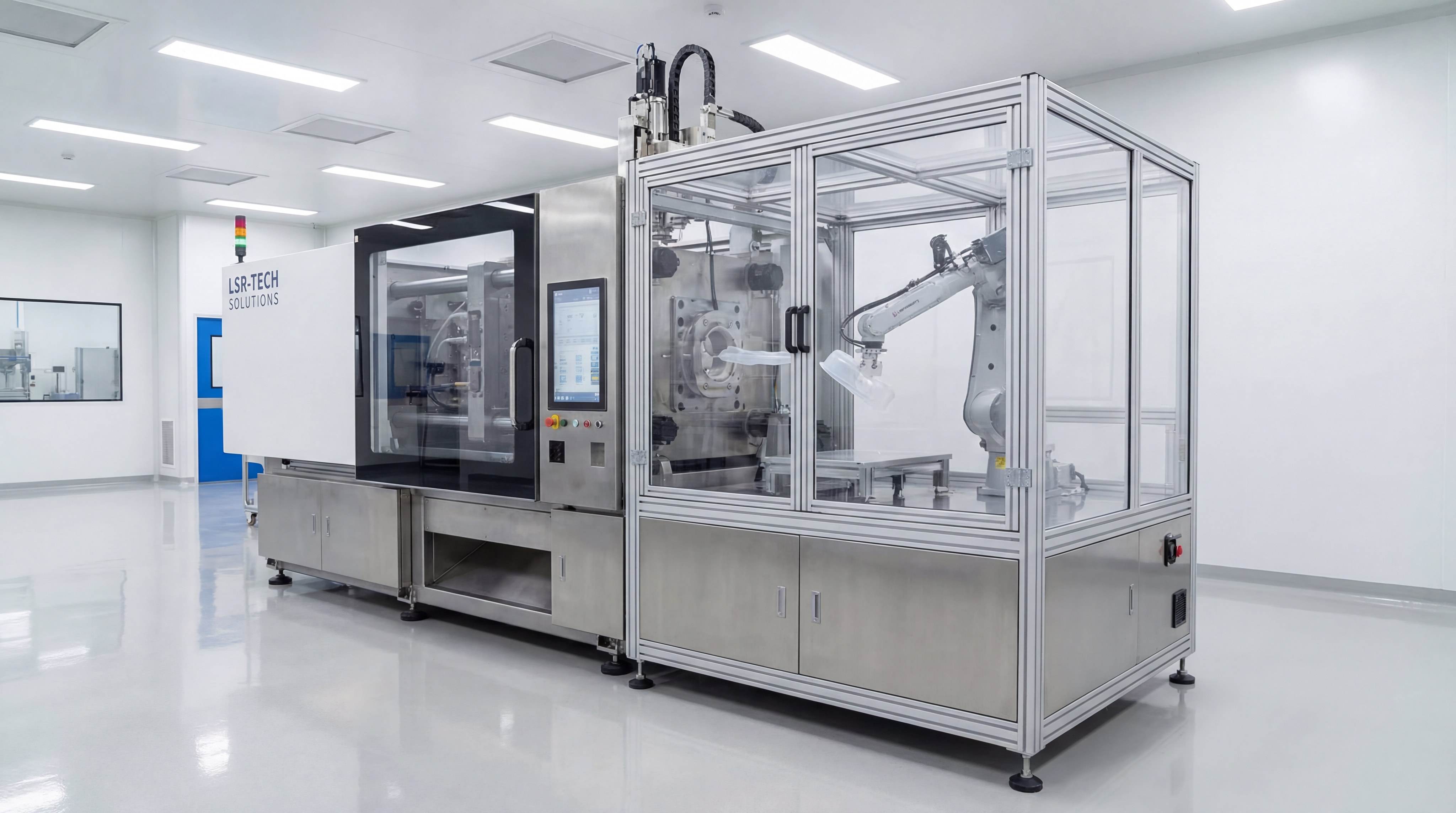
Why is liquid silicone rubber (LSR) tooling so expensive? The cost of the molding process itself is influenced by the need for specialized LSR-only injection machines that use precise A+B dosing pumps. These machines are highly automated to ensure that the two components are mixed in an exact 1:1 ratio before reaching the mold.
How do machine rates affect you?
Let’s face it: running a specialized LSR press is more expensive than a standard plastic press due to the equipment’s complexity. You are paying for a process that ensures zero contamination and perfect material consistency in every cycle.
- Hourly rates: $40 to $120 per hour.
- Precision dosing equipment maintenance costs.
- Energy consumption for heated mold plates.
Why is cycle time so important?
The real secret: because LSR is heat-cured, the time the part spends inside the mold determines your final unit price. If your part is thick, it takes longer to cure, which means you get fewer parts per hour from the machine.
- Standard cycle times: 30 to 90 seconds.
- Automation reduces the need for manual labor.
- Thin-walled designs allow for much faster curing.
Key Takeaway: Optimizing your part thickness and utilizing automated machines are the two fastest ways to lower your per-unit molding expenses.
| Factor | Cost Impact | optimization Strategy |
|---|---|---|
| Cycle Time | High | Reduce wall thickness for faster cure. |
| Labor | Medium | Use fully automated de-molding. |
| Set-up Fee | Fixed | Run larger batches to spread the cost. |
Review these factors to understand how processing time translates into money.
Why is LSR mold making so pricey?
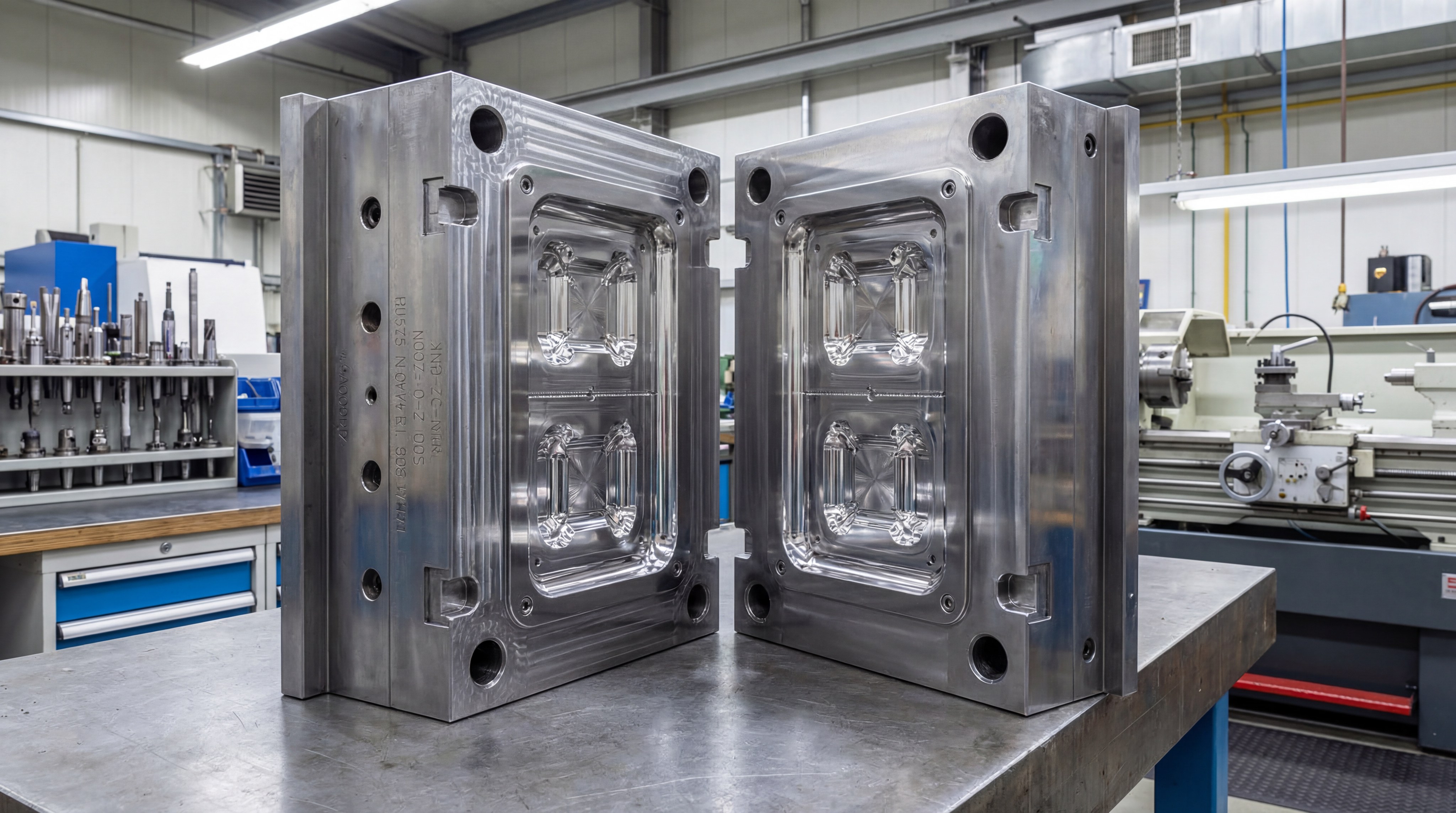
Why is liquid silicone rubber (LSR) tooling so expensive? The primary answer lies in the engineering required to manage Why is liquid silicone rubber (LSR) tooling so expensive? regarding the material’s ability to flow into gaps as small as 0.005mm. Molds must be crafted from high-grade hardened steel and finished with extreme precision to prevent flash.
What goes into high-quality mold making?
Make no mistake: a cheap mold will cost you more in the long run through wasted material and defective parts. High-quality molds include complex cooling and heating systems that must be perfectly balanced across all cavities.
- Use of hardened tool steel for longevity.
- Integrated heating cartridges for consistent curing.
- Vacuum systems to prevent air entrapment.
How does cavity count change the price?
Here is the deal: while a single-cavity prototype mold is affordable, a high-volume multi-cavity production mold requires a massive upfront investment. However, moving to more cavities drastically reduces your cost per part during mass production.
- Prototype molds: $5,000 to $12,000.
- Production molds: $15,000 to $50,000.
- Multi-cavity cold runner systems: $60,000+.
Key Takeaway: High-quality tooling is an investment in production stability, ensuring your parts remain within tolerance over hundreds of thousands of cycles.
| Mold Type | Est. Investment | Best For |
|---|---|---|
| Single Cavity | $5k – $10k | R&D, Small Batches |
| Standard Multi | $15k – $40k | Mid-Volume Production |
| Cold Runner | $50k – $100k | High-Volume Efficiency |
Choosing the right mold type is the most critical decision for your project budget.
Does production volume affect the price?
Why is liquid silicone rubber (LSR) tooling so expensive? It is expensive because it is designed for scale; therefore, the more parts you produce, the more you can dilute that initial tooling cost. In high-volume manufacturing, the material and machine time eventually become the dominant costs rather than the mold.
Is LSR viable for low-volume orders?
You might be wondering: can I use LSR for just a few hundred parts? While possible, the cost per piece will be very high because you must pay off the mold investment quickly over a small number of units.
- High per-unit cost for batches under 1,000.
- Often used for high-value smart wearable silicone parts.
- MUD inserts can help lower the entry cost for prototypes.
Why is high-volume LSR so efficient?
Look: the beauty of LSR is its suitability for full automation, which makes million-unit runs incredibly cost-effective. Once the mold is paid for, your unit price drops to just a fraction of the initial prototype cost.
- Labor costs vanish with automated part removal.
- Material waste is minimized with cold runner systems.
- Consistent quality leads to nearly zero scrap rates.
Key Takeaway: LSR offers the best ROI for high-volume projects where its durability and automated processing can be fully leveraged.
| Order Quantity | Amortized Tooling | Final Part Cost |
|---|---|---|
| 1,000 Units | $10.00 | $12.50 |
| 10,000 Units | $1.00 | $2.80 |
| 100,000 Units | $0.10 | $1.15 |
This table clearly demonstrates how scaling your production volume slashes the unit price.
Are there hidden costs in LSR projects?
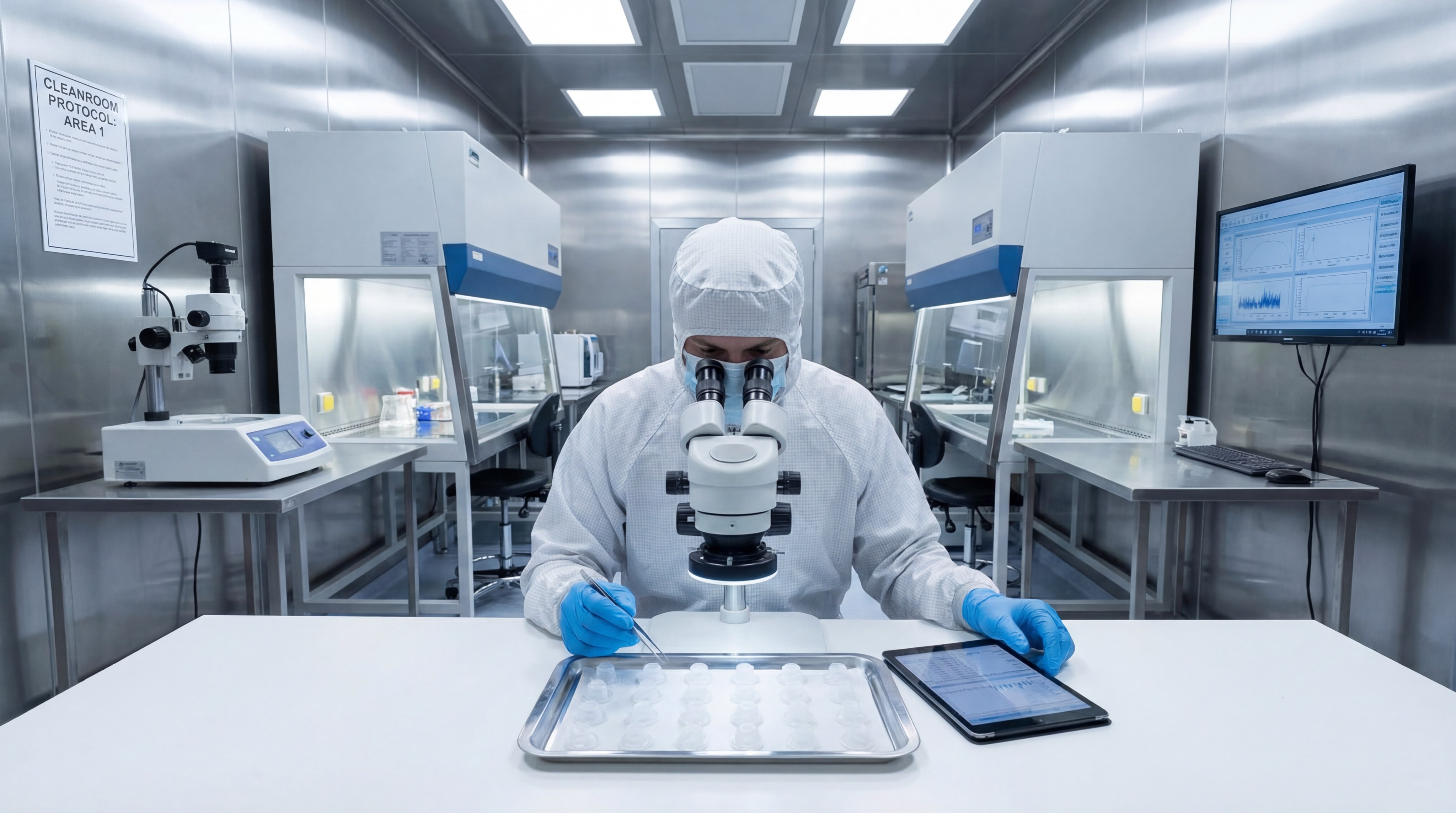
Why is liquid silicone rubber (LSR) tooling so expensive? Beyond the obvious mold and material costs, you must consider the specialized environment and post-processing steps that Why is liquid silicone rubber (LSR) tooling so expensive? demands for high-purity applications. For example, producing medical grade silicone parts often requires a certified cleanroom.
Do regulatory certifications cost extra?
You should know: maintaining ISO 13485 or FDA-compliant facilities adds significant overhead to the manufacturer’s operational costs. These expenses are passed on as a premium to ensure your parts are safe for end-users.
- Cleanroom molding facility fees.
- Detailed batch traceability and documentation.
- Frequent quality audits and material testing.
What are common post-processing costs?
But wait, there is more: many LSR parts require secondary operations like post-curing to remove volatile organic compounds. This is especially true for items that come into contact with food or sensitive electronics.
- Post-curing in specialized ovens (2-4 hours).
- Cryogenic de-flashing for complex geometries.
- Custom assembly and sterile packaging.
Key Takeaway: Always ask your supplier about secondary operations like post-curing and cleanroom requirements during the quoting phase to avoid surprises.
| Hidden Factor | Estimated Premium | Reason |
|---|---|---|
| Post-Curing | 5% – 10% | Removes odors and volatiles. |
| Cleanroom | 15% – 25% | Prevents particle contamination. |
| De-flashing | Variable | Ensures clean, smooth edges. |
These operational factors are essential for achieving high-quality finished products.
How does LSR compare to other rubbers?
Why is liquid silicone rubber (LSR) tooling so expensive? When you compare it to High Consistency Rubber (HCR) or thermoplastics, LSR requires more sophisticated equipment but offers much faster cycle times and better precision. This means while the setup is pricier, the “cost to quality” ratio is often superior for complex parts.
LSR vs. HCR: Which is better?
Look: HCR has lower material costs and cheaper molds, but it requires much more manual labor. For parts with complex geometries, the high labor cost of HCR eventually exceeds the automated efficiency of LSR.
- HCR is better for simple, low-volume shapes.
- LSR wins for high-precision and complex designs.
- HCR involves slower compression molding cycles.
Is TPE a cheaper alternative?
The bottom line: TPE is cheaper for both material and tooling, but it cannot match LSR’s performance in extreme heat. If your product needs to survive a dishwasher or a car engine, TPE will likely fail where LSR thrives.
- TPE has much lower heat resistance.
- LSR is superior for acoustic silicone parts due to vibration damping.
- TPE is more easily recycled but less durable.
Key Takeaway: Choose LSR when performance, longevity, and precision are non-negotiable; choose TPE only for low-cost, low-stress consumer items.
| Material | Tooling Cost | Labor Cost | Heat Resistance |
|---|---|---|---|
| LSR | High | Low (Auto) | Excellent |
| HCR | Low | High (Manual) | Good |
| TPE | Medium | Low (Auto) | Poor |
Compare these material characteristics to decide which fits your specific application.
Can you reduce the manufacturing costs?
Why is liquid silicone rubber (LSR) tooling so expensive? You can actually lower your total project cost by involving engineers early to apply Design for Manufacturability (DFM) principles that Why is liquid silicone rubber (LSR) tooling so expensive? would otherwise make a financial burden. Simple changes to your 3D model can significantly reduce mold complexity.
How does DFM lower your bill?
Here is the kicker: by eliminating undercuts and simplifying your parting lines, you can avoid expensive “slides” or “actions” in the mold. For products like baby care silicone, keeping the design clean ensures faster production and lower tooling costs.
- Avoid unnecessary undercuts to simplify the mold.
- Maintain uniform wall thickness for even curing.
- Use generous radii to improve material flow.
Should you use cold runner systems?
Believe it or not: spending more on a cold runner system upfront can save you thousands of dollars in material waste. Since LSR does not melt back down once cured, every bit of “runner” waste is money thrown in the trash.
- Reduces material waste by up to 90%.
- Shortens cycle times by improving thermal control.
- Ideal for high-volume, small-part production.
Key Takeaway: Early-stage DFM and investing in cold runner technology are the two most effective strategies for long-term manufacturing savings.
| Strategy | Savings Potential | Difficulty |
|---|---|---|
| Design Optimization | 15% – 20% | Easy |
| Cold Runners | 10% Material | Moderate |
| Automation | 30% Labor | High |
Implementing these strategies early in the project will maximize your budget efficiency.
What is the total cost for LSR parts?
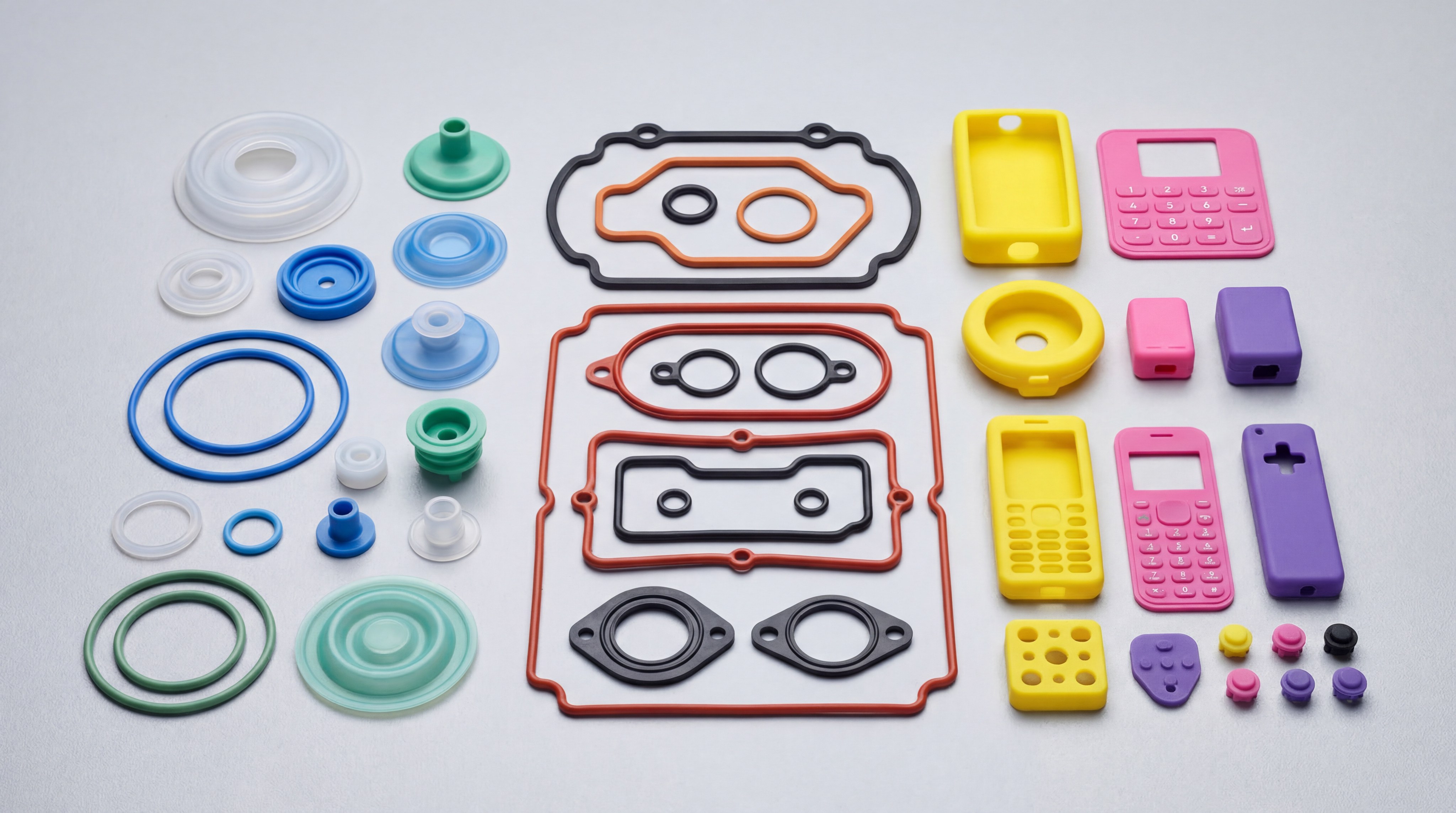
Why is liquid silicone rubber (LSR) tooling so expensive? To understand the total cost, you must combine the amortized tooling, raw material, and machine time into a single unit price. While a custom gasket might only cost cents in material, the precision engineering behind the mold adds the necessary value.
What does a medical component cost?
Look: a high-precision medical seal may involve a $30,000 mold and cleanroom processing. Even with these costs, the final part might only be $1.50 if you are ordering in sufficient quantities to distribute the overhead.
- Higher cost for LSR communication parts.
- Prices fluctuate based on specific material certifications.
- Packaging requirements can add $0.10 to $0.50 per unit.
How much for a custom pet toy?
Here is the deal: consumer products often use more material but have more relaxed tolerances, allowing for cheaper, high-cavity molds. This brings the unit price down significantly, often below the $1.00 mark for mass-market items.
- Focus on food-grade safety rather than medical purity.
- High-volume runs keep the “cost per gram” competitive.
- Simplified designs allow for faster, cheaper production cycles.
Key Takeaway: Total cost is always a balance between your performance requirements and your production volume—the higher the volume, the better the LSR value.
| Product Example | Tooling Estimate | Unit Price (10k qty) |
|---|---|---|
| Medical Gasket | $25,000 | $2.20 |
| Consumer Wearable | $18,000 | $1.15 |
| Industrial Seal | $12,000 | $0.65 |
Use these estimates to help budget your next liquid silicone rubber project.
Is liquid silicone rubber worth it?
Why is liquid silicone rubber (LSR) tooling so expensive? The investment in Why is liquid silicone rubber (LSR) tooling so expensive? is worth it because the resulting parts offer unmatched reliability, safety, and long-term performance. In industries where failure is not an option, the upfront cost of LSR is a small price to pay for product integrity.
Is the durability worth the price?
Look: when a part lasts 10 years instead of 2, the “total cost of ownership” for LSR is actually lower than cheaper alternatives. You spend less on replacements, warranty claims, and repairs over the life of the product.
- Resists extreme environmental stress.
- Reduces the frequency of maintenance intervals.
- Enhances brand reputation through high quality.
Should you switch to LSR now?
Here is the kicker: as consumers demand safer, BPA-free, and more durable products, LSR is becoming the industry standard. Moving to LSR now can give you a competitive edge in markets that value safety and premium feel.
- Meets the strictest global safety standards.
- Provides a superior “soft-touch” feel for users.
- Easily integrated into complex multi-material designs.
Key Takeaway: If your application requires high heat resistance, biocompatibility, or extreme precision, LSR is the most cost-effective solution over the long term.
| Decision Factor | LSR Advantage | Alternative Risk |
|---|---|---|
| Lifespan | 10+ Years | Early Failure |
| Safety | Certified Pure | Chemical Leaching |
| Precision | +/- 0.05mm | Poor Fit/Leaks |
Finalize your material choice by weighing these long-term advantages against initial costs.
FAQ: Common questions about LSR costs?
Why is liquid silicone rubber (LSR) tooling so expensive? It remains our most common question, but there are several other financial nuances to consider when starting your project.
- Can I lower my mold cost by using aluminum? No, because aluminum cannot withstand the high clamping forces and temperatures required for LSR curing over time.
- What’s the best way to get a fast quote? Providing a complete 3D STEP file and specifying your material grade is the most efficient way.
- Can I use the same mold for different silicone colors? Yes, you can. Cleaning the machine and dosing system allows you to switch colors using the same tooling.
- What’s the best material for medical seals? Platinum-cured LSR is the gold standard for medical seals due to its high purity and biocompatibility.
- Can I overmold LSR onto plastic? Absolutely, and this is often a great way to save money by using a rigid plastic core with a soft silicone exterior.
Conclusion
Understanding the true cost of liquid silicone rubber involves looking past the initial tooling quote and seeing the long-term value of precision, automation, and durability. At HuaLin Silicone, we are dedicated to helping you solve complex manufacturing challenges through expert DFM guidance and world-class LSR production. Our vision is to empower global brands with the highest quality silicone components that ensure safety and performance in every application. Whether you are developing a new medical device or a high-end consumer wearable, we are here to optimize your project for maximum ROI. If you are ready to move from concept to mass production with a partner you can trust, contact us today for a comprehensive DFM review and quotation.