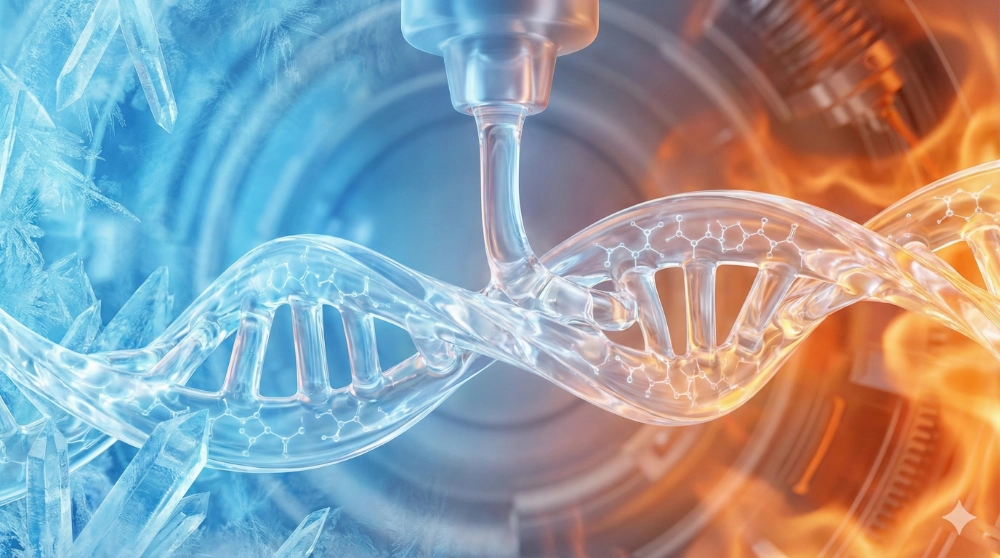
The properties of liquid silicone rubber include exceptional thermal stability, chemical inertness, and high-performance mechanical strength across a wide temperature range. You are likely facing critical component failures due to material degradation, poor sealing, or a lack of biocompatibility in harsh industrial environments. Using substandard elastomers leads to frequent maintenance cycles, costly product recalls, and compromised user safety, which can quickly tarnish your brand’s reputation. Transitioning to lsr liquid silicone rubber provides an engineered solution that combines extreme durability with the high precision required for modern manufacturing.
What is the Chemical Basis of LSR Liquid Silicone Rubber?
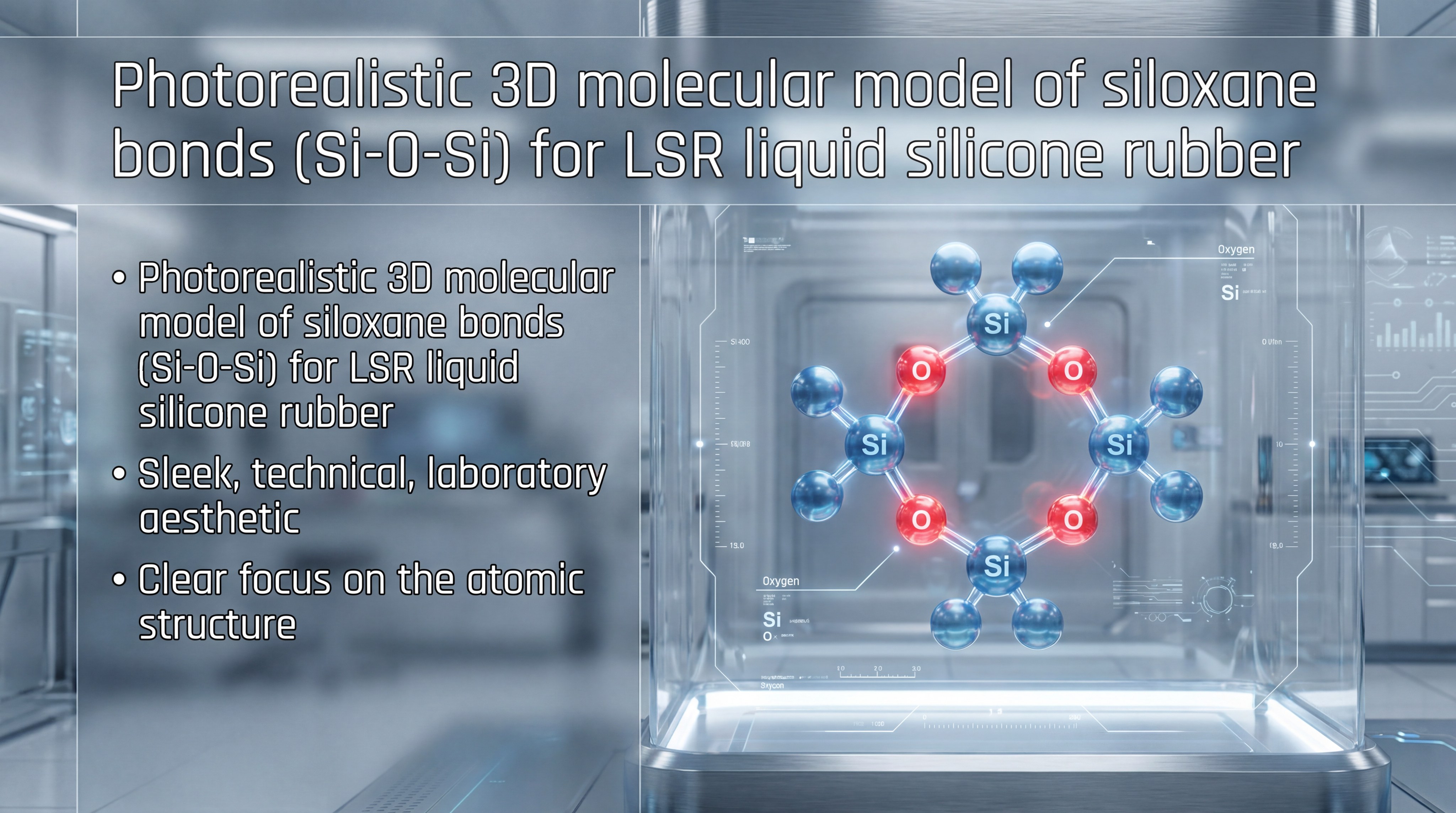
The chemical basis of lsr liquid silicone rubber is defined by its unique molecular backbone consisting of alternating silicon and oxygen atoms. This siloxane structure is significantly stronger than the carbon-to-carbon bonds found in traditional organic rubbers. Because of this high bond energy, the material remains stable under stress that would destroy other polymers.
The Strength of the Siloxane Bond
Think about it:
- The bond energy of siloxane is 433 kJ/mol, far higher than carbon’s 355 kJ/mol.
- It provides exceptional chemical stability.
- It enhances resistance to oxidative degradation.
- It ensures superior electrical insulation.
Why Is Molecular Flexibility High?
Here is why it matters:
- The molecules rotate freely, allowing the material to remain flexible even at cryogenic temperatures.
- It features a high degree of compressibility.
- It offers rapid recovery after deformation.
- It provides excellent weatherability for outdoor use.
Customizing Organic Chemical Groups
It gets better:
- Manufacturers can attach methyl, vinyl, or phenyl groups to the backbone to alter specific performance traits.
- You can increase oil resistance significantly.
- You can enhance flame retardancy for safety.
- You can adjust the durometer for specific hardness.
Key Takeaway: The stable siloxane backbone of liquid silicone rubber serves as the fundamental reason for its legendary resistance to heat, chemicals, and aging.
| Property | Value / Detail |
|---|---|
| Bond Type | Siloxane (-Si-O-Si-) |
| Bond Energy | 433 kJ/mol |
| Main Advantage | High-Heat Stability |
This molecular foundation explains why the material outperforms organic alternatives in every high-stress environment.
How Does LSR Liquid Silicone Rubber Ensure Biocompatibility?
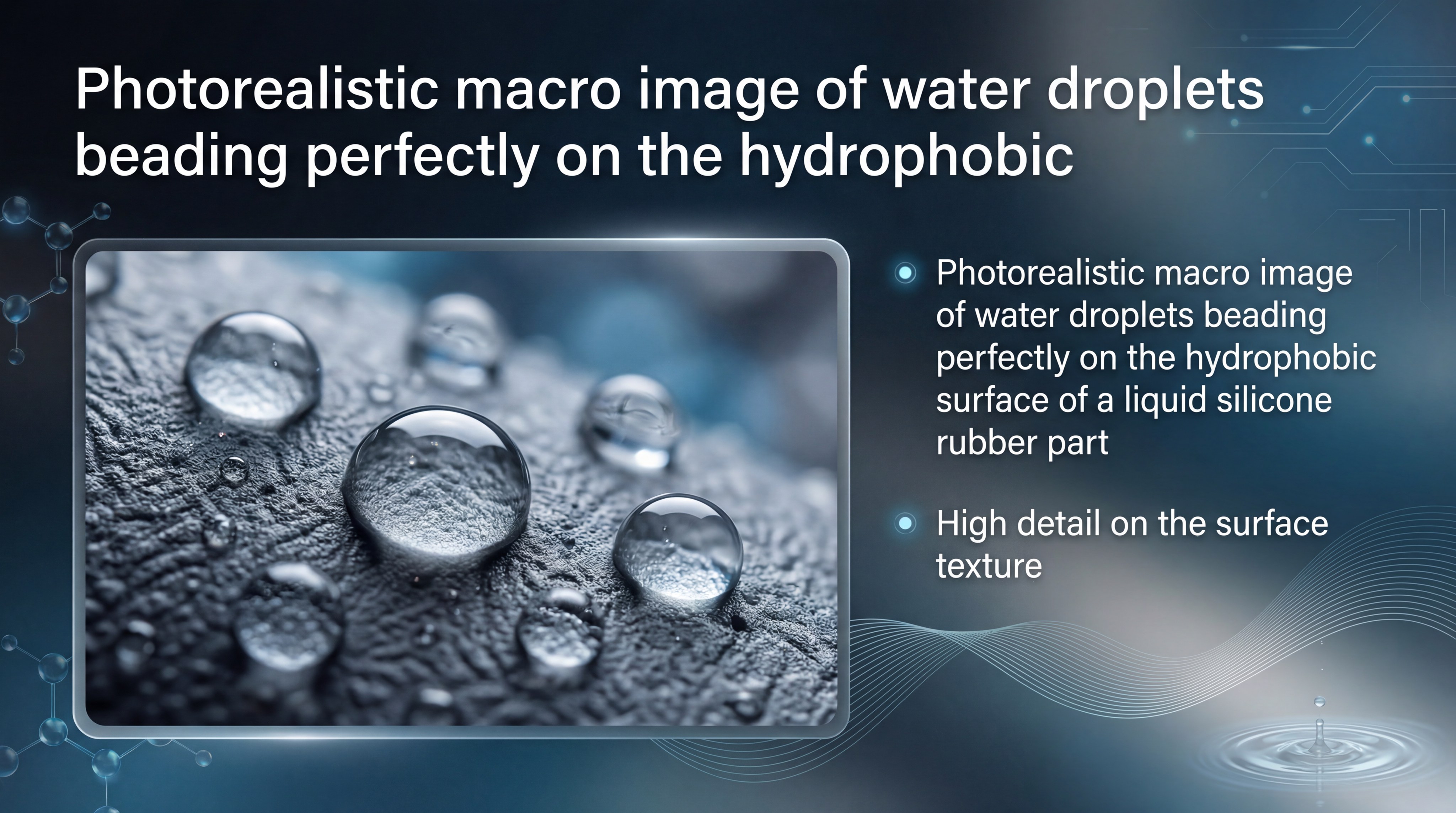
LSR liquid silicone rubber ensures biocompatibility because it is chemically inert and does not react with human tissue or sensitive fluids. This makes lsr liquid silicone rubber the gold standard for healthcare applications and maternal care products.
Non-Toxic and Hypoallergenic Nature
You might be wondering:
- Why is it safe for skin contact? It contains no plasticizers or harmful additives.
- It is odorless and tasteless.
- It is resistant to bacteria and mold growth.
- It will not cause skin irritation or allergic reactions.
Does It Comply with Global Standards?
But that is not all:
- Medical-grade variants are tested rigorously to meet USP Class VI and ISO 10993 requirements.
- It is suitable for long-term skin contact.
- It is cleanroom-ready for medical manufacturing.
- It provides traceable material batch records.
Sterilization Resilience
Here is the best part:
- You can sterilize these parts repeatedly without losing mechanical integrity or changing the material’s shape.
- It is compatible with autoclave steam.
- It resists Ethylene Oxide (EtO) gas.
- It survives Gamma radiation sterilization.
Key Takeaway: The biocompatible nature of liquid silicone ensures that medical devices and baby products remain safe and effective through thousands of uses.
| Metric | Standard / Capability |
|---|---|
| Safety Class | ISO 10993 & USP Class VI |
| Sterilization | Steam, Gamma, EtO |
| Sensitivity | Hypoallergenic Profile |
These safety features are critical for maintaining compliance in the highly regulated medical and consumer goods sectors.
Why Is the Chemical Resistance of LSR Liquid Silicone Rubber Superior?

The chemical resistance of lsr liquid silicone rubber is superior because its inorganic backbone prevents it from reacting with oxidation, ozone, and many polar solvents. This chemical stability ensures that components do not crack or degrade even when exposed to harsh industrial cleaners or atmospheric pollutants.
Resistance to Oxidation and Ozone
You should know:
- Unlike natural rubber, silicone does not “dry out” or crack when exposed to air for decades.
- It shows zero degradation from high ozone levels.
- It has excellent UV radiation stability.
- It maintains long-term color retention.
Stability Against Polar Solvents
What does this mean for you?
- The material remains stable when in contact with water, alcohols, and specific dilute acids.
- It resists dilute alkalis effectively.
- It is unaffected by household cleaning agents.
- It thrives in high-humidity environments.
Is Swelling Prevented in Fluids?
The bottom line:
- While not suitable for all fuels, specific grades offer better oil resistance than standard organic elastomers.
- It shows minimal swelling in hydraulic fluids.
- It maintains seal integrity in engine bays.
- It resists common automotive fluids.
Key Takeaway: Superior chemical resistance prevents premature part failure, reducing the total cost of ownership for industrial and automotive assemblies.
| Stressor | LSR Performance |
|---|---|
| UV / Ozone | Excellent Stability |
| Moisture | Highly Hydrophobic |
| Solvents | Resistant to Alcohols |
This chemical shield allows your products to function reliably in outdoor infrastructure and chemical processing plants.
How Does LSR Liquid Silicone Rubber Perform Under Extreme Temperatures?
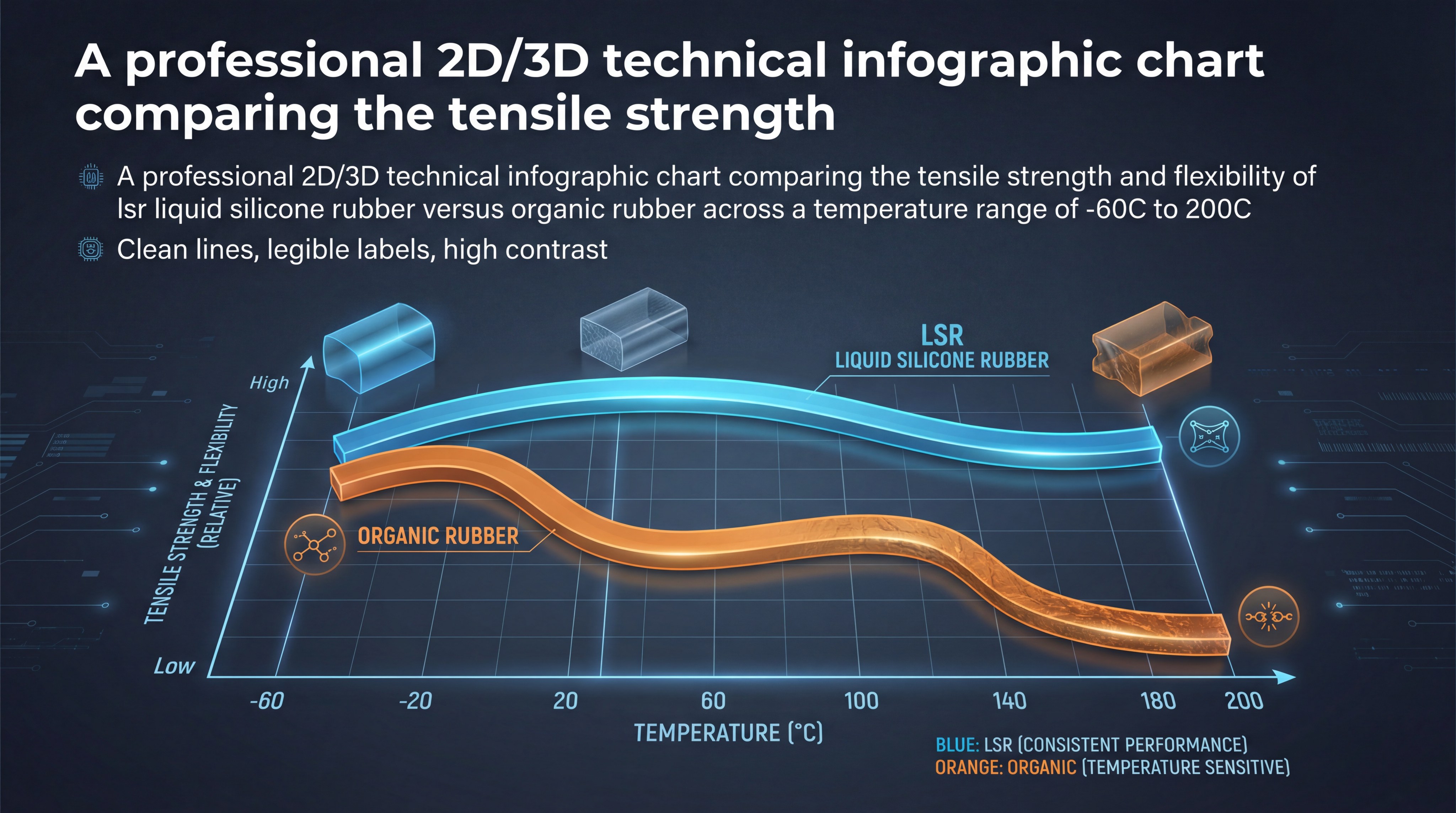
LSR liquid silicone rubber performs exceptionally under extreme temperatures by maintaining its elasticity and mechanical properties from -60°C to 200°C. High-performance lsr liquid silicone rubber solutions are essential for parts that must undergo repeated thermal cycling or high-heat sterilization.
High-Heat Thermal Stability
Let’s look at the numbers:
- Most grades can withstand continuous operation at 200°C without melting or becoming brittle.
- It maintains elasticity at peak heat.
- It resists flame and high-energy environments.
- It is ideal for under-the-hood automotive parts.
Can It Maintain Cryogenic Flexibility?
It doesn’t stop there:
- While other rubbers turn into brittle glass at freezing temperatures, silicone remains flexible and soft.
- It is operable down to -60°C.
- It has no “cold crack” issues.
- It maintains sealing pressure in arctic conditions.
Resistance to Thermal Cycling
Why does this matter?
- Rapid shifts from hot to cold cause fatigue in most plastics, but silicone handles these shifts effortlessly.
- It has a low coefficient of thermal expansion.
- It shows minimal dimensional change during heating.
- It has high resistance to thermal shock.
Key Takeaway: Thermal stability ensures that seals and components remain functional in environments ranging from aerospace vacuum to industrial furnaces.
| Range | Performance Level |
|---|---|
| Max Temp | 200°C (Continuous) |
| Min Temp | -60°C (Flexible) |
| Cycling | High Shock Resistance |
Consistency across these temperature extremes is the primary reason why liquid silicone is chosen over cheaper thermoplastic elastomers.
What Are the Mechanical Strength Properties of LSR Liquid Silicone Rubber?
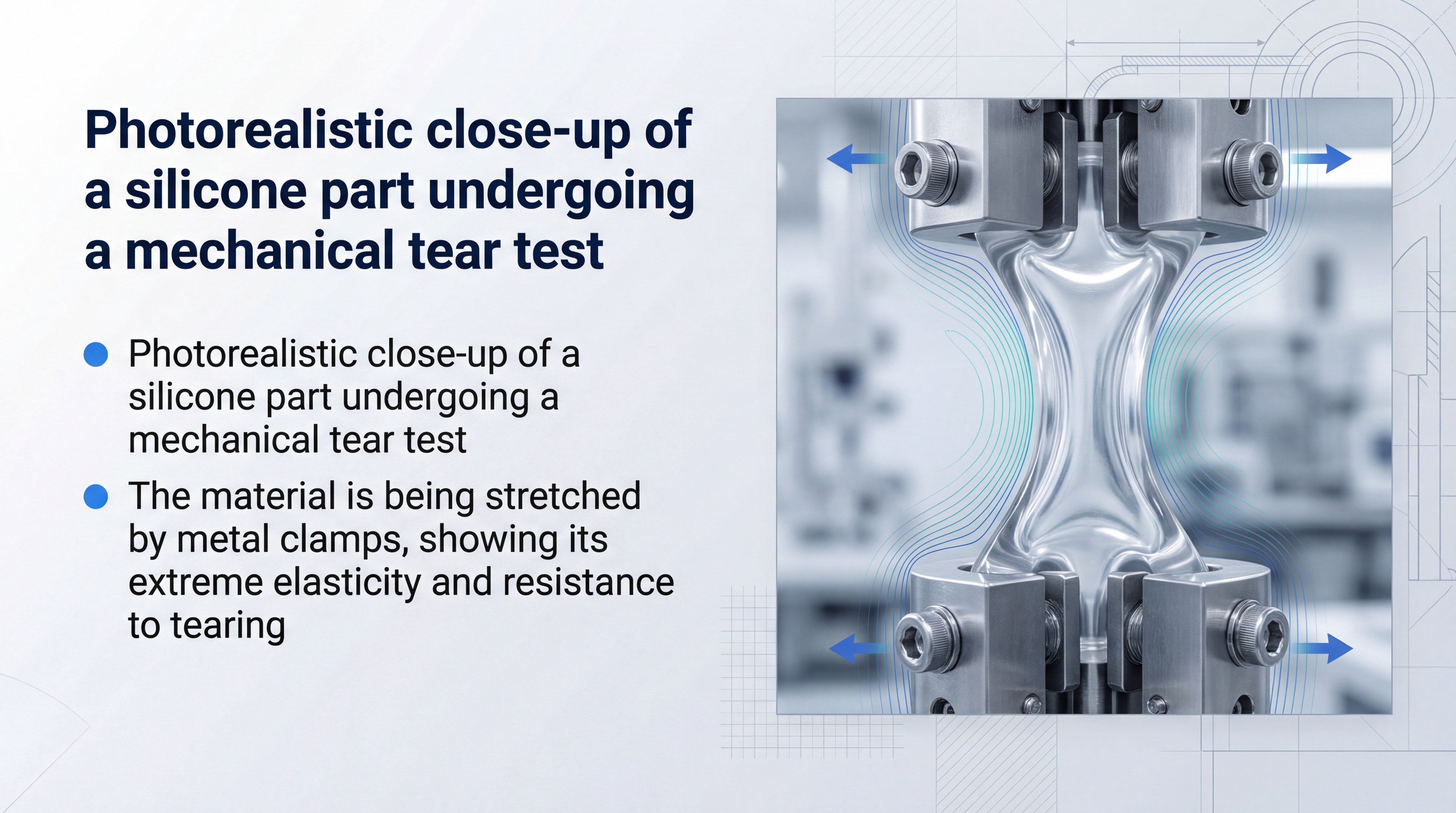
The mechanical strength properties of lsr liquid silicone rubber include high tensile strength, exceptional tear resistance, and massive elongation capabilities. These mechanical traits allow the material to endure repeated physical stress, such as stretching or flexing, without permanent deformation or failure.
Exceptional Tear and Tensile Strength
Look closer:
- High-strength grades are engineered to resist nicks and cuts that would cause standard rubbers to fail.
- Tear strength reaches up to 50 kN/m.
- Tensile strength ranges from 5 to 11 MPa.
- Elongation percentages often exceed 600%.
Is Durometer Versatility Important?
You have options:
- You can specify the exact hardness of your part to match its functional requirements.
- 10 Shore A is soft like a gel.
- 40 Shore A is medium like an eraser.
- 80 Shore A is hard like a shoe heel.
Fatigue Resistance and Resilience
Simply put:
- Silicone can be flexed millions of times without developing stress cracks or losing its structural “spring.”
- It has high rebound resilience.
- It features low hysteresis (energy loss).
- It is excellent for diaphragms and valves.
Key Takeaway: Mechanical durability ensures that moving parts like pump diaphragms and wearable straps outlast the lifecycle of the device itself.
| Property | Typical Range |
|---|---|
| Hardness | 10 to 80 Shore A |
| Elongation | 100% to 800% |
| Tear Strength | High-Strength Available |
This versatility allows designers to optimize parts for both tactile comfort and rugged industrial performance.
Why is LSR Liquid Silicone Rubber an Excellent Electrical Insulator?
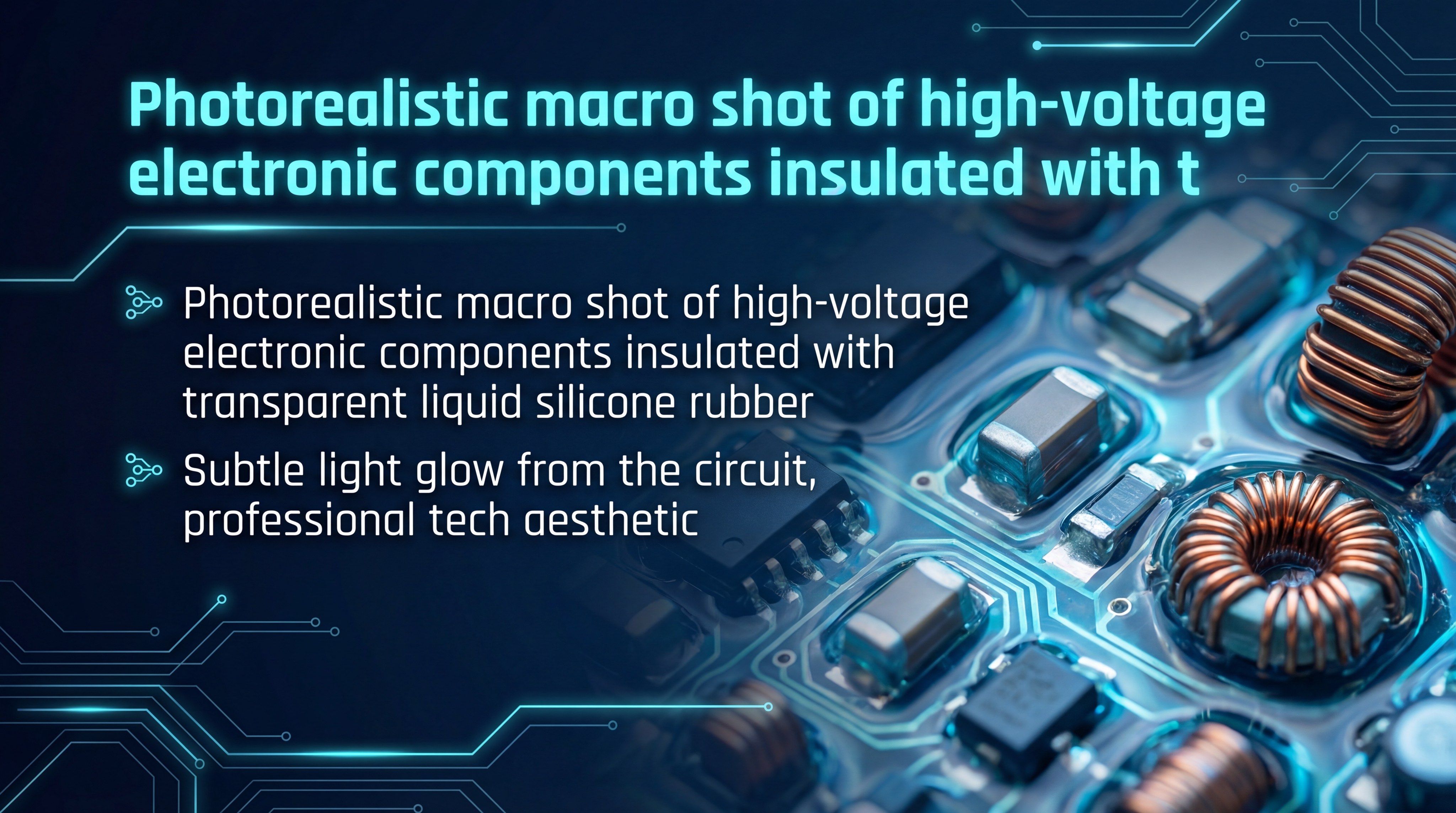
LSR liquid silicone rubber is an excellent electrical insulator because it maintains a high dielectric strength and resists the formation of conductive paths even under high voltage. Using lsr liquid silicone rubber in electronics ensures that sensitive circuits are protected from moisture and short circuits.
Dielectric Strength and Stability
Here’s the deal:
- It effectively blocks the flow of electricity even in extremely high-voltage environments.
- Dielectric strength is typically 20-25 kV/mm.
- It shows stable performance across varying frequencies.
- It maintains insulation in high humidity.
Does It Resist Corona and Arcing?
It gets even better:
- When electrical discharge occurs, silicone does not form a conductive “carbon track” like organic polymers.
- It resists surface tracking effectively.
- It prevents short circuits in connectors.
- It has self-extinguishing properties.
Conductive Variants for Special Use
Surprisingly enough:
- By adding carbon or silver fillers, silicone can be made electrically conductive for specific shielding needs.
- It is used for EMI/RFI shielding.
- it enables static dissipative components.
- it works for conductive keypads.
Key Takeaway: Excellent electrical properties make liquid silicone the preferred material for high-voltage insulation and the protection of delicate communication hardware.
| Property | Performance Value |
|---|---|
| Dielectric | ~20-25 kV/mm |
| Arcing | No Carbon Tracking |
| Shielding | Conductive Options |
Reliable insulation is the backbone of safety for both consumer electronics and high-power industrial electrical systems.
How Does LSR Liquid Silicone Rubber Handle Thermal Management?
LSR liquid silicone rubber handles thermal management by acting as a highly effective thermal insulator or, with specialized fillers, as a thermal interface material. Standard lsr liquid silicone rubber prevents heat transfer, making it ideal for protective sleeves and insulators in high-temperature machinery.
Low Thermal Conductivity
You may find:
- Naturally, silicone is a poor conductor of heat, which protects users from hot surfaces.
- It prevents heat transfer in kitchenware.
- It protects delicate sensors from external heat.
- It is used in thermal protective sleeves.
Can It Be Used for Heat Dissipation?
On the flip side:
- Specialized grades are designed with ceramic fillers to move heat away from electronic processors.
- It has customizable thermal conductivity.
- Its softness allows for 100% surface contact.
- It eliminates air gaps in assemblies.
Flame Retardancy Standards
Safety first:
- Many silicone formulations meet UL 94 V-0 flame ratings without using toxic halogens.
- It has very low smoke emission.
- Its combustion byproducts are non-toxic.
- It features self-extinguishing behavior.
Key Takeaway: Advanced thermal management allows silicone to protect users from heat while simultaneously cooling critical electronic components.
| Role | Application Detail |
|---|---|
| Insulator | Standard Low Conductivity |
| Conductor | Filled High Conductivity |
| Safety | UL 94 V-0 Rated |
From fire safety to processor cooling, the thermal versatility of liquid silicone is unmatched by other elastomers.
Can LSR Liquid Silicone Rubber Achieve High Optical Clarity?
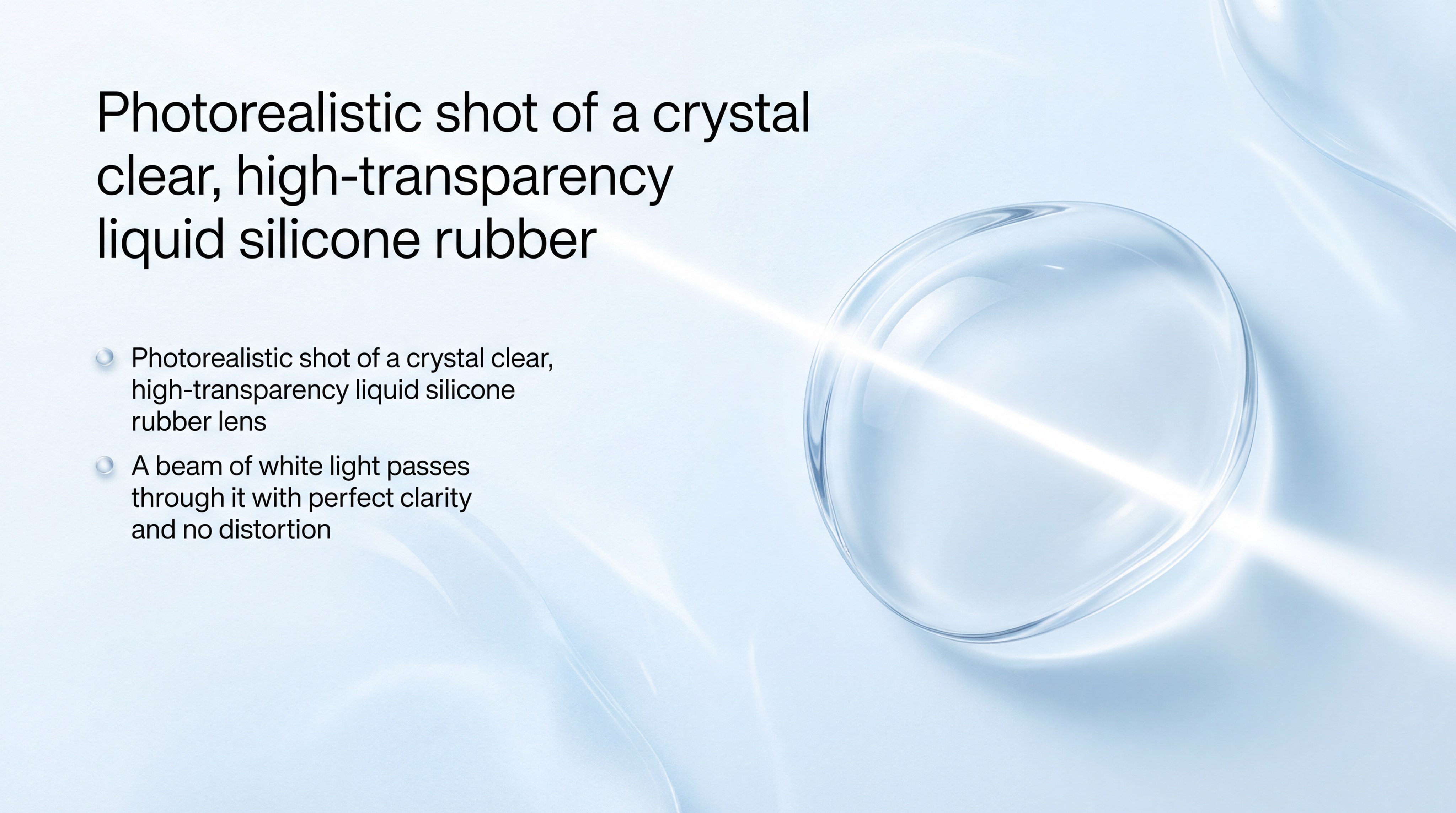
LSR liquid silicone rubber can achieve high optical clarity with light transmission rates exceeding 90%, making it a superior alternative to glass or rigid plastics. Optical lsr liquid silicone rubber is increasingly used in automotive lighting and high-power LED lenses.
High Light Transmission
Clear as day:
- Optical grades of silicone can transmit over 90% of visible light with minimal distortion.
- It has superior clarity compared to plastics.
- It features low haze and scattering.
- It is suitable for high-power LED lenses.
Are Non-Yellowing Characteristics Real?
You’ll love this:
- Unlike polycarbonates or acrylics, silicone does not yellow when exposed to intense UV light.
- It maintains clarity for years outdoors.
- It provides consistent light output.
- it ensures durable aesthetics.
Precision Micro-molding Clarity
Think about the details:
- The low viscosity of liquid silicone allows it to pick up the finest details of an optical mold.
- It is compatible with micro-lens arrays.
- It offers sharp edge definition.
- It molds internal features without distortion.
Key Takeaway: Optical silicone provides the clarity of glass with the impact resistance and design flexibility of a high-performance elastomer.
| Optical Property | Performance |
|---|---|
| Transmission | >90% Visible Light |
| UV Stability | Non-Yellowing |
| Finish | High-Gloss Transparent |
This makes it the perfect choice for flexible light pipes and durable automotive headlight components.
What Are the Advantages of LSR Liquid Silicone Rubber Overmolding?
The advantages of lsr liquid silicone rubber overmolding include the creation of permanent, airtight seals and the addition of soft-touch ergonomics to rigid plastic or metal parts. Overmolding with lsr liquid silicone rubber eliminates the need for manual assembly and secondary gluing processes.
Permanent Chemical and Mechanical Bonding
The magic happens here:
- Through specific primers or self-bonding grades, the silicone becomes a single piece with the substrate.
- Bonding strength often exceeds the tear strength.
- It creates a hermetic, airtight seal.
- It prevents delamination under stress.
Can It Lower Production Costs?
Why wait?
- Molding silicone directly onto a housing eliminates the need for manual O-ring installation and testing.
- It reduces the number of components.
- It lowers the risk of assembly errors.
- It speeds up total production cycles.
Enhanced Ergonomics and Soft-Touch
It feels better:
- Overmolding allows you to add a “soft-touch” grip to hard plastic tools or medical devices.
- It improves grip and slip resistance.
- It provides vibration dampening.
- It adds a premium aesthetic feel.
Key Takeaway: Overmolding is the most cost-effective method for adding complex seals and ergonomic grips to high-volume commercial products.
| Feature | Production Benefit |
|---|---|
| Bonding | Permanent & Chemical |
| Assembly | Reduced Labor Costs |
| User Feel | Ergonomic Soft-Touch |
This process integration is vital for creating modern, multi-functional components in the electronics and medical industries.
How Does LSR Liquid Silicone Rubber Optimize Compression Set and Sealing?
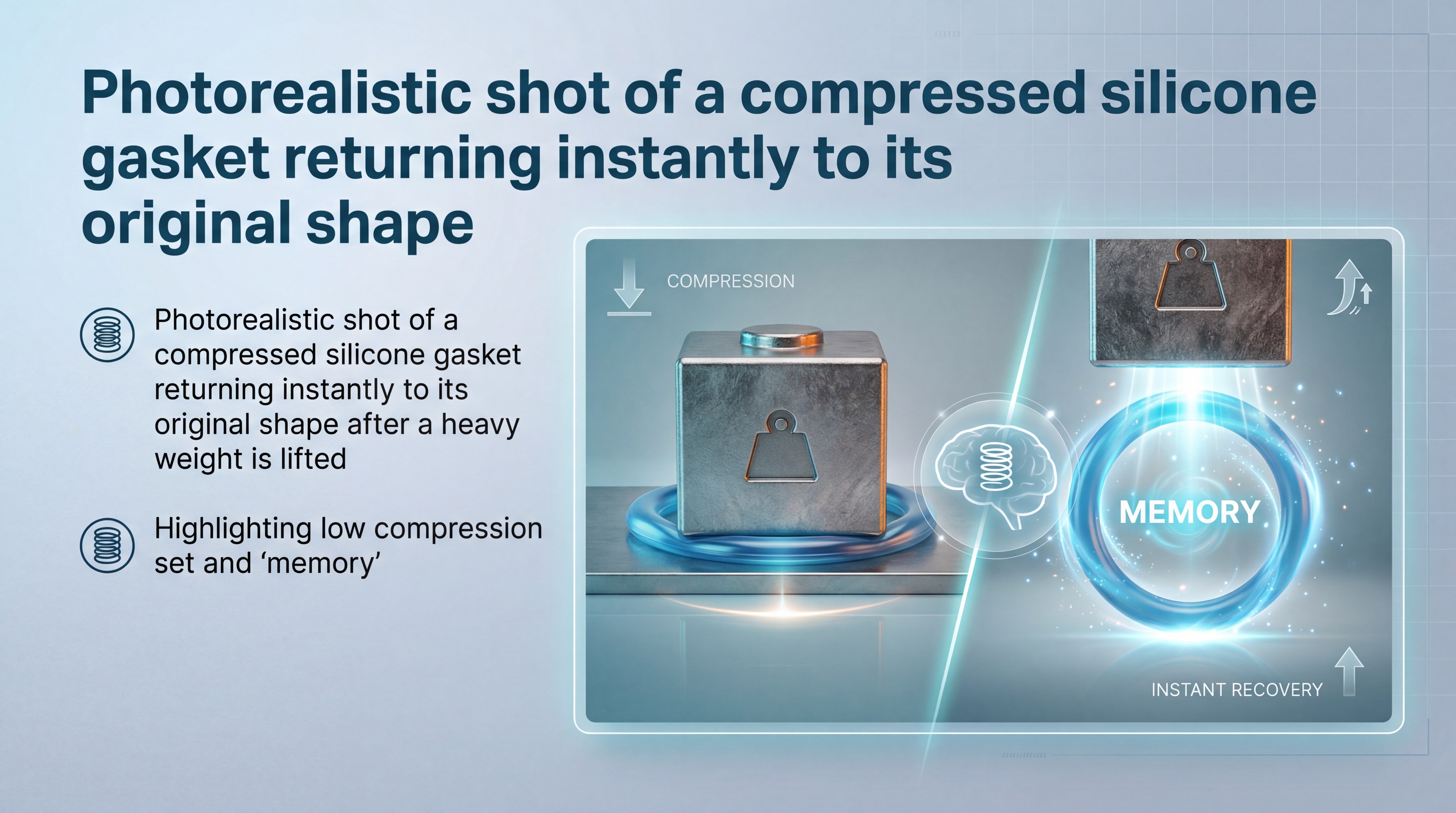
LSR liquid silicone rubber optimizes compression set and sealing by maintaining its original shape even after being compressed for long periods under extreme pressure. High-precision lsr liquid silicone rubber seals are famous for their “memory,” ensuring leak-proof performance for the entire life of the product.
Low Compression Set for Long-Term Sealing
Here is the secret:
- Compression set measures the permanent deformation after a load is removed, and silicone scores incredibly low.
- It maintains constant sealing pressure.
- It does not “set” into a flat shape.
- It ensures leak-proof performance.
Is Dimensional Stability Guaranteed?
You get what you design:
- Because the material cures inside a closed mold, the resulting parts have extremely tight tolerances.
- It shows minimal shrinkage during curing.
- it has high repeatability across millions.
- It is perfect for thin-walled gaskets.
Responsive Sealing in Dynamics
It reacts fast:
- Silicone is highly responsive, making it ideal for valves and diaphragms that must open and close instantly.
- It has high rebound and “bounce back.”
- it is reliable in pulsing environments.
- Low friction options are available.
Key Takeaway: Low compression set ensures that waterproof seals in smartphones and medical pumps remain effective for decades.
| Sealing Metric | Performance Capability |
|---|---|
| Compression Set | Low (Excellent Memory) |
| Tolerance | High Precision Liquid Injection |
| Service Life | Decades in Harsh Use |
The reliability of silicone seals under continuous load makes them indispensable for critical infrastructure and mission-critical devices.
FAQ Section
- Can I use LSR for medical implants? Yes, because specific long-term implantable grades are available that meet the most stringent biocompatibility standards.
- What’s the best durometer for sealing? Generally, 30 to 50 Shore A is the best choice as it provides the necessary “squish” to seal while remaining durable.
- Can I color-match LSR parts? Absolutely, liquid silicone can be pigmented to any Pantone color, including translucent and metallic effects for branding.
- What’s the best way to bond LSR to plastic? Overmolding is the superior method because it creates a permanent chemical bond without the need for manual adhesives.
- Can I use LSR in food-contact applications? Yes, because FDA-compliant and LFGB-grade silicones are safe, non-toxic, and resistant to food-grade oils.
Conclusion
This comprehensive analysis of liquid silicone rubber properties demonstrates why this material is the ultimate solution for engineers facing extreme technical challenges. By solving problems related to thermal stability, chemical corrosion, and mechanical fatigue, liquid silicone allows you to build products that are safer, more durable, and more efficient. At HuaLin Silicone, we specialize in transforming these high-performance properties into precision-engineered parts for global industries. Our brand vision is to empower innovation through material excellence and manufacturing precision. If you are ready to elevate your product performance with high-quality silicone components, contact us today for a professional consultation.