
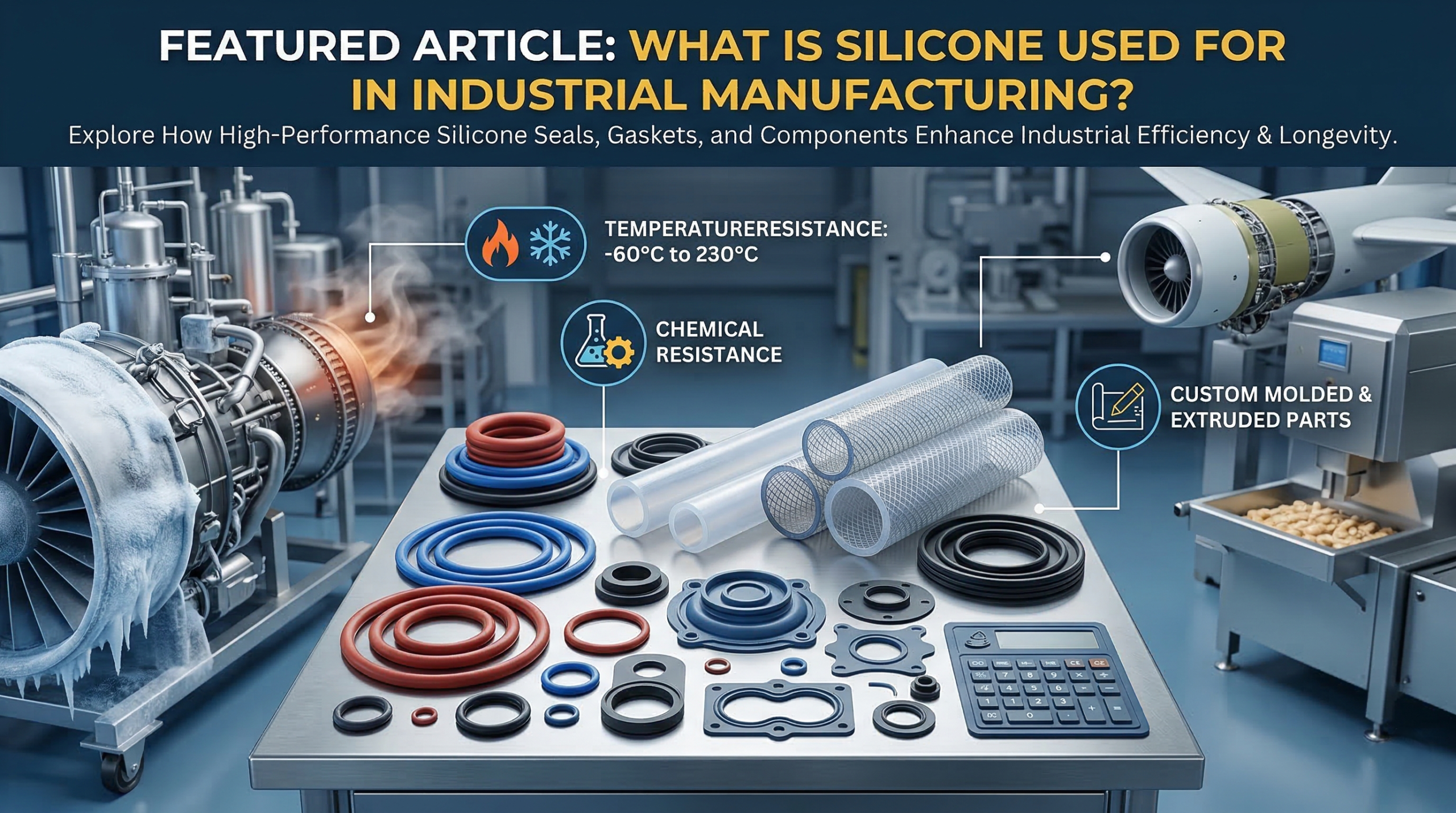
Silicone is a high-performance synthetic polymer made of silicon, oxygen, carbon, and hydrogen, widely used for sealing, insulation, and medical applications. Engineering and procurement teams often face catastrophic component failure when using standard elastomers in high-stress environments. Choosing the wrong material leads to brittle seals, melted gaskets, and costly production downtime.
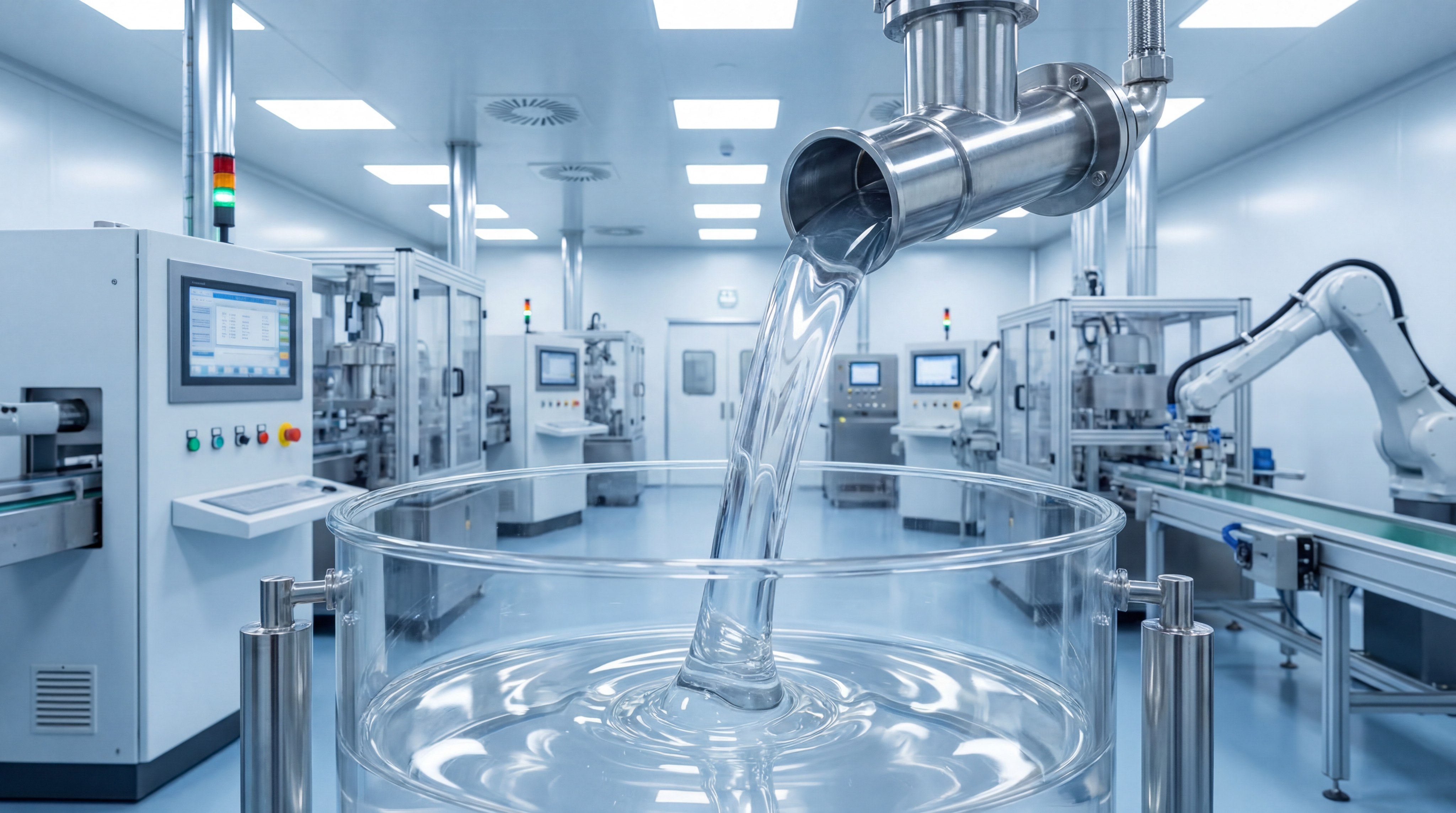
As operating temperatures rise and chemical exposure becomes more aggressive, traditional rubbers like EPDM often crack or degrade. This not only compromises equipment integrity but can lead to safety violations and expensive recalls. Understanding what is silicone used for in high-performance settings is the first step toward long-term product reliability.
What is the chemical composition of silicone?
Silicone is primarily composed of an inorganic silicon-oxygen backbone with organic side groups attached to the silicon atoms. This unique hybrid structure allows it to maintain properties of both glass and organic polymers. Understanding what is silicone used for begins with recognizing how this siloxane bond provides superior stability.
Is silicone a natural or synthetic polymer?
You might be wondering if this material comes directly from nature. While silicon is derived from silica (sand), silicone is a strictly synthetic polymer created through complex chemical synthesis.
- Silica is reduced to silicon.
- Silicon reacts with methyl chloride.
- Polymerization creates the siloxane chain.
What makes the siloxane bond unique?
The Si-O bond is significantly stronger than the C-C bond found in organic rubbers. This allows you to utilize the material in environments where other polymers would simply disintegrate.
Summary Table: Bond Strength Comparison
| Property | Siloxane Bond (Si-O) | Carbon Bond (C-C) |
|---|---|---|
| Bond Energy | ~450 kJ/mol | ~350 kJ/mol |
| Thermal Stability | Very High | Moderate |
| Oxidation Resistance | Excellent | Poor |
The higher bond energy of siloxane ensures that the molecular chain remains intact under high thermal stress.
Key Takeaway: You should specify silicone when your application requires a material that won’t oxidize or degrade under intense heat or UV exposure.
What is silicone used for in modern manufacturing?
In manufacturing, silicone is used for high-precision gaskets, dampeners, and electronic insulators that require extreme thermal stability. You will find what is silicone used for across sectors ranging from heavy machinery to delicate telecommunications infrastructure.
How does liquid silicone rubber (LSR) work?
Liquid Silicone Rubber is a high-purity platinum-cured silicone with low compression set and great stability. Here is the kicker: its liquid state allows you to use injection molding for high-volume, complex parts.
- Two-component system (A and B).
- Cold runner injection process.
- Rapid curing at high temperatures.
Why is precision molding essential for electronics?
Precision is non-negotiable when you are designing components for sensitive hardware. Telecom LSR Components provide the necessary EMI shielding and insulation for high-voltage systems.
Summary Table: Electronics Application Benefits
| Application | Benefit | Requirement |
|---|---|---|
| EMI Shielding | Signal Integrity | Conductive fillers |
| Thermal Pads | Heat Dissipation | High conductivity |
| Vibration Dampening | Hardware Protection | Soft durometer |
LSR molding ensures that even the most intricate electronic housings are perfectly sealed against environmental contaminants.
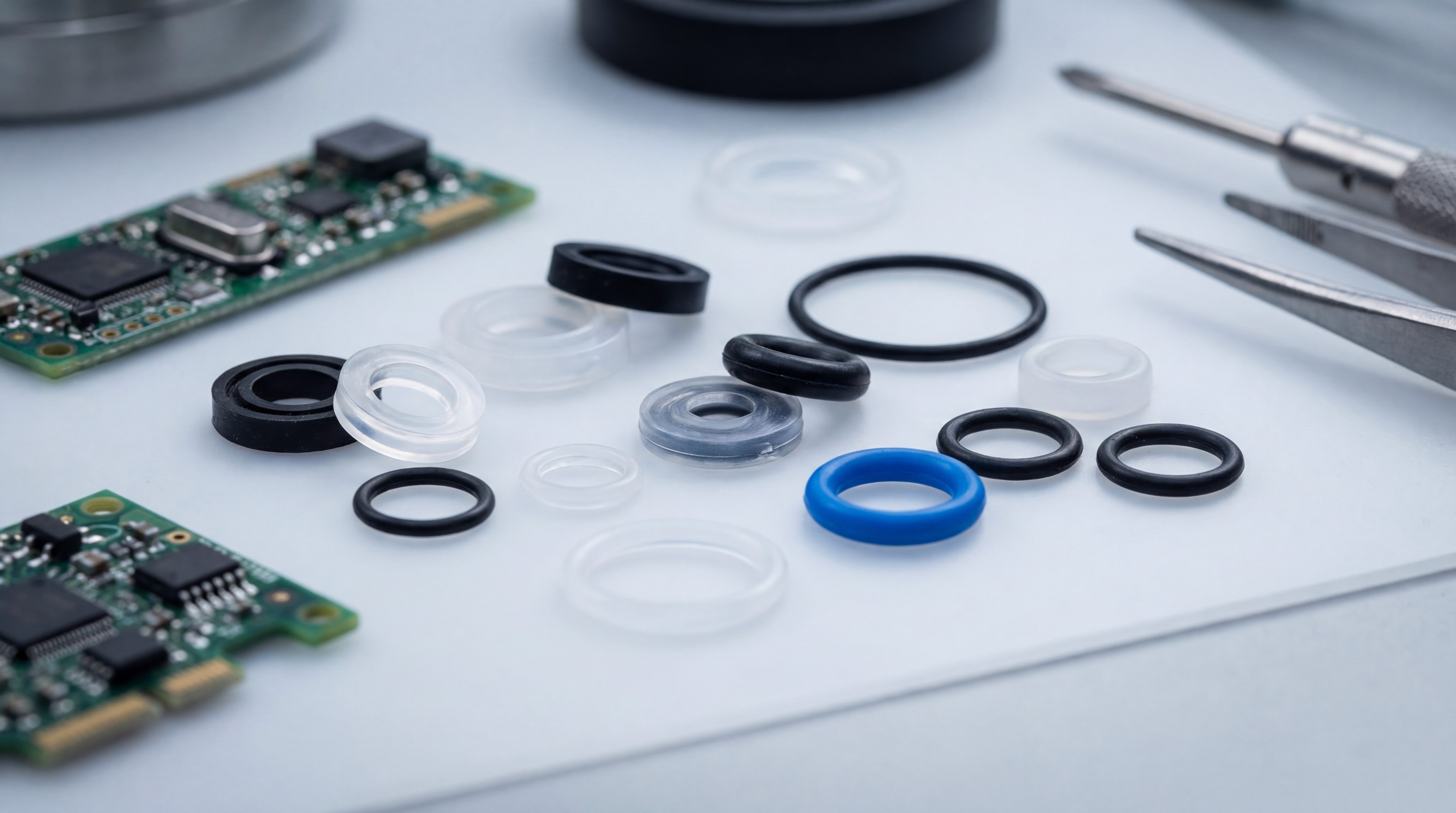
Key Takeaway: You can achieve tighter tolerances and better part consistency by choosing LSR over traditional compression molding methods.
Why is silicone priced higher than other rubbers?
Silicone’s higher price stems from the energy-intensive process required to convert quartz sand into high-purity siloxane polymers. When evaluating what is silicone used for, you must weigh the upfront cost against its significantly longer operational lifespan.
Why does processing sand increase the cost?
The extraction of silicon from silica requires temperatures exceeding 1,900°C in an electric arc furnace. You should understand that this energy consumption directly influences the raw material market price.
- High energy input for smelting.
- Sophisticated purification stages.
- Expensive catalysts like platinum.
Does longevity justify the initial investment?
But wait, there is more than just the initial price tag. If you calculate the Total Cost of Ownership (TCO), silicone often saves money by reducing maintenance intervals and downtime.
Summary Table: Total Cost of Ownership (TCO)
| Material | Relative Cost | Service Life | Maintenance Need |
|---|---|---|---|
| Natural Rubber | Low | 1-3 Years | High |
| EPDM | Medium | 3-5 Years | Moderate |
| Silicone | High | 10+ Years | Low |
The data indicates that silicone’s longevity compensates for its higher purchase price in long-term industrial projects.
Key Takeaway: You should view silicone as a strategic investment that lowers your long-term operational risks and replacement costs.
What is silicone used for in extreme temperatures?
Silicone is used in extreme temperatures because it maintains mechanical properties from -60°C to over 230°C. In high-heat environments, what is silicone used for becomes evident through its remarkable resistance to melting or becoming brittle.
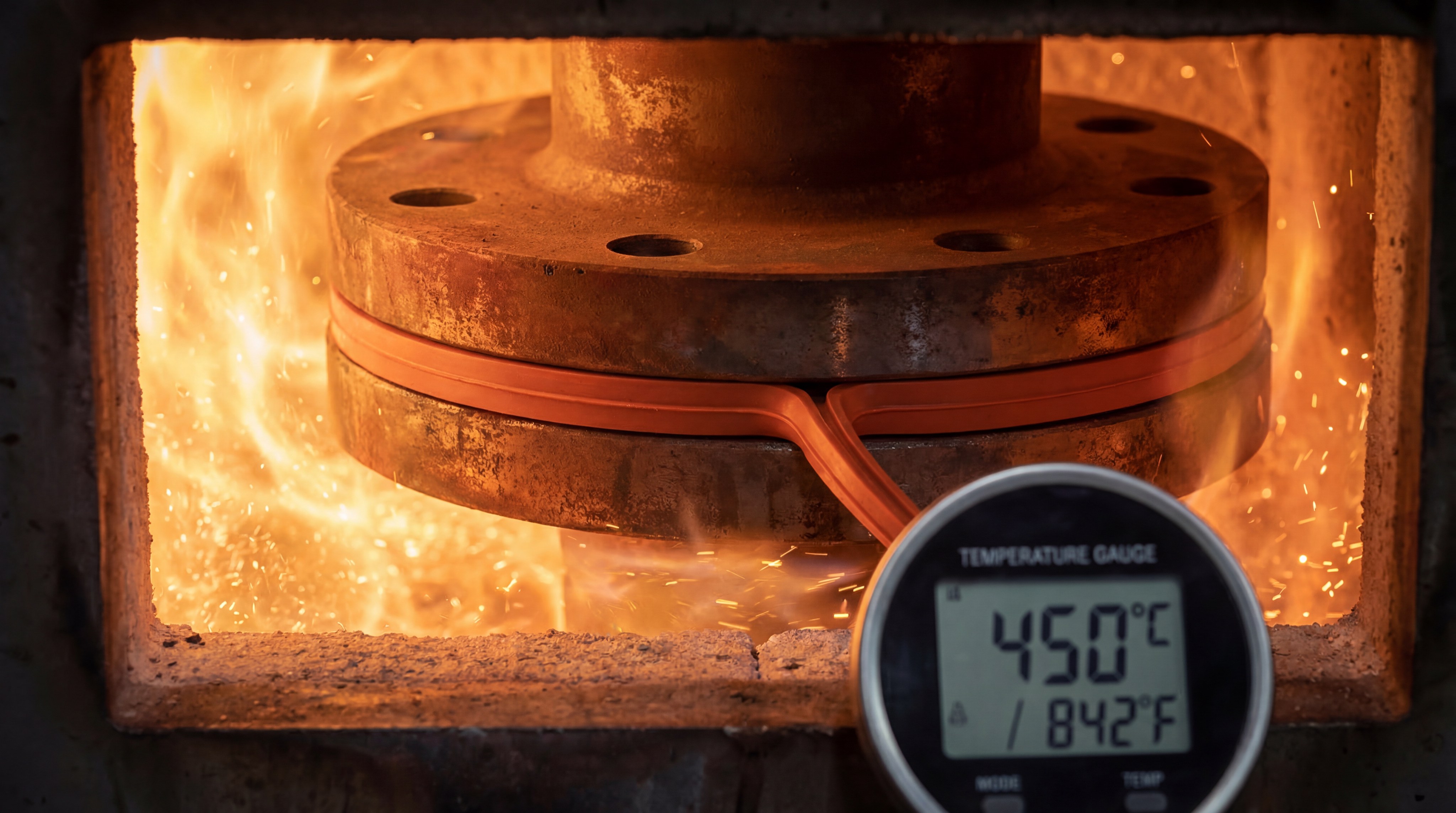
How does silicone handle sub-zero environments?
Most elastomers turn into brittle glass when exposed to freezing temperatures. However, you will find that silicone remains flexible and functional even in cryogenic or high-altitude aerospace settings.
- Low glass transition temperature.
- Resistant to cold cracking.
- Maintains seal compression.
Can it withstand continuous heat above 200°C?
Think about the stress of an industrial oven or a jet engine. Silicone is the premier choice here because its backbone does not easily break down under continuous thermal agitation.
Summary Table: Temperature Resistance Comparison
| Temperature Range | Silicone Behavior | EPDM Behavior |
|---|---|---|
| -60°C | Flexible | Brittle |
| 20°C | Stable | Stable |
| 230°C | Functional | Melted/Charred |
Silicone maintains its structural integrity and elasticity across a temperature spectrum that would destroy organic alternatives.
Key Takeaway: You can rely on silicone for aerospace and industrial heating applications where thermal failure is not an option.
How does silicone differ from EPDM and Latex?
Silicone differs from EPDM and Latex by offering superior UV resistance, higher thermal stability, and better biocompatibility. Distinguishing what is silicone used for compared to cheaper elastomers is vital for avoiding critical material failure in your designs.
How do you identify silicone vs EPDM?
You might find it difficult to tell them apart visually. A simple burn test reveals the truth: silicone leaves a distinctive white ash, whereas EPDM produces heavy black smoke.
- Silicone: White ash, non-toxic smoke.
- EPDM: Black ash, acrid odor.
- Latex: Rapid melting, organic smell.
Why choose silicone over organic latex?
Here is the kicker: latex often triggers allergic reactions and degrades rapidly when exposed to oils or sunlight. You should opt for silicone when you need a hypoallergenic material that survives outdoor exposure.
Summary Table: Material Feature Comparison
| Feature | Silicone | EPDM | Latex |
|---|---|---|---|
| UV Resistance | Excellent | Good | Poor |
| Ozone Resistance | Excellent | Excellent | Poor |
| Skin Safety | Hypoallergenic | Potential Irritant | High Allergy Risk |
Silicone’s chemical inertness makes it far safer for human contact and outdoor longevity than organic latex.
Key Takeaway: You should choose silicone over EPDM when your application involves both high heat and the need for medical-grade safety.
What is silicone used for in medical and baby products?
In medical and baby sectors, silicone is used for hypoallergenic tools and feeding items due to its non-toxic nature. Safety standards often dictate what is silicone used for in healthcare settings where biocompatibility is the primary requirement.
What defines medical-grade silicone quality?
Medical-grade silicone is tested for biocompatibility to ensure it doesn’t react with human tissue. You can find Medical-Grade Keypads in hospitals because they withstand harsh sterilization chemicals without degrading.
- USP Class VI compliance.
- ISO 10993 certification.
- BPA and Phthalate free.
Is silicone safe for maternal care products?
You want the best for sensitive applications like infant care. Baby & Maternal Silicone is favored because it is odorless, tasteless, and inhibits bacterial growth naturally.
Summary Table: Safety and Durability in Consumer Goods
| Property | Silicone | Standard Plastic |
|---|---|---|
| Toxicity | None | May leach BPA |
| Heat Resistance | High (Boilable) | Low (May warp) |
| Durability | High | Cracks over time |
Silicone’s ability to be repeatedly autoclaved or boiled makes it the safest choice for reusable medical and baby hardware.

Key Takeaway: You should always verify FDA or LFGB compliance when sourcing silicone for products that come into contact with food or skin.
How long is the typical shelf life of silicone?
Silicone typically has a shelf life of over 10 years when stored in a cool, dry environment away from UV light. Longevity is a core reason behind what is silicone used for in critical infrastructure that cannot be easily serviced.
Which factors cause silicone to degrade?
While very durable, silicone is not invincible. You should be aware that concentrated acids or long-term exposure to high-pressure steam can eventually cause the material to soften or swell.
- Strong concentrated acids.
- High-pressure saturated steam.
- Extreme mechanical shearing.
How should you store silicone components?
The good news is that storage is relatively simple. If you keep your components in a dark, climate-controlled warehouse, they will remain “factory fresh” for a decade or more.
Summary Table: Storage Condition Impact
| Condition | Impact on Silicone | Recommendation |
|---|---|---|
| UV Exposure | Minimal | Store in dark |
| Humidity | Low | Keep dry |
| Temperature | Negligible | Avoid >40°C for storage |
Standard storage conditions allow silicone to maintain its physical properties far longer than any other common elastomer.
Key Takeaway: You can stock silicone components in bulk without worrying about the rapid expiration issues common with natural rubber.
What is silicone used for in the automotive sector?
Automotive manufacturers use silicone for engine gaskets, spark plug boots, and hoses that must resist heat and fluids. If you examine a modern engine, what is silicone used for becomes clear in every high-heat seal and electrical connector.
How does silicone improve vehicle longevity?
Modern engines run hotter to improve efficiency. You need materials that won’t harden or leak under the hood, which is why Silicone Seals & Gaskets have replaced traditional cork and rubber.
- Superior oil resistance (VMQ).
- High vibration damping.
- Reliable electrical insulation.
What are common automotive silicone seals?
But wait, there is more than just gaskets. You will also find silicone in turbocharger hoses because it can handle the intense pressure and heat cycles of forced induction.
Summary Table: Automotive Component Functions
| Component | Function | Why Silicone? |
|---|---|---|
| Spark Plug Boots | Insulation | Dielectric strength |
| Coolant Hoses | Fluid Transport | Heat resistance |
| Sensor Seals | Protection | Chemical inertness |
The transition to silicone components has significantly reduced the frequency of fluid leaks in high-mileage vehicles.
Key Takeaway: You should utilize silicone for automotive components located near the exhaust or engine block to prevent premature failure.
Is silicone truly a sustainable material option?
Silicone is considered more sustainable than plastic because it is highly durable, reusable, and does not break down into microplastics. Environmental impact is a growing factor in determining what is silicone used for in consumer goods today.
Is silicone better for the planet than plastic?
You might be surprised to learn that silicone is much more ocean-friendly than plastic. Pet Care Silicone Products last for years, preventing the “buy-and-toss” cycle associated with cheap plastic alternatives.
- Doesn’t shed microplastics.
- Highly durable and reusable.
- Non-toxic to marine life.
Can silicone products be recycled?
The kicker is that while silicone isn’t accepted in curbside bins, it can be downcycled into industrial oils or playground mulch. You should look for specialized recycling programs to handle end-of-life silicone parts.
Summary Table: Environmental Impact Assessment
| Material | Biodegradable | Recyclability | Environmental Risk |
|---|---|---|---|
| Plastic | No | Moderate | High (Microplastics) |
| Silicone | No | Specialized | Low (Inert) |
| Bio-Plastic | Yes | Low | Moderate |
While not biodegradable, silicone’s inert nature means it won’t leach chemicals into the soil or water over time.
Key Takeaway: You can improve your brand’s sustainability profile by replacing single-use plastic components with long-lasting silicone versions.
What is silicone used for in custom industrial parts?
For custom industrial parts, silicone is used to create bespoke extrusions and molded components tailored to unique engineering specs. Custom engineering defines what is silicone used for in specialized machinery that requires unique shapes.
What are the benefits of extruded profiles?
You can order Silicone Extruded Profiles in continuous lengths for window seals or door gaskets. This process is highly efficient for creating consistent cross-sections without the need for expensive molds.
- Custom hollow or solid shapes.
- Variable wall thicknesses.
- Fast production for long runs.
Why use silicone sponge for insulation?
Here is the kicker: Silicone Sponge Extrusions offer the same thermal benefits as solid silicone but with added compressibility. You should use this when you need a lightweight thermal barrier or a soft gasket for uneven surfaces.
Summary Table: Industrial Form Factors
| Form Factor | Primary Benefit | Common Use |
|---|---|---|
| Solid Extrusion | Durability | Industrial seals |
| Sponge Profile | Compressibility | HVAC gaskets |
| Custom Mold | Detail | Precision O-rings |
Custom formulations allow you to adjust the hardness, color, and conductivity of the silicone to meet your exact project needs.
Key Takeaway: You should consult with an expert to determine if an extruded profile or a molded part is more cost-effective for your specific design.
FAQ
Can I use silicone in high-pressure environments?
Yes, provided the durometer and reinforcement are engineered for the PSI rating. Adding fabric or mesh reinforcement prevents the silicone from extruding under pressure.
What is the best way to clean medical keypads?
Isopropyl alcohol or autoclave sterilization are the best methods. Silicone’s high chemical resistance ensures it won’t degrade during frequent disinfection.
How do I know if silicone is FDA compliant?
You must check the manufacturer’s certification for 21 CFR 177.2600. Documentation should explicitly state the grade is “Food” or “Medical” safe.
Is it possible to bond silicone to metal?
Yes, you can achieve a permanent bond using specialized primers or overmolding. This is common in automotive and industrial handle applications.
Why should I choose custom molded parts?
Custom molding allows you to integrate specific features like snap-fits that off-the-shelf parts lack. It ensures the component fits your unique assembly perfectly.
Conclusion
Selecting the right silicone grade is a critical decision that impacts the safety, durability, and cost-efficiency of your industrial products. From sub-zero aerospace seals to sterile medical components, the applications for this versatile polymer are nearly limitless. At Hualin, our vision is to provide high-performance material solutions that empower engineering innovation across every global sector.
To ensure your next project meets the most rigorous industry standards, we invite you to contact us today. Our team of experts is ready to help you navigate material selection and custom manufacturing to achieve operational excellence.