
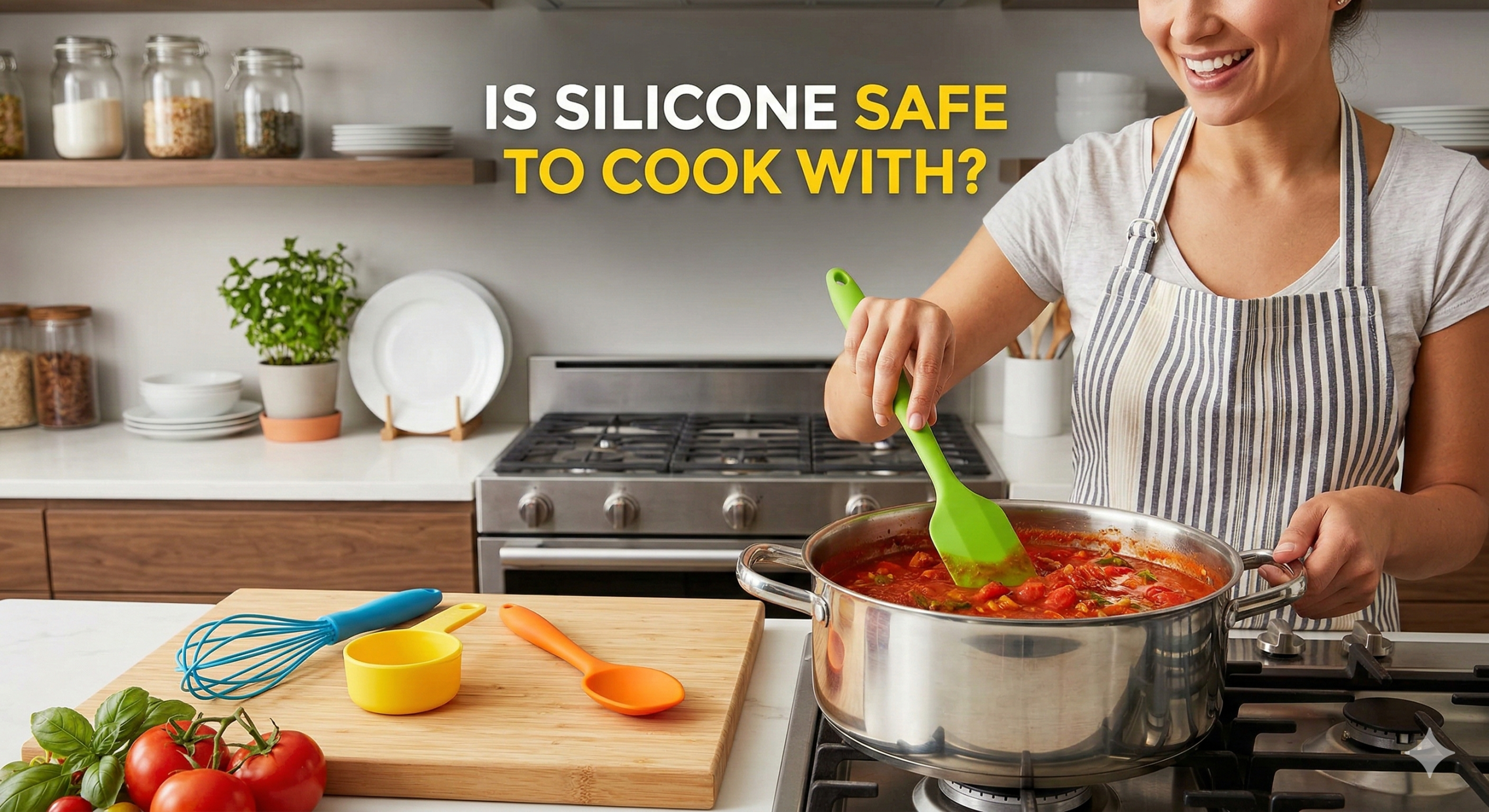
Food-grade silicone is an exceptionally safe and versatile material for modern cooking when it meets high manufacturing standards. You may find yourself worrying about the potential for chemical leaching when high temperatures meet synthetic kitchen tools. This concern is often fueled by the history of traditional plastics, which can release harmful BPA or phthalates into your meals at relatively low heat levels. Understanding is silicone safe to cook with involves looking at the material’s inert properties and its ability to withstand extreme thermal ranges without degrading. By choosing high-purity silicone, you ensure a non-toxic environment that protects the nutritional integrity of your food.
Why is silicone safe to cook with in modern kitchens?
Silicone is safe for the kitchen because it is chemically inert and does not react with foods or liquids. When you consider if is silicone safe to cook with, it is important to recognize that high-quality silicone does not contain hazardous fillers. This stability ensures that your cookware remains reliable across a wide range of recipes and cooking styles.
Is silicone a safe food-contact material?
Silicone is composed of silicon, oxygen, carbon, and hydrogen, making it more stable than carbon-based plastics. Here is the bottom line: food-grade silicone does not support bacterial growth or absorb odors.
- It is non-porous and easy to sanitize.
- It resists staining from high-pigment foods.
- It maintains flexibility even after repeated use.
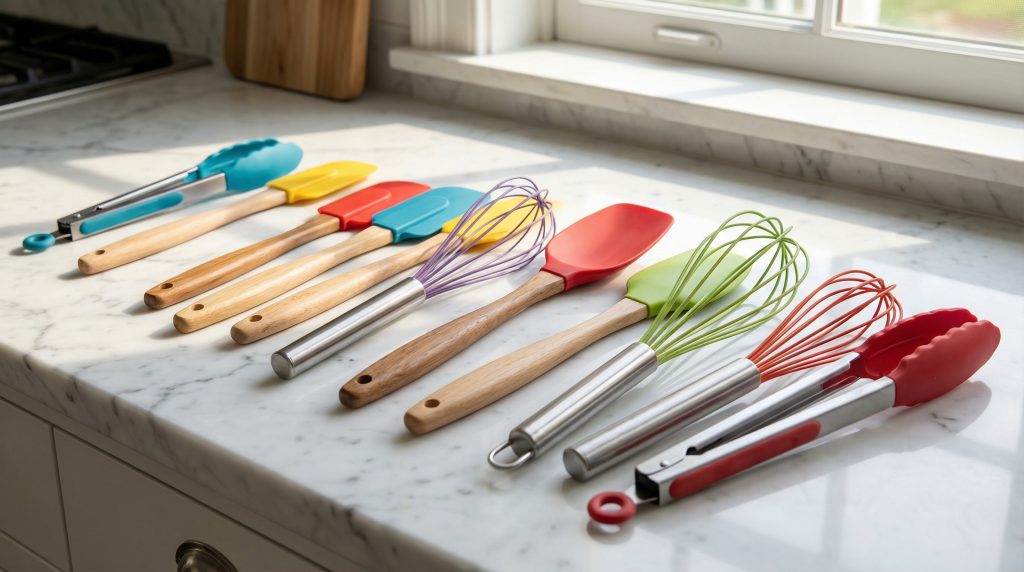
Unlike some metals, silicone will not leach chemicals when it comes into contact with acidic ingredients like vinegar or lemon. Consider this: you can prepare tomato-based sauces without worrying about metallic aftertastes or material corrosion.
Key Takeaway: The chemical inertness of silicone makes it an ideal choice for diverse culinary applications.
| Feature | Silicone Safety Benefit |
|---|---|
| Chemical Activity | Completely inert; no leaching. |
| Microbial Growth | Non-porous surface resists bacteria. |
| Flavor Impact | Does not alter food taste or smell. |
The inherent stability of the silicone molecule provides a foundational layer of safety for all kitchen activities.
How do regulatory standards ensure silicone safety?
Regulatory standards like FDA and LFGB provide the rigorous testing necessary to confirm that the material is safe for food contact. Confirming [is silicone safe to cook with] requires verifying that the product has passed international migration tests. These standards ensure that no harmful substances are transferred from the utensil to your dinner plate.
What roles do FDA and LFGB play in safety?
The FDA and Germany’s LFGB are the two primary certifications that define the quality of silicone used in your home. Think about it: while both are safe, LFGB silicone undergoes more stringent testing for chemical purity.
- FDA is the standard for the United States market.
- LFGB is a higher-tier European standard.
- Both prohibit the use of toxic fillers.
How do REACH regulations impact material purity?
REACH regulations help you identify products that are free from substances of very high concern. But wait, there is more: compliance ensures that the entire supply chain avoids hazardous chemicals during the molding process.
Key Takeaway: Checking for regulatory marks is the most effective way to ensure your cookware is high-purity.
| Standard | Primary Focus | Testing Intensity |
|---|---|---|
| FDA | Basic food safety | Standard migration tests |
| LFGB | High-end purity | Intensive sensory testing |
| REACH | Environmental health | Chemical substance control |
Adherence to these global benchmarks guarantees that the products you use are free from hidden contaminants.
What are the primary benefits of silicone cookware?
The primary benefits of silicone include its extreme temperature resistance and its naturally non-stick surface. When researching if is silicone safe to cook with, you will find that its durability significantly outweighs that of disposable or low-quality plastic alternatives. This longevity makes it a sustainable and cost-effective choice for any professional or home kitchen.
Why is thermal stability vital for professional use?
Thermal stability allows your tools to move from the freezer to the oven without cracking or melting. Consider this: silicone remains stable at temperatures that would cause traditional rubber to become brittle and fail.
- High heat resistance up to 230°C.
- Low temperature flexibility down to -40°C.
- Consistent performance in high-volume settings.
How does the non-stick surface reduce kitchen waste?
The natural non-stick properties of silicone mean you can often skip the extra oils or parchment paper. Here is the bottom line: this makes cleaning easier and reduces the environmental impact of your cooking process.
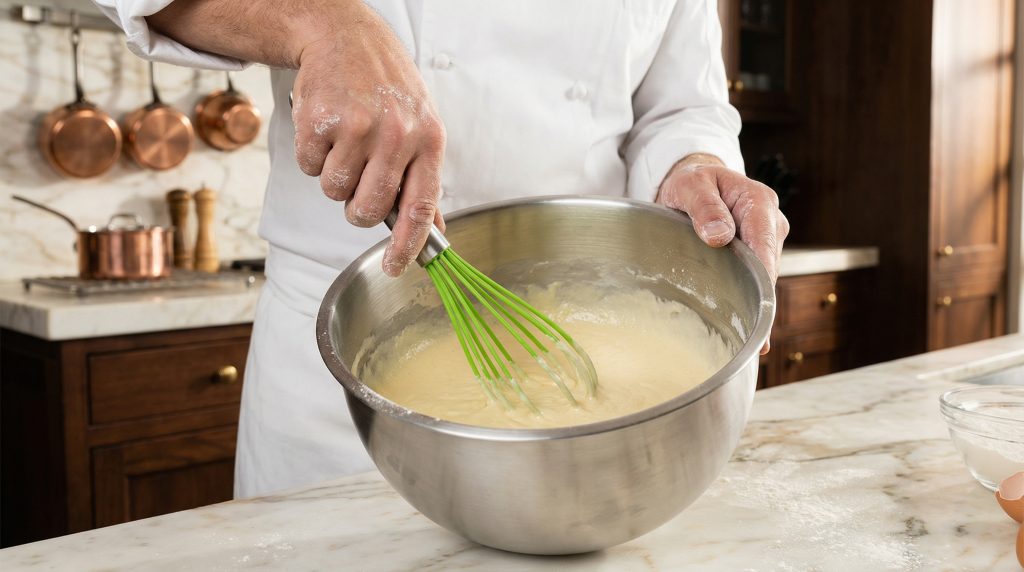
Key Takeaway: Silicone combines performance and sustainability, making it a versatile tool for various kitchen tasks.
| Benefit | Practical Application | User Impact |
|---|---|---|
| Non-Stick | Easy release of baked goods. | Less oil and faster cleanup. |
| Durability | Resists tearing and warping. | Long-term cost savings. |
| Versatility | Oven, microwave, and freezer safe. | Fewer specialized tools needed. |
These diverse advantages highlight why silicone has become a staple in modern, health-conscious kitchens.
Is silicone safe for microwave and oven use?
Silicone is perfectly safe for microwave and oven use because it does not absorb radiation or melt under standard baking heats. Determining [is silicone safe to cook with] in high-heat environments involves checking the specific temperature rating provided by the manufacturer. Unlike metal, silicone is transparent to microwave energy, allowing for even heating without sparking.
Can silicone handle extreme oven temperatures?
Most high-quality silicone bakeware is rated for temperatures up to 450°F (232°C). Think about it: this is higher than the temperature required for most bread, cookies, and roasted vegetables.
- Distributes heat evenly for better results.
- Cools down quickly after removal from the heat.
- Prevents hotspots that can burn food.
Is silicone safe for use in steamers?
Silicone is an excellent material for steaming because it does not degrade when exposed to moisture and heat simultaneously. The best part? It remains flexible enough to fit into various pot sizes while maintaining its shape.
Key Takeaway: The high thermal threshold of silicone makes it one of the most resilient materials for varied heating methods.
| Heat Method | Silicone Compatibility | Safety Rating |
|---|---|---|
| Oven | High (up to 450°F) | Excellent |
| Microwave | Full compatibility | Safe/Non-reactive |
| Steamer | Ideal for moist heat | Very High |
Using silicone across different heat sources demonstrates its remarkable adaptability and safety profile.
How should you clean silicone kitchen tools?
Cleaning silicone is straightforward because its smooth surface prevents food from bonding tightly to the material. When you ask if is silicone safe to cook with, you should also consider how its ease of cleaning prevents cross-contamination. Maintaining a hygienic surface is essential for food safety, and silicone simplifies this process significantly.
Is food-grade silicone dishwasher safe?
You can safely place your silicone utensils and mats in the dishwasher without fear of warping or discoloration. Consider this: the high heat of a dishwasher cycle actually helps to deep-clean the pores of the material.
- Resists harsh dishwasher detergents.
- Withstands the high-heat drying cycle.
- Does not chip or crack like ceramic.
How can you remove persistent food odors?
If your silicone absorbs a strong scent, you can easily neutralize it by boiling the tool in water with a bit of lemon juice. Here is the bottom line: periodic deep cleaning ensures that your tools remain as fresh as the day you bought them.
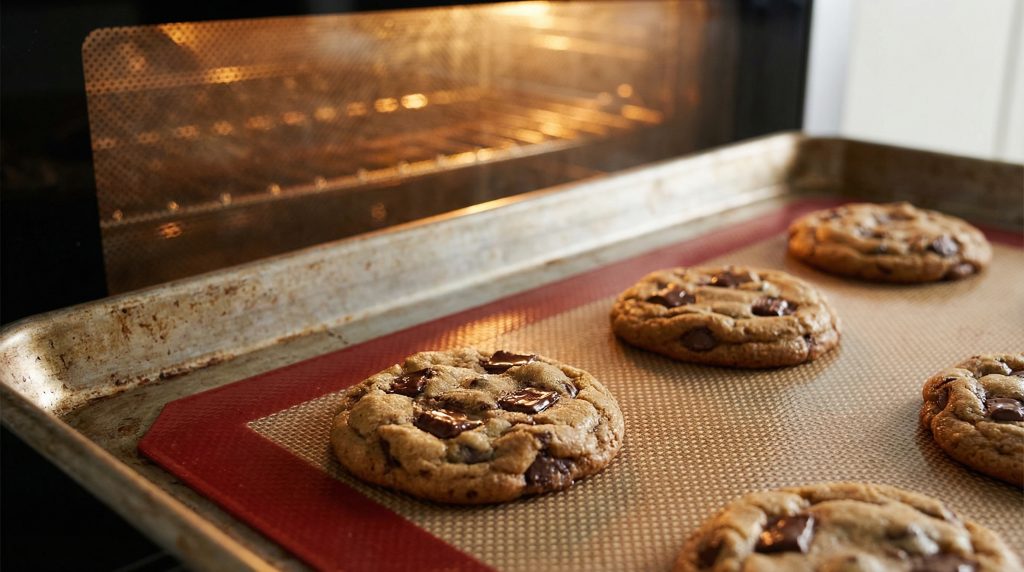
Key Takeaway: Easy maintenance routines ensure your silicone tools remain sanitary and functional for years.
| Cleaning Type | Recommended Method | Frequency |
|---|---|---|
| Daily | Warm soapy water | After every use |
| Deep Clean | Dishwasher | Weekly |
| Deodorize | Boiling water/Lemon | As needed |
Proper maintenance not only extends the life of your products but also maintains their non-toxic properties.
What are the best ways to sterilize silicone?
Sterilizing silicone is simple because the material can withstand boiling water and medical-grade sanitizing agents. To be sure [is silicone safe to cook with], you can periodically sterilize your tools to eliminate any lingering microbes. This is particularly useful for items that come into contact with raw meat or for households with sensitive health needs.
Can you boil silicone for deep sterilization?
Boiling silicone for five to ten minutes is one of the most effective ways to ensure it is completely sterile. Think about it: this process is much safer for silicone than it is for most plastics, which might release chemicals when boiled.
- Kills 99.9% of common kitchen bacteria.
- Does not compromise the material’s integrity.
- Safe for baby bottle nipples and pacifiers.
Is UV light effective for sanitizing silicone?
UV sterilization is another modern method that works well with silicone surfaces without causing material fatigue. But wait, there is more: because silicone is often used in medical environments, it is specifically designed to handle these sanitation methods.
Key Takeaway: The ability to withstand intense sterilization makes silicone a leader in hygienic kitchenware.
| Method | Effectiveness | Time Required |
|---|---|---|
| Boiling | Very High | 5-10 Minutes |
| UV Light | High | 2-5 Minutes |
| Chemical Soak | Moderate | 15-30 Minutes |
Reliable sterilization options provide peace of mind for users who prioritize clinical-level cleanliness.
Does silicone have a specific melting point?
Silicone does not melt in the traditional sense; instead, it slowly loses its mechanical properties at extremely high temperatures. If you are questioning is silicone safe to cook with, understand that it remains solid far beyond the limits of typical kitchen activities. It will only begin to decompose if exposed to sustained temperatures well above 300°C.
What is the softening range of silicone?
Silicone maintains its shape and hardness throughout the entire range of residential cooking temperatures. Consider this: while plastic might soften and leach at 100°C, silicone remains firm and safe.
- No “softening” occurs at boiling points.
- Material remains stable during rapid cooling.
- Structural integrity is preserved in the freezer.
Does silicone degrade in boiling water?
Boiling water does not cause silicone to degrade or release any harmful byproducts into the liquid. Here is the bottom line: you can use silicone poaching pods or infusers indefinitely without worrying about material breakdown.
Key Takeaway: Silicone’s high thermal degradation point ensures it remains solid and safe during all cooking processes.
| Temperature Condition | Silicone State | Safety Status |
|---|---|---|
| Freezing (-40°C) | Flexible Solid | Safe |
| Boiling (100°C) | Stable Solid | Safe |
| Baking (230°C) | Stable Solid | Safe |
Understanding the thermal limits of the material helps you use it with confidence in any environment.
Why is silicone a healthier choice than plastic?
Silicone is a healthier choice than plastic because it is free from hormone-disrupting chemicals and does not shed microplastics. When evaluating if [is silicone safe to cook with], the absence of Bisphenol A (BPA) is a major health advantage. Unlike plastic, which is derived from petrochemicals, silicone is based on silica, making it a more biocompatible option for food preparation.
Does silicone release BPA or phthalates?
Pure food-grade silicone is 100% free of BPA, BPS, and phthalates, which are common in many plastic containers. Think about it: using silicone eliminates the risk of these endocrine disruptors entering your family’s diet.
- Safe for sensitive individuals.
- Ideal for long-term food storage.
- No risk of chemical migration over time.
How does silicone prevent microplastic contamination?
Because silicone is a durable elastomer, it does not flake or shed tiny particles into your food like old plastic spatulas might. The best part? You are actively reducing your daily intake of microplastics by switching to silicone tools.
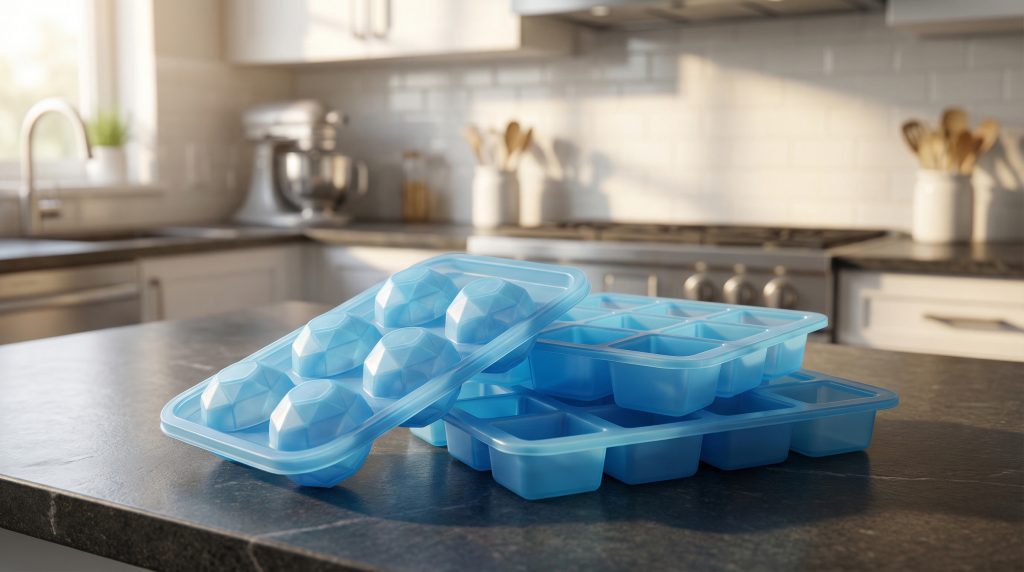
Key Takeaway: Switching to silicone reduces your exposure to the toxic chemicals and particulates associated with plastics.
| Material | Endocrine Disruptors | Microplastic Shedding |
|---|---|---|
| Silicone | None | Extremely Low |
| Plastic | High Risk (BPA) | High (when worn) |
| Wooden | None | Low (but porous) |
Choosing silicone is a proactive step toward a cleaner, healthier household and environment.
When should you replace your silicone utensils?
You should replace your silicone utensils if they show signs of physical damage, such as deep cuts or significant peeling. While checking is silicone safe to cook with, remember that even the most durable materials have a lifespan. Inspecting your tools regularly ensures that you are always working with equipment that meets safety and performance standards.
What signs indicate material wear and tear?
Look for cracks, tears, or a “sticky” feeling that does not go away after thorough cleaning. Consider this: a small tear can harbor bacteria, so it is safer to replace the item once the surface is compromised.
- Nicks from sharp knives or blender blades.
- Excessive warping from direct flame contact.
- Persistent stickiness indicating chemical breakdown.
Does discoloration affect cooking safety?
Minor discoloration from foods like turmeric or beets is usually cosmetic and does not impact the safety of the tool. But wait, there is more: as long as the surface remains smooth and intact, the tool is safe to continue using.
Key Takeaway: Regular inspection of your silicone tools is the final step in maintaining a safe kitchen.
| Sign of Wear | Safety Action | Recommended Choice |
|---|---|---|
| Staining | None needed | Continue using |
| Deep Cuts | Replacement | Replace immediately |
| Hardening | Replacement | Monitor and replace |
A proactive replacement strategy ensures that your kitchen tools never compromise your food safety.
What are common questions about silicone safety?
Silicone safety is a broad topic, but most concerns center on direct heat and material quality. When you determine [is silicone safe to cook with], you likely have specific scenarios in mind, such as using mats in an air fryer or utensils on a grill. Understanding these specific use cases helps you maximize the utility of your silicone products while maintaining the highest safety standards.
Can I use silicone utensils on an open flame?
No, you should never use silicone utensils over an open flame because the direct heat can exceed the material’s decomposition point. Here is the bottom line: use silicone for baking, stirring, and serving, but keep it away from active burners.
- Prevents smoking and material damage.
- Protects the life of the tool.
- Maintains a safe air quality in the kitchen.
What’s the best way to tell if silicone is high quality?
The “pinch test” is a quick way to check for fillers; if you twist the silicone and see white through the material, it likely contains cheap additives. Consider this: high-purity silicone will remain a consistent color throughout the entire pinch.
Key Takeaway: Knowledge of material behavior allows you to use silicone safely across all your culinary projects.
| Context | Action | Safety Result |
|---|---|---|
| Open Flame | Avoid direct contact | Prevents melting |
| Pinch Test | Twist and check color | Identifies fillers |
| Air Fryer | Safe up to rated heat | Efficient cooking |
These practical tips ensure that you get the most out of your silicone kitchen tools while prioritizing health.
*
Strategic Culinary Safety
Food-grade silicone stands as a cornerstone of safe, modern cooking due to its non-toxic, heat-resistant, and chemically inert nature. By prioritizing high-purity materials and following proper care guidelines, you can eliminate the risks associated with traditional plastics and low-quality coatings. We are committed to providing the highest quality silicone manufacturing solutions to ensure your kitchen remains a sanctuary of health and efficiency. To explore custom manufacturing options or to learn more about our material certifications, please contact us today. Our vision is to lead the industry in sustainable, precision-engineered silicone parts that enhance the safety and quality of life for users worldwide.
FAQ
Can I use silicone utensils on an open flame?
No, because direct flame temperatures far exceed the 450°F safety limit of silicone. Always keep silicone tools away from gas burners or charcoal to prevent material decomposition.
What’s the best way to tell if silicone is high quality?
Perform the pinch test by twisting a flat surface of the material. High-quality silicone stays the same color, while silicone with fillers will show white through the stretch.
Can I put silicone in the air fryer?
Yes, provided the air fryer does not exceed the temperature rating on your silicone accessory. Most air fryers operate within the safe thermal range for food-grade silicone mats and molds.
What’s the best temperature limit for silicone baking mats?
Standard baking mats are safe up to 450°F (232°C). Always check the manufacturer’s stamp to ensure you stay within the specific thermal limits of your product.
Can I use silicone if it has a small tear?
No, because tears can trap food particles and moisture, leading to bacterial growth. It is best to replace any silicone tool once its smooth, non-porous surface is physically compromised.