
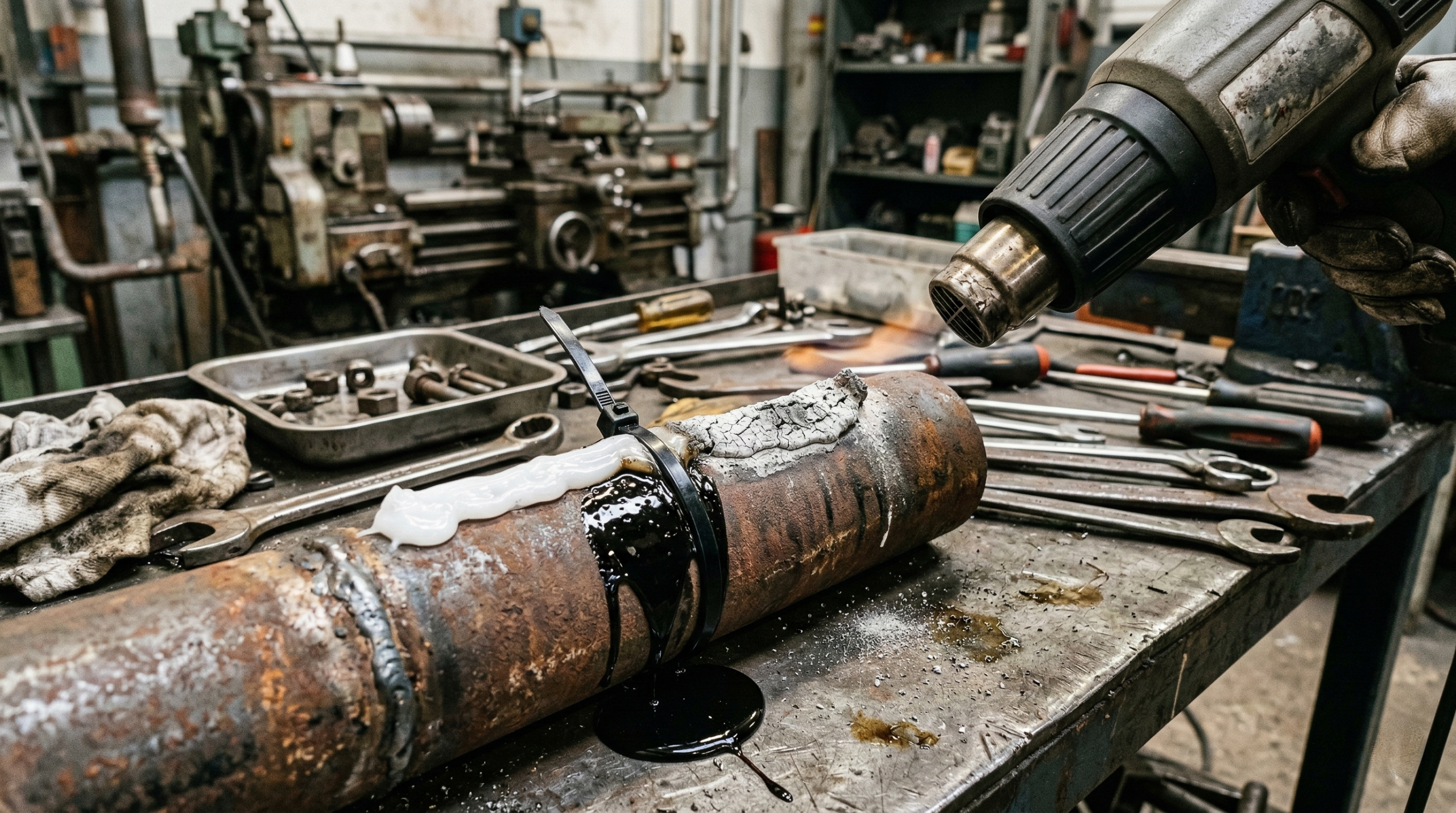
No, high-quality silicone does not melt easily. You might face equipment failures from standard plastics degrading. This causes costly production halts. We provide a better way. Using robust materials prevents those expensive downtime events. Many engineers wonder does silicone melt during extreme operations. Premium elastomers withstand immense heat without liquefying. We manufacture reliable components that maintain integrity under severe thermal stress.
1. At What Specific Temperature Does Silicone Melt?
Silicone does not truly melt at a specific temperature. Instead, does silicone melt becomes a question of degradation. It generally withstands temperatures up to 300 degrees Celsius. Extreme thermal exposure eventually causes it to turn brittle rather than liquid.
How Heat Impacts Elastomer Structure
Standard rubber breaks down quickly under high thermal loads. Here is the kicker: silicone retains its shape remarkably well.
- Maintains flexibility at high temperatures
- Resists hardening during continuous exposure
- Survives extreme industrial environments
Key Takeaway: Thermal stability makes this material perfect for intense applications.
| Parameter | Standard Rubber | High-Grade Silicone |
| Max Temp | 100°C | 300°C |
| Failure Mode | Melts | Hardens |
This table shows why premium materials outperform standard options under stress.
2. Why Does Silicone Melt Differently Than Plastic?
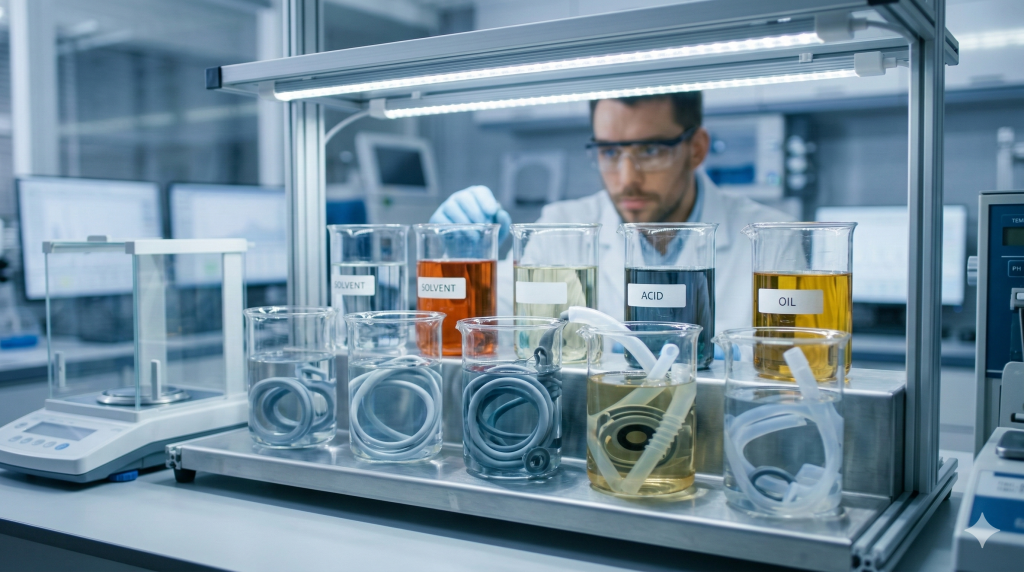
Plastics turn into liquid when heated but silicone does not. When asking does silicone melt, understand its unique chemical backbone. Siloxane bonds offer incredible thermal resistance compared with carbon-based plastics. It degrades into harmless silica ash instead of a gooey mess.
Chemical Bonds Explain The Difference
Carbon bonds in regular plastics break apart easily under heat. What is the real story? Inorganic siloxane backbones endure much greater energy.
- Inorganic backbone resists thermal breakdown
- Stronger chemical bonds require more energy
- Ash residue replaces liquid dripping
Key Takeaway: Unique molecular structures prevent catastrophic liquid failures during extreme heating.
| Material Type | Backbone Structure | High Heat Reaction |
| Thermoplastic | Carbon-Carbon | Turns liquid |
| Silicone Elastomer | Silicon-Oxygen | Turns to ash |
Chemical structure dictates how materials behave when facing extreme temperatures.
3. Does Silicone Melt During High-Heat Operations?
Industrial operations rarely reach temperatures that destroy these robust elastomers. People often wonder does silicone melt inside heavy manufacturing equipment. These components survive continuous friction and severe environmental heating effortlessly. Your machinery runs longer without frequent part replacements.
How Do They Perform In Factory Settings?
Heavy machinery generates massive amounts of friction and radiant heat. Ready for the good part? Our custom seals handle these harsh conditions flawlessly.
- Continuous operation without material fatigue
- Excellent resistance against hot oils
- Reduced maintenance cycles for heavy machinery
Key Takeaway: Utilizing specialized elastomers drastically reduces costly factory downtime.
| Application | Typical Heat | Elastomer Condition |
| Engine Seals | 150°C | Fully Intact |
| Industrial Ovens | 250°C | Maintains Shape |
Properly formulated parts maintain peak performance across multiple high-temperature settings.
4. Exactly How Does Silicone Melt or Degrade?
Extreme heat causes these polymers to harden instead of turning liquid. If you research does silicone melt, you will find it oxidizes. It eventually transforms into white silica powder under extreme fire. This process prevents hazardous dripping during severe emergency situations.
The Oxidation Process Explained
Combustion happens only when temperatures exceed 400 degrees Celsius. This is where it gets interesting: the resulting ash acts defensively.
- Forms a protective insulative layer
- Slows down further material degradation
- Prevents fire from spreading rapidly
Key Takeaway: The degradation mechanism provides secondary protection during extreme fires.
| Temp Range | Physical State | Safety Impact |
| Up to 300°C | Flexible | Safe operation |
| Above 400°C | Brittle/Ash | Non-dripping |
Understanding thermal limits helps engineers design safer products for extreme environments.
5. Does Silicone Melt Inside Ovens or Car Engines?
These elastomers perform exceptionally well inside hot ovens and engines. Many automotive engineers ask does silicone melt near exhaust systems. Premium formulations easily handle proximity engine heat without any issues. They provide reliable sealing where traditional rubber would fail immediately.
How Do They Survive Automotive Environments?
Car engines create environments full of hot fluids and gases. You might be wondering: how do these parts survive?
- Resists hot engine oil degradation
- Handles baking oven temperatures easily
- Maintains structural integrity under pressure
Key Takeaway: High thermal limits make this material ideal for harsh environments.
| Environment | Main Challenge | Solution Benefit |
| Ovens | Dry Heat | No toxic off-gassing |
| Engines | Hot Fluids | Swell resistance |
Selecting premium materials guarantees long-lasting performance across diverse demanding applications.
6. How Does Silicone Melt Affect Your Bottom Line?
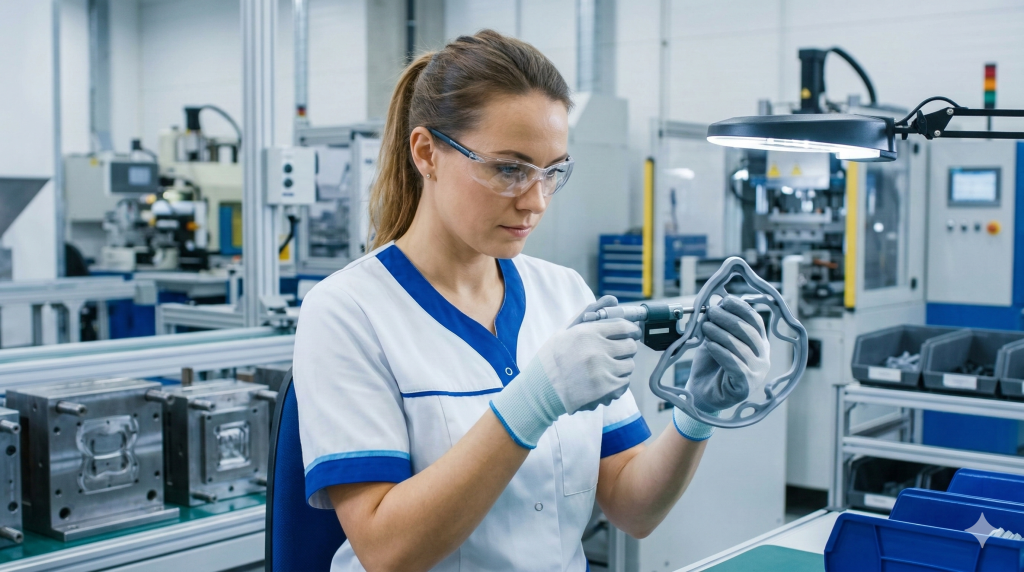
Material degradation directly impacts your overall manufacturing costs. If parts fail because does silicone melt, machinery stops entirely. Replacing inferior components constantly drains your maintenance budget quickly. Investing upfront in premium elastomers saves massive amounts of money.
Calculating Long-Term ROI
Cheap rubber requires frequent replacements and causes unplanned machine downtime. Here is the deal: superior materials last exponentially longer.
- Fewer replacement parts needed annually
- Massive reductions in unplanned downtime
- Higher overall production line efficiency
Key Takeaway: Upgrading your seals represents a smart financial investment.
| Material | Replacement Frequency | Annual Cost Impact |
| Cheap Rubber | Monthly | High |
| Premium Elastomer | Annually | Low |
Analyzing replacement frequencies reveals massive hidden costs associated with cheap materials.
7. Does Silicone Melt While Under Extreme Pressure?
High pressure combined with heat will not liquefy these parts. Engineers testing new systems wonder does silicone melt under compression. The material might deform slightly but maintains its core structure. It provides reliable sealing even during extreme mechanical stress.
Compression Set Resistance Matters
Seals must bounce back after being squeezed tightly for months. Believe it or not: our materials boast incredible recovery rates.
- Maintains shape after heavy compression
- Resists permanent deformation over time
- Provides consistent sealing under load
Key Takeaway: Superior compression resistance maintains tight seals regardless of pressure.
| Stress Type | Material Reaction | System Impact |
| High Heat | Stable | Consistent output |
| High Pressure | Recovers | Prevents leaks |
Combining thermal stability with compression resistance creates incredibly reliable industrial components.
8. What Happens When You Ask Does Silicone Melt?
You learn that thermal stability defines this amazing engineering material. Searching does silicone melt reveals its superior capabilities against heat. You quickly realize standard plastics cannot compete with these polymers. Upgrading your components becomes an obvious choice for reliable manufacturing.
Moving Away From Plastics
Replacing legacy plastic parts requires careful engineering and testing phases. Want to know a secret? We make this switch painless.
- Custom mold design for exact fits
- Rapid prototyping for quick testing
- Seamless integration into existing assemblies
Key Takeaway: Moving toward advanced elastomers dramatically improves your product reliability.
| Component | Old Material | Upgraded Material |
| Gasket | Nitrile | High-Temp Elastomer |
| Tube | PVC | Medical-Grade Polymer |
Strategic material upgrades deliver immediate performance improvements across any product line.
9. Does Silicone Melt When Exposed to Chemicals?
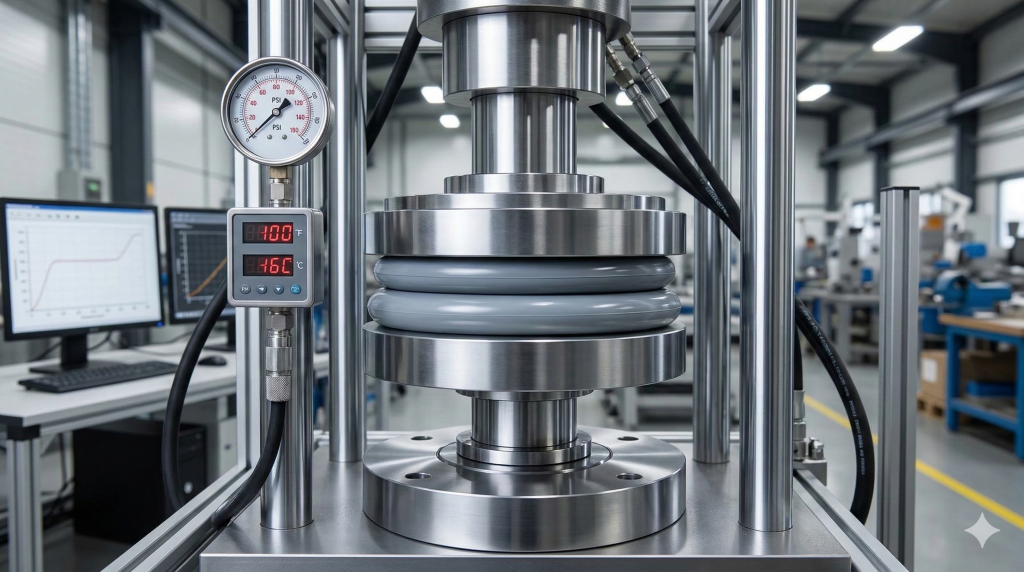
Chemical exposure rarely causes these specialized polymers to turn into liquid. Concerns about does silicone melt often include harsh chemical environments. These robust materials resist many common industrial solvents and acids. They maintain their physical properties while protecting sensitive internal components.
What About Chemical Compatibility Over Time?
Industrial cleaners quickly destroy standard rubber seals within a week. The best part? Our specialized formulations resist aggressive cleaning agents.
- Withstands harsh industrial cleaning chemicals
- Resists degradation from automotive fluids
- Maintains flexibility after chemical exposure
Key Takeaway: Broad chemical resistance expands potential applications across numerous harsh industries.
| Chemical Type | Resistance Level | Typical Application |
| Mild Acids | Excellent | Food Processing |
| Motor Oil | Good | Automotive Seals |
Evaluating chemical compatibility guarantees your components survive their intended operating environments.
10. How Can You Avoid Does Silicone Melt Concerns?
Partnering with an experienced manufacturer eliminates material failure risks completely. Clients worrying about does silicone melt need expert material selection. We formulate custom blends designed specifically for your thermal requirements. Strict quality control guarantees every batch meets your exact specifications.
Choosing The Right Manufacturing Partner
Finding a reliable factory determines your ultimate product success directly. Here is the bottom line: experience matters heavily in manufacturing.
- In-house mold design speeds up production
- Strict quality control prevents defective batches
- Custom formulations solve unique engineering challenges
Key Takeaway: Expert manufacturing partners provide peace of mind and superior products.
| Partner Trait | Client Benefit | Long-Term Result |
| Custom Blends | Exact specifications met | Product success |
| Strict QC | Zero defects received | Brand trust |
Selecting an integrated manufacturing partner guarantees consistent quality across every order.
Wrapping Up
Upgrading your industrial components guarantees uninterrupted operations and immense savings. We deliver premium manufacturing solutions that withstand extreme thermal demands. Please contact us today for custom engineering support. HuaLin remains your trusted partner for high-quality robust elastomeric solutions.
FAQ
Q1: Can I use these materials in extremely hot ovens?
Yes, you can safely use them in hot environments. They withstand continuous temperatures up to 300 degrees Celsius easily.
Q2: What is the best way to handle extreme chemical exposure?
Selecting a customized fluorosilicone blend works perfectly here. This specific formulation resists harsh chemicals better than standard options.
Q3: How do I know if my parts will degrade?
Look for hardening or cracking over long periods. These materials become brittle instead of turning into a liquid.
Q4: Can I replace standard rubber seals with these elastomers?
Yes, upgrading your seals improves machinery lifespan dramatically. Custom molds guarantee the new parts fit your equipment perfectly.
Q5: What is the best method for testing new prototypes?
Requesting a small batch for field testing works incredibly well. We support flexible trial orders for rigorous real-world performance validation.