
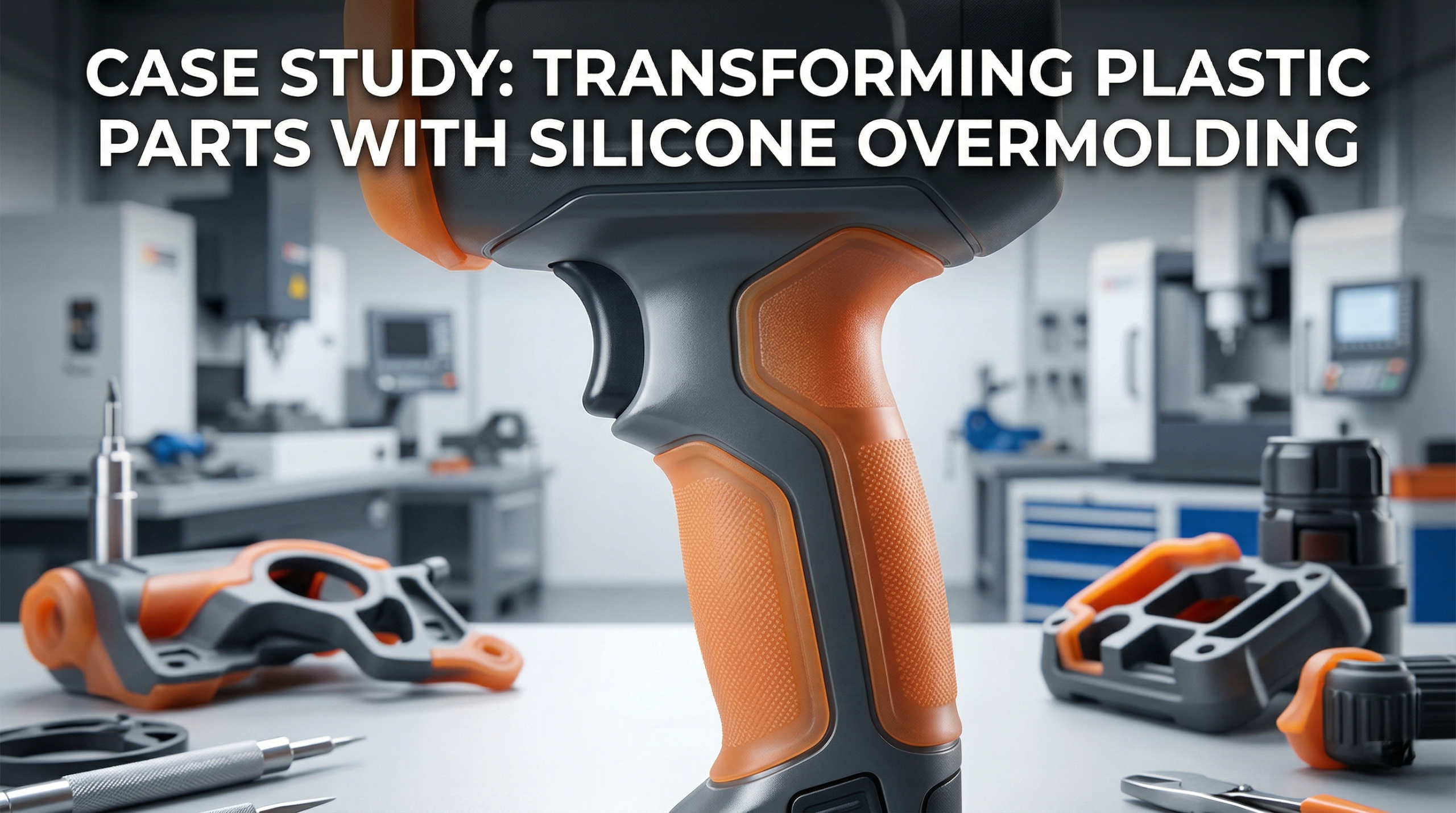
Transforming plastic components through dual-material processes involves permanently fusing flexible elastomers onto rigid substrates for superior functionality. Manufacturers often struggle when creating durable handheld tools. Rigid plastics lack adequate grip, causing severe user fatigue. Broken components cost companies massive amounts of money daily. Adding a secondary soft layer solves this persistent issue effectively. Silicone Overmolding creates a seamless bond between hard frames and flexible exteriors. We provide highly reliable solutions for your most complex engineering designs.
Why Do Manufacturers Choose to Overmold Plastic with Silicone?
Manufacturers select Silicone Overmolding because it permanently fuses two different materials into one robust unit. This process eliminates manual assembly steps entirely. You save valuable production time instantly. Your product gains superior water resistance immediately.
Core Challenges with Rigid Plastics
Standard plastics feel cheap against human hands. They crack under pressure very easily.
- Poor tactile feedback hurts user satisfaction greatly.
- Lack of sealing leads toward rapid moisture damage.
- Constant friction causes rapid wear over time.
But here is the kicker…
Combining materials addresses these flaws perfectly. You get immense strength from polycarbonate alongside softness from rubber.
Improving Durability and Grip
Rubberized textures improve handling safety remarkably. Medical tools require secure grips during surgical procedures.
Key Takeaway: You upgrade ordinary components into premium items by adding flexible exteriors.
| Benefit | Rigid Plastic | Overmolded Assembly |
Reviewing this performance data shows clear advantages gained from dual-material integration.
How Does the Bonding Process Work Between These Materials?
Bonding processes in Silicone Overmolding rely on either chemical cross-linking or mechanical interlocking during production. Heat activates specific bonding agents. Liquid rubber cures directly onto your substrate. We guarantee maximum adhesion strength.
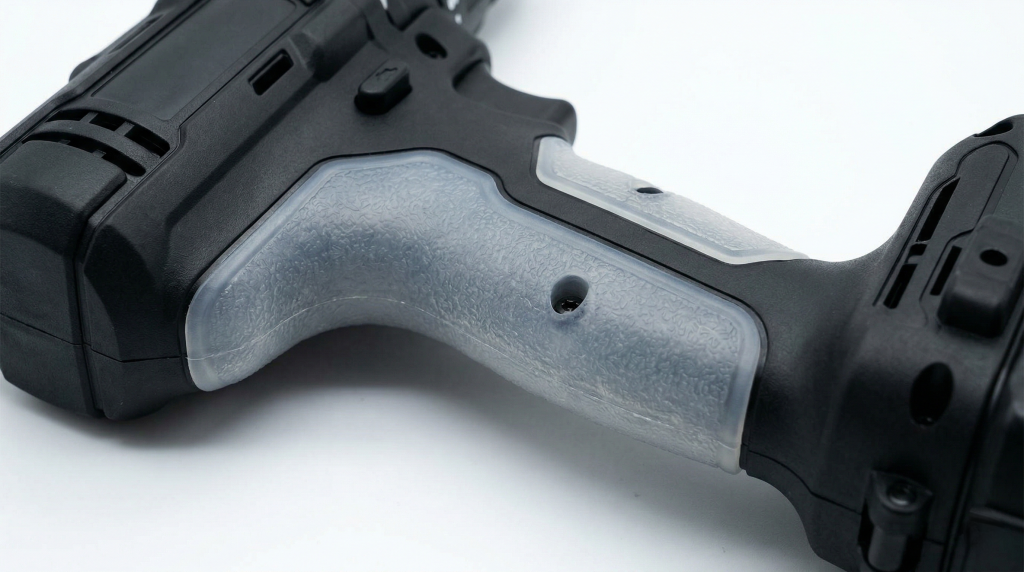
Chemical vs Mechanical Adhesion
Chemical bonding offers superior longevity. Primers create molecular bridges across surfaces.
- Self-adhesive LSR eliminates separate primer applications.
- Mechanical locks use undercuts for physical holding.
- Surface roughness increases contact area naturally.
What is the real story?
Not all plastics bond easily. Careful material selection prevents premature peeling.
Surface Preparation Techniques
Contaminants ruin adhesion instantly. Proper cleaning remains mandatory before any injection begins.
Key Takeaway: Preparing surfaces correctly guarantees a bond that outlasts ordinary adhesives.
| Adhesion Type | Application Method | Bond Strength |
What Are the Common Applications for This Approach?
Common applications for Silicone Overmolding include medical devices, smart wearables, and rugged electronics. Engineers require watertight seals around delicate circuits. Soft buttons provide tactile feedback on control panels. You find these parts everywhere today.
Medical Device Innovations
Hospitals demand sterile equipment constantly. Rubber withstands repeated autoclave cycles perfectly.
- Surgical tool handles gain anti-slip properties.
- Respiratory masks achieve comfortable facial seals.
- Wearable monitors stay attached without irritating skin.
Ready for the good part?
You achieve ISO 13485 compliance effortlessly using our Class 100k cleanrooms.
Consumer Electronics Waterproofing
Smartphones need protection against daily spills. Overmolded seals block moisture effectively.
Key Takeaway: Diverse industries leverage soft-touch features for better product reliability.
| Industry | Typical Part | Primary Benefit |
Which Plastic Substrates Perform Best During Vulcanization?
Polycarbonate and nylon represent excellent substrates for Silicone Overmolding because they withstand high curing temperatures without melting. Thermal stability prevents warping. You need materials that survive extreme heat. We test every plastic batch rigorously.
High-Temperature Resistance Requirements
Vulcanization requires temperatures exceeding 150 degrees Celsius. Standard ABS deforms under such intense conditions.
- Polycarbonate maintains structural integrity reliably.
- Polyamide offers exceptional mechanical strength.
- Polybutylene Terephthalate resists chemical degradation well.
This is where things get interesting…
Using low-temperature cure rubber allows softer plastics into your design.
Matching Shrinkage Rates
Materials shrink differently upon cooling down. Mismatched rates cause severe internal stress.
Key Takeaway: Selecting compatible base materials prevents costly warping defects later.
| Substrate Material | Heat Resistance | Adhesion Quality |
Can Complex Geometries Be Achieved in a Single Molding Cycle?
Advanced tooling allows Silicone Overmolding projects containing intricate shapes within one cycle. Precision machinery cuts highly detailed molds. Engineers optimize part geometry beforehand. You get perfect components every single time.
Designing for Manufacturability
Good design prevents manufacturing headaches immediately. Engineers analyze flow patterns using specialized software.
- Maintain uniform wall thickness throughout.
- Avoid sharp internal corners completely.
- Position injection gates away from visible surfaces.
You might be wondering…
Can we mold text directly? Yes, precision tooling makes custom branding easy.
Managing Undercuts and Draft Angles
Undercuts complicate part ejection greatly. Proper draft angles facilitate smooth removal from cavities.
Key Takeaway: Early collaboration with tooling experts guarantees flawless production runs.
| Geometry Feature | Design Recommendation | Potential Risk if Ignored |
How Do Tooling Requirements Differ from Standard Injection?
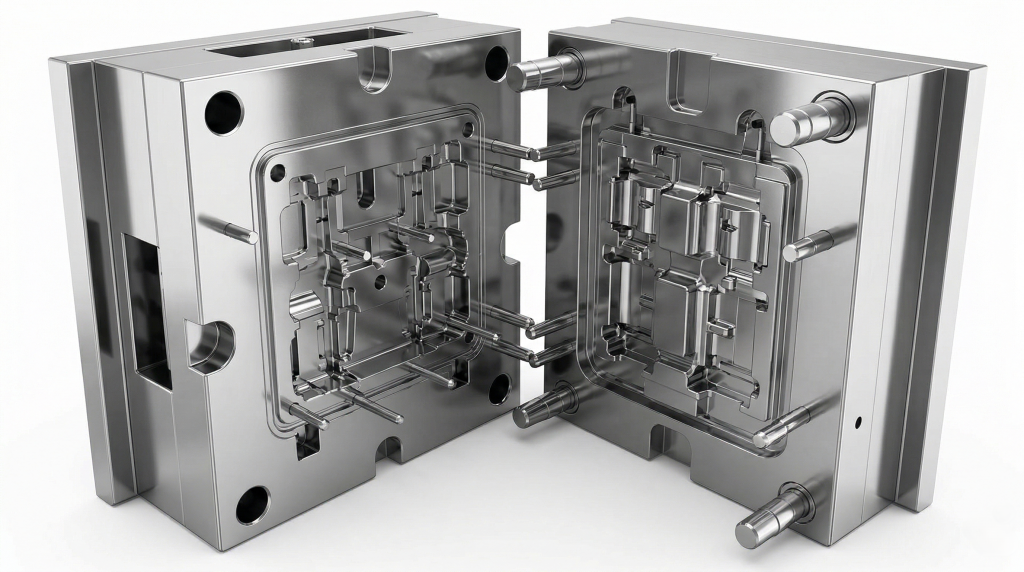
Tooling for Silicone Overmolding demands extreme precision because liquid rubber flows into incredibly tiny gaps easily. Mold builders use premium steel. Clearances must remain incredibly tight. We utilize German Roders CNC centers.
Precision CNC Machining Needs
Liquid elastomers flash at gaps larger than 0.01 millimeters. Standard plastic molds lack adequate sealing.
- High-grade steel prevents tool wear.
- Mirror EDM machining creates flawless surface finishes.
- Vacuum systems remove trapped air effectively.
Here is a fun fact…
Tighter tolerances mean zero burrs on finished goods.
Controlling Flash and Tolerances
Flash removal adds unnecessary labor costs. Perfectly machined shut-offs eliminate excess material leakage.
Key Takeaway: Investing in high-quality molds prevents future quality control nightmares.
| Tooling Aspect | Standard Plastic Mold | LSR Overmold Tooling |
Upgrading workshop capabilities directly translates into defect-free manufacturing outputs.
What Role Does Liquid Silicone Play in Mass Production?
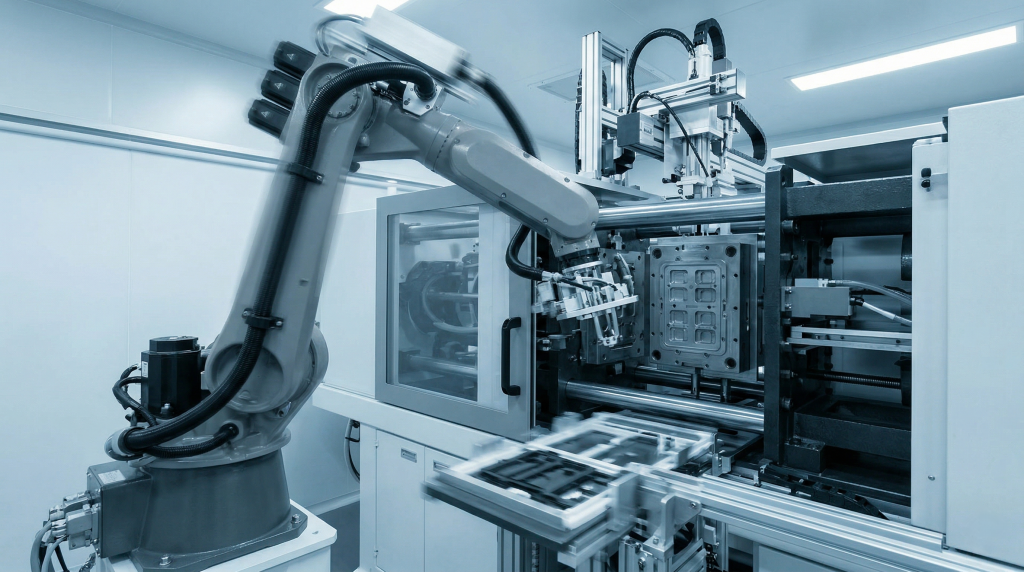
Liquid materials streamline Silicone Overmolding operations by enabling fully automated injection systems. Machines pump raw materials directly into closed molds. Faster cure times boost daily output. You receive parts much quicker.
Speed and Consistency Factors
Automation reduces human error drastically. Metering pumps mix parts flawlessly.
- Shorter cycle times increase weekly capacity.
- Closed-loop systems prevent material contamination.
- Consistent shot weights ensure uniform product dimensions.
Think about it…
Scaling up from prototypes requires reliable machine processes.
Clean Room Manufacturing Standards
Medical components require dust-free environments continuously. Automated lines operate entirely inside Class 100k cleanrooms.
Key Takeaway: Advanced LSR technology delivers high volumes without sacrificing quality.
| Production Metric | Manual Compression | Automated LSR |
Transitioning toward automated pumping systems maximizes overall factory efficiency metrics.
Are There Potential Defects to Watch Out For During Operation?
Engineers must monitor Silicone Overmolding processes constantly since air traps and delamination threaten product integrity. Operators adjust injection speeds carefully. We employ precise CCD inspection machines. Quality control catches anomalies early.
Preventing Air Traps and Voids
Air trapped inside cavities creates weak spots. Vacuum systems evacuate chambers before injection begins.
- Optimized gate locations guide material flow smoothly.
- Venting channels allow displaced gas escapes.
- Controlled injection speeds prevent turbulent filling.
Do not ignore this…
Microscopic bubbles compromise waterproof seals entirely.
Addressing Delamination Issues
Peeling indicates poor adhesion between layers. Technicians check primer application methods routinely.
Key Takeaway: Proactive process monitoring prevents scrap and ensures reliable performance.
| Defect Type | Root Cause | Preventive Action |
Understanding common failure modes helps teams establish better quality protocols.
How Does This Technique Impact Final Product Lifecycles?
Applying Silicone Overmolding extends product lifespans by absorbing shocks and resisting harsh environmental factors. Soft exteriors protect fragile internal electronics. Consumers enjoy longer-lasting items. Your brand reputation grows stronger.
Resistance Against Environmental Stress
Extreme weather destroys standard plastics quickly. Rubberized coatings withstand intense UV radiation endlessly.
- Chemical resistance protects against harsh cleaning agents.
- Thermal stability handles freezing or boiling temperatures.
- Impact absorption prevents shattering upon dropping.
Here is the bottom line…
Ruggedized designs mean fewer warranty claims from unhappy customers.
User Experience and Ergonomics
Comfortable handles reduce hand fatigue greatly. Soft-touch materials feel premium against human skin.
Key Takeaway: Upgraded durability translates directly into higher perceived customer value.
| Lifecycle Factor | Unprotected Plastic | Overmolded Product |
Investing in protective outer layers guarantees better long-term market success.
What Should You Look for When Partnering with a Manufacturer?
Choosing a reliable Silicone Overmolding partner requires evaluating specific quality certifications alongside their actual testing capabilities. Auditing facilities reveals true operational strengths. You need a trusted supplier. We offer complete manufacturing transparency.
Evaluating Quality Certifications
Certifications prove systematic management approaches exist. Medical buyers demand ISO 13485 strictly.
- IATF 16949 ensures automotive-grade precision continuously.
- ISO 9001 demonstrates reliable quality control systems.
- ISO 14001 shows commitment toward environmental protection.
Pay close attention…
Expired documents signal disorganized factory operations immediately.
Capacity and Testing Capabilities
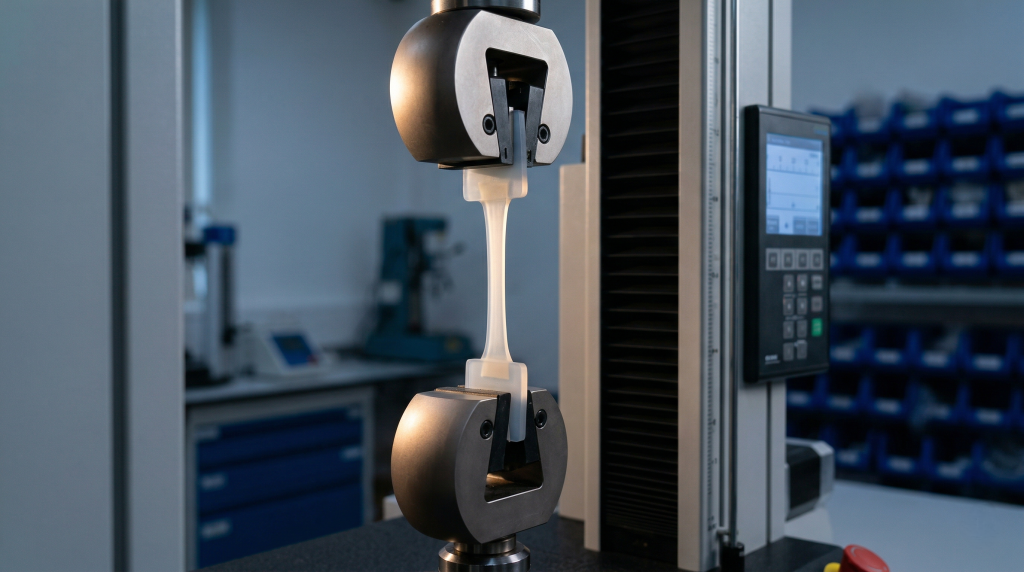
Internal laboratories validate product designs rapidly. We utilize 37 specialized testing machines daily.
Key Takeaway: Partnering with fully equipped facilities accelerates your product launch schedule.
| Supplier Feature | Average Factory | Premium Partner |
Selecting suppliers with integrated services removes unnecessary supply chain bottlenecks entirely.
Integrating flexible elastomers with rigid substrates eliminates multiple manufacturing headaches simultaneously. You achieve superior waterproofing, enhanced ergonomics, and unmatched durability seamlessly. We specialize in bringing these complex dual-material concepts into mass production reality. Partnering with an expert team guarantees your designs function perfectly under pressure. Reach out and contact us today for technical support on your next project. We commit ourselves deeply toward service-oriented excellence and customer-first joint development, acting as your true production partner.
FAQ
Q1: Can I bond liquid rubber onto any type of plastic?
It depends on thermal compatibility. Base materials must survive high curing temperatures without melting, making polycarbonate ideal while standard ABS fails.
Q2: What’s the best way to prevent peeling between layers?
Applying chemical primers remains highly effective. Proper surface cleaning removes contaminants, ensuring molecular bridges form securely across both distinct surfaces.
Q3: How do I know if my design needs an undercut?
Evaluate your physical holding requirements first. If chemical adhesion seems insufficient for your application, mechanical locks like undercuts provide secondary security.
Q4: Can I use this process for medical device manufacturing?
Yes, absolutely. Using biocompatible materials inside certified cleanrooms guarantees your components meet strict FDA and ISO 13485 regulatory standards.
Q5: What’s the best approach for reducing tooling costs?
Simplifying part geometry helps tremendously. Eliminating complex features minimizes CNC machining time, saving significant money during initial mold fabrication stages.