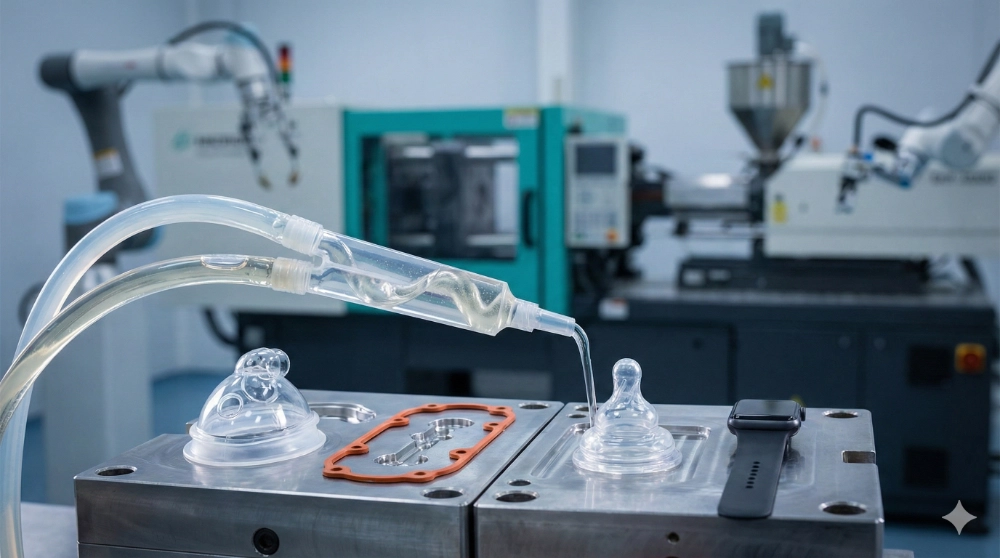
LSR injection molding is a specialized manufacturing process that transforms pumpable, two-part thermoset elastomers into high-precision, flexible, and biocompatible components. You likely struggle with traditional elastomers that fail under extreme temperatures or lack the purity required for sensitive applications. This technical gap often leads to product failures, costly safety recalls, and high scrap rates that eat into your profit margins. By leveraging lsr liquid silicone rubber, you gain access to a resilient solution that offers unmatched thermal stability and intricate design flexibility for your most demanding projects.
What is LSR liquid silicone rubber exactly?
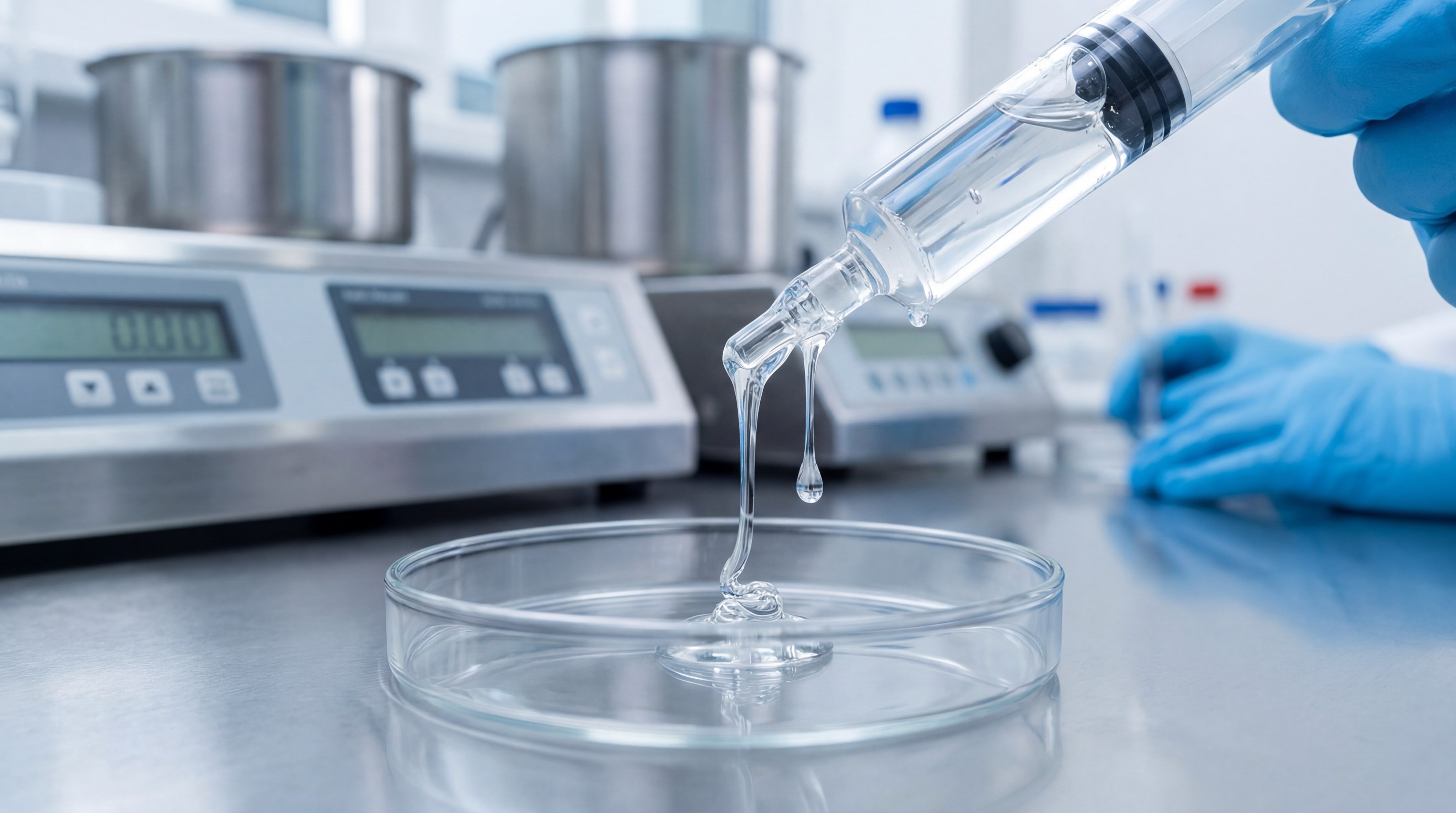
lsr liquid silicone rubber is a high-purity, platinum-cured silicone that remains in a liquid state until it is mixed and heated to trigger vulcanization. Unlike traditional rubbers that come in solid blocks, this material is delivered in two separate components that are pumped through a static mixer. Think about it. This liquid nature allows the material to flow into incredibly complex geometries with minimal pressure.
What is the chemical structure of LSR?
The material consists of a base polymer (Part A) and a cross-linker with a catalyst (Part B). When you combine these in a precise 1:1 ratio, a chemical reaction occurs that creates permanent molecular bonds.
- Part A: Contains the platinum catalyst.
- Part B: Contains the hydrogen-siloxane cross-linker.
- Inhibitors: Prevents curing from starting prematurely.
How does LSR compare to other elastomers?
LSR offers superior performance compared to Thermoplastic Elastomers (TPE) or High Consistency Rubber (HCR). It maintains its physical properties across a temperature range of -50°C to +250°C without melting or becoming brittle.
| Material Type | State | Curing Method | Heat Resistance |
|---|---|---|---|
| LSR | Liquid | Thermoset (Heat) | Exceptional |
| HCR | Solid/Gum | Compression | High |
| TPE | Pellets | Physical (Cooling) | Moderate |
LSR provides the most stable performance for parts that must survive repeated sterilization or extreme environmental stress.
Key Takeaway: Understanding lsr liquid silicone rubber as a thermoset liquid allows you to design parts that remain flexible and stable in conditions where other plastics simply fail.
How does the LSR injection molding process work?
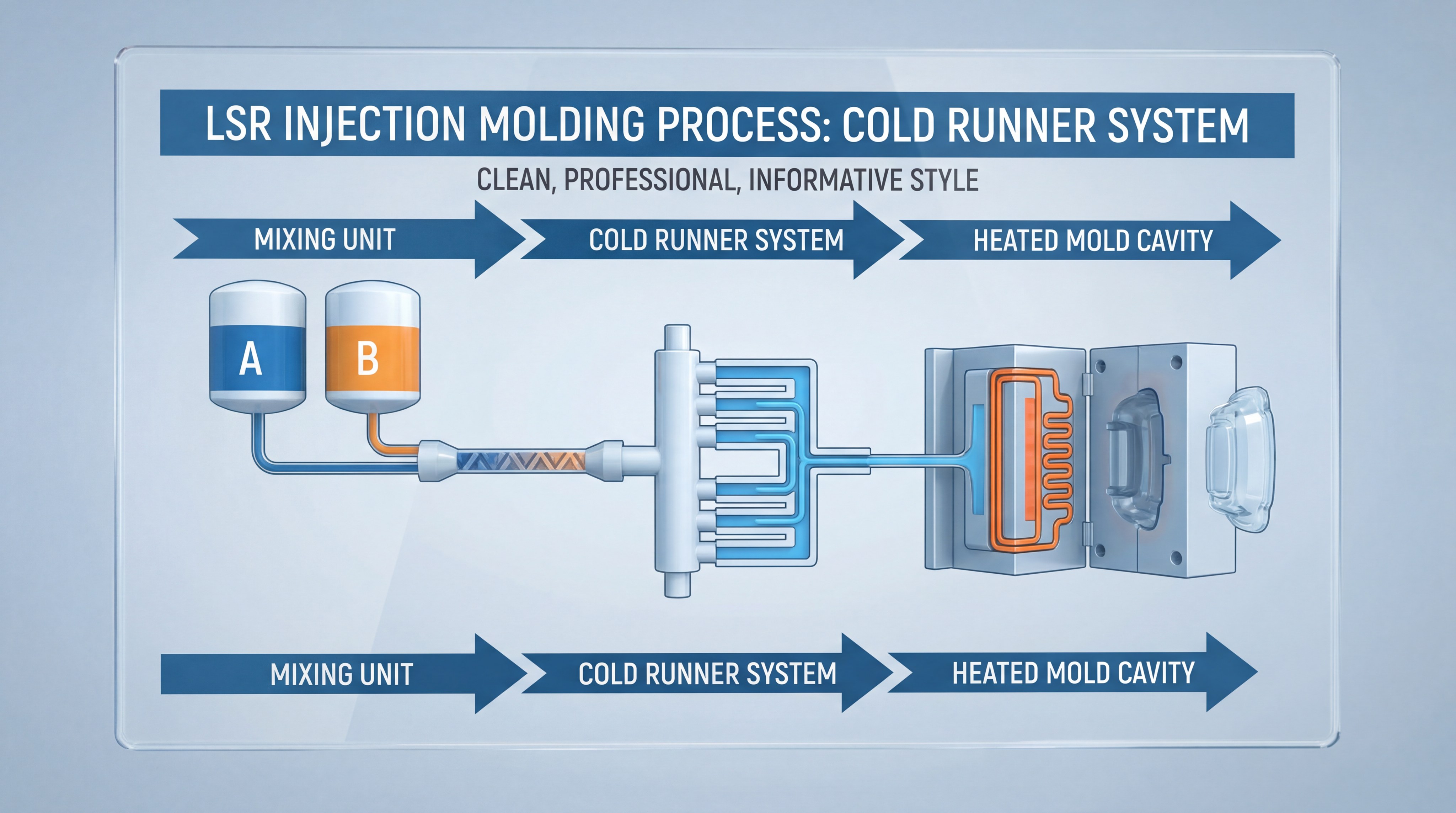
The process of molding lsr liquid silicone rubber involves a “cold-to-hot” workflow where the material is kept chilled until it reaches a heated mold cavity. This is the opposite of traditional plastic molding, where you heat the material to melt it into a cold mold. Here is the kicker. Because LSR cures with heat, precise temperature management is the most critical factor for success.
What are the main equipment stages?
The production line utilizes specialized pumps to draw Part A and Part B from their respective drums. These are forced through a static mixer before being injected into the mold under controlled pressure.
- Pumping System: Ensures a consistent 1:1 delivery.
- Static Mixer: Homogenizes the components completely.
- Cold Runner: Keeps the liquid cool to prevent premature curing.
Why is the curing phase so fast?
Once the liquid enters the heated mold, vulcanization happens almost instantly. This rapid chemical transition allows for shorter cycle times, making it ideal for high-volume production of small parts.
| Process Step | Temperature State | Critical Metric |
|---|---|---|
| Mixing | Ambient/Chilled | Mix Ratio (1:1) |
| Injection | Cold (<20°C) | Pressure Stability |
| Vulcanization | Hot (>160°C) | Cycle Time |
Precise control over the cold-to-hot transition ensures that every part is fully cured without thermal degradation.
Key Takeaway: The efficiency of the LSR process relies on automated mixing and rapid heat curing to produce consistent, high-volume components with minimal waste.
What are the main advantages of using LSR?
The primary advantage of using lsr liquid silicone rubber is its ability to maintain mechanical integrity in environments that would destroy standard polymers. You get a material that is naturally resistant to UV light, ozone, and many chemicals. But that’s not all. Its low compression set means that seals and gaskets return to their original shape even after years of use.
Why is durability a key benefit?
LSR parts do not become brittle over time and can withstand thousands of flex cycles without tearing. This fatigue resistance makes them perfect for dynamic seals in industrial machinery.
- Weathering: Immune to UV and oxidation.
- Chemical Stability: Resists acids and bases.
- Waterproof: Inherently hydrophobic for perfect sealing.
Does LSR help with precision design?
Because of its low viscosity, LSR can fill very thin wall sections down to 0.25mm. You can design intricate features that are impossible to achieve with high-consistency rubber.
| Benefit | Impact on Product | Long-term Value |
|---|---|---|
| Low Compression Set | Maintains Seal Integrity | Reduced Maintenance |
| High Elasticity | Resists Tearing | Longer Lifecycle |
| BPA-Free | High Purity | Safety Compliance |
Choosing this material ensures your product meets the highest standards of longevity and user safety.
Key Takeaway: lsr liquid silicone rubber provides a unique mix of chemical inertness and mechanical resilience that extends the functional life of your components.
Why is LSR critical for medical applications?
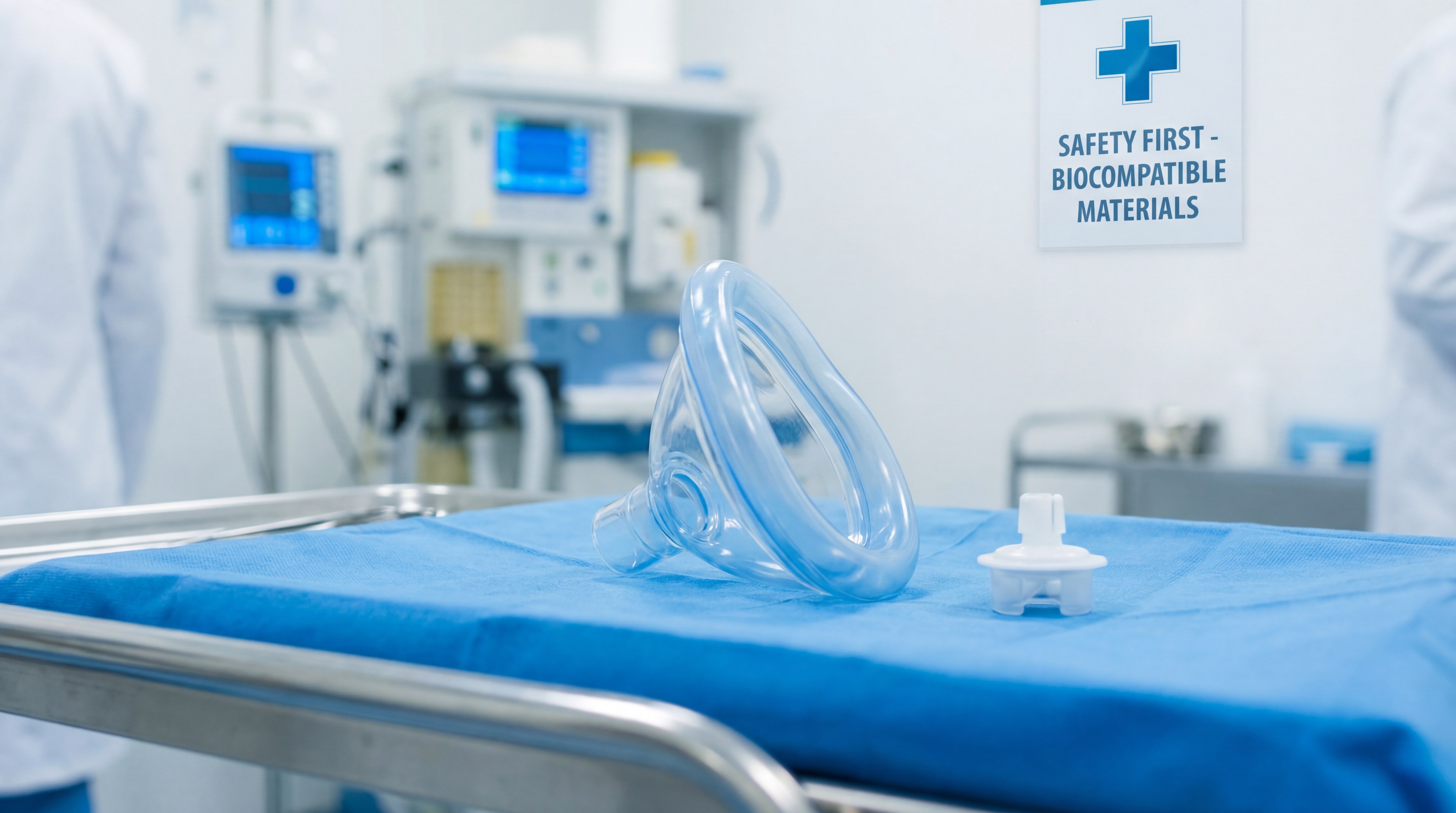
lsr liquid silicone rubber is the gold standard for medical devices because it is inherently biocompatible and inorganic. You can use it for products that require long-term skin contact or even internal implantation. The reason? It does not support bacterial growth and is completely odorless and tasteless, making it patient-friendly.
Can LSR be sterilized easily?
One of the greatest medical benefits is that LSR can withstand common sterilization methods without degrading. Whether you use steam autoclaving, gamma radiation, or ethylene oxide (EtO), the material remains stable.
- Autoclave Safe: Resists high-pressure steam.
- Inertness: Will not leach chemicals into the body.
- Purity: Produced in cleanrooms to meet ISO standards.
What are common medical components?
Manufacturers use this material for everything from needle-free valves to respiratory masks. Its softness ensures a comfortable, airtight seal against the face or skin.
| Medical Requirement | LSR Solution | Patient Impact |
|---|---|---|
| Biocompatibility | ISO 10993 Certified | Non-reactive safety |
| Tactile Feel | Adjustable Softness | User comfort |
| Sterility | Heat Stability | Multi-use capability |
LSR’s clean chemical profile makes it the safest choice for regulated healthcare environments.
Key Takeaway: The biological inertness and sterilization resistance of lsr liquid silicone rubber make it indispensable for modern medical device manufacturing.
How does LSR perform in automotive environments?
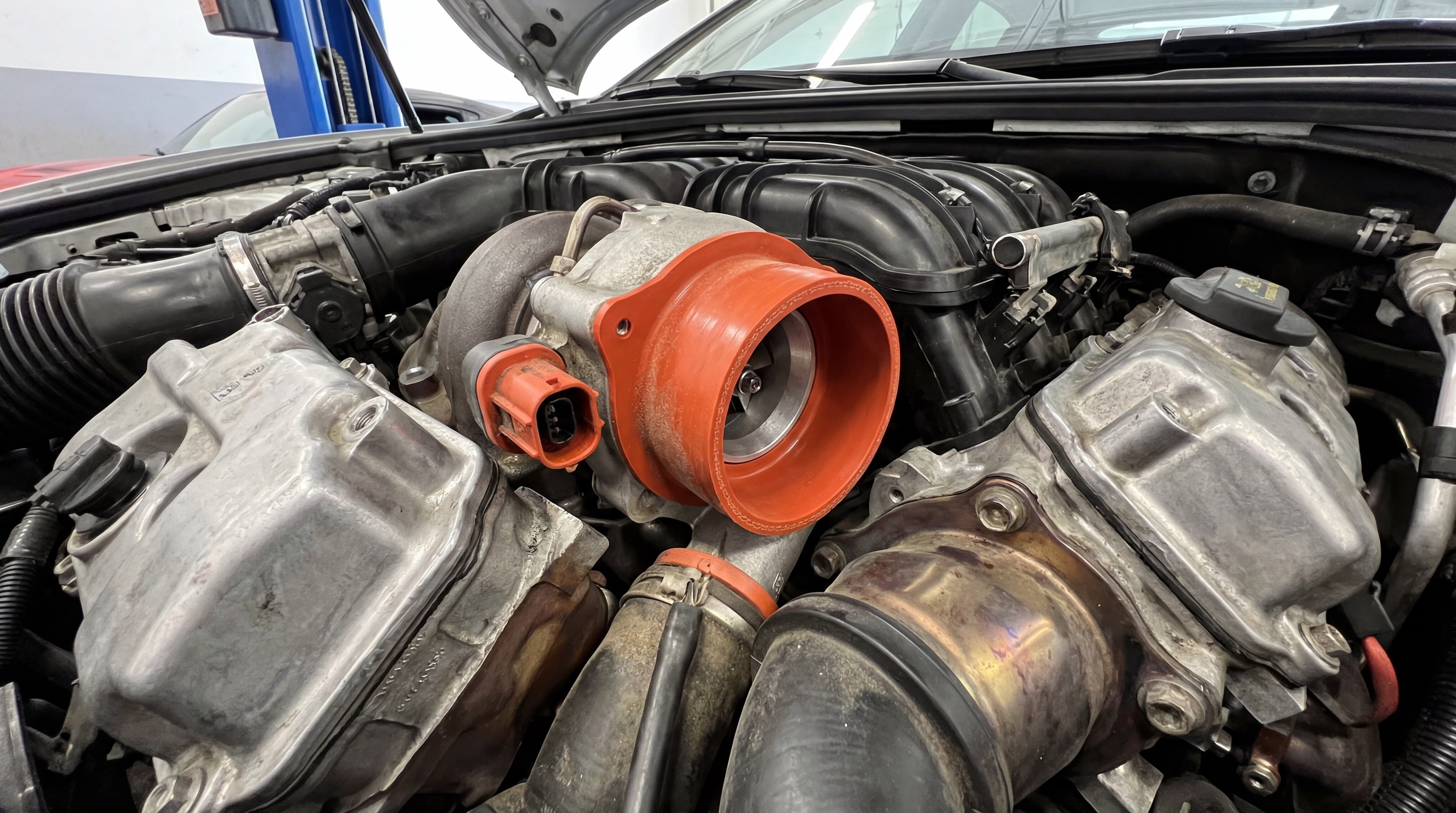
In the automotive sector, lsr liquid silicone rubber is utilized for safety-critical seals that must operate near hot engines. You need materials that won’t melt or crack when exposed to engine oils and extreme vibration. Listen to this. As electric vehicles (EVs) become more common, LSR is increasingly used for high-voltage connectors and battery seals due to its excellent electrical insulation properties.
Is LSR good for underwater or weather sealing?
LSR is the perfect choice for automotive wiring grommets and exterior light seals. Its hydrophobic nature ensures that sensitive electrical components remain dry even in torrential rain or car washes.
- Vibration Dampening: Absorbs engine noise and shock.
- Fluid Resistance: Stands up to oils and coolants.
- Thermal Protection: Shields wires from exhaust heat.
How does it help with electrical systems?
Because LSR is an insulator, it prevents arcing in high-power connectors. It remains flexible in winter freezes, ensuring that seals don’t fail when the temperature drops below zero.
| Automotive Factor | Performance Metric | Vehicle Benefit |
|---|---|---|
| Operating Temp | -50°C to 200°C | All-climate reliability |
| Dielectric Strength | 20 kV/mm | Electrical safety |
| IP Rating | IP67/IP68 Capable | Waterproofing |
The durability of LSR reduces the likelihood of seal-related mechanical failures over the vehicle’s lifespan.
Key Takeaway: lsr liquid silicone rubber provides the thermal and electrical protection necessary for the reliable operation of modern internal combustion and electric vehicles.
Why choose LSR for baby and consumer products?
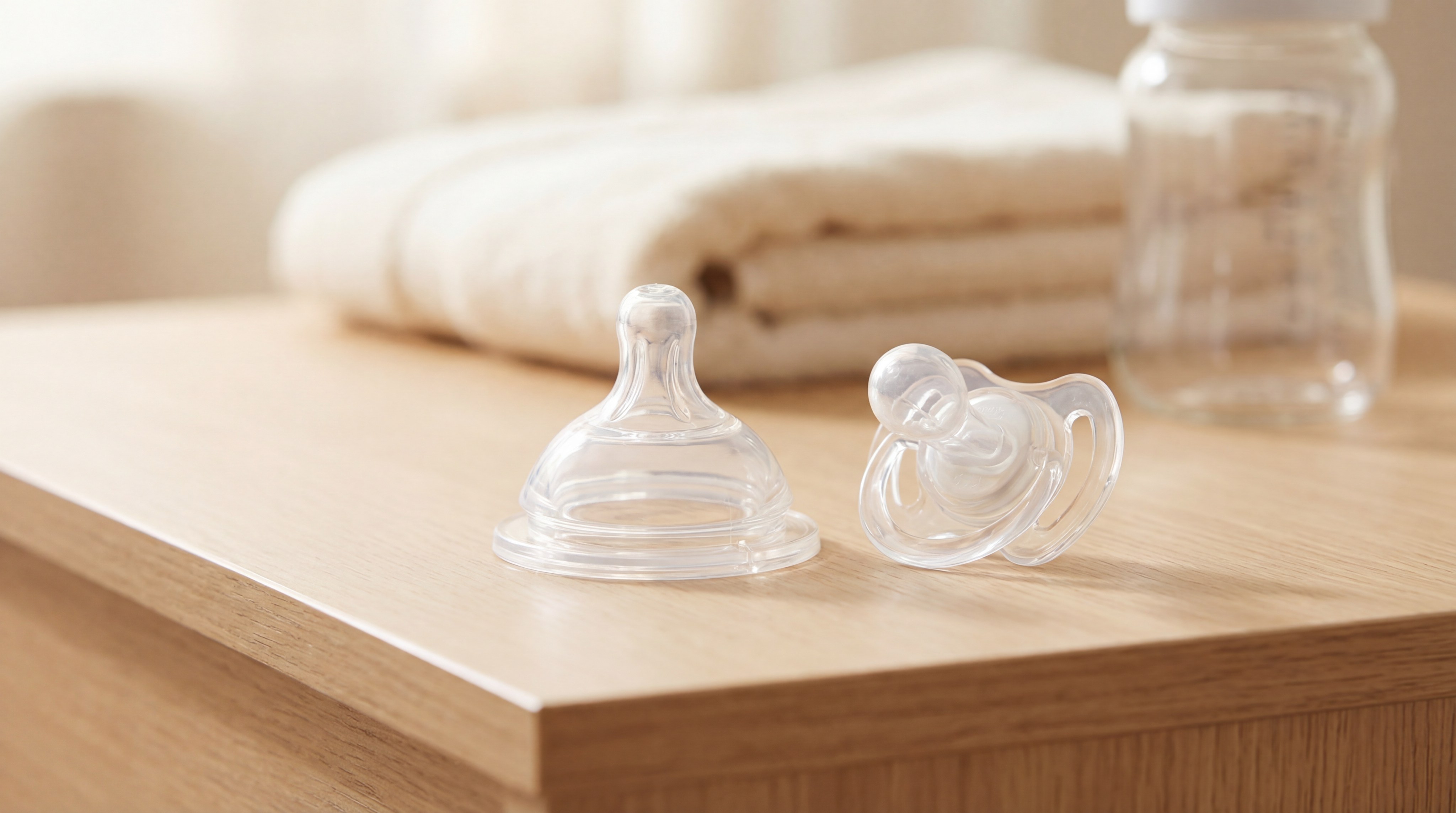
lsr liquid silicone rubber is the safest material available for the mother and infant care market. You can rest easy knowing that these parts are BPA-free, phthalate-free, and do not contain any harmful plasticizers. You might be wondering how it handles daily use. It is virtually indestructible, resisting the biting and pulling that would destroy lower-quality elastomers.
Is it safe for food contact?
Yes, LSR is FDA-approved and LFGB-certified for food contact applications. It doesn’t transfer any flavors or odors, which is essential for baby bottle nipples and kitchenware.
- Non-Toxic: Safe for mouthing by infants.
- Easy Clean: Dishwasher safe and boilable.
- Soft Texture: Mimics a natural feel for pacifiers.
Can it handle kitchen environments?
Beyond baby care, LSR is used for spatulas and baking molds. Its non-stick properties and high heat resistance make it a favorite for modern cookware.
| Consumer Priority | LSR Advantage | User Experience |
|---|---|---|
| Toxicity | BPA/Lead Free | Child safety |
| Sanitation | Pore-free surface | Bacteria resistant |
| Longevity | Tear resistance | Durable value |
LSR offers a premium, safe, and long-lasting material option for the most sensitive consumer segments.
Key Takeaway: The purity and durability of lsr liquid silicone rubber ensure that consumer products remain safe and functional for years of daily use.
What role does LSR play in wearable technology?
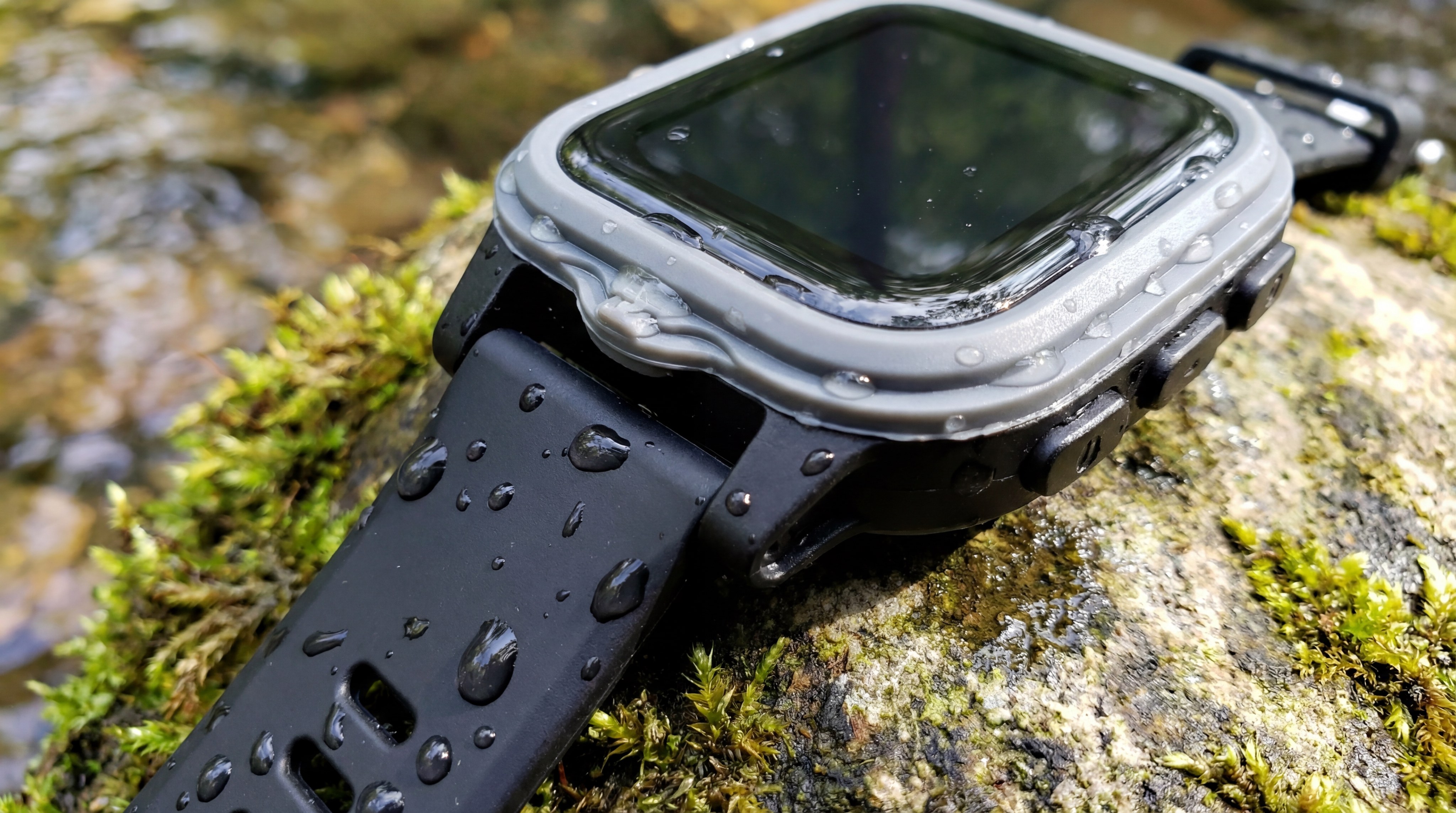
For modern wearables, lsr liquid silicone rubber provides the soft-touch comfort that users expect for 24/7 wear. You need a material that is sweat-resistant and won’t cause skin irritation during exercise. The best part? LSR can be molded into stylish, vibrant colors that do not fade or bleed over time.
How does it improve smart device protection?
LSR is often used for internal seals that give smartwatches their IP68 water resistance rating. It protects the delicate electronics from water ingress while allowing for tactile button covers.
- Skin Compatibility: Hypoallergenic for all users.
- Sweat Resistance: Won’t degrade with salt or oils.
- Tactile Grip: Provides a secure fit during motion.
Is LSR suitable for hearables?
Earbud tips made from LSR are more comfortable and provide better noise isolation than plastic alternatives. Their flexibility allows them to conform to the unique shape of any ear canal.
| Wearable Feature | LSR Contribution | Consumer Result |
|---|---|---|
| Comfort | Low Modulus | No skin fatigue |
| Waterproofing | Precision Gaskets | Swim-safe devices |
| Aesthetics | Pigment Stability | Trendy designs |
The material’s combination of ergonomics and protection makes it a staple in the fitness and tech industry.
Key Takeaway: lsr liquid silicone rubber is the preferred material for wearables because it balances user comfort with heavy-duty environmental protection.
How does overmolding work with liquid silicone?
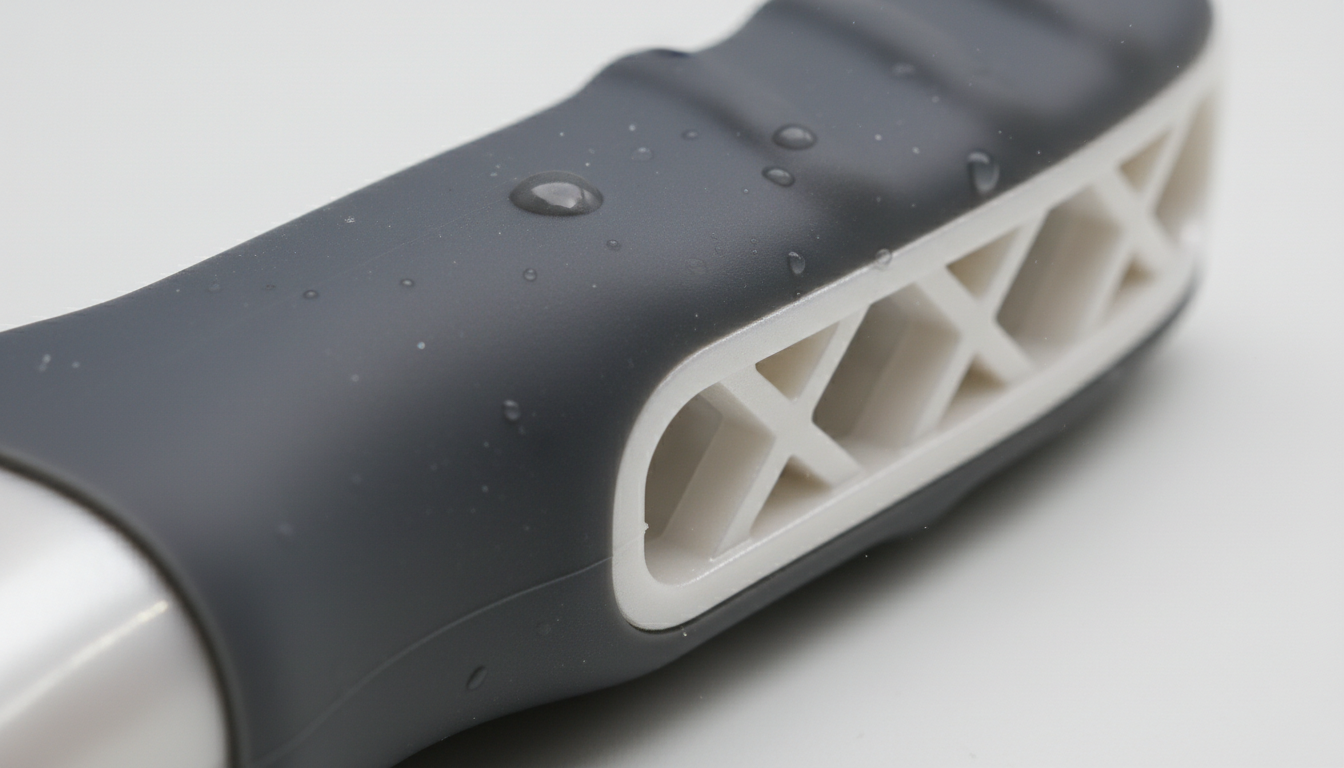
Overmolding allows you to bond lsr liquid silicone rubber directly onto a rigid plastic or metal substrate. This creates a single, integrated part with both structural strength and a soft-touch surface. It gets better. By eliminating the need for adhesives or mechanical fasteners, you reduce assembly time and potential failure points.
What are the mechanical benefits?
Overmolding creates a waterproof seal that is much stronger than a separate gasket. The silicone flows into undercut features on the substrate to create a permanent mechanical bond.
- Ergonomics: Adds soft grips to tools or medical handles.
- Sealing: Creates integrated waterproof buttons.
- Shock Absorption: Protects internal parts from drops.
Which materials bond best with LSR?
High-temperature plastics like PBT or metal components are the most common substrates. The heat from the LSR mold helps facilitate a chemical bond during the curing process.
| Overmolding Goal | Process Method | Resulting Benefit |
|---|---|---|
| Soft Grip | Silicone on Plastic | Improved handling |
| Integrated Seal | Silicone on Metal | Leak-proof design |
| Vibration Control | Multi-shot Molding | Silent operation |
This technique allows for the creation of complex, multi-functional parts that are impossible to produce any other way.
Key Takeaway: Overmolding with lsr liquid silicone rubber simplifies your manufacturing chain by combining multiple components into a single, high-performance unit.
What are the quality standards for LSR molding?
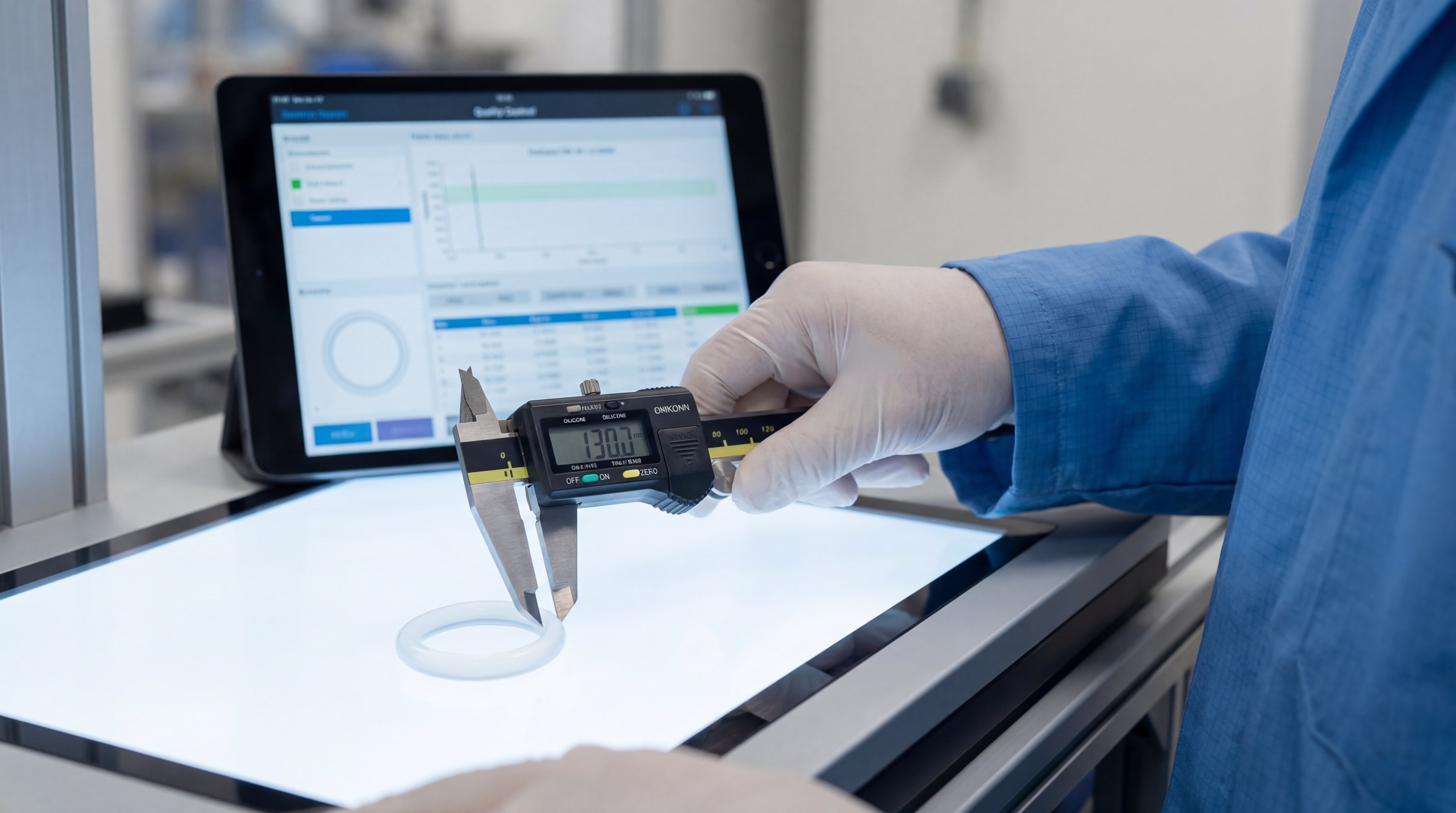
Ensuring the quality of lsr liquid silicone rubber parts requires rigorous inspection of dimensions and material properties. You must monitor the 1:1 mixing ratio constantly, as any deviation can result in tacky or under-cured parts. Look at the data. High-precision tooling is required to prevent “flash,” which is extra material that can leak out if the mold isn’t perfectly sealed.
How are parts inspected?
Since LSR is flexible, measuring it can be tricky. Quality teams often use non-contact optical systems or specialized calipers to verify dimensions without deforming the soft material.
- Shore Hardness: Verifies the material’s elasticity.
- Flash Inspection: Ensures clean, professional edges.
- Dimensional Accuracy: Confirms tight tolerance fits.
What certifications are necessary?
For medical or food applications, manufacturers must provide material certifications and maintain ISO 13485 quality systems. This ensures every batch of material is traceable and safe.
| Quality Metric | Method | Acceptance Criteria |
|---|---|---|
| Cure State | Durometer Test | Within ±5 Shore A |
| Sealing Surface | Visual (10x) | No voids or parting lines |
| Tolerances | Vision System | Within ±0.05mm |
Maintaining these standards is the only way to guarantee the reliability of critical LSR components.
Key Takeaway: Quality in lsr liquid silicone rubber production is achieved through a combination of automated process monitoring and advanced non-contact measurement.
Is automated LSR molding right for your production?
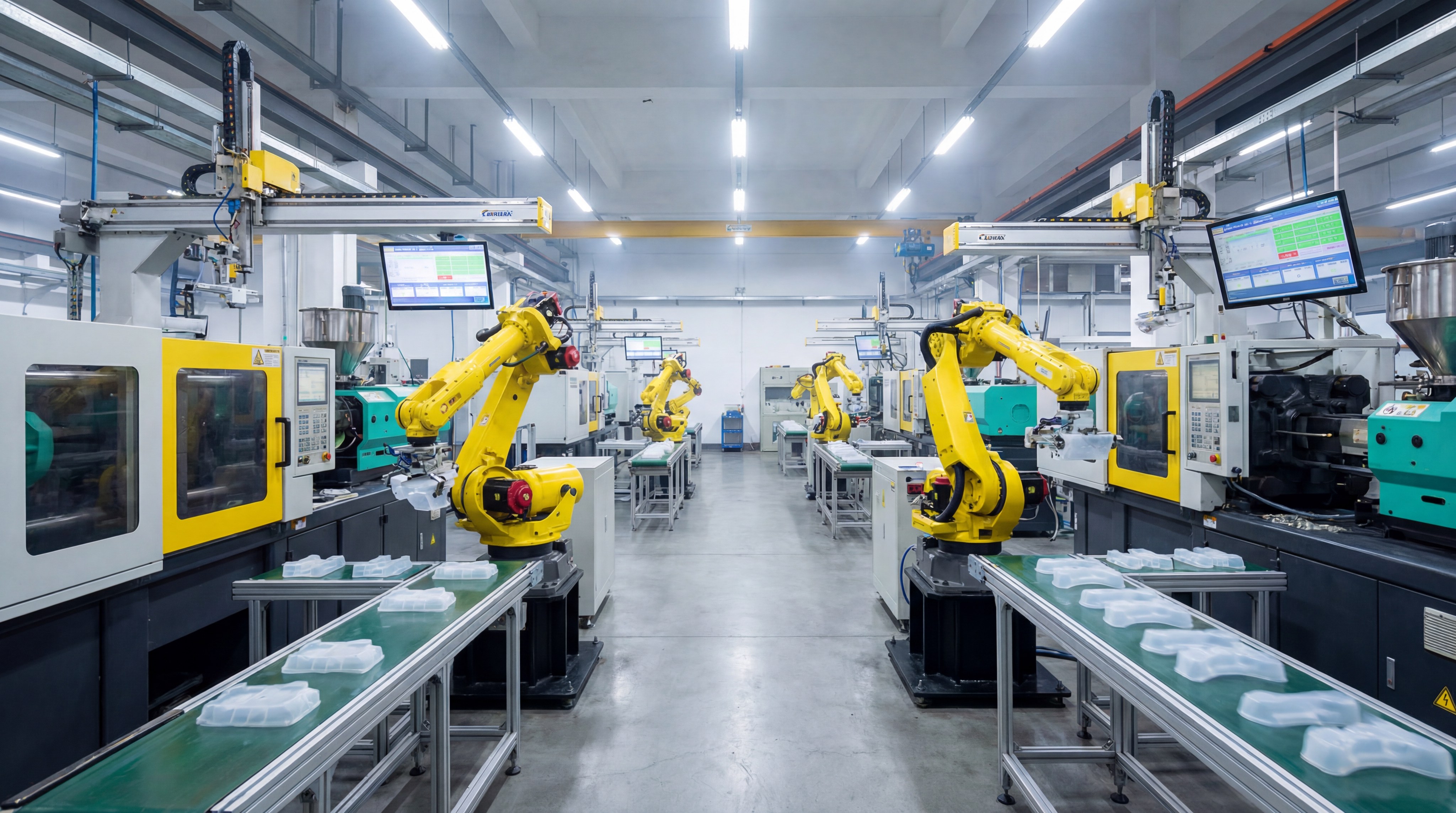
Automated lsr liquid silicone rubber molding is the most efficient way to scale up production while keeping costs low. You benefit from lights-out manufacturing where robotic systems handle part ejection and packaging. Here is the bottom line. While the initial tooling costs are higher than compression molding, the lack of secondary labor and trimming makes it far more profitable for large orders.
Does automation reduce waste?
Modern LSR machines use cold runner systems that leave no scrap material in the delivery channels. You only pay for the material that actually ends up in your finished product.
- 24/7 Production: Machines run without constant supervision.
- Zero-Waste: Material stays liquid in the runner for the next shot.
- High Repeatability: Every part is identical to the first.
When should you make the switch?
If your annual volume exceeds 10,000 units, the speed of automated LSR molding will drastically reduce your lead times. It is the only way to meet high-demand consumer or medical schedules.
| Production Scale | Recommended Method | Economic Driver |
|---|---|---|
| Prototypes | Compression Molding | Low initial tool cost |
| Mass Production | LSR Injection | Low per-part cost |
| High Precision | Automated LSR | Flash-free quality |
Automation ensures that your production line remains competitive in a global market.
Key Takeaway: Transitioning to automated lsr liquid silicone rubber molding is a strategic investment that maximizes your throughput and product consistency.
LSR injection molding is a transformative technology that allows for the creation of high-performance, biocompatible, and durable parts across multiple industries. By choosing the right material and an expert partner, you can overcome the limitations of traditional plastics. We invite you to contact us today to see how our precision silicone solutions can bring your next innovation to life.
Frequently Asked Questions (FAQ)
Can I use LSR for food-grade kitchen products?
Absolutely. LSR is naturally inert and meets all FDA and LFGB requirements for food contact, ensuring no chemicals leach into your food.
What is the best way to handle material shrinkage?
Concise judgment: You must design your molds to account for a typical 2% to 3% linear shrinkage. This ensures your final cooled part matches your exact CAD dimensions.
How do I know if my design is suitable for overmolding?
Start with a DFM review to check if your substrate can withstand the 160°C mold temperatures. If the plastic can take the heat, LSR can likely be overmolded onto it.
Is LSR better than TPE for underwater seals?
Yes, definitely. LSR has a much lower compression set than TPE, meaning it maintains its seal pressure and waterproof integrity much longer under stress.
What’s the best method for color-matching silicone parts?
We use liquid pigment injectors that mix the color directly into the Part A/B stream. This ensures perfectly consistent color throughout every single part in the production run.