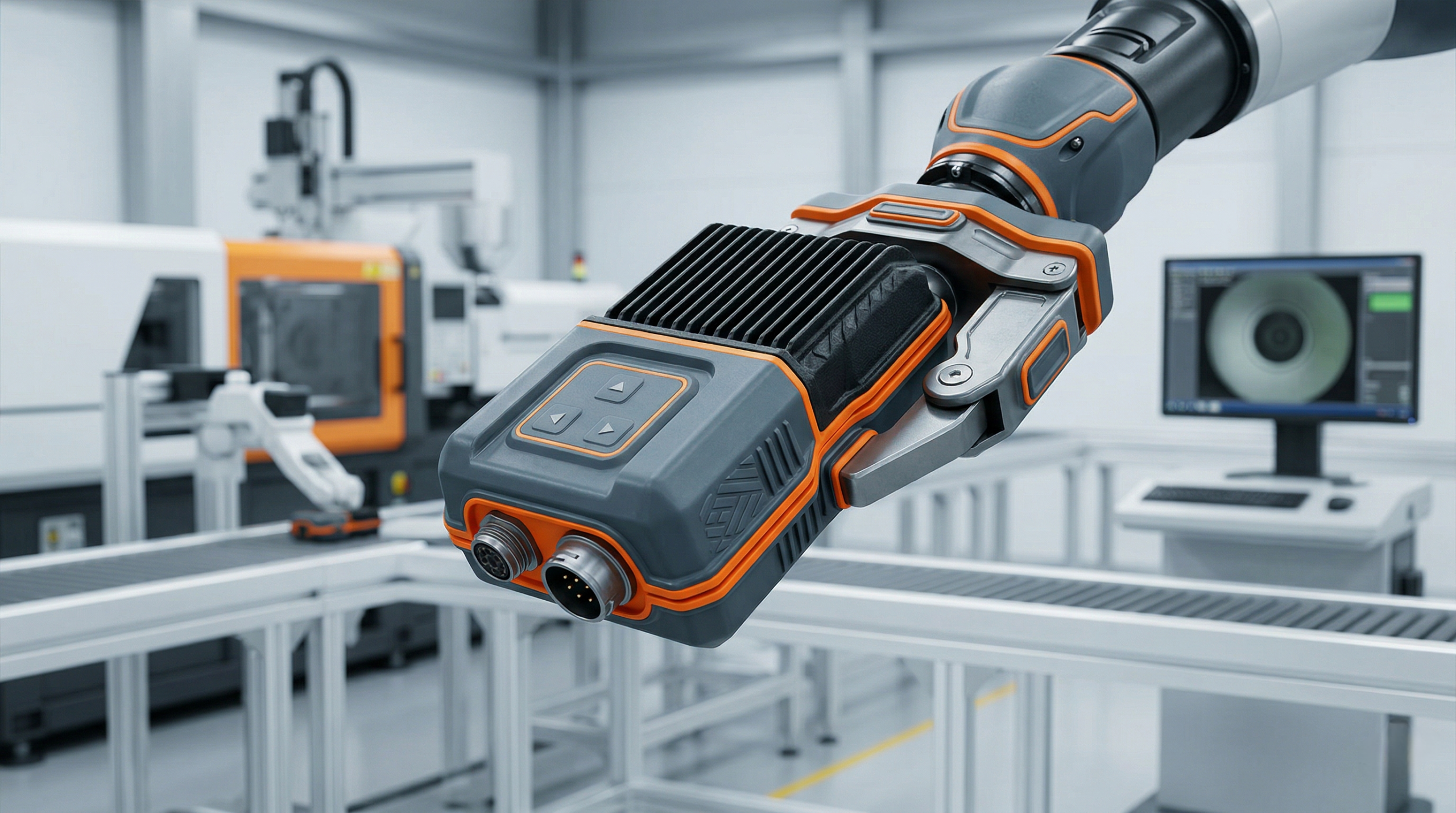
You can achieve a substantial, measurable boost in the durability and longevity of your critical B2B components by implementing six strategic optimizations based on the innovative technique of overmolding with specialized liquid silicone rubber materials. This advanced manufacturing approach is pivotal when reliability is not negotiable. Our dedicated liquid silicone rubber overmolding service is precisely engineered to provide these essential solutions for your most demanding industrial, medical, and aerospace applications.
How Do I Select the Optimal Liquid Silicone Rubber (LSR)?
Choosing the exact type of liquid silicone rubber (LSR) you need, based strictly on the end-use environment of your product, is the most crucial first step. If you select a generic material, it will likely fail prematurely when exposed to extreme conditions like high temperatures or aggressive chemical solvents. To optimize the performance of your overmolded component and fully benefit from Liquid Silicone Rubber Overmolding, you must thoroughly evaluate the primary operating stresses the material must endure daily.
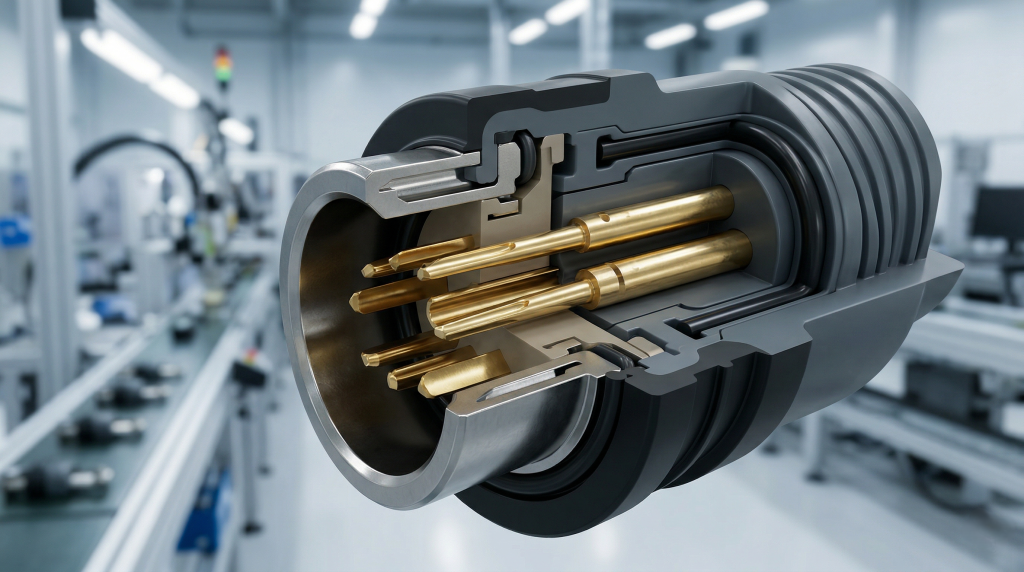
- Evaluate operating temperature range for consistent performance.
- Determine exposure to specific oils, solvents, and cleaning agents.
- Assess required mechanical properties such as tensile strength.
- Confirm regulatory compliance for specialized industries like medical.
| LSR Selection Factors | Impact on Durability | Recommended Application |
| Heat Resistant | Maintains integrity at 200°C+ | Aerospace Engine Seals |
| Fuel/Oil Resistant | Prevents swelling and cracking | Automotive Fuel Systems |
| Biocompatible | Safe for long-term patient contact | Implantable Medical Devices |
| Self-Lubricating | Reduces friction and wear | Dynamic Robotic Components |
Choosing the appropriate high-performance material for your environment prevents a failure cascade before it even begins.
Can I Maximize Adhesion in My Complex Overmolded Products?
You absolutely can maximize adhesion by utilizing the synergistic effects of specialized self-bonding LSR grades. We have found that eliminating secondary operations, such as manual primer application or plasma treatment, dramatically improves the bond consistency across entire production runs. We prioritize utilizing these advanced self-bonding grades of Liquid Silicone Rubber Overmolding because they chemically fuse to the substrate during the injection molding process itself, forming a permanent, unbreakable bond.
When your components use these specialized materials, they achieve a true inseparable bond that won’t delaminate even under severe environmental or mechanical stress. But what does that mean for you?
| Adhesion Strategy | Key Benefit | Typical Reduction in Failures |
| Self-Bonding LSR | Chemical and mechanical fusion | >90% of Delamination Issues |
| Mechanical Interlocks | Additional physical security | 100% Pull-out Prevention |
| Surface Texturing | Increased bonding surface area | 50% Enhanced Bond Strength |
| Plasma Pre-treatment | Ultra-clean surface activation | Required for Difficult Plastics |
This integrated manufacturing approach guarantees maximum component lifespan in high-vibration applications.
What Environmental Seals Are Best Provided by Liquid Silicone Rubber Overmolding?
The most robust and impenetrable environmental seals are provided by a seamless, fully integrated overmolded silicone solution. Because the liquid silicone rubber is injected and cured directly onto the component, it creates a perfectly conforming, airtight, and watertight seal around the entire substrate geometry. Our customers rely on our precise Liquid Silicone Rubber Overmolding process to create IP67 and IP68 rated components that effortlessly withstand total immersion, high-pressure washing, and extreme dust exposure.
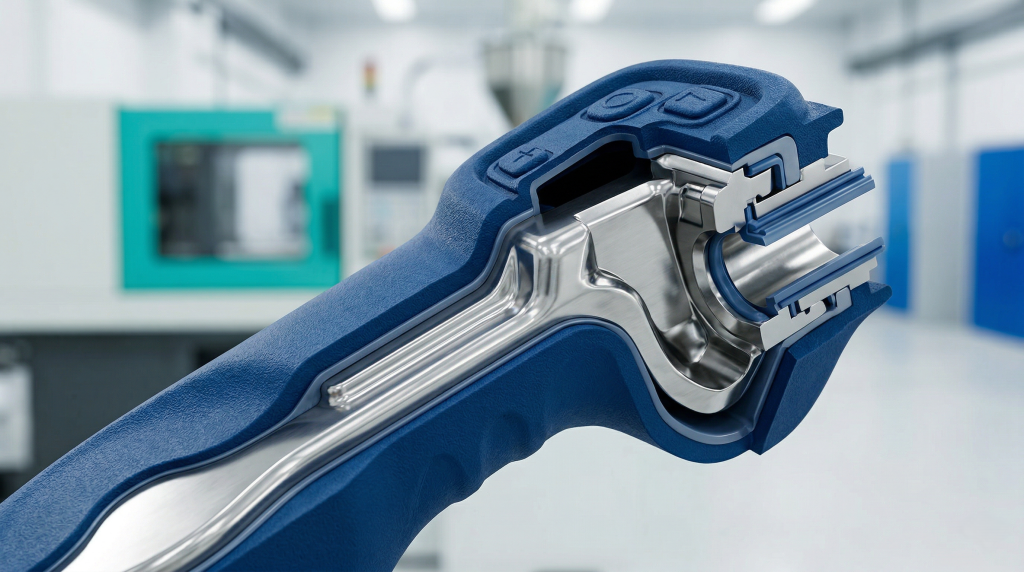
- Achieves IP67 and IP68 dust/water ingress protection ratings.
- Prevents corrosion by creating a hermetically sealed barrier.
- Eliminates complex, failure-prone, multi-piece assembly steps.
- Withstands steam sterilization without degrading or losing its seal.
| Ingress Rating | Description | Typical Overmolding Application |
| IP65 | Water jets from any angle | Outdoor Industrial Displays |
| IP67 | Immersion up to 1m for 30 min | Marine GPS Unit Housing |
| IP68 | Continuous immersion >1m | Underwater Camera Body |
| IP69K | High-pressure, high-temp wash | Food Processing Sensors |
We build this sealing integrity directly into your component during the initial production step, eliminating downstream assembly costs and potential failure points.
How Do I Design for Effective Shock and Vibration Damping?
Designing for effective shock and vibration damping requires you to strategically vary the silicone hardness (durometer) and the thickness of the overmolded section in critical areas. By tailoring these properties to the specific vibration profile your component encounters, you can transform the overmolded layer from a passive shell into an active energy-absorbing dampener. A thoughtful design approach to Liquid Silicone Rubber Overmolding can protect delicate electronics or precision mechanisms from the catastrophic effects of mechanical shock or resonance.
This targeted damping capability is essential for ensuring the long-term accuracy and reliability of sensitive industrial automation sensors, medical monitoring equipment, and critical aerospace communications arrays.
| Damping Variable | Effect on Vibration | Application Example |
| Lower Durometer | Absorbs high-frequency vibration | PCB Isolation Mounts |
| Higher Durometer | Resists large, mechanical shocks | Power Tool Gear Housings |
| Increased Thickness | Provides a larger damping volume | Impact Bumpers for Robotics |
| Ribbed/Patterned Design | Dissipates energy across surfaces | Shock-Absorbing Handles |
Our design experts will collaborate with you to define the perfect durometer and geometry combination required to effectively isolate your component from damaging mechanical stress.
Can I Improve the Chemical and Corrosion Resistance of My Products?
You certainly can improve chemical and corrosion resistance by encapsulating susceptible components in a continuous, chemical-resistant silicone barrier. This overmolded shield provides a high-performance defense against a vast array of common but destructive industrial materials, preventing chemicals from ever reaching and degrading your substrate. We utilize custom material formulations in our Liquid Silicone Rubber Overmolding process to protect metals and sensitive polymers from oils, coolants, sanitizers, and even aggressive industrial solvents.
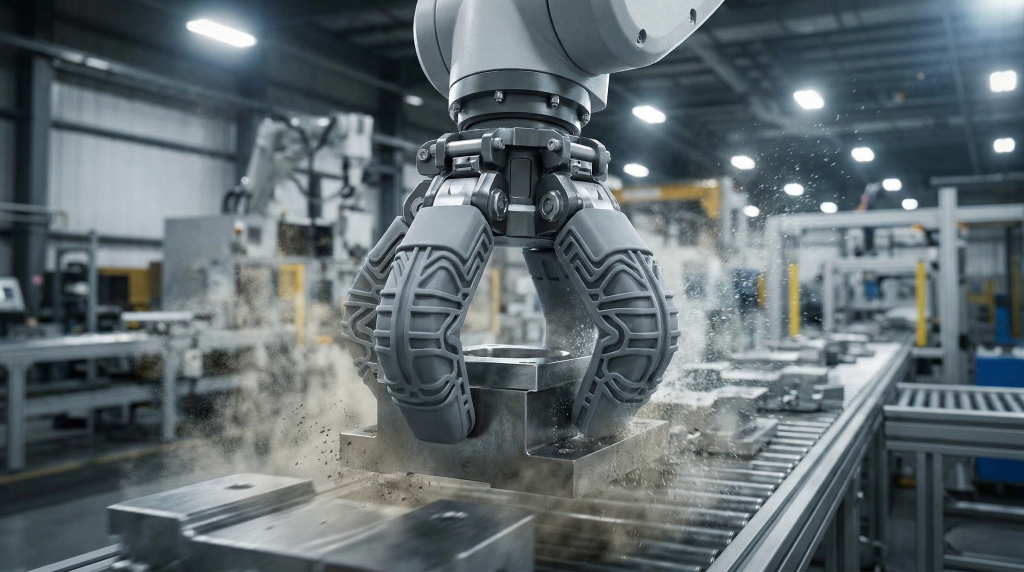
This method is infinitely superior to traditional coatings, which can easily crack, peel, or scratch, exposing the vulnerable substrate to immediate degradation in aggressive environments.
| Chemical Agent | Silicone Resistance (Specific Grade) | Best for: |
| Industrial Oils | Excellent (Fluorosilicone) | Hydraulic System Seals |
| Acids/Bases (Dilute) | Very Good | Food/Beverage Cleaning |
| Cleaning Solvents (IPA) | Good | General Medical Devices |
| Extreme Coolants | Excellent | CNC Machining Sensors |
A single overmolding operation provides an insurmountable barrier that protects your component’s internal integrity, even in chemical processing or food and beverage applications.
Does Proper Design Minimize Thermal Stress on My Products?
Proper design significantly minimizes thermal stress on your overmolded products. You can optimize Liquid Silicone Rubber Overmolding components by utilizing advanced design and material strategies to ensure long-term thermal stability. Silicone itself is inherently a robust material that maintains its physical properties, elastic memory, and sealing effectiveness across a vast temperature range from -50°C up to 250°C and beyond with specific grades.
- Maintains consistent flexibility and performance from -50°C to +250°C+.
- Dissipates generated heat rapidly using specialized thermally conductive fillers.
- Uses specific LSR formulations with low coefficients of thermal expansion.
- Minimizes bond failure due to mismatch in thermal expansion with the substrate.
| Thermal Challenge | Design Solution | Product Application |
| High Heat (>200°C) | Specialized Heat-Stable LSR | Aerospace Engine Components |
| Rapid Thermal Cycling | Low Thermal Expansion Substrate | Automotive Underhood Sensors |
| Heat Dissipation | Thermally Conductive LSR Fillers | High-Power LED Lighting |
| Sub-Zero Cold (-50°C) | Standard LSR Grade Performance | Polar Oil/Gas Equipment |
When your components are exposed to continuous thermal loads or frequent rapid temperature cycles, we utilize specific filler materials and design best practices to ensure the overmolded assembly remains perfectly intact.
How do I optimize part design for superior durability?
We enhance overmolding success from the start by utilizing a full range of proven Liquid Silicone Rubber Overmolding design best practices during the initial product engineering and validation phase. Our expert design team can collaborate with your engineers to optimize part geometry, material compatibility, and production scalability from day one. You can dramatically improve the final quality and durability of your components by thoroughly addressing moldability, gate placement, and potential air entrapment issues early in the design cycle.
- Integrate precise mechanical interlocks to provide an unbeatable bond.
- Optimize gate and vent placement for complete, void-free silicone filling.
- Utilize advanced FEA simulation to predict part performance under stress.
- Ensure uniform overmolding thickness to minimize internal thermal stress.
This collaborative engineering approach allows us to proactively resolve complex geometry challenges, maximize manufacturing yield, and guarantee the absolute maximum service life for your final overmolded product.
What Are My Options for the Overmolding Substrate Material?
While overmolding can be successful with many substrates, understanding how Liquid Silicone Rubber Overmolding can work across varied substrate options is vital for choosing the best one for your application. We are experienced in overmolding silicone onto a wide array of rigid substrates, including metals (stainless steel, aluminum), performance thermoplastics (PEEK, PBT, PSU), and complex, multi-material components. However, each substrate type requires specific surface preparations, molding temperatures, and bonding strategies to ensure a robust and permanent connection.
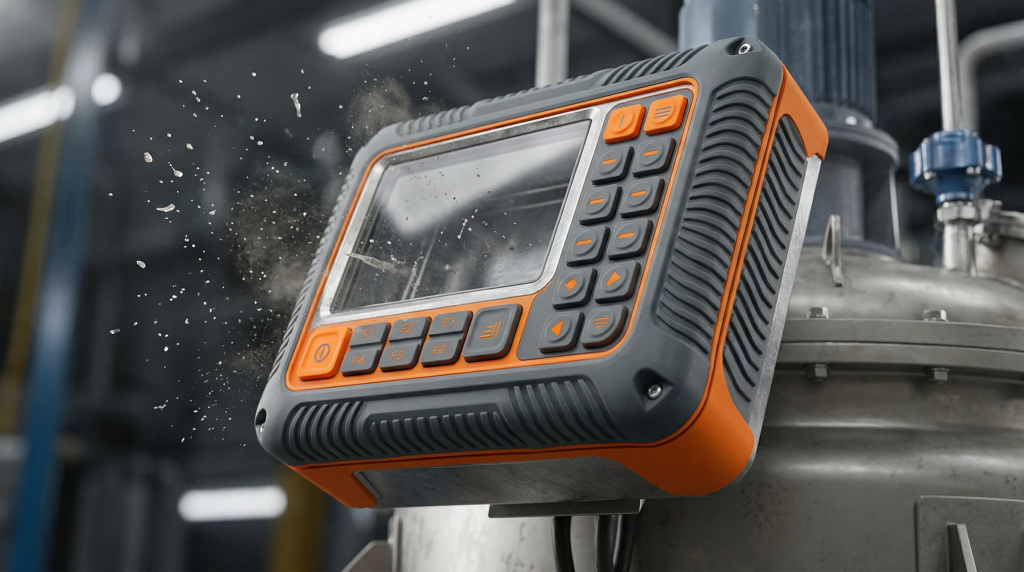
- Metals provide maximum strength but require specific bonding primers or mechanical interlocks.
- Performance Plastics (PEEK, etc.) offer excellent chemical resistance but may require plasma treatment.
- Substrate temperature and heat resistance must carefully match the curing temperature of the LSR.
- Coefficient of Thermal Expansion (CTE) mismatch must be carefully managed in the design phase.
We will guide you through the critical substrate evaluation and selection process, recommending the optimal substrate material and bond enhancement techniques based on your product’s unique mechanical requirements.
Can Quality Control Guarantees Durability in Your Products?
Yes, rigorous, multi-stage quality control guarantees that every component you receive will meet the exact Liquid Silicone Rubber Overmolding durability standards required for your application. We have implemented a truly comprehensive, data-driven Quality Management System (QMS) that meticulously monitors and controls every critical step of our manufacturing process. We measure every input, validate every parameter, and meticulously inspect every single component we produce, ensuring zero defects and total performance confidence for our clients.
- Performs automated, real-time in-process monitoring of all critical molding parameters.
- Utilizes advanced laser scanning and AOI for precise dimensional validation.
- Conducts destructive validation testing (e.g., peel tests) on production samples.
- Ensures 100% material traceability and compliance for your safety and confidence.
| QC Inspection Method | Property Validated | Why it Ensures Durability |
| 100% Visual Inspection | No surface flaws, flash, or voids | Prevents localized weak points |
| Dimensional Scanning | Perfect part geometry | Guarantees fit and function |
| Destructive Peel Test | Unbreakable chemical bond | Validates delamination resistance |
| IP67/IP68 Testing | Absolute seal integrity | Assures environmental protection |
You receive complete confidence and peace of mind when we ship your components, because our quality control processes have rigorously and exhaustively proven that every piece is built to perform for the long haul.
Conclusion
Achieving a substantial boost in the durability and longevity of your critical B2B components is no longer an insurmountable challenge. By implementing the six strategic optimizations discussed above—from precise material selection and advanced bonding techniques to rigorous quality validation—you can fundamentally transform your products. Liquid Silicone Rubber Overmolding provides the necessary solutions to eliminate common failure points, create impenetrable seals, damp catastrophic vibration, and resist destructive environments.
Now that you understand how these techniques can improve your product’s reliability and performance, we invite you to take the next crucial step. Let’s collaborate to implement these proven solutions on your next engineering challenge. We are ready to help you analyze your application, prototype new designs, and scale production with total confidence. contact us to schedule a personalized technical consultation and explore how our expert Liquid Silicone Rubber Overmolding capabilities can secure the performance and success of your next high-value B2B product. We are your dedicated manufacturing partner for the long haul.
Liquid Silicone Rubber Overmolding – Frequently Asked Questions
Can I use Liquid Silicone Rubber Overmolding on delicate components?
Yes, you can absolutely overmold delicate components. We utilize low-pressure injection molding techniques and custom tooling to safeguard sensitive substrates, such as electronic circuitry or fragile sensors, from damage during the overmolding process. However, a comprehensive analysis of component geometry and delicate features is required. Our expert engineering team will meticulously design the molding sequence and parameter set to ensure delicate components are processed with extreme care. This approach has successfully protected thousands of delicate electronic assemblies and medical instruments, proving its effectiveness for your most demanding applications.
What’s the best substrate material for overmolding?
The best substrate is often high-performance metals like stainless steel or engineered thermoplastics like PEEK or Polycarbonate. However, the final choice depends entirely on your product’s unique mechanical requirements, chemical exposure, and operating temperature range. It’s also crucial that the chosen substrate has a glass transition temperature (Tg) well above the LSR curing temperature. We will thoroughly evaluate your substrate material and provide an expert recommendation for the optimal type and surface preparation strategy, ensuring maximum bonding success for your specific component.
Can I customize the color and finish of the silicone overmolding?
You certainly can. We offer a virtually unlimited palette of color options, from standard clear, black, and gray to vibrant custom color matching for your specific branding requirements. In addition to color, you can also specify varied surface finishes, including matte, semi-gloss, textured patterns for enhanced grip, or extremely smooth, low-friction coatings for dynamic components. By providing an exhaustive array of options, we ensure your components achieve the perfect look, tactile feel, and functional performance, enhancing your product’s value and differentiation in the market.
How do I know if Liquid Silicone Rubber Overmolding is cost-effective?
While the initial tooling and material costs might be higher, you should evaluate the complete product lifecycle costs and ROI. Liquid Silicone Rubber Overmolding frequently provides significant long-term savings by dramatically increasing product lifespan, eliminating separate assembly steps, reducing field failures, and improving overall component performance. It’s important to remember that a durable, reliable product creates massive value by preventing costly recalls and improving customer satisfaction, often making it the most cost-effective solution for your most critical components.
Can I get prototypes before committing to mass production?
Yes, we strongly recommend and actively support comprehensive prototyping. This phased approach allows you to thoroughly validate design choices, test varied LSR material options, confirm critical performance specifications, and resolve any potential manufacturing issues before proceeding to mass production. By utilizing a rigorous prototyping phase, we collaborate to eliminate expensive production bottlenecks, verify final product quality, and secure your confidence in the overmolding process. This careful validation step ensures that your high-volume production runs will seamlessly and efficiently deliver the durable, high-performance components you expect.