
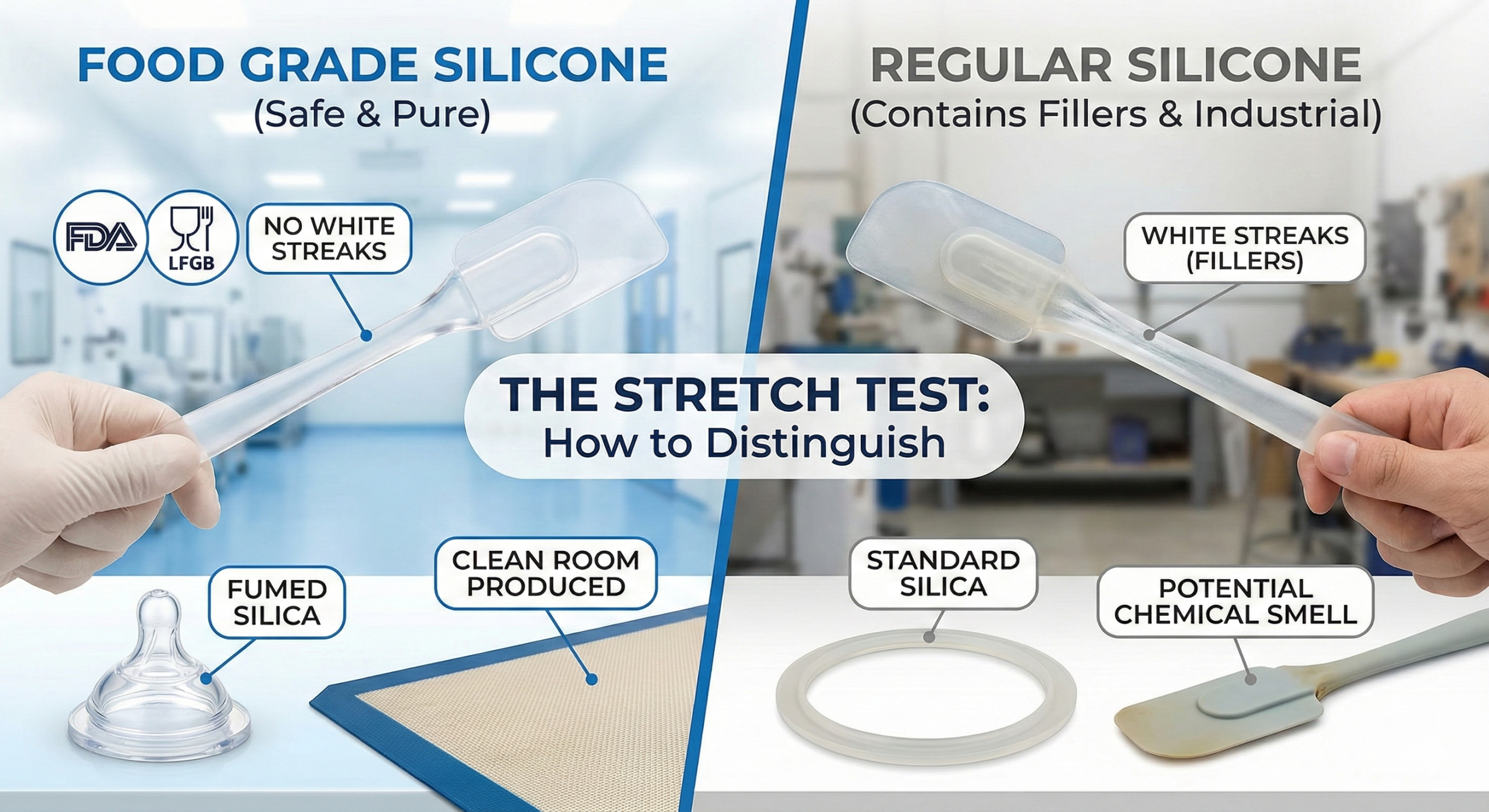
Distinguishing food grade silicone from regular varieties is best achieved by performing a physical “stretch test,” verifying international FDA or LFGB certifications, and assessing the material’s odor and clarity. In an era where food safety is a top priority, many consumers and manufacturers struggle to tell the difference between high-quality materials and cheaper, potentially toxic regular silicone. Using the wrong material in kitchenware or baby products can lead to chemical leaching and safety hazards.
Have you ever noticed a strange, plastic-like smell from your “silicone” spatula? Or seen white streaks appear when you stretch a silicone baking mat? These are red flags that the material may contain fillers or industrial-grade additives not meant for human contact. Choosing the wrong grade doesn’t just affect product durability—it compromises health. This guide provides a definitive roadmap for distinguishing these materials. By understanding manufacturing differences and testing methods, you can ensure your products meet the highest safety benchmarks.
1. What is Food Grade Silicone and How Does It Differ?
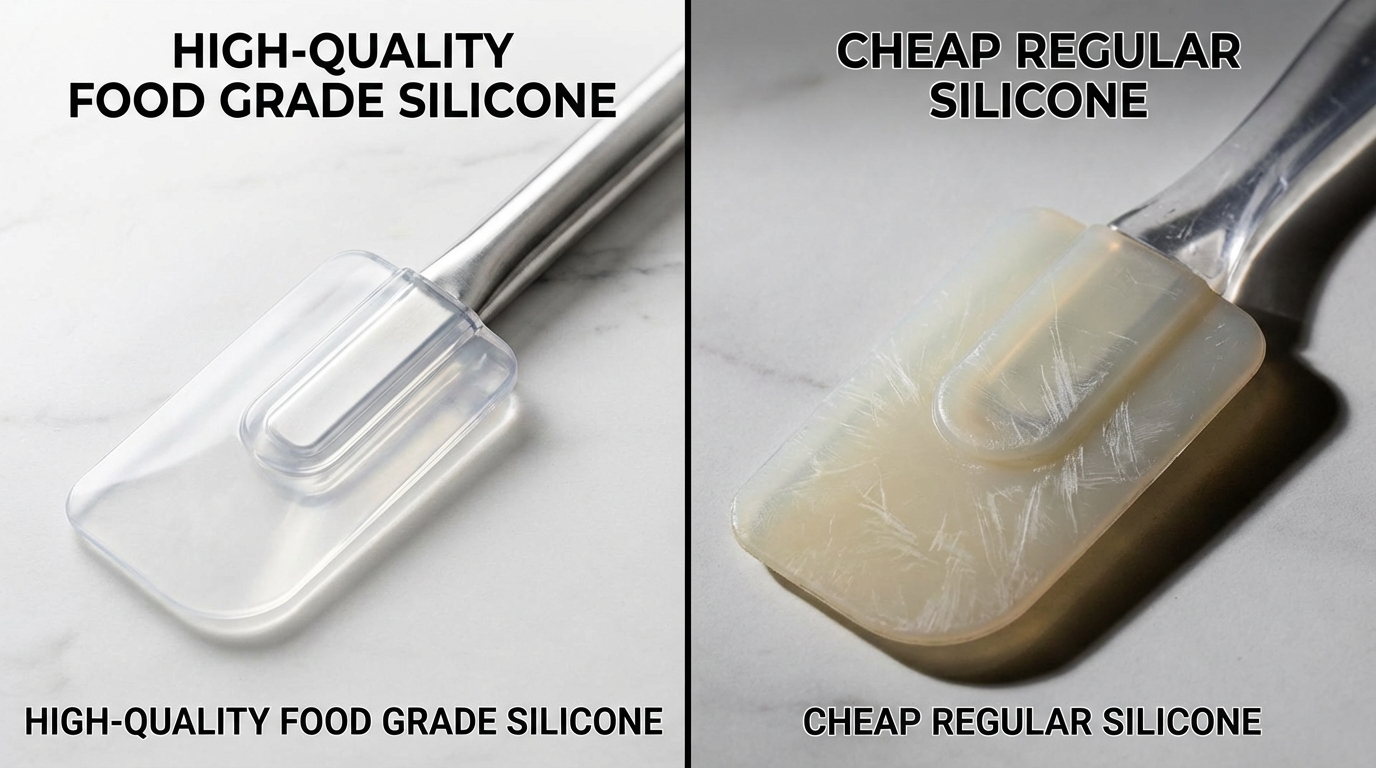
Food grade silicone is a non-toxic type of silicone that does not contain any chemical fillers or by-products, making it safe for use with food. Unlike regular silicone, which is designed for industrial applications like gaskets or seals, food-grade variants are tested to ensure they do not leach substances into food under extreme temperatures. While both are derived from silica, the difference lies in the purity of the raw materials used during production.
Think about this: just because a product is labeled “silicone” doesn’t mean it’s safe for your kitchen. Regular silicone may contain fillers to reduce costs, which can release odors or toxins when heated.
Understanding Material Purity
The composition of high-quality silicone focuses on chemical inertness and biocompatibility.
- It does not react with acids or alkaline salts.
- The material remains stable from -40°C to 220°C.
- It is completely free from BPA, BPS, and phthalates.
Industrial vs. Food Applications
Regular silicone is optimized for mechanical strength in automotive or construction components. In contrast, food-grade variants prioritize non-toxicity and long-term health safety for consumer contact.
Key Takeaway: High-purity food grade silicone is a specialized material characterized by its chemical stability and lack of industrial fillers, setting it apart from standard rubbers.
| Feature | Food Grade Silicone | Regular Silicone |
|---|---|---|
| Purity | High (No fillers) | Low (Contains fillers) |
| Safety | Non-toxic, food-safe | Industrial use only |
| Odor | Odorless | Potential chemical smell |
High-purity material is essential for any application involving direct human contact or heat.
2. Why Is the Manufacturing Process Different?
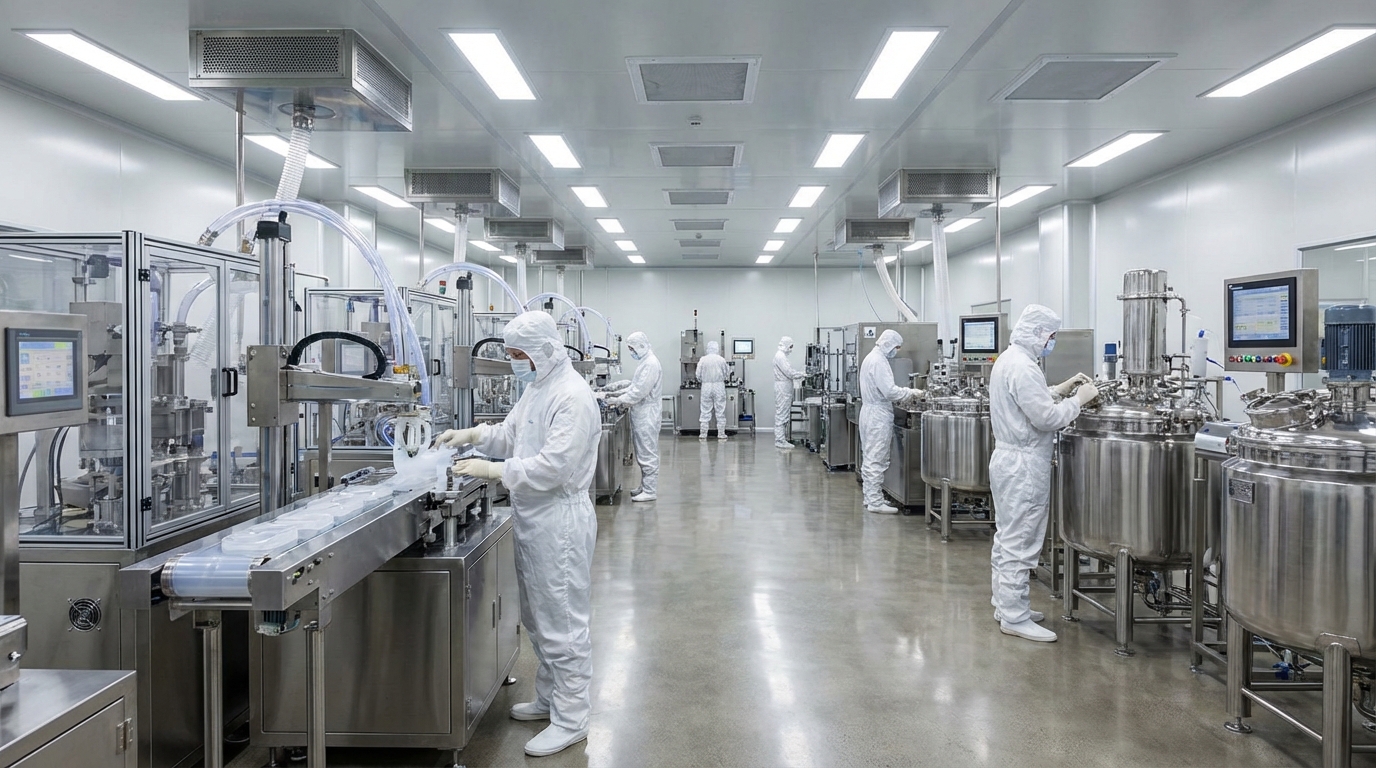
The primary difference lies in the raw material selection, specifically the use of fumed silica for food grade silicone versus standard silica for regular grades. Manufacturing food-safe products requires a strictly controlled environment to prevent cross-contamination from dust or oils. This choice dictates the material’s molecular density and final tensile strength.
But that’s not all; the curing process also varies significantly between the two grades. Food-grade products often undergo secondary vulcanization to remove volatile organic compounds (VOCs).
Raw Material Sourcing
Raw materials for safety-critical products are often sourced from specialized suppliers of fumed silica.
- Fumed silica provides a higher molecular density.
- It eliminates the risk of “blooming” or white frost.
- Higher purity prevents the material from yellowing over time.
Controlled Environments
Production typically occurs in specialized facilities like Class 100k clean rooms.
- Air filtration systems remove contaminants.
- Workers wear anti-static and dust-free clothing.
- Automated systems reduce human contact with the raw material.
Key Takeaway: The superior manufacturing of food grade silicone ensures a cleaner molecular structure and prevents the presence of harmful environmental toxins.
| Process Element | Food Grade Standards | Regular Standards |
|---|---|---|
| Environment | Clean room (100k) | Standard workshop |
| Silica Type | Fumed Silica | Standard Silica Dioxide |
| Post-Curing | Mandatory for VOC removal | Often skipped |
Strict environmental controls are the foundation of producing a truly non-toxic and safe product.
3. How Does Fumed Silica Improve Ingredient Purity?
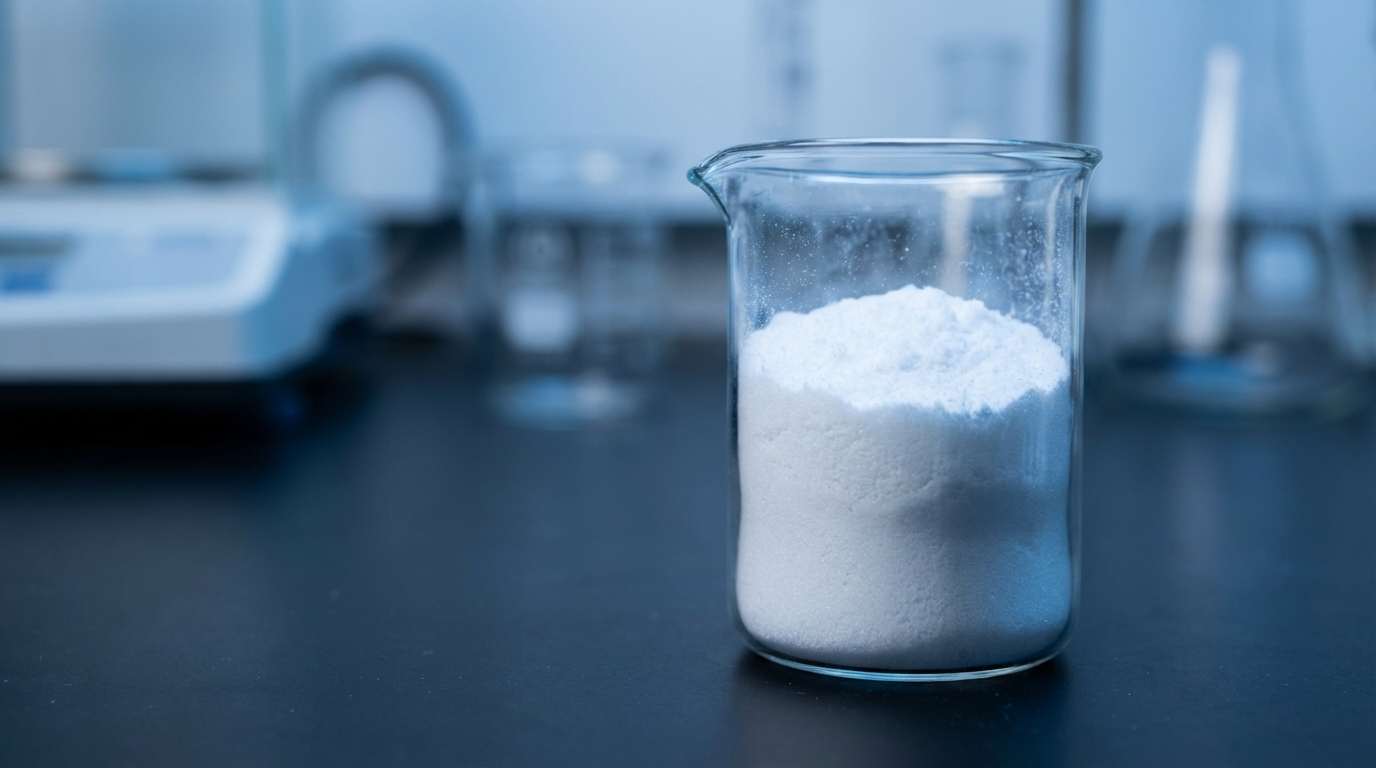
Fumed silica is an inorganic polymer colloid that acts as the reinforcing agent in food grade silicone to provide exceptional clarity and strength. In high-purity applications, this ingredient prevents the “whitening” effect seen in regular silicone when stretched. This molecular structure ensures that the material remains tasteless and odorless throughout its lifespan.
Here’s the secret: the polycondensation of silicic acid creates a material that only reacts with caustic alkali and hydrofluoric acid.
Chemical Stability Benefits
The stability of fumed silica makes the silicone resistant to high-temperature degradation.
- It maintains structural integrity up to 220°C.
- It does not leach chemicals into acidic foods.
- The material resists bacterial growth naturally.
Enhanced Tensile Properties
Fumed silica significantly improves the physical performance of the finished silicone product.
- Higher kink resistance prevents cracking.
- Enhanced elasticity allows for complex mold designs.
- The material returns to its original shape without deformation.
Key Takeaway: Fumed silica is the critical ingredient that gives food grade silicone its superior safety profile and high-performance durability.
| Ingredient Detail | Fumed Silica (Food Grade) | Standard Silica (Regular) |
|---|---|---|
| Particle Size | Extremely fine/uniform | Coarser/irregular |
| Transparency | High clarity | Often cloudy |
| Tear Strength | Excellent | Average to poor |
The choice of silica directly impacts whether a product is safe for food contact or limited to industrial use.
4. Which International Certifications Define True Food Grade?
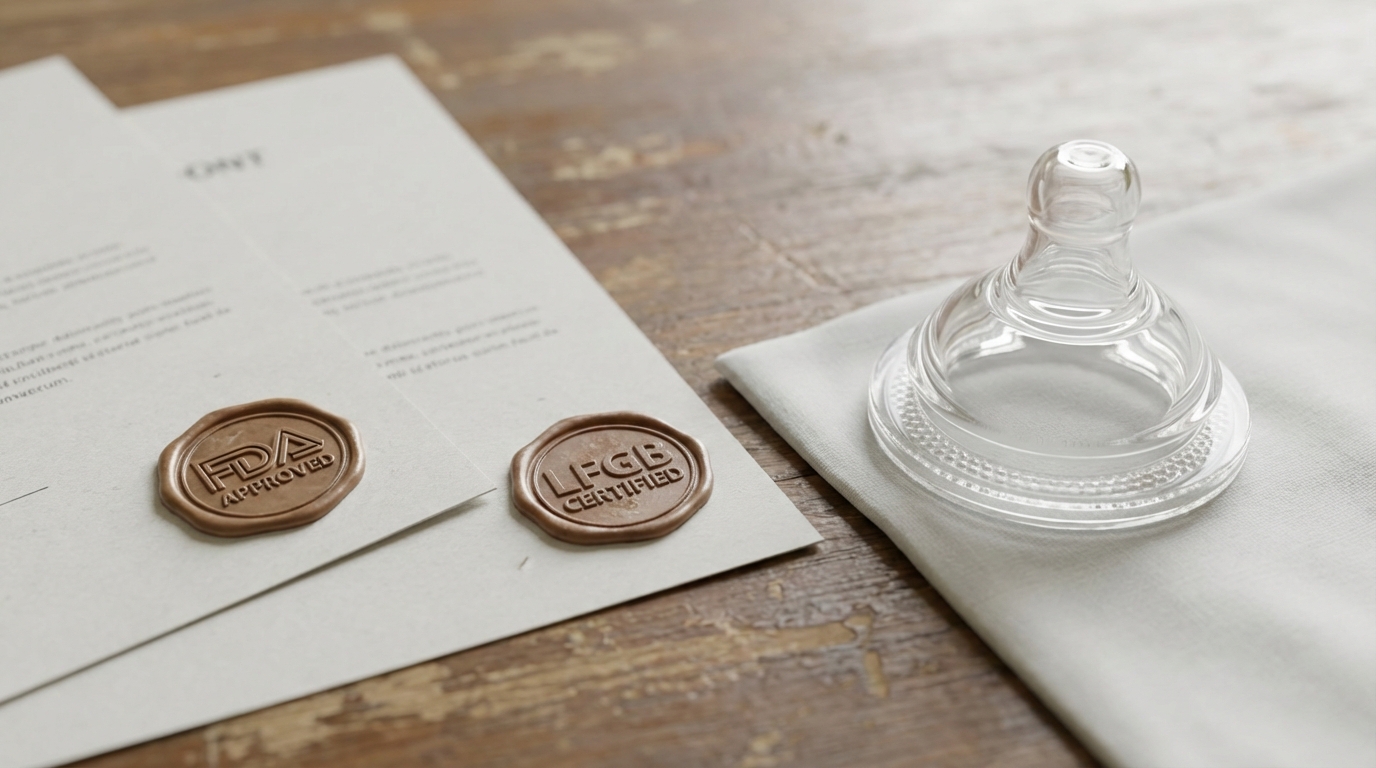
True food grade silicone must meet rigorous international standards, the most prominent being the FDA in the United States and LFGB in Germany. These certifications involve intensive “leach tests” where the material is exposed to various substances to ensure no harmful chemicals migrate out. Without these seals, there is no verified guarantee that the silicone is safe for human contact.
The results speak for themselves: products with LFGB certification are often considered even higher quality due to stricter European testing protocols.
FDA vs. LFGB Standards
While both ensure safety, their testing methodologies and regional requirements differ.
- FDA testing focuses on overall material safety.
- LFGB includes more rigorous sensory and leach tests.
- Both standards prohibit BPA and heavy metal content.
Other Vital Certifications
Beyond food safety, other certifications validate the manufacturer’s quality management systems.
- ISO 13485: Essential for medical-grade silicone products.
- IATF 16949: Focuses on precision for automotive-related silicone.
- RoHS/REACH: Ensures the absence of hazardous chemicals.
Key Takeaway: Always verify certification reports (FDA, LFGB, or NSF) to confirm the food grade silicone status of any silicone product.
| Certification | Region | Strictness Level |
|---|---|---|
| FDA | USA | Standard Food Grade |
| LFGB | Europe | Premium Food Grade |
| NSF | Global | Health and Safety Standard |
Professional buyers rely on these certifications to mitigate risk and ensure consumer health.
5. How Can You Use the “Stretch Test” to Identify It?
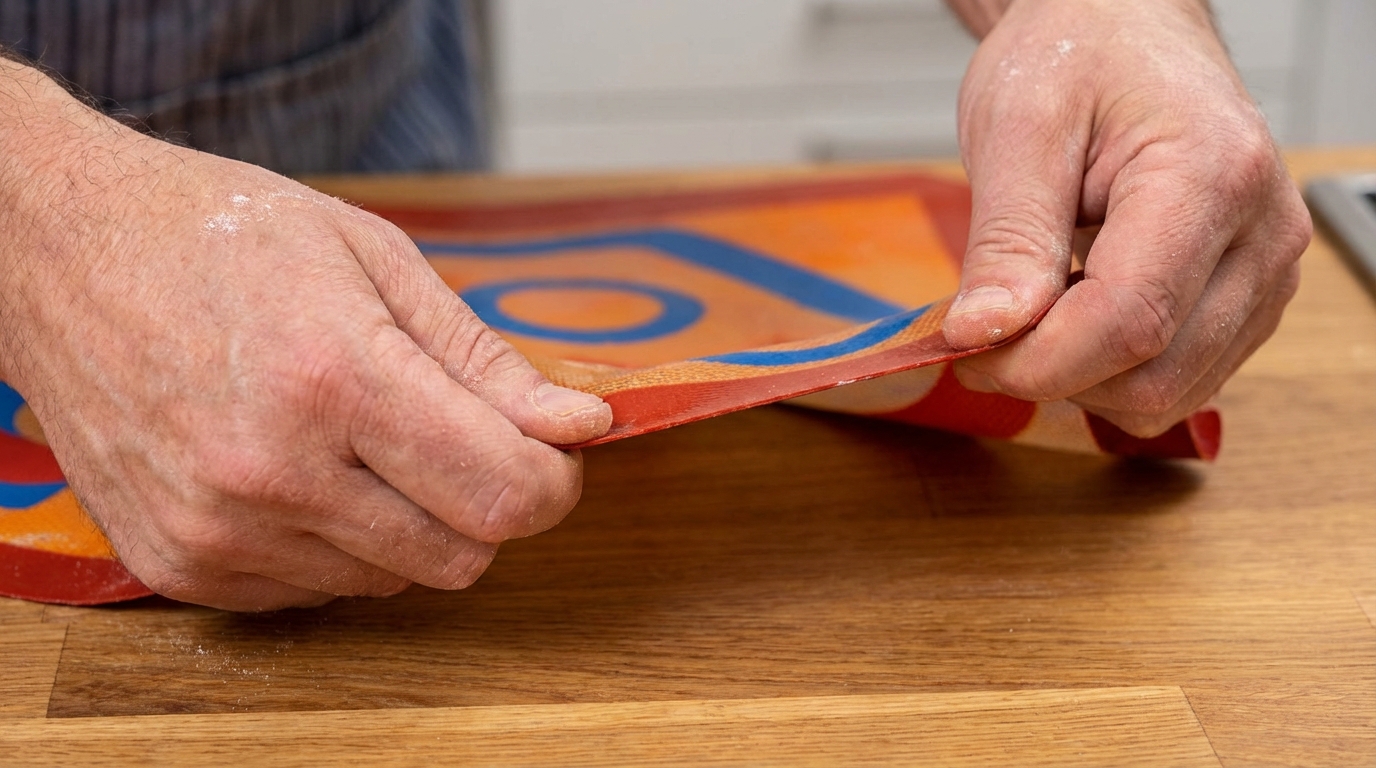
The “Stretch Test,” also known as the pinch test, is the simplest way to identify food grade silicone without specialized laboratory equipment. When you twist or stretch a piece of pure silicone, it should maintain its original color throughout the point of tension. If white streaks appear, it indicates the presence of cheap plastic fillers used in regular silicone.
Give it a try: it is a 95% effective method for screening solid silicone products at home or in a warehouse.
Performing the Pinch Test
This quick visual inspection reveals the hidden composition of the silicone material.
- Grab the silicone part firmly with both hands.
- Twist and pull the material until it is taut.
- Look closely at the stretched area for color changes.
Identifying Fillers
Fillers are used to bulk up the material and reduce the cost of regular silicone.
- White streaks indicate the presence of calcium or plastic.
- These fillers can leach odors into food when heated.
- Pure silicone remains transparent or retains its solid Pantone color.
Key Takeaway: A successful stretch test—where no whitening occurs—is a strong and immediate indicator of high-purity food grade silicone.
| Visual Result | Material Indication | Quality Grade |
|---|---|---|
| No Color Change | 100% Pure Silicone | Food Grade |
| White Streaks | Contains Fillers | Regular / Industrial |
| Cloudy Appearance | Low Purity | Substandard |
Physical tests provide a practical way to verify material claims when official documentation is unavailable.
6. Why Is Liquid Silicone Rubber (LSR) Preferred?
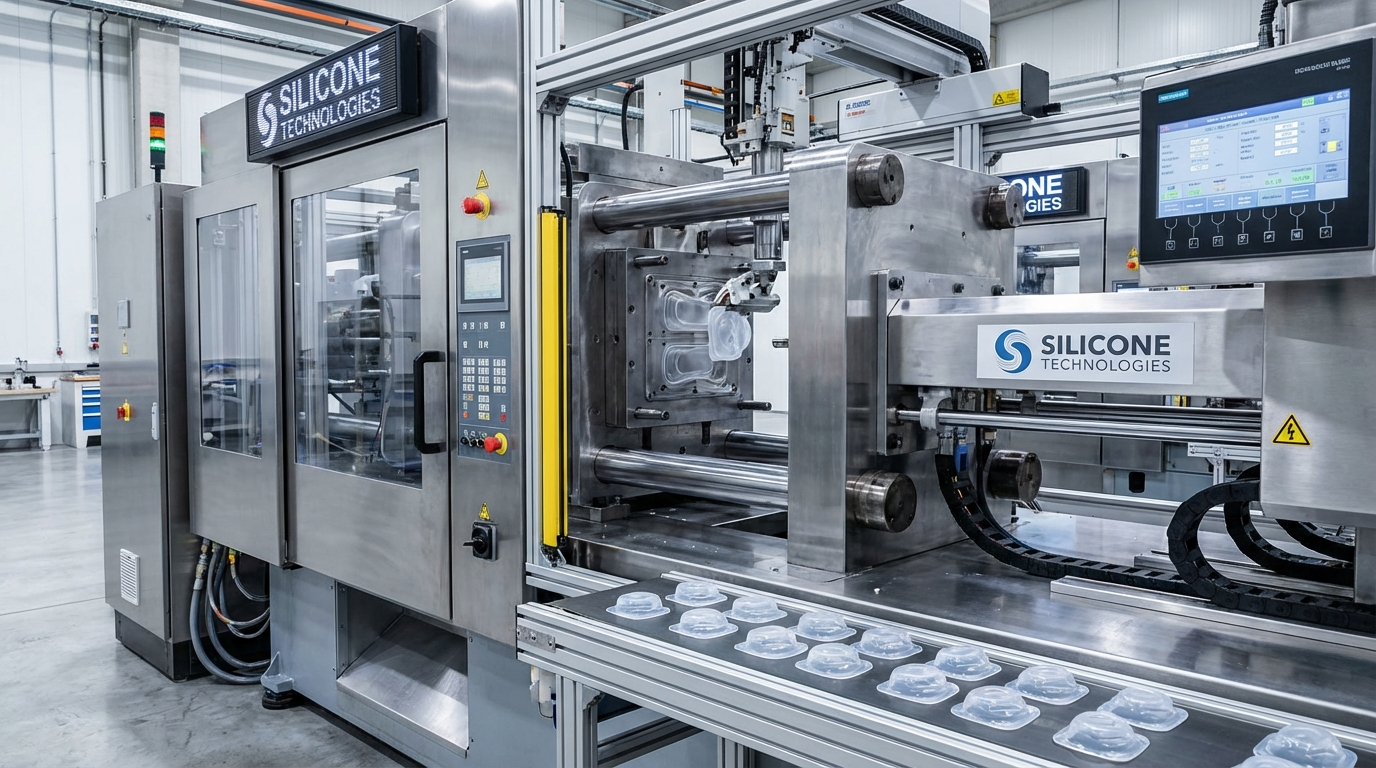
Liquid Silicone Rubber (LSR) is the gold standard for food grade silicone because its injection molding process is fully enclosed, preventing any environmental contamination. LSR products offer better transparency, higher tear strength, and superior precision compared to solid compression molding. This method is preferred for high-volume production of complex parts like baby bottle nipples.
It gets better: the closed-loop system used in LSR machines eliminates the need for manual handling during the molding stage.
Benefits of LSR Technology
LSR provides a level of consistency that is difficult to achieve with solid rubber.
- High precision for intricate structural designs.
- Fully automated production reduces human error.
- Excellent biocompatibility for medical and food use.
Hygiene and Cleanliness
The nature of the LSR process makes it inherently more hygienic for sensitive applications.
- No dust or debris can enter the closed system.
- The material is injected directly from sealed drums.
- Ideal for Class 100k clean room manufacturing environments.
Key Takeaway: LSR technology provides the highest level of purity and structural precision for premium food grade silicone products.
| Feature | LSR (Liquid) | Solid Compression |
|---|---|---|
| Contamination Risk | Extremely Low | Moderate |
| Precision | Very High | Standard |
| Surface Finish | Smooth / Crystal Clear | Standard |
For high-end medical or food products, LSR is the only choice that guarantees absolute purity.
7. What Are the Primary Applications in the Kitchen?
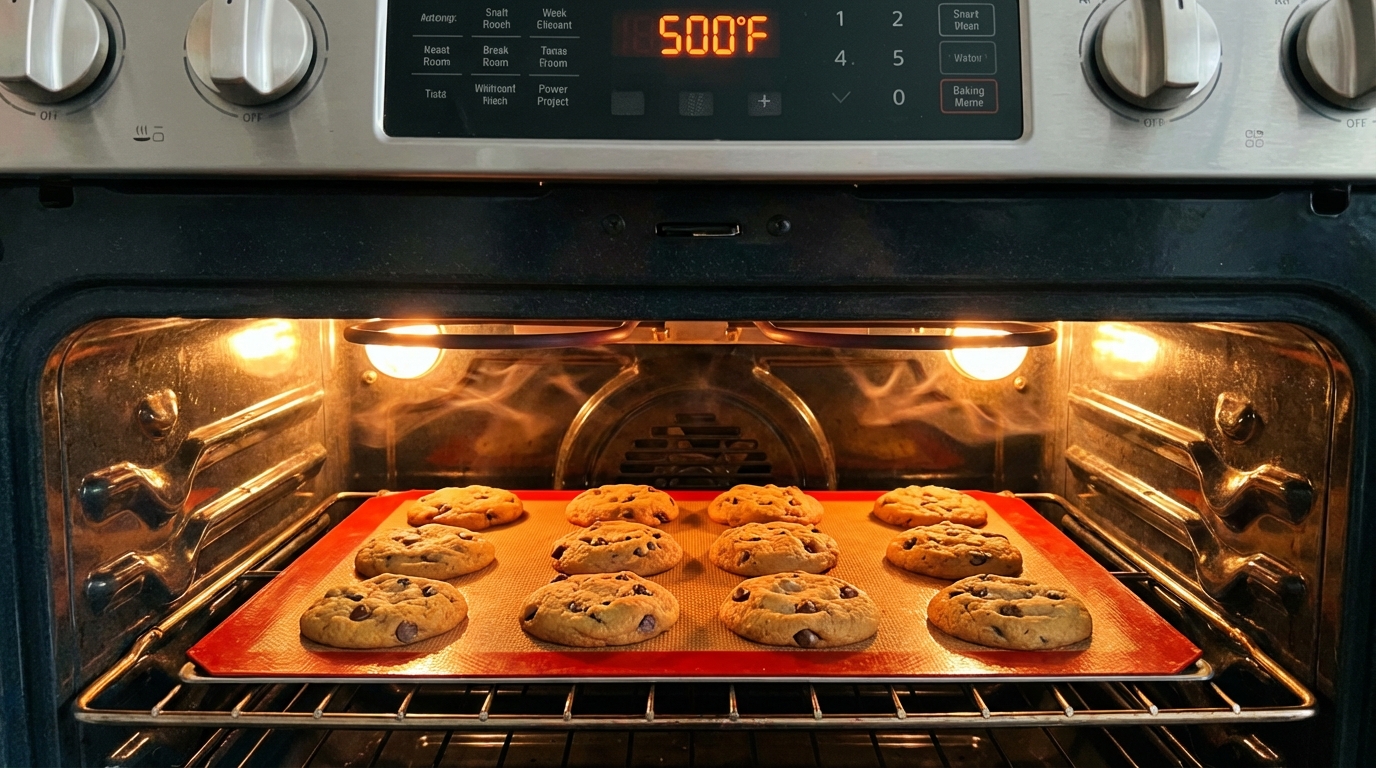
In the kitchen, food grade silicone is used for products that require high heat resistance, flexibility, and non-stick properties. Its ability to withstand temperatures ranging from freezer-cold to oven-hot makes it perfect for a variety of culinary tools. From baking mats to reusable storage bags, this material has replaced many single-use plastics.
Check your drawers: you likely use several silicone items daily that rely on these safety standards.
Baking and Molding Tools
The non-stick nature of silicone makes it an ideal material for intricate baking tasks.
- Molds for chocolates, candies, and cake decorating.
- Baking mats that eliminate the need for grease.
- Flexible ice cube trays for easy release.
Cooking Utensils and Storage
Silicone is preferred over plastic for tools that come into direct contact with hot pans.
- Heat-resistant spatulas and tongs that won’t melt.
- Reusable stretch lids for airtight food storage.
- Collapsible colanders and measuring cups for space saving.
Key Takeaway: The versatility and extreme temperature range of food grade silicone make it the most reliable material for modern kitchenware.
| Tool Type | Benefit of Silicone | Temp Range |
|---|---|---|
| Baking Molds | Easy release / Non-stick | Up to 220°C |
| Spatulas | Heat resistance / Soft edge | Up to 220°C |
| Storage Bags | Reusable / Leak-proof | -40°C to 100°C |
Replacing plastic with silicone in the kitchen significantly reduces exposure to harmful chemicals.
8. How Does It Ensure Safety in Medical and Baby Products?
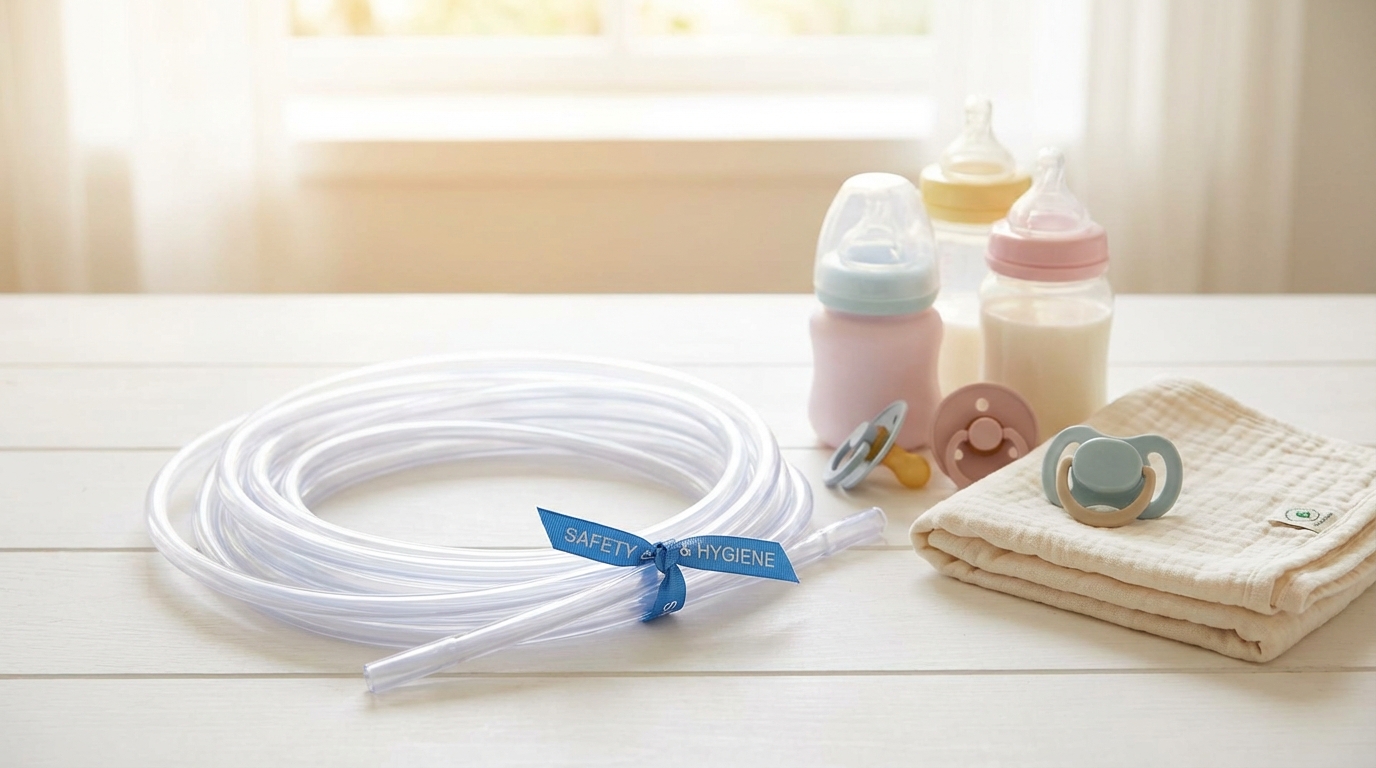
For baby and medical products, food grade silicone is chosen for its hypoallergenic properties and extreme resistance to bacterial growth. It does not yellow over time, remains odorless, and can be repeatedly sterilized in boiling water without degrading. This makes it the preferred material for pacifiers, teething toys, and medical tubing.
Safety is paramount: for products entering an infant’s mouth or a patient’s body, only the highest grade is acceptable.
Infant Care Essentials
Babies are particularly sensitive to chemical leaching, making pure silicone a necessity.
- Pacifiers and bottle nipples made from clear LSR.
- Soft teething rings that are gentle on developing gums.
- Spoons and bibs that are easy to clean and sanitize.
Medical Device Interfaces
In healthcare, silicone provides a safe barrier between devices and human tissue.
- Seals for respiratory masks and oxygen equipment.
- Tubing for fluid delivery that resists kinks.
- Buttons and keypads for sterilized medical control panels.
Key Takeaway: Biocompatibility and sterilization resilience make food grade silicone essential for the baby care and healthcare sectors.
| Safety Factor | Food/Medical Grade | Regular Grade |
|---|---|---|
| Sterilization | Boilable / Autoclavable | May degrade |
| Hypoallergenic | Yes | No guarantee |
| Bacteria Resistance | High | Low |
The soft texture and chemical purity of silicone provide a unique combination of comfort and safety.
9. Why Is Sustainability a Factor in Choosing Food Grade?

Food grade silicone is a sustainable alternative to single-use plastics because it is incredibly durable and can be reused thousands of times. Its long lifespan reduces the overall environmental footprint of consumer goods and prevents plastic waste from entering oceans. As global regulations push for net-zero carbon goals, silicone’s durability becomes a major environmental asset.
A greener choice: one silicone storage bag can replace over 3,000 disposable plastic bags in its lifetime.
Reducing Plastic Waste
Switching to silicone products helps combat the global crisis of single-use plastic pollution.
- Reusable straws and coffee cup lids.
- Durable food containers that don’t crack or peel.
- Silicone bags that provide an airtight, eco-friendly seal.
Longevity and Recyclability
Unlike plastic, which degrades quickly, silicone remains functional for many years.
- Resistant to UV light and oxidation.
- Does not shed microplastics into the environment.
- Recyclable at specialized facilities into industrial oils.
Key Takeaway: The shift toward food grade silicone supports a circular economy by replacing short-lived, toxic plastics with durable alternatives.
| Material | Reusable Life | Environmental Impact |
|---|---|---|
| Silicone | Years | Low (Durable) |
| Plastic | Days/Months | High (Waste) |
| Paper | Minutes | Moderate (Resource use) |
Choosing silicone is a commitment to both personal health and the health of the planet.
10. How Does Hualin Ensure Quality Control?
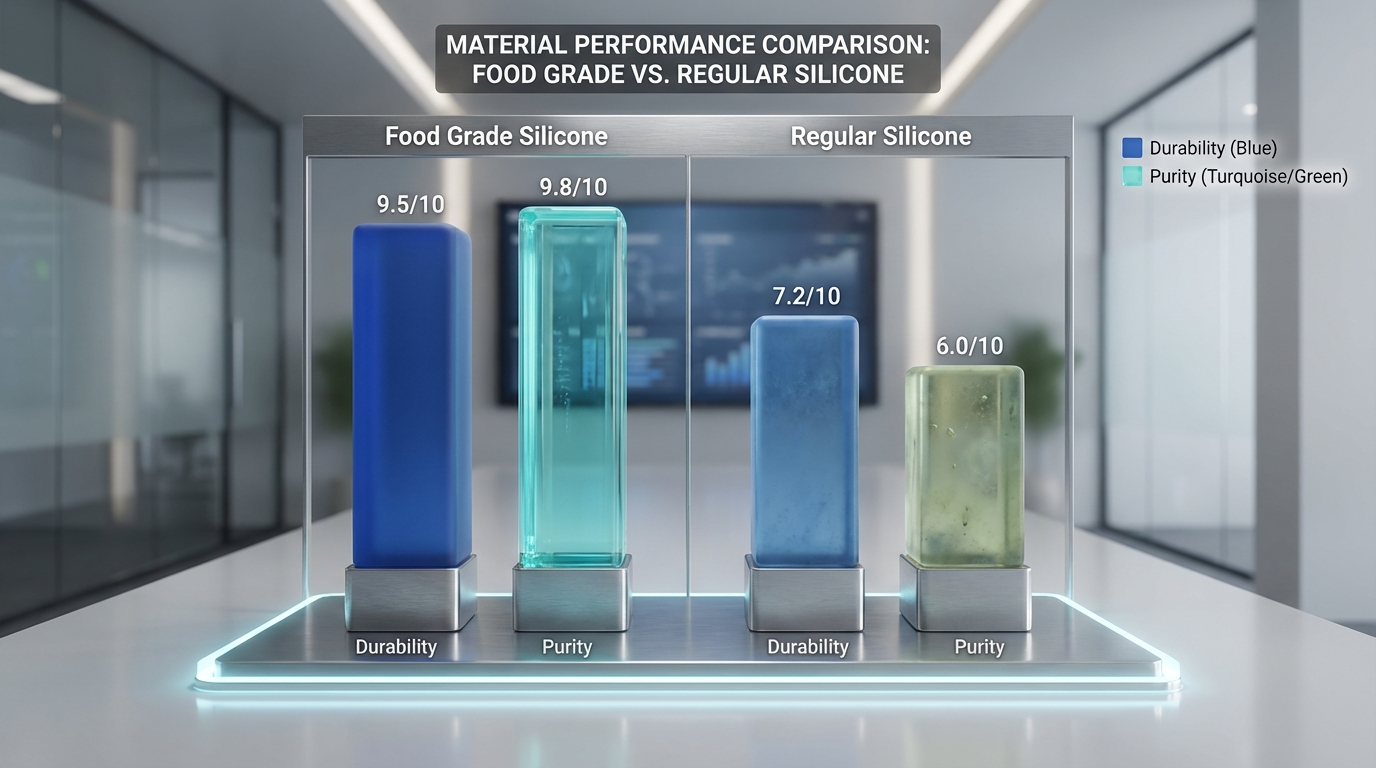
Quality control for food grade silicone at Hualin involves a combination of advanced Japanese machinery and 37 sets of professional laboratory testing equipment. We maintain a Class 100k Clean Room to ensure every part is free of black spots, dust, or environmental contamination. By utilizing CCD inspection machines, we guarantee that only zero-defect products reach our global partners.
Trust the experts: our IATF 16949 and ISO 13485 certifications reflect our commitment to the highest industrial and medical standards.
Precision Engineering
Our internal tooling workshop uses high-end CNC and EDM machines for perfect mold creation.
- Sodick Mirror EDM machines (Japan) for zero-burr finishes.
- Roders CNC Machining Centers for high-precision molds.
- Automated LSR lines for consistent product quality.
Rigorous Testing Protocols
Every batch of silicone undergoes strict reliability testing before shipment.
- Tensile testing to verify material strength.
- RoHS detectors to confirm the absence of toxins.
- UV weathering chambers to test long-term durability.
Key Takeaway: Professional quality control is the only way to bridge the gap between “regular” products and certified food grade silicone.
| QC Measure | Equipment Used | Target Outcome |
|---|---|---|
| Visual Inspection | CCD Machines | Zero black spots |
| Precision | Sodick EDM | Flash-free products |
| Cleanliness | 100k Clean Room | Contaminant-free |
Our comprehensive approach ensures that every silicone component meets the strict safety needs of our clients.
Conclusion
Distinguishing between food grade silicone and regular silicone is vital for ensuring consumer safety and product longevity. While regular silicone serves its purpose in industrial settings, only food-grade variants offer the chemical inertness and purity required for health-sensitive applications. At Dongguan Hualin, we are dedicated to providing high-precision silicone solutions that meet international safety standards. Our “Service Oriented, Excellence” philosophy drives us to grow together with our partners by providing safe, durable, and compliant silicone components.
If you need a professional partner for your medical, kitchenware, or baby product project, please contact us today to explore our custom manufacturing capabilities.
FAQ
- Can I use regular silicone in the microwave?
It is not recommended. Regular silicone may contain industrial fillers that can leach odors or harmful chemicals when exposed to heat. Only use food grade silicone labeled as microwave-safe. - How do I know if my silicone baking mat is pure?
Perform the “stretch test” by pinching and twisting the mat. If you see white streaks through the material, it contains fillers and is not pure food-grade. - Does food grade silicone contain BPA?
No. High-quality food grade silicone is naturally free from BPA, BPS, and phthalates. - Why is my silicone product turning white over time?
This is often “frosting” or “blooming,” which occurs in lower-quality regular silicone as additives migrate to the surface. Certified food-grade material should not exhibit this behavior. - Is liquid silicone rubber always food-grade?
Not necessarily, but most LSR is formulated to meet medical or food-grade standards due to its high-purity injection molding process. Always check the supplier’s material data sheet (MSDS).