
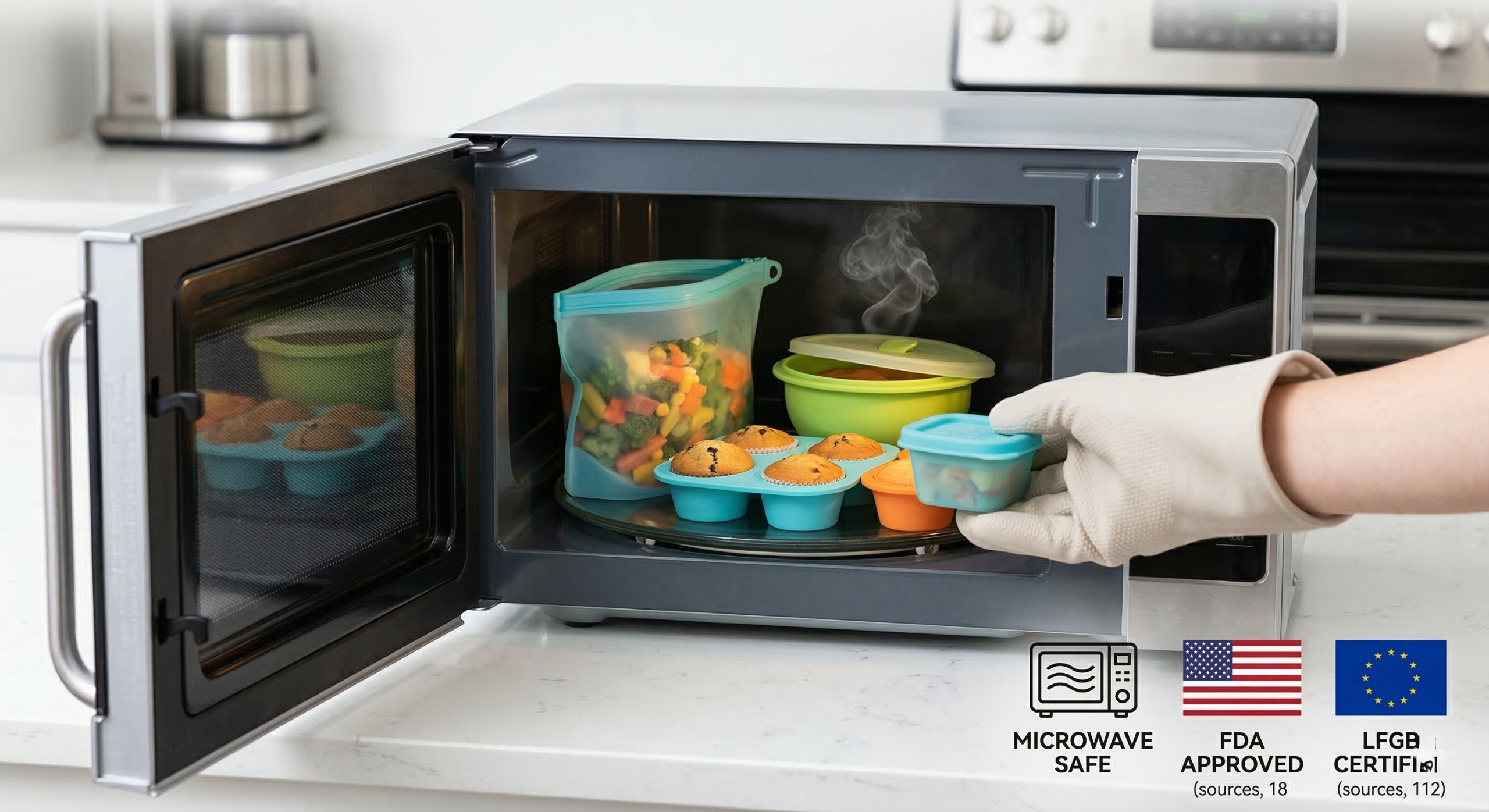
Yes, you can safely put high-quality, food-grade silicone in the microwave without fear of melting or toxic leaching. Many professionals struggle with the risk of using traditional plastics that warp or release harmful BPA when exposed to high temperatures. This uncertainty often leads to ruined equipment and potential safety hazards in commercial and domestic kitchens alike. By understanding that can you microwave silicone safely, you can streamline your heating processes while maintaining the highest hygiene standards.
Is Silicone Actually Safe for Microwave Use?
Yes, pure silicone is highly resistant to heat and is perfectly suitable for use in microwave ovens. When you consider whether can you microwave silicone, you should focus on its unique molecular structure. This material does not absorb microwaves, allowing the energy to pass through directly to the food.
Understanding High Thermal Stability
The thermal stability of silicone is what sets it apart from common polymers. It can withstand extreme temperature fluctuations without losing its shape or structural integrity.
- Operates safely from -40°F to 450°F.
- Resists oxidative degradation over time.
- Maintains flexibility even after repeated heating cycles.
Silicone vs. Plastic Heat Resistance
Think about it: traditional plastics often reach their glass transition point very quickly in a microwave. Silicone remains stable because it is made of silicon-oxygen backbones rather than carbon chains.
Key Takeaway: Silicone’s chemical stability makes it a superior choice for heat-intensive microwave applications compared to most plastics.
| Feature | Silicone | Plastic (Standard) |
|---|---|---|
| Max Temp | ~450°F | ~250°F |
| Chemical Leaching | Negligible | High Risk (BPA/Phthalates) |
| Durability | High | Low |
Investing in high-stability materials reduces the long-term cost of replacement and ensures consistent safety.
How Can You Identify Microwave-Safe Silicone?
You can identify microwave-safe silicone by checking for specific manufacturer stamps or international safety certifications. When determining if can you microwave silicone, you must verify that the product is 100% food-grade. Products intended for high-heat use will almost always feature a “microwave-safe” symbol on the bottom.
Recognizing FDA and LFGB Certifications
Certifications are the most reliable way to ensure your silicone parts are safe for food contact. Both FDA (US) and LFGB (Europe) standards require rigorous testing for volatile organic compounds. 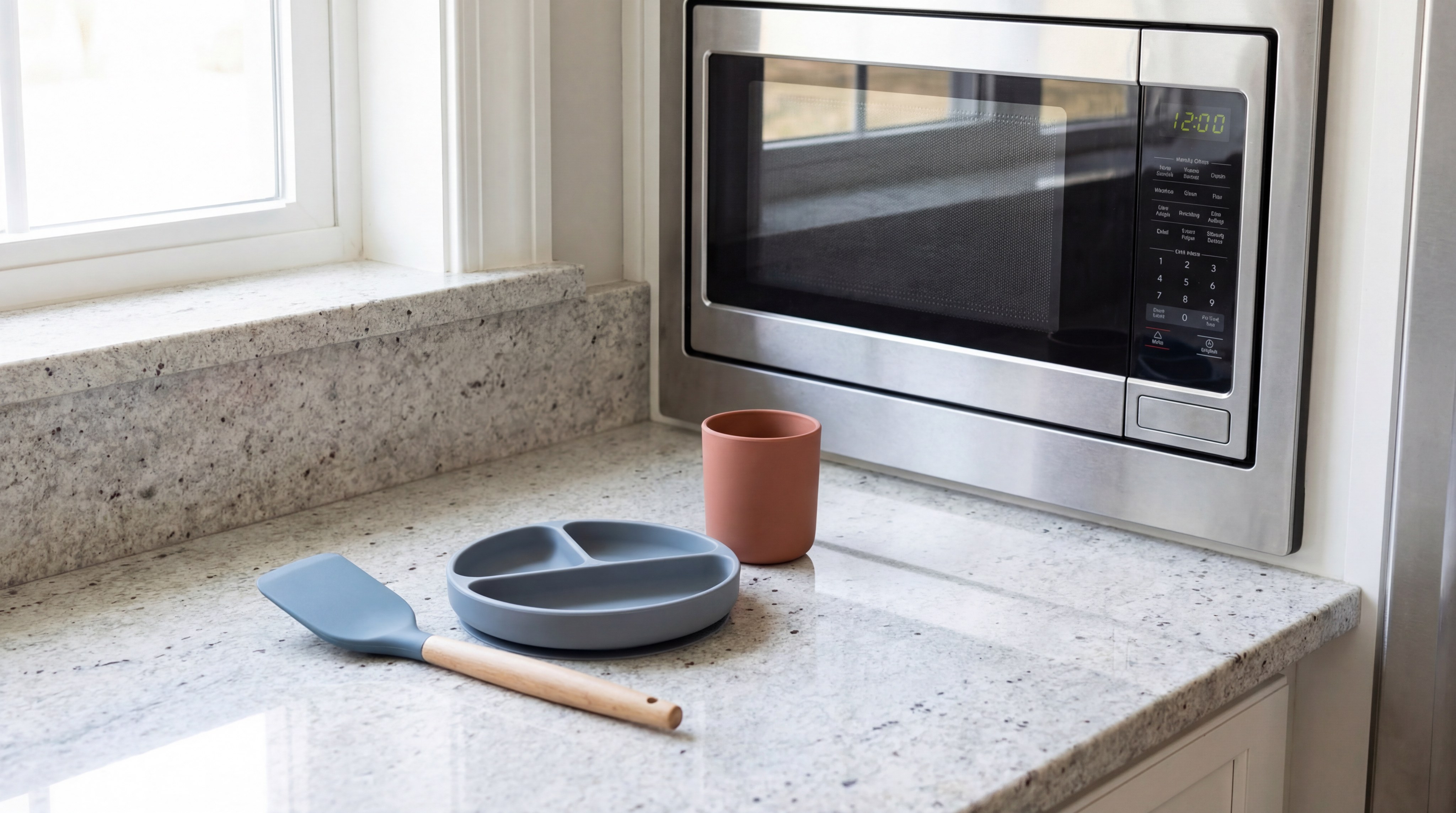
- FDA compliance confirms basic safety for the American market.
- LFGB testing is more stringent regarding sensory and leaching tests.
- Look for the glass and fork symbol on the packaging.
Checking for Food-Grade Material Labels
Here is the deal: not all materials that look like silicone are actually pure. Some contain fillers that can smoke or smell when heated in a microwave. Always prioritize suppliers who provide clear material data sheets and purity guarantees.
Key Takeaway: Verification of food-grade certification is the only way to guarantee safety during high-temperature microwave use.
| Certification | Focus Area | Safety Level |
|---|---|---|
| FDA | Extraction limits | Standard |
| LFGB | Purity and odor | Premium |
| BPA-Free | Chemical safety | Essential |
Proper identification prevents the accidental introduction of industrial-grade materials into food-processing environments.
What Are the Benefits of Microwaving Silicone?
The primary benefits of using silicone in the microwave include its natural non-stick properties and its ability to distribute heat evenly. When you decide that can you microwave silicone, you unlock a level of convenience that glass and ceramic cannot always match. It is lightweight, shatterproof, and cools down significantly faster than traditional materials.
Natural Non-Stick Surface Performance
Silicone’s surface is naturally hydrophobic and smooth, which is ideal for microwave baking or reheating sticky foods. This reduces the need for added oils or parchment paper.
- Easy release for muffins and cakes.
- Minimal food residue left behind.
- Reduces water consumption during the cleaning process.
Exceptional Durability and Reusability
But wait: the longevity of silicone is where the real B2B value lies. Unlike glass which can crack from thermal shock, silicone can go from the freezer directly to the microwave.
Key Takeaway: The combination of durability and non-stick properties makes silicone a highly cost-effective material for high-volume microwave tasks.
| Benefit | Impact | Business Value |
|---|---|---|
| Non-Stick | Less waste | Higher yield |
| Shatterproof | Safety | Reduced liability |
| Thermal Shock Resistance | Versatility | Improved workflow |
The resilience of silicone under thermal stress translates directly to a longer product lifecycle and lower overhead.
Are There Specific Temperature Limits to Follow?
Yes, you must adhere to the manufacturer’s specified temperature range, typically capping at 428°F to 450°F. While can you microwave silicone easily, exceeding these limits can eventually cause the material to become brittle. Most microwave ovens do not reach these temperatures in the air, but the food inside can create hot spots.
Standard Operating Temperature Ranges
Maintaining your equipment within the recommended window ensures that the silicone does not undergo chemical breakdown. 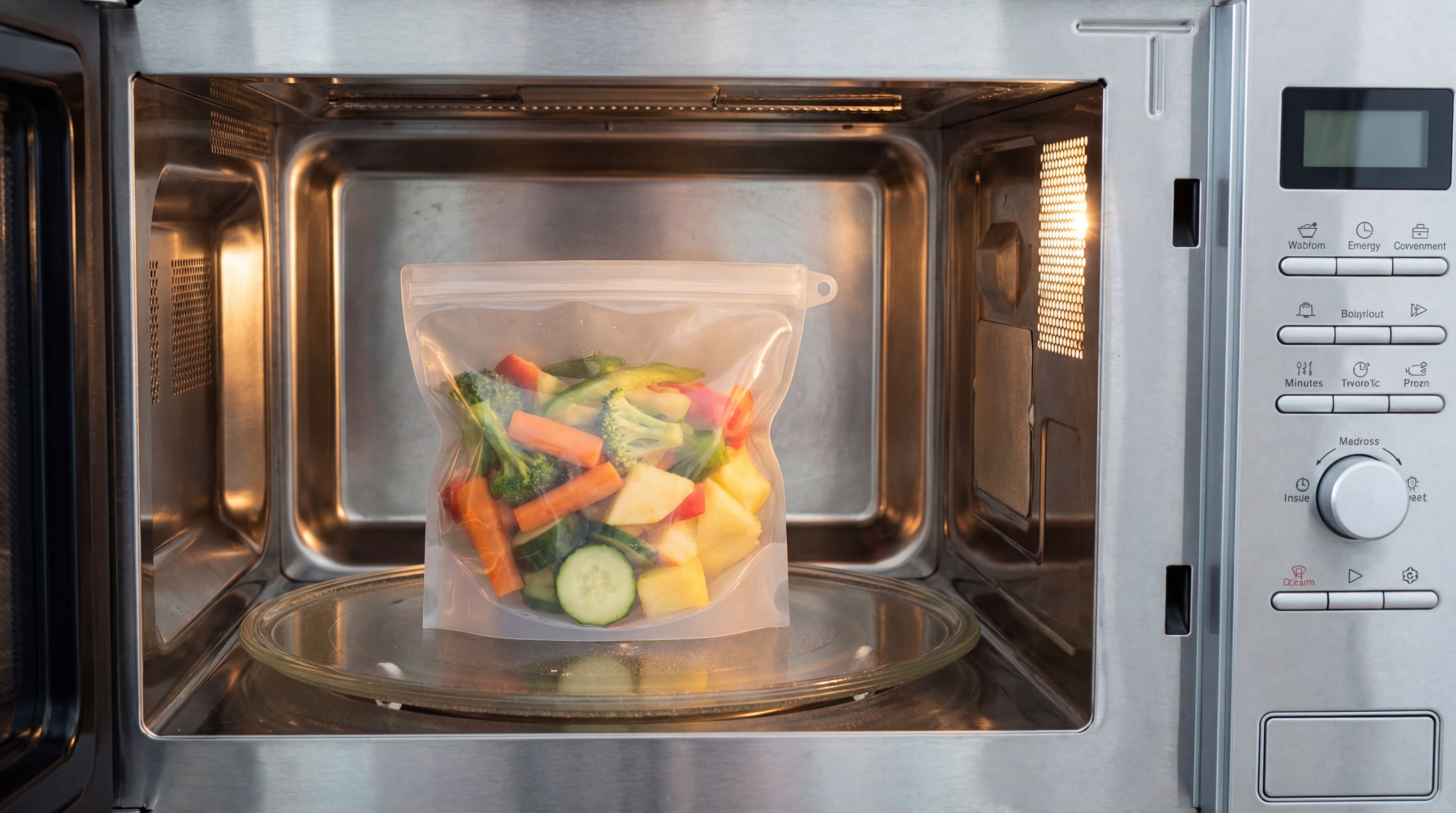
- Ideal heating range: 200°F to 400°F.
- Max peak temperature: 450°F for short bursts.
- Safe for deep-freezing down to -40°F.
Preventing Hotspots During Heating
The bottom line is: high-sugar or high-fat foods can heat up much faster than the silicone container itself. You should stir food midway through the heating cycle to ensure even temperature distribution.
Key Takeaway: Respecting the 450°F limit preserves the molecular bond of the silicone and prevents premature aging of the product.
| Temperature Condition | Range | Effect |
|---|---|---|
| Normal Use | < 350°F | No change |
| Limit | 450°F | Maximum threshold |
| Overheat | > 500°F | Potential brittleness |
Monitoring heat exposure is a critical step in maintaining the mechanical integrity of silicone components over years of use.
How Do You Microwave Silicone Safely?
You can microwave silicone safely by ensuring that lids are vented and the container is placed correctly on the turntable. When you understand how can you microwave silicone, you must account for the steam generated during the heating process. Never use silicone in a microwave that has the “grill” or “convection” setting turned on if those elements are exposed.
Managing Steam Pressure with Vented Lids
If you are using a silicone lid or a sealed bag, you must allow a path for air to escape. Failure to vent can cause the container to distort or pop from internal pressure.
- Leave one corner of a lid unsealed.
- Use products with built-in steam vents.
- Avoid hermetic seals for long heating cycles.
Proper Placement Away from Heating Elements
Think about it: the edges of the microwave and the top heating elements can become much hotter than the ambient air. Ensure the silicone container has enough clearance to rotate freely without touching the internal walls.
Key Takeaway: Safety in the microwave is as much about venting and placement as it is about the material’s heat resistance.
| Safety Step | Action | Reason |
|---|---|---|
| Venting | Open corner | Pressure release |
| Placement | Center turntable | Even heating |
| Setting | Microwave only | Prevent melting |
Proper operational protocols eliminate the risks associated with steam pressure and localized overheating.
Does Low-Quality Silicone Pose Health Risks?
Yes, low-quality silicone often contains “fillers” like calcium carbonate that can leach or off-gas when heated. When evaluating if can you microwave silicone, you must be wary of “bargain” products that lack purity certifications. These fillers can cause the product to lose its flexibility and emit a chemical odor during use.
Identifying Harmful Fillers and Additives
Pure silicone should not have a strong smell or change color when twisted. If you see white stress marks when pinching the material, it likely contains cheap fillers. 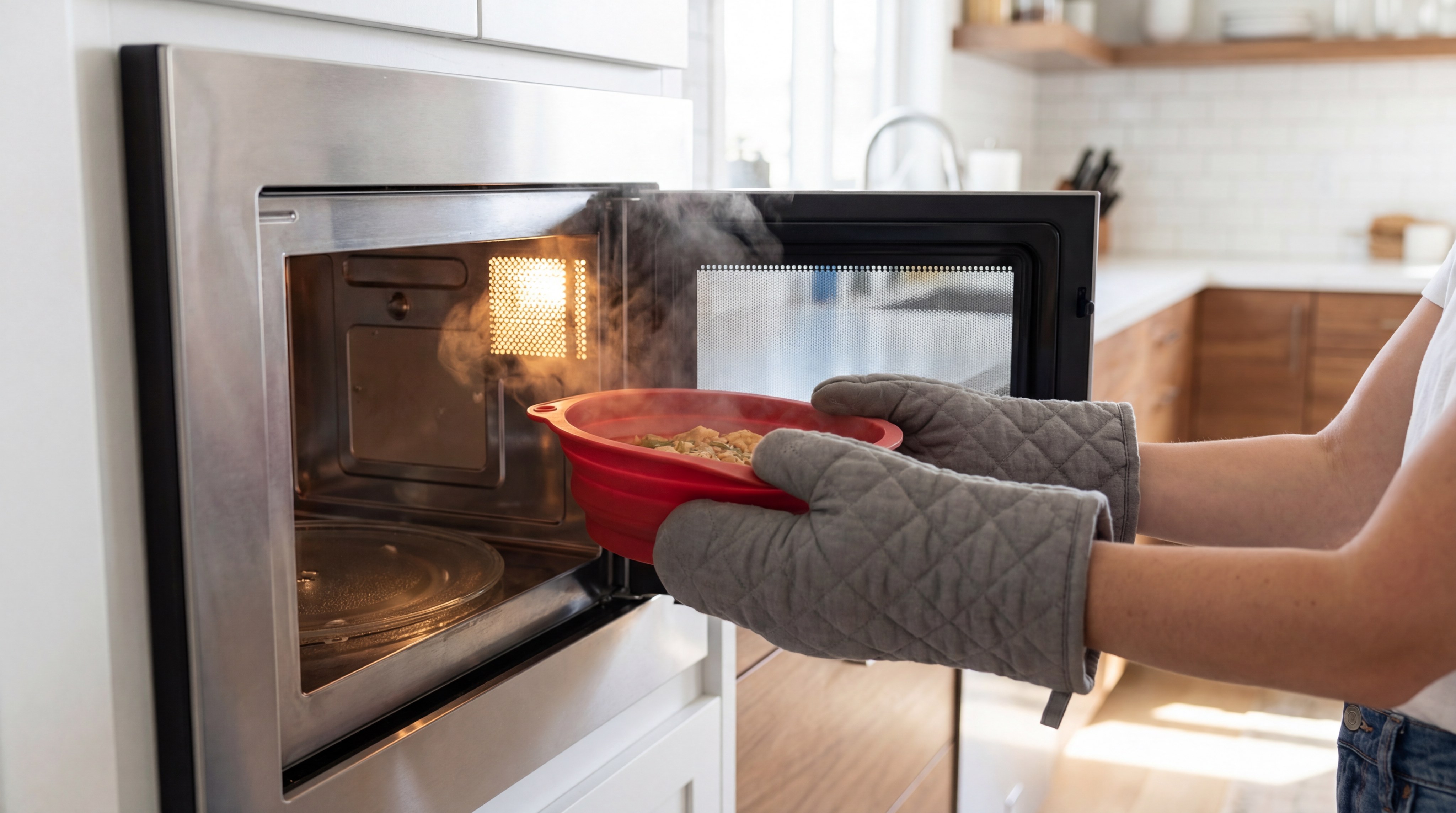
- Pinch test: Look for white whitening (indicates fillers).
- Odour test: Check for strong plastic smells when hot.
- Texture test: Low-quality silicone feels greasy or chalky.
Testing for Material Purity at Home
Here is the deal: if you are unsure of the quality, do a short test run with water before using it with food. High-quality silicone will remain odorless and the water will stay clear.
Key Takeaway: Avoiding low-cost, uncertified silicone protects your health and prevents chemical contamination of your food products.
| Material Grade | Composition | Risk Level |
|---|---|---|
| Medical/Platinum | 100% Pure | None |
| Food-Grade | High Purity | Minimal |
| Industrial/Filler | Mixed Polymers | High |
Selecting high-purity materials is a non-negotiable requirement for any B2B application involving human consumption.
Can Silicone Melt or Warp in the Microwave?
Pure silicone does not melt in a standard microwave, but it can warp if it contains plastic stabilizers or if it is exposed to concentrated heat. When you analyze if can you microwave silicone, you must distinguish between the silicone itself and any plastic frames or handles. Some “silicone” products are actually overmolded onto plastic which has a much lower melting point.
Impact of Prolonged High-Power Exposure
While the material is stable, extremely long heating cycles at 100% power can cause localized heat buildup. This can lead to slight hardening of the surface over several hundred uses.
- Avoid “empty” microwaving of silicone molds.
- Use medium power for thick or dense food items.
- Allow the material to rest between back-to-back cycles.
Risks of Heating Oils and Sugars
But wait: fats and sugars can reach temperatures far exceeding the boiling point of water. If these substances are in direct contact with thin silicone walls, they can cause temporary softening or permanent staining.
Key Takeaway: While melting is nearly impossible for pure silicone, extreme heat from fats and sugars requires careful power management.
| Heat Source | Potential Temp | Risk to Silicone |
|---|---|---|
| Boiling Water | 212°F | Safe |
| Hot Oil | > 400°F | Surface Stress |
| Melting Sugar | > 350°F | Staining Risk |
Understanding the thermal dynamics of different food groups prevents accidental damage to your silicone inventory.
How Should You Maintain Microwave-Safe Silicone?
You should maintain silicone by using gentle cleaning methods and performing regular inspections for surface degradation. Knowing that can you microwave silicone is only half the battle; ensuring it stays safe for years requires proper care. Abrasive cleaners can create micro-tears where bacteria can thrive and heat can concentrate.
Cleaning Guidelines for Heat Resistance
To preserve the surface integrity, always use non-abrasive sponges and mild detergents. This ensures the non-stick layer remains effective and safe for microwave use.
- Dishwasher safe (top rack recommended).
- Avoid steel wool or scouring pads.
- Soak in warm soapy water for tough stains.
Inspecting for Wear and Surface Degradation
Think about it: even the best materials eventually show signs of age. Check for any stickiness, discoloration, or cracks that might indicate the silicone has been exposed to temperatures beyond its limit. 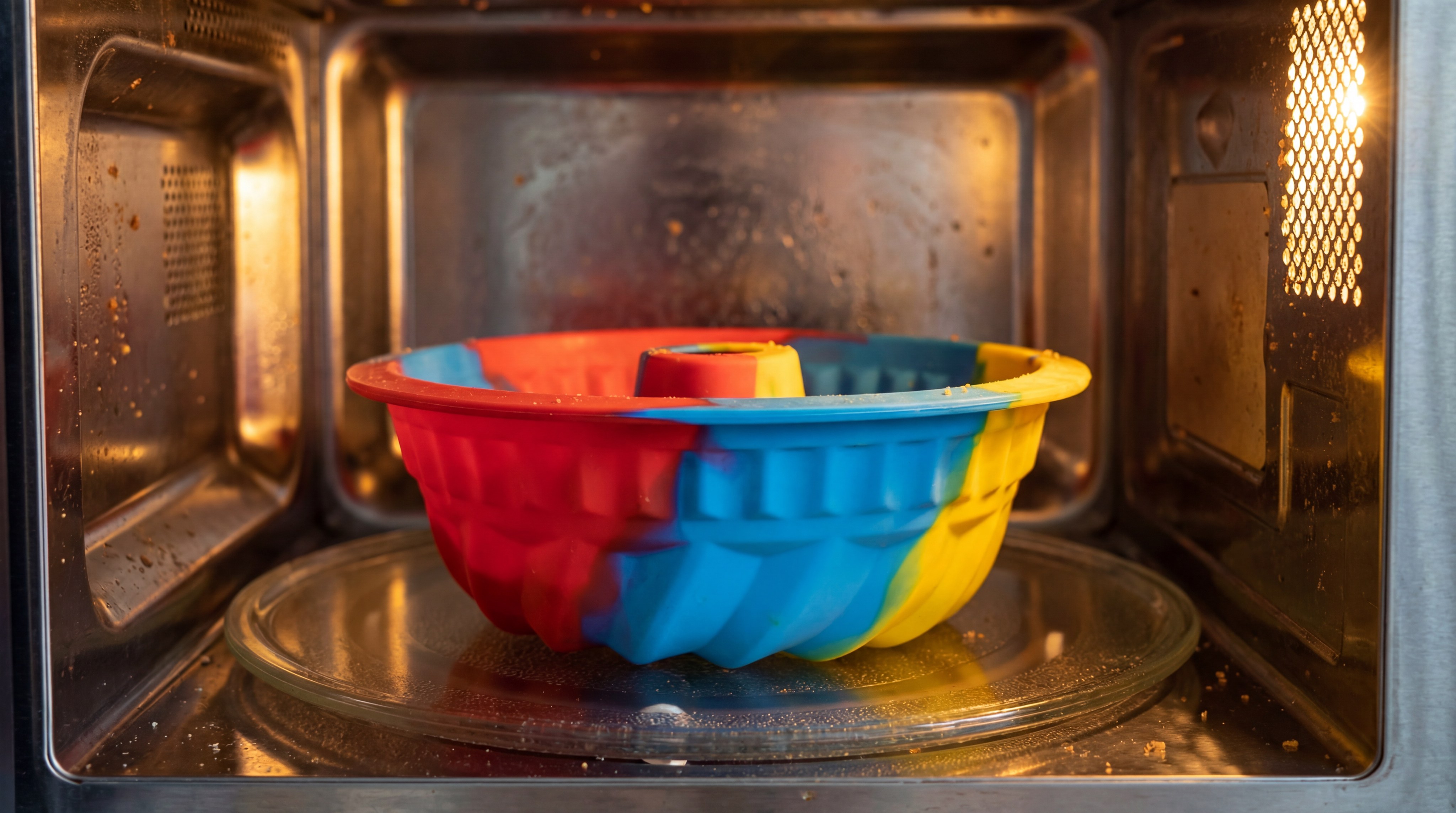
Key Takeaway: Gentle maintenance and regular visual checks extend the functional life of your microwave-safe silicone tools.
| Maintenance Task | Frequency | Purpose |
|---|---|---|
| Mild Washing | After every use | Hygiene |
| Visual Inspection | Monthly | Safety Check |
| Deep Clean | As needed | Remove oils |
Consistent care routines ensure that your investment remains a reliable part of your production or kitchen environment.
Why Choose Food-Grade Silicone for Your Project?
Choosing food-grade silicone ensures that your products meet the rigorous safety standards required for global export and consumer safety. When you specify that can you microwave silicone in your product designs, you are promising a high-performance material that won’t fail the user. For B2B projects, this reliability is the foundation of brand trust.
Safety Standards for Global Export
Compliance with FDA and LFGB is often a prerequisite for entering major markets. High-quality silicone manufacturers provide the documentation necessary to clear these regulatory hurdles.
- Documented raw material sourcing.
- Traceable production batches.
- Certified heavy-metal-free composition.
OEM/ODM Quality Control Requirements
Here is the deal: when sourcing custom parts, you need a partner who understands the nuances of heat-safe polymers. Precision molding ensures that every part performs identically under microwave stress.
Key Takeaway: Selecting a certified food-grade partner mitigates regulatory risks and ensures end-user satisfaction with every microwave-safe product.
| Requirement | Benefit | Outcome |
|---|---|---|
| Traceability | Risk Management | Faster Audits |
| Compliance | Market Access | Higher Sales |
| Quality Control | Consistency | Low Return Rate |
Professional-grade sourcing is the only way to guarantee that “microwave safe” is a factual claim rather than a marketing slogan.
What Are the Best Practices for B2B Procurement?
The best practices for B2B procurement involve auditing manufacturer test reports and demanding material samples for in-house verification. When you are responsible for large-scale orders, confirming that can you microwave silicone safely is a matter of verifying the supplier’s lab results. Never rely on verbal assurances; always ask for the most recent SGS or TUV certification.
Verifying Manufacturer Testing Reports
A reputable manufacturer will have updated reports for every material grade they offer. These reports detail the specific leaching levels under different temperature conditions.
- Verify the date of the latest safety test.
- Check for specific microwave-safe laboratory results.
- Ensure the testing matches your target market’s regulations.
Selecting Reputable Production Partners
The bottom line is: look for manufacturers with ISO 9001 certification and a clear history in the silicone industry. Longevity in the market usually indicates a commitment to quality and safety standards.
Key Takeaway: Rigorous supplier vetting through certification checks and sample testing is the cornerstone of safe B2B procurement.
| Audit Step | Objective | Importance |
|---|---|---|
| Lab Reports | Confirm Purity | Critical |
| Factory Visit | Assess Standards | High |
| Sample Testing | Verify Performance | Essential |
Establishing a relationship with a transparent, certified manufacturer eliminates the guesswork from your supply chain.
At HuaLin Silicone, we understand that safety and reliability are paramount for your B2B projects. Whether you are developing kitchenware, medical components, or baby products, ensuring that your materials can withstand the rigors of modern heating is essential. We solve the problem of material uncertainty by providing 100% food-grade, certified silicone solutions tailored to your specific needs. Our vision is to empower global brands with high-performance polymers that never compromise on safety. To discuss your next project or request a quote, contact us today.
Frequently Asked Questions (FAQ)
Can I microwave silicone lids if they are sealed?
No, you must always leave a vent or open a corner to allow steam to escape. Sealed containers can build up internal pressure that may cause the lid to pop or the container to deform during heating.
What’s the best way to clean silicone after microwaving?
Use mild dish soap and a soft sponge to remove food residues effectively. Avoid using abrasive tools like steel wool, as these can create scratches that harbor bacteria and weaken the heat resistance.
How do I know if my silicone is actually food-grade?
You should perform a pinch test to see if the material turns white and check for the “glass and fork” or “FDA” stamp. High-quality food-grade silicone will remain the same color when twisted and will not have a strong chemical odor.
Can I use silicone molds for microwave baking?
Yes, silicone is an excellent material for microwave baking because it promotes even heating and releases food easily. Ensure your mold is rated for at least 428°F to handle the internal temperatures of cakes and muffins.
What’s the maximum temperature for microwave-safe silicone?
Most premium silicone products are safe up to 450°F (232°C). This is well above the temperatures typical of microwave cooking, making it one of the safest materials for reheating and food preparation.