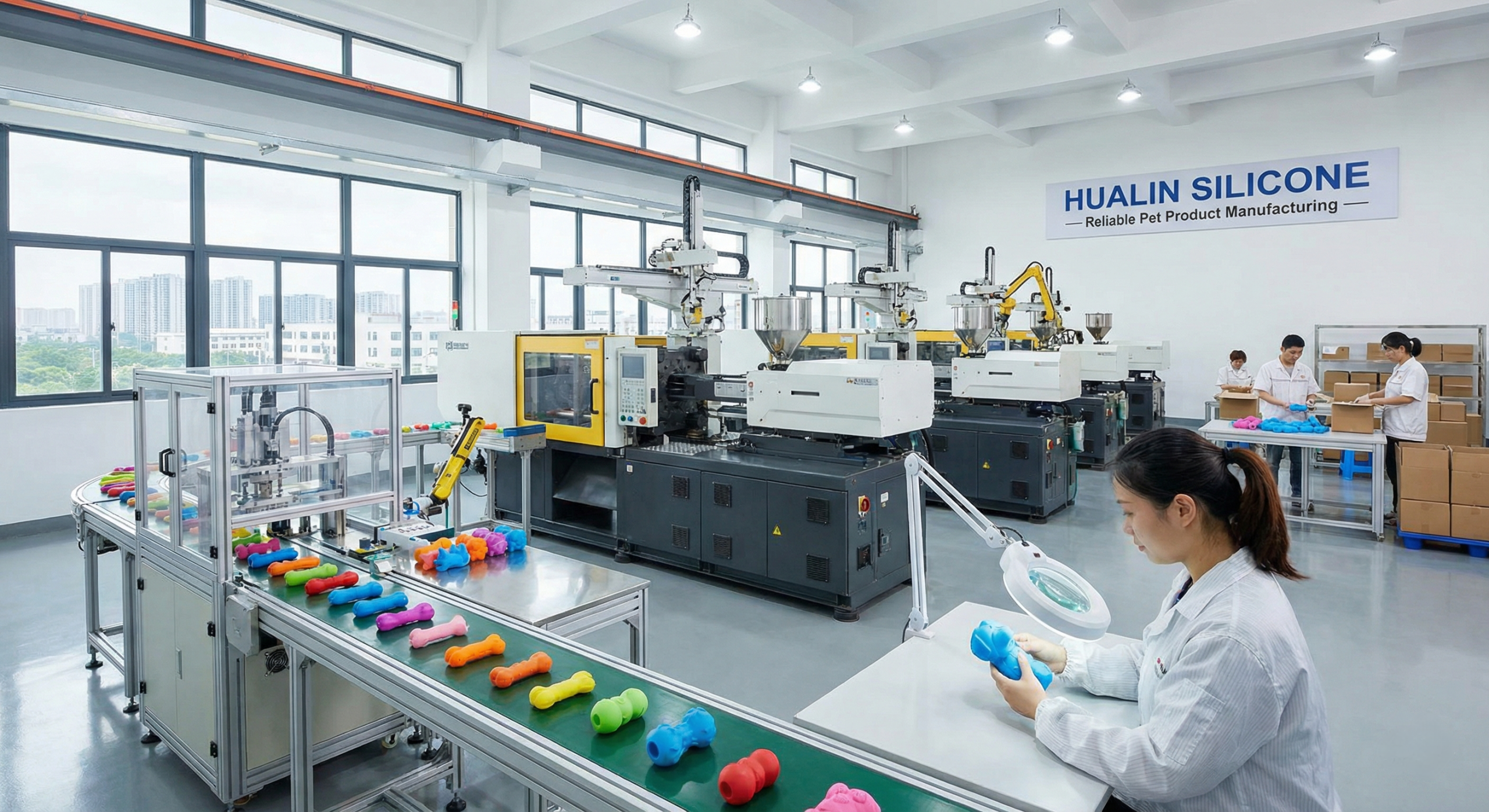
Finding a reliable Pet Product Manufacturer in China requires a systematic approach of verifying ISO certifications, auditing in-house production facilities, and validating material safety reports. In today’s competitive market, sourcing from the wrong factory can lead to toxic material scandals or massive shipment delays that destroy your brand’s reputation overnight. By following a rigorous vetting process that prioritizes technical capability and transparent communication, you can secure a stable supply chain that powers your long-term growth.
Why choose a pet product manufacturer in China?
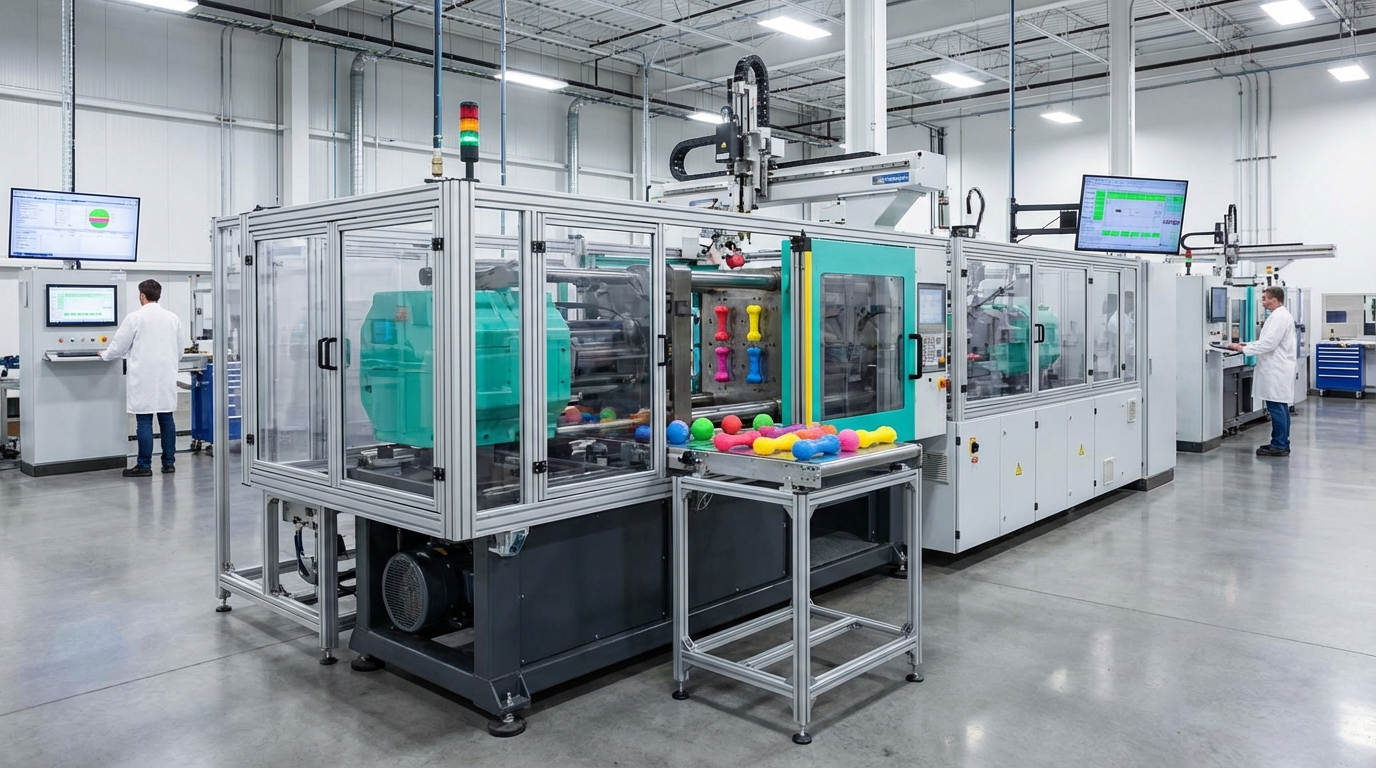
Choosing a Pet Product Manufacturer in China provides your brand with unmatched scale and a specialized supply chain designed for high-volume efficiency. These factories benefit from regional industrial clusters where raw material suppliers and logistics providers are concentrated in one hub. This infrastructure allows you to reduce lead times significantly while maintaining lower unit costs compared to domestic production.
What are the benefits of vast manufacturing scale?
The sheer scale of Chinese production means you can move from a prototype to thousands of units in a fraction of the time. Think about it: a facility with 13,000 m² of space can run multiple production lines simultaneously to meet seasonal spikes in demand.
- Access to advanced molding technology.
- Shorter development cycles for new designs.
- Reduced overhead through massive material purchasing power.
- Ability to handle sudden increases in order volume.
Can you scale production quickly?
The best part? You can start with manageable minimum order quantities (MOQ) and scale up as your market presence grows. A professional manufacturer uses standardized processes to ensure that the 10,000th unit is just as perfect as the first sample you approved.
| Scale Factor | Benefit to Buyer |
|---|---|
| Industrial Clusters | Lower material and shipping costs |
| High Volume | Significant economies of scale |
| Skilled Labor | Reduced defect rates in mass production |
This data shows that China’s manufacturing ecosystem is uniquely positioned to support both startups and established global pet brands.
Key Takeaway: You gain a competitive pricing advantage and the flexibility to grow your inventory rapidly without the risk of supply chain bottlenecks.
Where can you find a reliable pet product manufacturer?
You can find a professional pet product manufacturer by attending major industry trade shows or utilizing verified B2B platforms like Alibaba and Global Sources. These channels allow you to compare multiple vendors simultaneously to evaluate their communication style and product catalogs. Here is the deal: while digital platforms are convenient, the most reliable partnerships often begin with face-to-face interactions at specialized exhibitions.
Should you attend pet industry trade shows?
Attending events like Pet Fair Asia or the China International Pet Show (CIPS) gives you the opportunity to touch the materials and see the craftsmanship firsthand. You can speak directly with engineers rather than just sales representatives, which helps you gauge their technical depth.
- Meet factory owners to discuss long-term pricing.
- Compare material quality between different exhibitors.
- Discover the latest trends in pet toy design and functionality.
Is searching online B2B platforms effective?
B2B platforms are excellent for initial shortlisting, provided you use the right filters to find legitimate factories. Look for “Verified” or “Gold” status and specifically check for manufacturers that have been audited by third parties like ISO or BSCI.
| Sourcing Channel | Best Use Case |
|---|---|
| Trade Shows | Deep vetting and relationship building |
| B2B Platforms | Quick market research and price comparison |
| Sourcing Agents | Managing complex logistics and quality audits |
Navigating these channels correctly ensures you build a shortlist of candidates who actually have the capacity to deliver.
Key Takeaway: Using a multi-channel search strategy minimizes your risk of encountering trading companies posing as manufacturers.
What qualifications should a pet product manufacturer have?
A qualified Pet Product Manufacturer should possess international certifications and a proven track record of using non-toxic, food-grade materials. Since pets often chew on these products, the material safety is non-negotiable for any brand entering the Western market. You must ensure the factory understands the difference between standard industrial silicone and high-purity, medical, or food-grade variants.
Can they handle specialized silicone pet toys?
Working with specialized materials requires specific machinery and clean-room environments to prevent contamination. You should ask if the factory has experience with Liquid Silicone Rubber (LSR) and compression molding, as these are standard for durable pet gear.
- FDA and LFGB compliance for food contact.
- BPA-free and phthalate-free material sourcing.
- Experience with high-durability tear-resistant silicone.
What global certifications are essential?
The kicker is that a factory without an ISO 9001 certification likely lacks the documentation needed for strict quality control. You should look for partners who have their facilities regularly audited by international bodies to ensure safety and ethical standards.
| Certification | Importance |
|---|---|
| ISO 9001:2015 | Standardized quality management systems |
| FDA/LFGB | Safety verification for pet feeding products |
| BSCI/Sedex | Ethical labor and environmental compliance |
Reviewing these credentials up front saves you from potential product recalls or legal issues in your home country.
Key Takeaway: Prioritizing certified manufacturers ensures your products meet global safety standards, protecting both the end-user and your brand’s integrity.
How do top manufacturers ensure product quality?
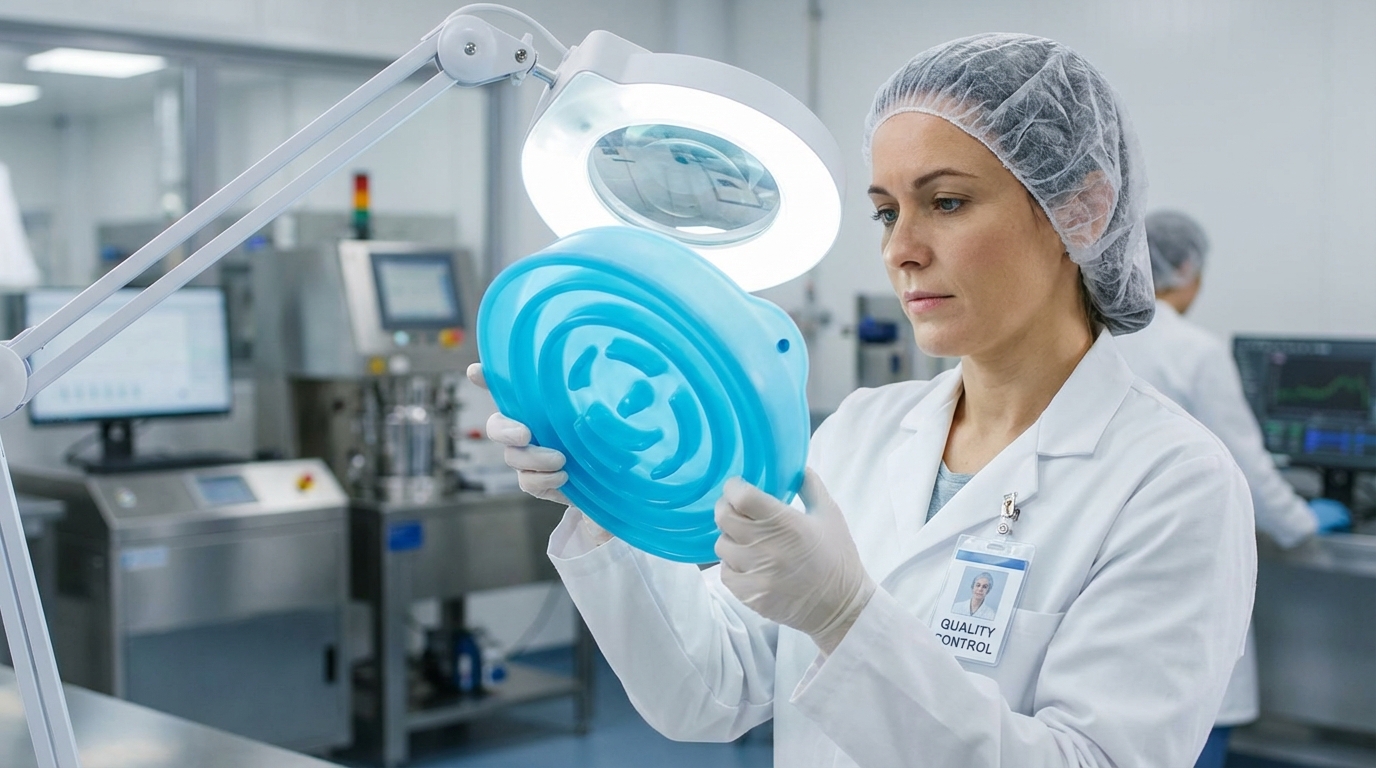
Leading pet product manufacturer facilities implement multi-stage quality control systems that monitor production from raw material arrival to final packaging. They don’t just wait until the end to check for mistakes; they catch errors at every step of the process. This rigorous approach is what separates a world-class factory from a low-cost workshop that produces inconsistent goods.
What is a multi-stage inspection system?
A reliable quality system consists of Incoming Quality Control (IQC), In-Process Quality Control (IPQC), and Final Quality Control (FQC). Bottom line: if a factory doesn’t have a dedicated QC team with 100% inspection capabilities, your defect rate will inevitably climb.
- Testing raw silicone batches for purity and hardness.
- Real-time monitoring of molding temperatures and pressures.
- Manual inspection of every unit for surface defects or burrs.
- Random pull-testing to ensure durability and bite resistance.
Are third-party lab reports necessary?
You should always request recent lab reports from independent testers like SGS or Intertek for each new product batch. These reports provide an objective verification that the products are free from heavy metals and meet your specific material requirements.
| QC Phase | Focus Area |
|---|---|
| IQC | Material purity and batch consistency |
| IPQC | Dimensional accuracy during production |
| FQC | Visual perfection and functional testing |
By implementing these layers of scrutiny, the manufacturer ensures that only perfect products leave the loading dock.
Key Takeaway: Robust internal QC protocols reduce your return rates and build customer trust through consistent product performance.
What technical capabilities should you look for?
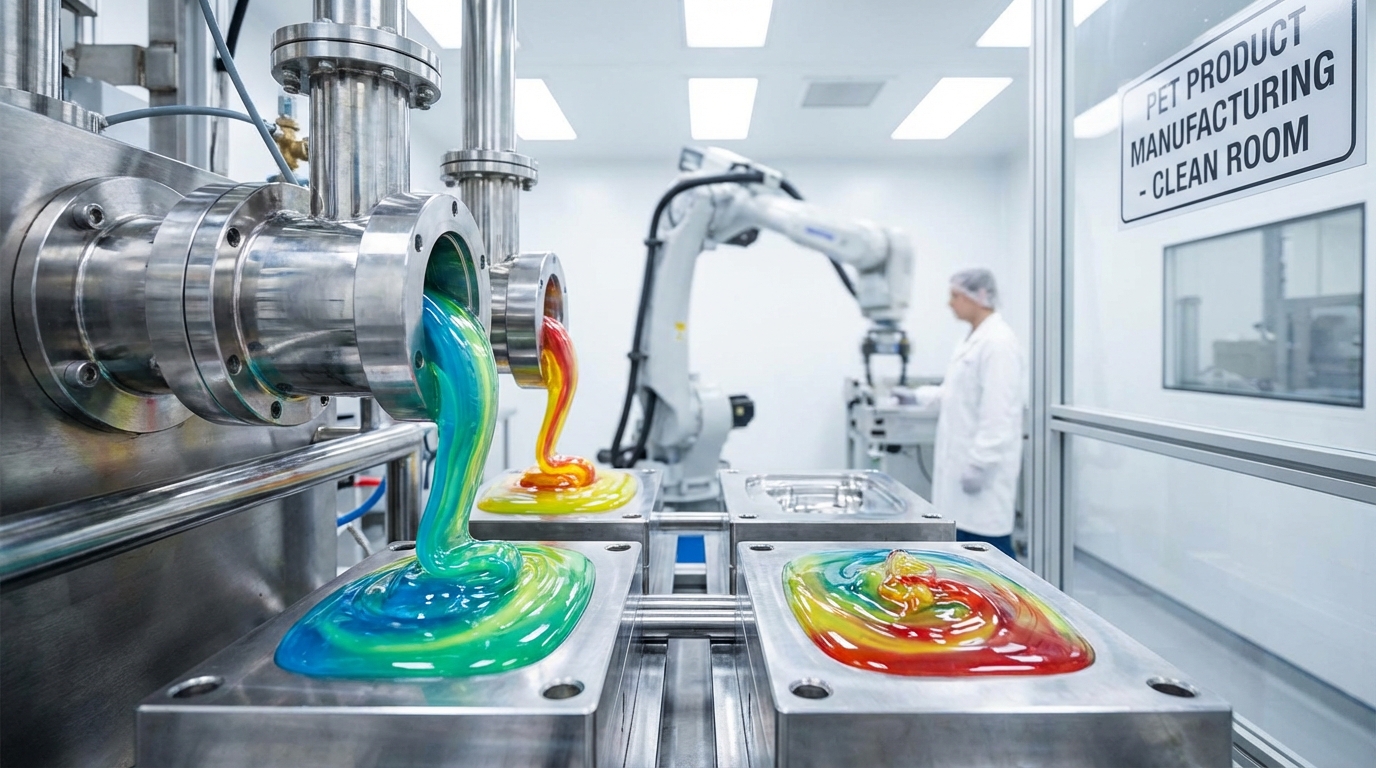
Advanced Pet Product Manufacturer partners offer in-house mold design and engineering support to help you refine your product for mass production. This “Design for Manufacturing” (DFM) support is critical because it identifies potential flaws in your design before you invest thousands in tooling. You want a partner who can suggest ways to improve product durability while potentially reducing material waste.
Do they offer in-house mold making?
Owning the mold-making process allows the factory to maintain tighter tolerances and faster iteration speeds. If a mold needs a slight adjustment, an in-house team can fix it in hours rather than sending it to an external shop for days.
- Precision CNC and EDM machines for mold creation.
- Capability for complex overmolding (silicone on plastic).
- Experience with multiple molding routes like LSR and compression.
How does engineering support help?
Here is the kicker: an engineer who understands silicone behavior can prevent “flash” (excess material) and ensuring proper venting in the mold. You should seek a factory that provides 24-hour DFM feedback on your CAD drawings to streamline the development phase.
| Technical Skill | Benefit to Your Brand |
|---|---|
| DFM Review | Prevents costly design errors before tooling |
| LSR Molding | High precision and medical-grade purity |
| Overmolding | Enables multi-material, ergonomic designs |
Technical expertise is the foundation of a product that functions correctly and lasts a long time in the hands (or paws) of the user.
Key Takeaway: Choosing a manufacturer with strong engineering capabilities reduces your development costs and speeds up your time-to-market.
How can you verify a pet product manufacturer’s legitimacy?
To verify a pet product manufacturer, you must cross-reference their business license with government records and conduct a thorough audit of their actual production site. Many “manufacturers” on the internet are actually small trading companies that don’t own a single machine. You need to ensure you are dealing with the source to get the best pricing and direct control over the production process.
Why is rigorous sample testing essential?
Samples are the physical proof of a factory’s capability, and you should never skip this step. Test the samples under extreme conditions—boil them, stretch them, and give them to actual pets to see how they hold up over a week of use.
- Verify the Shore A hardness matches your spec.
- Check for “blooming” or white residue on the silicone.
- Ensure the colors are consistent with your brand’s Pantone requirements.
Should you perform a factory audit?
But wait, there is more: if you cannot fly to China, you can hire a third-party inspection service to perform a “Video Audit” or a physical site visit. These professionals will check the number of machines, the hygiene of the workshop, and the employee count to confirm the factory’s scale.
| Verification Step | Verification Goal |
|---|---|
| License Check | Confirm legal business status |
| Sample Testing | Validate material quality and durability |
| Site Audit | Confirm manufacturing capacity and standards |
Due diligence at this stage prevents you from being scammed by “middleman” companies that add no value to your supply chain.
Key Takeaway: Verifying the factory’s physical existence and technical output ensures you are building a partnership on a solid, legitimate foundation.
Which red flags signal a risky pet product manufacturer?
Spotting a risky Pet Product Manufacturer involves watching for evasive communication or prices that are significantly lower than the market average. If a deal seems too good to be true, it almost certainly is. In many cases, ultra-low prices are achieved by using “recycled” silicone or skipping essential curing steps that remove volatile organic compounds.
Are their prices too good to be true?
When a quote comes in 30% lower than everyone else, ask yourself where those savings are coming from. Think about it: high-quality food-grade silicone has a global market price, so a massive discount usually means a compromise in safety or labor standards.
- Lack of clear material safety data sheets (MSDS).
- Vague answers about their quality control process.
- Constant pressure to pay 100% upfront before production.
Does communication feel transparent?
A reliable partner will be open about their challenges and lead times. If a supplier refuses to share photos of their actual production line or won’t let you speak with their head of production, you should proceed with extreme caution.
| Red Flag | Potential Risk |
|---|---|
| Evasive Answers | Hiding lack of capacity or outsourcing |
| Low Price | Use of toxic or low-grade materials |
| Missing Certs | Inability to clear customs in Western markets |
Trust your instincts during the negotiation phase; a lack of transparency now usually leads to major problems during mass production.
Key Takeaway: Identifying red flags early saves you from the financial and reputational damage caused by unreliable or unethical suppliers.
How do you protect your intellectual property in China?
A professional pet product manufacturer will sign NNN (Non-Disclosure, Non-Use, Non-Circumvention) agreements to protect your proprietary designs and trade secrets. This is a critical step in preventing your factory from selling your unique design to your competitors under a different brand name. You must ensure that these legal protections are in place before you send over any sensitive 3D CAD files or branding details.
How do you ensure mold exclusivity?
You should explicitly state in your contract that you own the molds, even if they are stored at the factory. This prevents the manufacturer from using your expensive tooling to produce “gray market” goods for other buyers.
- Register your design patents in China, not just your home country.
- Include a clause for mold destruction or return at the end of the contract.
- Use watermarks on all design documents shared digitally.
What is an NNN agreement?
Unlike a standard Western NDA, an NNN agreement is tailored to the Chinese legal system to prevent the factory from “circumventing” you to sell directly to your customers. Here is the deal: a well-drafted NNN agreement is your best defense against intellectual property theft in the region.
| IP Protection Tool | Function |
|---|---|
| NNN Agreement | Prevents copying and direct-selling |
| Design Patent | Legal ownership of the product’s look |
| Mold Ownership | Control over the physical production tool |
Protecting your IP ensures that your unique product features remain a competitive advantage in the marketplace.
Key Takeaway: Proactive legal and contractual steps are necessary to maintain exclusive control over your innovations and brand assets.
What are the best payment terms for a B2B partnership?
Establishing terms with a Pet Product Manufacturer usually involves a 30% deposit followed by a 70% balance payment after quality inspection. This structure protects you by ensuring the factory has “skin in the game” to produce high-quality goods before they receive the full amount. You should never agree to 100% upfront payment, especially for a first-time order with a new supplier.
How should you manage deposits and final payments?
Using secure methods like Alibaba Trade Assurance or a Letter of Credit (L/C) adds an extra layer of protection for large transactions. This ensures that the funds are only released when specific shipping and quality milestones are met.
- 30/70 or 40/60 split is standard for B2B.
- Always pay the balance after your QC agent approves the batch.
- Avoid using untraceable payment methods like Western Union.
Why use Trade Assurance?
The kicker is that Trade Assurance acts as an escrow service, giving you a path to a refund if the goods are not shipped on time or fail to meet quality standards. It is a powerful tool for building trust with a new manufacturing partner.
| Payment Method | Security Level | Best For |
|---|---|---|
| Trade Assurance | High | Initial orders and small-mid volumes |
| Letter of Credit | Very High | Large, high-value bulk shipments |
| Telegraphic Transfer (T/T) | Moderate | Established long-term partnerships |
Clear financial terms prevent misunderstandings and provide you with the leverage needed to ensure consistent quality.
Key Takeaway: Secure payment structures protect your capital and incentivize the manufacturer to meet your quality and delivery requirements.
How can you build a long-term professional partnership?
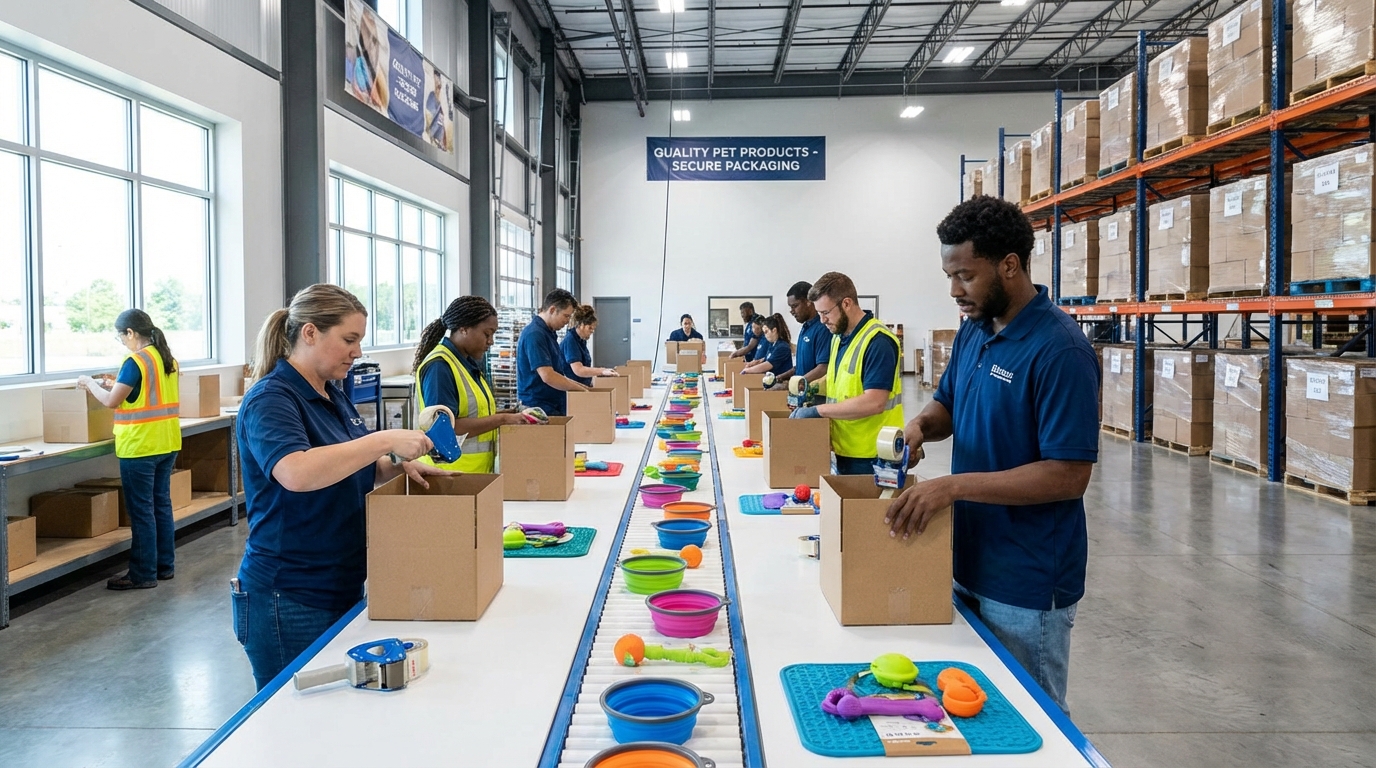
You can foster a relationship with your pet product manufacturer by defining precise specifications and treating them as a strategic partner rather than just a vendor. Clear, written communication in both English and Chinese helps eliminate the “lost in translation” errors that plague international sourcing. When you invest time in building rapport, the factory is more likely to prioritize your orders during peak seasons.
How to maintain open communication?
Regular video calls and site visits (whenever possible) go a long way in humanizing the business relationship. You should share your sales forecasts with them so they can plan their material procurement and production capacity in advance.
- Provide feedback on every shipment, both good and bad.
- Acknowledge when the factory goes above and beyond.
- Resolve disputes through calm, evidence-based discussion.
Should you treat the factory as a partner?
Think about it: if the factory feels like they are part of your success, they will be more willing to help you with rapid prototyping or emergency production runs. A collaborative approach leads to better pricing and more innovative product developments over time.
| Relationship Pillar | Action Step |
|---|---|
| Transparency | Share sales forecasts and growth plans |
| Precision | Use detailed spec sheets and gold samples |
| Respect | Honor payment terms and lead time realities |
A strong partnership is the ultimate competitive advantage, ensuring your supply chain is resilient and your product quality remains world-class.
Key Takeaway: Strategic collaboration transforms a simple supplier into a dedicated manufacturing partner that actively supports your brand’s growth.
*
Finding a reliable manufacturer in China doesn’t have to be a gamble. By focusing on technical certifications, in-house molding capabilities, and transparent communication, you can overcome the challenges of international sourcing. At HuaLin Silicone, we specialize in helping pet brands bring their visions to life with a 13,000 m² facility, ISO 9001 certification, and expert DFM support. Whether you need a custom slow feeder or a durable silicone toy, we have the engineering depth and scale to ensure your success. Contact us today to start your next project with a partner who values quality as much as you do.
*
FAQ
Can I visit your factory in person?
Yes, we encourage all our B2B partners to visit our Dongguan facility to inspect our production lines and meet our engineering team. We believe transparency is the foundation of trust, and seeing our 13,000 m² workshop firsthand confirms our commitment to quality.
What is the best way to protect my design?
The best way is to sign a formal NNN agreement before sharing any CAD files and to register your design patents in China. We respect intellectual property and have strict internal protocols to ensure your proprietary designs never reach the public market without your consent.
How do I know if your materials are truly food-grade?
It depends on your specific market requirements, but we provide full FDA and LFGB test reports for every material batch we use. We only source raw silicone from reputable global suppliers to ensure our pet products are 100% non-toxic and safe for animals.
Can I start with a small trial order?
Yes, we support growing brands by offering flexible MOQs for initial production runs. We understand that you need to test the market, and we are happy to scale our production alongside your brand’s growth.
How do you handle shipping to my country?
We provide a one-stop service that includes coordinating with freight forwarders and managing all necessary export documentation. Whether you prefer air freight for speed or sea freight for cost-efficiency, our logistics team ensures a smooth delivery to your warehouse.