
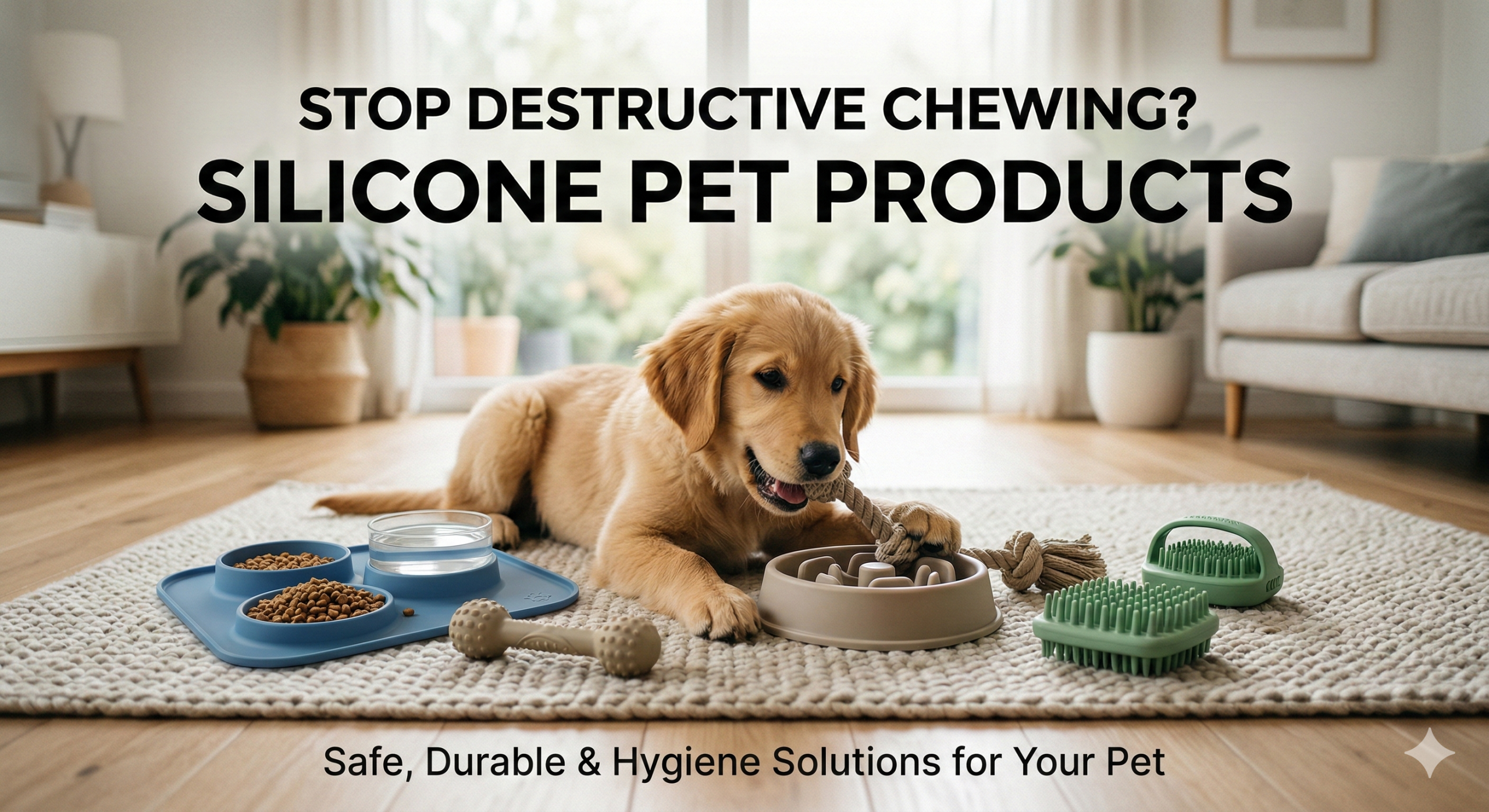
Interactive toys boost behavior and well-being by providing essential mental outlets that satisfy a pet’s natural hunting and chewing instincts. Many modern pet owners face a frustrating reality where bored dogs and cats shred furniture or bark incessantly while left alone. These destructive habits are often a cry for help from an under-stimulated animal suffering from rising anxiety levels. High-quality silicone pet products from reputable sources like https://hualinsili.com/products/pet-products offer the perfect solution by merging safety, durability, and cognitive challenge into a single engagement tool.
What behavioral issues can interactive toys fix?
Boredom-induced destruction and separation anxiety are the primary behavioral issues that these toys effectively resolve. When you integrate premium silicone pet products into a daily routine, you provide a constructive outlet for energy that would otherwise be spent on your carpet or table legs. This redirection helps pets understand which items are appropriate for play.

How does boredom lead to destructive chewing?
Lack of stimulation forces pets to find their own entertainment, which often results in damaged household goods. You might notice your dog focusing on wooden chair legs or your cat clawing at expensive upholstery.
The best part?
- High energy levels need a physical outlet.
- Mental stagnation creates frustration.
- Chewing provides a soothing sensory experience.
Can play reduce pet separation anxiety?
Interactive engagement helps distract pets during the most stressful times, such as when you leave for work. By focusing on a puzzle, the animal associates your departure with a rewarding challenge rather than isolation.
Look:
- Engaging toys release calming endorphins.
- Focused play lowers heart rates.
- Rewards build a positive solo environment.
Key Takeaway: Interactive toys replace destructive tendencies with positive cognitive challenges, creating a more peaceful home environment.
| Issue | Primary Symptom | Silicone Solution |
|---|---|---|
| Boredom | Furniture Chewing | Durable Chew Toys |
| Anxiety | Pacing/Barking | Lick Mats |
| Fast Eating | Bloating/Vomiting | Slow Feeder Bowls |
This table illustrates how specific silicone-based tools target the most common behavioral frustrations pet owners face.
How does play contribute to stress relief?
Play triggers the release of calming endorphins while satisfying the innate hunting instincts of domestic animals. Utilizing advanced silicone pet products ensures that this play is both safe and rewarding for pets of all sizes. These items are designed to mimic the resistance of natural prey, which provides deep satisfaction during use.
What is the role of puzzle solving?
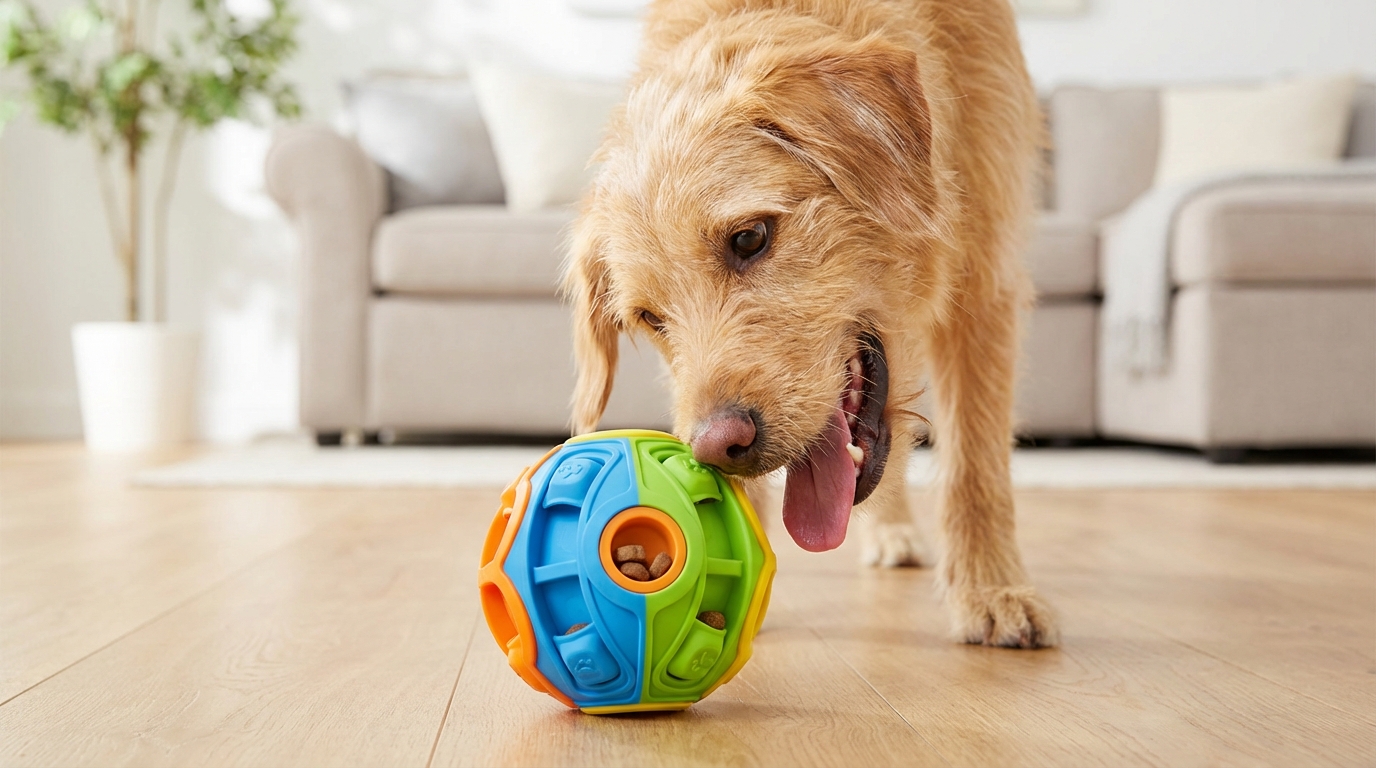
Solving a puzzle requires focus and memory, which are vital components of a pet’s overall cognitive health. You will find that a mentally exhausted pet is much more likely to remain calm throughout the evening.
Think about it:
- Cognitive tasks prevent brain aging.
- Problem-solving builds pet confidence.
- Success leads to a sense of accomplishment.
How are natural instincts satisfied?
Domestic pets still possess the DNA of hunters and foragers that need to work for their food. When you provide a toy that requires nudging or licking, you are fulfilling a biological requirement.
Here is why:
- Foraging mimics natural wild behaviors.
- Licking serves as a self-soothing mechanism.
- “The hunt” provides a healthy dopamine spike.
Key Takeaway: Mental exercise is just as exhausting and beneficial for a pet’s mood as a long physical walk.
| Play Type | Benefit | Pet Impact |
|---|---|---|
| Foraging | Mental Sharpness | Reduced Frustration |
| Chewing | Jaw Exercise | Stress Reduction |
| Problem Solving | Focus | Calmer Demeanor |
The relationship between play type and emotional impact highlights why diverse interactive tools are necessary for well-being.
Why is silicone the superior material for toys?
Silicone is superior because it offers a unique combination of extreme durability, non-toxic safety, and dental-friendly flexibility. Choosing silicone pet products ensures that you aren’t introducing harmful plastics or brittle rubbers into your pet’s mouth. This material is specifically engineered to withstand repetitive pressure without cracking or losing its shape.
How does silicone compare to standard plastic?
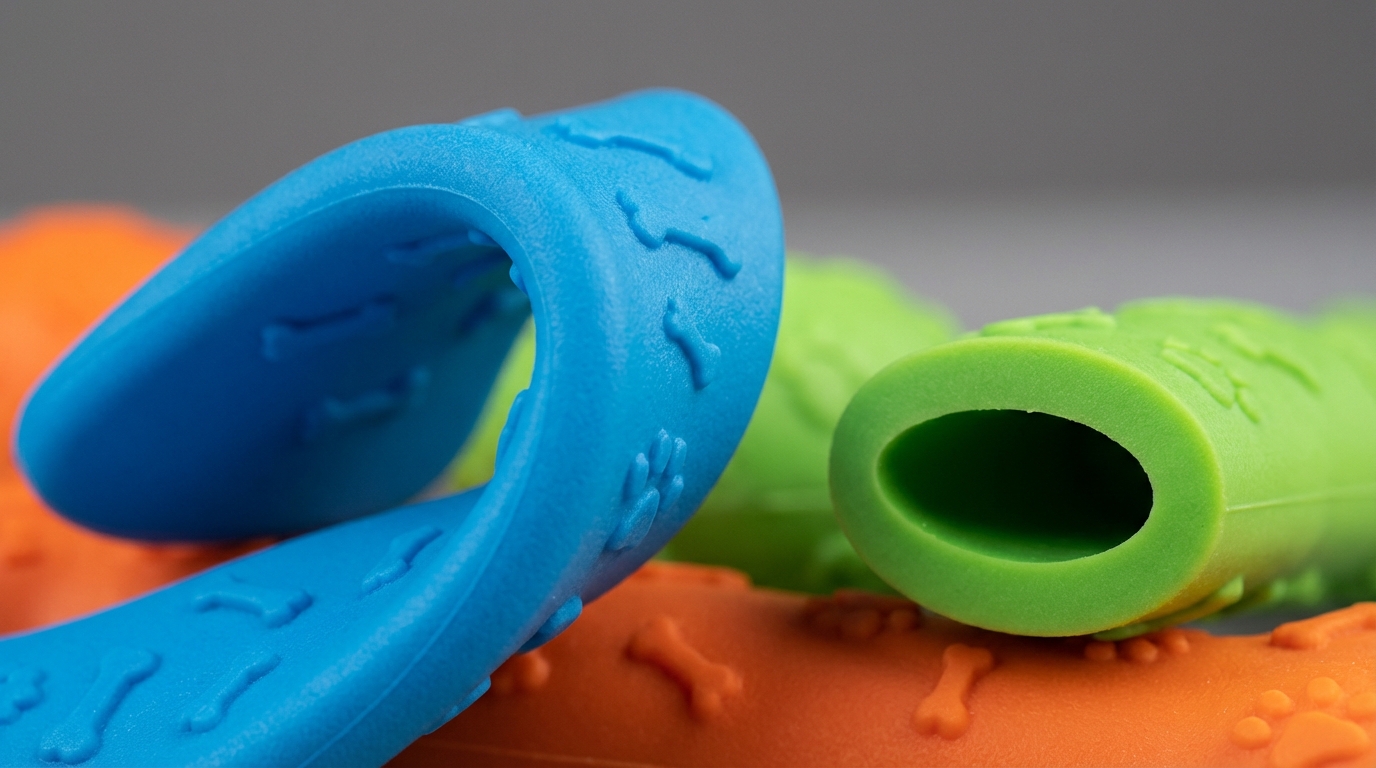
Standard plastics often contain harsh chemicals and can splinter into sharp fragments that pose a choking hazard. Silicone maintains a soft-touch exterior that protects sensitive gums while remaining nearly impossible for most pets to shred.
The best part?
- Silicone resists bacterial growth naturally.
- It stays flexible in freezing temperatures.
- It does not leach toxins when licked.
Why is weatherproofing important for play?
Many interactive sessions happen outdoors, where toys are exposed to sunlight, rain, and fluctuating temperatures. Silicone does not degrade under UV exposure, meaning it won’t become brittle or sticky over time.
Now:
- Toys stay vibrant after sun exposure.
- Dirt washes off the non-porous surface.
- Material remains stable in all climates.
Key Takeaway: Silicone’s unique physical properties offer a safer and much longer-lasting alternative to traditional plastic or rubber playthings.
| Property | Benefit for Pets | Benefit for Owners |
|---|---|---|
| Elasticity | Gentle on teeth/gums | Hard to shred/break |
| Heat Resistance | Freezer safe treats | Dishwasher safe |
| Non-Porous | Bacteria resistant | Easy to sanitize |
Comparing these properties reveals why silicone is the most cost-effective and safety-conscious choice for modern manufacturing.
Is silicone safer and more hygienic than plastic?
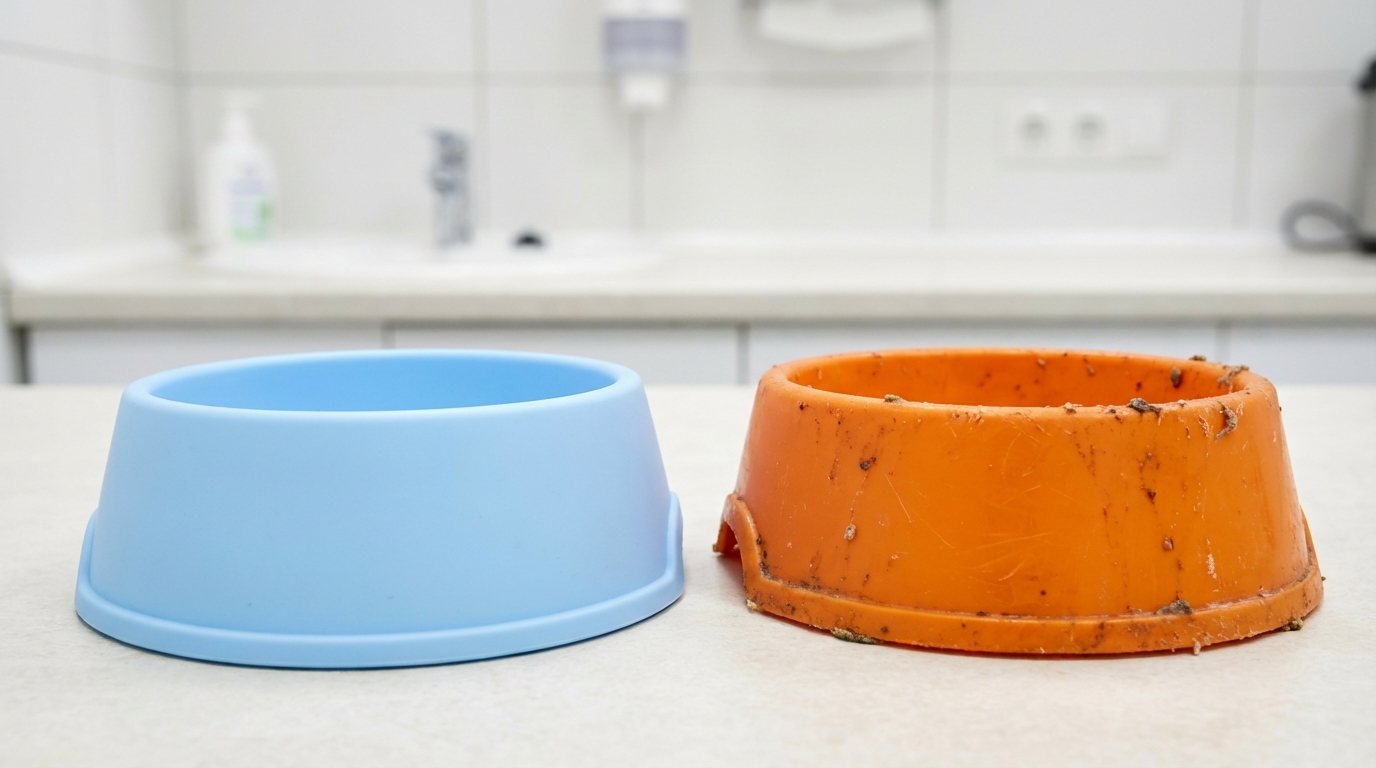
Yes, silicone is significantly safer because it is free from BPA and phthalates while featuring a non-porous surface that resists bacteria. When sourcing silicone pet products, you are opting for a material that is often food-grade and medical-grade. This level of hygiene is impossible to achieve with porous plastics that trap saliva and mold.
What does food-grade mean for safety?
Food-grade certification ensures that the material is safe for direct and prolonged contact with food and oral membranes. You can rest easy knowing that no chemical fillers are migrating from the toy into your pet’s bloodstream.
Bottom line:
- Materials pass strict toxicity screenings.
- No heavy metals are used in production.
- Surfaces are hypoallergenic for sensitive pets.
Why is a non-porous surface a health win?
Porous materials act like sponges for germs, which can cause recurring mouth infections or skin rashes. Silicone’s glass-like surface prevents bio-films from forming, making it the gold standard for hygiene.
Check this out:
- Simple rinsing removes most surface grime.
- Dishwasher cycles provide deep sterilization.
- Odors do not get trapped in the material.
Key Takeaway: Safety begins with material selection; non-toxic silicone prevents the hidden dangers of chemical leaching and bacterial buildup.
| Feature | Plastic Toys | Silicone Products |
|---|---|---|
| Toxins | May contain BPA/PVC | BPA/Phthalate Free |
| Bacteria | Pores trap odors | Non-porous Surface |
| Longevity | Cracks and splinters | Resilient and flexible |
This comparison highlights the stark contrast in hygiene and safety between common plastic and high-end silicone alternatives.
What are the most popular interactive designs?
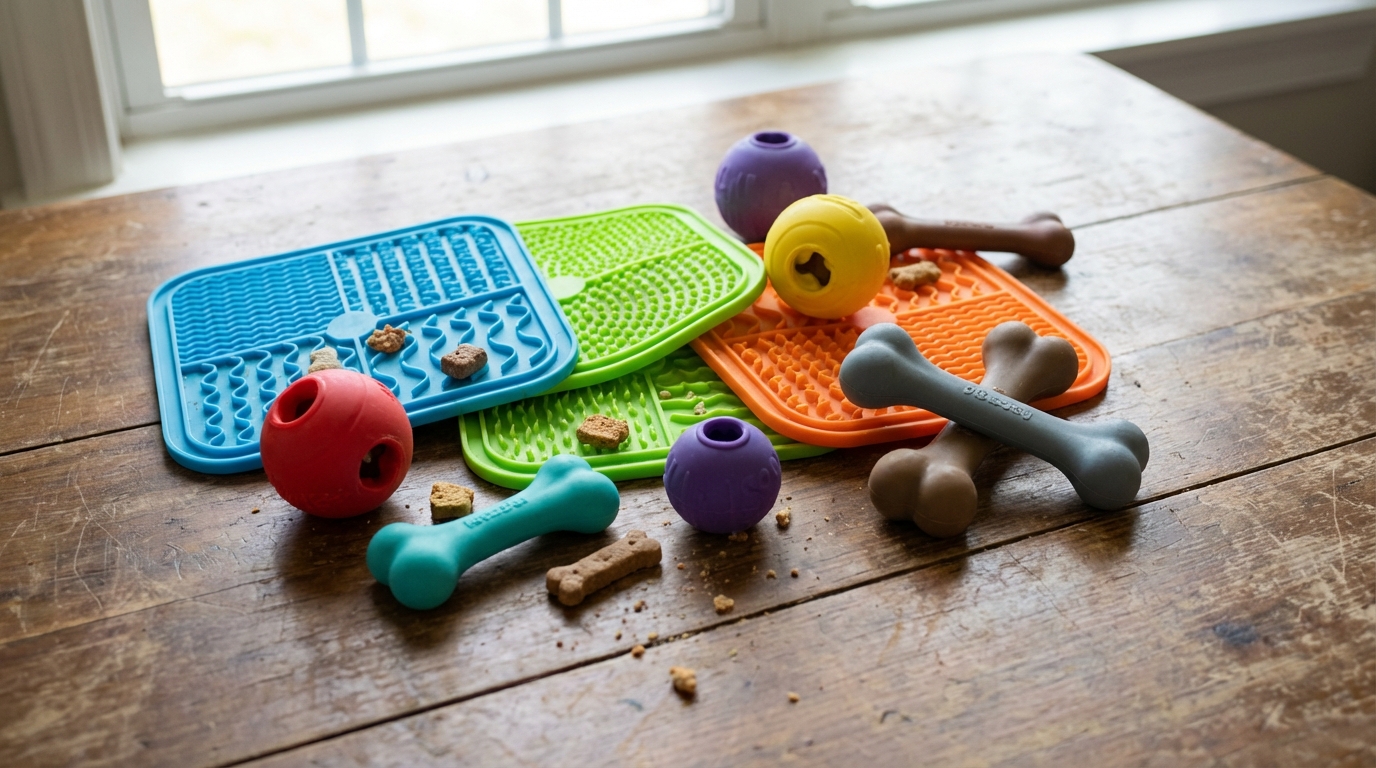
The most popular designs include treat-dispensing balls, suction-cup tugs, and textured chew rings that offer varying levels of engagement. These silicone pet products are molded into complex geometries that provide unpredictable movement, keeping your pet interested for hours. Manufacturers now focus on shapes that cater to both the physical strength of dogs and the agile curiosity of cats.
Why are treat-dispensing shapes effective?
Treat-dispensing toys turn a simple snack into a high-stakes puzzle that rewards persistent effort. You will see your pet rolling, flipping, and nudging the toy to release the hidden kibble inside.
It gets better:
- Difficulty can be adjusted by treat size.
- Internal labyrinths slow down the reward.
- Visual and auditory cues keep pets alert.
What are the benefits of suction toys?
Suction-cup toys allow for solo “tug-of-war” games, which are excellent for building muscle and burning off excess energy. These are particularly useful for apartment dwellers who have limited space for fetching.
Here is why:
- High-strength suction stays on flat floors.
- Elasticity provides a realistic “pull” feel.
- Pets can play safely without an owner.
Key Takeaway: Versatile designs allow owners to tailor engagement levels to their pet’s specific personality and energy needs.
| Design | Best For | Engagement Level |
|---|---|---|
| Treat Ball | High-energy dogs | High (Physical) |
| Labyrinth Mat | Anxious pets | Medium (Mental) |
| Suction Tug | Solo play | High (Physical) |
Understanding design types helps you select the right tool to match your pet’s current behavioral challenges.
How do slow feeders transform mealtime?
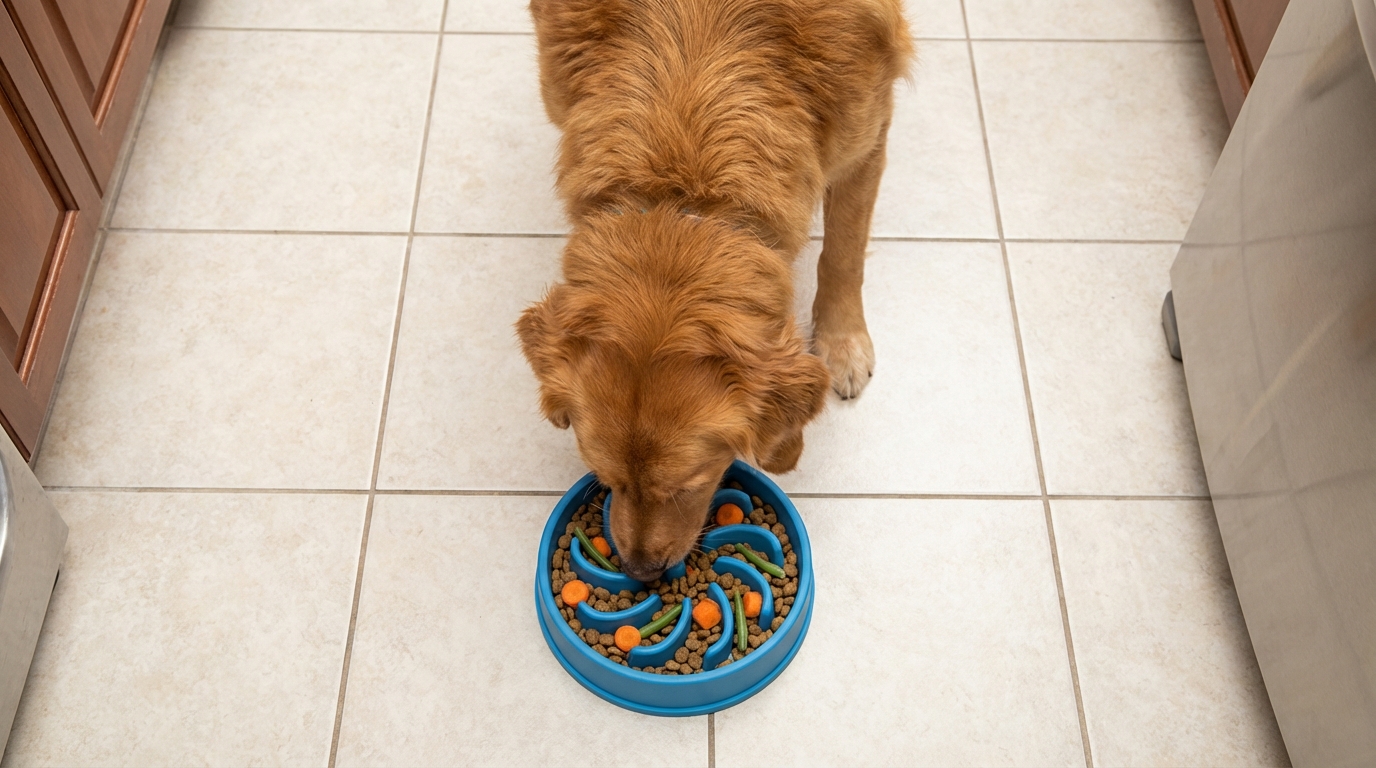
Slow feeders transform mealtime by forcing pets to navigate ridges and valleys, which prevents “gulping” and promotes healthy digestion. By utilizing silicone pet products in the kitchen, you reduce the risk of bloating and improve the nutrient absorption of every meal. These products turn a thirty-second feeding frenzy into a ten-minute mental exercise.
Why is slow feeding vital for health?
Rapid eating causes pets to swallow excess air, which often leads to painful gas or dangerous gastric torsion. You can effectively eliminate these risks by slowing down the pace of consumption through clever design.
Look:
- Complex patterns separate kibble pieces.
- Pets must use their tongues strategically.
- Satiety signals have time to reach the brain.
How do lick mats act as sedatives?
The repetitive action of licking releases a hormone that naturally calms the pet’s nervous system. You can use these mats during stressful events like baths, nail trimming, or thunderstorms to keep your pet distracted.
The best part?
- Soft textures are gentle on the tongue.
- Mats can be frozen for longer engagement.
- High-value treats like yogurt stick easily.
Key Takeaway: Turning mealtime into a game significantly improves digestive health while providing extended periods of calm.
| Product | Primary Use | Secondary Benefit |
|---|---|---|
| Slow Feeder | Prevents gulping | Cognitive challenge |
| Lick Mat | Anxiety relief | Distraction during bath |
| Snuffle Mat | Foraging | Mental stimulation |
Using these tools daily ensures your pet remains both physically healthy and emotionally balanced during meal cycles.
Can silicone handle aggressive chewing habits?
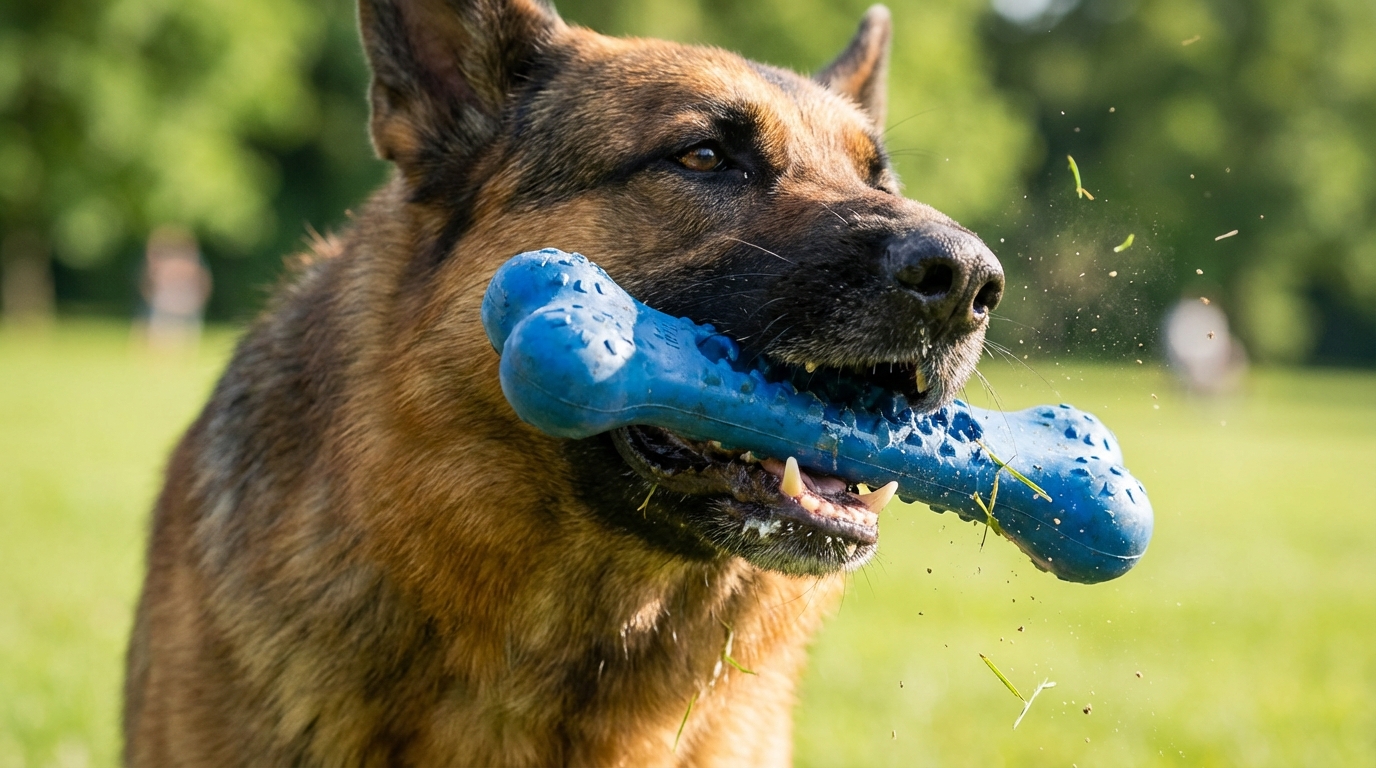
High-durometer silicone is specifically engineered to withstand the intense jaw pressure of aggressive chewers without splintering. These silicone pet products feature high tear strength, meaning even the most determined dog will struggle to remove pieces of the toy. Unlike traditional bones or wood, silicone offers a “giving” texture that satisfies the urge to bite without damaging dental enamel.
Why do chewers struggle with rubber?
Standard rubber can be too soft, leading to rapid shredding, or too hard, leading to broken teeth. You need a material that balances elasticity with density to provide the resistance heavy chewers crave.
Think about it:
- Hardness is measured via Shore A scales.
- High-grade silicone absorbs bite energy.
- Fragments are rare due to cross-linked bonds.
How are toys tested for durability?
Professional manufacturers put their designs through rigorous mechanical stress tests to ensure they meet safety standards for large breeds. You can trust that a properly rated silicone toy has been squeezed, pulled, and bitten by machines before it reaches your pet.
Now:
- Tear strength prevents small-piece ingestion.
- Overmolding adds internal structural support.
- Shapes are designed to avoid leverage points.
Key Takeaway: Engineered silicone provides the resistance heavy chewers need without the dangerous risks of sharp fragments or broken teeth.
| Chewer Type | Recommended Hardness | Key Feature |
|---|---|---|
| Gentle/Senior | 30-40 Shore A | Soft/Flexible |
| Average | 50-60 Shore A | Balanced Give |
| Aggressive | 70-80 Shore A | High Tear Strength |
Selecting the correct Shore A hardness is the secret to finding a toy that lasts for months rather than minutes.
What evidence supports using interactive toys?
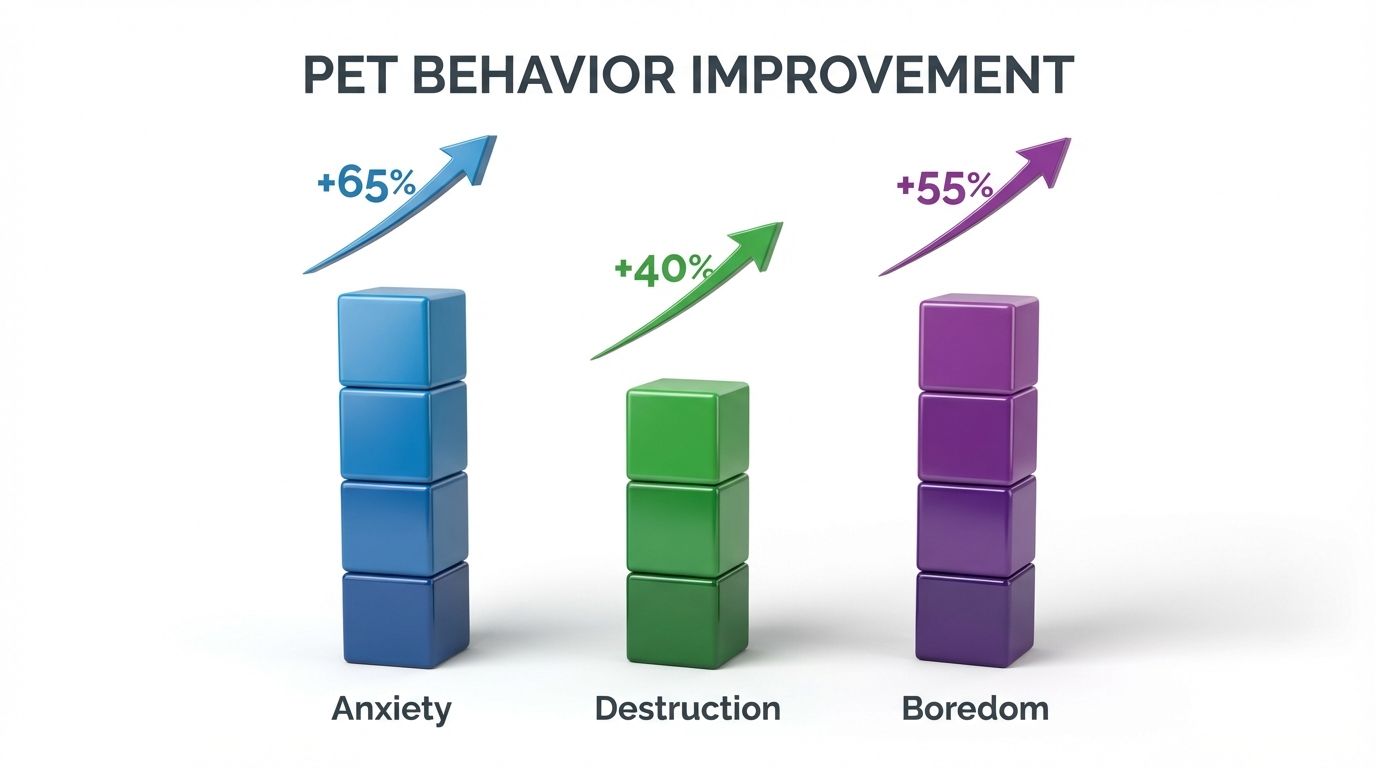
Vast clinical evidence and professional surveys prove that interactive play leads to measurable improvements in pet mood and cognitive function. When reviewing data on silicone pet products, veterinarians frequently cite a significant drop in stress-related cortisol levels. Owners who implement these tools report a much higher quality of life for their senior pets as well.
What do veterinarians say about enrichment?
Vets emphasize that mental enrichment is just as critical as vaccinations and proper nutrition for long-term health. You will find that most behaviorists recommend puzzle toys as the first line of defense against generalized anxiety.
Bottom line:
- Enrichment prevents cognitive dysfunction.
- Interactive play lowers resting heart rates.
- Pets show better focus during training sessions.
How do owners rate behavior changes?
Surveys show that over half of pet parents notice a drastic reduction in barking and house-soiling after introducing daily puzzle feeders. You are likely to see a more relaxed pet that sleeps better through the night.
Check this out:
- 58% reduction in destructive behaviors.
- 71% improvement in overall pet mood.
- Higher levels of owner-pet bonding.
Key Takeaway: Professional consensus and real-world user data confirm that interactive play leads to permanent behavior improvements.
| Source | Observed Benefit | Improvement Rate |
|---|---|---|
| Pet Owners | Reduced destructive acts | ~58% |
| Veterinarians | Mental acuity | High |
| Trainers | Better focus/training | Significant |
This data underscores the strategic importance of incorporating interactive tools into a comprehensive pet care plan.
What are the advantages of custom OEM products?
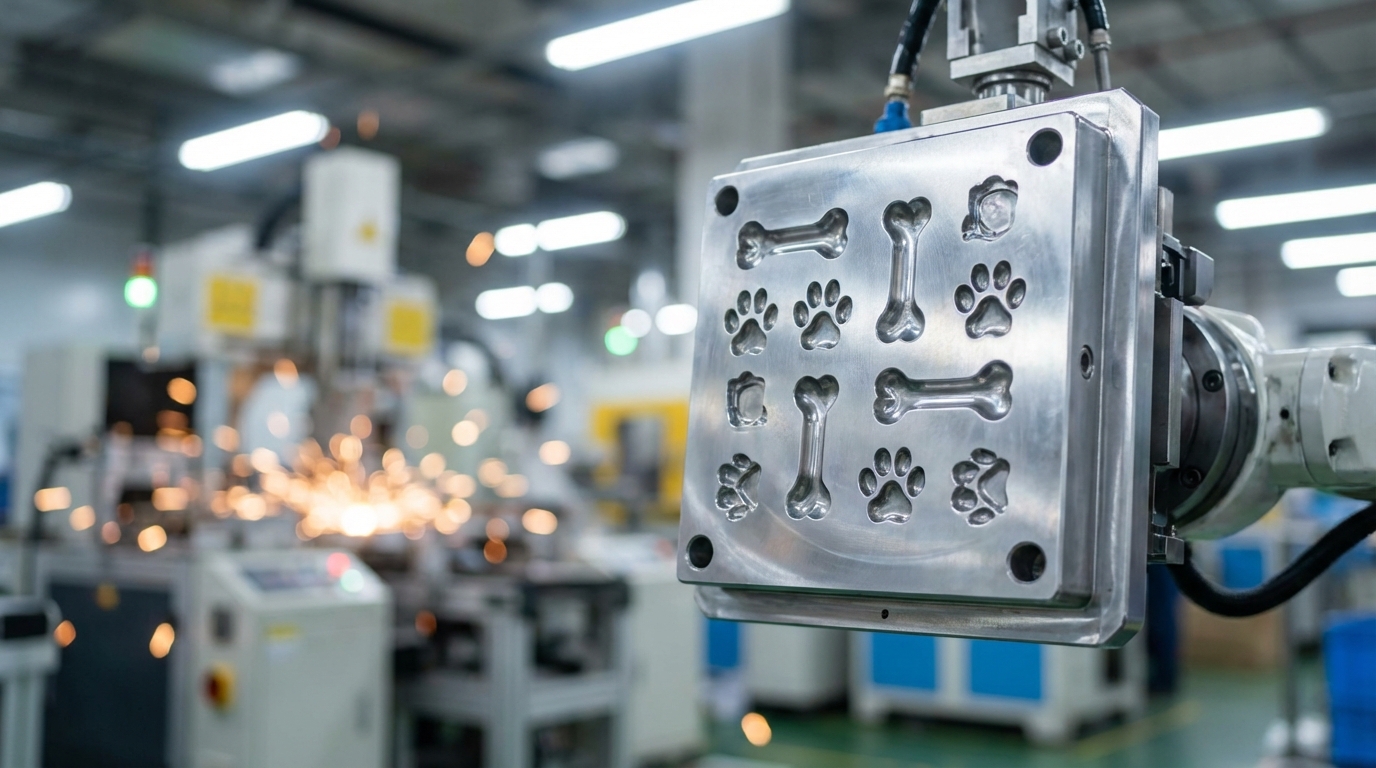
Custom OEM/ODM manufacturing allows brands to create unique, safety-certified toys that stand out in a crowded marketplace. By investing in custom silicone pet products, companies can control every aspect of the design, from the specific Shore A hardness to custom color matching. This level of customization ensures that the final product perfectly aligns with a brand’s safety and quality promises.
How does custom molding help brands?
Unique shapes and textures allow you to differentiate your product line from generic competitors found on mass-market shelves. You can design proprietary features that solve specific pet owner problems, such as better suction or deeper treat cavities.
Here is why:
- Unique aesthetics build brand recognition.
- Custom logos can be molded directly into toys.
- Exclusive colors appeal to modern consumers.
What is the benefit of DFM guidance?
Design for Manufacturing (DFM) ensures that your toy is cost-effective to produce while maintaining its structural integrity. You benefit from factory expertise that prevents common molding errors before mass production begins.
Even better:
- Tooling is optimized for high-volume runs.
- Material waste is significantly reduced.
- Quality remains consistent across batches.
Key Takeaway: Custom manufacturing allows brands to offer unique, safety-certified products that command premium prices and build loyalty.
| Advantage | Brand Impact | Consumer Value |
|---|---|---|
| Custom Shapes | Market Differentiation | Novelty/Engagement |
| Certified Safety | Credibility | Peace of Mind |
| Durability | Brand Loyalty | Value for Money |
Strategic manufacturing partnerships turn creative toy concepts into profitable, high-quality market realities.
How do you find a reliable manufacturing partner?
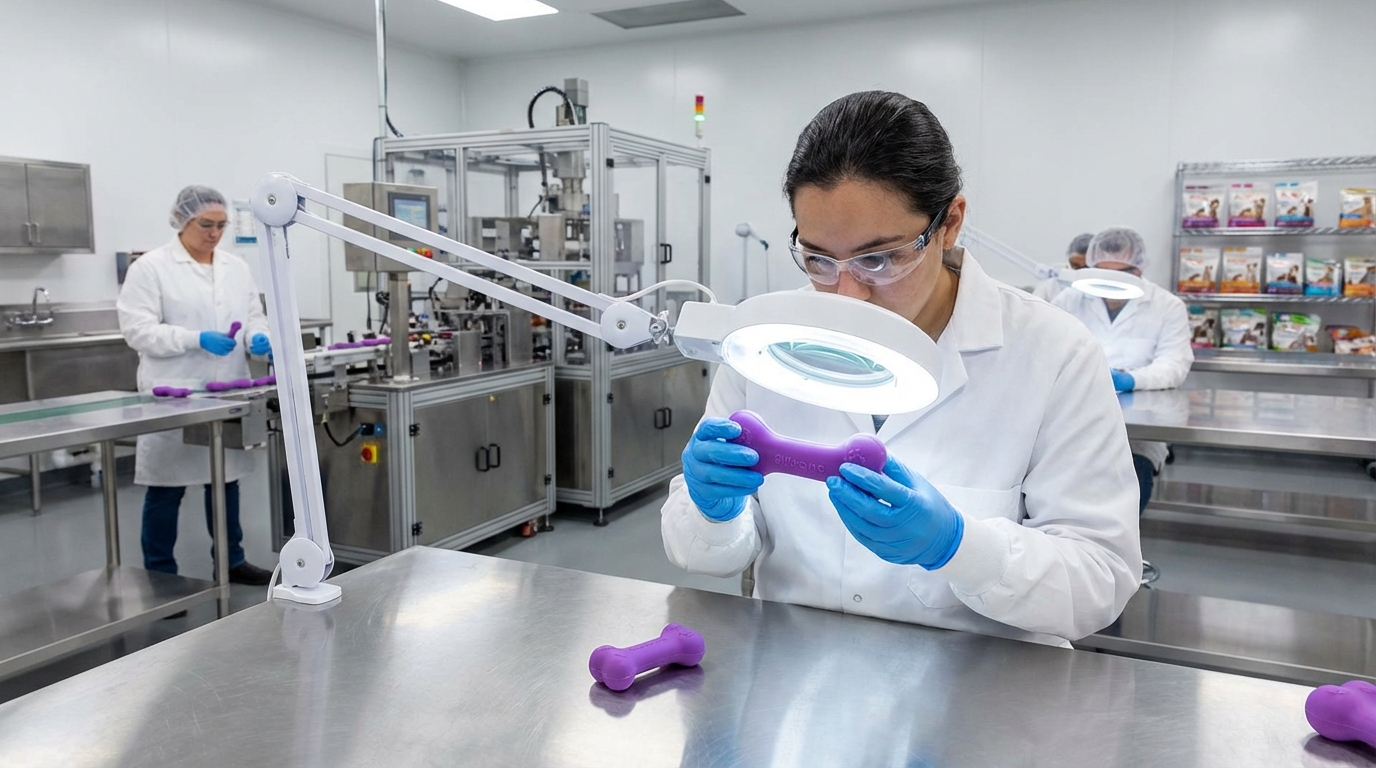
A reliable partner must offer in-house tooling, ISO-certified quality control, and a deep understanding of food-grade material compliance. When looking for a source for silicone pet products, you should prioritize factories that have extensive experience in exporting to highly regulated markets. A transparent partner will provide full documentation of their material sourcing and testing protocols.
Why is in-house tooling critical?
Factories with in-house mold making capabilities can iterate on designs much faster than those who outsource their tooling. You will save weeks of development time and reduce the risk of communication errors between the designer and the mold maker.
Look:
- Prototype adjustments happen in real-time.
- Mold maintenance is handled on-site.
- Lower overall development costs.
What certifications should you look for?
ISO 9001 and IATF 16949 are essential indicators that the factory follows a repeatable, controlled process for quality management. You should also verify that the facility is registered for producing food-grade materials to ensure pet safety.
Why does this matter?
- Consistent dimensions across every batch.
- Traceable raw materials for every order.
- Professional export documentation support.
Key Takeaway: A partner with end-to-end capabilities minimizes quality risks and ensures your products reach the market on schedule.
| Selection Criteria | Importance | Why it Matters |
|---|---|---|
| In-house Tooling | Critical | Faster iterations |
| ISO Certification | High | Consistent quality |
| Export Experience | High | Smooth logistics |
Choosing a manufacturer based on these rigorous standards protects your brand’s reputation and your customers’ pets.
*
Interactive silicone toys represent the future of pet care, merging advanced material science with behavioral psychology. At HuaLin Silicone, we are dedicated to setting new global standards for safety and durability in the pet industry. Our vision is to empower brands to launch products that truly enhance the lives of pets and their owners.
If you are ready to elevate your product line with premium, custom-engineered solutions, contact us today to start your project.
Frequently Asked Questions
Can I put silicone pet products in the dishwasher?
Yes. High-quality food-grade silicone is temperature resistant and non-porous, making it perfectly safe for the top rack of a dishwasher for deep sterilization.
What’s the best way to introduce a puzzle toy?
Start with easy rewards. You should use high-value treats and make the “win” very easy at first so your pet builds the confidence to try more difficult puzzles later.
Can silicone toys really help with barking?
Yes. Most excessive barking is a result of boredom or anxiety, and providing a long-lasting licking or chewing task redirects that energy into a quiet, focused activity.
How do I know if the silicone is safe?
Look for FDA or LFGB certifications. You can also perform a “pinch test” where you twist the material; if it turns white, it likely contains cheap plastic fillers and is not pure silicone.
What is the best material for high-energy dogs?
High-tear-strength silicone is the ideal choice. It offers the durability needed for intense play while remaining flexible enough to be gentle on the pet’s teeth and gums.