
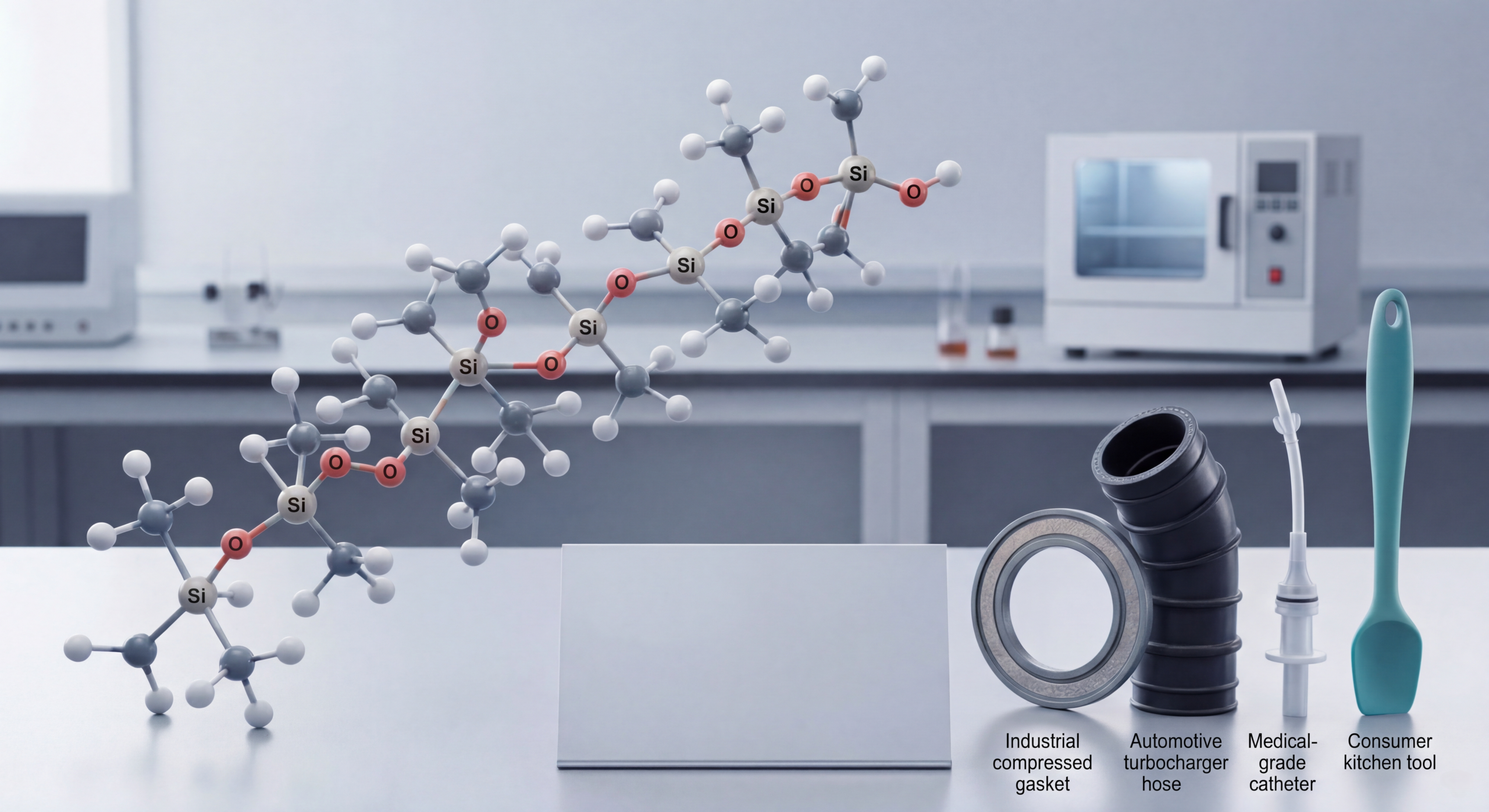
The lifespan of silicone rubber typically ranges from 5 to 20 years, though high-purity formulations can last much longer in stable environments. When your critical industrial components fail prematurely, the resulting downtime can lead to catastrophic financial losses and safety hazards. Choosing the right silicone rubber ensures your seals, gaskets, and components withstand the test of time and extreme stress.
How long can you expect silicone rubber to last?
Predicting the service life of silicone rubber requires a deep understanding of its inorganic chemical structure. This material is widely recognized for its ability to outperform traditional organic elastomers in terms of environmental resistance.
Is silicone rubber a truly “forever” material?
While no synthetic polymer lasts forever, silicone comes closer than most. Its unique backbone allows it to remain functional for decades in environments that would cause natural rubber to crumble in months.
Think about it:
- Inorganic siloxane bonds are harder to break than carbon bonds.
- Resistance to oxidation prevents the material from becoming brittle.
- The elastomer maintains its shape under prolonged pressure.
Key Takeaway: Silicone provides a massive 5-to-20-year window of reliability across most industrial applications.
| Lifespan Factor | Standard Rubber | Silicone Rubber |
|---|---|---|
| Expected Years | 2 – 5 Years | 5 – 20+ Years |
| Weather Resistance | Low | Exceptional |
The data clearly indicates that silicone offers a significantly longer operational window than its organic counterparts.
What makes the chemistry of silicone rubber so durable?
Silicone rubber derives its longevity from a molecular structure composed of alternating silicon and oxygen atoms. This silicon-oxygen (Si-O) bond is inherently stronger than the carbon-carbon (C-C) bonds found in most other rubbers.
Why is the siloxane bond so stable?
The siloxane bond has a much higher bond energy than the organic bonds found in nitrile or EPDM. This means it requires significantly more environmental energy—like heat or UV radiation—to begin the degradation process.
But here is the kicker:
- Inorganic backbones do not attract UV-absorbing microbes.
- The material remains chemically inert in most solvents.
- Silicone resists the “dry rot” common in natural polymers.
Key Takeaway: The atomic-level strength of the siloxane bond is the fundamental reason silicone rubber survives where others fail.
| Chemical Property | Benefit | Result |
|---|---|---|
| Si-O Bond Energy | High thermal stability | Resists melting |
| Inorganic Nature | Resistance to ozone | No cracking |
Because the chemical foundation is so robust, the material maintains its physical properties even under extreme thermal stress.
Which environmental factors limit silicone rubber lifespan?
Environmental exposure is the primary variable that dictates whether your silicone rubber lasts five years or two decades. While the material is naturally robust, specific extreme conditions can accelerate the aging process.
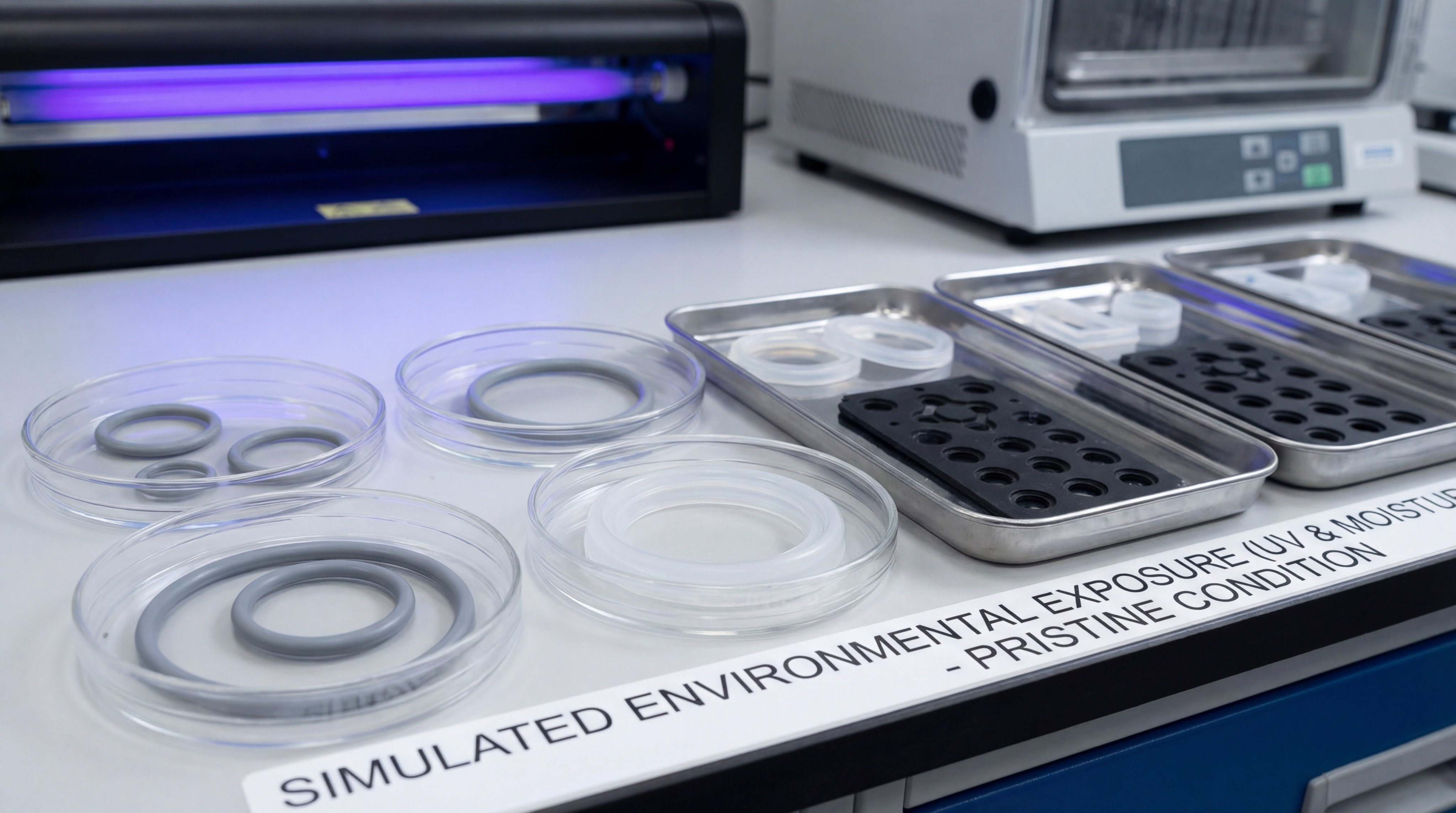
How does UV light affect material integrity?
Unlike many plastics that turn yellow and crack under the sun, silicone has excellent UV stability. However, prolonged exposure to high-intensity radiation over 15 years can eventually lead to minor surface chalking.
Believe it or not:
- Silicone is almost entirely transparent to UV light.
- It does not contain the double bonds that UV typically attacks.
- Special UV-stabilized grades can extend outdoor life even further.
Can humidity and moisture cause degradation?
Silicone is naturally hydrophobic, meaning it repels water and resists mold growth. However, constant exposure to high-pressure steam at temperatures above 100°C can cause the polymer chains to slowly break down through hydrolysis.
The bottom line is this:
- Standard grades handle rain and humidity perfectly.
- High-pressure steam requires specialized “steam-resistant” formulations.
- Moisture absorption is generally less than 1% over long periods.
Key Takeaway: Environmental stressors like UV and humidity are manageable if the correct material grade is selected for the specific climate.
| Stress Factor | Impact Level | Life Extension Method |
|---|---|---|
| UV Radiation | Very Low | UV-grade additives |
| Constant Steam | High | Use phenyl-silicone grades |
Matching the silicone grade to the specific environmental stressor is the most effective way to guarantee a 20-year lifespan.
How do mechanical stresses impact long-term performance?
Silicone rubber longevity is often compromised by physical forces rather than chemical breakdown. Mechanical failure typically occurs when the material is pushed beyond its elastic limits or subjected to constant friction.
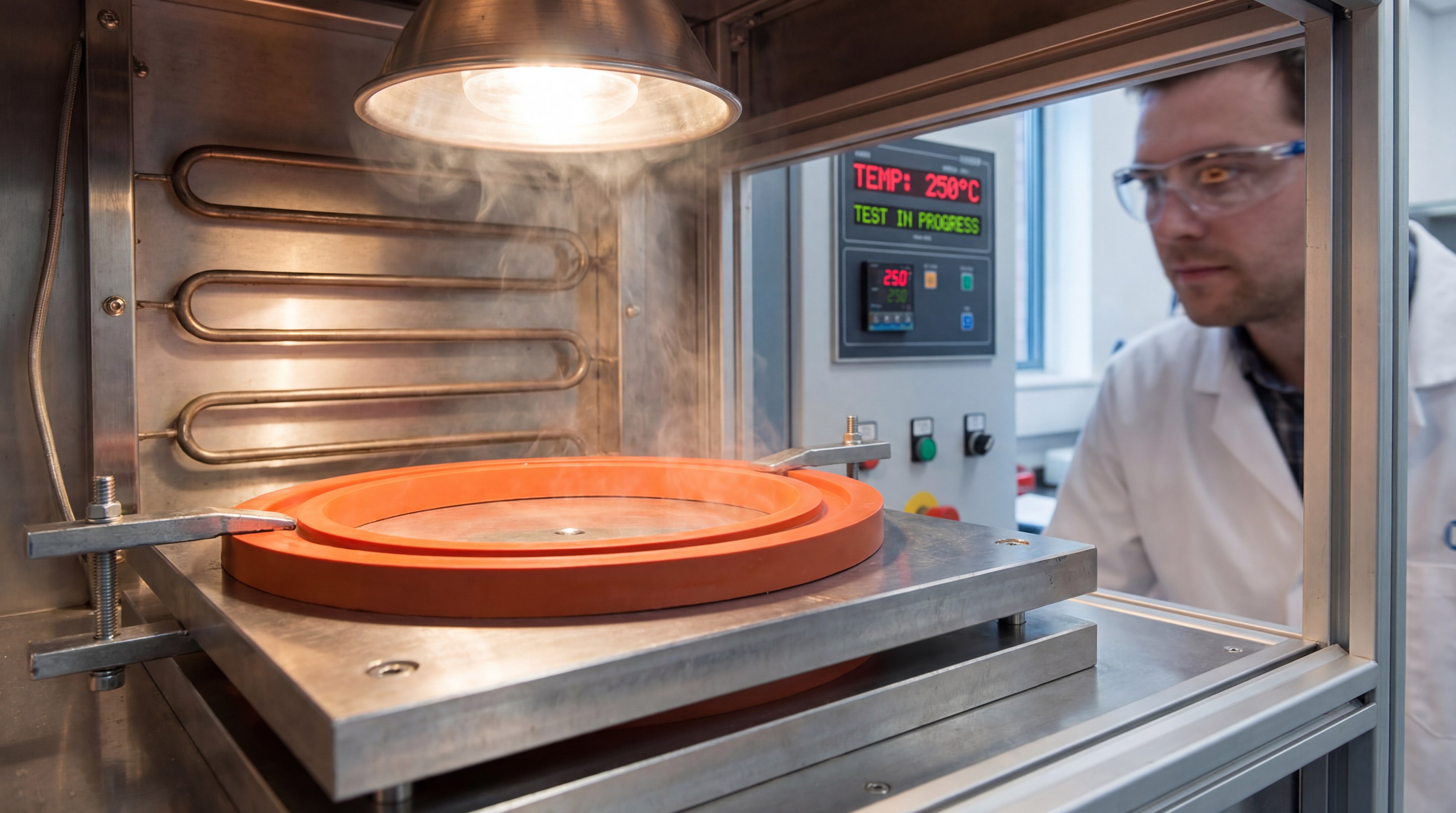
What is the risk of high compression set?
If a silicone seal is compressed for years, it may eventually lose its “memory” and fail to spring back. This is known as compression set, and it is a critical metric for determining how long a gasket will remain leak-proof.
The secret is simple:
- Low-compression-set grades maintain sealing force longer.
- Proper groove design prevents over-compression of the material.
- Post-curing the part reduces the risk of permanent deformation.
Does repeated flexing lead to fatigue failure?
In dynamic applications like pumps or wearable devices, the material is constantly stretched and released. Over millions of cycles, micro-tears can develop, eventually leading to a complete mechanical break.
Think about it:
- High tear-strength silicone is essential for dynamic parts.
- Fatigue life is directly related to the Shore A hardness.
- Avoid sharp corners in your design to reduce stress concentration.
Key Takeaway: Mechanical lifespan is a product of engineering design, ensuring the material operates well within its fatigue and compression limits.
| Mechanical Stress | Failure Mode | Mitigation |
|---|---|---|
| Constant Pressure | Sealing leak | Low compression set grades |
| Dynamic Motion | Tearing | High elongation materials |
Focusing on mechanical design prevents premature failure even in the most demanding high-motion industrial environments.
Why does manufacturing quality dictate silicone rubber life?
The manufacturing process for silicone rubber is just as important as the raw material itself. If the curing process is rushed or the environment is contaminated, the part will never reach its maximum lifespan.
Does the curing process affect part longevity?
Proper vulcanization is what gives silicone its elastic properties. Under-curing can leave the material sticky and weak, while over-curing can make it prematurely brittle and prone to cracking.
The reality is this:
- Precise temperature control is mandatory for stable curing.
- Post-curing removes volatile residues that can cause shrinkage.
- Consistent cycle times ensure every part has the same durability.
How do raw material grades influence the end result?
You get what you pay for when it comes to raw polymer quality. Low-cost fillers can significantly reduce the material’s tear strength and heat resistance, leading to failure years earlier than expected.
Make no mistake:
- Medical-grade silicone uses platinum catalysts for higher purity.
- Industrial grades may contain fillers that affect long-term stability.
- Traceability of raw materials is the only way to guarantee consistency.
Key Takeaway: High-quality manufacturing and premium raw materials are the “insurance policy” for a product’s 20-year survival.
| Manufacturing Step | Importance | Longevity Impact |
|---|---|---|
| Catalyst Mixing | Critical | Determines curing speed/strength |
| Post-Curing | High | Eliminates odors and prevents shrinkage |
A controlled manufacturing process ensures that the theoretical lifespan of the material becomes a reality for the end user.
What is the expected lifespan in automotive applications?
Silicone rubber is the backbone of modern automotive engineering due to the extreme heat found under the hood. In these high-temperature environments, traditional rubber would fail within months, but silicone persists for years.
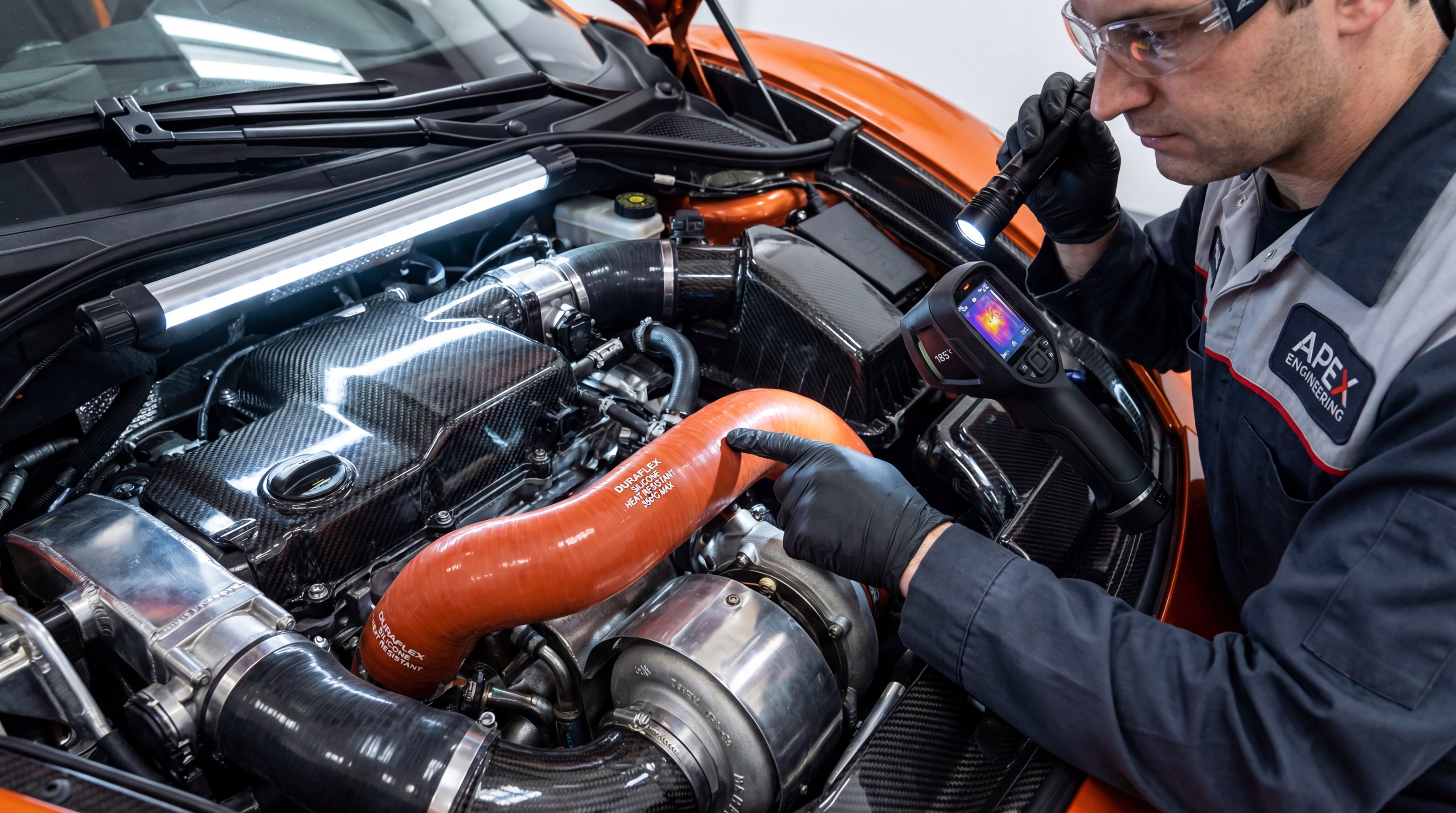
How long do engine seals and gaskets stay functional?
Modern automotive silicone gaskets are designed to last between 10 and 15 years. They must maintain a tight seal against hot oil and coolant while enduring the constant vibration of the internal combustion engine.
But here is the kicker:
- Silicone resists the “hardening” that causes leaks in older cars.
- It stays flexible even at sub-zero temperatures during winter.
- Fluorosilicone grades are used for parts that touch fuel directly.
Can silicone hoses handle a decade of heat?
Turbocharger and coolant hoses made from silicone are legendary for their durability. While EPDM hoses might crack after five years, silicone variants often last the entire life of the vehicle without needing replacement.
Consider this:
- Silicone hoses handle temperatures up to 200°C with ease.
- Multi-layer reinforcement prevents hose expansion under pressure.
- They do not degrade when exposed to road salt or ozone.
Key Takeaway: In the automotive sector, silicone is the gold standard for parts that must survive 150,000 miles of thermal cycling.
| Application | Years of Service | Primary Stressor |
|---|---|---|
| Coolant Hoses | 10 – 20 Years | Heat & Pressure |
| Turbo Connectors | 10+ Years | Extreme Temperature |
Automotive engineers rely on silicone because it reduces warranty claims by outlasting nearly every other flexible material on the vehicle.
How long does medical-grade silicone rubber remain safe?
The lifespan of silicone rubber in medical applications is measured not just by its structural integrity, but by its biocompatibility. These parts must remain non-reactive and sterile for their entire duration of use.
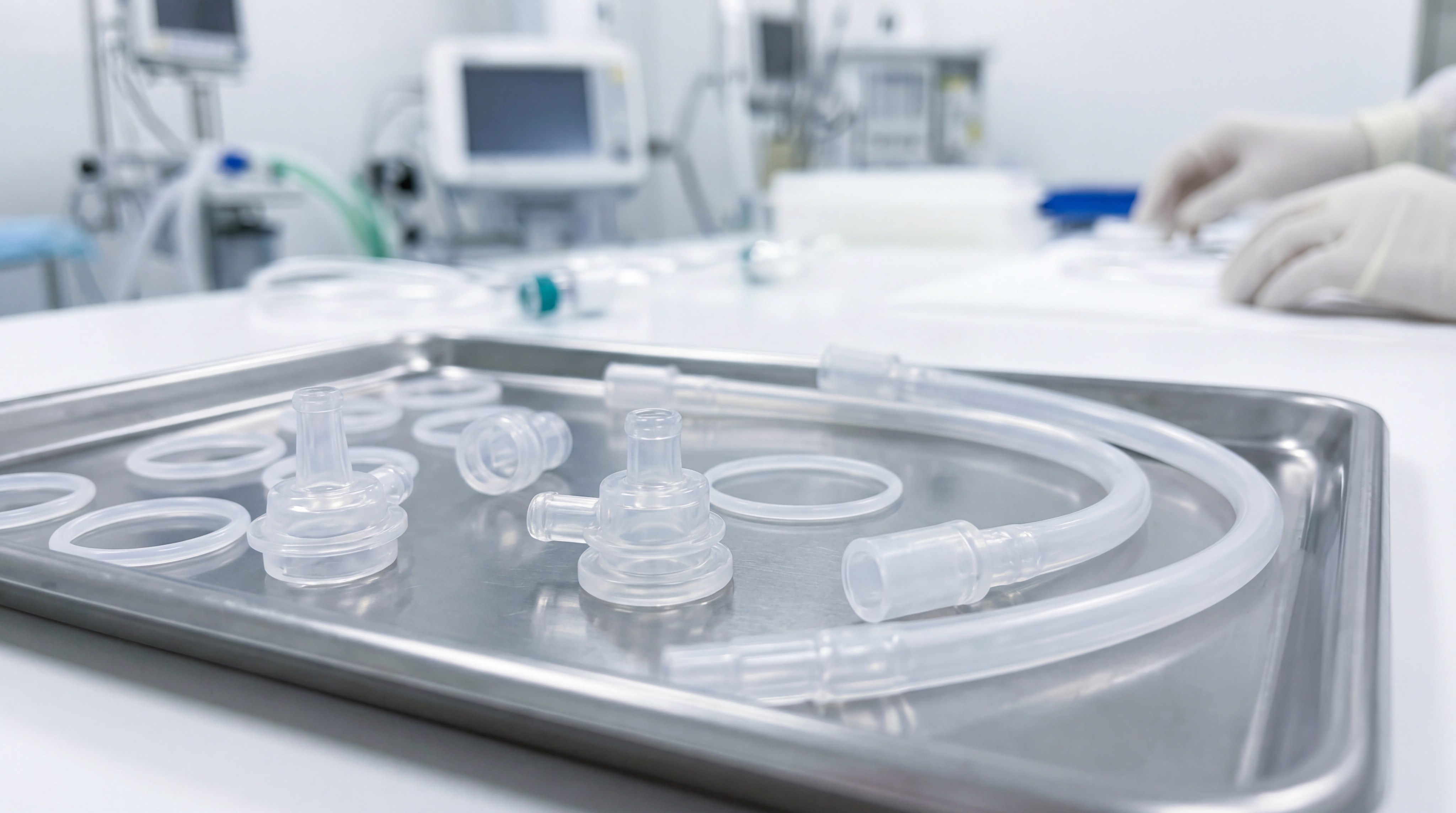
What is the lifespan of long-term implants?
Silicone implants are specifically engineered to stay inside the human body for 10 to 20 years. High-purity medical silicone does not trigger an immune response and does not degrade when exposed to bodily fluids.
Think about it:
- Platinum-cured silicone contains no toxic byproducts.
- The material does not support the growth of bacteria.
- It remains soft and flexible to mimic human tissue.
Does frequent sterilization degrade medical parts?
Medical tools made from silicone must survive hundreds of cycles in an autoclave. Fortunately, silicone’s high thermal limit means it can be blasted with 134°C steam repeatedly without losing its shape or safety.
The fact is:
- Silicone handles ETO gas and Gamma radiation sterilization.
- It does not leach chemicals into the patient or medicine.
- Replacement is usually due to mechanical wear, not material aging.
Key Takeaway: Medical-grade silicone offers the highest level of longevity and safety for both long-term implants and reusable surgical tools.
| Medical Category | Typical Lifespan | Key Requirement |
|---|---|---|
| Permanent Implants | 20+ Years | Biocompatibility |
| Reusable Tools | 500+ Cycles | Sterilization resistance |
The extreme stability of medical silicone makes it the most trusted material for life-critical healthcare applications.
What is the durability of silicone in consumer goods?
Silicone rubber has revolutionized the home because it is safer than plastic and more durable than wood or metal. In a consumer setting, these products are often used daily and subjected to high-heat dishwashers.
How many years will your kitchenware last?
Baking mats, spatulas, and muffin tins made of silicone can easily last 10 years with basic care. They do not rust, they do not melt on the stovetop, and they do not absorb food odors like plastic does.
The secret is simple:
- Silicone stays non-stick for thousands of uses.
- It does not warp in the freezer or the oven.
- Vibrant colors do not fade even after years of washing.
Is baby-grade silicone safe after years of use?
For items like pacifiers and teethers, the lifespan is usually shorter due to hygiene recommendations. While the material itself could last 5 years, pediatricians often suggest replacing them every few months to ensure complete cleanliness.
But here is the kicker:
- Silicone teethers cannot be “bitten through” by toddlers.
- They contain zero BPA, phthalates, or lead.
- Boiling them for sterilization does not damage the material.
Key Takeaway: In the home, silicone is virtually indestructible, often being replaced for aesthetic trends long before the material fails.
| Consumer Item | Expected Life | Reason for Change |
|---|---|---|
| Kitchen Spatulas | 10 Years | Cosmetic staining |
| Baby Pacifiers | 3 – 6 Months | Hygiene / Wear |
The longevity of consumer silicone products provides excellent value for families looking for safe, reusable alternatives to disposables.
How can you maximize your silicone rubber lifespan?
Ensuring your silicone rubber components reach their full 20-year potential requires a proactive approach to maintenance and storage. While silicone is tough, it is not invincible to improper handling.
What are the best practices for storage?
If you are storing spare parts for years, environmental control is key. Keep them in a cool, dark place to prevent the very slow accumulation of environmental stressors.
The best part?
- Airtight bags prevent dust and oil contamination.
- Stacking parts too high can cause permanent deformation.
- Temperature-controlled rooms prevent thermal aging during storage.
How does regular maintenance prevent degradation?
Cleaning your silicone parts with mild soap and water removes surface oils that could potentially attract dirt. Avoid using abrasive sponges, as these can create micro-scratches that eventually become points of failure.
Think about it:
- Avoid harsh chemical solvents like concentrated acids.
- Periodically inspect seals for signs of “chalking” or hardening.
- Use silicone-based lubricants if the part requires motion.
Key Takeaway: Sensible storage and gentle cleaning can extend the life of a silicone part by several years.
| Maintenance Task | Frequency | Benefit |
|---|---|---|
| Visual Inspection | Every 6 Months | Catches cracks early |
| Surface Cleaning | After Use | Prevents oil buildup |
Investing a small amount of time in maintenance ensures that your high-performance silicone components remain functional for their entire intended lifespan.
Is silicone rubber the right long-term investment?
Silicone rubber represents one of the best “cost-per-year” investments in the material world. While the initial price may be higher than plastic or natural rubber, the lack of replacement costs and downtime makes it the superior choice for B2B applications.
Is the initial cost worth the longevity?
When you factor in the labor costs of replacing a failed seal every two years versus once every fifteen years, silicone pays for itself almost immediately. It provides a “set it and forget it” solution for engineers and procurement managers alike.
The truth is:
- Reduced maintenance cycles save thousands in labor.
- Lower failure rates protect your brand reputation.
- Stability in harsh conditions prevents expensive safety recalls.
How to select the right manufacturing partner?
Choosing a partner with ISO certification and in-house tooling ensures that your parts are built to last. You need a manufacturer that provides DFM support to optimize the part geometry for maximum mechanical life.
Final Summary:
- Lifespan Range: 5 to 20 years.
- Top Industries: Automotive, Medical, and Industrial.
- Key Advantage: Thermal and UV stability.
- Success Metric: Reduced replacement frequency.
If you are ready to enhance your product durability, contact us today for expert guidance. Our engineering team at HuaLin Silicone is dedicated to providing high-precision LSR and silicone solutions that stand the test of time.
Key Takeaway: Silicone rubber is the ultimate long-term material, offering a decade or more of high-performance service in the world’s toughest environments.
| Factor | Short-Term Material | Silicone Rubber |
|---|---|---|
| Replacement Frequency | High | Very Low |
| Total Cost of Ownership | High | Low |
HuaLin Silicone: Professional LSR and silicone manufacturing with 15+ years of expertise. ISO 9001:2015 certified, serving 50+ countries with precision engineering and 24-hour DFM support.
FAQ
Can I use silicone rubber outdoors for 20 years?
Yes, silicone is highly resistant to UV radiation and weathering, making it one of the few flexible materials capable of surviving two decades in direct sunlight.
What’s the best way to tell if my silicone seal is failing?
Check for signs of “chalking” on the surface, a loss of elasticity when squeezed, or visible cracks in high-stress areas.
Can I sterilize silicone components repeatedly?
Yes, medical-grade silicone can withstand hundreds of autoclave cycles without losing its physical properties or safety certifications.
How does temperature affect the lifespan?
While silicone handles extremes well, operating it constantly at its maximum limit (200°C+) will cause it to age faster than it would at room temperature.
Can silicone rubber be recycled after it wears out?
Yes, silicone can be ground down and used as a filler for new products or recycled into silicone oil and other industrial lubricants.