
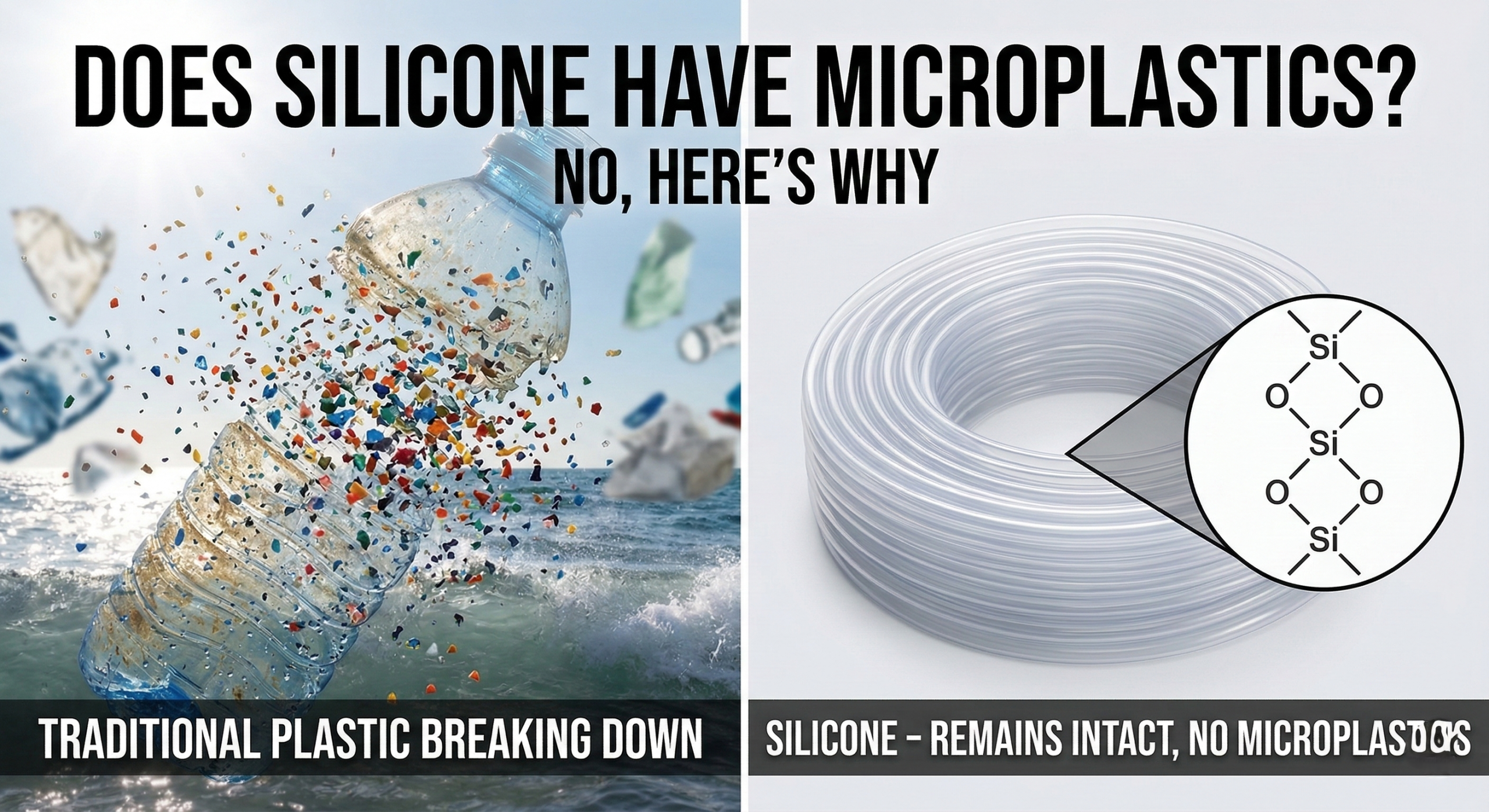
Silicone functions as a synthetic polymer consisting mainly of siloxane. Many manufacturers struggle with unreliable parts breaking down quickly under heavy stress. Ruined components cause massive financial losses alongside frustrated clients. We provide custom rubber solutions delivering years of flawless
What exactly is silicone and how is it manufactured?
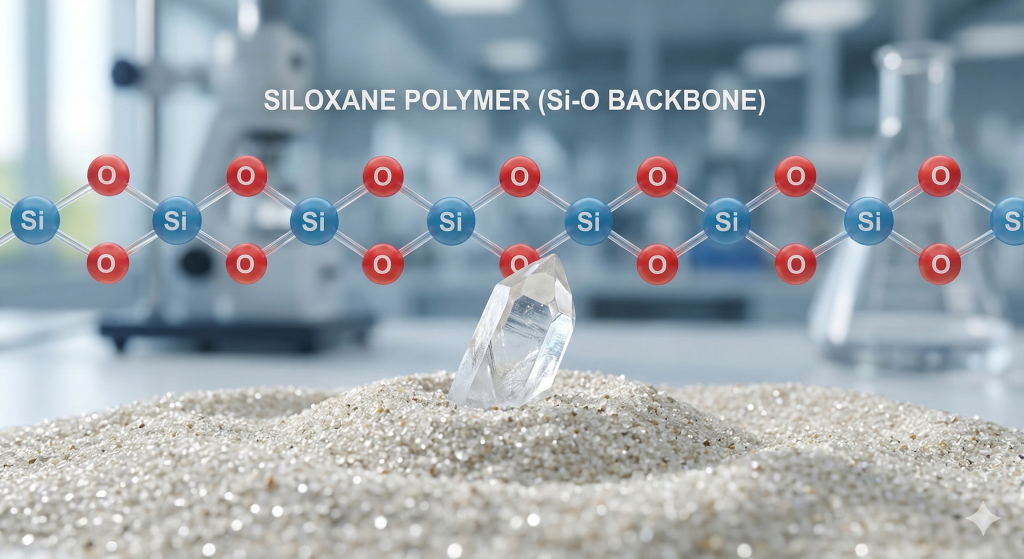
Silicone represents a robust man-made material derived primarily from pure silica sand. You might question if does silicone have microplastics when looking at its complex production cycle. This compound actually consists of alternating silicon and oxygen atoms bonded tightly. It never degrades into tiny plastic shards over long periods.
The science behind siloxane polymers
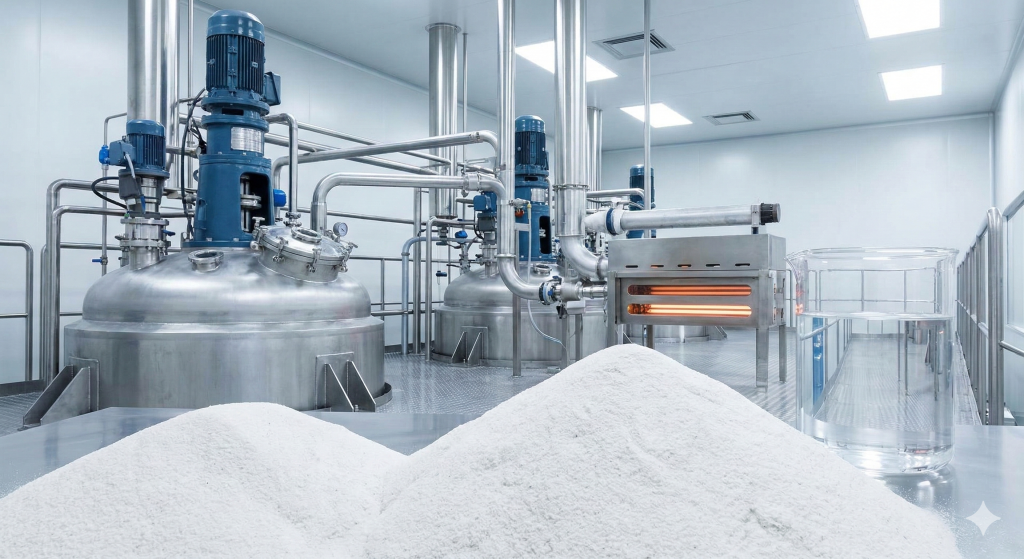
Here’s the deal: siloxane forms a resilient backbone resisting environmental damage effortlessly. Manufacturers extract pure silicon from quartz through an incredibly energy-intensive heating process. Hydrocarbons attach themselves firmly during subsequent chemical reactions. This unique molecular arrangement creates exceptional physical stability.
How are synthetic elastomers formed?
You might be wondering: what makes this substance so incredibly flexible?
- Chemical cross-linking binds molecular chains together securely.
- Catalysts accelerate curing phases during mass production.
- Engineers inject compounds directly into custom molds.
| Material Component | Primary Source | Key Characteristic |
| Silica | Natural Sand | Highly abundant |
| Carbon | Hydrocarbons | Adds flexibility |
| Oxygen | Atmosphere | Forms strong bonds |
| This table shows raw elements transforming into advanced industrial polymers. |
Key Takeaway: Understanding basic chemical structures helps buyers appreciate material durability and overall long-term value.
Why is silicone considered a premium material today?
This versatile substance commands higher prices because manufacturing requires intense energy consumption. Addressing whether does silicone have microplastics helps justify such premium costs for modern buyers. You get exceptional return on investment through extended product lifespans. Lower replacement frequencies offset initial purchasing expenses significantly.
Cost versus long-term value
What’s the real story? Cheap alternatives degrade rapidly when exposed harsh outdoor environments.
- Frequent replacements increase total ownership costs dramatically.
- Premium elastomers prevent catastrophic machinery failures effectively.
- Consistent quality reduces expensive factory downtime events.
What makes it superior compared to natural rubber?
Ready for the good part? Synthetic polymers outperform organic compounds across numerous important metrics. Natural latex perishes quickly under prolonged ultraviolet light exposure. Your custom components remain completely stable outdoors indefinitely.
| Performance Metric | Premium Silicone | Natural Rubber |
| UV Resistance | Exceptional | Poor |
| Lifespan | Decade plus | Two years |
| Flexibility | Highly stable | Hardens quickly |
| Evaluating these metrics proves synthetic materials offer superior industrial reliability. |
Key Takeaway: Investing upfront in high-quality elastomers yields massive financial savings by preventing premature component failure.
Does silicone have microplastics and is it safe?
No, this advanced polymer avoids breaking down into microscopic plastic pollutants. Asking does silicone have microplastics reveals a major advantage over traditional petrochemical plastics. It remains chemically inert without shedding toxic fragments. Your products will never contaminate surrounding ecosystems with dangerous invisible debris.
Understanding stable polymer structures
This is where it gets interesting: strong molecular bonds within siloxane resist natural degradation completely. Unlike standard polyethylene, this material requires specialized industrial recycling facilities. It simply sits unchanged if discarded improperly. This structural permanence prevents environmental contamination entirely.
Why silicone avoids shedding harmful particles
Here’s the kicker: heavy friction cannot easily tear microscopic pieces from properly cured surfaces.
- Medical devices utilize this stability for safe human bodily contact.
- Food containers remain pristine after thousands of wash cycles.
- Industrial seals maintain structural integrity under extreme physical stress.
| Degradation Type | Traditional Plastic | Premium Elastomer |
| Sunlight Exposure | Cracks quickly | Remains stable |
| Ocean Environments | Sheds particles | Sinks intact |
| High Heat | Melts completely | Retains shape |
| These environmental responses highlight why synthetic rubber protects global ecosystems better. |
Key Takeaway: Choosing inert manufacturing materials drastically reduces long-term ecological damage caused by continuous particle shedding.
How does silicone perform under extreme temperatures?
It survives continuous exposure from negative sixty degrees Celsius up towards two hundred thirty degrees. Buyers evaluating if does silicone have microplastics often need reliable materials for severe thermal environments. Ordinary rubber snaps like dry twigs during freezing winter conditions. Synthetic options maintain perfect elasticity regardless of massive weather fluctuations.
Surviving sub-zero aerospace environments
You might be wondering: can a flexible seal actually survive high atmospheric altitudes? Aviation engineers rely entirely upon these specific chemical properties daily. Commercial jets experience massive temperature drops during routine flight operations. Flexible seals prevent dangerous cabin depressurization events flawlessly.
Can it withstand extreme industrial heat?
What’s the catch? Standard grades handle most jobs but specialized formulas push limits much further.
- Heat stabilized profiles manage applications reaching nearly three hundred degrees.
- Automotive engines utilize these gaskets near burning combustion chambers.
- Commercial baking trays survive repeated hot oven cycles flawlessly.
| Temperature Zone | Material Response | Common Application |
| Negative 60°C | Remains flexible | Aerospace seals |
| Room Temp 20°C | Normal operation | Consumer goods |
| Extreme 230°C | Resists melting | Industrial ovens |
| Thermal stability remains a primary reason engineers specify this advanced compound. |
Key Takeaway: Specifying thermally stable polymers guarantees consistent mechanical performance across wildly unpredictable operating environments.
What are the main differences between silicone and EPDM?
One primary distinction involves chemical makeup since EPDM relies heavily upon carbon. Considering whether does silicone have microplastics helps differentiate these two distinct industrial materials. Synthetic polymers utilize a completely inorganic structural backbone. This structural difference creates vastly different performance characteristics outdoors.
Chemical resistance factors explained
Here’s the deal: EPDM burns with black ash while its counterpart produces white smoke. Toxicity levels remain much lower during combustion for silica-based products. Safety regulations often mandate low-smoke materials inside public transportation vehicles. This prevents passengers from inhaling dangerous toxic fumes.
Which material lasts longer during outdoor use?
Ready for the good part? Ozone and ultraviolet light destroy organic compounds relentlessly over time.
- Carbon chains break down rapidly under direct summer sunlight.
- Inorganic siloxane ignores solar radiation completely.
- Construction sealants require decade-long lifespans on skyscraper facades.
| Property Compared | EPDM Rubber | Siloxane Polymer |
| Base Element | Carbon | Silicon |
| Flame Reaction | Black smoke | White ash |
| UV Resistance | Moderate | Outstanding |
| Comparing these physical traits guides procurement managers toward smarter purchasing decisions. |
Key Takeaway: Analyzing chemical foundations prevents costly engineering mistakes when selecting long-term outdoor weatherproofing components.
Does silicone have microplastics unlike typical plastics?
No, it fundamentally differs from petroleum-based plastics by avoiding fragmentation entirely. Learning if does silicone have microplastics changes how eco-conscious brands design new consumer goods. Ordinary water bottles shatter into thousands of microscopic hazards over decades. Rubberized components simply weather slowly without breaking apart.
Analyzing natural breakdown processes
What’s the real story? Bacteria cannot easily digest these synthetic inorganic molecular bonds. Landfills preserve these discarded items indefinitely unless incinerated properly. This permanence prevents invisible toxins from entering local ground water supplies. Ecosystems remain safe from chemical leaching risks.
How environmental factors affect both materials
This is where it gets interesting: strong ocean currents grind typical garbage into dangerous microscopic sludge.
- Marine life accidentally consumes floating fragmented plastic waste constantly.
- Dense rubber items sink safely without degrading into fish food.
- Environmental impact shifts from biological contamination toward simple physical presence.
| Material Category | Breakdown Method | Environmental Risk |
| Polyethylene | Sun fragmentation | High toxicity |
| Polypropylene | Ocean friction | Severe pollution |
| Synthetic Rubber | Slow weathering | Low toxicity |
| This contrast demonstrates why modern designers prefer non-fragmenting materials for sustainable product lines. |
Key Takeaway: Utilizing non-shedding compounds protects vulnerable food chains from absorbing dangerous invisible industrial pollutants.
How sustainable is silicone production globally?
Manufacturing requires significant electricity but relies upon Earth’s second most abundant element. While debating does silicone have microplastics, we must also evaluate factory carbon footprints carefully. Extracting quartz sand consumes power heavily during initial stages. However, resulting products last exponentially longer than cheaper disposable alternatives.
Deriving raw materials from abundant silica
Here’s the kicker: sand supplies remain virtually infinite across our entire planet. We never worry about depleting natural petroleum reserves for this specific polymer. Responsible sourcing practices minimize ecological disruption during initial mining phases. Factories increasingly utilize renewable solar energy for processing operations.
Are industrial recycling options improving today?
You might be wondering: what happens when these durable parts finally reach end-of-life?
- Specialized facilities now depolymerize old scraps back into base oils.
- Downcycling turns used molds into playground surfacing crumb rubber.
- Chemical recycling technologies advance rapidly every single year.
| Lifecycle Stage | Ecological Impact | Mitigation Strategy |
| Sand Mining | Low disruption | Responsible sourcing |
| Refining Process | High energy use | Renewable power |
| End of Life | Landfill waste | Emerging recycling |
| Tracking sustainability metrics encourages continuous ecological improvement across global supply chain networks. |
Key Takeaway: Extending product lifespans heavily outweighs initial manufacturing carbon emissions when calculating true ecological impact.
What global industries rely heavily on custom silicone?
Healthcare, automotive, and aerospace sectors consume massive quantities of this versatile compound. Knowing whether does silicone have microplastics proves critical for strict regulatory compliance requirements. Engineers demand materials that refuse yielding under immense physical pressure. Nothing else matches its unique combination of flexibility and thermal resistance.
Medical and healthcare device applications
Ready for the good part? Modern hospitals depend entirely upon sterile biocompatible surgical instruments daily.
- Peristaltic pumps require ultra-durable tubing for automated blood transfusions.
- Implantable devices utilize hypoallergenic formulas safely indoors.
- Respiratory masks provide comfortable airtight seals for vulnerable patients.
Automotive and modern aerospace engineering
What’s the catch? Modern vehicles generate intense heat while demanding lighter engine components continuously. Gaskets must resist corrosive fluids without shrinking or cracking unexpectedly. Commercial airplanes utilize specialized fire-retardant profiles throughout passenger cabin interiors.
| Industry Sector | Primary Application | Required Certification |
| Healthcare | Surgical tubing | ISO 13485 |
| Automotive | Engine gaskets | IATF 16949 |
| Aerospace | Cabin seals | Flame retardant |
| Meeting strict industrial standards guarantees safety across all critical manufacturing sectors worldwide. |
Key Takeaway: Partnering with certified factories ensures your custom components meet rigorous international safety regulations effortlessly.
Does silicone have microplastics that affect food?
No, it never releases microscopic plastic toxins into your meals or beverages. Asking does silicone have microplastics reassures consumers buying modern kitchenware items constantly. Premium baking mats withstand scorching oven temperatures safely without melting. Spatulas resist warping even when left inside boiling pots accidentally.
Understanding food-grade certification standards
This is where it gets interesting: strict regulatory agencies test these materials rigorously before public release. Products undergo intense chemical extraction testing using various harsh liquid solvents. Only chemically inert compounds pass these strict safety evaluations successfully. This testing guarantees absolute safety for home cooks everywhere.
Biocompatibility inside commercial processing plants
Here’s the deal: massive dairy factories utilize miles of transparent flexible tubing daily.
- Smooth inner surfaces prevent dangerous bacterial growth entirely.
- High-temperature steam cleaning sterilizes lines without causing material damage.
- Platinum-cured variants offer completely odorless fluid transfer capabilities.
| Application Type | Key Benefit | Regulatory Standard |
| Home Kitchenware | Non-stick surface | FDA Approved |
| Dairy Processing | Steam sterilizable | ISO 22000 |
| Beverage Lines | Odorless transfer | LFGB Compliant |
| Using certified non-toxic equipment protects public health while maintaining strict factory hygiene protocols. |
Key Takeaway: Implementing certified food-grade elastomers guarantees zero chemical leaching during intense high-temperature processing operations.
How can you choose the right custom silicone maker?
You must verify their factory certifications alongside actual production capabilities carefully before ordering. Deciding if does silicone have microplastics represents just one small step during supplier evaluation. Real manufacturers offer transparent communication regarding their quality control processes. Brokers often hide behind vague promises without showing actual machinery.
Evaluating strict quality control systems
What’s the real story? Consistent batch quality separates professional operations from amateur garage workshops. Look for dedicated optical inspection machines running alongside main assembly lines. Traceable raw material supplies prevent sudden unexpected performance drops completely. Good factories welcome rigorous third-party auditing procedures openly.
What questions should procurement buyers ask?
Here’s the kicker: demanding specific details exposes weak suppliers very quickly.
- Do they handle complex mold design entirely in-house?
- Can they accommodate rapid prototyping for urgent new projects?
- Will they provide full inspection reports alongside every shipment?
| Supplier Trait | Red Flag Warning | Green Light Signal |
| Communication | Slow email replies | Fast engineering support |
| Production | Outsourced molds | In-house tooling |
| Quality Control | Random visual checks | Full batch traceability |
| Selecting reliable manufacturing partners eliminates stressful supply chain disruptions completely. |
Key Takeaway: Thoroughly vetting a supplier’s internal capabilities secures stable long-term mass production success for your brand.
We have thoroughly explained how synthetic elastomers provide unmatched thermal stability and durability. Your business can stop worrying about premature material failures destroying valuable industrial equipment. Finding a reliable partner capable of delivering consistent high-quality custom components solves severe supply chain headaches. Please contact us today for tailored manufacturing support regarding your next project. We stand firmly behind providing sustainable zero-defect engineering solutions for our global partners.
FAQ
Q1: Can I use silicone safely at very high temperatures?
Yes, it handles extreme heat flawlessly. Its unique inorganic siloxane backbone prevents melting or burning even when exposed toward industrial ovens reaching two hundred thirty degrees Celsius.
Q2: What’s the best way to clean commercial silicone products?
Steam sterilization represents an effective cleaning method. This durable material ignores boiling water completely, making it perfect for rigorous healthcare and dairy factory hygiene protocols.
Q3: How do I know if my supplier uses premium medical-grade material?
You must request official compliance documentation immediately. Legitimate factories proudly display their ISO certifications alongside detailed raw material traceability reports for every produced batch.
Q4: Can I recycle old silicone parts easily?
No, traditional municipal facilities cannot process such waste. You must send discarded items toward specialized industrial recyclers who use advanced chemical depolymerization techniques for proper breakdown.
Q5: What’s the best alternative to petroleum plastics for manufacturing?
Synthetic rubber provides superior performance consistently. It never sheds toxic microscopic fragments into ecosystems while offering significantly better longevity across demanding outdoor environments.