
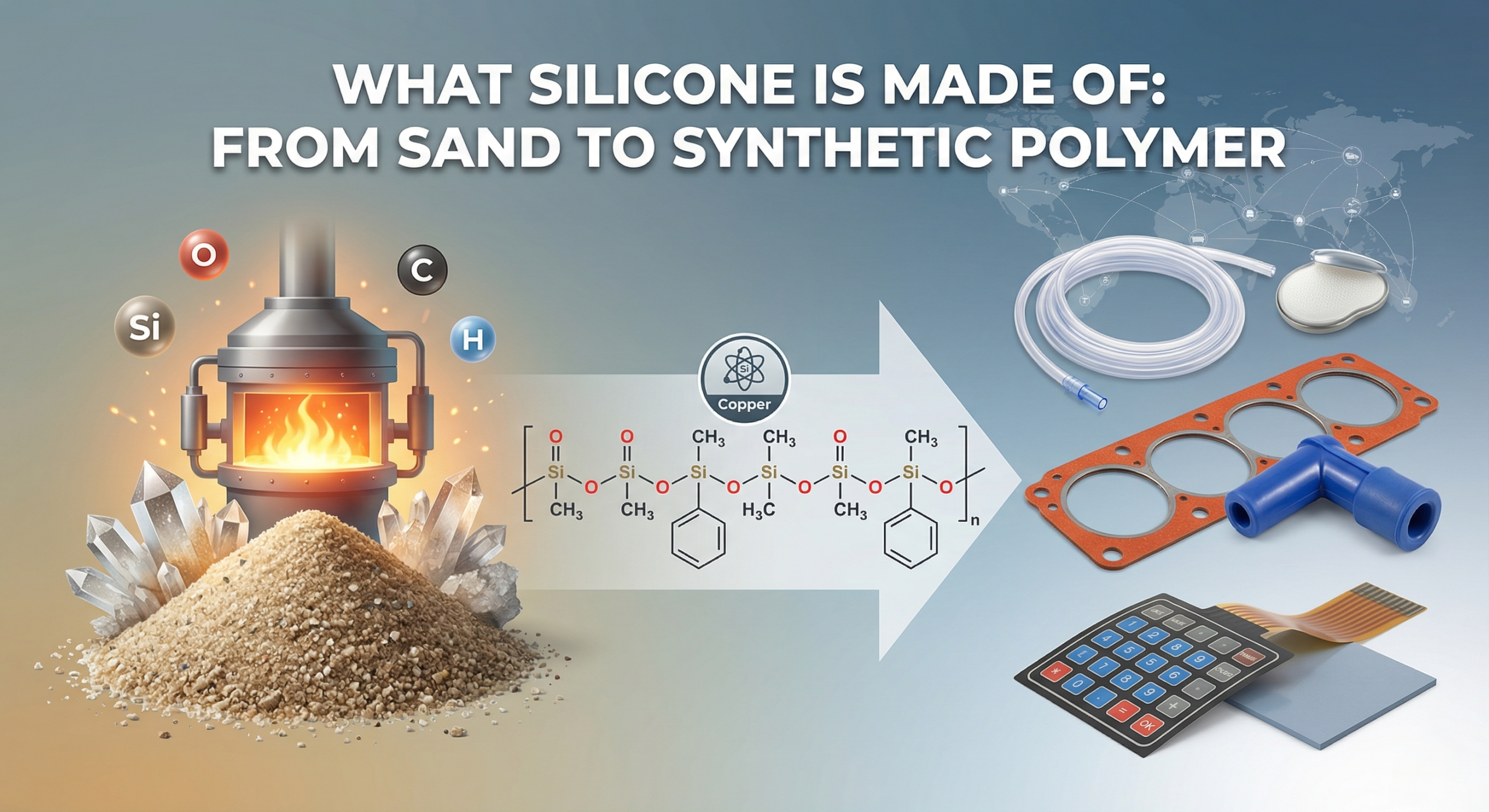
Silicone is made of silicon extracted from silica sand, which is then chemically transformed through hydrocarboxylation and polymerization into an adaptable polymer. Many B2B procurement managers and engineers struggle with material failures or regulatory non-compliance because they view silicone as a generic rubber. Using the wrong grade or failing to distinguish it from cheaper plastics can lead to compromised product safety and costly manufacturing recalls. This comprehensive guide breaks down the molecular structure and production stages of what silicone made of, empowering you to make informed material decisions for your supply chain.
What is silicone and why is it vital for industry?
Silicone is a versatile synthetic polymer that bridges the gap between organic and inorganic materials, offering unparalleled durability in industrial settings. Understanding what silicone made of allows you to appreciate its role as a high-performance elastomer used when standard rubbers fail.
Is silicone a natural or synthetic material?
You should know that while its primary component comes from nature, the final product is entirely man-made. The synthesis involves complex chemical bonding that nature cannot produce on its own.
Think about this:
- It uses a silicon-oxygen backbone.
- It incorporates organic groups for flexibility.
- It requires high-energy processing.
How does its flexibility benefit B2B applications?
The flexibility of this material ensures that your components can survive extreme mechanical stress without cracking. This structural integrity is a direct result of the unique chemical bonds found in what silicone made of.
Here is the deal:
- It maintains elasticity at -60°C.
- It resists compression set over time.
- It adapts to complex mold geometries.
Key Takeaway:
Silicone is a robust synthetic hybrid that provides long-term reliability for critical industrial components.
| Feature | Industrial Impact |
|---|---|
| Material Origin | Synthetic polymer with inorganic backbone |
| Key Property | High flexibility and chemical inertness |
| B2B Relevance | Essential for long-term component reliability |
The following data highlights why these physical properties are essential for your high-performance production line.
What exactly is silicone made of at a molecular level?
At the molecular level, silicone consists of an inorganic backbone of alternating silicon and oxygen atoms with attached organic side groups. When you specify silicone made of high-grade polymers, you are choosing a structure that resists oxidation far better than carbon-based plastics.
What role do silicon and oxygen play in its backbone?
These two elements form the “Siloxane” bond, which is the secret to the material’s legendary heat resistance. Because this bond is much stronger than the carbon-carbon bonds in plastic, your parts won’t melt under pressure.
Believe it or not:
- Silicon provides structural stability.
- Oxygen provides the necessary linkage.
- The Si-O bond is highly resistant to UV.
How do organic groups change its physical properties?
By attaching methyl or phenyl groups to the silicon atoms, manufacturers can fine-tune how soft or rigid your parts feel. This customizability is what makes the science of what silicone made of so valuable for specialized engineering.
The truth is:
- Methyl groups increase water repellency.
- Phenyl groups improve low-temperature flexibility.
- Vinyl groups assist in the curing process.
Key Takeaway:
The siloxane backbone combined with organic side groups creates a chemical hybrid that outperforms traditional organic rubbers.
| Component | Description |
|---|---|
| Main Elements | Silicon, Oxygen, Carbon, Hydrogen |
| Backbone | Alternating Si-O (Siloxane) bonds |
| Side Groups | Methyl or Phenyl groups for specific traits |
This molecular analysis explains why silicone remains stable in environments that would destroy other elastomers.
Why is the difference between silicon and silicone critical?
The critical difference lies in their state of matter, as silicon is a natural crystalline element while silicone is a synthetic liquid or solid polymer. Misunderstanding what silicone made of versus its elemental namesake can lead to significant errors in technical documentation and procurement.
Is silicon a metal or a mineral?
You will find silicon categorized as a metalloid, meaning it has properties of both metals and non-metals. It is the second most abundant element in the Earth’s crust, usually found trapped in rocks and sand.
But wait, there is more:
- Silicon is hard and brittle.
- It is a primary semiconductor.
- It cannot be stretched or molded like rubber.
How does the extra “e” change the chemical manufacturing?
The “e” represents the transition from a raw element to a complex polymer chain through advanced chemical engineering. This transition is what defines silicone made of synthetic chains rather than just raw minerals.
Let’s dive deeper:
- Silicone is flexible and soft.
- It is a chemical derivative, not a raw ore.
- It requires the addition of carbon and hydrogen.
Key Takeaway:
Silicon is a hard semiconductor used in electronics, while silicone is a flexible elastomer used in manufacturing.
| Material | State | Primary Industry |
|---|---|---|
| Silicon | Hard, brittle metalloid | Semiconductors & Solar |
| Silicone | Flexible polymer | Manufacturing & Medical |
Differentiating these materials is the first step toward accurate engineering specifications for your project.
What raw materials is silicone made of for production?
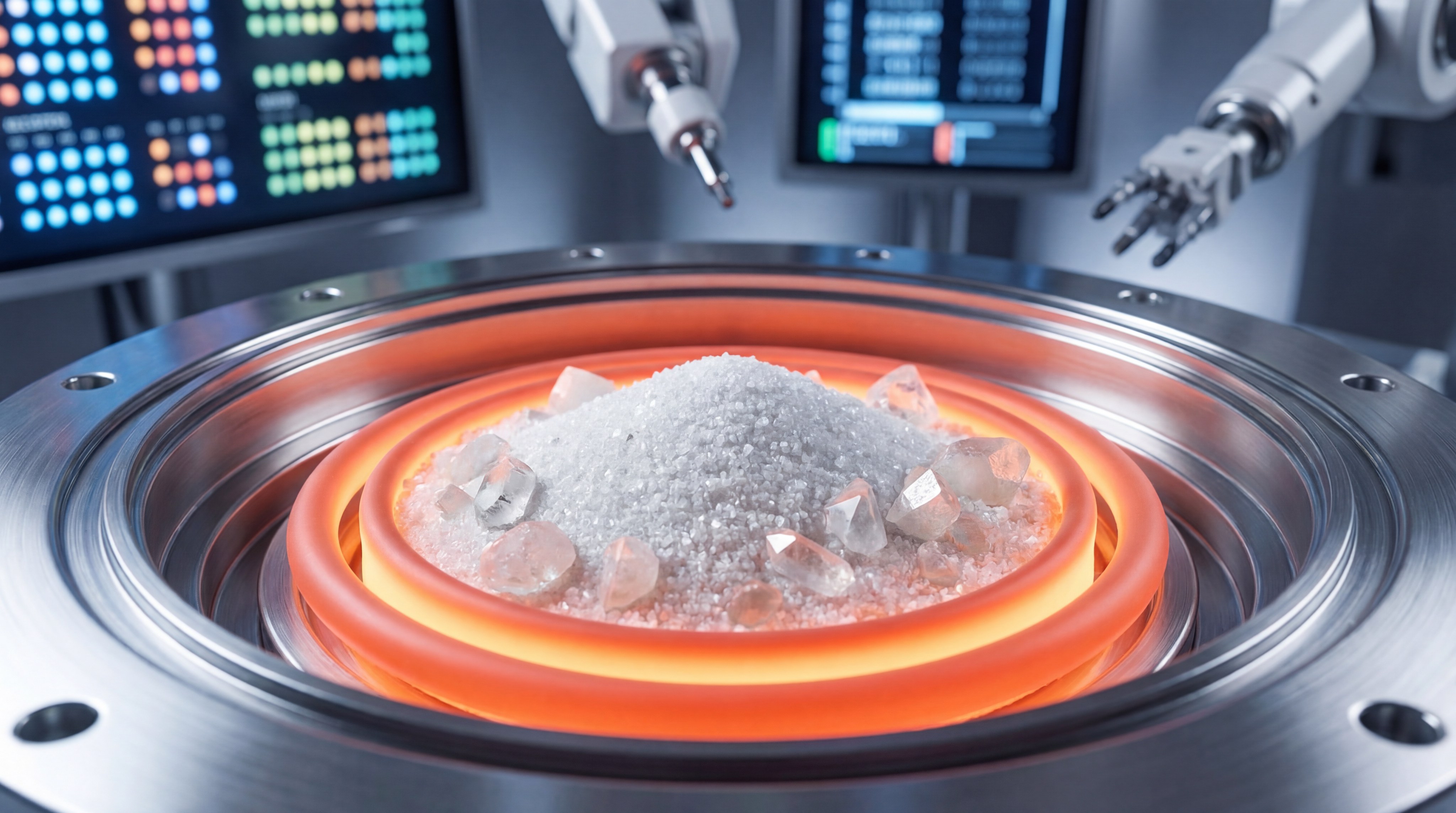
Silicone production primarily requires high-purity silica sand, methyl chloride, and a copper catalyst to facilitate the initial chemical reactions. When you invest in silicone made of premium raw materials, you ensure that the final component is free from impurities that cause failure.
Where does the silica sand come from?
Most industrial-grade silica comes from quartz sand found in massive deposits around the world. You should note that the sand must be processed at extreme temperatures to extract the pure silicon needed for the polymer.
Think about this:
- Silica is silicon dioxide ($SiO_2$).
- It requires heating to over 1,900°C.
- The purity of the sand dictates final quality.
What chemicals are needed for the hydrocarboxylation?
The extracted silicon must react with methyl chloride in the presence of copper to create the building blocks of the polymer. This specific chemical stage is what determines the grade of silicone made of specific chlorosilanes.
The best part:
- Copper acts as a vital catalyst.
- Methyl chloride provides the organic carbon.
- This creates dimethyldichlorosilane.
Key Takeaway:
The journey from common sand to high-tech polymer requires extreme heat and precise chemical additives.
| Raw Ingredient | Function |
|---|---|
| Silica Sand | Primary source of silicon |
| Methyl Chloride | Creates chlorosilanes |
| Copper Catalyst | Drives the chemical reaction |
Understanding these ingredients helps you vet suppliers who maintain strict control over their raw material purity.
How is silicone produced from raw silica sand?
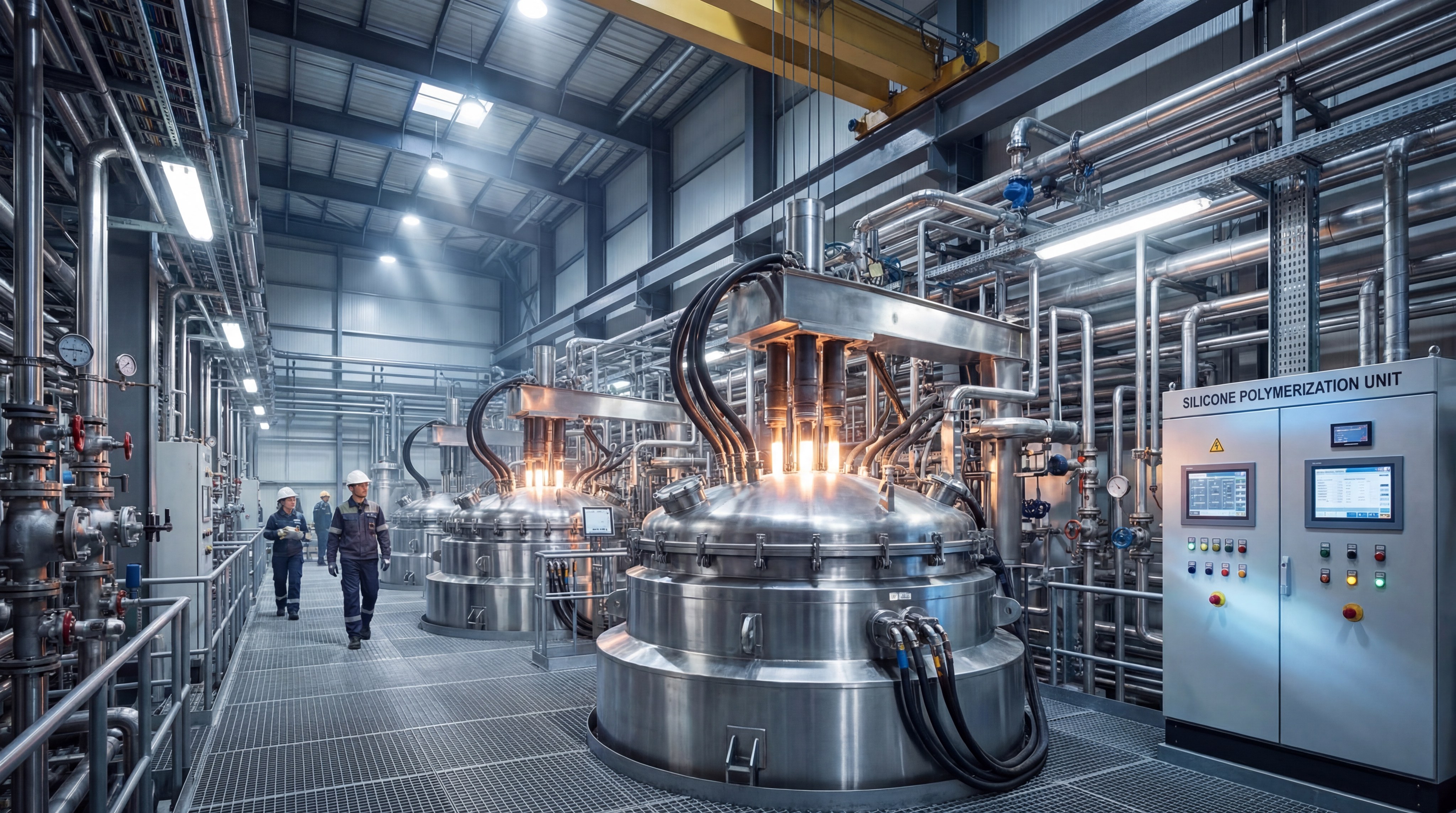
The production process involves reducing silica in an electric arc furnace, followed by hydrocarboxylation and polymerization to form long siloxane chains. The quality of silicone made of these chains depends entirely on the precision of the temperature and pressure during these stages.
What happens inside the electric arc furnace?
You are witnessing a massive reduction reaction where carbon strips the oxygen away from the silica sand. This leaves behind metallurgical-grade silicon, which is the foundational element of the polymer.
Here is the deal:
- Carbon is added as coal or coke.
- Intense heat breaks the $SiO_2$ bonds.
- Molten silicon is collected and cooled.
How are siloxane polymer chains formed?
Once the liquid silanes are created, they undergo hydrolysis and condensation to link up into the final long-chain polymer. This is the moment where the liquid becomes the silicone made of durable, repeating siloxane units.
Believe it or not:
- Water is used to trigger the reaction.
- Short chains link into long polymers.
- Additives determine if it stays liquid or becomes solid.
Key Takeaway:
Silicone production is a multi-stage energy-intensive process that transforms solid rock into flexible rubber.
| Production Stage | Process Description |
|---|---|
| Extraction | Silica reduced by carbon in arc furnaces |
| Synthesis | Reaction with methyl chloride |
| Polymerization | Chain formation via hydrolysis |
This transformation from raw mineral to finished polymer is what gives silicone its unique chemical properties.
Which types of silicone are made for specific industries?
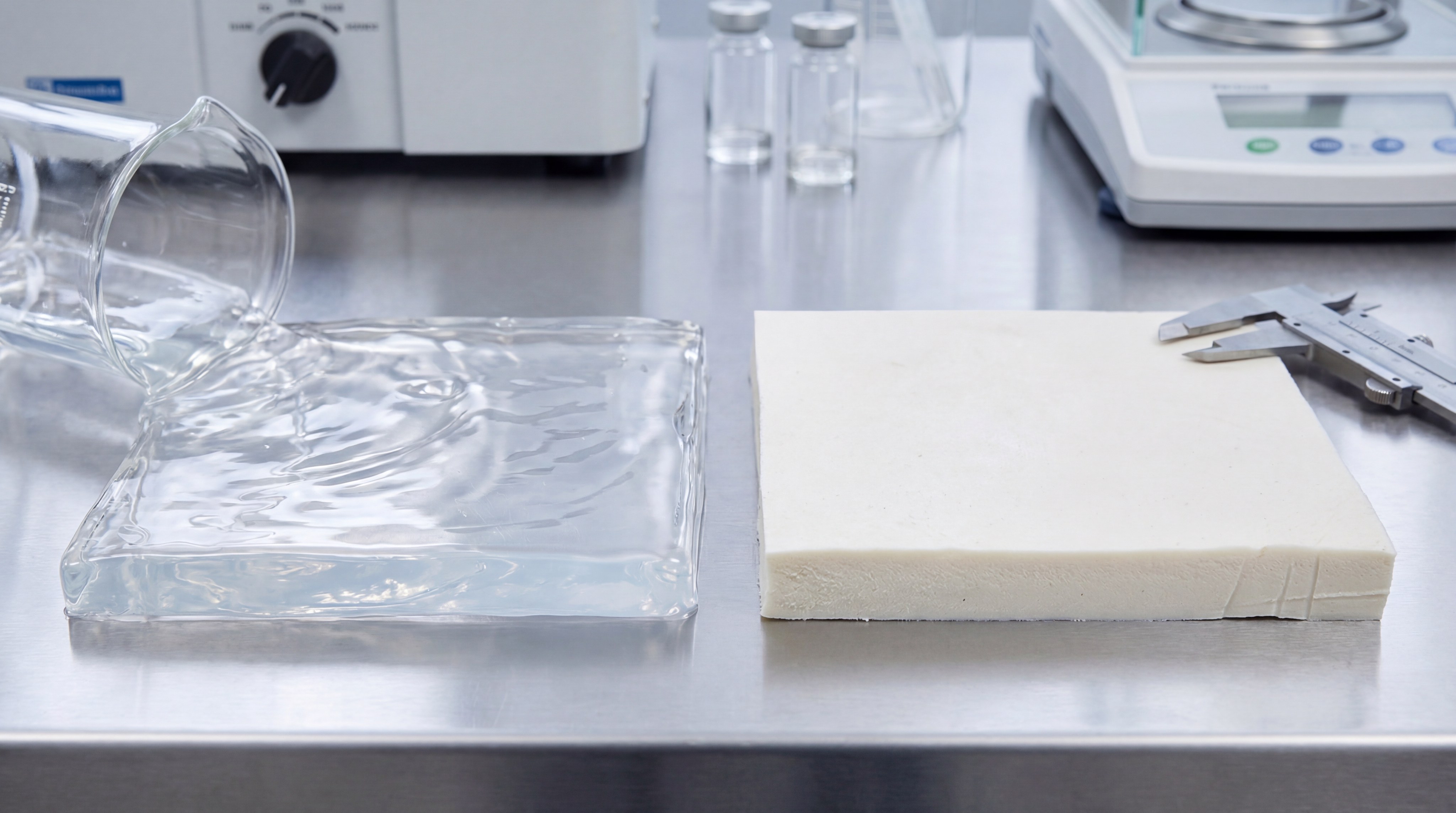
Specific types include Liquid Silicone Rubber (LSR), High Consistency Rubber (HCR), and RTV silicones, each tailored for different manufacturing methods. Selecting the right silicone made of medical-grade or industrial-grade formulations ensures your product meets strict compliance standards.
What makes Liquid Silicone Rubber (LSR) unique?
You will find that LSR is a two-part platinum-cured liquid that is perfect for high-speed injection molding. Because it is pumped directly into molds, it allows for high-precision parts with zero human contact.
The truth is:
- It cures very quickly in hot molds.
- It offers excellent clarity and purity.
- It is the standard for medical devices.
When should you use High Consistency Rubber (HCR)?
If your project requires extrusion or large compression-molded parts, HCR is the solid, clay-like material you need. This version of silicone made of high-viscosity polymers is ideal for gaskets and heavy-duty seals.
But wait, there is more:
- It comes in solid sheets or blocks.
- It is highly durable and tear-resistant.
- It is easier to mix with custom colors.
Key Takeaway:
Choosing between liquid and solid silicone depends entirely on your desired molding process and part complexity.
| Silicone Type | Best Use Case |
|---|---|
| LSR | High-precision injection molding |
| HCR | Compression molding and extrusion |
| RTV | Sealing and on-site bonding |
Selecting the correct material type is essential for optimizing your manufacturing costs and product performance.
Why is silicone often preferred over standard plastics?
Silicone is preferred over plastic because it maintains its properties across a wider temperature range and does not degrade under UV exposure. While plastic is a hydrocarbon, the science of silicone made of inorganic silicon bonds provides much higher thermal stability.
How does thermal resistance compare to hydrocarbons?
You will notice that standard plastics begin to soften or melt at temperatures where silicone is just getting started. While a typical plastic might fail at 100°C, a quality silicone component easily withstands 200°C for thousands of hours.
Let’s dive deeper:
- Plastics have a carbon-carbon backbone.
- Silicone uses a silicon-oxygen backbone.
- Si-O bonds are much harder to break with heat.
Is silicone more durable in harsh environments?
The answer is a resounding yes, especially when dealing with outdoor exposure or chemical contact. Because of what silicone made of, it does not become brittle or “yellow” when exposed to sunlight for years.
The best part:
- It is naturally resistant to ozone.
- It does not leach harmful phthalates.
- It remains flexible in freezing conditions.
Key Takeaway:
Silicone’s inorganic structure makes it fundamentally more durable than carbon-based plastics in extreme conditions.
| Comparison Factor | Silicone | Standard Plastic |
|---|---|---|
| Temperature Range | -60°C to 250°C+ | Usually <100°C |
| UV Resistance | Excellent | High degradation |
| Chemical Base | Si-O Backbone | C-C Backbone |
These comparisons prove that silicone is a superior investment for products requiring a long service life.
Where is silicone used across the global supply chain?
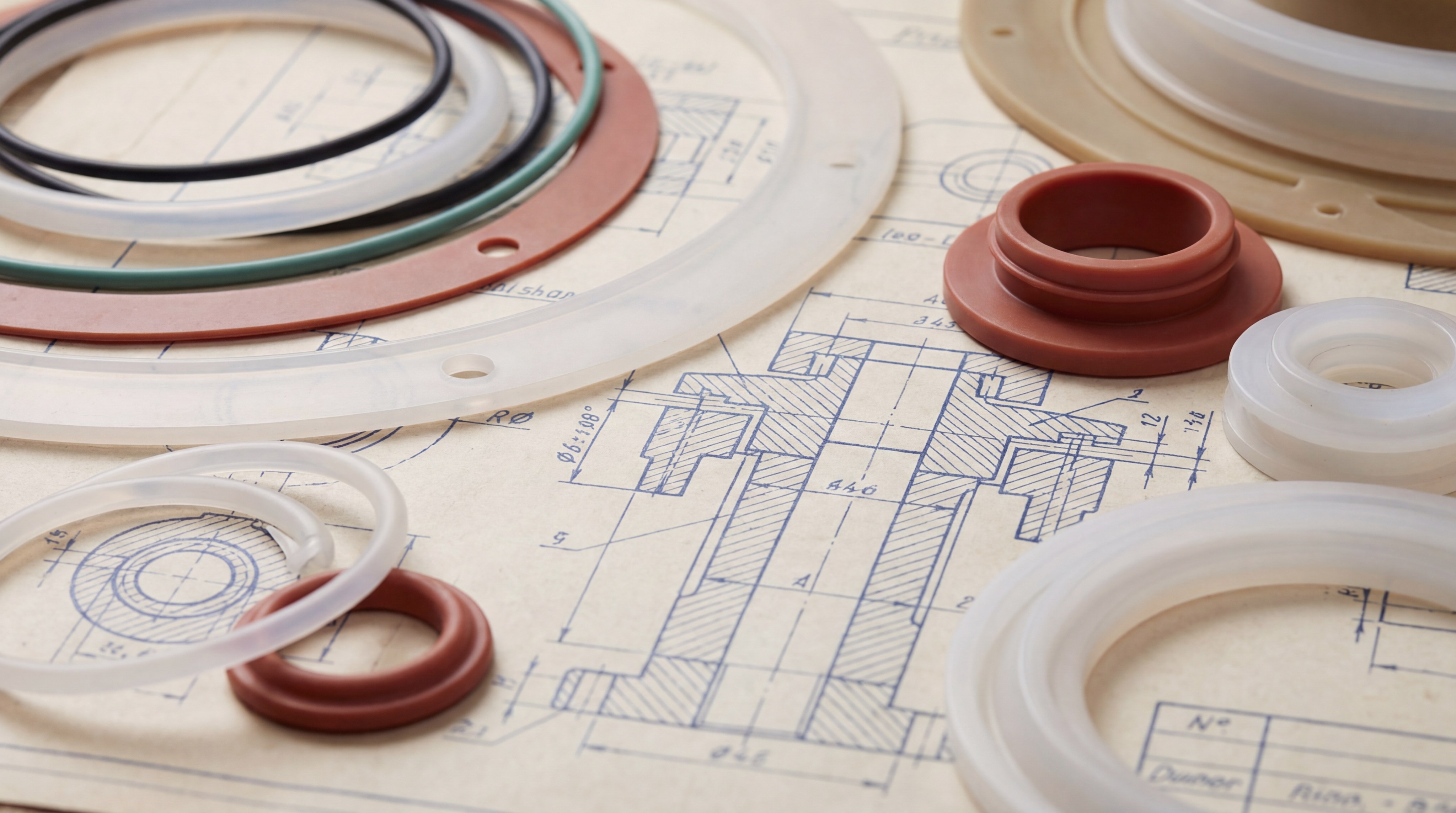
Silicone is used in everything from life-saving medical implants to heat-resistant automotive gaskets and high-precision electronic seals. Many of the silicone made of automotive components you see daily are designed to last the entire life of a vehicle.
How does silicone support medical-grade manufacturing?
Because it is biocompatible and inert, you can safely use it for implants and surgical tools. The specific purity of silicone made of medical-grade polymers ensures it won’t react with human tissue or fluids.
Think about this:
- It is used in pacemakers and tubing.
- It can be sterilized repeatedly.
- It is hypoallergenic for patient safety.
Why is it essential for automotive and aerospace seals?
In these high-stakes industries, a seal failure can be catastrophic, so engineers rely on silicone’s stability. Components like spark plug boots and turbocharger hoses are typically silicone made of high-tear formulations to handle engine vibrations.
Here is the deal:
- It resists oil and engine fluids.
- It handles rapid temperature cycles.
- It provides airtight vibration damping.
Key Takeaway:
Silicone’s reliability makes it the standard choice for critical applications in healthcare and transportation.
| Industry | Common Applications |
|---|---|
| Medical | Tubing, implants, and seals |
| Automotive | Gaskets, hoses, and spark plug boots |
| Electronics | Keypads and thermal interfaces |
This broad utility across different sectors highlights why silicone is an indispensable material for modern engineering.
What performance benefits does silicone rubber offer?
Silicone rubber offers exceptional thermal stability, chemical inertness, and superior biocompatibility compared to organic elastomers. When you evaluate the silicone made of advanced siloxane chains, you find a material that solves most common rubber failure points.
Can silicone withstand extreme temperature fluctuations?
You can rely on silicone to remain soft in the Arctic and strong in an oven without losing its shape. This resistance to “thermal shock” is a direct benefit of the silicon-oxygen bonds that make up the polymer.
Believe it or not:
- It does not harden when frozen.
- It does not get sticky when heated.
- It maintains consistent seals under stress.
Why is its biocompatibility vital for consumer safety?
The fact that it is inert means it does not support bacterial growth or release toxic chemicals into food or water. This safety profile is why silicone made of food-grade materials is mandatory for modern kitchenware and baby products.
The truth is:
- It is odorless and tasteless.
- It does not contain BPA or latex.
- It is widely used in infant pacifiers.
Key Takeaway:
Silicone’s unique combination of safety and stability makes it the highest-performing elastomer for consumer goods.
| Benefit | Practical Advantage |
|---|---|
| Thermal Stability | Consistent performance in heat/cold |
| Inertness | No reaction with chemicals or food |
| Elasticity | High recovery after compression |
These benefits ensure that your final product is not only functional but also safe for the end-user.
How can you ensure safe and high-quality silicone use?
Ensuring quality requires checking for ISO 9001 certifications and food-grade approvals like FDA or LFGB from your manufacturer. By partnering with a factory that understands silicone made of traceable materials, you eliminate the risk of contamination in your supply chain.
What certifications should B2B buyers look for?
You must verify that your supplier follows international quality standards to ensure batch-to-batch consistency. Components that are silicone made of non-certified materials may contain fillers that compromise the part’s strength.
But wait, there is more:
- FDA and LFGB for food contact.
- USP Class VI for medical use.
- ISO 9001 for manufacturing management.
How do you maintain silicone products for longevity?
While silicone is durable, you should avoid using abrasive cleaners or exposing it to sharp objects that could cause “nicks.” Even though it is silicone made of tough bonds, a small tear can propagate under high mechanical tension.
The best part:
- Most parts are dishwasher safe.
- It resists staining from chemicals.
- Simple inspection prevents system failures.
Key Takeaway:
Strict certification checks and proper maintenance guidelines are essential for maintaining your brand’s quality reputation.
| Quality Metric | Standards to Check |
|---|---|
| Food Safety | FDA, LFGB, REACH |
| Medical Grade | USP Class VI, ISO 13485 |
| Industrial | ISO 9001, IATF 16949 |
Following these B2B procurement steps ensures your silicone parts perform exactly as engineered for years to come.
Conclusion
This guide has addressed the core challenges of silicone procurement by explaining its molecular origins, production stages, and industrial advantages. We have shown that understanding what silicone is made of—and how it differs from plastic—is the key to preventing material failure and ensuring regulatory compliance. At HuaLin Silicone, we specialize in high-precision LSR molding and compression molding to turn these raw material benefits into finished, market-ready products. Our mission is to provide global B2B partners with stable, factory-direct silicone solutions that accelerate product launches and reduce quality risks. Please contact us today to receive a professional DFM review and custom quote for your next silicone project.
Frequently Asked Questions
Can I recycle silicone industrial parts?
Yes, but it requires specialized facilities. Unlike plastic, silicone must be ground down into filler or chemically broken back into silicone oil for reuse.
What’s the best way to tell if silicone is high quality?
Look for a “pinch test” or certification markings. High-quality silicone will not turn white when pinched, as white indicates the presence of cheap plastic fillers.
How do I know if I need LSR or HCR?
Choose LSR for high-precision, high-volume parts and HCR for large seals or extruded tubes. LSR is generally more expensive to tool but more efficient for mass production.
Can I use silicone for high-pressure oil seals?
Yes, provided you choose a specific grade like fluorosilicone. Standard silicone has moderate oil resistance, but fluorosilicone is designed specifically for fuels and oils.
What’s the best temperature range for silicone gaskets?
Typically -60°C to 230°C. For extreme aerospace applications, specialized formulations can extend this range even further without the material becoming brittle.