
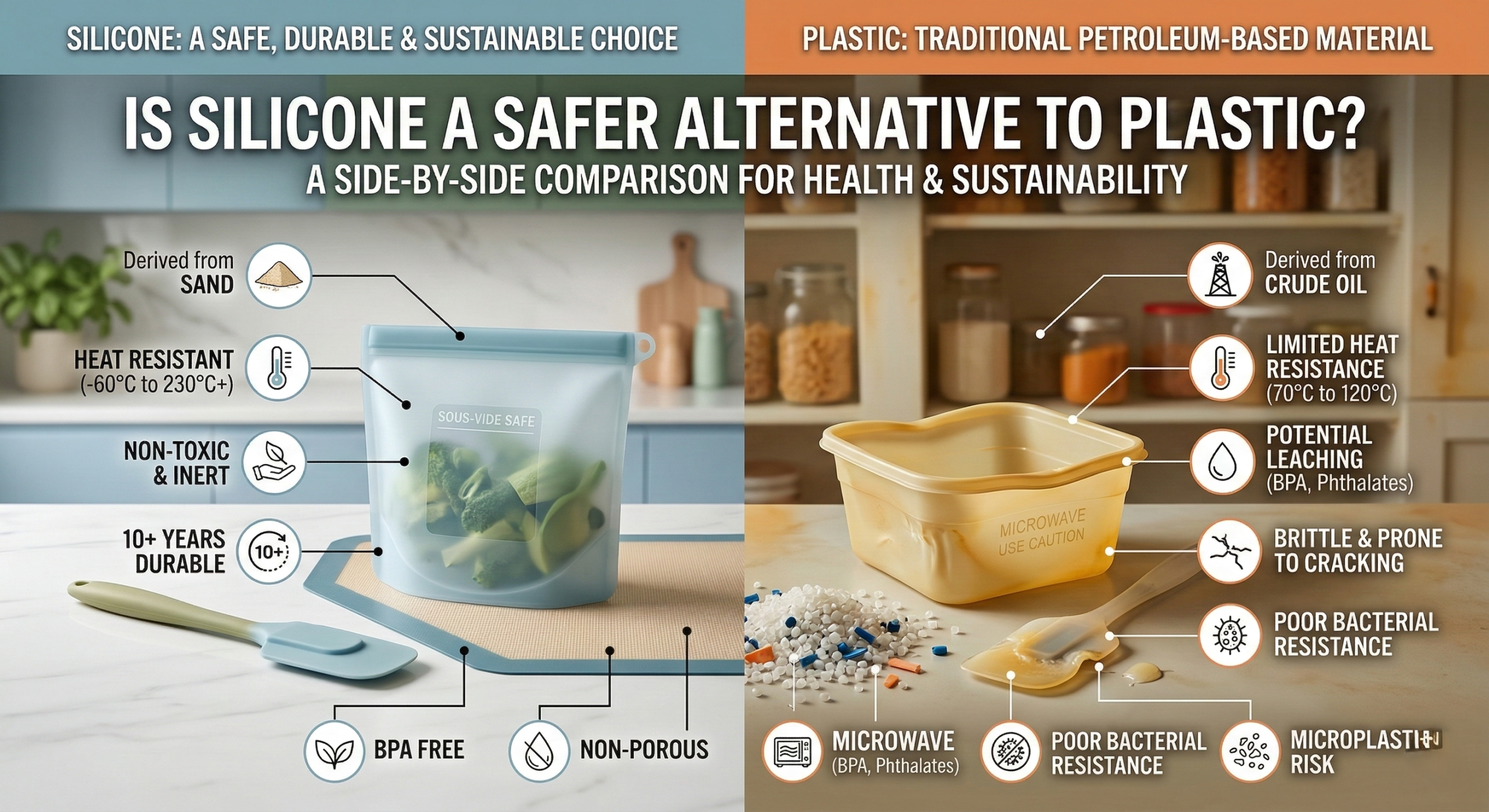
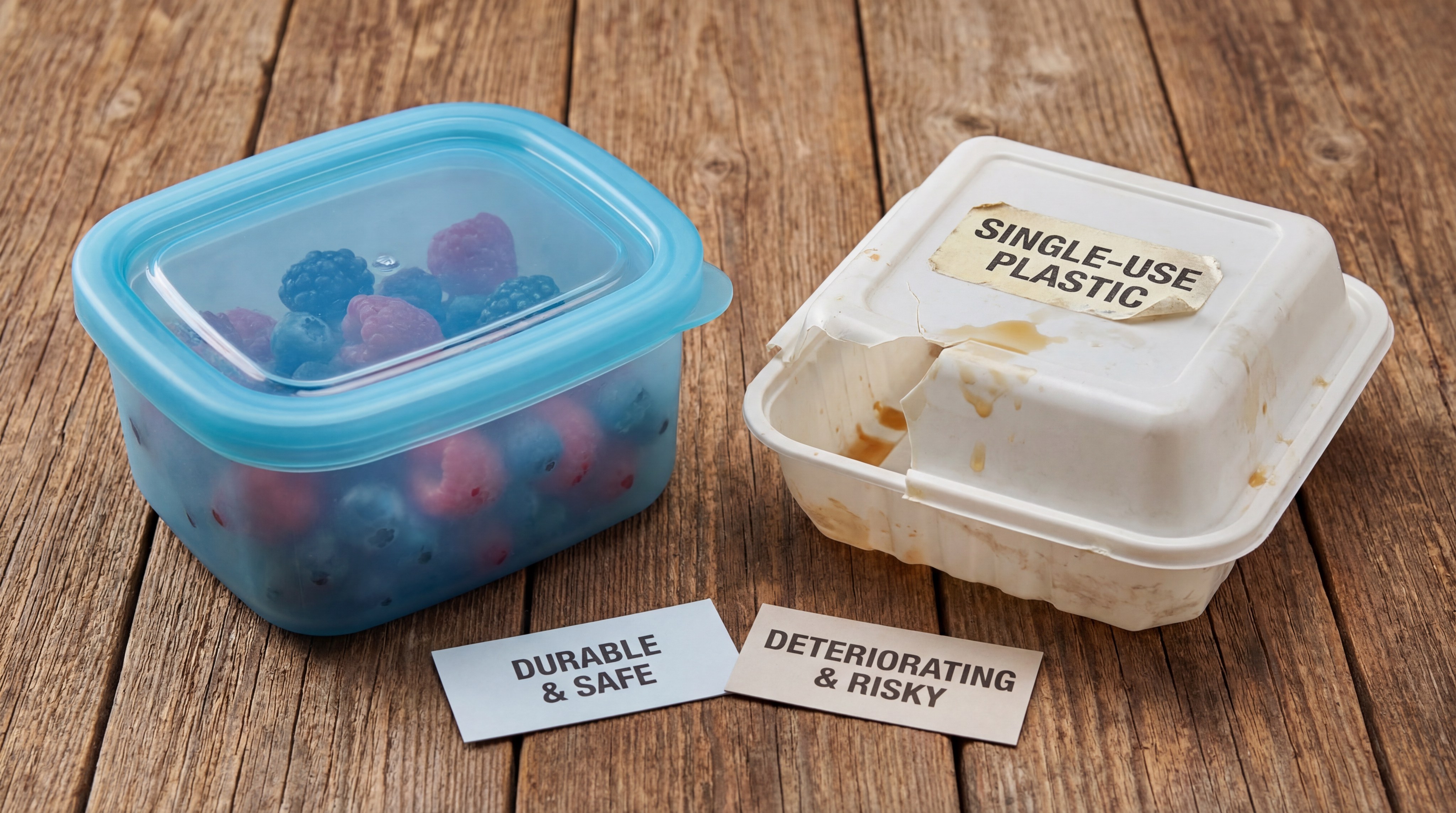
Yes, silicone is a significantly safer alternative to plastic due to its chemical stability, resistance to extreme temperatures, and lack of harmful leaching agents. Imagine opening your pantry to find plastic containers that have warped, yellowed, and developed a strange chemical odor after just a few months of use. It is frustrating to realize that these deteriorating items might be shedding microplastics into your family’s meals every time you heat them up. By switching to high-quality silicone, you provide your household with a durable, non-toxic solution that maintains its integrity for years regardless of how often it is washed or heated. When you evaluate the health implications, the question of whether is silicone better than plastic becomes clear for those prioritizing long-term wellness.
What makes silicone different from common plastic?
Silicone is a synthetic polymer derived from crystalline silica found in sand, which distinguishes it from petroleum-based plastics. Because of its unique molecular structure, the question of is silicone better than plastic often comes down to its elemental origins. This material bridges the gap between synthetic rubber and synthetic plastic polymers.
While plastic relies on fossil fuels, silicone utilizes one of the most abundant resources on the planet. This fundamental difference affects everything from heat resistance to chemical reactivity in daily applications.
Is silicone a natural material?
Technically, silicone is considered a synthetic material because the silica must be processed with oxygen, carbon, and hydrogen to create the final product. Here’s the deal: even though it isn’t “natural” like wood, it is far more eco-friendly than the synthetic alternatives derived from crude oil.
- It is derived from sand (silica).
- It involves high-purity chemical processing.
- It lacks the carbon-heavy footprint of traditional polymers.
Key Takeaway: Understanding the elemental difference between sand-based silicone and oil-based plastic helps you make more informed decisions about the materials you bring into your home and business.
| Feature | Silicone | Traditional Plastic |
|---|---|---|
| Primary Source | Silica (Sand) | Petroleum/Crude Oil |
| Material Type | Synthetic Polymer | Synthetic Polymer |
| Toxicity | Low/Inert | Varies (often high) |
The unique chemical structure of silicone provides a foundation for safety and performance that petroleum plastics simply cannot match.
Is silicone better than plastic for food safety?
Yes, food-grade silicone is considered superior for food safety because it is non-porous and does not harbor bacteria or odors. Many professionals wonder is silicone better than plastic when designing kitchenware meant for high-heat environments. Since it does not contain fillers or hazardous additives, it offers a clean surface for preparation.

You can use silicone containers for everything from sous-vide cooking to freezing large batches of soup. Its resistance to degradation ensures that the flavor of your food remains untainted by the container itself.
Can bacteria grow on silicone surfaces?
Because silicone is hydrophobic and non-porous, it is incredibly difficult for mold or bacteria to find a foothold. But wait, there’s more: this makes the material exceptionally easy to sanitize in a standard dishwasher or with boiling water.
- Smooth, non-stick surface prevents buildup.
- Resists moisture absorption.
- Dishwasher safe for high-temperature cleaning.
Key Takeaway: Using silicone for food storage reduces the risk of bacterial contamination and ensures your meals remain free from the lingering scents and stains common with plastic.
| Safety Factor | Silicone Performance | Plastic Performance |
|---|---|---|
| Porosity | Extremely Low | Moderate to High |
| Bacterial Resistance | High | Low |
| Stain Resistance | Excellent | Poor |
The hygienic properties of silicone make it the gold standard for any environment where food purity is a non-negotiable requirement.
How does temperature stability impact your safety?
Silicone maintains its structural integrity across an incredible temperature range, preventing the leaching or melting that occurs with many plastics. When assessing if is silicone better than plastic, the ability to go from a -60°C freezer to a 230°C oven without damage is a primary advantage. This thermal stability ensures that the material does not release volatile organic compounds when exposed to heat.
Traditional plastics often soften or warp when they get too hot, which can lead to chemical migration into your food. Silicone remains flexible and solid, providing a consistent barrier between the heat source and your ingredients.
Why does heat resistance matter?
High heat resistance means you don’t have to worry about the material breaking down and releasing microplastics. Think about it: every time a plastic spatula melts slightly on a hot pan, those chemicals are entering your body.
- Stable up to 230°C (446°F).
- Flexible at sub-zero temperatures.
- Does not crack or peel under thermal stress.
Key Takeaway: The thermal resilience of silicone provides peace of mind, allowing you to cook, bake, and freeze with a single material that never compromises its safety profile.
| Thermal Property | Silicone | Common Plastic (LDPE/PP) |
|---|---|---|
| Max Temp | 230°C+ | 70°C – 120°C |
| Low Temp | -60°C | Becomes Brittle |
| Melting Risk | None in home use | High |
The vast temperature range of silicone makes it an indispensable tool for modern kitchens and industrial applications that demand consistency.
Does silicone leach chemicals like traditional plastics?
Unlike many plastics that contain endocrine disruptors like BPA, BPS, and phthalates, high-quality silicone is chemically inert. This inertness is a major reason why is silicone better than plastic is a recurring theme in modern safety discussions. It does not react with acidic foods or beverages, ensuring that no unwanted substances migrate into your products.
Manufacturers of baby products and medical devices prioritize silicone for this very reason. You can trust that the material will remain stable even after hundreds of cycles of use and cleaning.
Are there fillers in cheap silicone?
While pure silicone is safe, some low-quality manufacturers add plastic fillers to reduce costs. Check this out: you can often identify these fillers by performing a “pinch test” where the material turns white if it contains cheap additives.
- Pure silicone does not change color when twisted.
- Inert nature prevents chemical migration.
- Free from BPA and phthalates.
Key Takeaway: Choosing high-purity, filler-free silicone eliminates your exposure to the dangerous hormone-disrupting chemicals that are frequently found in common household plastics.
| Chemical Factor | Silicone | BPA-Free Plastic |
|---|---|---|
| BPA/BPS Content | 0% | Potentially 0% |
| Phthalates | None | Often present |
| Chemical Reactivity | Non-reactive | Reactive with acids/heat |
Pure silicone provides a chemically neutral environment that safeguards the health of users by preventing toxic exposure at the source.
Why is the manufacturing process more sustainable?
Silicone production is considered more sustainable because it utilizes silica, a resource that is far more abundant than the fossil fuels required for plastic. When evaluating is silicone better than plastic, the environmental impact of the raw material extraction is a critical metric for B2B procurement. By shifting away from hydrocarbons, industries can reduce their reliance on the oil and gas sector.
The process of turning sand into silicone involves heating and chemical synthesis, but it does not carry the same risk of massive oil spills or environmental degradation associated with petroleum extraction. This makes it a more ethical choice for forward-thinking companies.
How does the carbon footprint compare?
While the initial energy required to process silica is significant, the extreme lifespan of the resulting product reduces the need for frequent manufacturing cycles. Here is the deal: one silicone bag can replace thousands of single-use plastic bags over its lifetime.
- Raw material (sand) is abundantly available.
- Reduced reliance on the petrochemical industry.
- Long product lifecycle lowers cumulative energy use.
Key Takeaway: Investing in silicone supports a supply chain that prioritizes abundant mineral resources over dwindling fossil fuels, contributing to a more sustainable industrial future.
| Environmental Factor | Silicone | Plastic |
|---|---|---|
| Raw Material | Silica/Sand | Crude Oil |
| Resource Scarcity | Low | High |
| Environmental Risk | Lower extraction risk | High extraction risk |
The transition from carbon-heavy plastics to mineral-based silicone represents a significant step forward in industrial environmental responsibility and resource management.
What certifications should you look for in silicone?
To ensure you are getting a safe product, you must look for LFGB or FDA certifications which verify the material’s purity. Understanding these standards is essential when determining is silicone better than plastic for high-stakes applications like medical or food-grade manufacturing. These certifications involve rigorous testing to ensure no harmful substances are released during use.
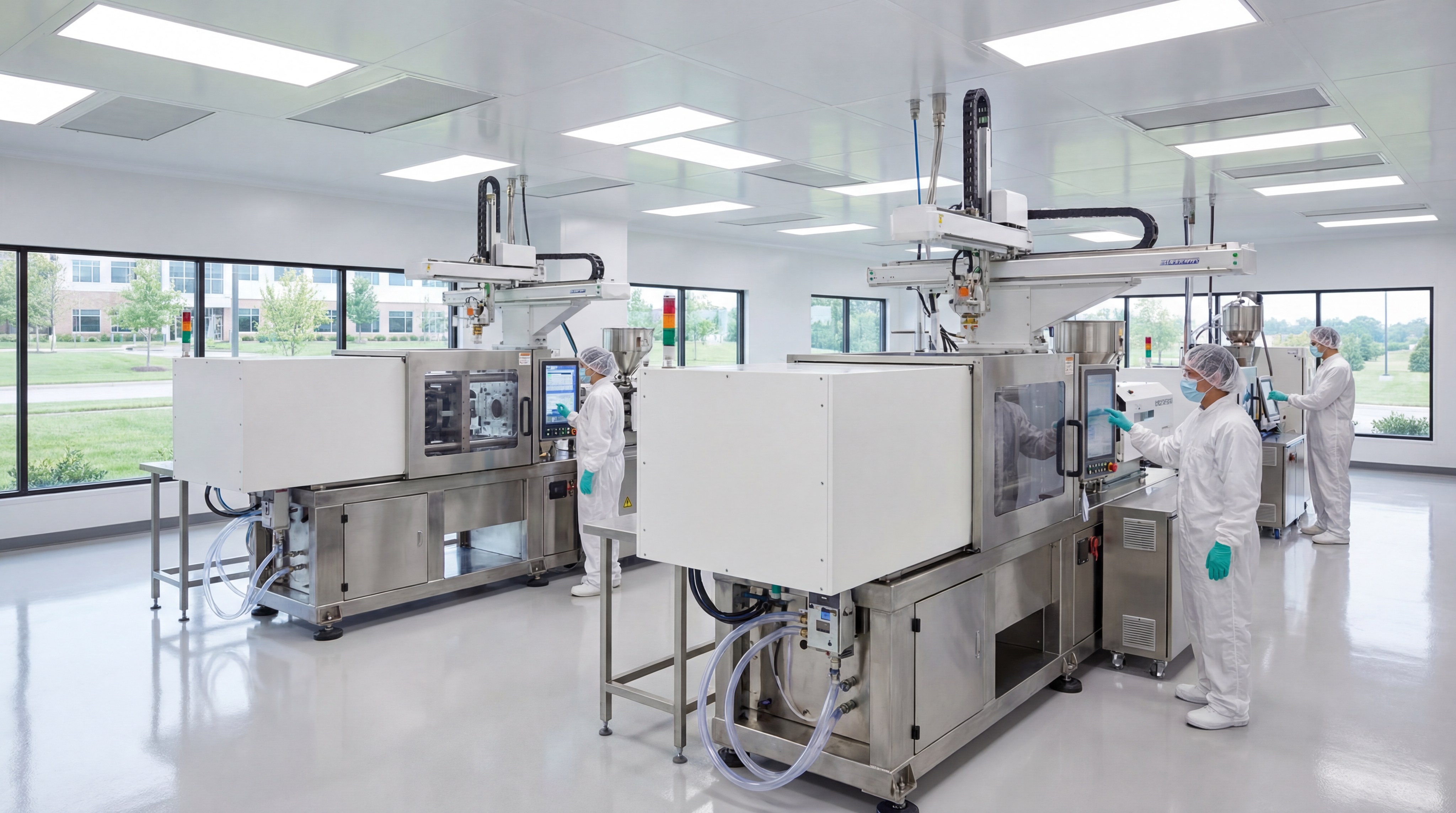
LFGB is generally considered the stricter European standard, while FDA is the baseline for the United States. Both ensure that the material is safe for its intended contact with humans.
What is platinum-cured silicone?
Platinum-cured silicone is the highest quality available because it uses a precious metal catalyst instead of peroxide. You might be wondering: why does this matter? It ensures there are no bitter tastes or odors left behind after the curing process.
- LFGB: The highest safety standard.
- FDA: Reliable food-grade certification.
- Platinum-Cured: Ensures maximum purity and clarity.
Key Takeaway: Verifying certifications ensures that your silicone products are free from industrial byproducts and meet the highest international safety standards for human use.
| Certification | Region | Strictness Level |
|---|---|---|
| LFGB | Europe | Very High |
| FDA | USA | Standard |
| Platinum-Cure | Global | Premium |
Strict adherence to international certifications guarantees that the silicone material used in your products is truly safe for sensitive applications.
Is silicone more durable than standard plastic?
Silicone is vastly more durable than standard plastic because it is resistant to UV light, moisture, and mechanical stress. Many long-term users have found that is silicone better than plastic because it doesn’t become brittle or yellow over time. This resilience makes it ideal for products that face daily wear and tear or outdoor exposure.
Unlike plastic, which can crack if dropped or exposed to sunlight for too long, silicone retains its rubbery flexibility. This shock-absorbing quality adds a layer of protection to anything it contains.
Can silicone survive the dishwasher?
Silicone is perfectly suited for thousands of dishwasher cycles without any degradation in its physical properties. The best part? It won’t warp or lose its seal, ensuring that your containers remain leak-proof for the duration of their life.
- Resists UV and ozone damage.
- Maintains flexibility in extreme cold.
- Does not crack, peel, or rot.
Key Takeaway: The extreme durability of silicone means you spend less money on replacements and generate less waste, making it the most cost-effective choice over time.
| Durability Metric | Silicone | Standard Plastic |
|---|---|---|
| Cracking Risk | Near Zero | High over time |
| UV Resistance | Excellent | Poor (becomes brittle) |
| Expected Lifespan | 10+ Years | 1-3 Years |
Choosing silicone products is a commitment to longevity that drastically reduces the frequency of replacement and the associated environmental costs.
Can you effectively recycle silicone at end-of-life?
While silicone cannot be recycled in standard curbside bins, specialized industrial facilities can process it into new materials. When companies ask is silicone better than plastic, they must consider that plastic recycling is also notoriously inefficient, with most plastic ending up in landfills. Silicone, being inert, does not break down into toxic microplastics if it does reach a landfill.
Many manufacturers now offer take-back programs to ensure their products are handled correctly at the end of their useful life. These programs help create a circular economy for this valuable material.
What does recycled silicone become?
Recycled silicone is typically ground down and used as industrial lubricants, playground mulch, or even insulation. You should know: this prevents the material from ever becoming a pollutant in our oceans or soil.
- Requires specialized recycling facilities.
- Does not biodegrade into harmful microplastics.
- Can be repurposed into industrial-grade oils.
Key Takeaway: Although the recycling infrastructure is still growing, the inert nature of silicone makes it a safer environmental bet than plastics that shed toxins as they age.
| Recycling Status | Silicone | Plastic |
|---|---|---|
| Curbside Pick-up | No | Limited |
| Specialized Recycling | Yes | Yes |
| Microplastic Risk | None | High |
While recycling silicone requires more effort than traditional glass or metal, its inability to leach toxins makes it a responsible choice for waste management.
Are there specific medical benefits to using silicone?
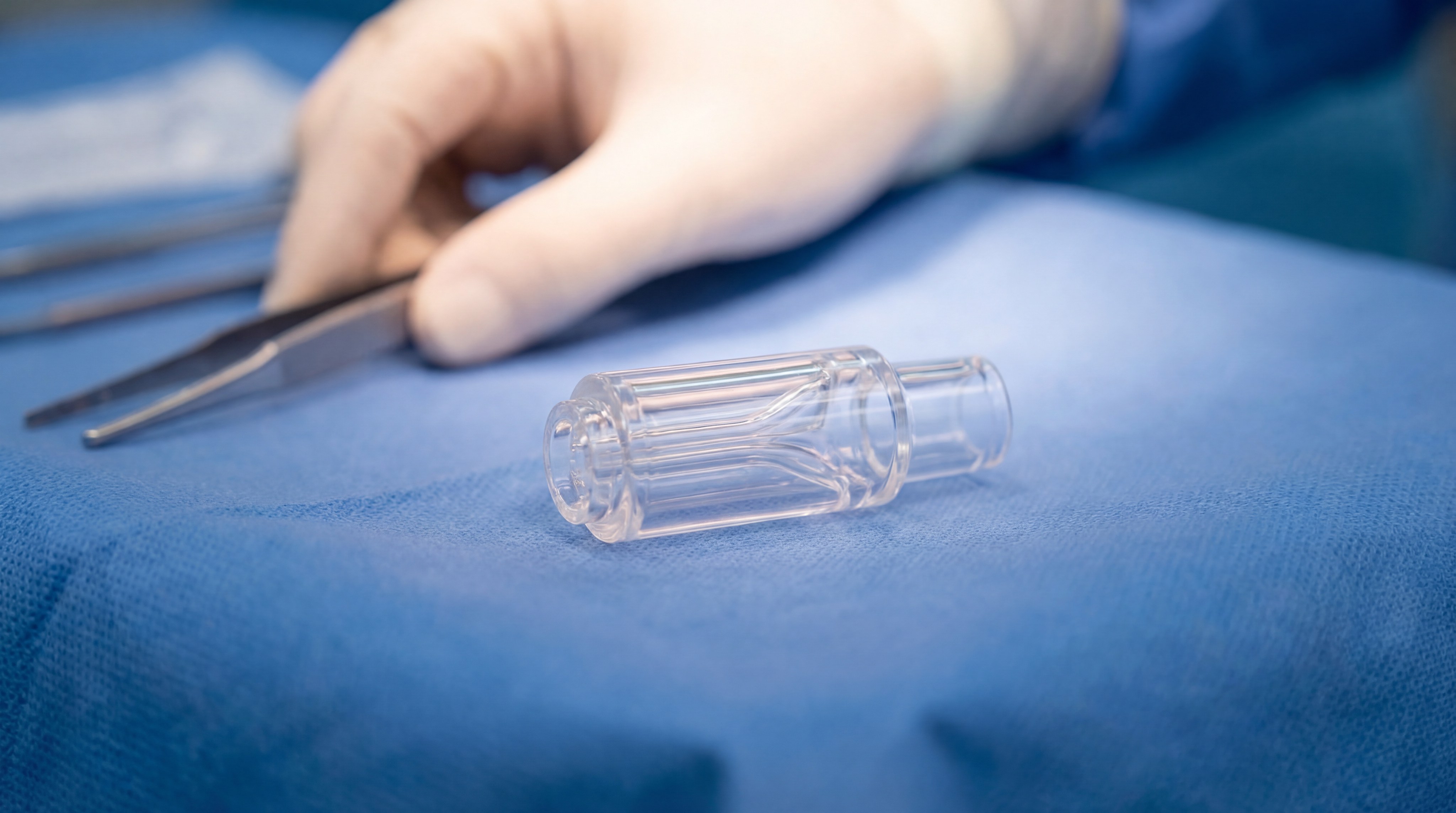
Silicone is the preferred material for medical applications because it is hypoallergenic, biocompatible, and easy to sterilize. If you are evaluating is silicone better than plastic for healthcare, its ability to integrate with human tissue without causing an immune response is unparalleled. This makes it the standard for implants, tubing, and respiratory masks.
Plastics often contain additives that can irritate sensitive skin or cause allergic reactions. Silicone provides a soft, flexible, and safe alternative that is used in the most critical life-saving devices.
Why is silicone used in hospitals?
The material can withstand the intense heat of an autoclave, which is used to kill all forms of life on medical tools. It’s a simple fact: most plastics would simply melt under these sterile processing conditions.
- Hypoallergenic for sensitive patients.
- Biocompatible for long-term implants.
- Sterilizable via autoclave or gamma radiation.
Key Takeaway: The medical industry’s reliance on silicone proves its safety and reliability under the most demanding conditions where human health is literally on the line.
| Medical Property | Silicone | Medical Plastic (PVC) |
|---|---|---|
| Biocompatibility | Exceptional | Moderate |
| Sterilization | High Temp Autoclave | Chemical/Low Temp |
| Latex-Free | Yes | Varies |
The proven track record of silicone in the medical field highlights its status as one of the safest and most reliable materials available today.
Is silicone the ultimate long-term investment for you?
Yes, silicone is the ultimate long-term investment because its durability and safety profile far outweigh the initial higher cost compared to plastic. When you look at the total cost of ownership, the answer to is silicone better than plastic is revealed through years of trouble-free performance. You save money by not having to replace stained, warped, or broken plastic items every year.
Furthermore, the peace of mind that comes from knowing your products are free from harmful chemicals adds intangible value. This makes it a smart choice for both households and businesses looking to optimize their resources.
Is silicone more expensive than plastic?
While the upfront cost of silicone is higher, its lifespan is often ten times longer than that of a comparable plastic item. Believe it or not: this makes it significantly cheaper on a “per-use” basis over several years of service.
- High initial value retention.
- Drastically reduced replacement frequency.
- Multifunctional use across kitchen and home.
Key Takeaway: Switching to silicone is a strategic move that saves money over time while ensuring your environment remains safe from the degradation of plastic products.
| Investment Factor | Silicone | Disposable Plastic |
|---|---|---|
| Initial Cost | Higher | Lower |
| Replacement Cycle | Years | Months |
| Long-term Value | High | Low |
The long-term economic and health benefits of silicone make it the superior choice for anyone looking to build a sustainable and safe environment.
The transition from traditional plastics to high-quality silicone is a powerful step toward a safer, more sustainable lifestyle. We have explored how silicone’s inert nature, extreme temperature resilience, and superior durability provide a clear advantage for food safety, medical care, and environmental protection. Whether you are looking to upgrade your kitchen tools, improve your manufacturing standards, or protect your family from harmful chemicals, silicone offers a high-performance solution that lasts for years. We specialize in providing the highest grade silicone solutions to meet your most demanding needs. Let us help you make the switch to a cleaner future—contact us today to discuss how our custom silicone capabilities can transform your products and your peace of mind. Our vision is a world where safety and durability go hand-in-hand, and silicone is the material leading that charge.
Frequently Asked Questions
Can I put silicone in the microwave?
Yes, silicone is microwave safe and will not leach chemicals into your food even when heated to high temperatures. Its thermal stability ensures it remains solid and safe throughout the heating process.
What’s the best way to clean silicone?
Yes, you can easily clean silicone in a standard dishwasher or with warm, soapy water. For deeper cleaning, you can even boil it in water, which is a sanitization method that most plastics cannot survive.
How do I know if my silicone is high quality?
It depends on the certification and physical testing, but you can check for LFGB or FDA labels on the packaging. You can also perform the “pinch test” by twisting a small section; if it stays the same color, it is likely pure silicone.
Can I bake with silicone?
Yes, silicone is excellent for baking because it is heat-stable up to 230°C and naturally non-stick. This eliminates the need for grease or parchment paper, making your baking process cleaner and more efficient.
How do I dispose of silicone responsibly?
It depends on your local facilities, but you should look for specialized silicone recycling programs or manufacturer take-back schemes. While it is inert in a landfill, repurposing it through dedicated channels is always the best environmental choice.