
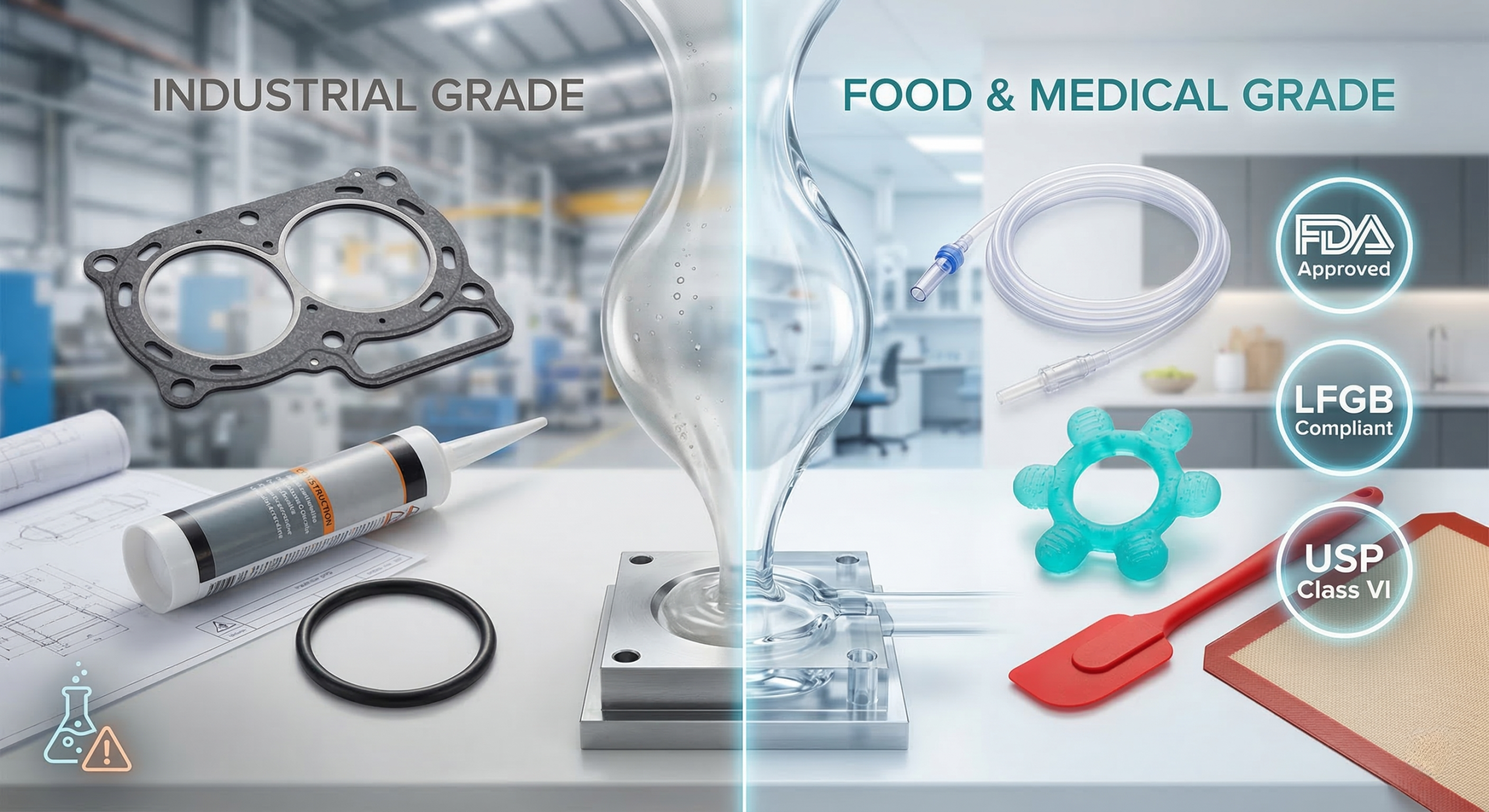
The primary difference lies in chemical purity and safety certifications, as food-grade silicone is specifically formulated to be non-toxic and free from harmful fillers found in industrial-grade silicone. Navigating the world of elastomer selection can be overwhelming when your product’s safety and regulatory compliance are on the line. Failing to distinguish between these materials can lead to chemical leaching, product recalls, and significant damage to your brand’s reputation in highly regulated markets. Partnering with a specialized manufacturer allows you to mitigate these risks through rigorous material testing and certified production processes. Is medical grade silicone the same as food grade silicone? Is medical grade silicone the same as food grade silicone?
1. What is silicone and how is it manufactured?
Silicone is a synthetic polymer derived from silica, oxygen, carbon, and hydrogen, created through a multi-stage chemical synthesis process that results in a highly durable and flexible elastomer. When evaluating high-performance materials for your next project, you might wonder: Is medical grade silicone the same as food grade silicone? Is medical grade silicone the same as food grade silicone?
The chemical synthesis of polymers
The manufacturing of silicone begins with the extraction of silicon from silica (sand), which is then reacted with methyl chloride to produce silanes. These silanes are further processed through distillation and hydrolysis to form the polymer backbone that gives silicone its unique heat-resistant and chemical-resistant properties.
But here is the kicker:
- Silicone remains stable from -60°C to over 200°C.
- It possesses a non-reactive nature ideal for sensitive environments.
- The material is inherently waterproof and UV-resistant.
Industrial vs specialized grades
General-purpose silicone is often cured using peroxide, which can leave behind acidic byproducts or volatile organic compounds (VOCs). These industrial grades are excellent for automotive gaskets or construction sealants but are generally unsuitable for applications involving human ingestion or internal contact.
The best part?
A specialized manufacturer can tailor the polymer chain to enhance specific physical properties like tear strength or elongation. This level of customization ensures that the final component performs reliably under the specific mechanical stresses of your intended application.
Key Takeaway: While all silicone starts from the same base elements, the refinement process and curing agents used determine whether the final product is suitable for industrial use or sensitive consumer goods.
| Feature | Industrial Silicone | Food-Grade Silicone |
|---|---|---|
| Base Polymer | Standard Siloxane | High-Purity Siloxane |
| Curing Agent | Often Peroxide | Typically Platinum |
| Chemical Fillers | May contain additives | BPA and Phthalate Free |
| Primary Use | Gaskets & Seals | Kitchenware & Baby Care |
Understanding the manufacturing root of these elastomers is essential for predicting how they will behave in demanding environments.
2. What makes silicone qualify as food-grade?
Food-grade silicone qualifies as such by meeting strict regulatory standards that ensure it is non-toxic, odorless, and resistant to leaching chemicals when in contact with food. Many procurement managers are curious if a single material can serve multiple high-purity roles, specifically asking: Is medical grade silicone the same as food grade silicone?
Structural purity and safety
Food-grade silicone is manufactured without the use of harmful fillers like BPA, BPS, or phthalates, which are common in cheaper industrial plastics. This purity ensures that the material does not impart any flavor or odor to the food products it touches, maintaining the integrity of the end-user’s experience.
Think about it:
- It must be 100% free from heavy metal contaminants.
- The material should exhibit low volatile matter content.
- It must pass strict “leach tests” in various pH environments.
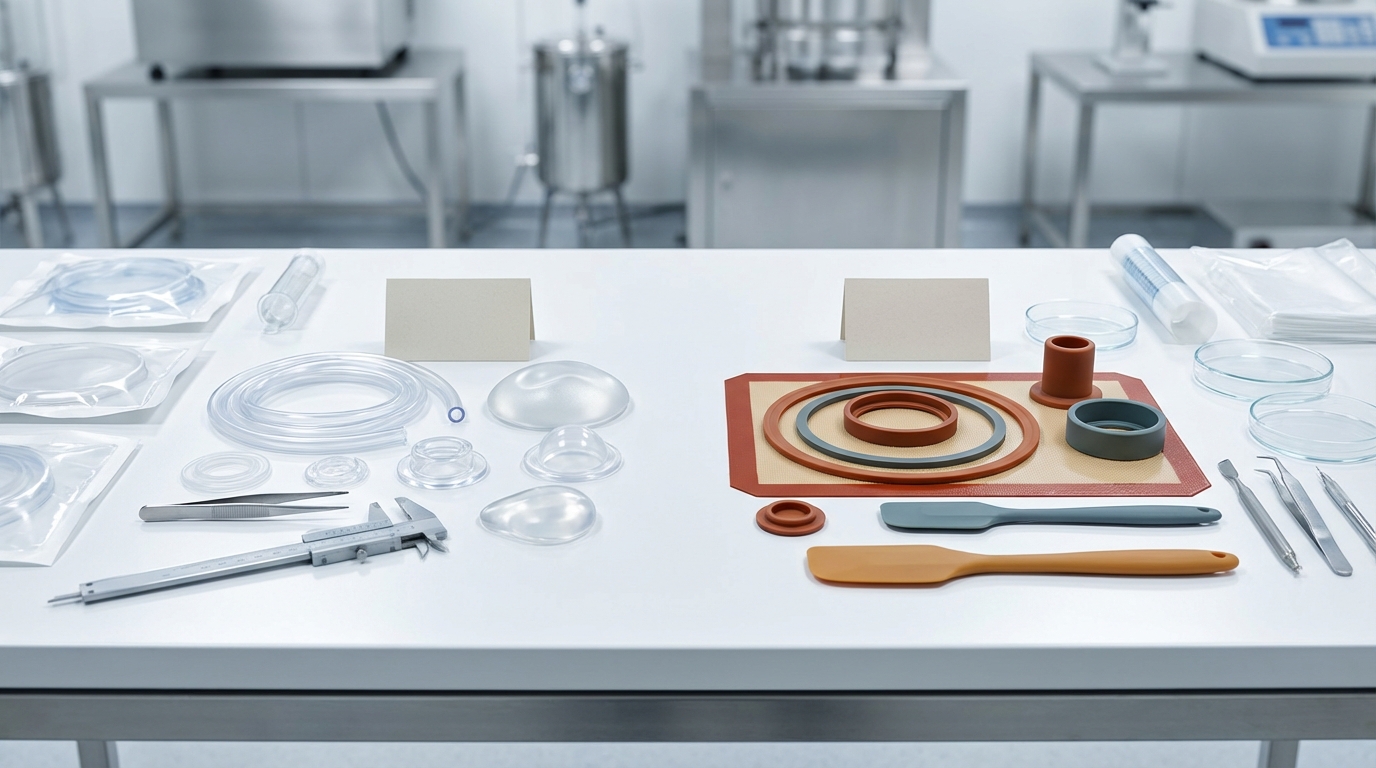
Bacterial and thermal resistance
Beyond chemical safety, food-grade silicone is naturally non-porous, making it highly resistant to bacterial growth and mold. This makes it the gold standard for reusable containers and kitchen tools that require frequent sanitization at high temperatures without degrading the material’s physical structure.
Here is the deal:
- It is dishwasher, microwave, and freezer safe.
- The material does not crack or peel like traditional plastics.
- It maintains flexibility even after thousands of heating cycles.
Key Takeaway: Qualification for food-grade status is a rigorous process involving chemical testing to ensure the material remains inert and safe across a wide range of temperatures and food types.
| Characteristic | Requirement for Food Grade | Impact on Safety |
|---|---|---|
| Toxicity | Zero BPA/Phthalates | Prevents endocrine disruption |
| Odor | Neutral/Odorless | Maintains food flavor profiles |
| Porosity | Non-porous surface | Inhibits microbial colonization |
| Stability | High Thermal Range | Prevents melting or leaching |
Selecting the right grade ensures that your product complies with global health safety mandates while providing a long-lasting solution for consumers.
3. Is medical grade silicone the same as food grade silicone?
While both materials prioritize high purity and non-toxicity, medical-grade silicone undergoes more stringent biocompatibility testing to ensure it is safe for long-term contact with human tissue or fluids. When comparing these two high-tier elastomers, engineers frequently ask: Is medical grade silicone the same as food grade silicone? Is medical grade silicone the same as food grade silicone?
Biocompatibility and USP Class VI
Medical-grade silicone is typically tested according to USP Class VI standards, which involve systemic toxicity and intracutaneous reactivity tests. While food-grade silicone focuses on preventing chemical leaching into consumables, medical-grade silicone must prove it will not cause an immune response when placed inside the human body.
The reality?
- Medical grade often requires ISO 13485 manufacturing environments.
- It must be sterilized easily using autoclaves or gamma radiation.
- The documentation required for medical parts is significantly more extensive.
Overlap in high-purity applications
In many cases, a medical-grade silicone will meet and exceed all food-grade requirements, making it a “super-set” material. However, using medical-grade silicone for a simple kitchen spatula would be cost-prohibitive due to the expensive validation and cleanroom overhead associated with medical production.
Why does this matter?
- Food-grade is optimized for cost-effective safety in consumer goods.
- Medical-grade is optimized for risk mitigation in healthcare.
- Choosing the correct tier saves significant overhead costs during mass production.
Key Takeaway: Medical-grade silicone is a higher tier of material that includes rigorous biocompatibility validation, whereas food-grade silicone focuses primarily on chemical safety for ingestion.
| Standard | Food Grade (FDA/LFGB) | Medical Grade (USP Class VI) |
|---|---|---|
| Testing Focus | Chemical Leaching | Biocompatibility |
| Environment | Standard Managed Factory | Cleanroom (Class 10k/100k) |
| Certifications | FDA 21 CFR 177.2600 | ISO 10993 Compliance |
| Common Use | Baking Mats, Teethers | Implants, Catheters |
Strategic material selection involves balancing the necessary safety certifications with the commercial realities of your product’s market.
4. How do fillers impact general silicone performance?
Fillers in general-grade silicone are often used to reduce manufacturing costs, but they can negatively impact the material’s flexibility, durability, and safety profile. When analyzing the cost-to-performance ratio, many buyers investigate the underlying chemistry and ask: Is medical grade silicone the same as food grade silicone?
Identifying low-quality additives
Cheap industrial silicone often contains calcium carbonate or other mineral fillers that dilute the pure silicone polymer. While these additives make the raw material less expensive, they create microscopic gaps in the polymer matrix, which can trap bacteria or lead to premature cracking under thermal stress.
It gets worse:
- Fillers can leach out and cause skin irritation.
- They significantly reduce the material’s “tear strength.”
- Discoloration occurs much faster in filled silicone.
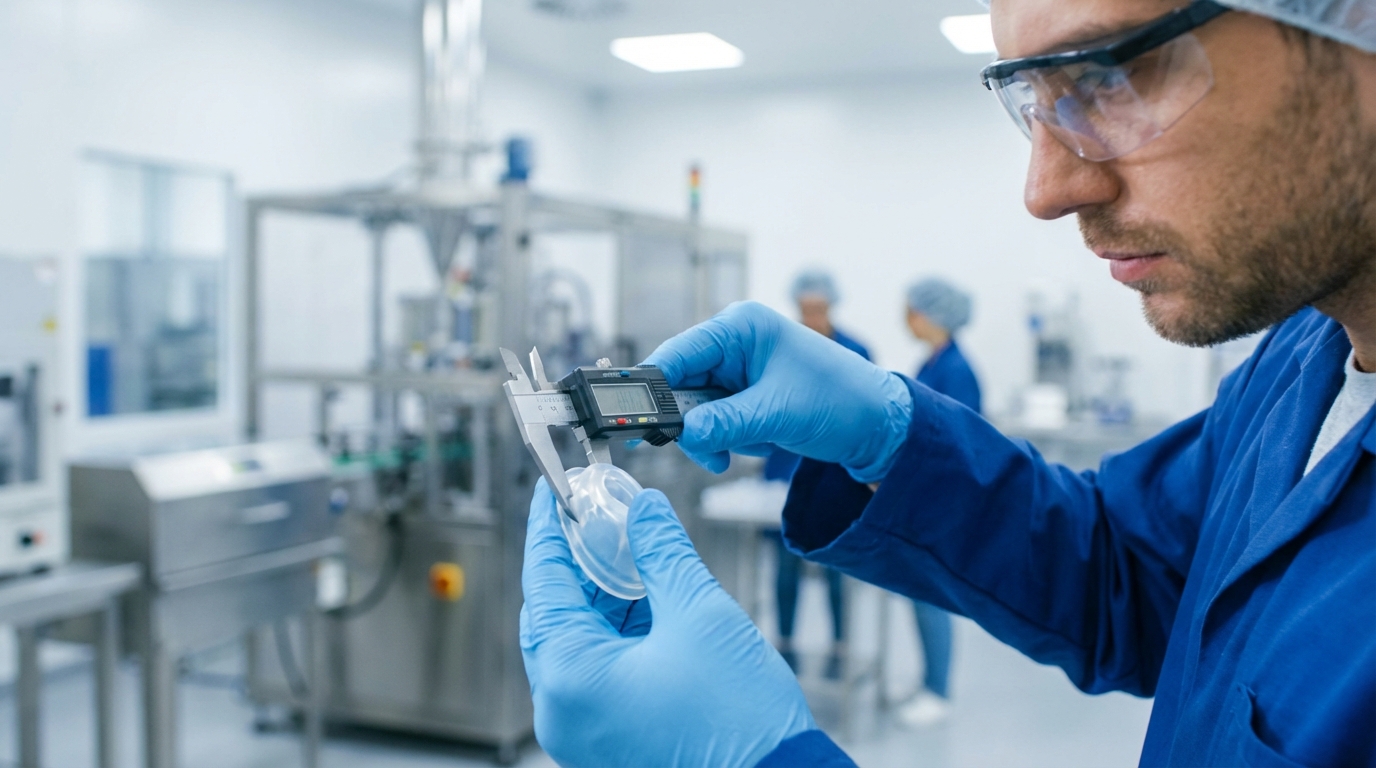
The “Pinch Test” reality
A common way to detect high filler content is the “pinch test,” where the silicone is twisted or pinched. If the material turns white at the stress point, it indicates the presence of fillers; pure, food-grade silicone will maintain its color even when stretched to its limit.
The bottom line?
- Pure silicone offers superior “rebound” or compression set.
- It stays transparent or maintains vibrant colors longer.
- High-purity materials are easier to clean and maintain.
Key Takeaway: Avoiding fillers is critical for applications involving high heat or hygiene, as pure silicone provides the structural integrity and safety that industrial-grade alternatives lack.
| Property | Pure Silicone (Unfilled) | Industrial Silicone (Filled) |
|---|---|---|
| Stretch Test | Maintains consistent color | Turns white or cloudy |
| Durability | High resistance to tearing | Prone to cracking/splitting |
| Hygiene | Smooth, non-porous | Micro-pores can trap grime |
| Cost | Premium pricing | Budget-friendly |
The presence of fillers is a primary differentiator that separates professional-grade components from low-quality consumer imitations.
5. What certifications define food-safe silicone products?
The primary certifications for food-safe silicone are FDA 21 CFR 177.2600 in the United States and LFGB (Lebensmittel- und Futtermittelgesetzbuch) in Europe. When sourcing from international suppliers, the distinction between these standards becomes vital, especially when clarifying: Is medical grade silicone the same as food grade silicone? Is medical grade silicone the same as food grade silicone?
FDA vs LFGB standards
While the FDA standard is widely recognized, the German LFGB standard is generally considered more stringent, involving tougher testing for odors and volatile organic compounds. Products that pass LFGB testing are deemed safe for the European market and are often viewed as a “premium” food-grade choice globally.
Keep this in mind:
- FDA focuses on the total amount of extractables.
- LFGB includes specific sensory testing (taste/smell).
- Both require traceability of raw material batches.
Ensuring global compliance
For manufacturers exporting to multiple regions, achieving both FDA and LFGB compliance is the most efficient path to market entry. These certifications provide the necessary documentation to pass customs and satisfy the quality assurance audits of large-scale B2B retailers.
What is the best part?
- Certification builds immediate consumer trust.
- It reduces the risk of legal liability in case of failures.
- It streamlines the onboarding process with global distributors.
Key Takeaway: Look for explicit testing reports from third-party labs (like SGS or TUV) to verify that the silicone meets the specific regional standards required for your target market.
| Certification | Region | Key Requirement |
|---|---|---|
| FDA | North America | Extraction limit testing |
| LFGB | Europe (Germany) | Stringent sensory & VOC tests |
| EU 1935/2004 | European Union | General food contact safety |
| REACH/RoHS | International | Chemical hazard restriction |
Navigating these regulatory frameworks is a core competency of top-tier silicone manufacturers, ensuring your products are ready for the global stage.
6. Can general silicone be used in food applications?
General-purpose silicone should never be used in direct food contact applications because it contains curing byproducts and additives that are not approved for human ingestion. This safety boundary is absolute, even though people often confuse different tiers by asking: Is medical grade silicone the same as food grade silicone?
Risks of industrial additives
Industrial silicones often utilize peroxide catalysts, which leave behind “blooming” residues—a white, powdery substance that can migrate into food. Furthermore, these grades may contain anti-fungal agents or other chemicals designed for construction durability that are toxic if consumed.
Think about it:
- Accidental ingestion of industrial byproducts is a health risk.
- Chemical odors from industrial silicone can ruin food batches.
- Regulatory fines for using non-compliant materials can be massive.
Proper application mapping
General silicone is perfectly suited for automotive engine gaskets, waterproof seals for electronics, and architectural joints where safety from ingestion is not a factor. Using the right material for the right job ensures both safety and cost-efficiency across your entire supply chain.
Here is the deal:
- Always verify the “Technical Data Sheet” (TDS).
- Request a “Material Safety Data Sheet” (MSDS).
- Ensure the factory segregates food-grade and industrial lines.
Key Takeaway: Cross-contamination and improper material usage are the leading causes of product failures; always insist on certified food-grade stock for any culinary or baby-care application.
| Factor | Food-Grade Usage | Industrial-Grade Usage |
|---|---|---|
| Direct Contact | Permitted (Certified) | Strictly Prohibited |
| Leaching Risk | Negligible | High (Chemical byproducts) |
| Flavor Impact | None | Potential chemical taste |
| Regulatory Status | Approved for ingestibles | Not approved for consumables |
Correct application mapping prevents costly manufacturing errors and protects the health of the end-user.
7. Why is platinum-cured silicone preferred for safety?
Platinum-cured silicone is preferred for high-purity applications because it does not produce the harmful chemical byproducts typically associated with peroxide-curing methods. When safety is the top priority for a project, the conversation inevitably turns to material purity: Is medical grade silicone the same as food grade silicone? Is medical grade silicone the same as food grade silicone?
The chemistry of cleanliness
During the platinum curing (addition) process, no volatile byproducts are created, resulting in a cleaner, more stable elastomer that is perfect for food and medical use. In contrast, peroxide curing involves a “post-cure” bake to remove acids, which may not be 100% effective in lower-quality manufacturing setups.
Why does this matter?
- Platinum-cured parts have better clarity and transparency.
- They exhibit superior dimensional stability over time.
- There is zero risk of “peroxide bloom” on the surface.
Performance in sensitive environments
Platinum-cured silicone is also more resistant to yellowing and maintains its physical properties longer than peroxide-cured alternatives. This makes it the ideal choice for aesthetic consumer products, like high-end kitchenware or wearable technology, where appearance is as important as safety.
The best part?
- It offers better consistency between production batches.
- It is more compatible with high-speed LSR injection molding.
- It meets the most stringent global safety requirements easily.
Key Takeaway: While more expensive than peroxide-cured options, platinum-cured silicone is the industry standard for any product requiring the highest levels of safety and aesthetic clarity.
| Curing Method | Peroxide Cured | Platinum Cured |
|---|---|---|
| Byproducts | Acidic/Volatile | None |
| Clarity | Can be yellowish | Optically clear |
| Price Point | Lower cost | Premium cost |
| Post-Curing | Necessary to remove VOCs | Usually optional |
Investing in platinum-cured materials is a proactive step toward ensuring your product meets the highest safety benchmarks in the industry.
8. How does LSR molding improve food-grade precision?
Liquid Silicone Rubber (LSR) injection molding provides unparalleled precision and consistency for food-grade parts, minimizing human error and material contamination. This advanced manufacturing route is often used for high-complexity parts, leading many to ask: Is medical grade silicone the same as food grade silicone?
Automated, closed-system production
LSR molding uses a closed-loop system where the raw liquid silicone is pumped directly from drums into the molding machine, preventing exposure to dust or ambient contaminants. This “hands-free” process is essential for maintaining the purity levels required for food-grade and medical-grade certifications.
Look at the benefits:
- High-speed cycles for efficient mass production.
- Extremely tight tolerances for complex geometries.
- Minimal flash or waste compared to compression molding.
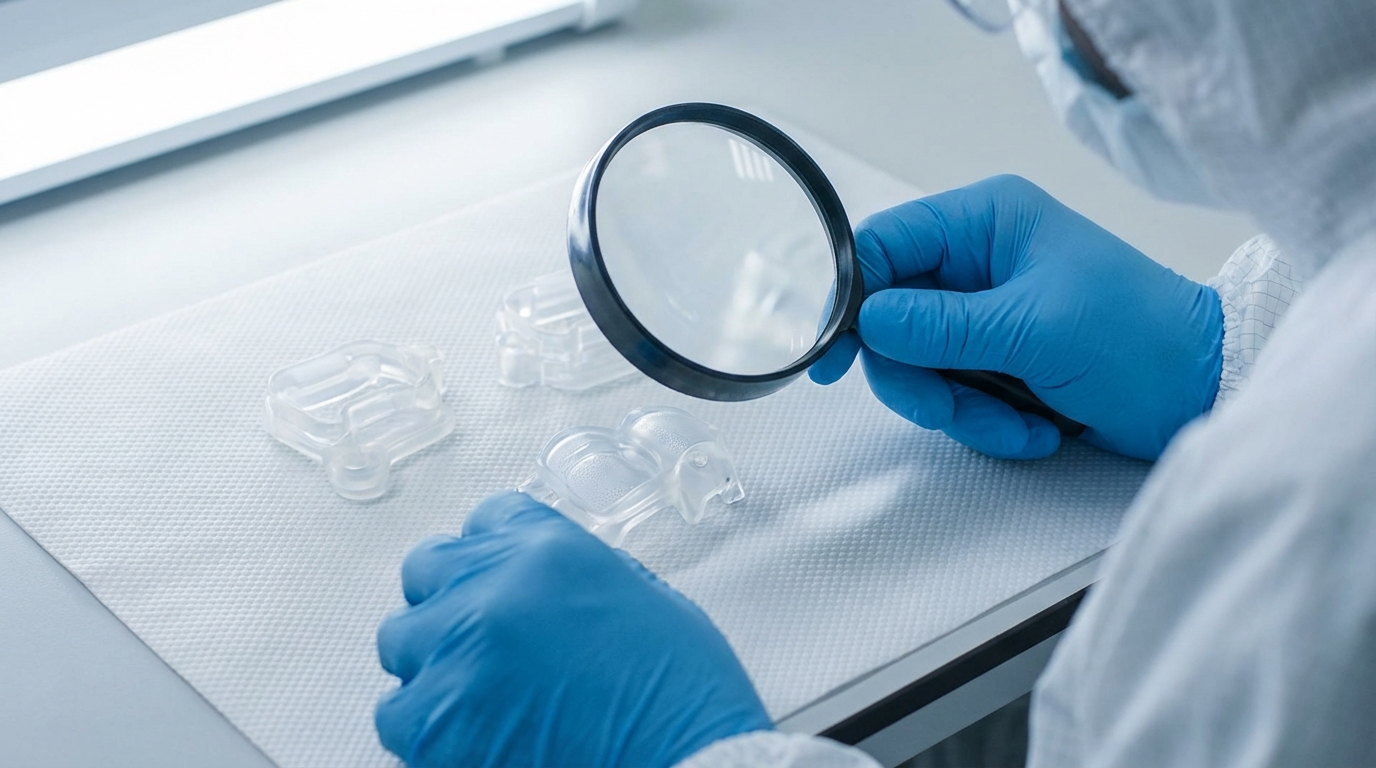
Consistency across large batches
Because the process is highly automated, every part from the first to the millionth is identical in weight, dimension, and physical properties. This reliability is critical for B2B buyers who need to ensure that their components will fit perfectly into automated assembly lines.
Why does this matter?
- It reduces the need for secondary manual trimming.
- It ensures 100% repeatability of functional features.
- It lowers the overall “cost per part” at high volumes.
Key Takeaway: LSR injection molding is the superior choice for high-volume, high-precision food-grade components where hygiene and consistency are non-negotiable.
| Metric | Compression Molding | LSR Injection Molding |
|---|---|---|
| Precision | Medium | High |
| Labor Intensity | High (Manual) | Low (Automated) |
| Contamination Risk | Moderate | Very Low |
| Volume Suitability | Low to Medium | High to Very High |
Selecting the right molding process is as important as selecting the material when it comes to the success of your product launch.
9. What are the common uses for food-grade silicone?
Food-grade silicone is used in a vast array of products, ranging from kitchen utensils and baking mats to baby bottle nipples and pet care accessories. Diversifying your product line often leads to questions about material interchangeability, such as: Is medical grade silicone the same as food grade silicone? Is medical grade silicone the same as food grade silicone?
Kitchenware and culinary tools
In the modern kitchen, silicone has replaced many traditional materials due to its heat resistance and non-stick properties. Items like spatulas, muffin tins, and oven mitts benefit from silicone’s ability to withstand extreme oven temperatures while remaining cool enough to touch shortly after.
Think about it:
- It won’t scratch expensive non-stick cookware.
- It is far more durable than wood or plastic.
- Vibrant colors can be easily integrated into the design.
Mother and baby care essentials
Because it is soft, hypoallergenic, and easy to sterilize, food-grade silicone is the preferred material for baby teethers, pacifiers, and breast pump components. Its biocompatible nature ensures that even the most sensitive users are protected from harmful chemical exposure.
The best part?
- It can be cooled in the freezer to soothe gums.
- It is bite-resistant and won’t break into small pieces.
- Silicone is odorless, so it won’t interfere with feeding.
Key Takeaway: The versatility of food-grade silicone makes it a foundational material for any industry focusing on human health, hygiene, and long-term durability.
| Industry | Common Applications | Primary Benefit |
|---|---|---|
| Culinary | Baking mats, molds, spatulas | Heat resistance & non-stick |
| Baby Care | Pacifiers, teethers, spoons | Softness & non-toxicity |
| Pet Care | Collapsible bowls, chew toys | Durability & safety |
| Appliances | Coffee maker seals, gaskets | Chemical & steam resistance |
Identifying common use cases helps in benchmarking your product against industry leaders who prioritize high-quality material standards.
10. How can you identify genuine food-grade silicone?
Identifying genuine food-grade silicone requires a combination of visual inspection, physical testing, and verifying official manufacturer documentation. Even for experienced procurement officers, the nuances can be subtle, leading back to the question: Is medical grade silicone the same as food grade silicone?
Visual and physical indicators
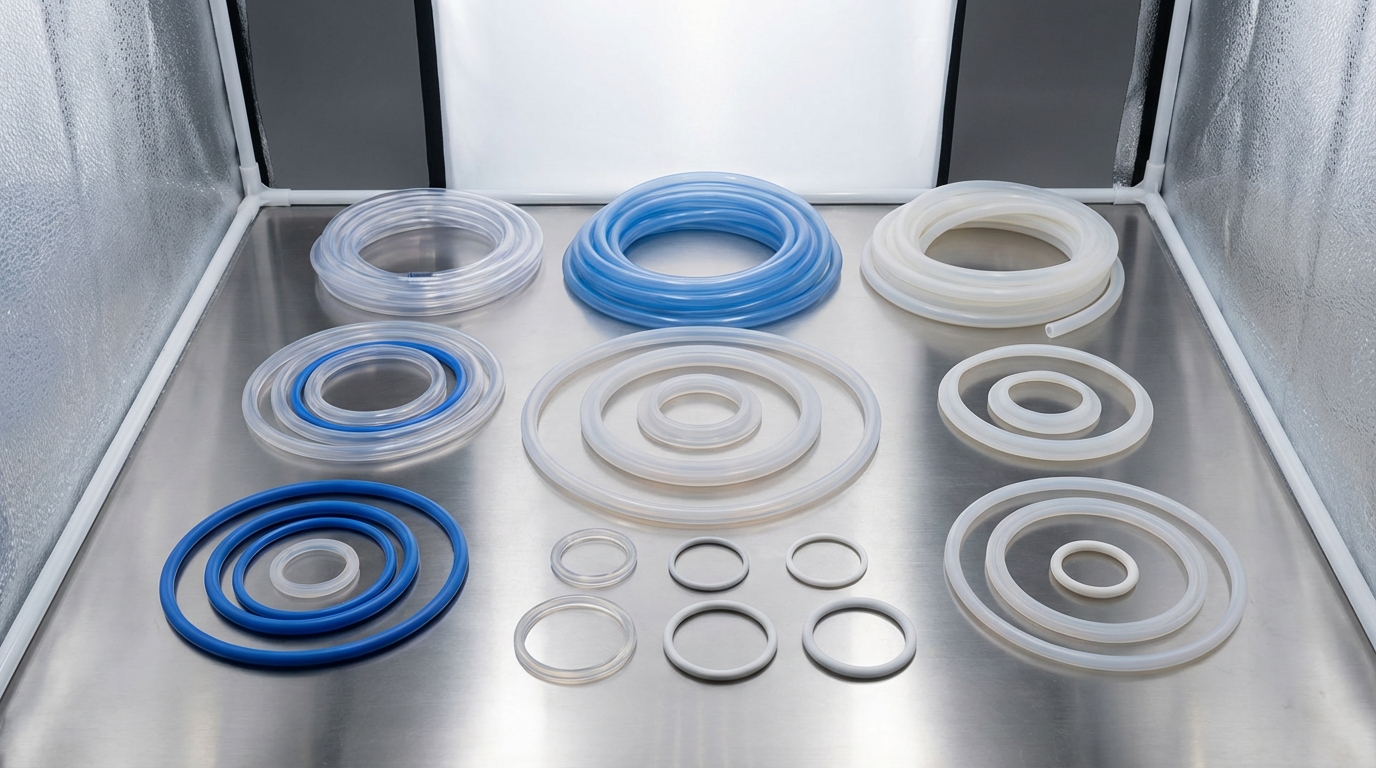
High-quality food-grade silicone is usually odorless and has a very smooth, consistent surface finish. If you detect a strong chemical or “burnt rubber” smell, it is a significant red flag that the material contains industrial-grade fillers or has not been properly post-cured.
Here is a quick checklist:
- Perform the “Pinch Test” for white stress marks.
- Check for a high-gloss or matte finish consistency.
- Inspect the material for clarity if it is a “translucent” grade.
Documentation and traceability
A professional manufacturer will provide a Certificate of Analysis (COA) for every batch of material used. This document tracks the raw material back to its source and confirms it has passed specific FDA or LFGB testing protocols.
Why does this matter?
- It provides a legal “paper trail” for your supply chain.
- It ensures consistency if you switch production runs.
- It is required by most major retail quality inspectors.
Key Takeaway: Never rely on visual inspection alone; always demand third-party lab reports and official material certifications to guarantee your product’s safety.
| Verification Method | What to Look For | Warning Signs |
|---|---|---|
| The Pinch Test | Color remains the same | Turns white when stretched |
| The Smell Test | No discernible odor | Chemical or “plastic” scent |
| Lab Reports | Valid FDA/LFGB certificates | Expired or missing documents |
| Surface Finish | Smooth and non-tacky | Sticky or gritty texture |
Establishing a robust verification process is the final step in ensuring your silicone components meet the rigorous demands of your industry.
Conclusion
Understanding the difference between general and food-grade silicone is essential for any business operating in the consumer, medical, or food-processing sectors. While general silicone serves industrial needs, food-grade silicone provides the non-toxic, chemical-free performance required for safety-critical applications. By choosing the right grade and curing method—such as platinum-curing—you eliminate the risks of contamination and ensure long-term product reliability.
At HuaLin Silicone, we specialize in helping you navigate these complex material choices through expert DFM support and ISO-certified manufacturing. Whether you need high-precision LSR molding or custom-engineered food-grade parts, our team in Dongguan is ready to transform your designs into market-ready products. We bridge the gap between concept and mass production with in-house tooling and 100% quality inspection.
Our vision is to elevate global manufacturing standards by providing traceable, high-performance silicone solutions that protect both your brand and the end-user. We are committed to transparency, compliance, and engineering excellence in every part we produce. To start your journey toward safer, more reliable products, reach out to our experts today for a comprehensive quote and DFM review.
FAQ
Is silicone safe for food contact?
Yes, but only if it is explicitly labeled and certified as food-grade or medical-grade. Standard industrial silicone may contain fillers or curing byproducts that leach harmful chemicals into food, so always verify FDA or LFGB compliance before use.
Can I microwave food-grade silicone products?
Absolutely. Food-grade silicone is highly heat-stable and does not absorb microwave radiation, making it safe for use in ovens and microwaves up to 230°C. Unlike plastic, it won’t melt or release toxic fumes during the heating process.
How do I clean food-grade silicone to keep it safe?
The best way is to use warm, soapy water or place it in the dishwasher. Because silicone is non-porous, it doesn’t trap food particles, but you should avoid using abrasive scrubbers that could scratch the surface and create hiding spots for bacteria.
What is the lifespan of a food-grade silicone part?
Usually, food-grade silicone can last for many years even with daily use. It is resistant to UV, ozone, and extreme temperatures, meaning it won’t become brittle or crack over time like traditional rubber or low-quality plastics.
Does food-grade silicone contain BPA?
No, genuine food-grade silicone is naturally BPA-free. BPA is a chemical found in certain hard plastics (polycarbonates), but it is not used in the synthesis or curing of high-purity silicone elastomers.