
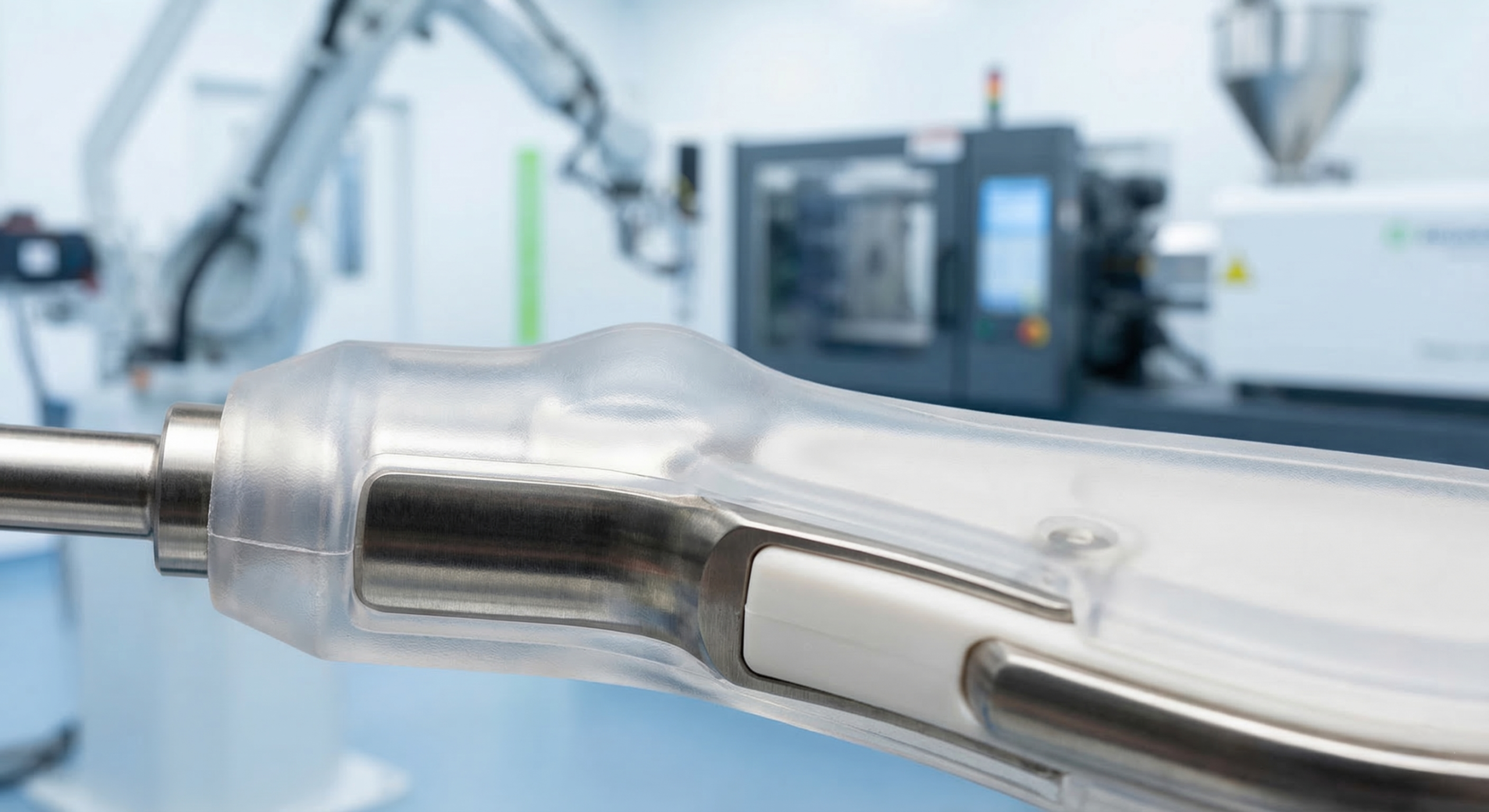
Silicone overmolding is the strategic manufacturing process of molding a silicone elastomer directly onto a secondary substrate to create a single, high-performance component. In a competitive B2B landscape, failing to integrate materials correctly leads to expensive scrap rates and compromised product seals. You deserve a partner who understands the complexities of bonding and thermal expansion to ensure your project succeeds. By utilizing advanced Liquid Silicone Rubber (LSR) techniques, you can solve these engineering hurdles and launch your products with total confidence. Before you begin your next project, you might ask: Can you overmold silicone onto plastic or metal?
What is silicone overmolding exactly?
Silicone overmolding is a multi-step injection process where a silicone rubber layer is permanently bonded to a rigid part, such as a thermoplastic or metal insert. When you are evaluating the feasibility of a new design, the most common question is: can you overmold silicone onto plastic or metal? This technique is essential for creating medical-grade silicon parts that require soft-touch grips or hermetic seals. By combining two materials, you eliminate the need for manual assembly and reduce the risk of secondary contamination.
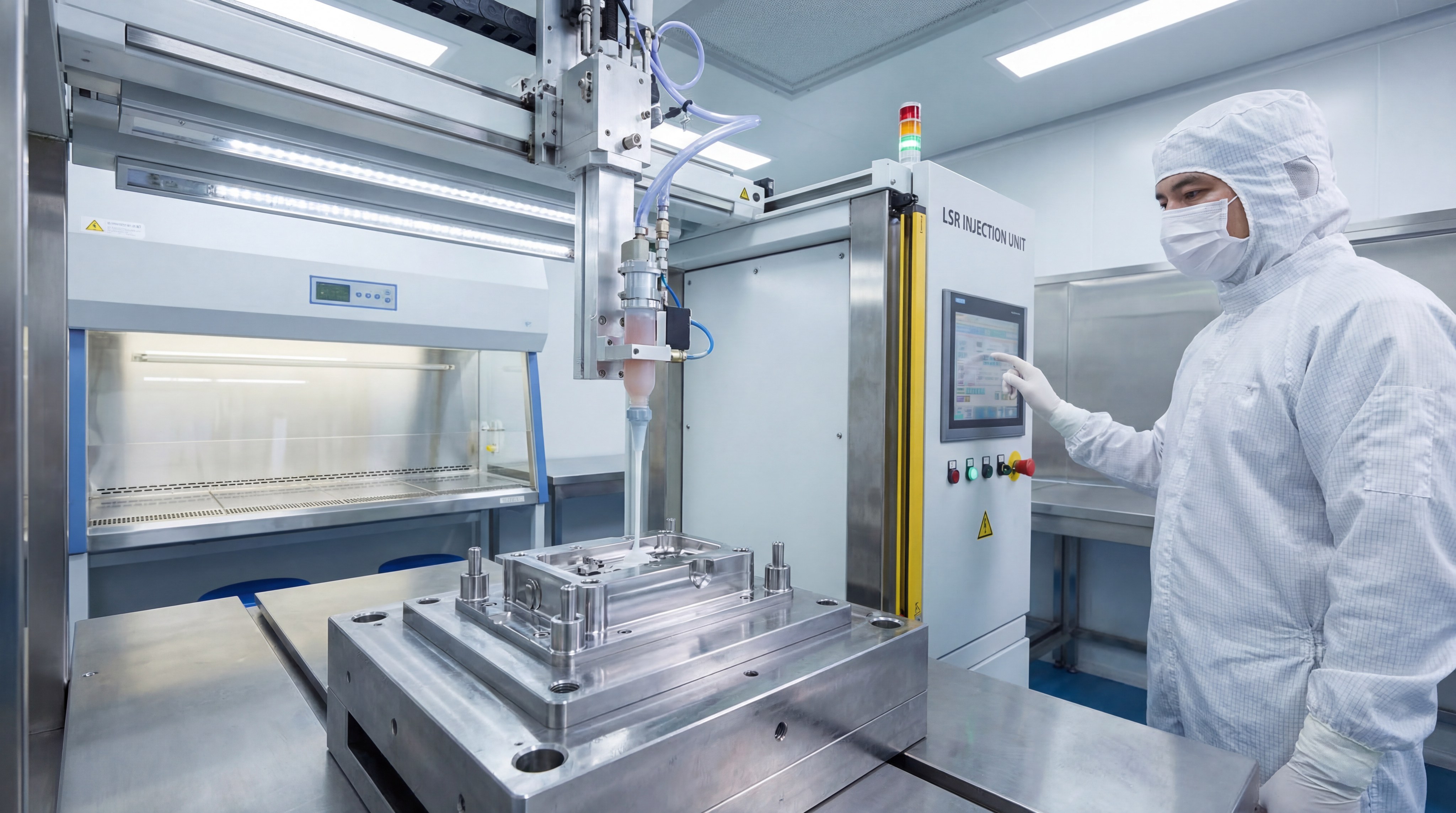
The mechanical overmolding process
The process begins by placing a pre-molded substrate into the cavity of an overmolding tool. Once the tool is clamped, the silicone material is injected at controlled temperatures and pressures to encapsulate the part.
- Insert Placement: The substrate is secured via pins or robotic arms.
- Injection Cycle: Silicone flows into the cavity, filling the designed geometry.
- Curing Phase: Heat is applied to cross-link the silicone molecules.
- Demolding: The finished hybrid part is ejected as a single unit.
Chemical bonding and adhesion
Maintaining a strong bond between the layers is the most critical factor in successful manufacturing. Here is why it matters: without chemical or mechanical adhesion, the silicone will delaminate under stress.
You can achieve this through surface primers or self-bonding LSR grades designed for specific substrates. These materials create a molecular link that is often stronger than the material itself.
Key Takeaway: You benefit from reduced assembly costs and improved part durability by integrating silicone overmolding into your early design phases.
| Process Component | Role in Production | Primary Benefit |
|---|---|---|
| Substrate | Provides structural rigidity | Dimensional stability |
| Silicone Layer | Adds functionality (seal/grip) | Protection and comfort |
| Bonding Agent | Links the two materials | Prevents delamination |
This table outlines the fundamental interaction between material layers during the overmolding cycle.
Can you overmold silicone onto plastic or metal?
Yes, you can overmold silicone onto a diverse array of plastics and metals provided the substrate can withstand the curing temperatures required for silicone cross-linking. When specifically asking can you overmold silicone onto plastic or metal?, the answer depends on the material’s heat deflection temperature. Metals like stainless steel are inherently compatible, while plastics must be carefully selected for thermal stability. Our team helps you navigate these material choices to ensure your lsr communication parts meet strict IP ratings.
Overmolding onto high-temp plastics
Thermoplastics are widely used for the structural core of overmolded components. But there’s a catch: if the plastic melts at the silicone curing temperature, the part will deform.
We typically recommend engineering resins like PEEK, PPS, or Polycarbonate. These materials maintain their shape during the 150°C to 180°C curing cycle.
Overmolding onto metal substrates
Metals provide the highest level of structural integrity for heavy-duty industrial or medical applications.
- Stainless Steel: Ideal for medical tools and surgical handles.
- Aluminum: Lightweight and provides excellent heat dissipation.
- Brass/Copper: Often used in electrical connectors and pins.
- Titanium: Selected for high-end aerospace and implantable devices.
Key Takeaway: You gain a competitive edge by combining the strength of rigid materials with the protective qualities of silicone in one step.
| Substrate Type | Compatibility | Surface Prep Required |
|---|---|---|
| Engineering Plastics | High | Primers or Self-bonding LSR |
| Stainless Steel | Excellent | Plasma or Particulate Blasting |
| Commodity Plastics | Low | Mechanical Interlocks Only |
Choosing the right substrate ensures the silicone layer remains permanently attached throughout the product lifecycle.
Why choose silicone for overmolding?
Silicone is chosen for overmolding because it offers unparalleled flexibility, biocompatibility, and resistance to environmental extremes. If you are still questioning can you overmold silicone onto plastic or metal?, consider the benefits of a material that remains stable from -60°C to over 200°C. This makes silicone the gold standard for baby care products and high-performance automotive seals. Its ability to absorb shock while providing a waterproof barrier is unmatched by other elastomers.
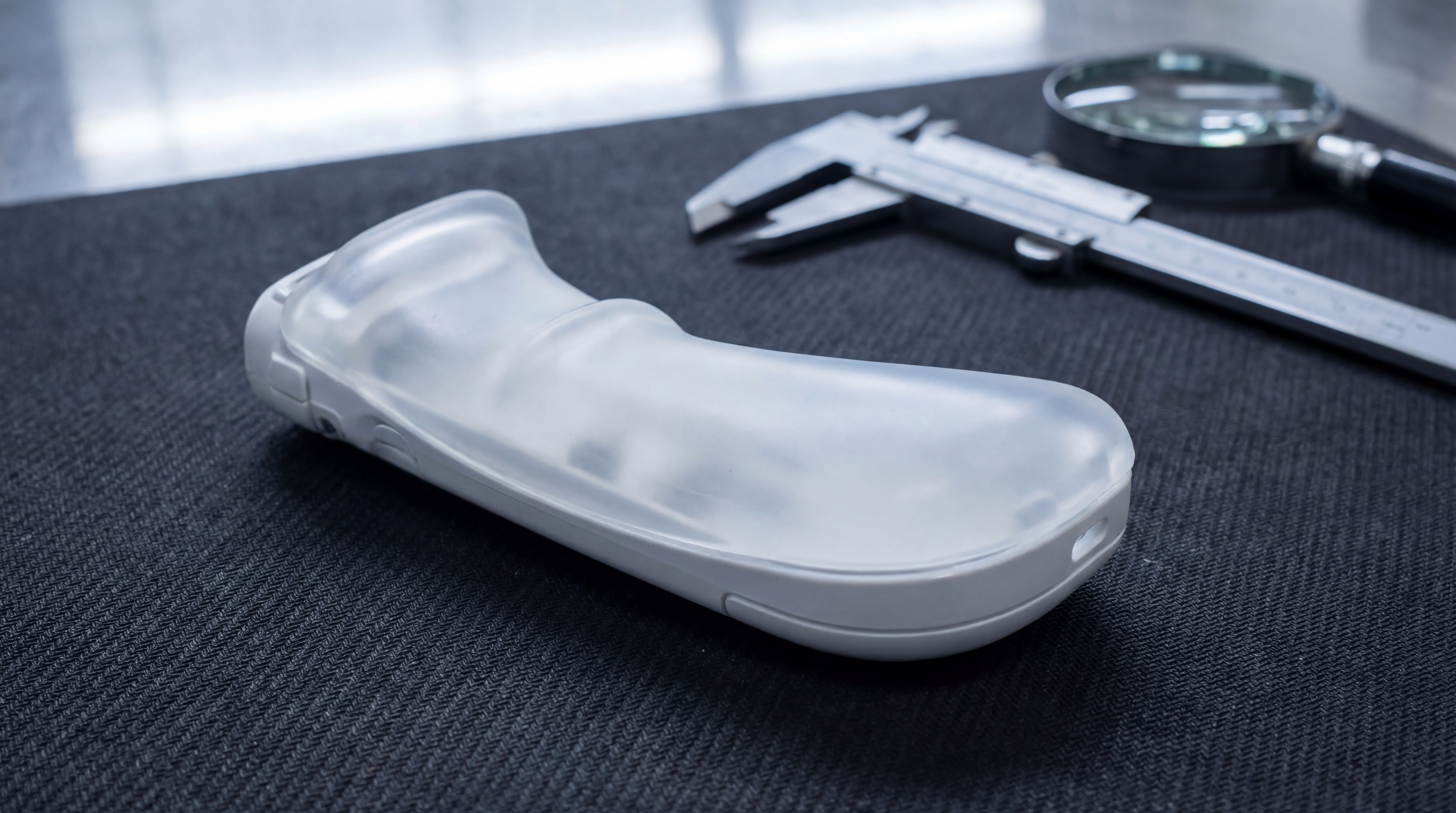
Superior environmental resistance
Silicone rubber is naturally resistant to UV radiation, ozone, and harsh chemicals. Think about this: most plastics degrade when exposed to the sun or cleaning agents, but silicone maintains its properties.
This longevity makes it the ideal choice for outdoor equipment and sterilized medical devices. You won’t have to worry about the material cracking or becoming brittle over time.
Biocompatibility and safety
Silicone is non-toxic and hypoallergenic, making it safe for prolonged skin contact.
- FDA Compliance: Suitable for food-contact and infant products.
- LFGB Standards: Meets strict European safety requirements.
- USP Class VI: Tested for high-level medical and pharmaceutical use.
- BPA Free: Inherently safer than many plastic alternatives.
Key Takeaway: You ensure the safety and longevity of your products by leveraging silicone’s inherent chemical stability and non-reactive nature.
| Feature | Silicone Performance | Competitive Advantage |
|---|---|---|
| Temperature Range | -60°C to 230°C | Extreme environment usage |
| Chemical Stability | High | Long-term reliability |
| Surface Texture | Soft-Touch | Enhanced user experience |
The physical properties of silicone justify its use in premium B2B product lines.
How do you ensure bond strength?
Ensuring a permanent bond requires a sophisticated combination of surface activation, chemical primers, and precision mold design. To answer can you overmold silicone onto plastic or metal? successfully for your specific project, you must first address the surface energy of the substrate. If the surface is too smooth or contaminated, the silicone will simply peel away after molding. We utilize advanced about company standards to verify every bond before mass production begins.
Using specialized chemical primers
Chemical primers act as a bridge between the silicone and the substrate. Best of all, they can be applied to almost any material to enhance adhesion where self-bonding grades aren’t available.
The primer is typically applied via spraying or dipping and allowed to dry before the part is placed in the mold. This creates a reactive surface that bonds at the molecular level during the heat cycle.
Mechanical and plasma treatments
When chemical primers aren’t enough, we look at physical surface modifications.
- Plasma Treatment: Increases surface energy for better wetting.
- Corona Discharge: Common for high-volume plastic substrate prep.
- Sandblasting: Creates a rough “anchor” profile on metal parts.
- Mechanical Interlocks: Physical holes or tabs that “lock” the silicone.
Key Takeaway: You achieve maximum product reliability by selecting the bonding method that best suits your material and environmental requirements.
| Bonding Method | Application Speed | Bond Strength |
|---|---|---|
| Self-Bonding LSR | Fast | Moderate to High |
| Chemical Primers | Moderate | Very High |
| Mechanical Locks | Slow | Permanent/Failure-Resistant |
Mechanical and chemical bonding strategies are often used together to provide redundant protection against delamination.
Which materials are best for substrates?
The best substrates are those with high melting points and stable chemical profiles that don’t inhibit the silicone curing process. When engineers ask can you overmold silicone onto plastic or metal?, we prioritize materials that can survive the vulcanization temperature without shrinking. Using the wrong plastic can lead to warped parts and failed tolerances. You can explore our full range of product solutions to see which substrates we handle most frequently for global clients.
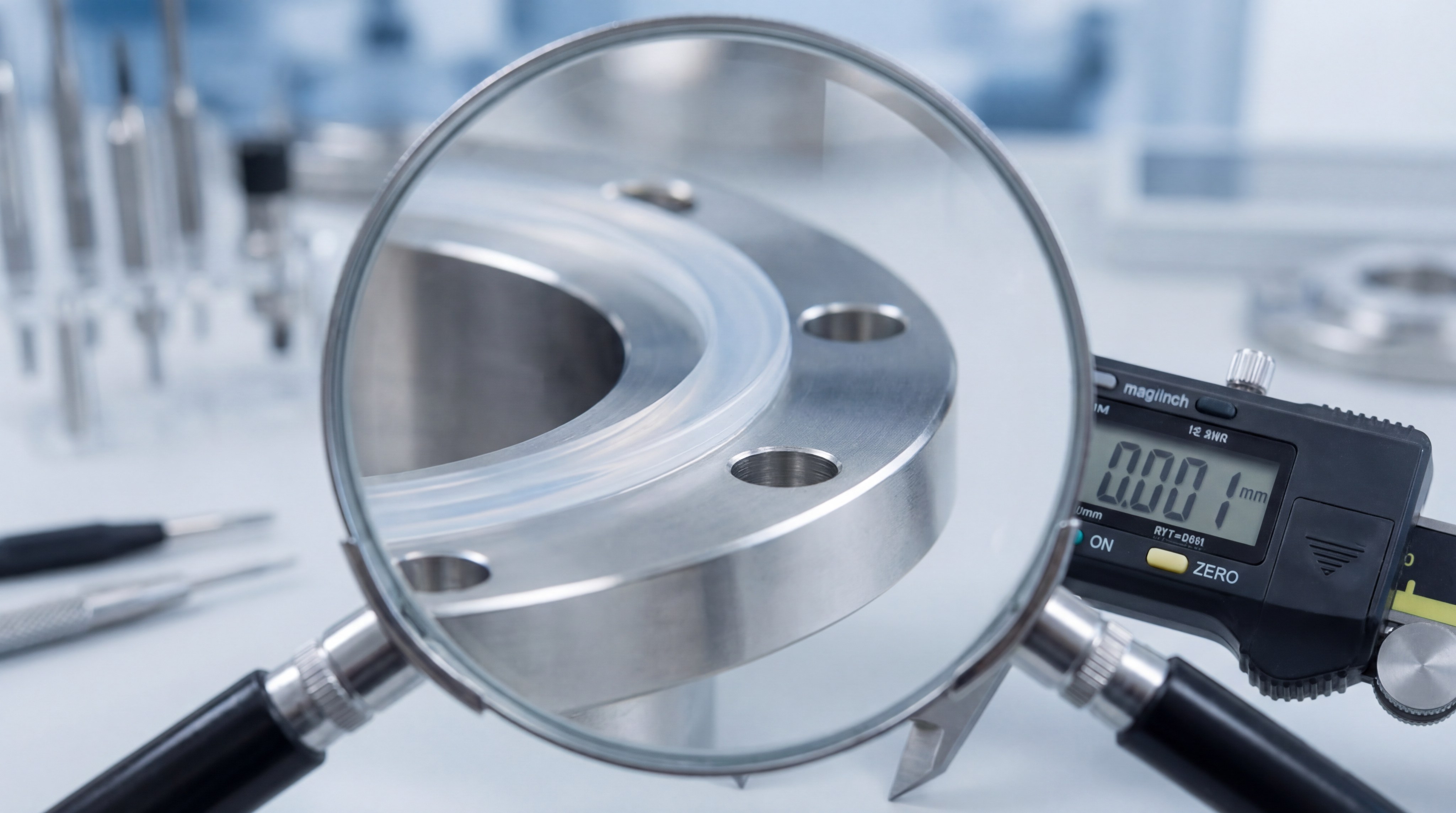
Ideal engineering plastics
High-performance resins are designed to handle the heat of the injection molding machine. Here is the secret: materials with high glass transition temperatures (Tg) perform best during the overmolding cycle.
Polyphenylene Sulfide (PPS) and PEEK are industry favorites for high-stress applications. They offer excellent dimensional stability and chemical resistance that complements the silicone layer.
Compatible metal alloys
Metal inserts are often the backbone of heavy-duty overmolded assemblies.
- Stainless Steel 316: The gold standard for surgical instruments.
- Anodized Aluminum: Provides color options and corrosion resistance.
- Plated Steel: Cost-effective for consumer electronics frames.
- Gold-Plated Contacts: Essential for high-reliability electrical parts.
Key Takeaway: You minimize production risks by selecting substrate materials that match the thermal and chemical needs of the overmolding process.
| Substrate Category | Examples | Thermal Stability |
|---|---|---|
| High-Performance | PEEK, PPS, PEI | Excellent |
| Mid-Range | Polycarbonate, Nylon 6/6 | Good (with caution) |
| Metals | Steel, Aluminum, Brass | Superior |
Proper material selection prevents the most common failure modes in multi-material molding.
What are common overmolding problems?
Common problems include substrate melting, poor adhesion, and silicone “flash” where the rubber leaks into unwanted areas of the part. When diagnosing can you overmold silicone onto plastic or metal? failures, the issue usually stems from improper shut-off design or pressure spikes. Precision is the only way to prevent these defects from reaching your final assembly line. Let’s be honest: a single defect in a high-volume run can cost thousands in lost material and time.
Preventing substrate deformation
Thermal warping occurs when the plastic core softens under the heat of the mold. To solve this, we optimize the cure time and injection speed to minimize the time the substrate is exposed to peak temperatures.
Using higher-grade resins is often the most cost-effective solution. If the core remains rigid, the silicone can flow evenly and bond without affecting the part’s final dimensions.
Eliminating flash and leakage
Flash is the excess silicone that seeps through gaps in the mold.
- Shut-off Design: We use precision steel-to-steel contact.
- Clamp Pressure: Ensures the mold remains sealed during injection.
- Tolerances: Substrates must be made with very tight tolerances.
- Venting: Allows air to escape without letting the silicone through.
Key Takeaway: You save time and money by addressing mold precision and substrate quality during the initial DFM phase.
| Common Defect | Primary Cause | Solution |
|---|---|---|
| Delamination | Contamination or no primer | Improved cleaning/priming |
| Melting | Low-temp plastic | Switch to engineering resin |
| Flash | Poor mold shut-off | Precision tooling adjustment |
Analytical oversight during the molding cycle is required to maintain zero-defect production.
Is LSR better for overmolding?
Liquid Silicone Rubber (LSR) is significantly better for overmolding than high-consistency rubber (HCR) because its low viscosity allows it to flow easily around complex inserts. Many B2B buyers ask can you overmold silicone onto plastic or metal? using traditional methods, but LSR provides a much tighter seal and faster cycle times. The liquid nature of the material means it can be injected at lower pressures, reducing the risk of crushing delicate plastic cores or sensitive electronics.
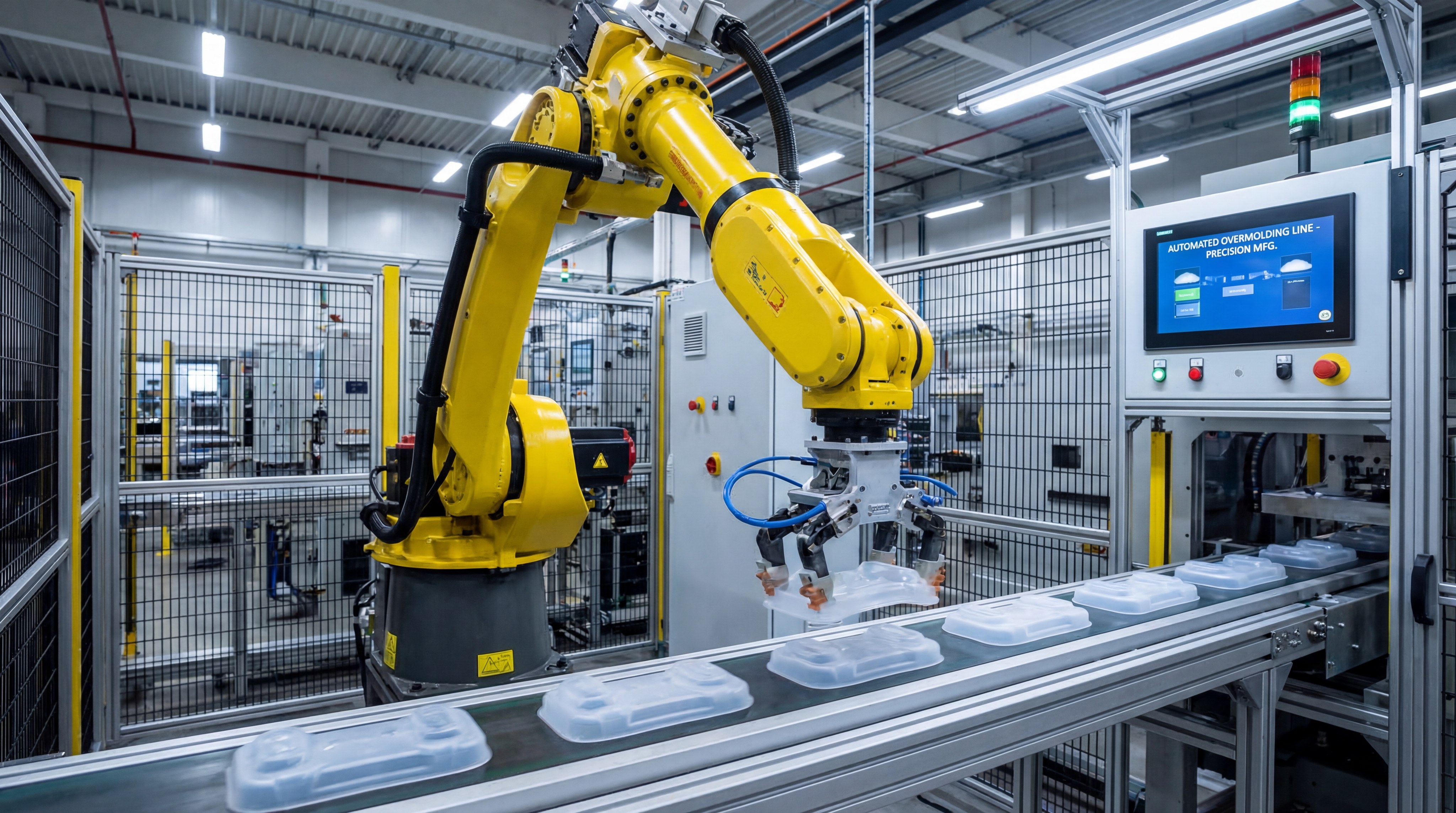
LSR low-pressure advantages
Because LSR is a liquid, it doesn’t require the massive forces used in compression molding. It gets better: this lower pressure allows for thinner walls and more intricate designs that would otherwise fail.
This is particularly important for medical housings and electronic cases. You can achieve high detail without stressing the structural integrity of the substrate.
Automated high-volume production
LSR is perfectly suited for fully automated manufacturing cells.
- Fast Cure Times: Reduces the overall cost per part.
- Closed-Loop System: Minimizes the risk of contamination.
- Consistent Dosing: Ensures every part has the same material properties.
- Waste Reduction: Precision injection means less runner waste.
Key Takeaway: You maximize your ROI by choosing LSR for high-volume, high-precision overmolding projects.
| Feature | LSR Overmolding | HCR Overmolding |
|---|---|---|
| Viscosity | Low (Liquid) | High (Putty-like) |
| Injection Pressure | Low to Moderate | Very High |
| Automation Level | High | Low to Moderate |
LSR remains the industry standard for high-complexity, multi-material silicone components.
How does design affect the process?
Your design dictates how the mold is built, where the silicone flows, and how the materials physically interlock. When you ask can you overmold silicone onto plastic or metal?, the answer is “yes, if the design allows for it.” Look closer: a design without proper shut-off surfaces or wall thickness will result in high failure rates. We work with your engineering team to ensure every draft angle and radius is optimized for the silicone injection process.
Mechanical interlocks and flow
Mechanical interlocks provide a physical backup to chemical bonding. They ensure that even if the bond fails, the silicone layer remains physically trapped on the substrate.
Designing through-holes, undercuts, or “ribs” in the substrate allows the silicone to wrap around the part. This is essential for grips and buttons that experience heavy mechanical stress.
Wall thickness and transitions
Consistent wall thickness is vital for a uniform cure and aesthetic finish.
- Uniformity: Prevents sink marks and uneven cooling.
- Radius: Avoid sharp corners that can cause tears in the silicone.
- Transitions: Smooth steps between plastic and silicone surfaces.
- Draft Angles: Essential for ejecting the part without damage.
Key Takeaway: You ensure a smooth production launch by integrating manufacturing-friendly design features before building your production molds.
| Design Feature | Purpose | Impact on Quality |
|---|---|---|
| Undercuts | Mechanical locking | Prevents peeling |
| Radiused Edges | Improved flow | Reduces material stress |
| Shut-off Flats | Flash prevention | Cleaner part edges |
Strategic design choices directly influence the durability and appearance of the final overmolded part.
What industries use this technology?
Industries ranging from medical and automotive to consumer electronics rely on overmolding to create complex, multi-functional components. If you are still asking can you overmold silicone onto plastic or metal? for your industry, the answer is likely yes if you need waterproof protection or biocompatibility. More importantly, this technology allows for the miniaturization of devices while maintaining high levels of durability. Modern wearable tech and surgical tools wouldn’t be possible without these advanced bonding techniques.
Medical and surgical tools
The medical industry requires materials that are easy to sterilize and safe for human contact. Silicone overmolding provides a soft-grip handle for rigid stainless steel surgical instruments.
It also creates hermetic seals for diagnostic equipment. This prevents fluids from entering sensitive electronic housings during use or cleaning.
Consumer electronics and wearables
In the world of smart devices, silicone is used for both protection and comfort.
- Smartwatch Straps: Overmolded pins for secure attachment.
- Waterproof Cases: Sealing buttons directly onto plastic housings.
- Earbud Tips: Soft silicone bonded to rigid acoustic cores.
- Charging Ports: Creating IP68-rated plugs and seals.
Key Takeaway: You can expand your product’s capabilities by utilizing overmolding to meet the strict functional demands of modern industry.
| Industry | Primary Use Case | Critical Requirement |
|---|---|---|
| Medical | Surgical handles | Sterilizability |
| Electronics | Waterproof seals | IP Rating (IP67/68) |
| Automotive | Vibration dampeners | Heat/Oil resistance |
Each industry leverages overmolding to solve specific material challenges and improve user safety.
How to select a manufacturing partner?
Selecting the right partner involves auditing their in-house tooling, material expertise, and quality control systems. Determining can you overmold silicone onto plastic or metal? for a complex part requires a partner who can provide DFM support from day one. The bottom line: you need a factory that controls the entire process under one roof to minimize delays and quality drift. We pride ourselves on being a vertically integrated manufacturer that handles everything from mold making to final assembly.
Evaluating technical capabilities
A true expert doesn’t just “mold parts”; they understand the chemistry of adhesion and the physics of flow.
- In-House Tooling: Essential for fast iterations and precision.
- LSR Expertise: Advanced injection machines for high-precision runs.
- Material Testing: Ability to verify bond strength and biocompatibility.
- Cleanroom Options: Necessary for medical and high-end electronics.
Certifications and quality systems
Quality is not a promise; it is a documented system. You should only work with partners who maintain ISO 9001 and IATF 16949 certifications.
These standards ensure that every batch is traceable and that processes are strictly monitored. It protects your brand from the risks of field failures and product recalls.
Key Takeaway: You protect your investment by partnering with a manufacturer that combines technical mastery with rigorous quality certifications.
| Partner Criteria | What to Look For | Why it Matters |
|---|---|---|
| Facility Scale | 10,000m²+ and 200+ employees | Capacity for growth |
| Tooling | In-house mold shop | Faster DFM and repair |
| Experience | 10+ years in silicone | Proven problem solving |
Choosing a partner based on engineering depth ensures your project is successful from the first prototype to mass production.
*
FAQ: Common Overmolding Questions
Can I overmold silicone onto regular ABS plastic?
It depends, but generally no because regular ABS has a low melting point that will warp during the silicone heat-cure cycle. We recommend using heat-stabilized ABS or Polycarbonate blends for better results.
What is the best way to clean inserts before overmolding?
Usually, an ultrasonic bath or an isopropyl alcohol wipe is used to remove oils and dust that inhibit bonding. Surface contamination is the leading cause of bond failure in silicone manufacturing.
How do I know if my design needs mechanical interlocks?
Absolutely use them if your part will be subjected to high peel forces or if you are not using a chemical primer. Mechanical interlocks provide a fail-safe that keeps the silicone in place regardless of chemical adhesion.
Is it more expensive to overmold than to assemble two parts?
No, overmolding is typically more cost-effective for medium to high volumes because it eliminates manual labor and secondary gluing steps. It also provides a much higher quality seal than adhesive bonding.
What is the minimum wall thickness for overmolded silicone?
It depends on the part size, but we usually recommend a minimum of 0.5mm to ensure even material flow. Thinner walls may lead to “short shots” where the silicone fails to fill the entire cavity.
*
Silicone overmolding represents the pinnacle of material science and precision engineering. By mastering the interaction between rigid substrates and flexible elastomers, we help you create products that are more durable, more comfortable, and perfectly sealed. Whether you are developing life-saving medical devices or next-generation consumer electronics, our integrated manufacturing process is designed to reduce your risk and accelerate your time to market. We are committed to pushing the boundaries of what is possible in silicone manufacturing to ensure your brand remains a leader in your field. If you are ready to start your next project or need professional DFM advice, please contact us today and let our experts guide you to the perfect solution.