
You finally finished your product design but picking a reliable factory feels overwhelming. A single mistake with material selection can ruin a whole production run quickly. This causes massive delays and wastes thousands of hard-earned dollars immediately. Here is a proven way to get exact results every single time. Focusing on what to check before ordering silicone products prevents these costly manufacturing mistakes. Evaluating specific factory capabilities guarantees your project runs smoothly from start to finish.
What Are Your Material Requirements?
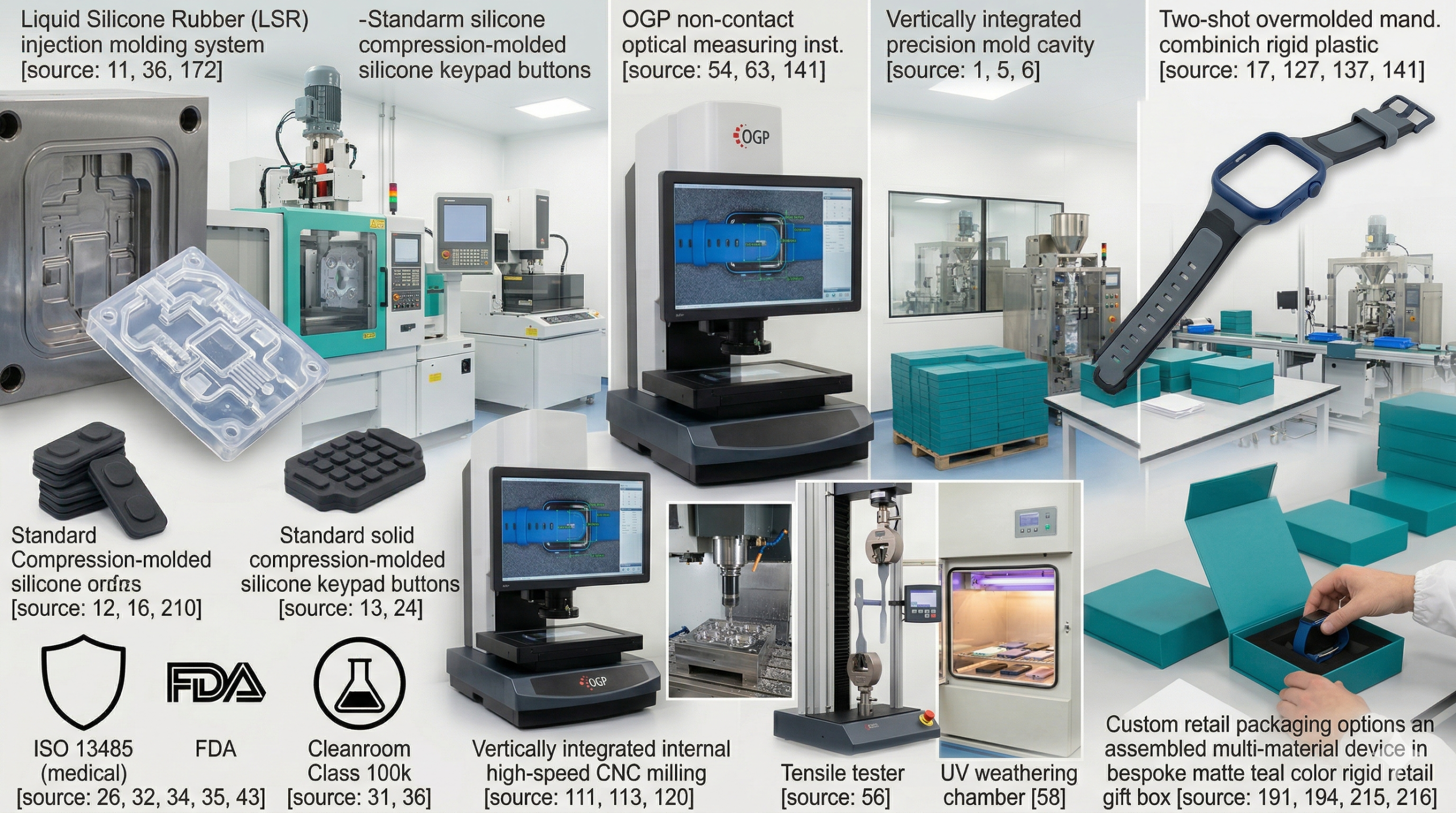
Your material requirements determine your final component’s daily performance and long-term durability outdoors. Knowing exactly what to check before ordering silicone products helps prevent using incorrect rubber grades. Factories offer multiple specific options like medical-grade LSR or standard solid compression materials. You must match your unique application needs with a proper chemical compound for lasting success.
How Do Liquid And Solid Materials Differ?
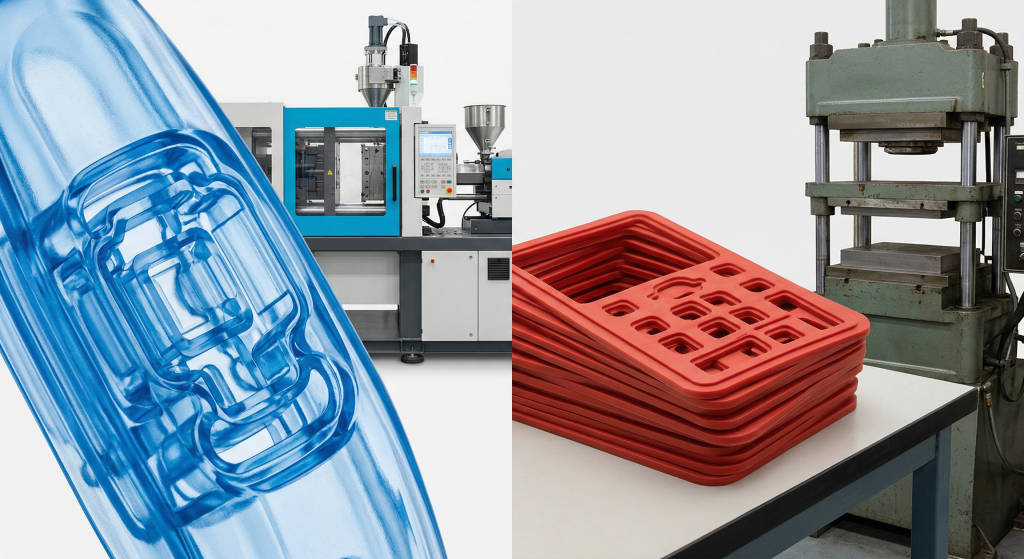
Liquid variants offer incredible precision for tight manufacturing tolerances and highly intricate designs. Solid rubber works perfectly for high-volume compression molding at drastically lower financial costs. What’s the real story? Both types provide excellent heat resistance but differ greatly in their curing methods. You should select a format matching your specific budgetary constraints and volume production goals.
- Liquid versions provide unmatched biocompatibility for sensitive healthcare devices.
- Solid compounds deliver cost-effective results for standard electronic keypad buttons.
- Overmolding techniques combine rigid plastics with soft rubber for waterproof electronics.
Can Environmental Factors Degrade Your Parts?
Extreme temperatures and harsh industrial chemicals quickly degrade poorly chosen rubber parts. Heavy UV exposure causes severe discoloration unless specific protective modifiers are actively applied. Ready for the good part? High-quality compounds maintain excellent flexibility across drastic temperature changes without cracking prematurely. Always discuss potential operating environments with your chosen manufacturer before signing any binding contracts.
Key Takeaway: Aligning your compound choice with specific part geometry guarantees a better manufacturing outcome and minimizes costly defects.
| Material Category | Best Industry Fit | Main Advantage |
| Liquid Formulation | Healthcare devices | Extreme precision |
| Solid Compound | Consumer electronics | Lower production costs |
| Overmolded | Wearable tech | Superior waterproofing |
This data breaks down how different chemical compounds suit specific industry demands flawlessly.
Do They Hold Relevant Industry Certifications?
Relevant industry certifications prove a factory meets strict international manufacturing standards consistently. Including certifications on your list of what to check before ordering silicone products prevents compliance disasters. Medical device buyers demand specific quality management systems for rigid regulatory approvals. Automotive clients also require stringent tracking documentation for every single batch produced.
Why Are Medical Approvals So Strict?
Healthcare components interact directly with human skin or internal bodily systems constantly. Factories producing these items must operate cleanrooms to prevent dangerous biological contamination. Here’s the deal, lacking an ISO 13485 certificate instantly disqualifies a supplier from medical projects. Buyers need absolute certainty regarding biocompatibility and sanitary daily production environments.
- ISO 13485 proves absolute dedication to medical device quality management.
- FDA compliant materials guarantee total safety for food and human contact.
- Class 100k cleanrooms drastically reduce airborne particles during liquid injection molding.
What Documents Do Automotive Buyers Need?
Automobile manufacturers operate with zero-defect policies preventing catastrophic vehicle mechanical failures. Suppliers must maintain rigorous production part approval processes for continuous metric monitoring. Think about it, one faulty seal can cause battery leaks in expensive electric vehicles. Obtaining IATF 16949 certification acts as a mandatory operational baseline for car parts.
Key Takeaway: Verifying factory credentials early saves tremendous headaches during final product customs clearance and market launches.
| Certification Name | Target Industry | Primary Focus Area |
| ISO 13485 | Medical Devices | Cleanroom manufacturing safety |
| IATF 16949 | Automotive Parts | Defect prevention systems |
| ISO 9001 | General Consumer | Consistent quality management |
This certification matrix shows which credentials match specific sector requirements perfectly.
How Robust Are Their Quality Controls?
Robust quality controls catch microscopic defects before parts ever leave a factory floor. Quality assurance remains a major part of what to check before ordering silicone products for medical devices. High-end facilities invest heavily in advanced optical measuring tools and automated inspection machines. This rigorous testing guarantees every piece matches your original engineering drawings exactly.
How Do Factories Measure Tiny Tolerances?
Precision components require highly accurate dimensional testing beyond simple manual metal calipers. Automated optical inspection devices scan parts rapidly for incredibly minute physical deviations. This is where it gets interesting, modern optical machines check hundreds of dimensions simultaneously. Such technology completely eliminates human error during massive volume batch evaluations.
- OGP imaging instruments provide non-contact dimensional measurements flawlessly every time.
- Handheld colorimeters guarantee exact pantone matching across different weekly production runs.
- Tensile testing machines verify material stretch limits and overall physical tear resistance.
Why Conduct Accelerated Aging Tests?
Products must survive years of daily physical use under varying harsh conditions. Environmental chambers simulate extreme humidity and heavy UV weathering within a few days. You might be wondering, do these accelerated tests reflect real-world usage accurately? Yes, they reliably predict long-term durability and prevent embarrassing early field failures.
Key Takeaway: Partnering with a manufacturer utilizing an extensive testing laboratory drastically lowers your overall defect rate.
| Testing Equipment | Measurement Target | Quality Benefit |
| OGP Imaging System | Dimensional accuracy | Prevents assembly issues |
| UV Weathering Chamber | Material aging | Guarantees color stability |
| Tensile Tester | Physical strength | Proves tear resistance |
This testing equipment breakdown reveals how advanced labs validate component durability extensively.
Can They Provide Fast Prototyping Services?
Fast prototyping services allow engineers a chance for rapid design validation without heavy costs. Reviewing prototyping speeds represents exactly what to check before ordering silicone products with tight deadlines. Hardware startups often face massive pressure securing quick iterations for demanding investor presentations. A responsive factory creates sample molds swiftly keeping your product launch directly on track.
Why Avoid Skipping The Prototype Phase?
Skipping prototypes forces you straight into expensive mass production tooling completely blindly. Finding a design flaw after cutting steel molds costs thousands of dollars instantly. What’s the real story? Sample molds let you test ergonomics and functionality with minimal financial risk. Iterating rapidly during this phase perfects user experiences before scaling operations up.
- Rapid samples confirm functional fitment inside rigid plastic electronic housings.
- Prototyping allows tactile testing for button feedback and overall material softness.
- Quick mold modifications prevent massive delays during final retail product assembly.
How Fast Can Factories Deliver Samples?
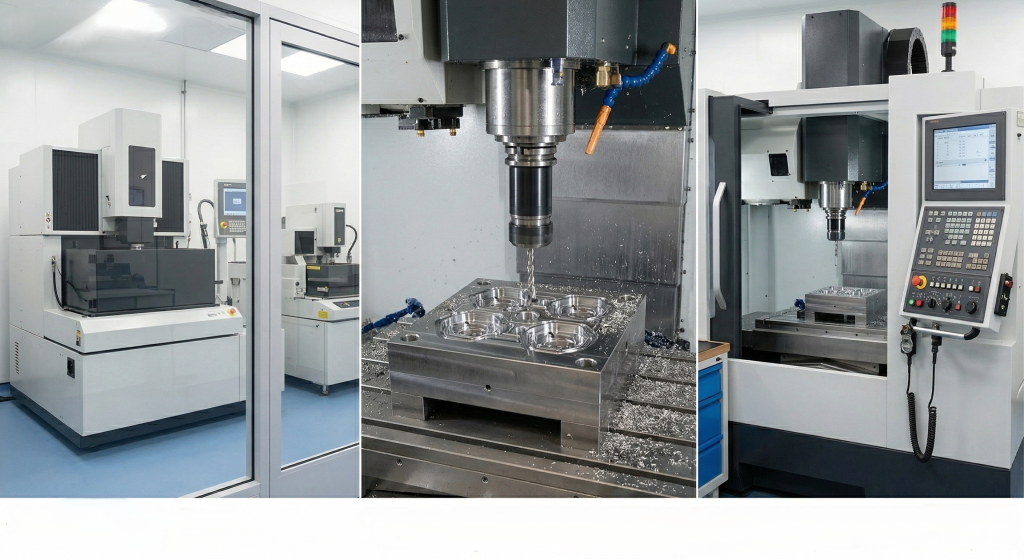
Prototyping speed depends entirely on internal machining capabilities and dedicated engineering expertise. Relying on outsourced mold makers adds weeks of unnecessary frustrating waiting time. Want to know more? Manufacturers utilizing in-house CNC centers deliver prototypes much faster than competitors. Some top-tier suppliers ship physical sample units within just one single week.
Key Takeaway: Prioritizing rapid prototyping capabilities guarantees your design team can iterate freely without missing critical market deadlines.
| Prototype Method | Speed | Financial Risk |
| Sample Tooling | 1-2 Weeks | Very Low |
| Mass Production Mold | 4-6 Weeks | Very High |
| 3D Printed Master | 3 Days | Minimal |
This timeline comparison clearly shows why sample tooling minimizes financial exposure during product development.
What Are Their Minimum Order Quantities?
Minimum order quantities dictate how much capital you must invest upfront for initial production. Understanding MOQs forms the basis of what to check before ordering silicone products for independent startups. Massive factories frequently ignore smaller brands requesting trial runs or limited custom editions. Finding a flexible partner willing to scale alongside your business growth proves invaluable.
Why Do Factories Enforce Strict MOQs?
Setting up heavy machinery takes significant time regardless of total requested batch size. Mixing custom colors and preparing metal molds incurs fixed labor costs immediately. Let’s dig a little deeper, running small batches disrupts highly profitable continuous manufacturing schedules. Suppliers need larger volumes just to break even on initial machine setup expenses.
- Fixed setup times make very small production runs unprofitable for large factories.
- Custom pantone color mixing requires specific minimum raw material bulk purchases.
- Dedicated packaging lines need sufficient volume for efficient continuous daily operation.
Can You Negotiate Lower Starting Volumes?
Many proactive manufacturers offer tiered pricing structures for emerging new consumer brands. Paying a slightly higher unit price often secures lower initial order volume requirements. Want to know a secret? Integrated trade companies usually provide far better flexibility than traditional massive OEM giants. They gladly support growing e-commerce sellers through highly manageable early stage inventory levels.
Key Takeaway: Selecting a supplier with adaptable volume requirements preserves your startup capital while supporting future explosive growth.
| Supplier Type | Typical MOQ | Flexibility Level |
| Massive OEM Giant | 50,000+ units | Very Low |
| Integrated Trade Factory | 5,000 units | Very High |
| Local Prototyper | 100 units | High (Expensive) |
This volume analysis illustrates how integrated factories offer ideal scalability for growing e-commerce businesses.
Do They Have In-House Tooling Capabilities?
In-house tooling capabilities drastically reduce mold modification times and overall project costs. Tooling ownership represents another core aspect of what to check before ordering silicone products today. Outsourcing mold creation introduces massive communication delays between multiple different external companies. A vertically integrated factory handles every single step from metal cutting through final vulcanization.
How Does Internal Machining Improve Quality?
Direct communication between mold designers and production engineers eliminates costly misunderstandings entirely. Factory technicians can tweak steel molds immediately upon finding minor rubber flashing issues. This is where it gets interesting, having high-end CNC machines onsite guarantees incredible cavity precision. Imported German or Japanese milling centers create beautifully smooth mold surfaces flawlessly.
- In-house CNC centers speed up tooling adjustments by several productive days.
- Slow-speed wire cutting machines guarantee perfect edges for complex sealing rings.
- Mirror EDM equipment provides exceptional surface finishes without extra manual polishing steps.
What Happens When Molds Need Repair?
Continuous high-temperature molding eventually wears down even premium steel tooling cavity surfaces. Fixing a damaged mold externally halts your production line for several frustrating weeks. Think about it, an internal maintenance team repairs wear and tear overnight effortlessly. This self-sufficiency keeps your product inventory flowing smoothly during peak holiday retail seasons.
Key Takeaway: Owning the entire tooling process enables factories to maintain supreme quality control and hit strict deadlines.
| Tooling Process | In-House Speed | Outsourced Speed |
| New Mold Creation | 10-14 Days | 25-30 Days |
| Minor Modification | 24 Hours | 5-7 Days |
| Emergency Repair | Same Day | 1-2 Weeks |
This tooling speed comparison proves vertical integration prevents catastrophic delays during active manufacturing runs.
How Experienced Are They With Overmolding?
Extensive overmolding experience guarantees a watertight seal between dissimilar materials like plastics and rubbers. Evaluating bonding expertise should dictate what to check before ordering silicone products for advanced electronics. Creating waterproof consumer devices requires mastering complex two-shot injection molding techniques perfectly. Only highly skilled facilities manage these sensitive temperature and pressure variables successfully.
Why Is Bonding Materials So Difficult?
Different substrates possess wildly varying melting points and thermal expansion cooling rates. Applying hot liquid rubber onto a delicate plastic frame often causes severe structural warping. What’s the real story? Securing a permanent chemical bond requires precise primer application and exact timing. Poorly executed overmolding results in peeling edges and severely compromised water resistance.
- Proper primer application guarantees a permanent chemical bond between dissimilar rigid substrates.
- Exact temperature control prevents underlying plastic parts from melting completely during injection.
- Specialized mold designs hold structural inserts firmly during high-pressure liquid rubber injection.
Which Products Benefit Most From This?
Modern wearable technology relies entirely on seamless material transitions for ultimate user comfort. Smartwatch bands seamlessly integrate rigid attachment clips within soft flexible rubber straps. Ready for the good part? Acoustic devices utilize overmolded seals for achieving IP68 waterproof ratings easily. This advanced manufacturing method transforms standard hardware into premium durable lifestyle electronics.
Key Takeaway: Choosing a manufacturer proficient in multi-material bonding secures your device’s durability against harsh environmental elements.
| Product Application | Overmolding Benefit | Target Function |
| Smartwatch Bands | Seamless integration | User comfort |
| Type-C Connectors | Watertight sealing | IP68 Rating |
| Medical Wearables | Biocompatible casing | Skin safety |
This application chart demonstrates the immense value overmolding brings to modern electronic hardware design.
What Surface Treatments Can They Apply?
Professional surface treatments improve tactile feel and prevent dust accumulation on consumer goods. Coating options rank highly regarding what to check before ordering silicone products for premium brands. Untreated rubber naturally feels slightly sticky and attracts annoying fabric lint immediately. Specialized factory spray lines apply smooth finishes protecting your delicate items beautifully.
How Does UV Coating Improve Durability?
Standard printed keypads wear out quickly after thousands of repeated daily button presses. Applying a protective layer vastly increases the abrasion resistance of printed interface icons. It gets better, UV modified lines cure these coatings instantly for rapid continuous production. This specific chemical treatment gives mobile phone cases a silky premium retail texture.
- UV modification eliminates surface stickiness and repels unwanted pocket lint effectively.
- Automated spray lines guarantee perfectly even coating thickness across every production batch.
- Printed logos survive extensive wear testing thanks to durable clear protective coats.
Are Automated Spray Lines Better?
Manual spraying inevitably leads to inconsistent liquid thickness and wasted raw chemical materials. Automated machines utilize robotic arms for exact repeatable sweeping motions perfectly every run. Here’s the deal, consistent surface finishes separate cheap trinkets from high-end retail merchandise. You need a reliable partner equipped with advanced auto-spraying technology for aesthetic perfection.
Key Takeaway: Upgrading your parts with premium surface coatings greatly improves brand perception and long-term user satisfaction.
| Treatment Type | Primary Purpose | Common Application |
| UV Coating | Dust resistance | Phone cases |
| PU Spraying | Wear protection | Remote keypads |
| Laser Etching | Backlit icons | Automotive dashes |
This surface treatment breakdown reveals how protective layers add tremendous functional value flawlessly.
Can They Meet Your Required Lead Times?
Reliable lead times keep your supply chain moving smoothly without frustrating out-of-stock situations. Scheduling accuracy heavily defines what to check before ordering silicone products during peak holiday seasons. Unpredictable factory delays destroy carefully planned marketing campaigns and quickly anger loyal customers. You must verify actual production capacities rather than accepting overly optimistic sales promises.
How Do Machine Counts Affect Speed?
A facility boasting massive daily capacities handles unexpected volume spikes incredibly effortlessly. Small workshops quickly become overwhelmed when multiple clients place urgent orders simultaneously. You might be wondering, how many vulcanization machines does a reliable factory really need? Top suppliers operate dozens of compression machines producing millions of units weekly.
- Extensive machine counts prevent production bottlenecks during peak seasonal holiday demand rushes.
- Liquid injection systems offer much faster cycle times than traditional manual compression methods.
- Internal mixing equipment maintains a constant daily supply of prepared raw rubber materials.
Why Does ERP Software Matter Here?
Modern manufacturing requires precise coordination between raw material purchasing and final global shipping. Factories lacking digital management systems frequently lose track of complex multiple order schedules. Want to know more? Implementing sophisticated ERP systems streamlines the entire factory production workflow seamlessly. This digital oversight guarantees your urgent cargo shipments leave the loading dock exactly on time.
Key Takeaway: Verifying a supplier’s actual equipment volume and digital management tools prevents disastrous product launch delays.
| Production Metric | Small Workshop | Advanced Factory |
| Daily Capacity | 10,000 units | 1,000,000+ units |
| Material Mixing | Outsourced | In-house (2000kg/day) |
| System Tracking | Manual Spreadsheets | Integrated ERP |
This capacity comparison highlights why advanced infrastructure matters for securing reliable delivery schedules.
Do They Offer Assembly And Packaging Options?
Complete assembly and packaging options save time by shipping retail-ready boxes directly from a factory. Full-service fulfillment rounds out what to check before ordering silicone products for busy e-commerce sellers. Managing multiple separate vendors for parts, boxes, and assembly causes severe logistical nightmares. An integrated facility handles everything under one single roof efficiently and highly affordably.
Why Choose One-Stop Manufacturing?
Moving incomplete goods between different independent facilities increases freight costs and risks physical damage. A singular dedicated team maintaining total control secures consistent quality across all components. Think about it, receiving fully packaged items allows immediate forwarding directly into Amazon FBA warehouses. This streamlined approach greatly minimizes your daily operational workload and administrative stress.
- Integrated assembly lines combine rubber parts with plastics and sensitive electronics seamlessly.
- Custom packaging stations fold branded retail boxes and insert instruction manuals perfectly.
- Single source manufacturing drastically reduces your total global supply chain carbon footprint.
How Do Factories Handle Custom Packaging?
E-commerce brands rely heavily on unboxing experiences for driving viral social media marketing. Creative founders need factories capable of sourcing specific colored papers and rigid gift boxes. Want to know a secret? Progressive manufacturers gladly coordinate with local printing shops delivering stunning retail presentations. They happily assemble complex promotional kits matching your exact marketing vision perfectly.
Key Takeaway: Utilizing end-to-end manufacturing services lets you focus entirely on brand growth rather than micro-managing logistics.
| Service Level | Factory Involvement | Client Workload |
| Parts Only | Molding & Trimming | Very High |
| Light Assembly | Joining components | Medium |
| Retail Ready | Full box packaging | Very Low |
This service matrix clearly shows how full-service manufacturing dramatically reduces client logistical burdens.
Final Thoughts
Selecting a reliable manufacturing partner no longer needs to feel like a stressful guessing game. Evaluating tooling capabilities, material expertise, and quality control systems prevents devastating production delays entirely. We specialize in transforming complex engineering designs into flawless physical realities through precision liquid injection and overmolding techniques. Whether you need medical-grade components or retail-ready consumer goods, our dedicated team scales seamlessly with your ambitions. If you are ready to upgrade your supply chain with a world-class manufacturing partner, please contact us today for a detailed project review. Quality craftsmanship remains our absolute commitment to your brand’s ongoing market success.
FAQs
Q1: Can I request physical samples before committing to mass production?
Yes, most reputable factories gladly provide physical prototypes quickly. Reviewing samples allows you to verify material hardness, tactile feel, and dimensional accuracy before cutting expensive steel production molds.
Q2: How do I know if my product requires liquid or solid materials?
You should choose based on precision requirements and target industries. Liquid injection works best for highly intricate medical devices, while solid compression molding suits cost-effective high-volume consumer goods perfectly.
Q3: What’s the best way to guarantee my colored parts match my brand guidelines?
Specify exact Pantone matching codes during the initial quotation phase. Advanced facilities utilize handheld colorimeters to measure and adjust raw material pigments, guaranteeing absolute color consistency across multiple batches.
Q4: Will a factory help me fix a flawed 3D product design?
Yes, professional engineering teams usually offer design for manufacturability (DFM) feedback. They identify potential molding issues like severe undercuts or improper wall thicknesses, saving you from disastrous tooling mistakes.
Q5: Are custom retail packaging services typically expensive to add?
No, integrating packaging at the source usually saves money long-term. Factories utilize local supply chains for printed boxes and utilize internal labor for assembly, eliminating extra shipping costs to third-party fulfillment centers.