China dominates the global market because it offers an unparalleled combination of massive industrial scale, highly integrated supply chains, and rapid technological adoption. Many B2B buyers face a significant hurdle: domestic production costs are skyrocketing, yet moving production overseas often triggers fears of quality drift or intellectual property risks.
Imagine the high-stakes pressure when your flagship product launch is delayed because a prototype failed its seal test. This “quality vs. cost” deadlock can paralyze a brand’s growth and damage its reputation in weeks. Fortunately, modern silicone manufacturing in China provides the solution by blending ISO-certified precision with aggressive cost-efficiency to ensure your project scales without compromise.
Why is China the leader in silicone manufacturing?
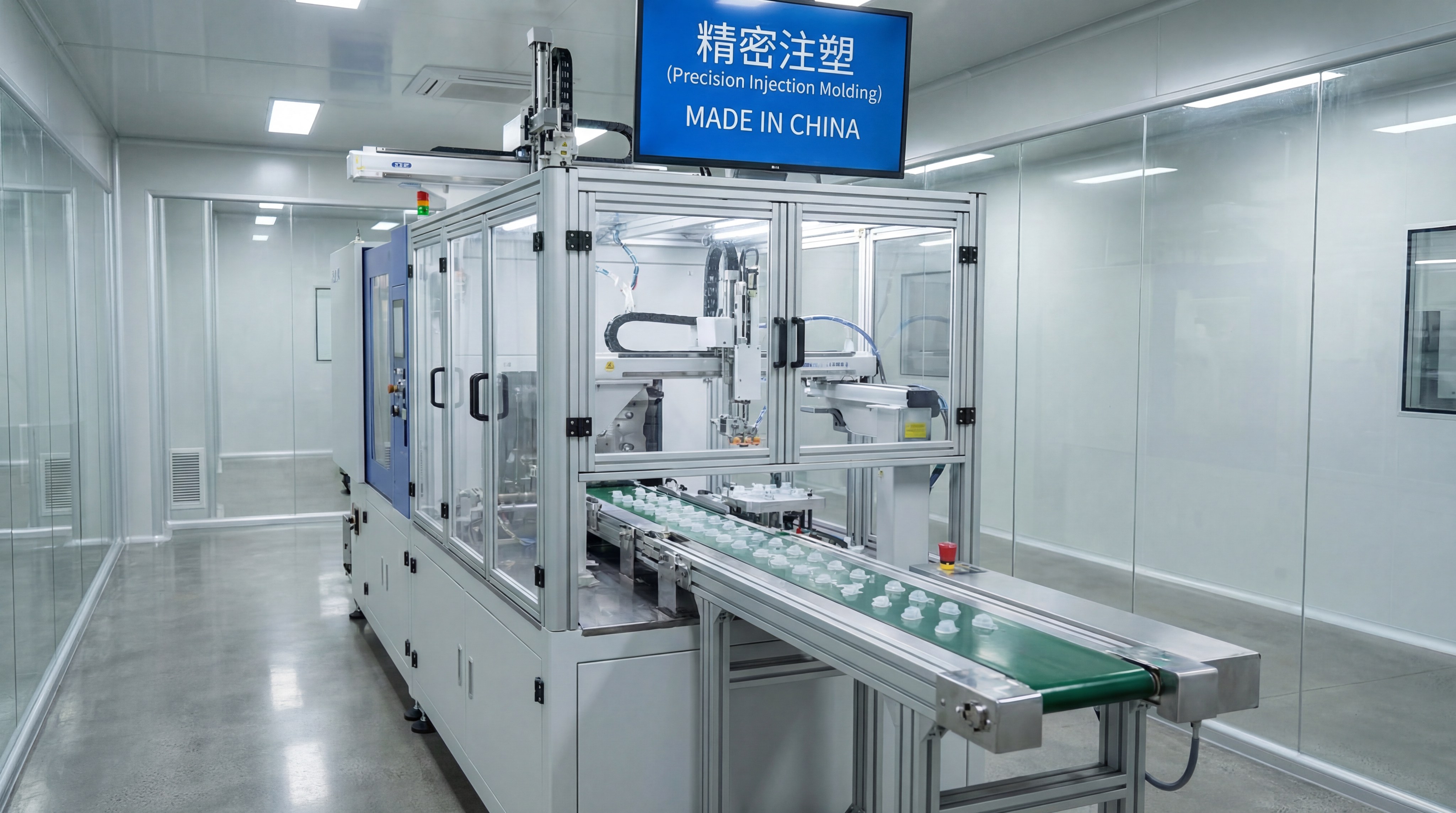
China maintains its lead through a vast infrastructure that supports every stage of the production lifecycle from raw material sourcing to final export. The country has invested decades into building specialized industrial hubs that prioritize speed and vertical integration. This ecosystem allows factories to transition from design to mass production faster than any other region.
The Power of Integrated Supply Chains
Proximity to raw material suppliers and secondary processors reduces logistics overhead significantly. You benefit from a network where mold makers, material compounders, and assembly experts operate within the same district.
- Rapid access to various silicone grades.
- Reduced lead times for specialized components.
- Seamless coordination between multiple production stages.
Speed of Iteration and Prototyping
In-house engineering teams allow for faster design loops and immediate adjustments. Most facilities utilize advanced CNC machinery to turn CAD drawings into physical tools in record time.
- Faster market entry for new products.
- Lower costs for design modifications.
- High-precision sampling before mass commitment.
Key Takeaway for Regional Leadership
The synergy of infrastructure and expertise creates a manufacturing environment that is both resilient and highly adaptive to global demand.
| Feature | Advantage | Impact |
|---|---|---|
| Supply Chain | Vertical Integration | Lower overhead |
| Infrastructure | Centralized Hubs | Faster turnaround |
| Workforce | Skilled Engineering | High precision |
China’s dominance is not just about labor; it is about a sophisticated industrial architecture designed for modern hardware needs.
How does China maintain such competitive pricing?
The secret to competitive pricing in silicone manufacturing lies in massive economies of scale and optimized operational routes. Large-scale factories spread fixed costs over millions of units, making high-quality production accessible for even mid-sized enterprises.
Economies of Scale in Production
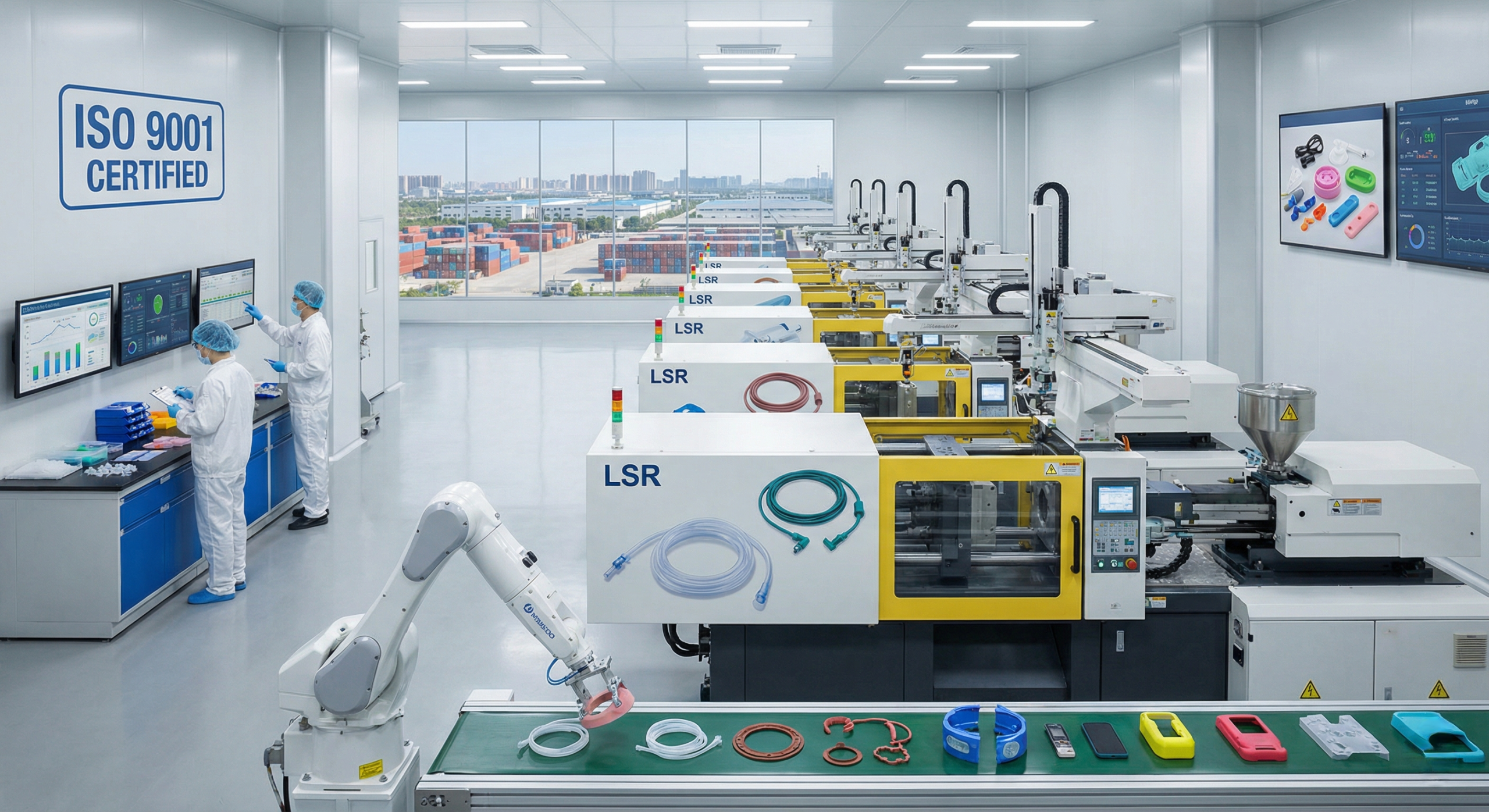
High-volume throughput allows for significant discounts on raw material procurement. Automated systems, especially in LSR molding, reduce the per-unit labor cost while maintaining consistent output.
- Direct-from-source material purchasing.
- Lower unit prices for large-batch orders.
- Optimized energy and resource management.
Strategic Operational Advantages
Efficient logistics networks and government-supported trade zones minimize the costs of international shipping. Factories often select specific molding routes—such as compression vs. injection—based on the most cost-effective path for your specific volume.
- Reduced transit times to global ports.
- Tax incentives for exported technical goods.
- Flexible production scheduling to minimize idle time.
Key Takeaway for Cost Strategy
Price advantages are derived from structural efficiency and volume, rather than a sacrifice in material grade or safety standards.
| Cost Driver | Traditional Method | Chinese Model |
|---|---|---|
| Raw Materials | Tier 2 Sourcing | Direct Procurement |
| Tooling | Outsourced/High Cost | In-house/Optimized |
| Logistics | Fragmented | Integrated Hubs |
Lowering your bill of materials (BOM) through Chinese sourcing allows you to reinvest capital into R&D and marketing.
Is quality guaranteed in Chinese silicone factories?
Quality is no longer an “extra” but a baseline standard enforced by international certifications like ISO 9001 and IATF 16949. Modern factories implement multi-stage testing protocols to ensure that every part meets the exact specifications of the initial design.
Compliance and Certification Standards
Top-tier manufacturers adhere to global safety standards, including FDA and LFGB for food-grade applications. This ensures that the materials used are safe, traceable, and compliant with the regulations of your target market.
- Rigorous material batch tracking.
- Third-party testing for chemical purity.
- Alignment with RoHS and REACH environmental guidelines.
Advanced Inspection Protocols
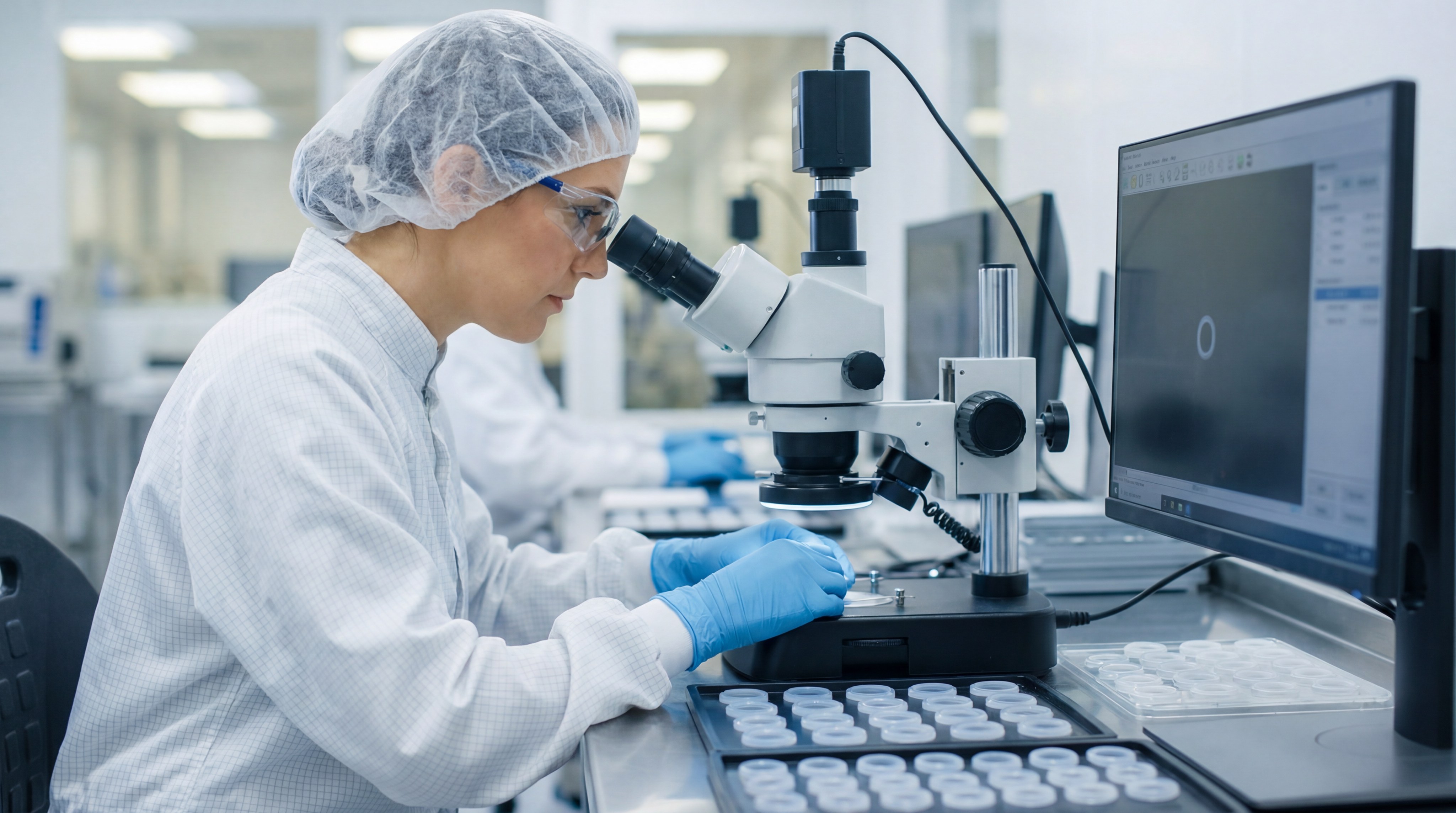
Factories use sophisticated equipment, such as CCD visual systems, to detect surface defects that the human eye might miss. These automated checks occur at various stages, from incoming material to final packaging.
- 100% inspection for critical dimensions.
- Pressure and leak testing for waterproof seals.
- Hardness and tear strength verification.
Key Takeaway for Quality Assurance
Trust is built through transparent documentation and verifiable testing data that follows the product through the entire supply chain.
| Inspection Stage | Focus Area | Technology Used |
|---|---|---|
| IQC | Raw material purity | Chemical Analysis |
| IPQC | Dimensional stability | CCD Visual Systems |
| OQC | Final functionality | Mechanical Stress Tests |
By implementing these standards, manufacturers eliminate the risks associated with “bad batches” and product recalls.
What technical expertise do Chinese makers offer?
Technical mastery in silicone manufacturing involves a deep understanding of material science and multi-component bonding. Engineers in these facilities provide crucial Design for Manufacturing (DFM) advice that prevents production failures before they happen.
Material Science and Customization
Specialists can develop custom silicone compounds designed for extreme temperatures or specific chemical environments. Whether you need oil-resistant gaskets or high-transparency medical lenses, the expertise is available to formulate the right material.
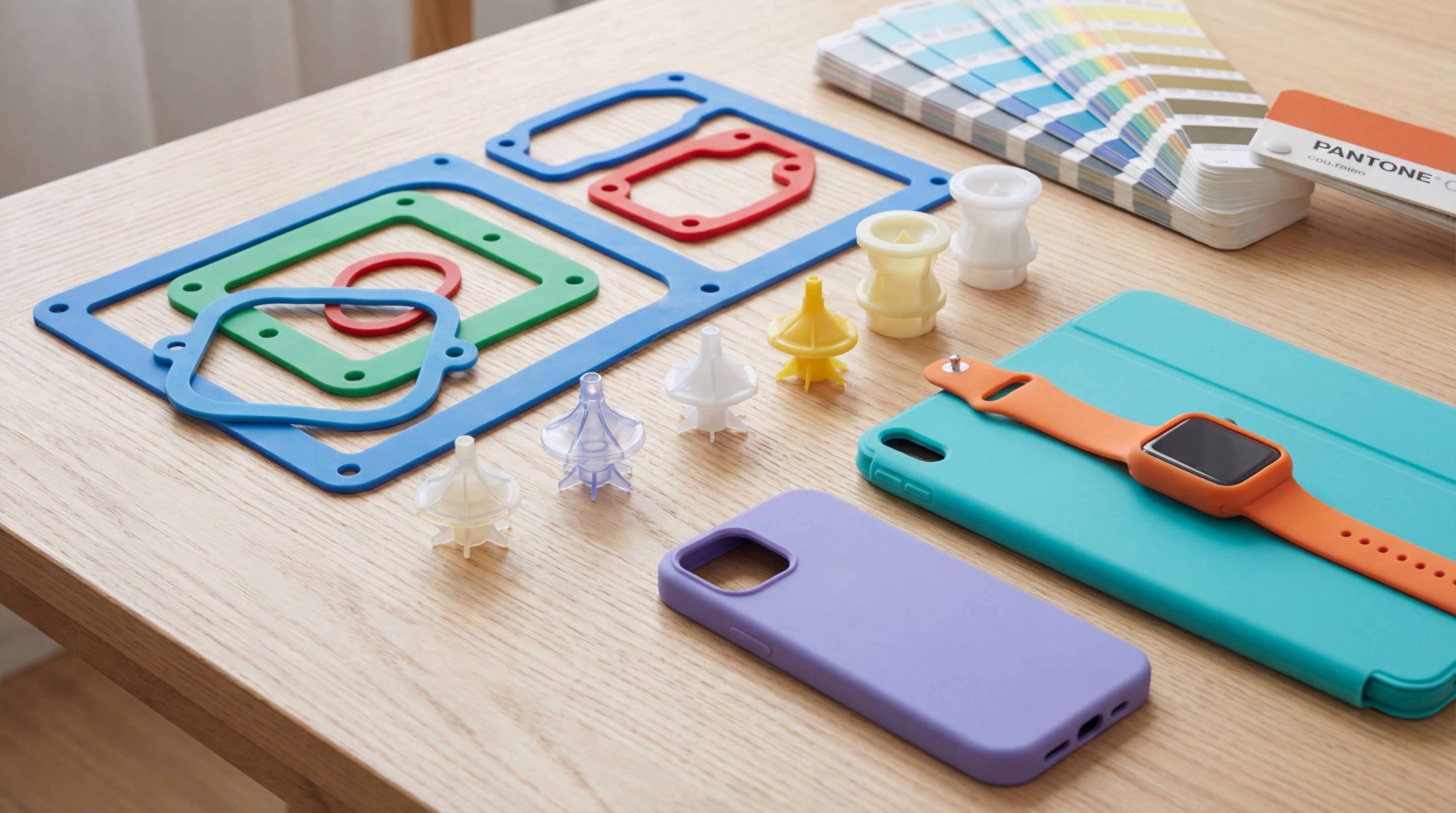
- Precision color matching via Pantone/RAL.
- Development of biocompatible medical grades.
- Flame-retardant and anti-static additives.
DFM Support and Engineering
Engineers review your CAD files to identify potential issues like sink marks, air traps, or uneven wall thickness. This proactive approach ensures that the tooling is designed correctly the first time, saving weeks of troubleshooting.
- Optimization of parting lines for aesthetics.
- Gate placement strategy for material flow.
- Tolerance planning for multi-part assemblies.
Key Takeaway for Technical Expertise
Access to expert DFM support reduces design risk and ensures your product is optimized for high-volume production efficiency.
| Engineering Service | Benefit | Result |
|---|---|---|
| DFM Review | Early error detection | Lower tooling costs |
| Material Spec | Application matching | Enhanced durability |
| Overmolding | Multi-material bonding | Superior ergonomics |
A knowledgeable partner acts as an extension of your own engineering team, providing insights that improve product performance.
How do factories handle custom molding needs?
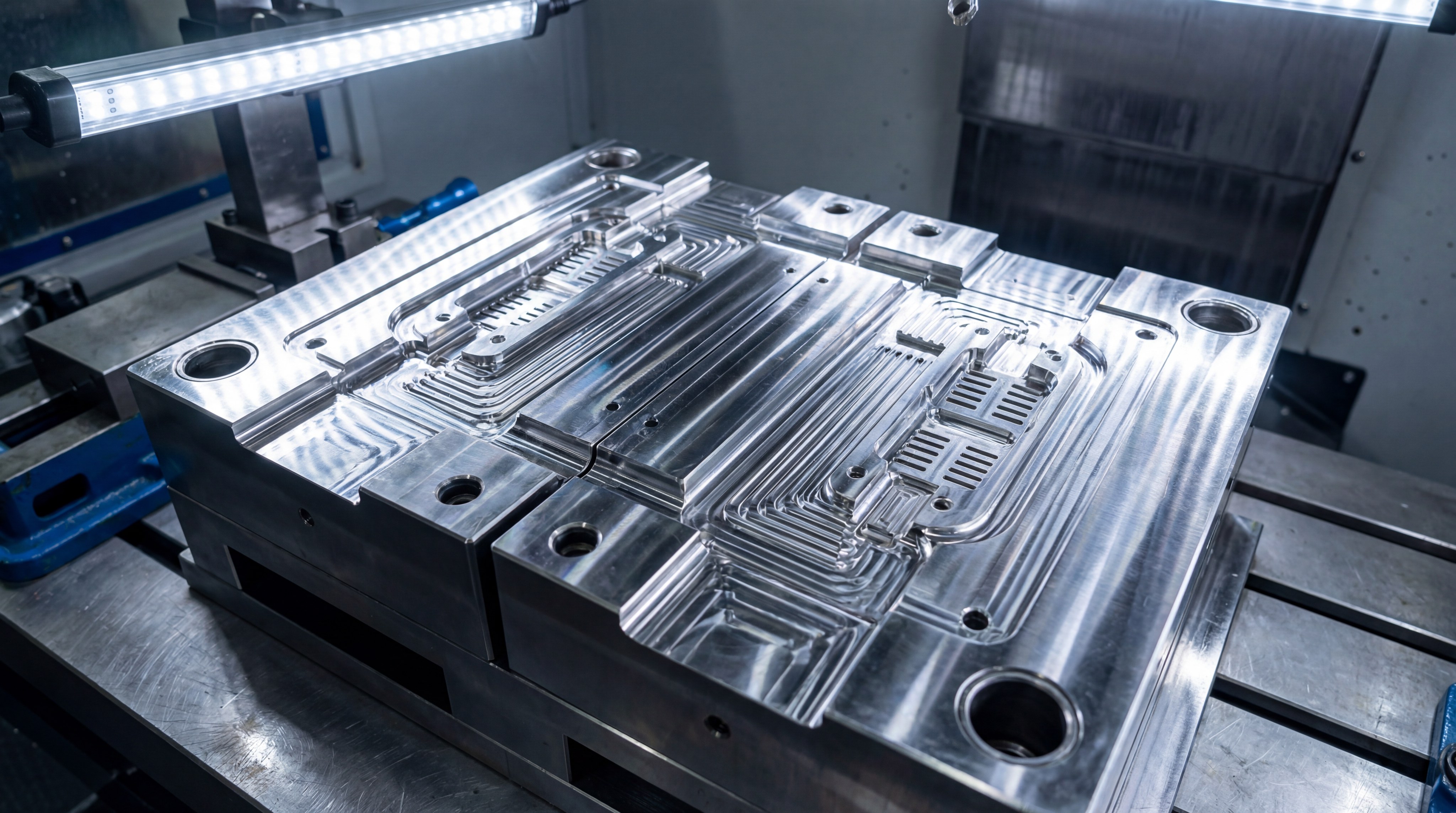
Custom molding requires a dedicated in-house tooling department to maintain the tight tolerances required for complex hardware. When the toolmaker and the molder work under the same roof, the feedback loop is instantaneous and highly effective.
The Role of In-House Tooling
Having in-house mold making capabilities allows for rapid adjustments during the sampling phase. This integration ensures that the steel molds are perfectly calibrated for the specific silicone grade being used.
- Reduced downtime for mold repairs.
- Tighter control over dimensional accuracy.
- Lower costs for custom mold development.
Specialized Solutions for Unique Markets
Manufacturers often specialize in niche sectors, providing tailored solutions for industries like pet care or electronics. These factories understand the specific stressors—like bite resistance or heat dissipation—that their products will face.
- Pet Products: Non-toxic, durable chew toys.
- E-Cigarettes: Heat-resistant, precision-fit seals.
- Protective Sleeves: Shock-absorbing enclosures for electronics.
Key Takeaway for Custom Molding
In-house tooling and niche expertise ensure that your custom designs are translated accurately into functional, high-performance parts.
| Molding Type | Best Application | Volume Focus |
|---|---|---|
| LSR Injection | High precision/Medical | Large Scale |
| Compression | Large parts/Gaskets | Mid to Large |
| Overmolding | Soft-touch grips | Specialty |
Integrated tooling departments eliminate the “supplier gap” that often causes delays in traditional manufacturing setups.
Which industries benefit most from China’s output?
Modern silicone manufacturing supports a massive range of sectors, from high-stakes medical devices to everyday consumer goods. China’s ability to pivot between these industries with specialized production lines is what makes it a global powerhouse.
Medical and Mother-Child Care
The production of pacifiers, teethers, and surgical components requires the highest levels of purity and safety. Factories utilize cleanroom environments and BPA-free materials to meet the stringent demands of these sensitive sectors.
- Soft-touch, biocompatible materials for baby skin.
- Precision valves for medical fluid management.
- Durable, sterilizable components for healthcare.
Consumer Electronics and Wearables
Smartwatches and smartphones rely on silicone for waterproof seals and comfortable, sweat-resistant straps. The industry demands aesthetic perfection and functional durability, both of which are achieved through advanced molding techniques.
- IP68-rated waterproof gaskets and seals.
- Biocompatible straps with high tear strength.
- Protective cases with anti-slip surface treatments.
Key Takeaway for Industry Support
Diverse industry experience means your manufacturer already understands the specific regulatory and functional requirements of your market.
| Industry Sector | Primary Requirement | Solution Provided |
|---|---|---|
| Medical | Purity/Compliance | Cleanroom Manufacturing |
| Electronics | Precision/Sealing | LSR Injection Molding |
| Consumer | Aesthetics/Durability | Custom Textures/Colors |
Leveraging this cross-industry knowledge helps brands innovate faster by using proven manufacturing strategies from other sectors.
What role does Liquid Silicone Rubber (LSR) play?
LSR has revolutionized the industry by enabling high-speed, automated production of extremely complex geometries. Here is the kicker: LSR is virtually unmatched when it comes to maintaining consistency across millions of units.
Precision for Acoustic Applications
Acoustic parts, such as ear tips and dampeners, require incredibly thin walls and consistent density to function. LSR injection molding allows for the precision needed to maintain sound integrity while providing a comfortable fit for the user.
- sound-isolating ear tips with minimal flash.
- Vibration dampeners for high-end audio gear.
- High-consistency seals for acoustic chambers.
Efficiency and Automated Cleanliness
Because LSR is processed in a closed-loop system, the risk of environmental contamination is significantly reduced. Automated demolding and cycle times that are much faster than compression molding make it the preferred choice for high-volume OEMs.
- Reduced human error through automation.
- Faster production cycles for urgent orders.
- Higher material yield with less waste.
Key Takeaway for LSR Technology
Liquid Silicone Rubber is the gold standard for high-precision, high-volume hardware that requires zero-defect consistency.
| Feature | LSR Injection | Traditional Compression |
|---|---|---|
| Precision | Ultra-High | Moderate |
| Waste | Minimal | High |
| Cleanliness | Closed System | Open Environment |
Choosing LSR technology ensures that your project benefits from the most advanced material handling systems available today.
How can buyers prevent common production failures?
Reliability in silicone manufacturing starts with identifying risks during the design phase rather than after the molds are cut. You must partner with a factory that prioritizes reliability tests to simulate real-world usage scenarios.
Identifying Potential Failure Modes
Issues like adhesive failure or dimensional instability often stem from poor material selection or unstable process control. Expert manufacturers use patrol inspections and first-article approvals to catch these discrepancies before mass production begins.
- Prevention of waterproof seal failures.
- solving surface durability issues before shipping.
- Elimination of adhesive delamination in the field.
Establishing a Reliability Focus
A robust QC plan includes aging tests, temperature cycling, and functional verification. But wait, there’s more—reliable partners also provide documentation that proves the part will perform under stress.
- High-temperature resistance verification.
- Humidity and environmental stress tests.
- Mechanical cycling for moving parts.
Key Takeaway for Risk Mitigation
Success is guaranteed when you choose a partner that treats quality control as a rigorous engineering discipline rather than a final check.
| Failure Mode | Prevention Method | Success Metric |
|---|---|---|
| Dimensional Drift | Stable Tooling/IPQC | 100% Fit Rate |
| Material Failure | Batch Traceability | Compliance Pass |
| Surface Wear | Correct Coating/Curing | Long-term Durability |
Implementing these preventive measures safeguards your brand from the financial and reputational damage of product failure.
What is the future of the silicone industry in China?
The next frontier for the industry is the shift toward “smart factories” and sustainable manufacturing practices. As global environmental regulations tighten, Chinese makers are leading the way in reducing material waste and energy consumption.
Embracing Green Manufacturing
Modern facilities are adopting greener catalysts and optimizing mold designs to minimize runners and waste. You will see an increasing focus on sustainable compounding methods that meet the highest environmental standards.
- Reduction of carbon footprint in production.
- Adoption of eco-friendly material processing.
- Compliance with the latest global green initiatives.
Digitalization and Smart Production
The integration of digital twins and real-time process monitoring allows for instant detection of production deviations. This digitalization ensures that even the smallest change in temperature or pressure is corrected automatically.
- Enhanced traceability through digital records.
- Predictive maintenance for production machinery.
- Data-driven optimization of manufacturing routes.
Key Takeaway for Future Outlook
Sustainability and digitalization are the new benchmarks that will define the next decade of manufacturing leadership.
| Trend | Implementation | Buyer Benefit |
|---|---|---|
| Smart Monitoring | Real-time sensors | Zero-defect batches |
| Green Tech | Waste reduction | ESG Compliance |
| Digital Twins | Virtual simulation | Faster DFM rounds |
Staying ahead of these trends ensures that your supply chain remains both competitive and ethically responsible.
How do you choose the right manufacturing partner?
Selecting the right partner for silicone manufacturing means looking beyond the quote and auditing their technical depth and export experience. You need a partner that can handle everything from material selection to global logistics under one roof.
Capability and Export Evaluation
Ensure your partner offers multiple molding routes and has a proven track record of shipping to high-standard markets like the US, EU, and Japan. Their ability to handle the complexities of international trade is just as important as their molding precision.
- Review of previous case studies and samples.
- Assessment of communication speed and transparency.
- Verification of export licenses and documentation expertise.
One-Stop Service Advantages
The ideal manufacturer eliminates “supplier gaps” by managing mold design, material compounding, and secondary operations in-house. This centralized control reduces the risk of communication errors and quality drift during handoffs.
- Seamless project management from A to Z.
- Single point of accountability for quality.
- Streamlined billing and logistics coordination.
Key Takeaway for Partner Selection
A true manufacturing partner is an extension of your business, providing the stability and expertise needed for long-term growth.
| Selection Criteria | What to Look For | Why it Matters |
|---|---|---|
| Certificates | ISO/FDA/LFGB | Legal Compliance |
| Tooling | In-house capability | Speed & Accuracy |
| Service | End-to-end support | Lower Risk |
Evaluating these factors carefully ensures that your transition to Chinese manufacturing is a masterful move for your brand’s future.
*
Summary and Conclusion
China’s silicone manufacturing industry represents a masterful alliance of affordability, quality, and technical expertise. By leveraging massive economies of scale and state-of-the-art LSR technology, these manufacturers have redefined what it means to produce high-performance hardware at scale. Whether you are developing medical devices, baby products, or consumer electronics, the Chinese manufacturing ecosystem provides the tools and the talent to bring your vision to life without the usual risks of international sourcing.
At HuaLin Silicone, we embody this commitment to excellence by providing ISO-certified manufacturing and 24-hour DFM support to help you launch faster and with total confidence. contact us today to get a free DFM review and discover how our integrated factory-direct services can optimize your next project.
FAQ: Common Sourcing Questions
- Can I get a DFM suggestion before I pay for tooling?
Judgment: Absolutely. Professional factories provide DFM reviews during the quoting stage to help you optimize design and reduce costs. - What’s the best way to ensure medical-grade purity?
Judgment: Crucial. You must audit the factory’s cleanroom standards and request traceable material batch records and ISO 13485 certifications. - How do I know if my design is suitable for LSR molding?
Judgment: Technical. If your part requires complex geometry, high precision, and large volumes, LSR is usually the most efficient and consistent choice. - Can I request custom color matching for my brand?
Judgment: Standard. Most manufacturers can match any Pantone or RAL code by creating a custom-mixed silicone compound for your specific order. - What is the typical lead time for custom tools?
Judgment: Fast. In-house tooling typically takes between 15 to 25 days, depending on the complexity and size of the mold required.