
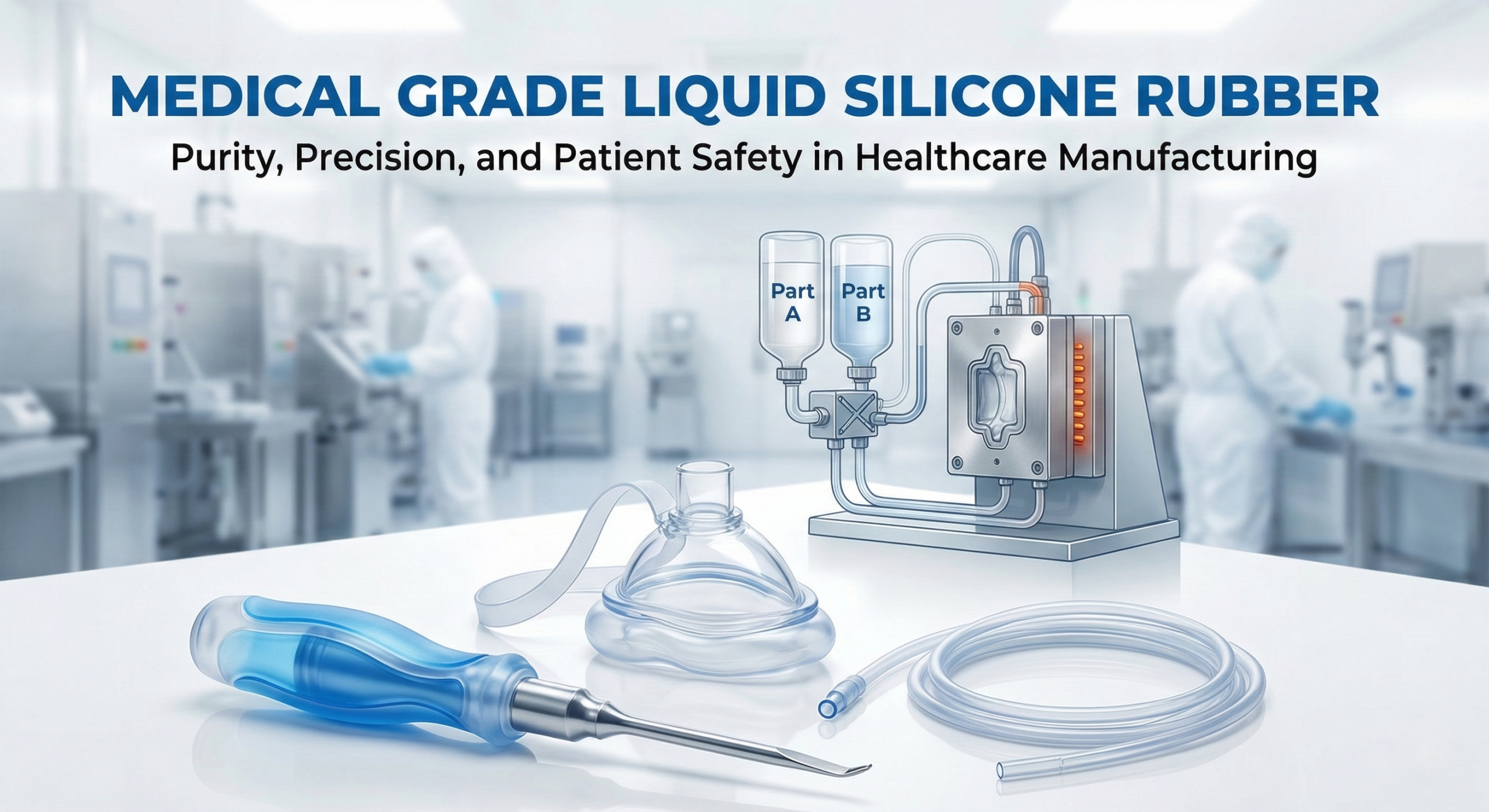
Medical grade liquid silicone rubber is a high-purity, platinum-cured elastomer specifically engineered for biocompatibility and resilience in critical healthcare environments. You face a significant challenge when selecting materials for life-saving devices, as using the wrong grade can lead to mechanical failure or dangerous patient reactions. This instability agitates production timelines, leading to costly recalls and a loss of provider trust. Fortunately, medical grade silicone offers a chemically inert, highly stable solution that ensures your components meet the most stringent safety standards while optimizing your manufacturing efficiency.
What is medical grade liquid silicone rubber?
Medical grade liquid silicone rubber (LSR) is a high-performance thermosetting elastomer that transitions from a liquid state to a durable solid through a heat-curing process. This material is specifically formulated to maintain its physical integrity under the most demanding medical conditions. Because it is platinum-cured, it does not produce the acidic byproducts common in peroxide-cured rubbers, ensuring maximum purity for sensitive applications.
- Thermosetting properties: Once cured, the material will not melt or deform when exposed to heat.
- Two-part system: Consists of a base and a catalyst that are mixed precisely before injection.
- Platinum cure technology: Offers the highest level of purity and consistency for health-critical parts.
- Liquid delivery: Allows for automated, high-speed production with minimal manual handling.
Primary LSR Characteristics
| Feature | Technical Description |
|---|---|
| Material Base | 100% Platinum-cured Silicone |
| Curing Mechanism | Thermal addition cure |
| Purity Level | Medical/Healthcare Grade |
| Stability | Chemically inert and non-reactive |
The transition from a low-viscosity liquid to a solid elastomer allows for the creation of complex parts.
Key Takeaway: Medical grade LSR provides a stable, high-purity foundation for components that must remain chemically and physically unchanged during medical use.
Why choose medical grade silicone for healthcare?
Choosing medical grade silicone for your healthcare applications ensures that your products remain safe for prolonged patient contact without causing inflammatory responses. This bio-inert nature is a fundamental requirement for devices that interface with human tissue or fluids. By utilizing this material, you mitigate the risk of biological rejection and enhance the overall safety profile of your medical device portfolio.
Think about it:
- Biocompatibility: Meets ISO 10993 and USP Class VI standards for safety.
- Hypoallergenic: Completely free of latex and common allergens.
- Microbial Resistance: Inherent properties inhibit the growth of bacteria and fungi.
- Odorless Profile: Neutral taste and smell improve patient compliance and comfort.
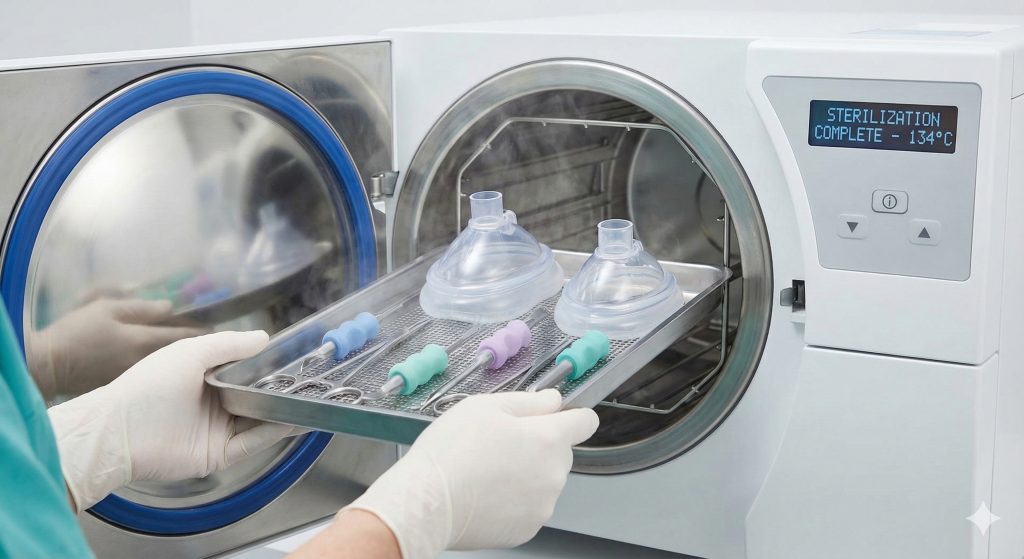
Furthermore, LSR is renowned for its ability to withstand repetitive sterilization without losing its mechanical properties. Whether your device requires autoclaving or gamma radiation, this elastomer remains flexible and functional.
Here is the deal:
- Thermal Endurance: Withstands high-pressure steam sterilization cycles.
- Radiation Stability: Does not become brittle after exposure to gamma rays or ETO.
- Chemical Persistence: Resists degradation from harsh clinical disinfectants.
- Extended Life: Maintains performance characteristics over a long product lifecycle.
Healthcare Performance Benefits
| Advantage | Strategic Impact |
|---|---|
| Bio-inertness | Prevents adverse patient reactions |
| Sterility | Supports multi-use device functionality |
| Durability | Reduces replacement costs and waste |
| Patient Comfort | Soft-touch interface reduces tissue trauma |
Key Takeaway: The combination of biological safety and sterilization resilience makes LSR the premier choice for high-stakes medical manufacturing.
What are the key properties of medical LSR?
Thermal and chemical stability are the hallmarks of medical grade silicone, allowing it to perform reliably in extreme environments. It remains flexible at temperatures as low as -65°F and stays structurally sound at temperatures exceeding 450°F. This makes it suitable for everything from cryogenic storage seals to high-heat surgical components.
- Temperature Range: Remains functional from -65°F to over 450°F.
- Compression Set: Excellent recovery after being subjected to constant pressure.
- Environmental Shield: Resists UV light, ozone, and moisture.
- Dielectric Strength: Provides exceptional electrical insulation for electronic medical devices.
Mechanical strength is another critical factor, as medical parts often undergo significant stress during use. High tensile and tear resistance ensure that thin-walled components do not fail or leak during operation.
Believe it or not:
- Elongation: Can stretch up to 1000% while maintaining its original shape.
- Tear Resistance: Prevents nicks or cuts from propagating into full failures.
- Hardness Range: Available in durometers from 5 to 80 Shore A.
- Clarity: High-transparency grades allow for visual fluid monitoring.
Material Property Overview
| Property | Typical Value |
|---|---|
| Tensile Strength | 5 to 11 MPa |
| Tear Strength | 15 to 50 N/mm |
| Hardness | 10 – 80 Shore A |
| Color | Transparent to custom pigment |
Key Takeaway: The robust mechanical and thermal profile of LSR ensures consistent device performance regardless of the environmental stressors encountered.
How does LSR handle complex medical geometries?
The low viscosity of medical grade silicone allows it to fill intricate mold cavities that other materials simply cannot reach. You can design parts with incredibly thin walls or complex undercuts knowing the material will flow into every corner. This capability is essential for the miniaturization of modern surgical tools and wearable sensors.
- Micro-molding: Efficiently produces parts weighing less than a fraction of a gram.
- Flash-less Tooling: Precise molding limits excess material and secondary trimming.
- Tight Tolerances: Consistently achieves dimensions within +/- 0.05mm.
- Complex Undercuts: Flexibility allows for easy de-molding of intricate shapes.
Precision is maintained through automated liquid injection molding (LIM) systems that ensure repeatable results. This automation removes the variability of human error, which is critical for meeting strict regulatory safety requirements.
Here is why it works:
- Automated Mixing: Ensures the catalyst and base are perfectly balanced.
- High Repeatability: Delivers identical parts across millions of cycles.
- Closed-Loop Processing: Minimal contamination risk during the molding phase.
- Rapid Cycles: High-speed injection reduces production time and costs.
Complex Geometry Capabilities
| Capability | Manufacturing Value |
|---|---|
| Thin Walls | Enables lightweight and compact designs |
| Tight Tolerance | Ensures flawless assembly of multi-part systems |
| Micro-Molding | Supports minimally invasive surgical tools |
| Consistency | Simplifies quality control and validation |
Key Takeaway: LSR injection molding enables the production of highly complex, precision-engineered parts that meet the tightest medical tolerances.
What are the different medical grade categories?
Selecting the correct grade of medical grade silicone depends largely on the duration of contact with the human body. Limited exposure grades are typically used for devices that touch the skin for less than 24 hours. These are ideal for external gaskets, seals for diagnostic equipment, and short-term wearable monitors.
- Skin Contact: Safe for external pads, straps, and interfaces.
- Short-Term Use: Optimized for disposable surgical tubing or covers.
- Surface Devices: Specifically designed for non-invasive applications.
- Fast Processing: Formulated for high-volume production of disposable items.
For applications involving internal contact for up to 30 days, healthcare grades are utilized. These materials undergo more stringent testing, including systemic toxicity and irritation assessments. This ensures they are safe for mucosal contact or prolonged skin exposure.
Check this out:
- Prolonged Contact: Validated for use between 24 hours and 30 days.
- Material Purity: Contains minimal extractable or leachable components.
- Application Specific: Ideal for catheters, feeding tubes, and masks.
- Global Compliance: Formulated to meet international regulatory standards.
Regulatory Classification Table
| Grade Class | Contact Duration | Application Examples |
|---|---|---|
| Class I | < 24 Hours | External seals, wearable bands |
| Class II | 24 Hours – 30 Days | Respiratory masks, catheters |
| Class III | > 30 Days | Permanent implants, pacemakers |
Key Takeaway: Matching the silicone grade to the specific contact duration is the only way to ensure patient safety and regulatory compliance.
How is medical grade LSR manufactured?
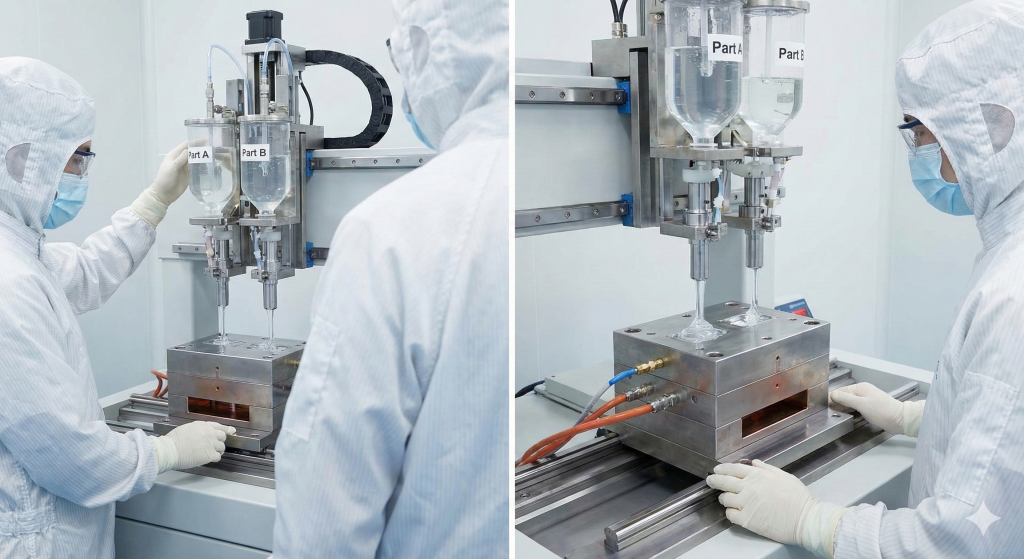
The manufacturing process for medical grade silicone components must prioritize purity and precision at every stage. Automated liquid injection molding (LIM) is the standard, where components are mixed in a 1:1 ratio and shot into heated molds. This process is inherently cleaner than traditional rubber molding because the material remains in a closed system until it is cured.
- Precision Delivery: Computer-controlled pumps manage material flow.
- Thermal Curing: Molds are heated to trigger rapid cross-linking.
- Closed System: Prevents environmental contaminants from entering the mix.
- Automated Ejection: Minimizes human contact with the finished parts.
Beyond the machinery, the environment in which production occurs is equally important. Components for surgical or internal use are typically manufactured in cleanrooms to prevent airborne debris. This ensures that every part arriving at your assembly line is free from dust or microscopic contaminants.
Think about it:
- Cleanroom Standards: Usually ISO Class 7 or Class 8 environments.
- HEPA Filtration: Continuous air scrubbing to remove particulates.
- Strict Protocols: Personnel follow rigorous gowning and hygiene rules.
- Total Traceability: Every batch is tracked from raw material to finished part.
Manufacturing Standards Summary
| Element | Specification |
|---|---|
| Molding Type | Liquid Injection Molding (LIM) |
| Environment | Certified ISO Cleanroom |
| Quality System | ISO 13485 Compliance |
| Traceability | Full Material Batch Tracking |
Key Takeaway: High-volume medical manufacturing requires a combination of automated precision and controlled environments to ensure part purity.
What are the benefits of LSR overmolding?
Overmolding allows you to bond medical grade silicone directly onto a rigid substrate, such as plastic or metal, without the need for glue. This creates a single, integrated component that combines the structural strength of the substrate with the soft-touch properties of silicone. It is a game-changer for surgical tool handles where grip and ergonomics are paramount.
- Primer-less Bond: Creates a chemical seal between materials.
- Seamless Joints: Eliminates gaps where bacteria can hide.
- Vibration Control: Dampens movement to protect internal electronics.
- Ergonomic Design: Provides a comfortable, slip-resistant surface.
From a hygiene perspective, overmolding is superior because it creates a waterproof barrier around the internal components. By eliminating seams and crevices, you make the device significantly easier to clean and sterilize. This reduces the risk of cross-contamination in high-pressure hospital settings.
Wait, there’s more:
- Hygienic Integrity: No “dead zones” for microbial growth to occur.
- Reduced Assembly: Lowers labor costs by producing one part instead of two.
- Enhanced Durability: The silicone layer protects the rigid core from impact.
- Color Customization: Easy to distinguish tools by different colored grips.
Overmolding Strategic Benefits
| Feature | User Benefit |
|---|---|
| Bond Integrity | Prevents fluid ingress into the device |
| Grip Comfort | Reduces hand fatigue for surgical staff |
| Compactness | Integrates multiple functions into one part |
| Cleanability | Supports faster and safer sterilization |
Key Takeaway: LSR overmolding is the ultimate solution for creating ergonomic, hygienic, and highly durable multi-material medical devices.
Which medical devices use injection molded LSR?
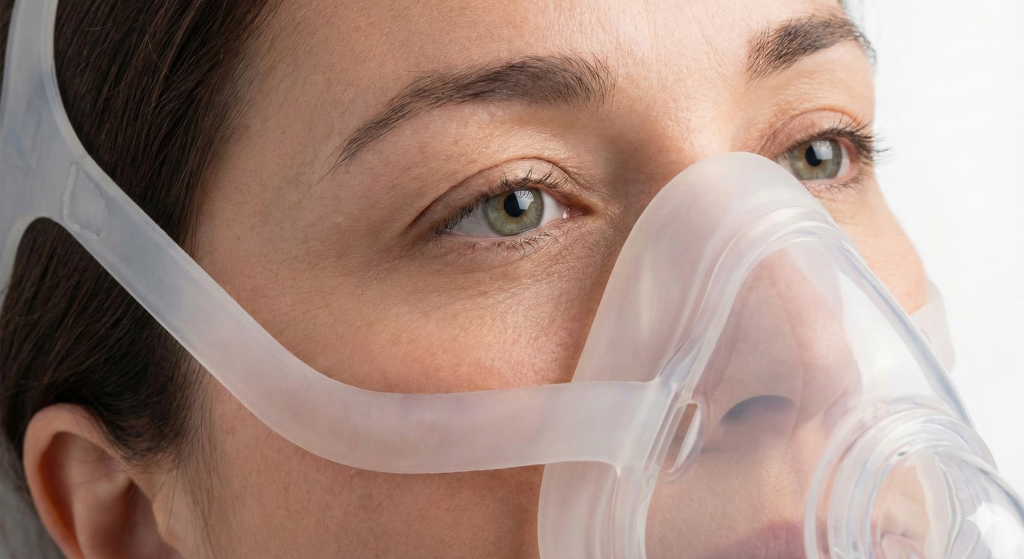
The versatility of medical grade silicone makes it a staple in almost every department of a modern hospital. Respiratory care relies heavily on LSR for ventilator masks and valves because of its air-tight seal and patient comfort. These components must remain flexible and soft against the skin while maintaining consistent pressure for life-support systems.
- Respiratory Masks: Soft, anatomical seals for oxygen delivery.
- Diaphragm Valves: Precision flow control for infusion pumps.
- O-Rings and Seals: Leak-proof performance in diagnostic tools.
- Bellows: Protects sensitive mechanical parts from fluid exposure.
LSR is also finding expanded use in the growing field of wearable health technology. Because the material is skin-safe and breathable, it is the ideal choice for continuous monitoring bands and sensor housings. These parts must withstand daily wear, sweat, and cleaning without degrading or causing skin irritation.
Think about this:
- Wearable Housings: Protects sensors while maintaining a slim profile.
- Device Bands: Biocompatible straps for 24/7 heart rate monitors.
- Surgical Grips: Enhances the precision of handheld instruments.
- Fluid Manifolds: Directs critical liquids in laboratory diagnostic kits.
Common LSR Device Applications
| Device Category | Specific Component |
|---|---|
| Surgical | Trocar seals, instrument handles |
| Respiratory | Cushion seals, PEEP valves |
| Diagnostics | Test kit gaskets, reagent seals |
| Patient Care | Feeding tubes, catheter connectors |
Key Takeaway: From simple disposable gaskets to complex respiratory interfaces, LSR is fundamental to the architecture of modern healthcare.
How does LSR ensure patient safety and comfort?
Patient safety is at the heart of why medical grade silicone is chosen over alternative elastomers. It does not contain phthalates, BPAs, or latex, which are common sources of allergic reactions or chemical leaching. This chemical stability ensures that the material remains neutral when in contact with medication or bodily fluids.
- Chemical Inertness: Will not leach harmful substances into the patient.
- Hypoallergenic: Safe for patients with even the most sensitive skin.
- Non-Porous: Resists the absorption of liquids and medications.
- Latex-Free: Eliminates the risk of severe allergic anaphylaxis.
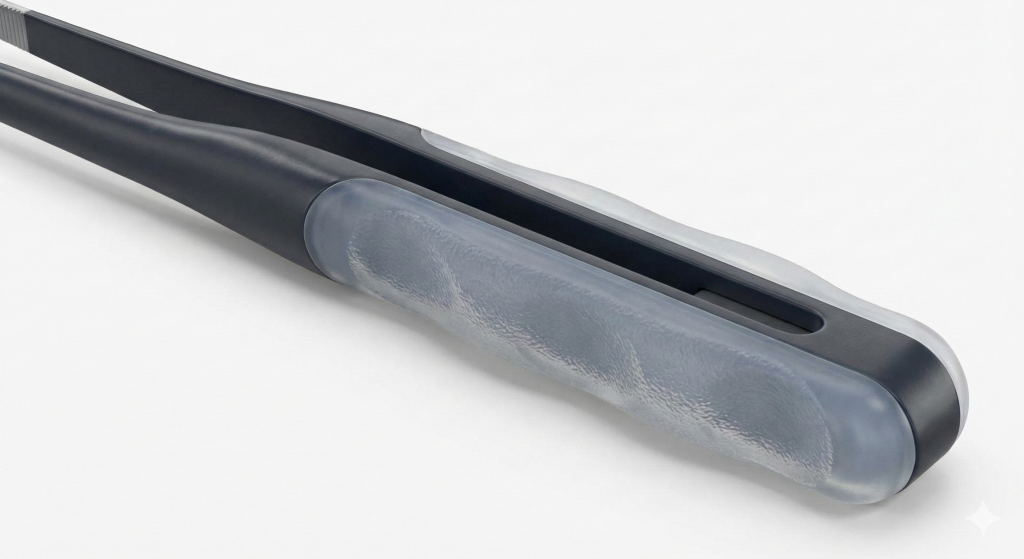
Comfort is equally important, especially for devices that must be worn or used for extended periods. The low modulus of silicone allows it to mimic the feel of human tissue, reducing the mechanical trauma associated with medical device interfaces. This leads to higher patient satisfaction and better clinical outcomes.
Here is why it matters:
- Soft Texture: Reduces pressure sores and skin chafing.
- Gas Permeability: Allows the skin to “breathe” under the device.
- Thermal Neutrality: Does not conduct cold or heat aggressively to the skin.
- Non-Adherent: Does not stick to healing wounds or delicate tissue.
Impact on Clinical Outcomes
| Safety Factor | Patient Result |
|---|---|
| Purity | Zero risk of toxic chemical leaching |
| Inertness | Minimizes inflammation at contact sites |
| Softness | Maximizes comfort during long-term use |
| Hygienic Surface | Lowers the risk of healthcare-associated infections |
Key Takeaway: By addressing both chemical safety and physical comfort, LSR directly improves the healthcare experience for both patients and providers.
What design tips optimize medical silicone parts?
When you design for medical grade silicone, you must account for the material’s unique flow characteristics to ensure the best results. Maintaining a uniform wall thickness is perhaps the most important rule, as it prevents internal stresses and warping during the curing process. This simple adjustment can significantly reduce your scrap rate and improve part consistency.
- Uniform Walls: Promotes even curing and reduces molding defects.
- Radiused Edges: Improves material flow and eliminates stress points.
- Draft Angles: Though silicone is flexible, draft angles simplify high-speed ejection.
- Ribbing: Use ribs to add structural rigidity without thick wall sections.
Designing for hygiene means eliminating “dead spots” where fluids or bacteria could accumulate. Smooth surface finishes are often specified for parts that require frequent disinfection. Additionally, strategic gate placement ensures that any minor cosmetic marks are located away from critical sealing surfaces.
Here is the deal:
- Surface Finish: High-polish molds produce easier-to-clean parts.
- Gate Location: Place gates in non-functional areas to avoid leaks.
- Venting: Ensure the mold is properly vented to prevent air traps.
- Tolerance Planning: Target +/- 0.05mm for a perfect assembly fit.
Design Optimization Checklist
| Design Element | Recommendation |
|---|---|
| Wall Transitions | Use gradual tapers instead of sharp steps |
| Corners | Minimum radius of 0.5mm for better flow |
| Undercuts | Leverage material flexibility for deep undercuts |
| Venting | Place vents at the end of the flow path |
Key Takeaway: Intelligent design choices that focus on material flow and hygiene lead to lower production costs and higher-quality medical devices.
Frequently Asked Questions
Can I use medical grade silicone for long-term implants?
Yes, but you must specify a “long-term implantable” grade of medical grade silicone. These grades undergo much more extensive biocompatibility testing than standard medical grades to ensure they remain safe inside the human body for more than 30 days.
What’s the best sterilization method for LSR parts?
The best method is usually autoclaving or gamma radiation, as LSR is exceptionally stable under high heat and ionizing radiation. It will not become brittle, gummy, or lose its shape even after multiple sterilization cycles in a hospital environment.
How do I know if I need liquid silicone or high consistency rubber?
It depends on the complexity of your part; liquid silicone is superior for high-precision, intricate geometries and automated high-volume production. High consistency rubber (HCR) is typically better suited for simpler shapes like large tubing or when specific mechanical properties of millable rubber are required.
Can I get custom colors for medical grade silicone?
Yes, custom pigments are available that are specifically formulated to be biocompatible. This allows you to color-code your medical devices for different sizes or functions without compromising the safety or purity of the base silicone material.
How do I ensure environmental safety during manufacturing?
To ensure safety, you should partner with a manufacturer that utilizes ISO-certified cleanrooms and follows ISO 13485 quality standards. This ensures that the production process is controlled, documented, and free from environmental contaminants that could harm the final patient.
Conclusion
Medical grade liquid silicone rubber represents the pinnacle of material science in the healthcare sector, offering a unique blend of safety, durability, and precision. By choosing this advanced elastomer, you solve the critical problems of material degradation and biological incompatibility that plague lesser materials. Whether you are engineering complex surgical tools, wearable health monitors, or high-volume disposable components, LSR provides the reliable performance needed to protect patient health and your brand reputation. We are committed to advancing healthcare through superior material engineering and precision molding. For expert technical support or to begin your next project, please contact us today. Our vision is a world where medical devices are safer, more comfortable, and more effective through the power of advanced silicone technology.