
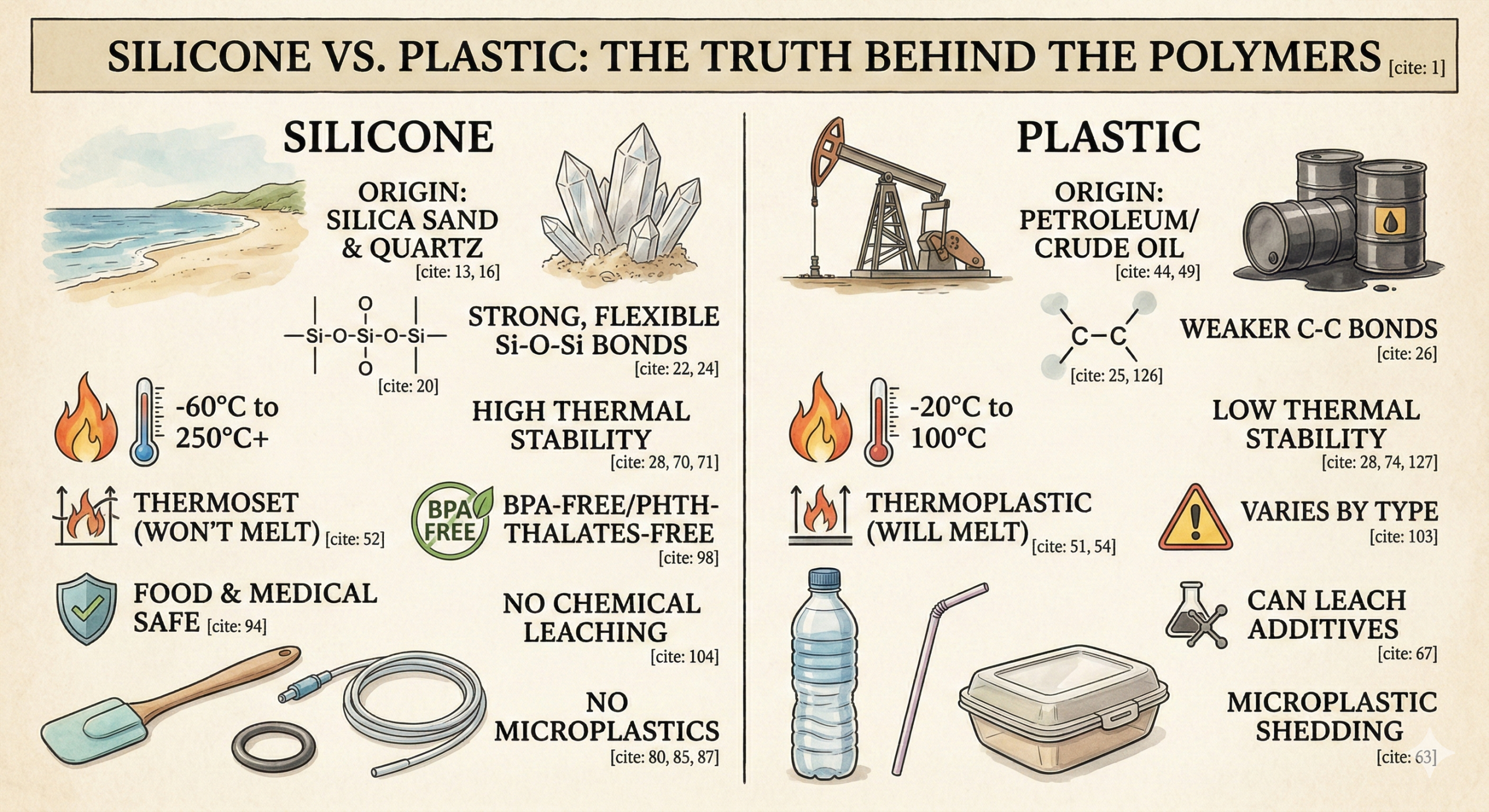
Silicone is a synthetic polymer that bridges the gap between traditional plastics and rubber, but it is not a plastic in the petroleum-based sense. You likely struggle with choosing materials that satisfy both extreme durability requirements and strict safety regulations. Using the wrong material can lead to product degradation, chemical leaching, and significant financial losses. What is silicone? It is the engineered answer for professionals who require high-performance, heat-resistant, and chemically stable solutions.
What is silicone? An Overview of the Material
Silicone is a man-made polymer defined by a unique backbone of alternating silicon and oxygen atoms. You should understand that What is silicone? is a material category that includes oils, resins, and rubbers. It is synthesized through a multi-step chemical process to achieve specific industrial properties.
Defining the synthetic polymer
Modern engineering relies on polymers that offer repeatable results in harsh environments. This material is widely valued for its flexibility and inert nature across a vast temperature range.
The fact is:
- It is a synthetic polymer.
- It contains silicon, oxygen, carbon, and hydrogen.
- It can be engineered into multiple physical states.
The silica-based origin
While silicone is synthetic, its primary component originates from silica, which is found abundantly in sand. This distinguishes it from carbon-based polymers derived from fossil fuels.
| Property | Description |
|---|---|
| Core Element | Silicon (Si) |
| Physical States | Oil, Gel, Rubber, Resin |
| Primary Source | Silica / Quartz |
The chemical synthesis of these elements creates a material that resists oxidation and UV light much better than organic rubbers.
Key Takeaway: Knowing the silica-based origin helps you market your products as higher-tier alternatives to standard petroleum-based options.
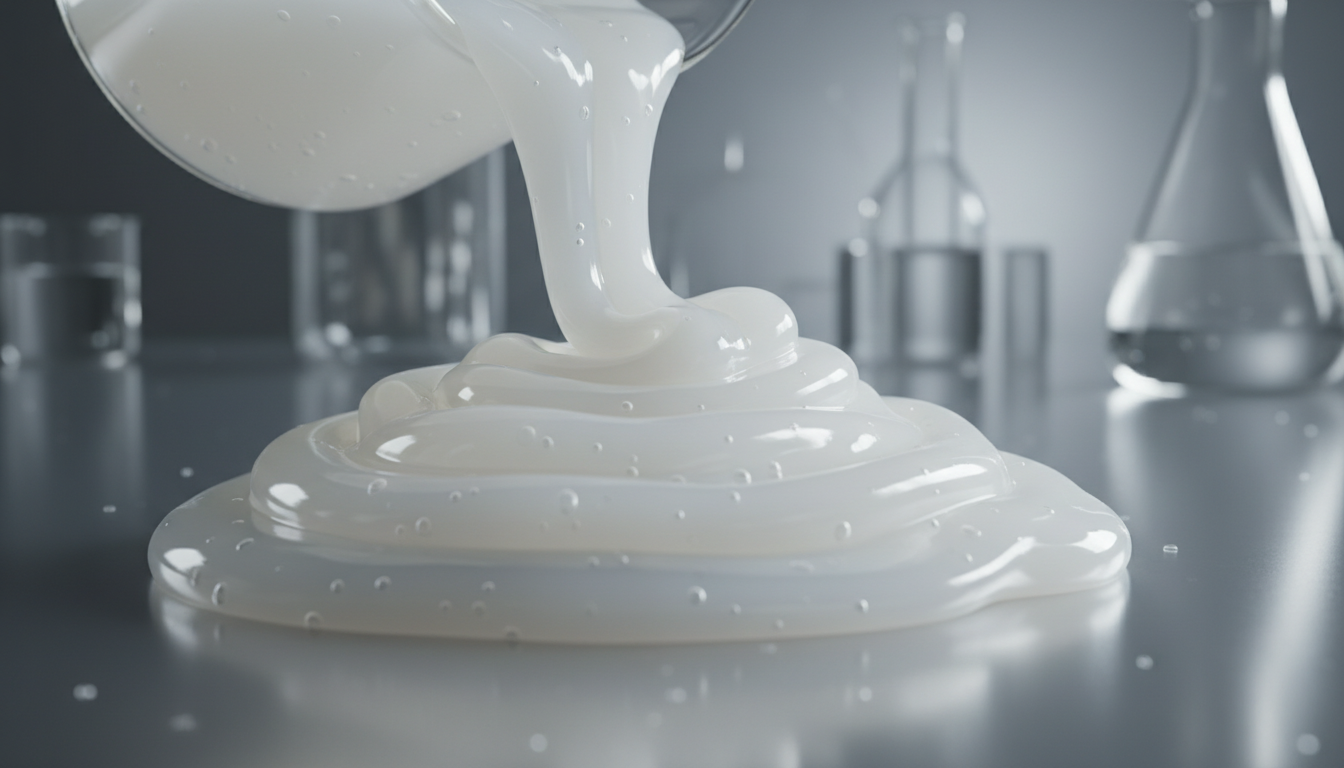
The raw texture of the polymer demonstrates its purity and potential for transformation into various industrial components. This base material is the starting point for all high-grade silicone manufacturing.
How Does the Chemical Backbone of Silicone Work?
The chemical backbone of silicone consists of siloxane bonds (Si-O-Si) rather than the carbon-carbon bonds found in most plastics. What is silicone? It is a structure where organic groups, such as methyl, are attached to the silicon atoms to provide specific characteristics.
Understanding siloxane bonds
The bond between silicon and oxygen is significantly stronger and more flexible than the carbon bonds in plastics. You will find that this strength prevents the material from becoming brittle over time.
Think about it:
- High bond energy leads to heat resistance.
- Flexible bond angles allow for elastic properties.
- Alternating atoms create a stable, non-reactive chain.
Silicon vs. carbon structures
Most plastics use a carbon-heavy backbone that is susceptible to breakdown when exposed to chemicals or heat. Silicone’s silicon-oxygen structure creates a shield that protects the material’s integrity.
| Feature | Silicon Backbone | Carbon Backbone |
|---|---|---|
| Bond Strength | High (Si-O) | Moderate (C-C) |
| Thermal Limits | -60°C to 250°C+ | -20°C to 100°C (average) |
| Chemical Inertness | High | Variable |
The fundamental difference in atomic bonding is why silicone outperforms traditional polymers in mission-critical applications.
Key Takeaway: Selecting a siloxane-based material ensures your components will not fail when exposed to the high-stress environments that destroy carbon-based plastics.
Why Is Silicone Often Confused With Plastic?
Silicone is often confused with plastic because both materials are synthetic, highly moldable, and share a similar “feel” in finished goods. You may find that What is silicone? is often grouped with plastics due to its use in injection molding and extrusion. However, their internal chemistry and performance profiles are vastly different.
Shared physical properties
Both materials offer lightweight durability and can be produced in almost any color or shape. This makes them appear interchangeable to the casual observer or the uninformed buyer.
Here is the deal:
- Both are waterproof and insulating.
- Both can be flexible or rigid.
- Both are durable under normal wear and tear.
Overlapping industrial uses
In many factories, the same machines used for plastics can be adapted for silicone injection molding. This crossover leads many to believe they belong to the same material family.
| Similarity | Detail |
|---|---|
| Versatility | High in both materials |
| Manufacturing | Molding and Extrusion |
| Appearance | Both can be transparent or opaque |
The overlapping applications often obscure the fact that silicone is a specialized thermoset material while most plastics are thermoplastics.
Key Takeaway: Recognizing these similarities helps you understand the market’s confusion while allowing you to highlight the superior technical advantages of silicone.
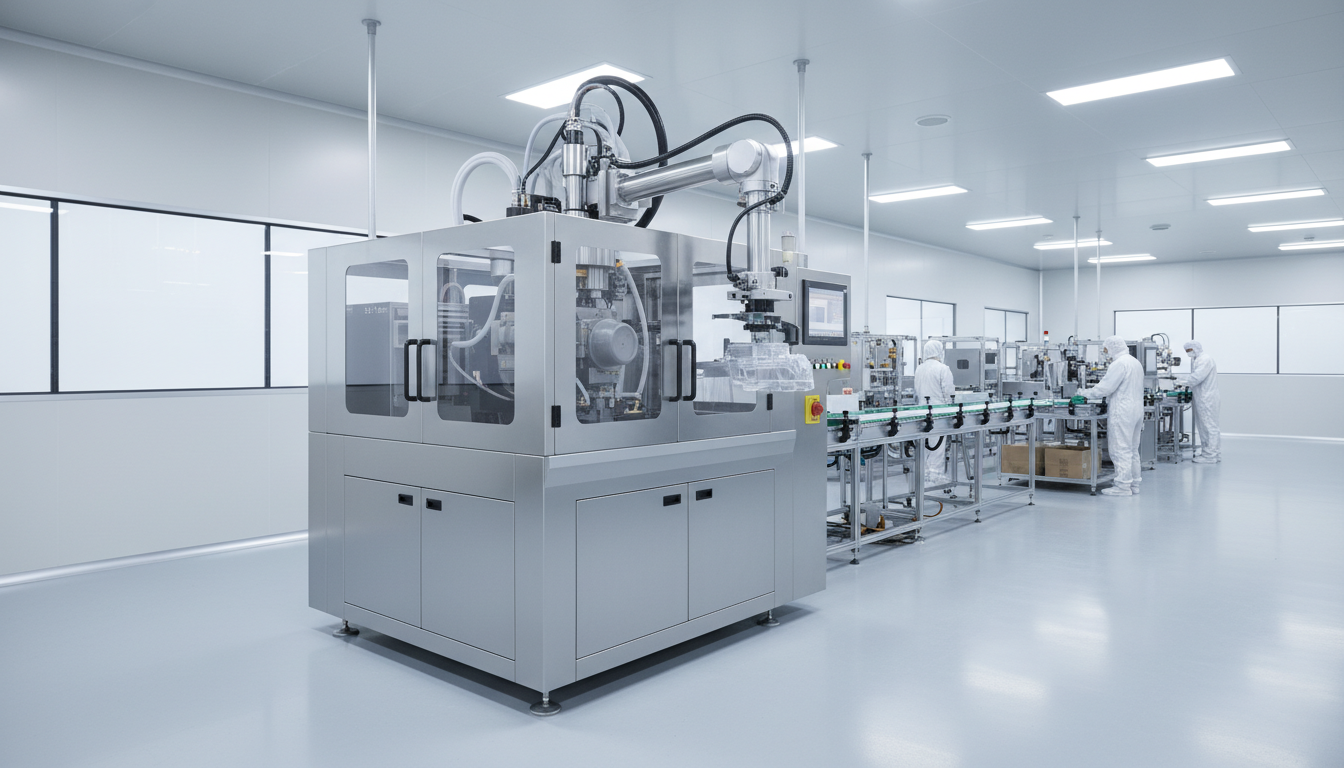
Advanced machinery is required to process high-performance polymers effectively. These systems ensure precision and consistency for complex industrial parts.
What is silicone made of compared to standard plastics?
Silicone is primarily made from quartz ore and chemical additives, whereas standard plastics are derived from crude oil and natural gas. What is silicone? It is a product of high-heat mineral processing, making it a mineral-based synthetic rather than a fossil-fuel-based one.
Quartz ore vs. fossil fuels
The production of silicone involves heating silica sand with carbon at high temperatures to extract silicon. This process is energy-intensive but avoids the direct consumption of petroleum for the polymer backbone.
The bottom line is:
- Quartz provides the silicon atoms.
- Crude oil provides the ethylene for plastic.
- Silicone is less dependent on oil market fluctuations.
Thermoset vs. thermoplastic
Most common plastics are thermoplastics, meaning they can be melted and reshaped multiple times. Silicone is typically a thermoset, which cures into a permanent shape that will not melt even at high temperatures.
| Characteristic | Silicone (Thermoset) | Plastic (Thermoplastic) |
|---|---|---|
| Re-meltable | No | Yes |
| Heat Response | Remains stable | Softens or melts |
| Curing Process | Chemical cross-linking | Cooling from melt |
The inability to melt back down is a hallmark of silicone’s superior structural stability in industrial heat.
Key Takeaway: By choosing silicone, you are opting for a mineral-based material that provides a “set-it-and-forget-it” level of reliability in high-heat zones.
Is Silicone Considered a More Sustainable Material?
Silicone is often considered more sustainable than plastic because it does not break down into microplastics and lasts much longer. You can argue that What is silicone? represents a shift toward higher-quality, long-term products that reduce the need for frequent replacement. It is an investment in durability that pays environmental dividends over time.
Durability and longevity
Silicone products can last for decades without losing their flexibility or structural integrity. This extreme lifespan means fewer items end up in landfills compared to brittle, single-use plastics.
Believe it or not:
- It resists UV radiation.
- It does not crack in extreme cold.
- It survives thousands of usage cycles.
Microplastic concerns
Unlike many plastics, silicone does not shed tiny particles that contaminate the ocean and food supply. This makes it a preferred material for companies looking to minimize their ecological footprint.
| Sustainability Factor | Silicone Impact | Plastic Impact |
|---|---|---|
| Lifespan | Very Long | Short to Medium |
| Microplastic Shedding | Minimal | High |
| Toxicity | Inert | Can leach additives |
The lack of environmental degradation ensures that silicone remains a stable part of the ecosystem even if it is not easily biodegradable.
Key Takeaway: Transitioning your product line to silicone positions your brand as an environmentally conscious leader focused on long-term value.
How Does Heat Affect Silicone and Plastic Differently?
Heat causes silicone to remain stable and functional, while it causes most plastics to soften, warp, or release toxic fumes. What is silicone? It is a thermal insulator that can withstand constant exposure to temperatures that would liquefy standard polymers.
Thermal stability range
Silicone typically maintains its physical properties from -60°C to well over 230°C. You will find that it remains rubbery and sealing at temperatures where other materials become hard or gooey.
The reality is:
- It is used in oven gaskets.
- It serves as engine insulation.
- It protects sensitive aerospace electronics.
Structural integrity under heat
When plastic is heated, its molecular chains slide past each other, leading to catastrophic failure. Silicone’s cross-linked structure holds firm, ensuring that your seals and components stay in place.
| Heat Level | Silicone Reaction | Plastic Reaction |
|---|---|---|
| 100°C | No change | Softening begins |
| 200°C | Flexible and stable | Significant warping/Melting |
| 250°C | Gradual hardening | Decomposition |
The superior thermal resistance of silicone makes it the only choice for modern kitchenware and industrial heat shields.
Key Takeaway: If your application involves any level of heat, using silicone eliminates the risk of thermal deformation and product failure.

The vibrant colors and heat-resistant properties of these tools showcase the versatility of silicone in everyday environments. It handles extreme temperatures without losing its shape or safety rating.
What are the Different Forms Silicone Can Take?
Silicone can take many forms, including liquids, gels, elastomers (rubber), and hard resins. You should know that What is silicone? is a highly adaptable chemistry that can be fine-tuned to your specific hardness or viscosity requirements. This versatility allows it to serve multiple functions within a single complex machine.
Flexible rubber and gels
Liquid silicone rubber is perfect for creating soft-touch grips, medical tubing, and vibration dampers. Its ability to absorb energy and return to its original shape is unmatched by most organic rubbers.
Here is the deal:
- Gels are used for cushioning.
- Rubbers are used for seals.
- Liquids are used for lubricants.
Rigid resins and fluids
In its resin form, silicone can be used as a hard protective coating for electronics or as a high-heat paint additive. Silicone fluids are also vital as hydraulic oils and heat-transfer agents in heavy industry.
| Form | Common Use Case |
|---|---|
| Liquid | Industrial Lubricants |
| Gel | Breast Implants / Padding |
| Rubber | O-rings and Tubing |
The sheer variety of physical states means that silicone can likely replace multiple less-effective materials in your current supply chain.
Key Takeaway: Understanding the different forms of silicone allows you to consolidate your material sourcing by using one versatile polymer family for various needs.
Is Silicone Safer for Food and Medical Use?
Silicone is significantly safer for food and medical use because it is chemically inert and does not leach harmful chemicals like BPA or phthalates. What is silicone? It is a biocompatible material that the human body does not recognize as a foreign threat, making it ideal for long-term contact.
Chemical leaching risks
Many plastics contain additives that can migrate into food or the bloodstream, especially when heated. Silicone does not require these softeners, meaning it remains stable and non-toxic throughout its life.
Best of all:
- It is BPA-free.
- It is Phthalate-free.
- It does not react with acidic foods.
Biocompatibility factors
Medical-grade silicone is tested for its ability to stay in contact with living tissue without causing irritation or immune responses. This makes it the gold standard for surgical implants and respiratory equipment.
| Safety Standard | Silicone Status | Plastic Status |
|---|---|---|
| FDA Approval | Standard for Food Grade | Varies by Type |
| Biocompatibility | High (Medical Grade) | Generally Low |
| Chemical Leaching | None detected | Common (BPA/VOCs) |
Choosing silicone for sensitive applications ensures you are meeting the highest global safety standards for human health.
Key Takeaway: Using silicone in health-related products protects your end-users and shields your company from the liability risks associated with toxic plastic additives.
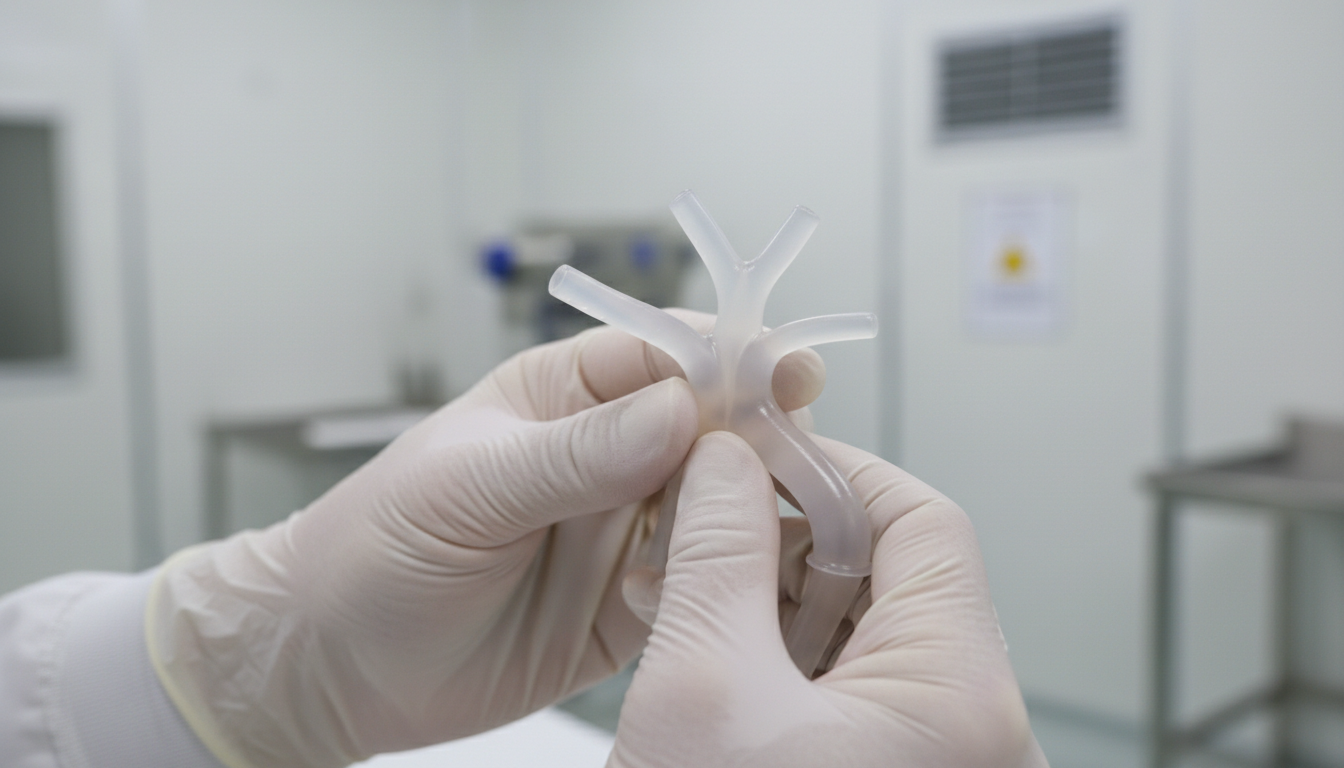
Precision is paramount when dealing with healthcare components. The clear, sterile nature of medical-grade silicone ensures safety and performance in life-saving devices.
How Do You Identify High-Quality Silicone Products?
You can identify high-quality silicone products by performing the “pinch test” and verifying their regulatory certifications. You need to be aware that What is silicone? can sometimes be “extended” with cheap plastic fillers to lower costs. Spotting these fillers is essential for maintaining the integrity of your brand.
The pinch test method
When you twist or pinch a piece of high-quality silicone, the color should remain consistent. If the material turns white at the stress point, it likely contains plastic fillers that compromise its heat resistance.
Keep in mind:
- Pure silicone does not change color when pinched.
- Fillers make the material more prone to cracking.
- High-quality silicone feels smooth, not greasy.
Verifying FDA and LFGB grades
You should always request documentation for FDA (US) or LFGB (European) food-grade standards. The LFGB standard is generally considered stricter and indicates a higher level of purity and safety.
| Quality Marker | High-Grade Silicone | Low-Grade (with fillers) |
|---|---|---|
| Pinch Test | No color change | Turns white/pale |
| Odor | Odorless | Chemical/Plastic smell |
| Flexibility | Returns to shape immediately | May retain creases |
Insisting on certified medical-grade silicone or high-purity food grades protects your manufacturing process from inferior raw materials.
Key Takeaway: Learning to verify silicone quality ensures that you never pay premium prices for materials that have been diluted with dangerous plastic fillers.
What is silicone? Final Verdict on Its Classification
Silicone is best classified as a synthetic elastomer that stands independently from the plastic family. What is silicone? It is a high-performance material that offers the flexibility of rubber with the chemical resistance and thermal stability of minerals.
Summary of key differences
While it shares some manufacturing methods with plastic, its silicon-oxygen backbone and mineral origins set it apart. It is an “upgrade” material for those who have outgrown the limitations of traditional polymers.
The final word:
- It is not a petroleum-based plastic.
- It is a thermoset polymer.
- It is the safest choice for high-heat and medical use.
| Feature | Silicone | Plastic |
|---|---|---|
| Backbone | Silicon-Oxygen | Carbon-Carbon |
| Primary Source | Quartz/Sand | Oil/Gas |
| Best For | Extreme environments | Low-cost consumer goods |
The evidence clearly shows that silicone is a superior, distinct material class that offers unmatched reliability for modern industry.
Key Takeaway: Stop treating silicone as a subtype of plastic; treat it as a specialized engineering solution that solves your most difficult material challenges.
*
Choosing the right material shouldn’t be a gamble. At Hualin, we solve the dilemma of material failure by providing high-purity, custom-engineered silicone solutions that outlast and outperform traditional plastics. Whether you need medical-grade components or durable industrial seals, we offer the technical expertise to bring your vision to life. To start your next high-performance project, contact us today. We are committed to a future where engineering precision meets environmental responsibility through the power of advanced silicone science.
FAQ
Can I recycle silicone products?
Yes, but not through standard curbside programs. You must send silicone to specialized industrial recycling facilities that can break down the cross-linked polymers into silicone oil for secondary use.
Is silicone toxic when heated to high temperatures?
No, high-quality silicone is non-toxic. Unlike many plastics that release VOCs or melt when heated, food-grade silicone remains stable and does not off-gas harmful chemicals at standard cooking temperatures.
What is the best way to clean silicone components?
Yes, you can use most standard cleaning methods. Silicone is dishwasher safe and can be sterilized using boiling water or steam without degrading the material.
Can silicone be used for outdoor applications?
Yes, it is one of the best materials for outdoor use. It possesses natural resistance to UV radiation, ozone, and extreme weather, preventing it from becoming brittle like plastic.
Does silicone contain BPA or phthalates?
No, it does not. Pure silicone is naturally flexible and does not require the chemical softeners or hardeners that give rise to BPA and phthalate concerns in plastics.