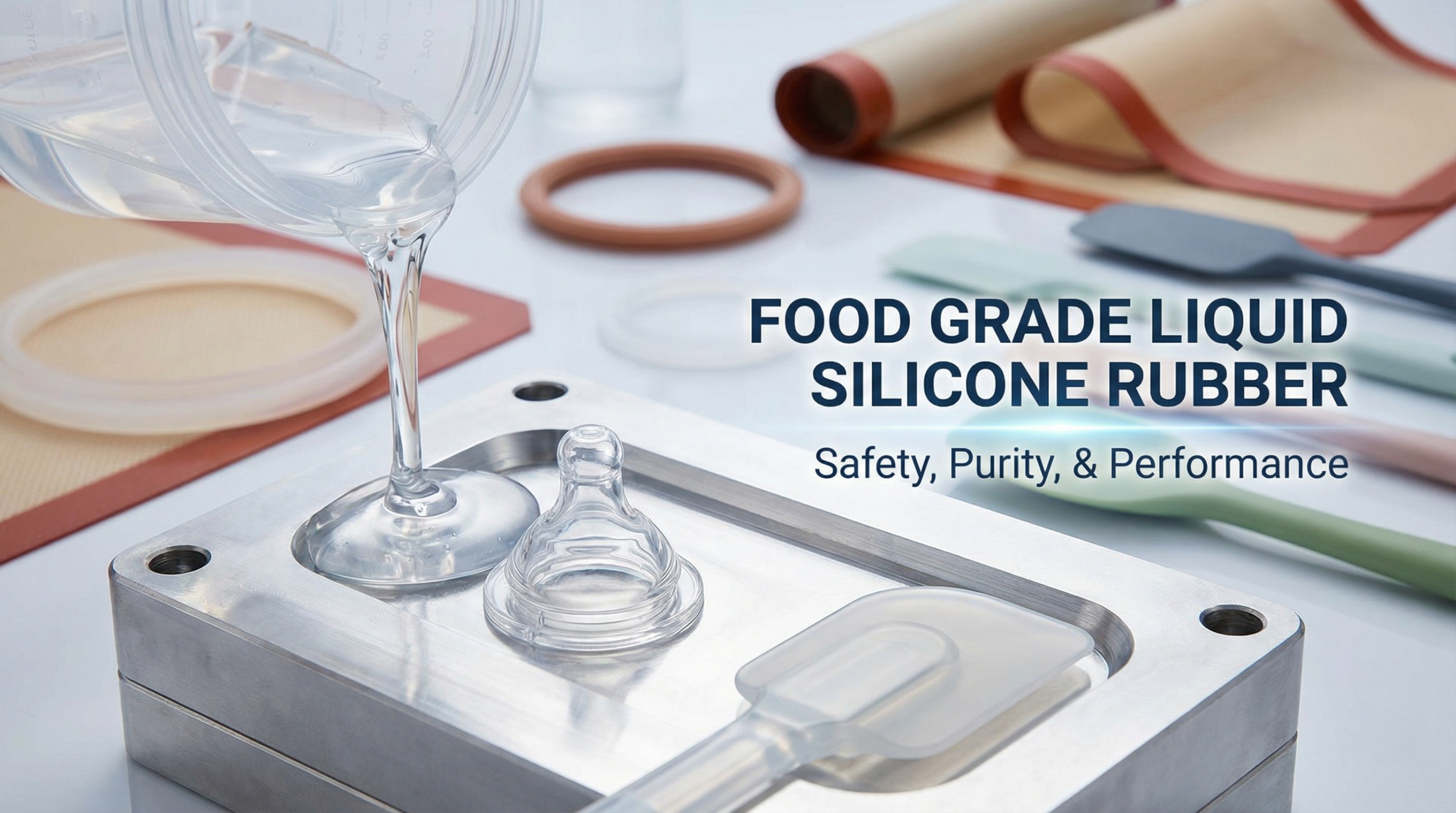
Food grade liquid silicone rubber is a high-purity, platinum-cured elastomer specifically engineered to meet stringent safety standards for direct contact with food and beverages. In an era where consumer safety and regulatory compliance are non-negotiable, using substandard materials in your production line can lead to catastrophic product failures and costly recalls. You cannot afford the risk of chemicals leaching into your products or materials degrading under thermal stress. Liquid Silicone Rubber offers the chemical inertness and durability required to solve these challenges, ensuring your kitchenware or medical components remain non-toxic and compliant.
What is food grade liquid silicone rubber?
Food grade liquid silicone rubber is a two-part platinum-catalyzed elastomer that remains stable and non-reactive under extreme conditions. This specialized version of Liquid Silicone Rubber is processed to remove volatile organic compounds, ensuring it meets international safety requirements for repeated food-contact surfaces.
It is specifically designed for high-performance applications where purity is the top priority. Because it is inorganic, it does not support the growth of mold or bacteria.
Defining the Material Composition
Believe it or not, the secret to its safety lies in the platinum-curing process rather than cheaper peroxide methods. This ensures no toxic by-products or odors remain in the final molded part.
- Platinum-Cured: Provides superior transparency and purity.
- BPA-Free: Naturally free from harmful plasticizers.
- Hydrophobic: Resists moisture and environmental contaminants.
Key Takeaway: High-purity Liquid Silicone Rubber is defined by its platinum-cured backbone, which eliminates leaching and ensures complete neutrality in food environments.
| Feature | Food Grade Specification |
|---|---|
| Curing Agent | Platinum Catalyst |
| Sensory Impact | Odorless and Tasteless |
| Purity | VOC-free |
This material provides the essential foundation for any consumer product requiring high-level hygiene and safety.
Why is liquid silicone rubber safe for food contact?
It is exceptionally safe because it is chemically inert and does not react with acidic foods or beverages even at high temperatures. Using Liquid Silicone Rubber ensures that your products meet the highest safety benchmarks set by global regulatory bodies.
The material’s molecular structure prevents the migration of harmful chemicals into the food stream. This stability makes it the preferred choice for long-term repeated use.
Compliance and Global Standards
Check this out: safety is not just a claim but a verified status through rigorous laboratory testing. Most premium manufacturers adhere to both American and European standards to ensure global market access.
- FDA 21 CFR 177.2600: The US standard for rubber intended for repeated food use.
- LFGB: The stringent German standard required for premium European markets.
- REACH: Compliance ensuring the absence of heavy metals.
Key Takeaway: Safety is guaranteed through inorganic chemical stability and strict adherence to FDA and LFGB extraction limits.
| Standard | Region | Requirement Focus |
|---|---|---|
| FDA | USA | Extraction limits in oils/water |
| LFGB | EU/Germany | Stricter sensory/migration tests |
| BfR | Germany | Material purity for health |
Adherence to these benchmarks prevents regulatory hurdles and builds long-term consumer trust in your brand.
How is food grade LSR manufactured?
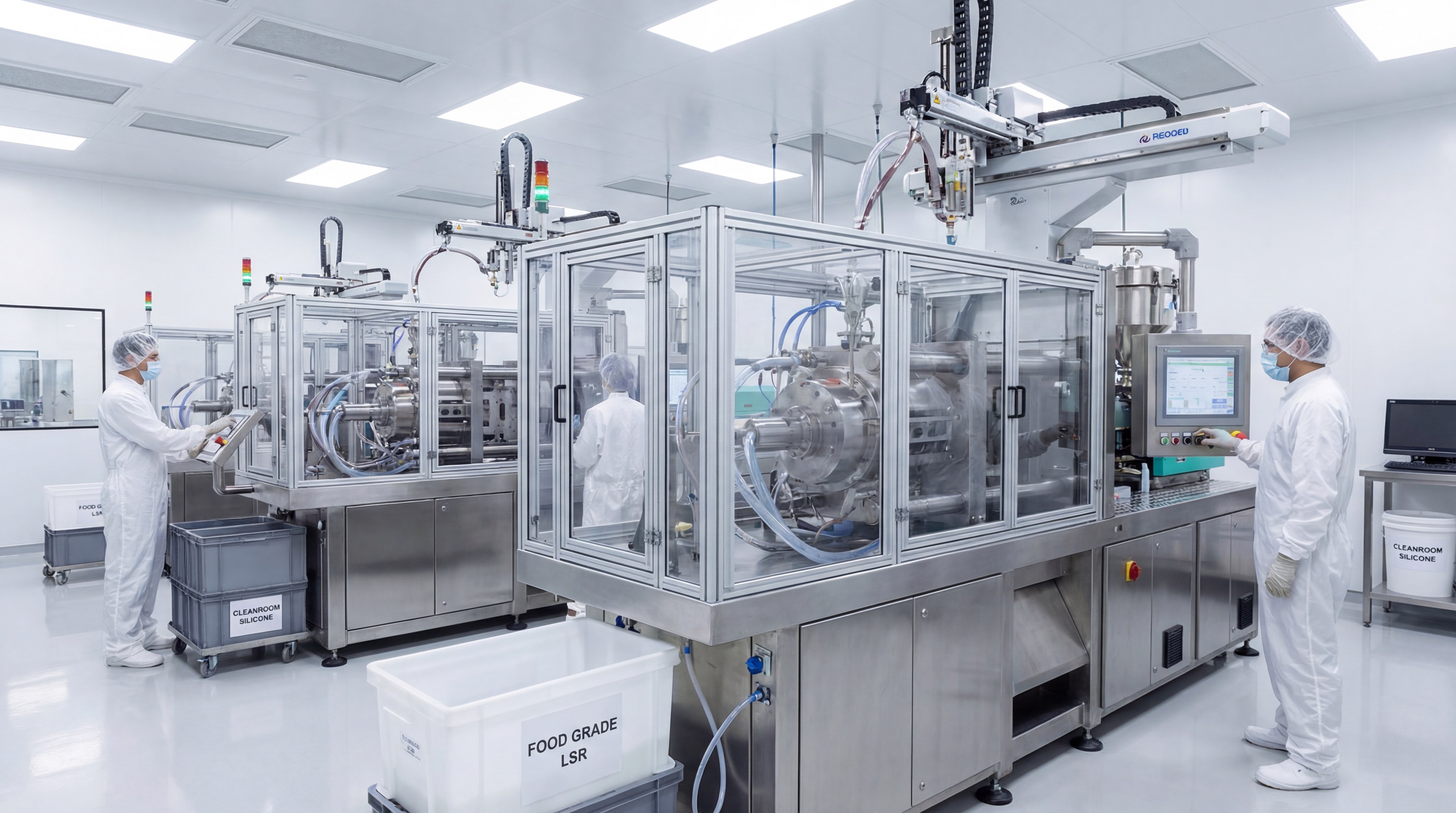
The manufacturing process involves a closed-loop injection molding system that prevents environmental contaminants from entering the material stream. This automated method ensures that each batch of Liquid Silicone Rubber is produced with precision accuracy and consistent physical properties.
Precision metering pumps deliver a 1:1 ratio of the base silicone and the catalyst directly into a static mixer. This homogeneous blend is then injected into a heated mold for rapid curing.
The Injection Molding Cycle
But wait, there’s more to the process than just mixing; the speed and automation are what make it cost-effective for high volumes.
- Closed System: Eliminates the risk of airborne dust or oils.
- Rapid Curing: High-speed thermal cross-linking for fast cycles.
- Flash-Free: Precision tooling results in parts requiring zero secondary trimming.
Key Takeaway: Automated closed-loop injection molding maximizes material purity while ensuring high-volume consistency for complex parts.
| Step | Function | Benefit |
|---|---|---|
| Metering | Precise 1:1 mixing | Material stability |
| Injection | High-pressure delivery | Dimensional accuracy |
| Curing | Thermal cross-linking | Rapid production |
Integrating these advanced manufacturing steps reduces waste and ensures the highest level of part reliability.
What are the main benefits of food grade LSR?
The primary benefits include incredible thermal resistance, a wide hardness range, and a significantly longer lifespan compared to traditional elastomers. Utilizing Liquid Silicone Rubber allows you to design products that maintain their shape and function in both freezing and boiling environments.
This material is also hypoallergenic and biocompatible, making it ideal for products that come into contact with sensitive skin. Its durability ensures it does not crack or peel over time.
Durability and Mechanical Strength
Look at this: even under constant mechanical stress, the material retains its original shape without permanent deformation.
- High Tear Strength: Resists damage from sharp edges or repeated cleaning.
- Compression Set: Recovers its shape quickly after being squeezed or sealed.
- Chemical Resistance: Unaffected by dishwashing detergents or oils.
Key Takeaway: The mechanical resilience and thermal range of LSR provide a combination of safety and performance unmatched by other polymers.
| Benefit | Impact |
|---|---|
| Thermal Stability | Oven and dishwasher safe |
| Low Creep | Reliable long-term seals |
| Bio-Inertness | Safe for all food types |
These characteristics enable you to create versatile products that survive the most demanding kitchen and industrial environments.
Where is food grade LSR commonly used?
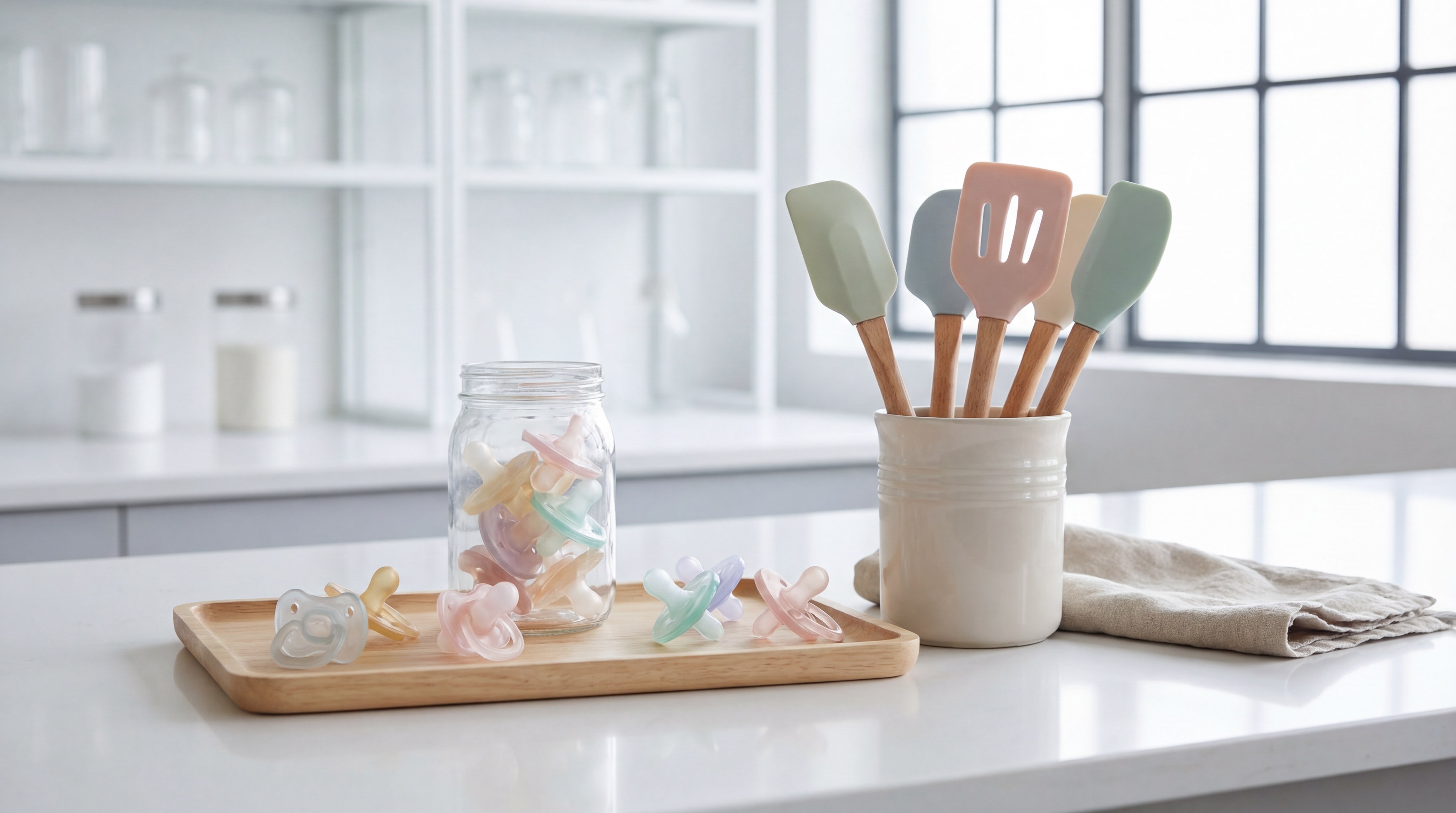
It is the standard material for infant care products, high-end bakeware, and seals within commercial beverage dispensing systems. Liquid Silicone Rubber is indispensable for parts that require tight seals, hygienic surfaces, and the ability to withstand steam sterilization.
From household spatulas to industrial gaskets, its versatility is unmatched. It is increasingly replacing plastic in high-end consumer goods due to its BPA-free nature.
Consumer and Industrial Applications
Here is the deal: if you look at any modern appliance, you will likely find a silicone seal protecting its internal components.
- Infant Care: Pacifiers, bottle nipples, and teething toys.
- Bakeware: Reusable muffin cups, baking mats, and cake molds.
- Appliances: Gaskets for coffee makers, blenders, and refrigerators.
Key Takeaway: LSR is the essential material for any application requiring high-purity, heat-resistant, and flexible food-contact surfaces.
| Industry | Specific Part |
|---|---|
| Mother & Baby | Bottle Nipples |
| Kitchenware | Spatula Heads |
| Appliances | Water System Seals |
The widespread adoption of this material across industries proves its reliability and safety for various end-users.
Which standards define food grade silicone?
To be legally classified as food-safe, Liquid Silicone Rubber must meet specific migration and extraction limits defined by global regulatory bodies. These standards involve submerging the material in food simulants to measure how much material transfers during use.
The two most prominent standards are the FDA in the United States and the LFGB in Europe. While both are effective, the LFGB standard is often viewed as the “gold standard” for international exports.
Navigating Regulatory Testing
Think about this: while basic silicone might pass simple tests, only premium grades can meet the stringent sensory requirements of European laws.
- Extraction Testing: Measures material dissolution in water and oil.
- Sensory Testing: Ensures the material transfers no smell or taste to food.
- Migration Limits: Restricts the amount of specific chemicals that can transfer.
Key Takeaway: Global compliance ensures that your products can be sold in any jurisdiction without the risk of safety violations.
| Regulation | Market Focus | Strictness |
|---|---|---|
| FDA 177.2600 | USA | Standard |
| LFGB | Germany/EU | High |
| BfR XV | Germany | High |
Maintaining these certifications is a critical requirement for any manufacturer targeting high-end global retail markets.
Does temperature affect food grade LSR performance?
It is famous for its exceptional thermal range, maintaining flexibility and strength from -60°C up to 230°C. Unlike many plastics that melt or become brittle, Liquid Silicone Rubber remains dimensionally stable across this entire spectrum.
This allows for the production of items that transition directly from the freezer to the oven without any degradation. Its chemical structure remains intact even under repeated thermal cycling.
Thermal Resistance and Stability
Check this out: the material’s ability to withstand boiling water makes it perfect for parts that require frequent sterilization.
- Oven Safe: Does not release toxins even at peak cooking temperatures.
- Freezer Safe: Stays flexible and soft in deep-freeze environments.
- Microwave Safe: Resistant to radiation and localized heat buildup.
Key Takeaway: Dimensional stability across a 300-degree temperature range makes LSR the ultimate material for versatile food hardware.
| Environment | Temp Range | Material Status |
|---|---|---|
| Deep Freezer | -60°C | Flexible |
| Boiling Water | 100°C | Inert |
| Industrial Oven | 230°C | Stable |
This thermal resilience provides you with a massive design advantage when creating multi-functional kitchen tools.
Can food grade LSR be overmolded onto other parts?
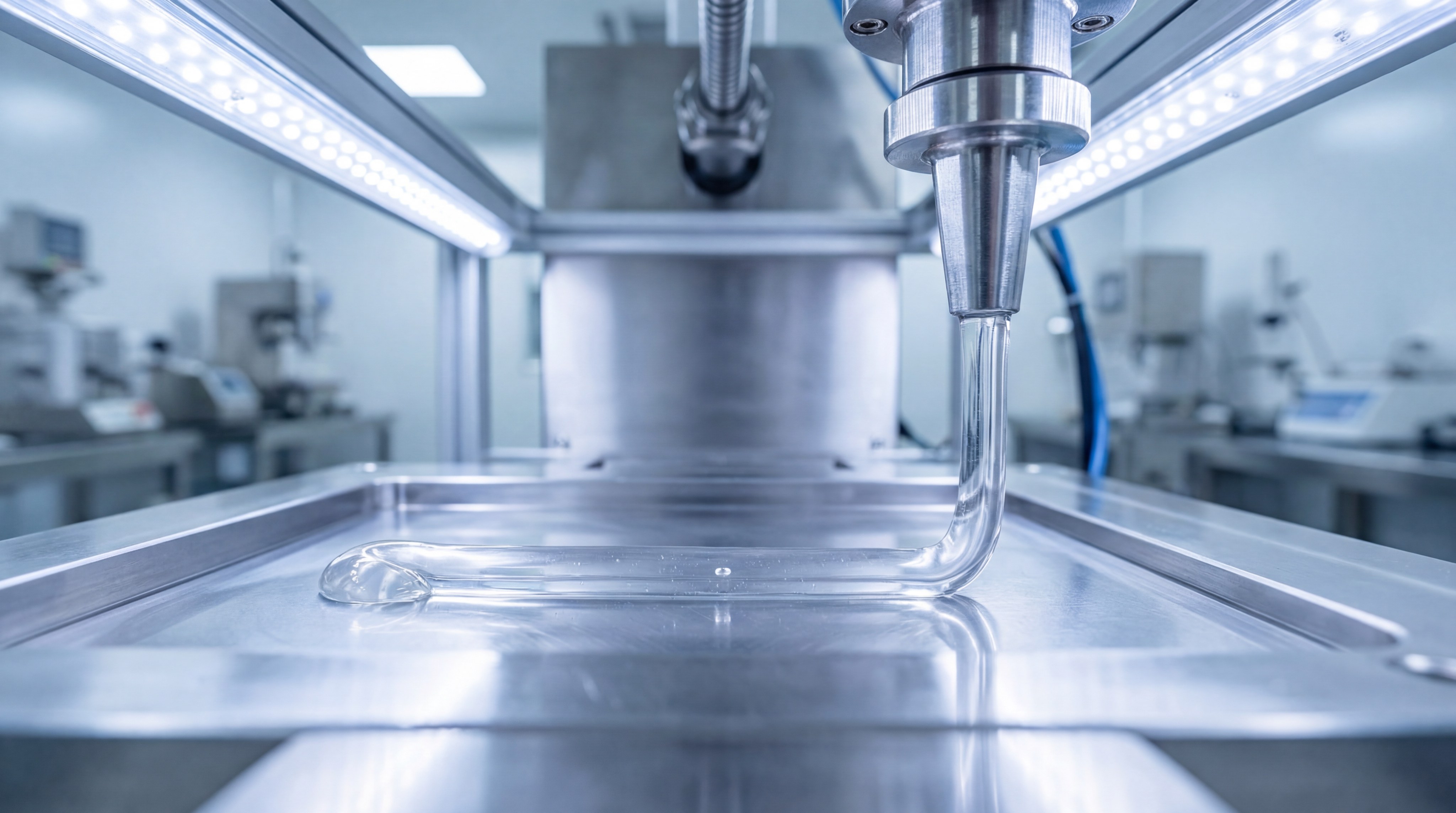
Yes, Liquid Silicone Rubber is frequently overmolded onto plastic or metal substrates to create “multi-shot” parts with integrated grips or seals. This process creates a permanent chemical bond without the need for potentially toxic adhesives.
By molding silicone directly onto a rigid handle, you can create a single, seamless component that is easy to clean. This reduces assembly time and eliminates gaps where bacteria could grow.
Benefits of Multi-Shot Molding
Let me explain: by combining a rigid handle with a soft grip in one step, you simplify your supply chain and improve part quality.
- Soft-Touch Grips: Enhances ergonomics for kitchen utensils.
- Integrated Seals: Gaskets molded directly onto lids for leak-proof fits.
- Hygiene: Seamless bonds eliminate microbial traps.
Key Takeaway: Overmolding provides design freedom and functional integration that simplifies manufacturing while enhancing end-user safety.
| Substrate | Application | Benefit |
|---|---|---|
| Plastic (PP) | Container Lids | Integrated Gasket |
| Stainless Steel | Utensils | Heat-proof Grip |
| Glass | Bottles | Protective Sleeve |
This advanced molding capability allows for the creation of sophisticated, high-value consumer products with fewer assembly risks.
Why is cleanroom production necessary for LSR?
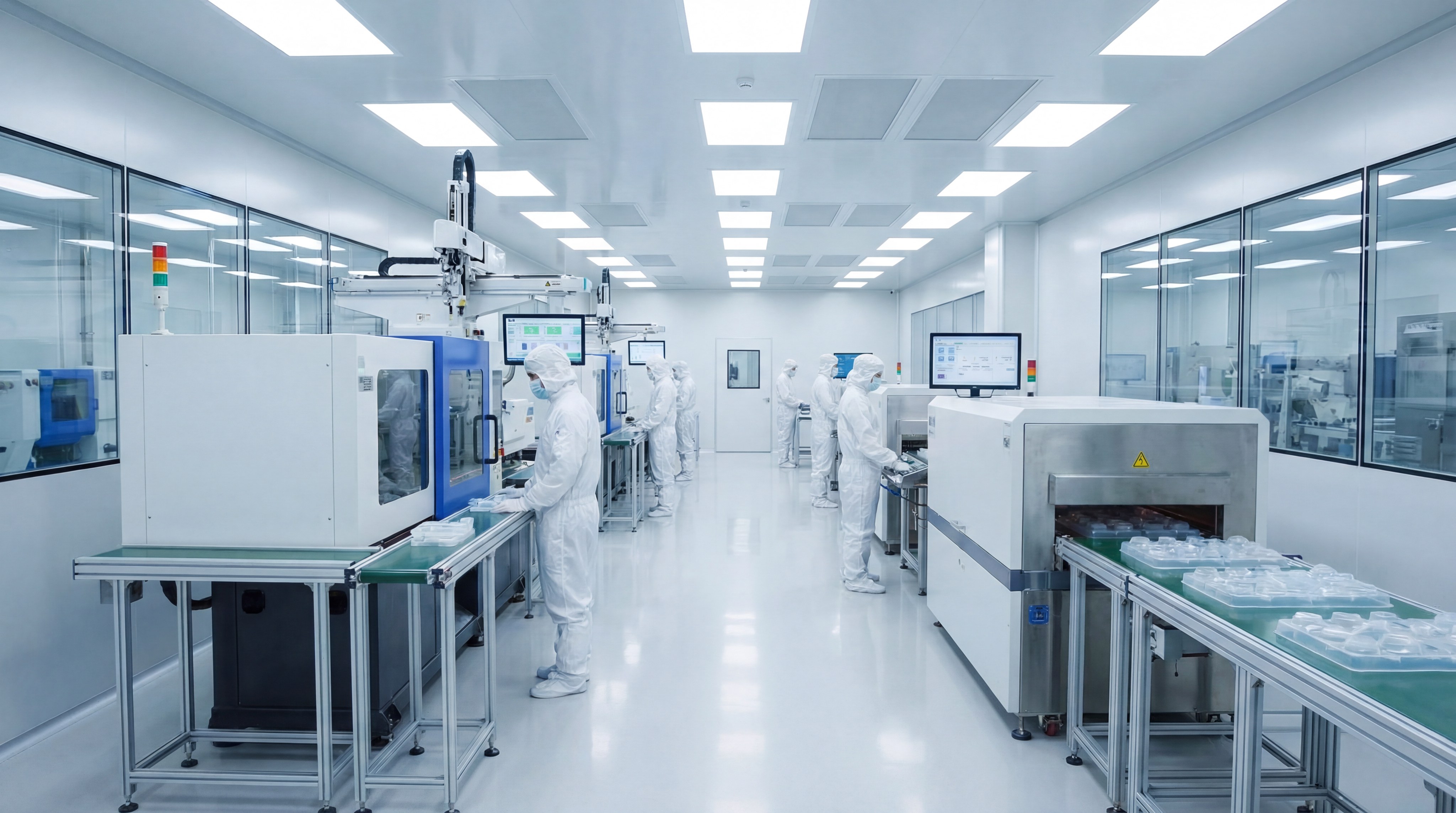
Producing Liquid Silicone Rubber components in a cleanroom prevents microscopic particulates and airborne oils from contaminating the material during the molding process. In high-purity food and medical applications, environmental control is the only way to guarantee a 100% pure final product.
Any impurity trapped inside a baby nipple or a food valve can compromise its structural integrity or safety. A controlled environment ensures that no human oils or dust enter the production stream.
Maintaining Environmental Purity
You see, even a single speck of dust can lead to a batch rejection in a high-stakes regulated industry.
- HEPA Filtration: Continuous air scrubbing to remove debris.
- Protective Gear: Prevents human skin or hair from entering the mold.
- Sanitized Tooling: Molds are cleaned under strict protocols.
Key Takeaway: Cleanroom manufacturing is the gold standard for high-purity silicone, ensuring every part meets the highest hygienic requirements.
| Control Factor | Method | Result |
|---|---|---|
| Air Quality | HEPA Filters | No inclusions |
| Surface Prep | Solvent cleaning | Pristine finish |
| Personnel | Full PPE | No contamination |
Investing in cleanroom production is a commitment to quality that differentiates top-tier manufacturers from standard molding shops.
How do I choose a food grade LSR manufacturer?
Choosing a Liquid Silicone Rubber manufacturer requires verifying their ISO certifications, in-house mold-making capabilities, and their history of exporting to regulated markets. You should look for a partner that provides Design for Manufacturing (DFM) support to optimize your part for high-volume production.
A reliable manufacturer will act as a technical consultant, helping you navigate the complexities of material selection and regulatory compliance. They should offer transparency in their quality control processes.
Critical Selection Criteria
The bottom line is this: you need a partner who understands that safety is as important as dimensional accuracy.
- Certifications: Verify ISO 9001 and IATF 16949 standards.
- In-house Tooling: Ensures faster iterations and tighter tolerances.
- Material Traceability: Request batch records for all raw materials.
Key Takeaway: A top-tier manufacturer provides the technical expertise and certified facilities needed to bring safe, high-volume products to market.
| Criteria | Importance | Recommendation |
|---|---|---|
| Experience | Prevents errors | 15+ years in LSR |
| Capability | Full cycle service | Tooling to Mass Prod |
| Support | Project speed | 24-hour DFM feedback |
By selecting a partner with proven export experience, you ensure your project is built on a foundation of professional discipline and global safety standards.
Conclusion
Food grade liquid silicone rubber represents the pinnacle of material safety for the modern consumer and industrial sectors. This article has addressed the critical problems of chemical leaching, thermal degradation, and regulatory compliance by demonstrating how high-purity elastomers and advanced manufacturing solve these challenges. At our facility, we take the initiative to help you optimize your designs through expert DFM support and controlled cleanroom production. We can help you launch your product faster with fewer quality risks, ensuring your parts remain stable from the first prototype to full-scale mass production. We believe that precision engineering and uncompromised safety are the benchmarks of a successful partnership. If you are ready to elevate your product quality and ensure global compliance, contact us today to receive a free engineering review for your project.
Frequently Asked Questions
Can I use standard silicone for food applications?
No. Only platinum-cured, food-grade certified silicone should be used for products that touch food because standard peroxide grades can leave toxic by-products.
What’s the best way to clean food grade silicone?
Dishwashers are the most efficient method. High-quality silicone withstands extreme heat and strong detergents without losing its safety properties or physical shape.
How do I know if silicone is BPA-free?
High-quality liquid silicone rubber is inherently BPA-free by its chemical nature. You should verify this by requesting FDA or LFGB test reports from your manufacturer.
Can I boil food grade LSR for sterilization?
Yes. This material is designed to withstand temperatures well above 100°C, making it perfectly safe for boiling water sterilization or steam cleaning cycles.
How do I know if the material is truly food grade?
Directly request a material certificate of analysis (COA) and test reports. These documents should prove compliance with FDA 21 CFR 177.2600 or European LFGB standards.