
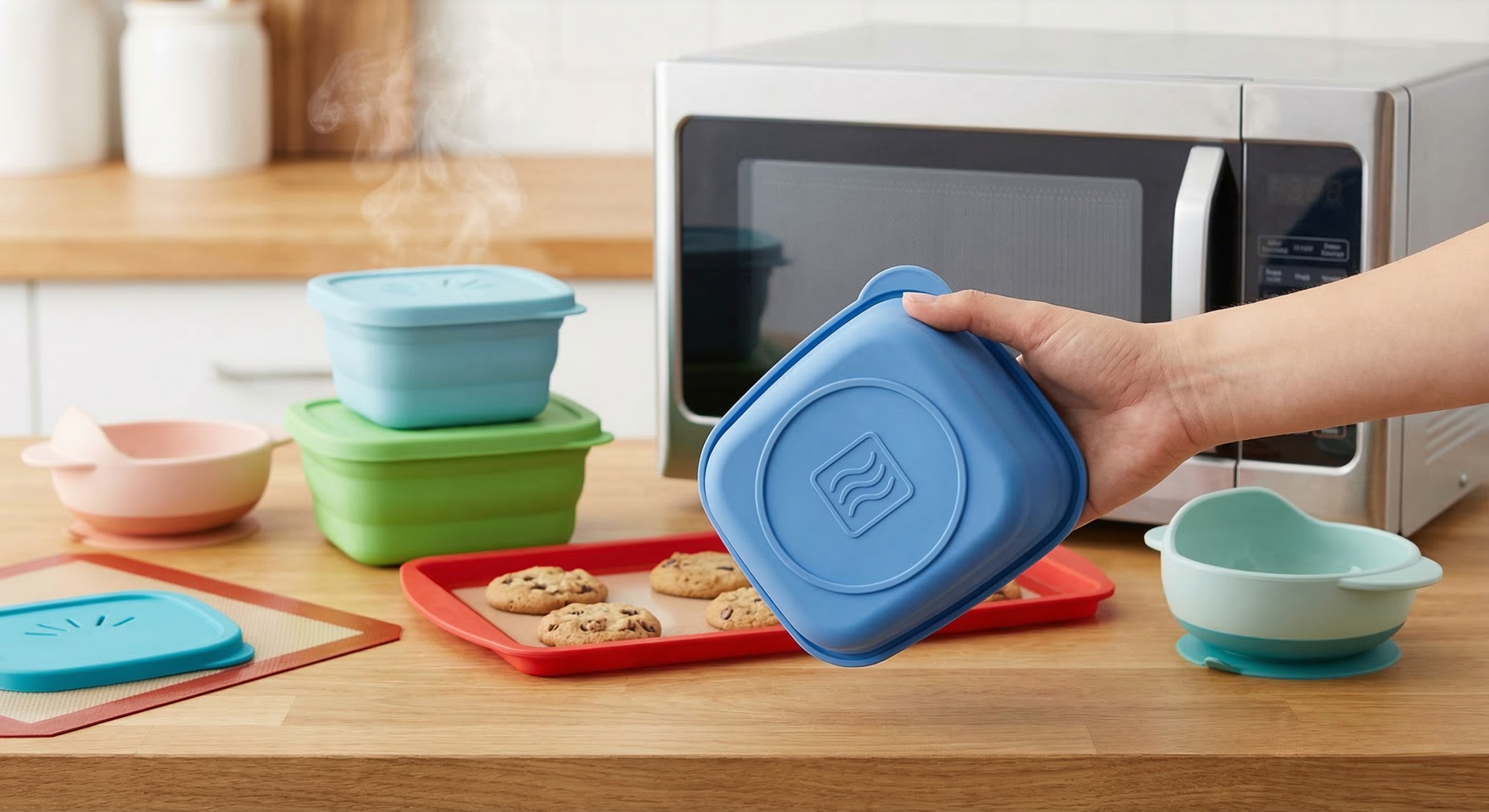
Yes, high-quality food-grade silicone is perfectly safe for microwave use. Many home chefs worry about melting or toxic fumes when heating leftovers in modern containers. Knowing whether can you microwave silicone is essential to ensuring your kitchen remains both efficient and safe for your family.
Can You Microwave Silicone Safely at Home?
Yes, you can safely microwave silicone in your home kitchen provided it is pure and food-grade. When you ask yourself can you microwave silicone, you should first look for specific manufacturer markings on the bottom of the vessel. Most reputable brands will clearly mark their products as microwave-safe to give you peace of mind.
Identifying Microwave-Safe Symbols
Listen closely: checking for the “microwave-safe” wavy line symbol is your first line of defense. This universal icon indicates the material has been tested for electromagnetic radiation resistance. You should also look for:
- The dishwasher-safe symbol (three lines of water).
- Temperature range stamps (usually up to 230°C).
- The “glass and fork” food-safety logo.
Understanding Food-Grade Standards
Not all polymers are built the same way for thermal applications. Food-grade silicone is specifically engineered to remain inert, meaning it won’t react with the ingredients you are cooking. High-quality manufacturers ensure that the molecular structure remains tight even when exposed to high-frequency waves.
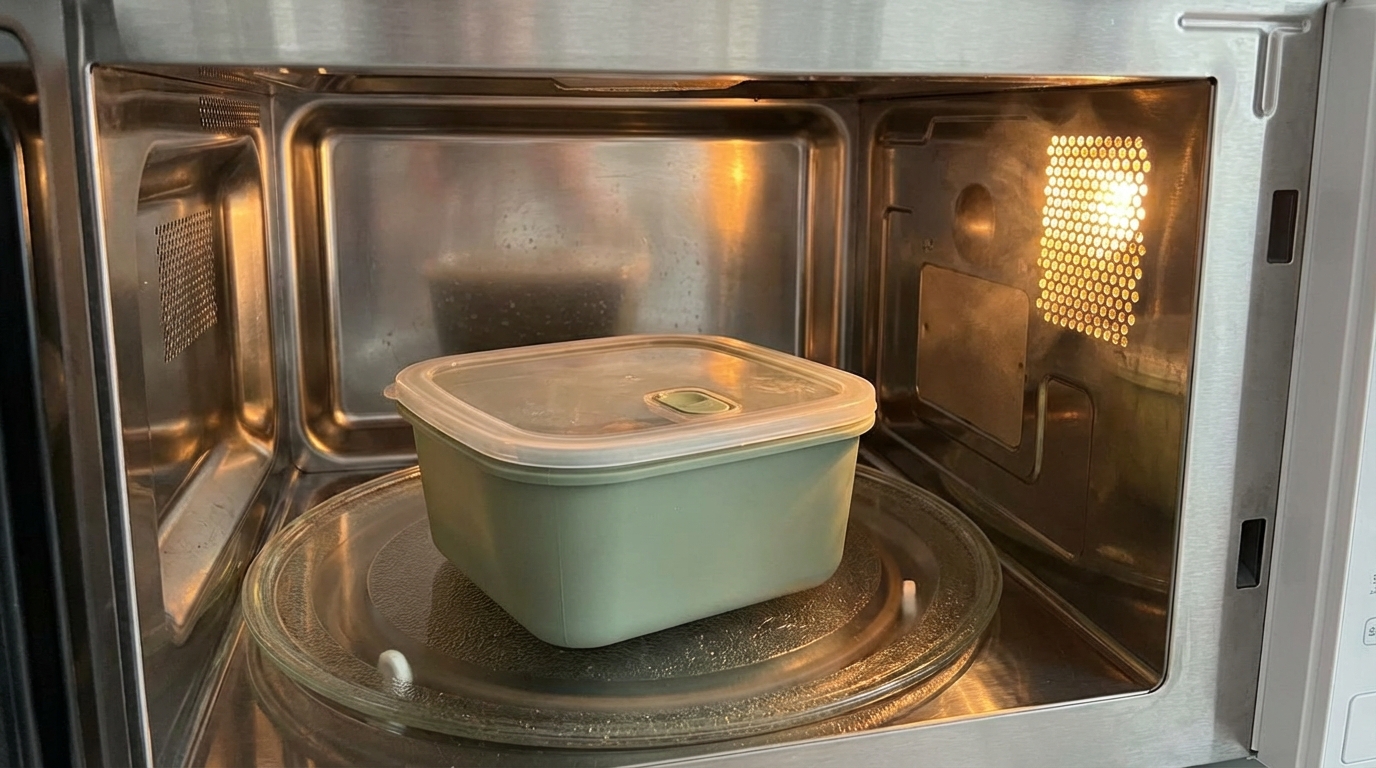
Key Takeaway: Checking for official safety symbols and food-grade certifications ensures that your silicone kitchenware is ready for high-heat environments without risk.
| Feature | Microwave Requirement | Safety Check |
|---|---|---|
| Material | 100% Food-Grade Silicone | Check for “BPA-Free” |
| Symbol | Wavy Line Icon | Inspect bottom of product |
| Heat Limit | Up to 446°F (230°C) | Verify manufacturer specs |
This data helps you quickly verify if your specific kitchen tool is ready for the microwave.
Does Silicone Release Chemicals in the Microwave?
Pure silicone does not release harmful chemicals like BPA or phthalates when subjected to standard microwave temperatures. Understanding whether can you microwave silicone involves looking at the raw material purity and international safety certifications. High-quality silicone is non-porous and resists leaching, making it ideal for heating food.
The Importance of FDA and LFGB Compliance
The bottom line is: the standard of the silicone determines its chemical stability under heat. While FDA standards are common, LFGB (German/European) standards are often stricter regarding volatile organic compounds.
- FDA compliance focuses on overall safety for the US market.
- LFGB testing involves more rigorous leaching tests.
- High-purity silicone passes both without emitting odors.
BPA-Free vs. Pure Silicone Construction
You should verify that your products are 100% silicone and not a “silicone-plastic” hybrid. Plastic fillers can melt at much lower temperatures and release toxins that silicone alone would not. Pure silicone remains stable because it is made of silicon, oxygen, carbon, and hydrogen.
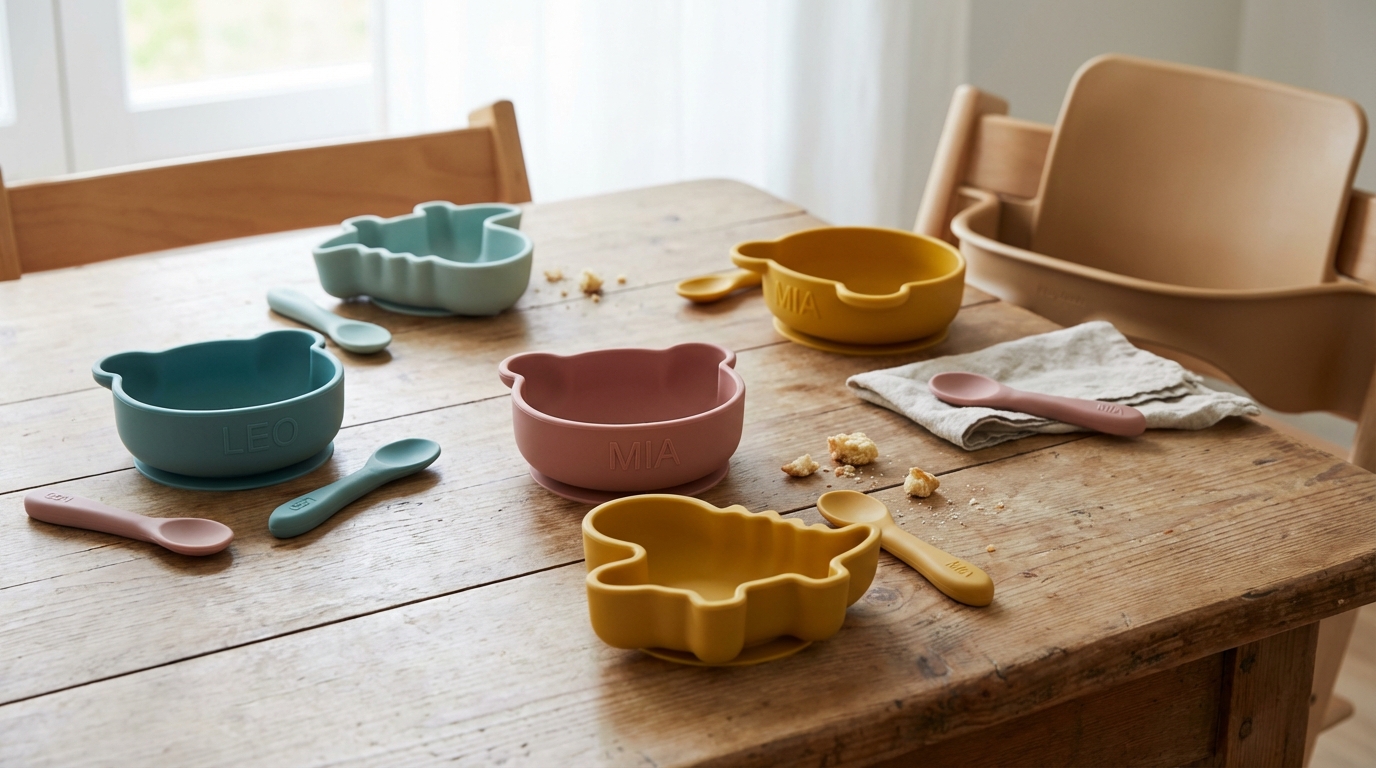
Key Takeaway: Choosing silicone that meets international safety standards like FDA or LFGB prevents chemical migration and protects your health during heating.
| Certification | Focus Area | Safety Level |
|---|---|---|
| FDA | General Food Contact | Standard |
| LFGB | Volatile Substance Migration | Premium |
| BPA-Free | Hormone Disruptor Absence | Essential |
The following table summarizes why choosing certified materials is non-negotiable for microwave safety.
How Does High Heat Affect Silicone Durability?
High heat does not degrade silicone as long as you stay within its rated temperature threshold. When examining can you microwave silicone, you will find that it is actually more durable than most plastics under thermal stress. The material remains flexible and maintains its shape even after hundreds of heating cycles.
Standard Temperature Limits for Kitchenware
Here is the deal: most silicone kitchen products are rated for temperatures between -40°F and 446°F. This range is far beyond what a standard microwave can reach when heating water-based foods.
- Silicone does not become brittle in the freezer.
- It does not melt like polyethylene in the microwave.
- The material retains its vibrant colors over time.
Thermal Stability of Polymer Chains
Wait, there’s more: the secret to silicone’s heat resistance lies in its siloxane backbone. These strong bonds require significant energy to break, which is why silicone is often used in industrial heat-shielding. This stability prevents the material from warping or losing its non-stick properties during a quick reheat.
Key Takeaway: Silicone’s unique chemical structure allows it to withstand high temperatures without losing its physical integrity or lifespan.
| Temperature Type | Range (Celsius) | Common Use |
|---|---|---|
| Freezing | -40°C to 0°C | Ice trays, food storage |
| Microwaving | 100°C to 120°C | Reheating leftovers |
| Baking | 180°C to 230°C | Cake molds, mats |
This thermal breakdown illustrates the wide safety margin silicone offers for everyday microwave tasks.
Are All Silicone Kitchen Products Microwave Safe?
No, not all silicone products are microwave-safe if they contain metal reinforcements or low-quality plastic fillers. If you are unsure if can you microwave silicone, you must inspect the internal structure of the item. Many “collapsible” or “rigid” silicone items use hidden frames that can cause dangerous sparking.
Risks of Internal Metal Reinforcements
Think about this: a silicone muffin pan with a steel rim will cause a fire in your microwave. The silicone itself is fine, but the metal will reflect microwaves and create an electrical arc.
- Always check for “oven-only” labels.
- Squeeze the rim to feel for hidden wires.
- Avoid any items with decorative metallic paint.
Differences Between Fillers and Pure Silicone
Here is the kicker: some manufacturers use “clay fillers” to reduce costs, which can overheat unevenly. You can perform the “pinch test” to see if white streaks appear, which often indicates the presence of these low-quality additives.
- Pure silicone does not change color when twisted.
- Fillers can cause the material to crack under heat.
- High-quality products feel heavier and more consistent.
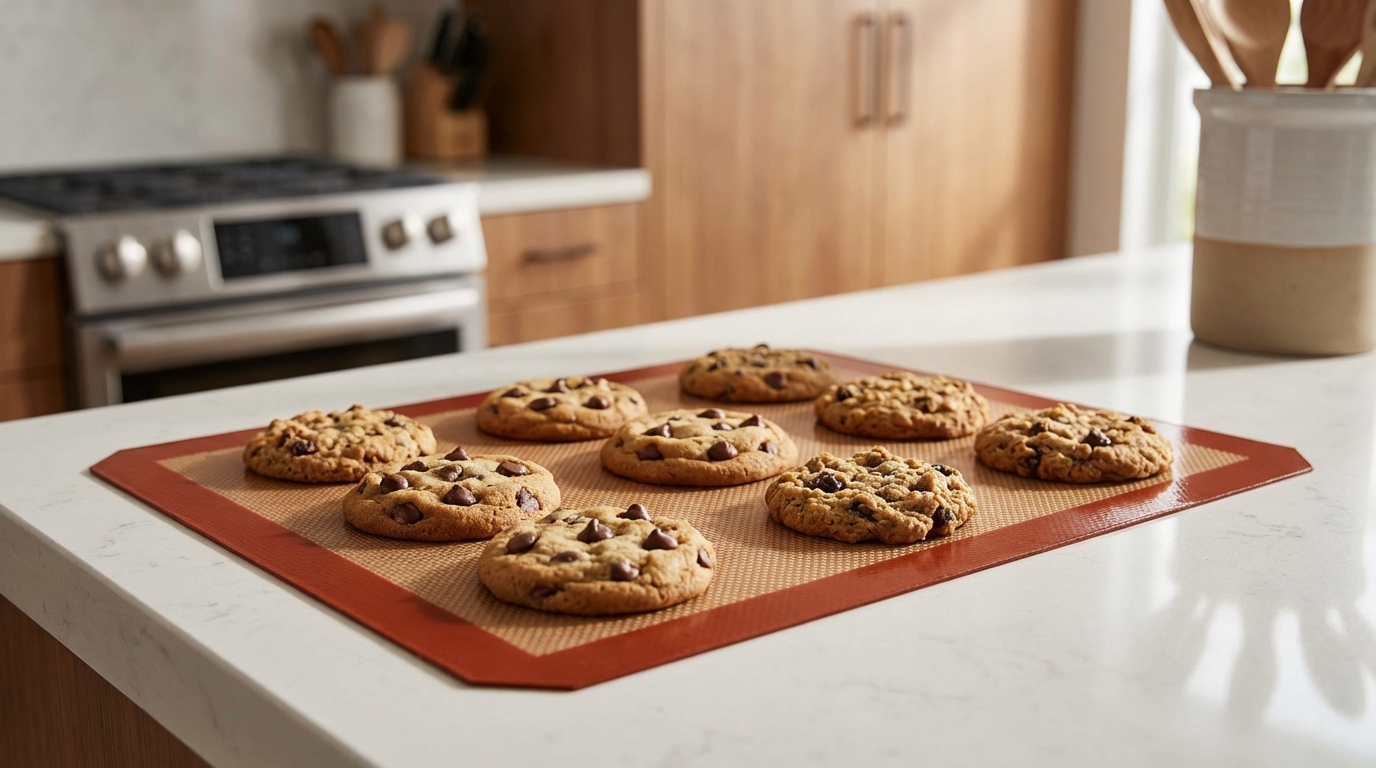
Key Takeaway: Avoiding silicone products with metal components or cheap fillers is the only way to guarantee a spark-free microwaving experience.
| Component | Microwave Risk | Recommendation |
|---|---|---|
| Stainless Steel Rim | High (Sparking) | Use for oven only |
| Clay Fillers | Medium (Cracking) | Stick to 100% silicone |
| Plastic Lids | Medium (Melting) | Check lid material separately |
Evaluating the internal structure of your kitchenware is a vital step before hitting the “start” button.
Why Is Liquid Silicone Rubber Better for Microwaving?
Liquid Silicone Rubber (LSR) is superior for microwaving because of its high purity and precision manufacturing. When companies research can you microwave silicone, they often find that LSR products offer the most consistent thermal performance. This material is injected into molds at high pressure, creating a denser and more durable finish.
Benefits of LSR Precision Molding
Look at it this way: LSR parts have fewer imperfections where food particles or heat can become trapped. This results in a product that heats evenly and cleans up much faster than traditional compression-molded silicone.
- Minimal flashing or rough edges.
- High clarity and transparency.
- Improved tear strength for longevity.
Consistent Wall Thickness and Heat Distribution
Believe it or not: the uniform wall thickness achieved through LSR molding prevents “hot spots” in your container. In a microwave, thin spots can overheat while thick spots stay cool, but LSR ensures a balanced thermal profile.
- Reduces the chance of localized overheating.
- Enhances the structural integrity of the base.
- Provides a smoother surface that resists stains.
Key Takeaway: Products made from Liquid Silicone Rubber provide the highest level of safety and heating efficiency due to their superior purity and manufacturing precision.
| Feature | LSR Advantage | User Benefit |
|---|---|---|
| Purity | Platinum-cured system | No “silicone smell” |
| Precision | +/- 0.05mm tolerance | No warping or leaking |
| Surface | High-gloss or matte | Easy-to-clean interface |
Understanding the manufacturing process helps you identify why some silicone products perform better than others.
What Are the Risks of Overheating Silicone?
The primary risk of overheating silicone is material degradation or “scorching” if it touches a direct heating element. While asking can you microwave silicone, you should remember that microwaves heat the food inside, but the container can still become hot via conduction. If the silicone exceeds its 230°C limit for too long, it may begin to lose its elasticity.
Recognizing Signs of Material Degradation
You might be wondering: what does damaged silicone actually look like? If your container has been overheated, you might notice specific physical changes that indicate it should be replaced.
- A sticky or tacky surface texture.
- Discoloration or “browning” in certain areas.
- Loss of flexibility or becoming brittle.
Avoiding Direct Contact with Heating Elements
Here is the deal: never use the “grill” or “convection” setting on your microwave with silicone unless it is specifically rated for it. If the silicone touches the top heating coil of a combination microwave, it will melt and smoke.
- Keep a 2-inch clearance from all oven walls.
- Avoid using silicone with “browning” dishes.
- Do not use silicone on a stovetop or open flame.
Key Takeaway: Maintaining a safe distance from heating elements and monitoring for texture changes will keep your silicone products in top condition for years.
| Warning Sign | Cause | Action Required |
|---|---|---|
| Sticky Surface | Polymer breakdown | Discard immediately |
| Smoking | Contact with heating element | Turn off and ventilate |
| Brittleness | Repeated over-exposure | Replace for safety |
Monitoring these signs ensures that you never use a compromised container for food preparation.
How Should You Test Silicone for Microwave Safety?
You can test silicone for microwave safety by performing a simple water immersion test. If you are still questioning can you microwave silicone for a specific unbranded item, this test is the industry standard for home verification. It helps determine if the material absorbs microwave energy or reflects it.
The Water Immersion Test Method
Listen closely: fill a glass measuring cup with water and place it next to (but not inside) your silicone container in the microwave. Heat them together for one minute on high power.
- If the water is hot but the silicone is cool, it is safe.
- If the silicone is very hot, it may contain fillers.
- If the silicone is warm only where the water touched it, it is safe.
Monitoring for Warping or Unusual Odors
Let’s get down to business: if you smell anything like burnt plastic or chemicals during the test, stop immediately. High-quality silicone is odorless, and any “chemical” smell is a sign of cheap additives that are outgassing.
- Check for any change in the shape of the rim.
- Ensure the bottom hasn’t “bowed” outward.
- Look for any “bubbles” forming on the surface.
Key Takeaway: Conducting a controlled water test is a foolproof way to verify the microwave compatibility of any silicone item before regular use.
| Test Step | Observation | Result |
|---|---|---|
| 1 Min Heat | Cool to the touch | Safe for use |
| 1 Min Heat | Scorching hot | Contains fillers (Avoid) |
| 1 Min Heat | Strong odor | Chemical leaching (Discard) |
Performing this simple check can prevent potential accidents and ensure your kitchen tools are high-quality.
Can You Microwave Silicone Lids and Covers?
Yes, silicone lids are excellent for the microwave because they create a seal that helps steam food evenly. When you consider can you microwave silicone, you must remember to leave a small gap for pressure to escape. A completely sealed silicone lid can expand and “pop” off, potentially causing a mess or burns.
Ensuring Proper Steam Venting
Here is the deal: many modern silicone covers come with built-in steam vents. If yours does not, simply rest the lid slightly off-center to allow air to circulate.
- Prevents “vacuum suction” when cooling.
- Reduces the risk of steam burns when opening.
- Speeds up the heating process for soups.
Suitability for High-Fat Content Foods
Think about this: fat and oil heat up much faster and reach higher temperatures than water. When microwaving bacon or oily sauces, ensure your silicone cover is thick enough to handle the localized heat from grease splatters.
- High-fat foods can exceed 100°C quickly.
- Thicker silicone lids resist warping from grease better.
- Clean lids immediately after use to prevent oil staining.
Key Takeaway: Using silicone lids with proper venting is the most efficient way to heat food evenly while keeping your microwave clean.
| Lid Type | Best Use Case | Venting Method |
|---|---|---|
| Suction Lid | Keeping food warm | Lift one corner |
| Vented Cover | Reheating leftovers | Use built-in valve |
| Stretch Lid | Storage and reheating | Do not seal tight |
Choosing the right lid and venting strategy prevents kitchen mishaps and improves food texture.
Is It Safe to Microwave Medical Grade Silicone?
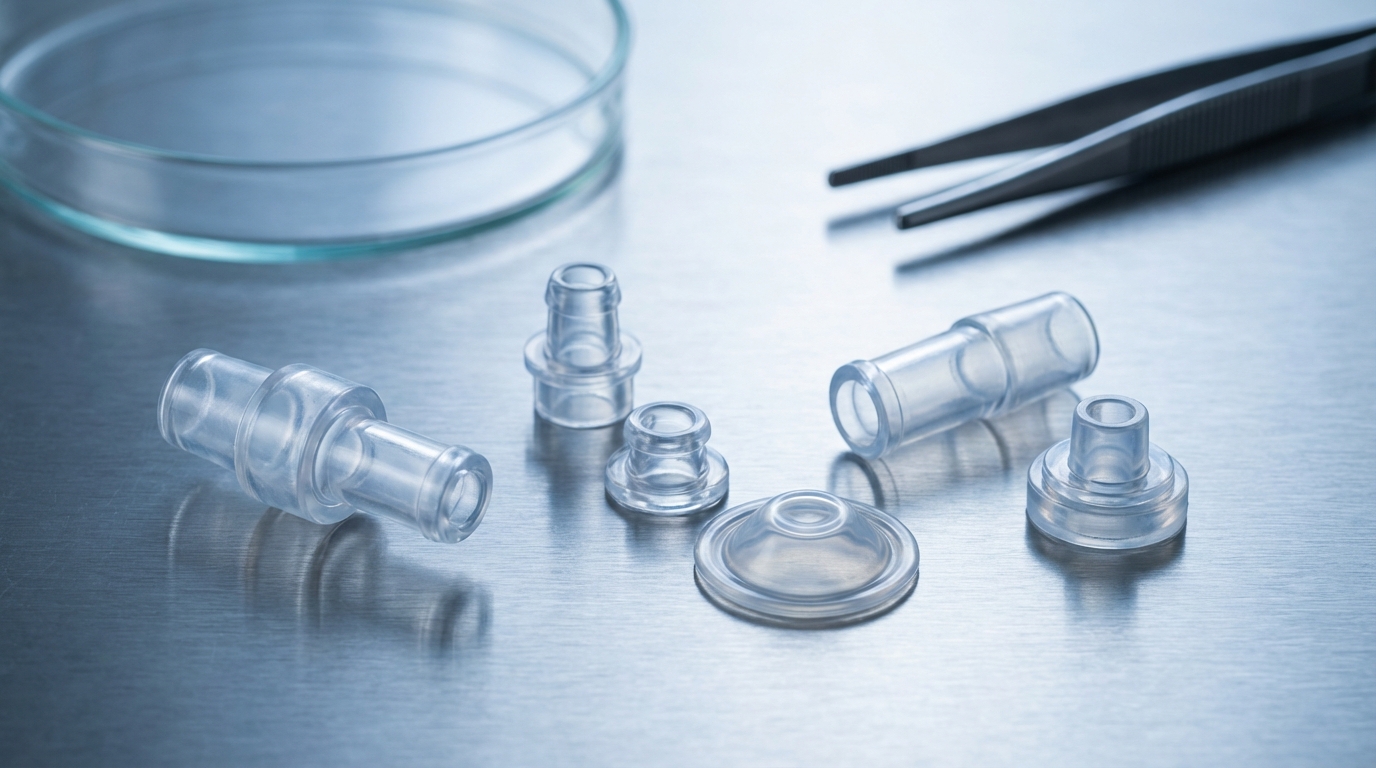
Yes, medical-grade silicone is the safest possible variant to microwave due to its extreme purity. When industrial buyers ask can you microwave silicone, they are often referring to parts used in sterilization or laboratory environments. This material is platinum-cured, meaning it contains no peroxide byproducts that could leach out.
Sterilization vs. Standard Cooking Processes
The bottom line is: medical silicone is designed to withstand the intense heat of autoclaves. Microwaving a medical-grade tube or valve for sterilization is a common practice that does not damage the polymer.
- Used for baby bottle nipples.
- Found in medical tubing and seals.
- Resistant to repeated high-heat sterilization.
Biocompatibility Under Thermal Stress
Believe it or not: medical silicone maintains its biocompatibility even when heated. This means it won’t irritate human tissue or release any biological contaminants, which is why it is the gold standard for healthcare applications.
- Hypoallergenic and non-reactive.
- Free from latex and sensitizers.
- Maintains clarity after hundreds of heat cycles.
Key Takeaway: Medical-grade silicone offers the highest thermal stability and safety, making it suitable for both kitchen and clinical microwave use.
| Property | Medical Grade | Standard Food Grade |
|---|---|---|
| Curing Agent | Platinum | Peroxide or Platinum |
| Toxicity | Zero | Minimal (if certified) |
| Heat Recovery | Excellent | Good |
This comparison highlights why medical-grade silicone is the pinnacle of safety for any heating application.
Where Can You Buy High-Quality Custom Silicone?
The best place to buy high-quality custom silicone is from an ISO-certified manufacturer that specializes in LSR and food-grade materials. If you are looking for the best answer to can you microwave silicone, you should work with experts who can provide material safety data sheets (MSDS). Professional manufacturers ensure that every batch is tested for microwave safety.
Working with ISO-Certified Manufacturers
Look at it this way: certification is your guarantee of consistency. An ISO-certified factory follows strict protocols to ensure that no contaminants enter the production line, which is critical for microwave-safe products.
- Traceable raw material sourcing.
- Strict environmental controls.
- Rigorous final quality inspections.
Custom Tooling for Microwave-Safe Parts
Let’s get down to business: if you are developing a new product, custom tooling allows you to design for optimal heat distribution. You can engineer specific thicknesses and venting paths that are perfect for microwave applications.
- Prototype testing for thermal performance.
- Optimized geometry for uniform heating.
- Selection of the perfect durometer for flexibility.
Key Takeaway: Partnering with an experienced, certified manufacturer ensures that your custom silicone products meet all global safety and performance standards.
| Buying Criteria | What to Look For | Why It Matters |
|---|---|---|
| Certification | ISO 9001 / ISO 13485 | Quality assurance |
| Testing | FDA / LFGB Reports | Chemical safety |
| Capabilities | LSR Injection Molding | Precision and purity |
Choosing the right partner is the final step in ensuring your silicone products are truly microwave-safe and market-ready.
Silicone has revolutionized the modern kitchen by offering a safe, durable, and versatile alternative to traditional plastics. By checking for safety symbols, avoiding hidden metal components, and choosing high-purity materials like Liquid Silicone Rubber, you can use the microwave with total confidence. Whether you are a consumer looking for the best storage containers or a business developing custom components, quality is the determining factor in safety.
At HuaLin, we specialize in high-performance silicone solutions that exceed international safety standards. From medical-grade components to food-safe kitchenware, our precision manufacturing ensures your products are built for the rigors of modern life. We believe that material integrity is the foundation of consumer trust and product success.
For premium, custom-engineered silicone solutions that meet the highest safety standards, contact us today.
FAQ
Can I microwave silicone molds for baking?
Yes, most silicone baking molds are rated for temperatures up to 230°C and are perfectly safe for use in both microwaves and ovens. Always ensure the mold is placed on a microwave-safe turntable and does not touch the interior walls.
How can I tell if my silicone is low quality?
It depends on the “pinch test” result; if you twist or pinch the silicone and white shows through, it likely contains cheap fillers that are not microwave-safe. Pure silicone will maintain its color regardless of how much it is stretched or twisted.
Is it safe to microwave silicone baby bottle nipples?
Yes, silicone nipples are typically made from high-purity medical-grade or food-grade silicone that is designed for sterilization. Microwaving them for short periods to sanitize them is a standard and safe procedure.
What happens if I microwave silicone with a metal rim?
No, you should never do this because the metal will reflect the microwave energy and cause electrical sparking. This can damage your microwave and potentially start a fire, even if the silicone part itself is heat-resistant.
Does silicone get hot in the microwave?
It depends on the food inside; while silicone does not absorb much microwave energy itself, it will become hot through heat transfer from the food it contains. Always use oven mitts when removing a hot silicone container from the microwave.