
Silicone is a highly versatile synthetic polymer comprised of siloxane that offers a unique combination of flexibility, heat resistance, and chemical stability for diverse industrial and consumer applications. Finding a material that balances extreme durability with human safety is a constant challenge for you as an engineer or product designer. Many conventional materials fail under thermal stress or leach harmful chemicals over time, leading to product failure or health concerns. The solution lies in high-quality Silicone Rubber Products, which provide a non-toxic, long-lasting alternative that excels in the most demanding environments.
What exactly is silicone and how is it defined?
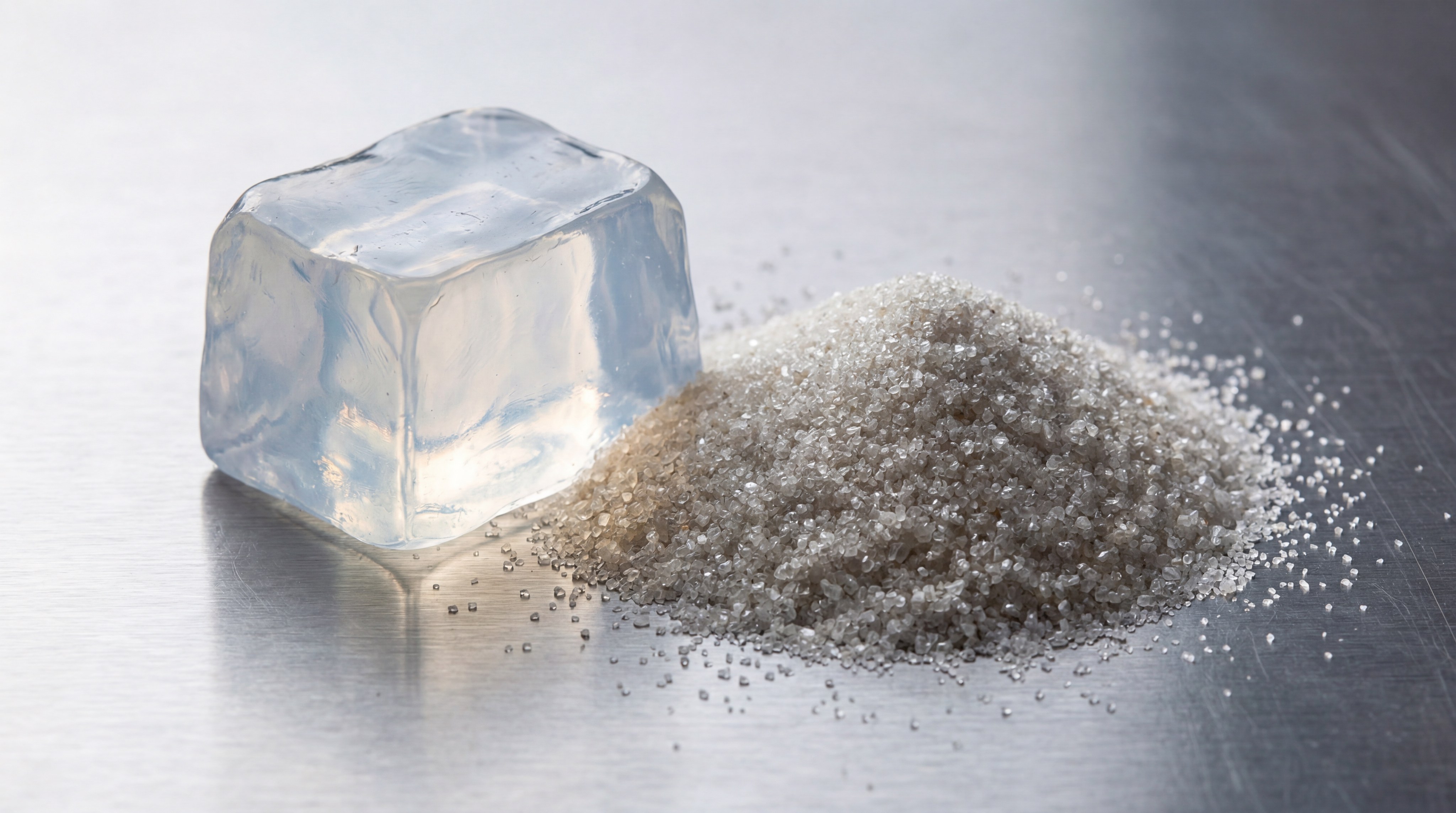
Silicone is a synthetic polymer comprised of siloxane, which serves as the foundation for modern Silicone Rubber Products. It features a molecular backbone of alternating silicon and oxygen atoms, which provides a rubber-like consistency.
Is silicone a natural or synthetic material?
While you might see silicone derived from silica found in sand, it is strictly classified as a synthetic material. The transition from raw quartz to a flexible polymer requires significant chemical processing and intervention.
- Derived from abundant quartz sand.
- Transformed into a “human-made” polymer.
- Classified as a polysiloxane elastomer.
Look at it this way:
You are working with a material that bridges the gap between organic and inorganic chemistry.
The chemical structure of polysiloxane chains
The unique properties you rely on stem from the siloxane bond (-Si-O-Si-) within the polymer chain. This backbone is significantly stronger than the carbon-carbon bonds found in many other plastics.
- Features a silicon-oxygen backbone.
- Includes organic groups attached to silicon.
- Maintains high thermal and chemical stability.
Key Takeaway: Silicone is a synthetic polysiloxane that offers superior stability due to its inorganic silicon-oxygen backbone, making it more durable than carbon-based alternatives.
| Property | Description |
|---|---|
| Chemical Name | Polysiloxane |
| Backbone Atoms | Silicon and Oxygen |
| Consistency | Rubber-like elastomer |
The atomic structure ensures your components remain stable even when exposed to harsh environmental factors.
What is the difference between silicon and silicone?
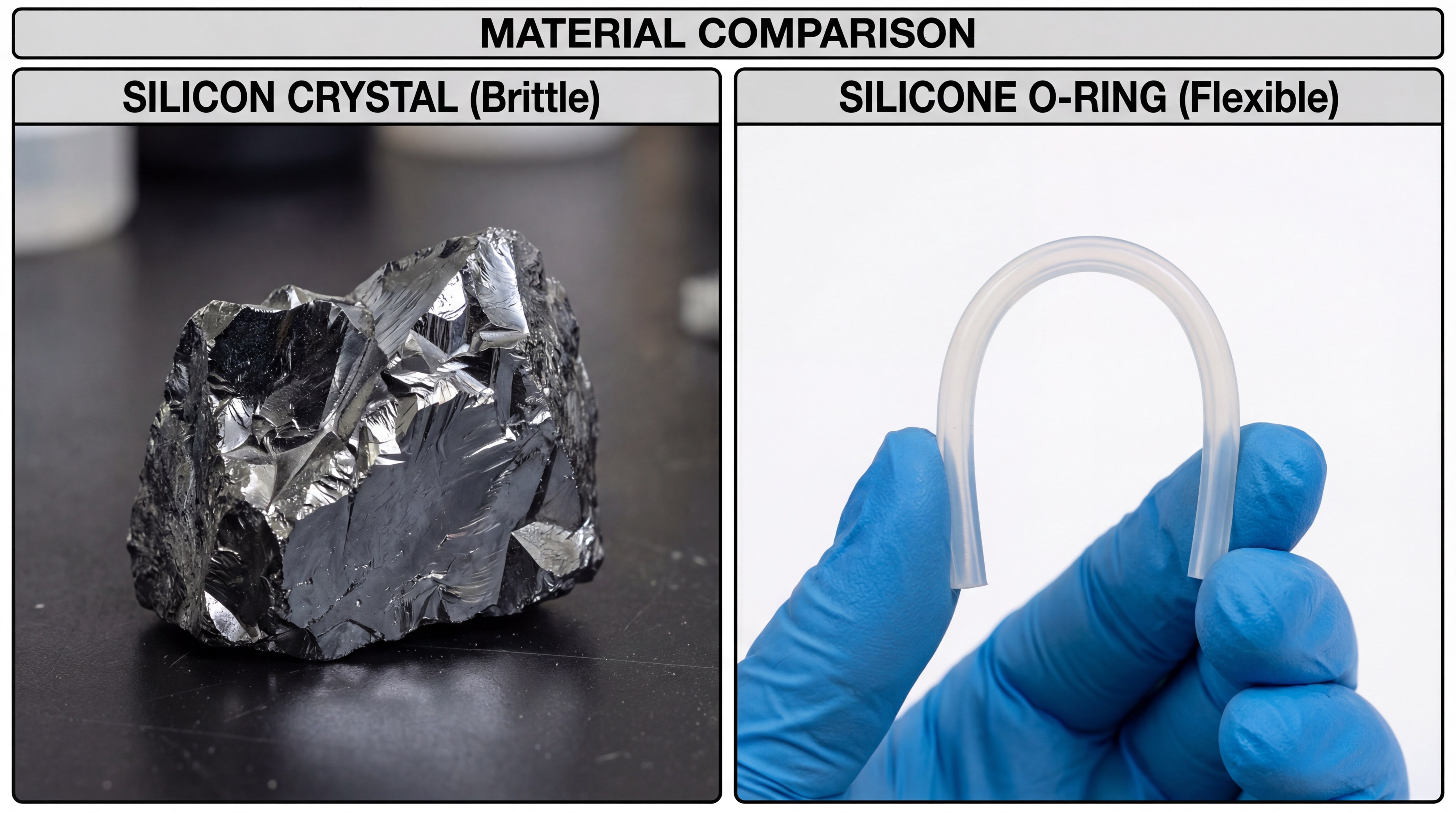
Distinguishing between the chemical element silicon and the polymer used in Silicone Rubber Products is vital for correct material selection. Although the names are nearly identical, their physical forms and applications are worlds apart in industrial settings.
Chemical element vs. industrial polymer
Silicon is a natural element found on the periodic table (Si) and exists as a hard, brittle crystalline solid. You should view silicone as the processed polymer that incorporates these silicon atoms into a chain with oxygen.
- Silicon is a semiconductor element.
- Silicone is a soft, flexible insulator.
- Silicon is rigid; silicone is elastic.
Here’s the deal:
One is a raw element, while the other is a sophisticated engineered material designed for flexibility.
Physical properties and heat resistance
Silicon is primarily used for high-tech electronics like computer chips because of its semi-conductive nature. In contrast, you use silicone for its ability to withstand extreme temperatures without melting or losing its shape.
- Silicon melts at approximately 1414°C.
- Silicone remains stable up to 250°C.
- Silicon is brittle, while silicone is durable.
Key Takeaway: Silicon is a rigid element used in electronics, while silicone is a flexible polymer used for its thermal and chemical resistance in gaskets and seals.
| Feature | Silicon (Si) | Silicone (Polymer) |
|---|---|---|
| Physical State | Solid, Brittle | Flexible, Elastic |
| Heat Resistance | High Melting Point | Stable Thermal Range |
| Primary Use | Semiconductors | Seals and Medical Parts |
Understanding these differences helps