
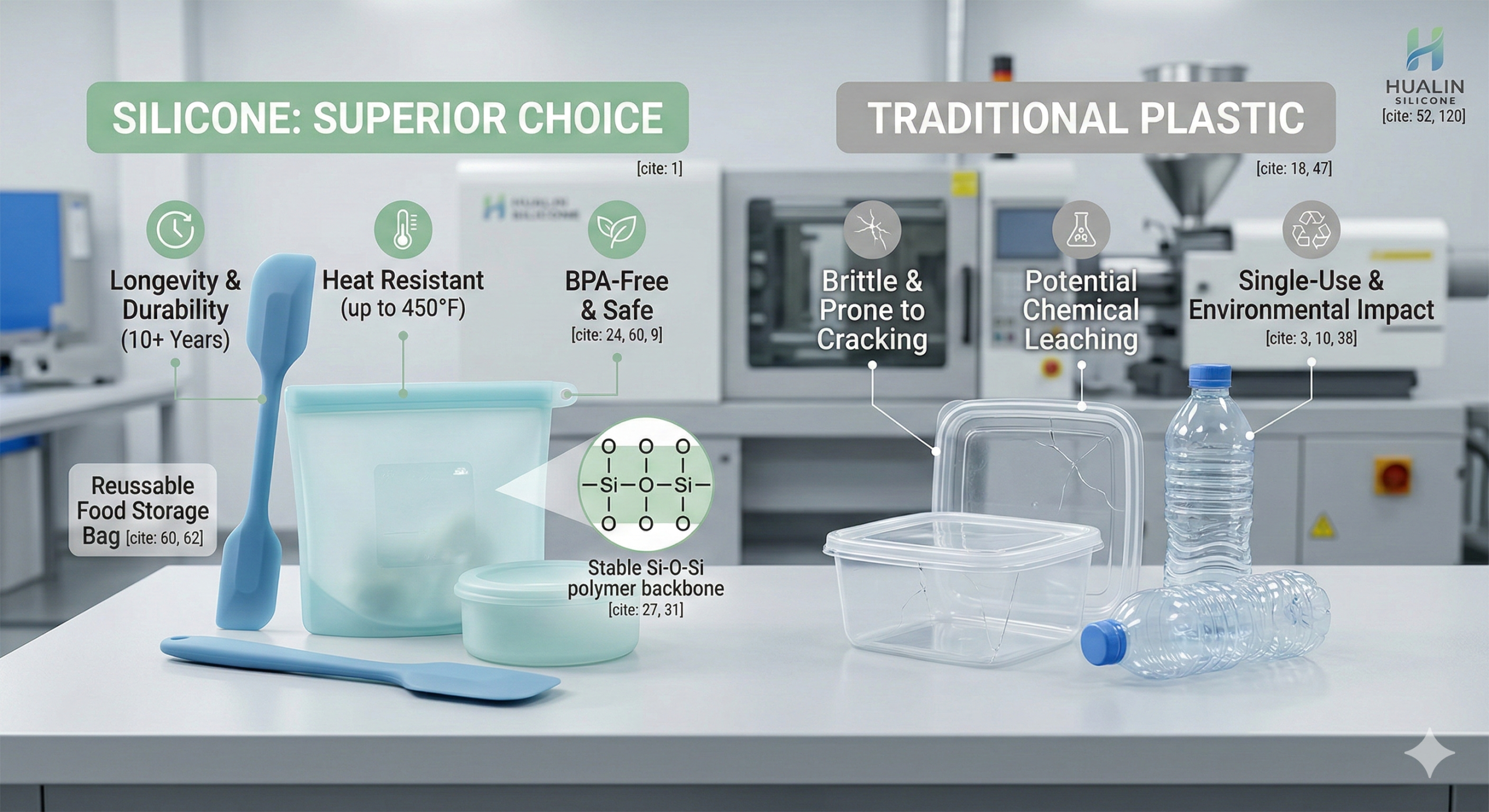
Silicone is the superior choice for B2B applications requiring longevity, safety, and temperature stability. You are likely sourcing components for a new product line and keep running into material failures that damage your brand’s reputation. The brittle nature of traditional polymers leads to high return rates and customer dissatisfaction, leaving you stuck with wasted inventory. Discovering is silicone better than plastic is the key to elevating your product standards and securing long-term market trust.
Is silicone better than plastic for safety?
Yes, silicone is significantly safer because it is chemically inert and does not leach toxic chemicals like BPA or phthalates into the products it touches. In sectors like baby care and food processing, asking is silicone better than plastic is a vital step toward ensuring consumer health and regulatory compliance.
Why is biocompatibility important?
Biocompatibility ensures that the material does not cause an adverse reaction when in contact with the human body or food. Here is the deal: silicone is a mineral-based material that maintains its integrity without shedding harmful particles.
- FDA-approved for food contact.
- Free from endocrine-disrupting chemicals.
- Hypoallergenic for sensitive skin applications.
What about chemical leaching?
Plastic is notorious for releasing siloxanes or phthalates when heated, which can contaminate the contents of a container. But wait, there is more: silicone remains stable across a massive temperature range without any chemical off-gassing.
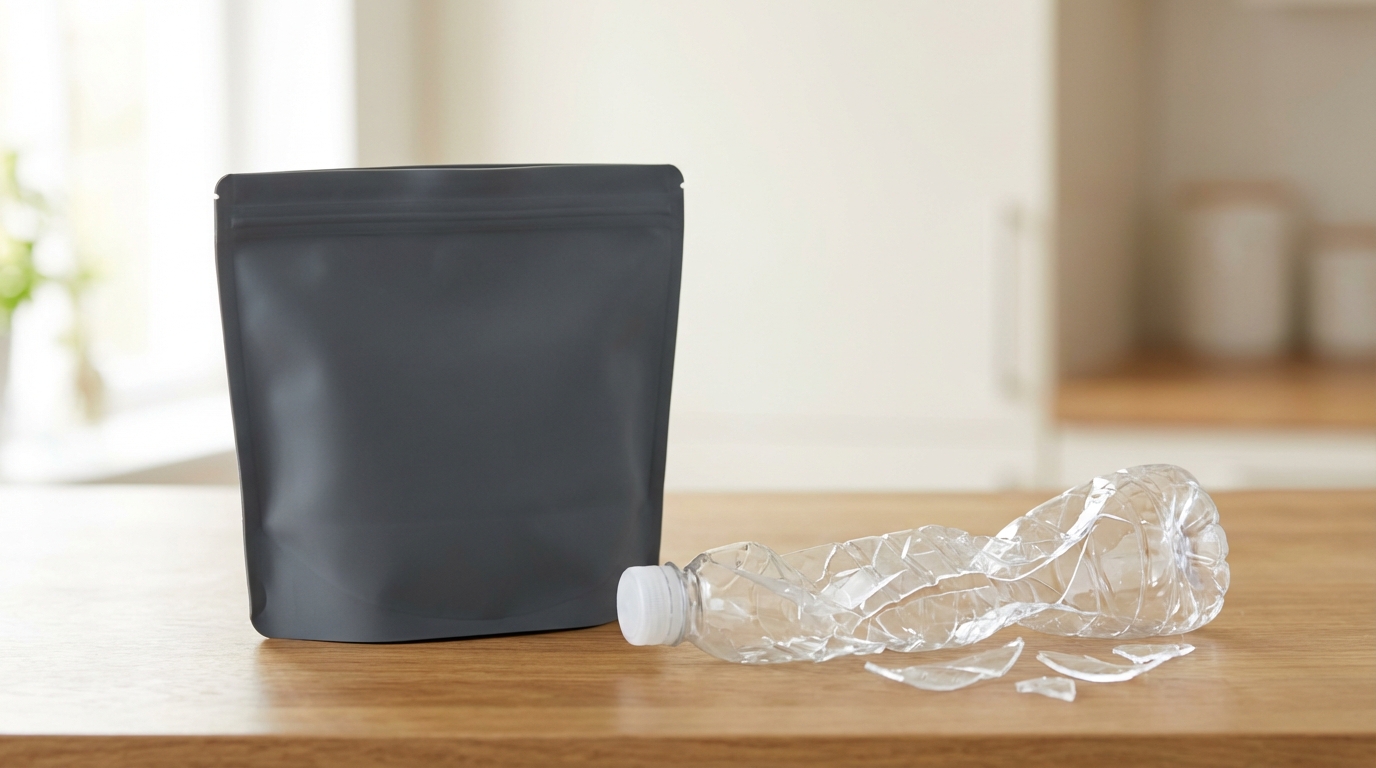
Key Takeaway: Choosing silicone protects your end-users from the invisible health risks associated with traditional petroleum-based polymers.
| Feature | Silicone | Plastic |
|---|---|---|
| Toxicity | Non-toxic / Inert | Potential leaching |
| BPA Content | 0% | Varies (often high) |
| Odor | Odorless | Chemical smell |
This table illustrates the fundamental safety advantages you gain by switching to high-purity silicone materials.
Why is silicone more durable than plastic?
Silicone offers superior durability because it resists environmental stressors like UV light, ozone, and extreme temperatures without becoming brittle. Determining if is silicone better than plastic requires looking at long-term fatigue resistance in demanding environments.
How does material fatigue differ?
Plastic often cracks after repeated stress or exposure to sunlight, leading to product failure and waste. You will find that silicone’s elastic nature allows it to absorb impacts and return to its original shape every time.
- High tear strength.
- Resistant to UV degradation.
- Retains flexibility in freezing temperatures.
Can it withstand heavy usage?
Heavy-duty applications require materials that don’t warp or degrade after a few months of service. The bottom line? Silicone parts can last for decades, whereas plastic alternatives often require replacement within one to two years.
Key Takeaway: Investing in silicone reduces your replacement costs and improves the perceived value of your hardware.
| Durability Metric | Silicone | Plastic |
|---|---|---|
| Lifespan | 10+ Years | 1-3 Years |
| UV Resistance | Excellent | Poor (turns yellow/brittle) |
| Impact Strength | High | Moderate to Low |
The data proves that silicone is the champion of longevity for any brand focused on quality.
How do the chemical structures differ?
Silicone is made of a Si-O-Si backbone, whereas plastic relies on a carbon-to-carbon chain derived from petroleum. Understanding these foundations helps you decide is silicone better than plastic for your specific engineering and molding needs.
What is the Si-O bond?
The silicon-oxygen bond is much stronger than the carbon-carbon bonds found in traditional plastics. Here is the deal: this inorganic backbone is what gives silicone its unique resistance to chemicals and heat.
- Si-O-Si structure provides stability.
- Derived from silica (sand).
- High molecular weight.
Why does the backbone matter?
A material’s backbone determines how it reacts to external energy, such as heat or radiation. You should know that because silicone is inorganic, it doesn’t feed bacteria or mold, unlike some carbon-based plastics.
Key Takeaway: The molecular stability of silicone provides a predictable performance profile that plastic simply cannot match.
| Chemical Property | Silicone | Plastic |
|---|---|---|
| Backbone | Silicon-Oxygen | Carbon-Carbon |
| Origin | Mineral | Petroleum |
| Biological Inertness | High | Low to Moderate |
This structural comparison clarifies why silicone behaves so differently from common resins in professional settings.
Is silicone better than plastic for the environment?
Silicone is better for the planet because it is long-lasting and does not break down into harmful microplastics that invade the food chain. The debate over whether is silicone better than plastic often centers on ocean health and the reduction of single-use waste.
Does it create microplastics?
Plastic eventually fragments into tiny particles that persist in the environment for centuries. But wait, there is more: silicone is a solid, durable material that stays intact even after years of exposure to the elements.
- No microplastic shedding.
- Reduced landfill volume due to longevity.
- Non-toxic when incinerated (turns to silica ash).
Is it a reusable material?
Reusability is the most effective way to lower the carbon footprint of any supply chain. You can design products that users keep for a lifetime, effectively ending the cycle of buy-and-toss that defines the plastic industry.
Key Takeaway: Switching to silicone helps your company meet ESG goals and appeals to the growing segment of eco-conscious buyers.
| Environmental Impact | Silicone | Plastic |
|---|---|---|
| Microplastics | Zero | High |
| Longevity | Permanent Reusable | Often Single-use |
| Ocean Safety | Inert / Sinks | Toxic / Floats / Eaten |
The environmental benefits of silicone are clear when you look at the total lifecycle of the material.
What are the primary industrial applications?
Silicone excels in industrial settings where seals, gaskets, and insulators must maintain performance under high pressure and heat. Industrialists often ask is silicone better than plastic when upgrading machinery components for 24/7 high-intensity operation.
Why use Liquid Silicone Rubber (LSR)?
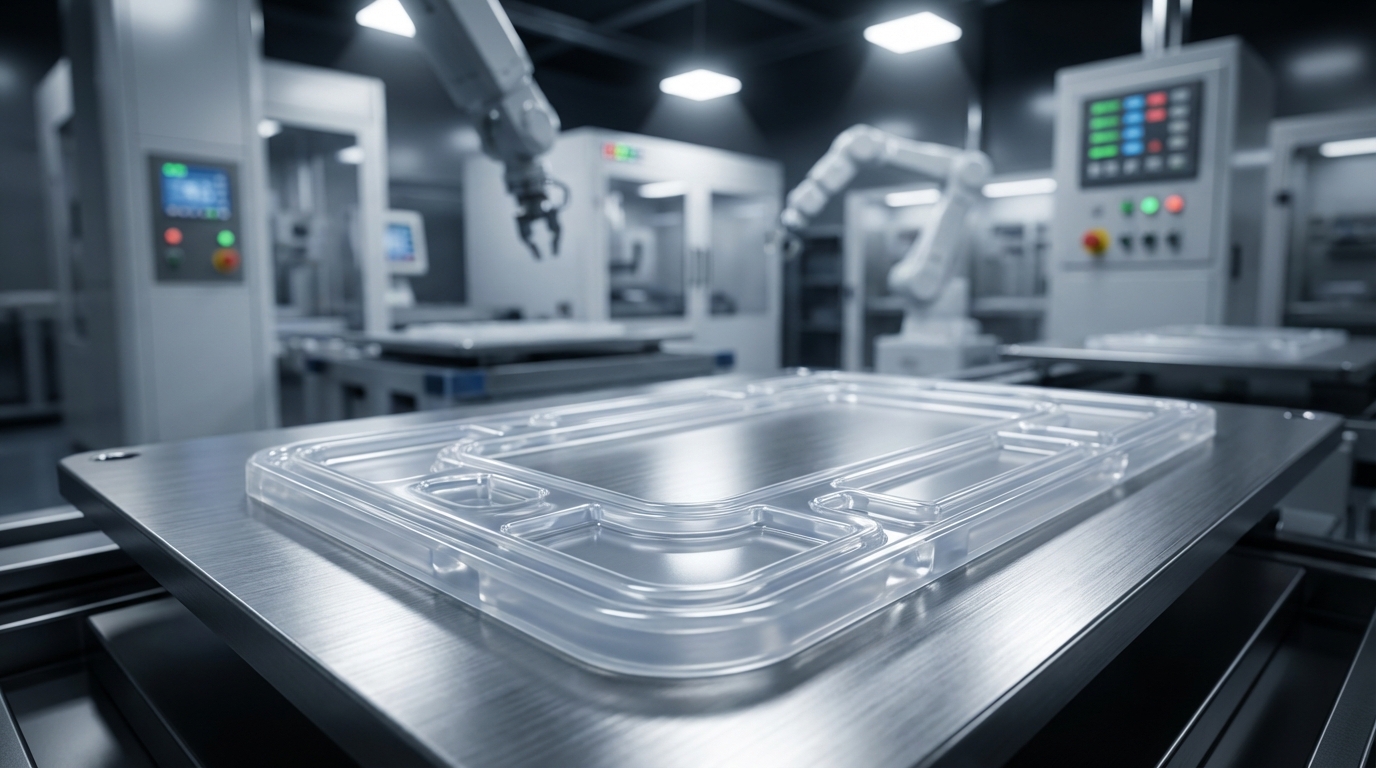
LSR is the gold standard for high-precision parts that require complex geometries and tight tolerances. You will find that LSR allows for faster cycle times and more consistent part quality than traditional thermoplastic injection molding.
- Superior sealing capabilities.
- Excellent electrical insulation.
- Resistance to oils and chemicals.
What about automotive and aerospace?
In these sectors, failure is not an option, and materials must survive extreme vibrations and temperature swings. The bottom line? Silicone gaskets stay flexible at -60°C and stable at 250°C, keeping critical systems running safely.
Key Takeaway: Using industrial-grade silicone ensures your hardware operates reliably in the most punishing conditions on Earth.
| Industrial Use | Silicone | Plastic |
|---|---|---|
| Operating Temp | -60°C to 250°C | -20°C to 80°C |
| Chemical Resistance | High | Variable |
| Precision Molding | Excellent (LSR) | Moderate |
For heavy industry, the reliability of silicone components provides a massive competitive advantage.
Is silicone better than plastic for kitchenware?
Silicone is the preferred material for kitchenware due to its non-stick properties, flexibility, and heat tolerance up to 450°F. Chefs and home goods brands frequently evaluate if is silicone better than plastic to ensure high food safety standards and ease of use.
Are silicone storage bags effective?
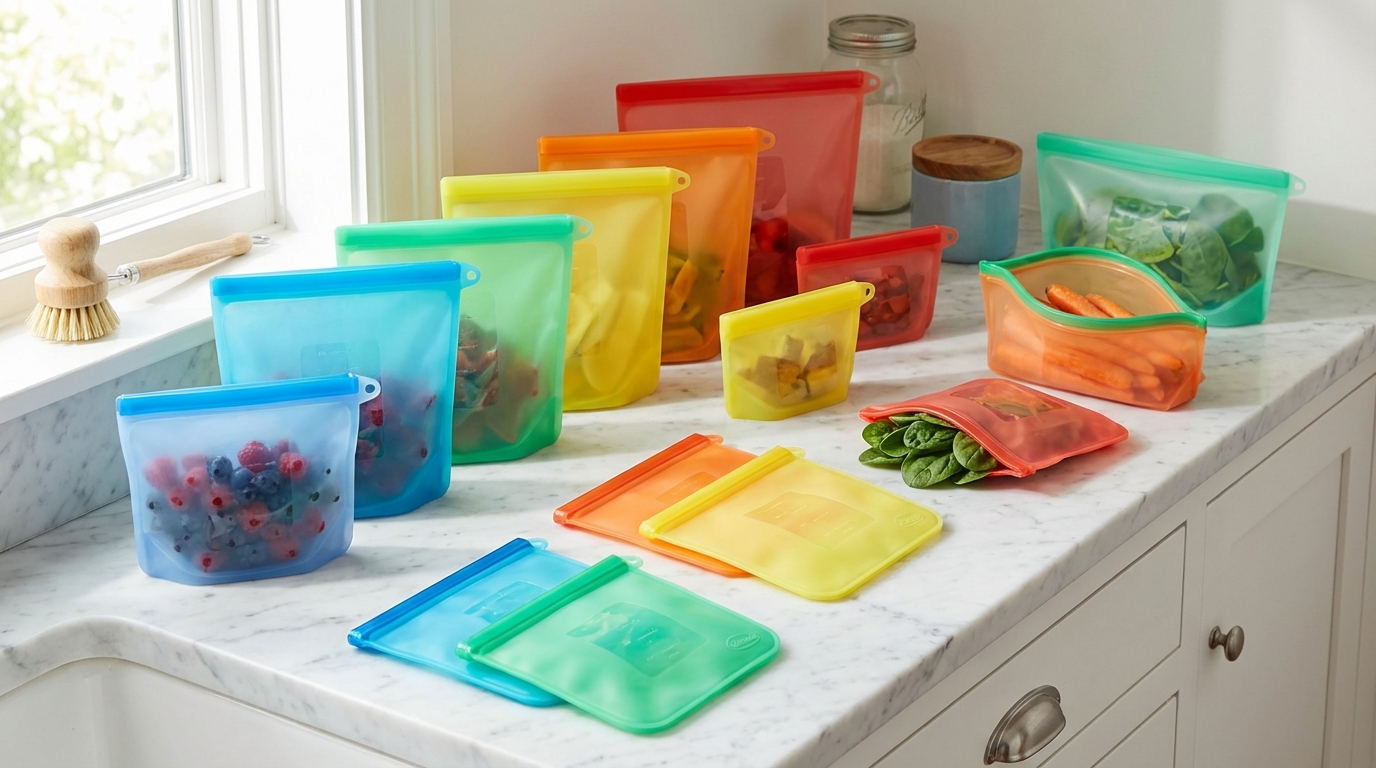
Silicone bags offer a leak-proof, airtight seal that keeps food fresh significantly longer than thin plastic wraps. You can take these bags from the freezer directly to the microwave without worrying about the material melting or leaching.
- Microwave and oven safe.
- Dishwasher friendly.
- Won’t absorb food odors.
Why is flexibility a benefit?
Flexible molds allow you to pop out baked goods or ice cubes without the frustration of sticking or breaking. Here is the deal: unlike rigid plastic trays that crack when twisted, silicone is virtually indestructible in the kitchen.
Key Takeaway: High-quality kitchenware built from silicone enhances the user experience and reduces household waste.
| Kitchen Performance | Silicone | Plastic |
|---|---|---|
| Max Temp | 230°C+ | 100°C (Melt risk) |
| Non-stick Quality | Naturally High | Requires coating |
| Storage | Foldable/Flexible | Rigid/Bulky |
Upgrade your kitchen line with silicone to provide customers with professional-grade tools that last.
How does heat resistance compare between them?
Silicone remains stable at temperatures where most plastics melt or release hazardous fumes. In high-heat scenarios, is silicone better than plastic becomes a matter of product liability and ensuring user safety during operation.
Can it survive the oven?
While plastic spatulas often melt against the side of a hot pan, silicone tools remain perfectly intact. You can use silicone in high-heat baking and cooking applications without any risk of the material structural integrity failing.
- Maintains shape at 450°F.
- Does not conduct heat (cool to touch).
- No toxic off-gassing at high temps.
What about sterilization heat?
Medical and baby products require frequent boiling or steam sterilization to remain hygienic. But wait, there is more: silicone can withstand thousands of sterilization cycles without losing its physical properties.
Key Takeaway: Thermal stability makes silicone the only choice for products that must endure heat without degrading.
| Heat Metric | Silicone | Plastic |
|---|---|---|
| Melting Point | ~500°F (Degrades) | ~200°F-350°F (Melts) |
| Heat Transfer | Low Insulator | Variable |
| Steam Stability | Very High | Low (Deforms) |
The thermal gap between these two materials defines their different roles in modern manufacturing.
Why choose silicone for pet products?
Silicone is the ideal material for pet products because it is chew-resistant, easy to sanitize, and free from endocrine disruptors. Pet retailers often wonder if is silicone better than plastic when selecting toys and bowls that can withstand heavy wear and tear.
Is it safe for heavy chewers?
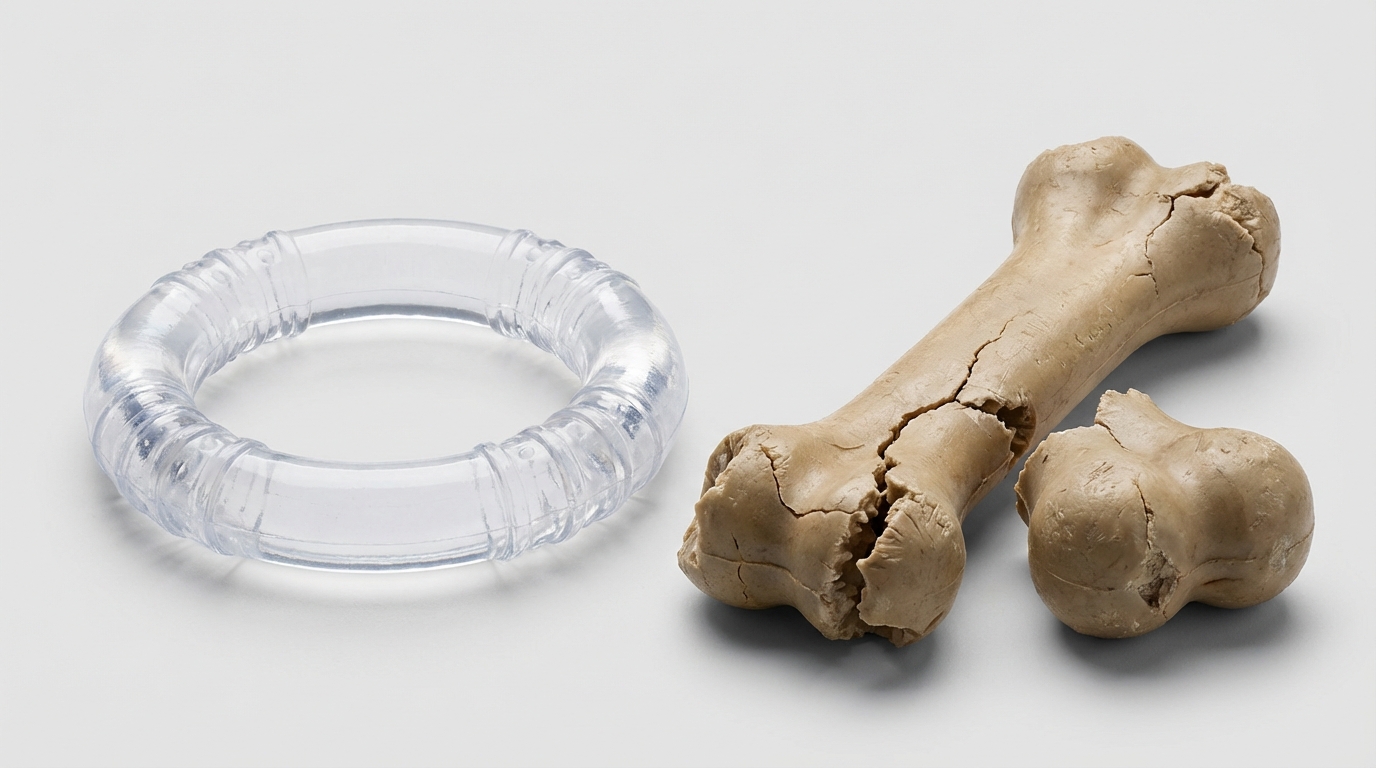
Aggressive chewers can easily break off shards of plastic, which leads to dangerous internal blockages for the animal. You should opt for silicone because its high tear strength makes it nearly impossible for pets to rip apart.
- Non-toxic if accidentally nipped.
- Gentle on teeth and gums.
- Easy to clean in the dishwasher.
How does hygiene compare?
Plastic bowls often develop microscopic scratches that harbor harmful bacteria and mold. The bottom line? The non-porous surface of silicone prevents bacterial growth, ensuring your pet’s feeding area stays healthy.
Key Takeaway: Pet safety starts with material choice, and silicone provides the most durable and hygienic option on the market.
| Pet Product Value | Silicone | Plastic |
|---|---|---|
| Chew Resistance | High | Low |
| Bacteria Growth | Inhibited | High (in scratches) |
| Safety | 100% Pet-Safe | BPA/Phthalate risk |
This table highlights why the pet industry is rapidly transitioning away from low-quality plastic goods.
Is silicone better than plastic for medical use?
Medical-grade silicone is superior to most plastics due to its high biocompatibility and ability to undergo rigorous sterilization. When lives are on the line, healthcare engineers must know is silicone better than plastic for both invasive and non-invasive devices.
What is Class VI silicone?
Class VI is the highest rating for medical materials, ensuring they are safe for long-term contact with human tissue. Here is the deal: silicone is naturally skin-friendly and does not cause the irritation often associated with latex or certain plastics.
- Used in implants and catheters.
- Ideal for respiratory masks.
- Soft-touch for patient comfort.
How does it handle sterilization?
Medical devices must be completely sterile, often requiring autoclave treatments or chemical washes. You can rely on silicone to maintain its dimensions and properties even after repeated exposure to harsh disinfectants.
Key Takeaway: The medical sector trusts silicone for its purity and reliability in mission-critical healthcare environments.
| Medical Grade | Silicone | Plastic |
|---|---|---|
| Biocompatibility | Highest | Variable |
| Sterilization | Autoclave safe | Limited |
| Skin Sensitivity | Hypoallergenic | Possible irritant |
The clinical advantages of silicone make it an essential material for modern medical innovation.
How do you identify high-quality silicone?
You can identify high-quality silicone by looking for FDA/LFGB certifications and conducting the “pinch test” to check for fillers. Discerning if is silicone better than plastic involves verifying the purity of the raw liquid silicone rubber used in production.
What is the pinch test?
If you pinch or twist the silicone and it turns white, it likely contains cheap chemical fillers. You want to see the material maintain its color, which indicates that it is 100% pure, food-grade silicone.
- 100% silicone doesn’t change color.
- Fillers reduce durability.
- High-quality silicone feels “silky” not “sticky.”
Are certifications necessary?
B2B buyers should always demand LFGB or FDA documentation to ensure the material meets global safety standards. But wait, there is more: LFGB (European) standards are even stricter than FDA, making them the gold standard for quality.
Key Takeaway: Verifying material purity ensures that your products deliver the safety and performance your customers expect.
| Quality Indicator | Pure Silicone | Filled Silicone |
|---|---|---|
| Pinch Test | No color change | Turns white |
| Texture | Smooth / Consistent | Gritty / Greasy |
| Certification | FDA / LFGB | None / Vague |
This final comparison gives you the tools to source the best materials for your upcoming projects.
*
Summary of Material Choice
This article has explored the deep functional and safety differences between these two polymers. We have established that while plastic is cheaper to produce, silicone provides far better value through durability, safety, and environmental responsibility. By choosing silicone, you solve the problem of material failure and toxic leaching while providing your customers with products that truly last.
At HuaLin Silicone, we specialize in high-precision LSR molding and custom silicone solutions for the pet, medical, and consumer electronics industries. Our mission is to lead the manufacturing world toward a safer, more sustainable future by replacing fragile plastics with robust silicone engineering. If you are ready to upgrade your product line or need expert guidance on material selection, contact us today to start your custom project.
*
FAQ
Can I recycle silicone products at home?
No, silicone requires specialized industrial recycling facilities because it does not melt like traditional thermoplastics. You should check with your local municipality for dedicated silicone collection points or manufacturer take-back programs.
What’s the best way to clean silicone?
Dishwashers are the best option because silicone is completely heat-resistant and non-porous. You can also use boiling water for deep sterilization without worrying about the product warping.
How do I know if my silicone is food grade?
The “pinch test” is the fastest way to check for fillers, as pure silicone will not turn white when twisted. Additionally, always look for the FDA or LFGB stamp on the packaging to confirm safety certifications.
Can I use silicone in a high-heat oven?
Yes, most food-grade silicone is rated for temperatures up to 450°F (230°C). However, you should always check the manufacturer’s specific temperature rating to avoid reaching the material’s degradation point.
What’s the best material for baby products?
Medical-grade or food-grade silicone is the safest choice because it is hypoallergenic and free from leaching toxins. Unlike plastic, it won’t develop sharp edges if bitten, protecting the baby’s sensitive mouth.