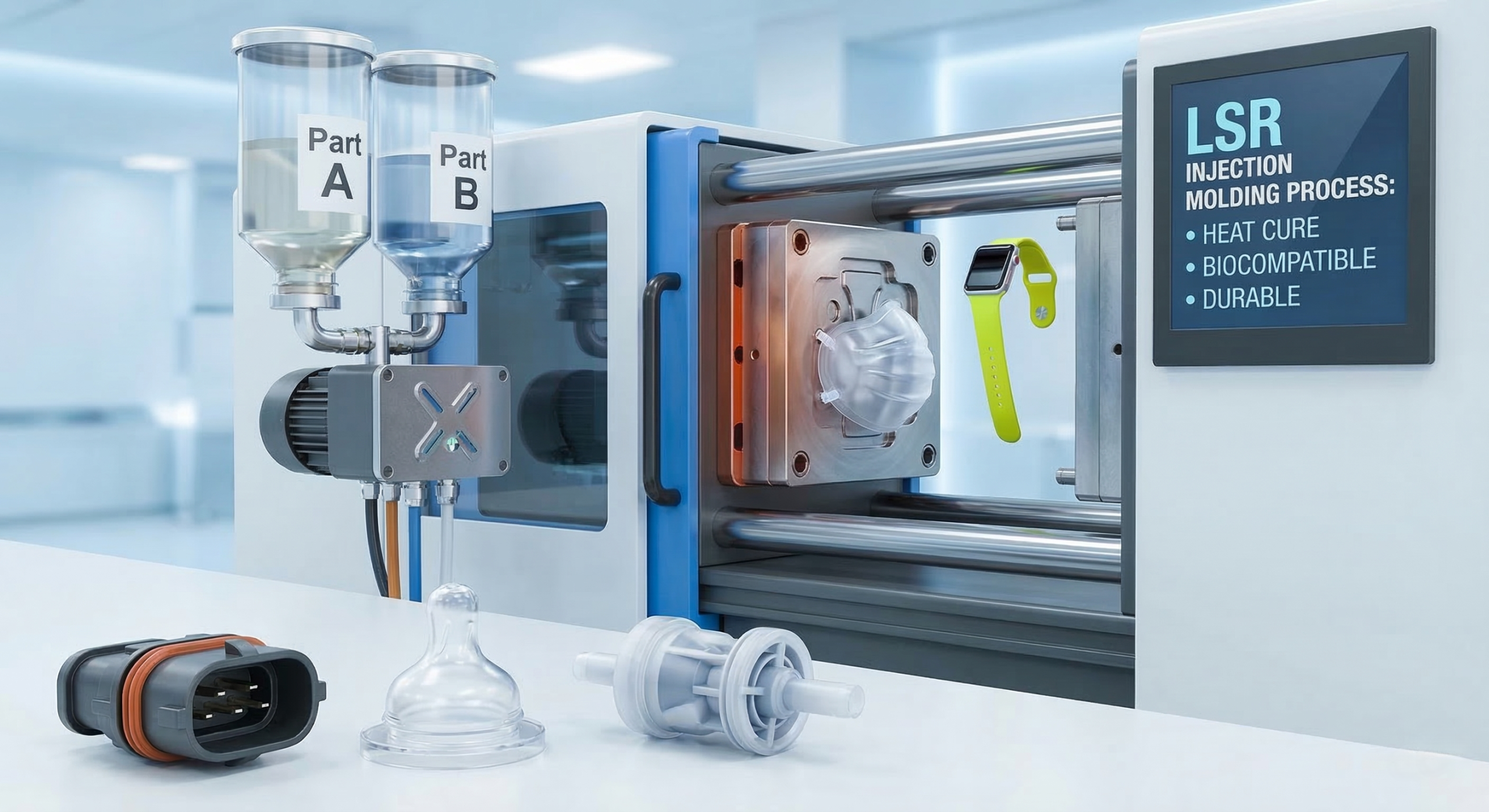
Liquid Silicone Rubber (LSR) injection molding is a high-precision manufacturing process that transforms two-part raw materials into durable, biocompatible, and heat-resistant components through thermal curing. You probably face the challenge of finding a material that survives extreme temperatures while maintaining the flexibility required for complex seals or medical devices. These engineering hurdles often lead to high scrap rates and assembly failures if you choose traditional elastomers. By leveraging advanced molding techniques and optimizing your initial LSR tooling cost, you can achieve a stable, automated production cycle that ensures part longevity.
What Is Liquid Silicone Rubber?
Liquid Silicone Rubber (LSR) is a high-purity, platinum-cured elastomer composed of two liquid parts that chemically cross-link when injected into a heated mold, which justifies the specialized [LSR tooling cost]. Unlike traditional rubbers that arrive in solid blocks, this material flows as a low-viscosity liquid. It is specifically designed for high-speed, automated injection molding processes.
Chemical Composition and Material Properties
The material is made of two components, typically labeled A and B, which are mixed in a strict 1:1 ratio. Component A usually contains the platinum catalyst, while Component B contains the cross-linker.
- It maintains mechanical properties from -50°C to 250°C.
- It is inherently non-toxic and hypoallergenic.
- It resists UV light, ozone, and harsh chemicals.
Think about it: this chemical stability ensures that your parts don’t degrade over years of service.
How LSR Differs from Traditional Rubber
Traditional High Consistency Rubber (HCR) is a gum-like solid that requires labor-intensive milling and hand-loading. In contrast, LSR is pumped directly from drums into the machine, which eliminates manual handling errors.
Here is the deal: the transition from a manual process to a liquid-based automated system drastically reduces human error.
Key Takeaway: Choosing LSR provides a cleaner, more consistent material base for parts that require high purity and extreme temperature resistance.
| Feature | LSR Detail |
|---|---|
| Material Form | Liquid 2-part system |
| Curing Method | Platinum-catalyzed heat cure |
| Purity | Medical and food grade standard |
This comparison highlights why liquid-state materials are superior for precision engineering tasks.
How Does LSR Compare to Other Materials?
LSR compares favorably to other elastomers by offering superior thermal stability and faster cycle times, which helps offset the specialized LSR tooling cost. While materials like TPE are easier to recycle, they lack the chemical resistance and compression set found in silicone. You must evaluate these trade-offs based on the environmental exposure your part will face.
LSR vs. High Consistency Rubber (HCR)
LSR offers much faster curing speeds and lower viscosity compared to the dense, gum-like HCR. This allows you to fill complex mold geometries without using massive pressure.
- LSR enables fully automated production.
- HCR requires manual labor for preforming.
- LSR parts have better dimensional consistency.
But wait, there is more: the lack of manual processing means your batch-to-batch variation is nearly zero.
LSR vs. Thermoplastic Elastomers (TPE)
TPE is a popular choice for consumer goods, but it begins to melt at temperatures where LSR remains perfectly stable. While TPE is great for recyclability, it cannot match the long-term durability of a thermoset silicone.
Look at it this way: if your part needs to survive a sterilizing autoclave, TPE will fail while LSR will not flinch.
Key Takeaway: LSR is the definitive choice for applications where high-temperature performance and long-term material stability are non-negotiable.
| Material | Heat Resistance | Cycle Speed |
|---|---|---|
| LSR | Excellent (Thermoset) | High (Automated) |
| TPE | Moderate (Plastic) | High (Automated) |
| HCR | Excellent (Thermoset) | Low (Manual) |
Analyzing these properties shows that LSR strikes the best balance between manufacturing speed and environmental resilience.
How Does the LSR Molding Process Work?
The LSR molding process works by precisely metering two liquid components, mixing them thoroughly, and injecting the mixture into a heated cavity where it vulcanizes, a process that relies heavily on the quality of your [LSR tooling cost] investment. Unlike plastics that cool to harden, LSR requires heat to cure. This reversal of the traditional molding logic requires specialized equipment and tight process control.
Steps from Mixing to Vulcanization
The process begins with a pumping unit that delivers parts A and B through a static mixer. This homogenized liquid is then forced into the mold under pressure to ensure every detail is filled.
- Metering pumps ensure a perfect 1:1 ratio.
- Static mixers prevent air bubbles in the mix.
- Heated mold cavities trigger the chemical reaction.
It gets better: the rapid vulcanization allows for parts to be ejected in seconds rather than minutes.
Specialized Equipment and Automation Needs
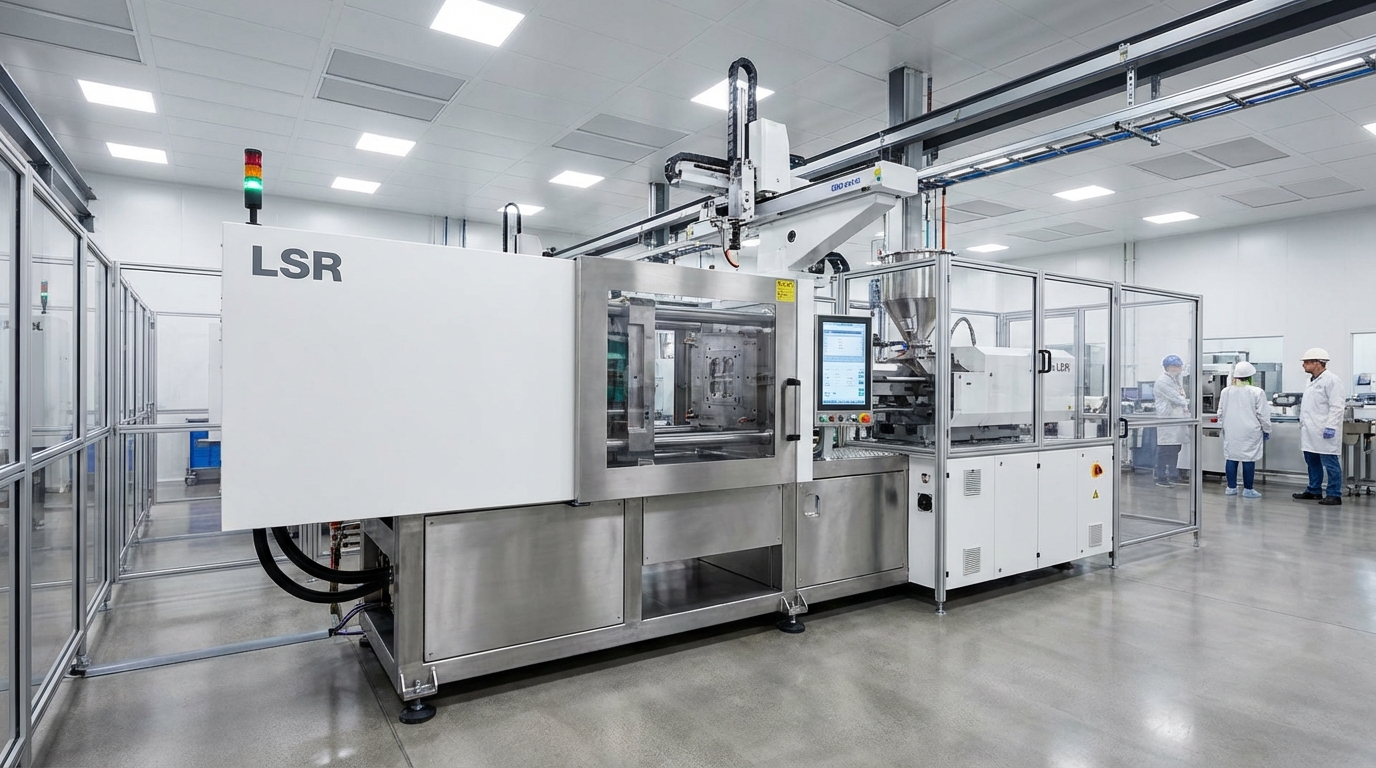
You need a dedicated LSR injection molding machine equipped with a liquid delivery system and cold runners. These cold runners keep the material from curing before it reaches the hot mold cavity.
Here is the kicker: automation reduces the need for secondary trimming operations by producing nearly flash-free parts.
Key Takeaway: Understanding the liquid-to-solid transition is essential for managing the high-speed production cycles typical of LSR.
| Process Step | Function |
|---|---|
| Metering | Controls the 1:1 chemical ratio |
| Cold Runner | Prevents premature curing |
| Heat Cure | Permanently sets the part shape |
This workflow demonstrates how thermal management is the most critical factor in successful liquid silicone production.
Why Is LSR Different from Plastic Molding?
LSR molding is fundamentally different from plastic molding because it involves a chemical thermosetting reaction rather than a physical phase change, which fundamentally changes how you calculate the LSR tooling cost. In plastic molding, you melt pellets and cool them in the mold to solidify. With LSR, you keep the liquid cool during delivery and heat it in the mold to trigger curing.
Thermoset Curing vs. Thermal Cooling
Thermoplastics can be remelted and reused, but once LSR cures, its chemical bonds are permanent. This means you cannot recycle scrap material in the same way you do with plastic runners.
- LSR uses a heated mold (~170°C).
- Plastics use a cooled mold (~20°C-80°C).
- LSR expands slightly during the cure.
Bottom line: you are dealing with a permanent chemical change that produces a more stable final product.
Managing Mold Temperatures and Pressures
Precision temperature control is vital because even a small fluctuation can lead to incomplete curing or scorched parts. You also use lower injection pressures compared to plastics because of the material’s low viscosity.
Look at it this way: the material flows like water, so the mold must be sealed with extreme precision to prevent flash.
Key Takeaway: You must shift your mindset from “cooling to set” to “heating to cure” when designing for LSR manufacturing.
| Aspect | Plastic Molding | LSR Molding |
|---|---|---|
| Mold Temp | Cold | Hot |
| Material State | Melted Solid | Mixed Liquid |
| Scrap | Recyclable | Non-recyclable |
The data confirms that LSR requires a more sophisticated thermal environment to achieve consistent part quality.
What Are the Key Benefits of LSR Molding?
The key benefits of LSR molding include extreme durability, biocompatibility, and high-volume efficiency that justifies the initial [LSR tooling cost]. You gain a material that does not leach chemicals and remains soft and pliable over decades. This makes it a primary choice for both life-saving medical devices and rugged automotive gaskets.
Durability in Extreme Environments
LSR parts do not become brittle in the cold or melt in the heat, maintaining their shape and function. This resilience ensures that seals in industrial engines or aerospace components never fail prematurely.
- It resists chemical exposure and oils.
- The material has a very low compression set.
- It is waterproof and weather-resistant.
The best part? You can rely on these parts in environments where traditional rubber would disintegrate.
Superior Biocompatibility for Medical Use
LSR is naturally hypoallergenic and resistant to bacteria growth, which is why it is used in infant products and implants. It meets the strictest FDA and ISO 10993 requirements for skin contact and internal use.
Here is the deal: its purity ensures that patients are safe from allergic reactions or chemical leaching.
Key Takeaway: Leveraging the material’s inherent safety and durability reduces the risk of product recalls and long-term liability.
| Benefit | Impact on Product |
|---|---|
| Bio-Inert | Safe for medical and food contact |
| Chemical Shield | Prevents degradation in harsh fluids |
| Flexibility | Maintains seal integrity under pressure |
These benefits prove why LSR is the gold standard for high-performance elastomer applications.
How Do You Design Parts for LSR Molding?
Designing parts for LSR requires a focus on wall thickness consistency and gating locations to manage the flow of the liquid and optimize the LSR tooling cost. Because the material is so thin during injection, it can fill tiny crevices that plastic cannot. However, this same flowability means you must be careful about parting lines and air entrapment.
Optimizing Wall Thickness and Corners
Uniform walls are less critical for LSR than for plastic, but they still help ensure a fast and even cure. You should avoid sharp corners to reduce stress concentrations and allow the liquid to flow smoothly.
- Minimal wall thickness can be as low as 0.25mm.
- Radiused corners improve the structural integrity.
- Ribs can be used to add stiffness without bulk.
Why does this matter? Proper geometry prevents air pockets and ensures the mold fills completely every time.
Strategies for Gating and Undercuts
Gating should be placed in non-critical areas because the material’s low viscosity can leave a small vestige. Interestingly, you can often design deep undercuts in LSR parts that would be impossible in rigid plastic.
Check this out: because silicone is flexible, you can “pop” parts off the mold without complex side-actions.
Key Takeaway: Take advantage of LSR’s flexibility to simplify your mold design and reduce the need for expensive mechanical slides.
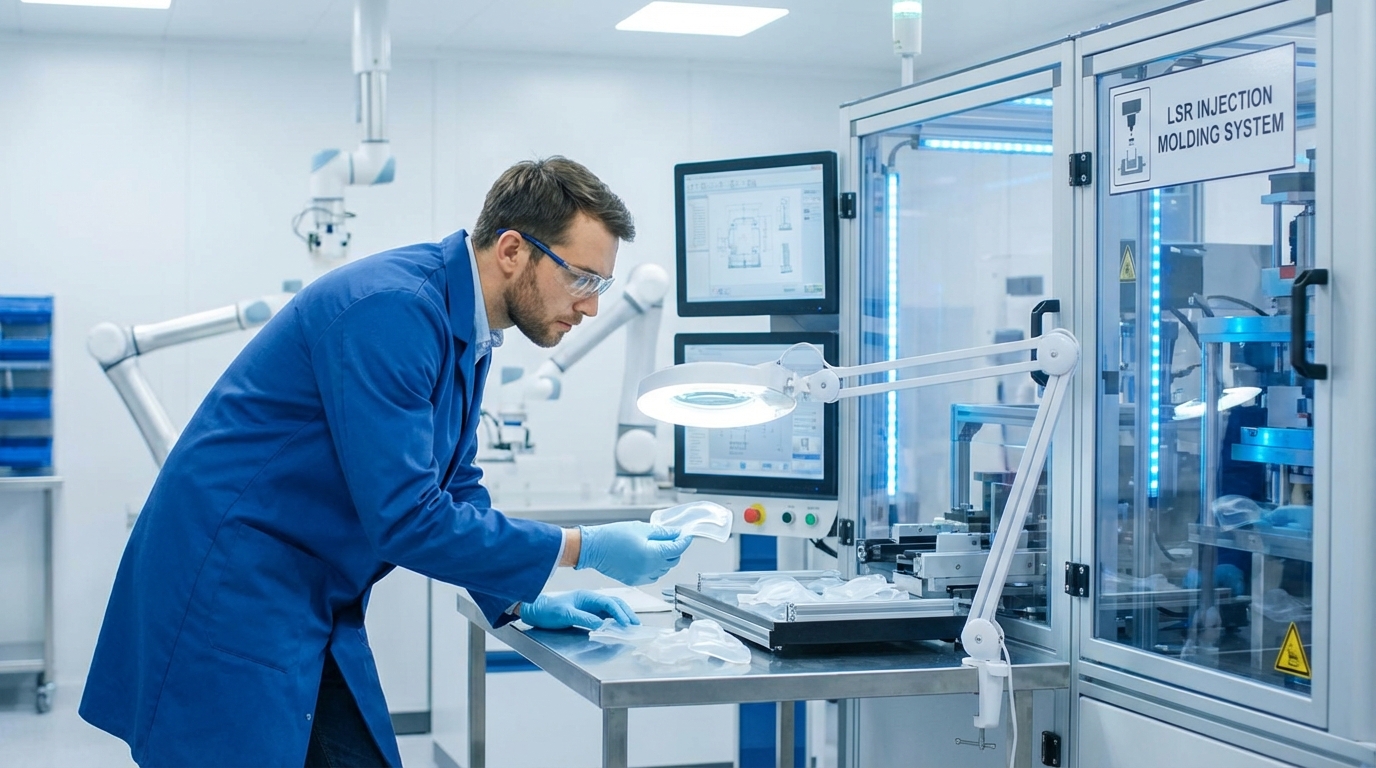
| Design Factor | LSR Recommendation |
|---|---|
| Undercuts | Highly feasible due to flexibility |
| Min Wall | 0.25 mm to 0.50 mm |
| Draft Angle | Minimal to none required |
This table illustrates how LSR allows for more creative design freedom than rigid thermoplastics.
What Are the Standards for Quality Control?
Quality control for LSR involves monitoring the mix ratio, mold temperature, and dimensional accuracy to ensure the [LSR tooling cost] delivers a high ROI. Because the material is soft, traditional measurement tools like calipers can deform the part during inspection. You need specialized methods to verify that your seals and components meet the required tolerances.
Achieving Precise Dimensional Tolerances
LSR can achieve very tight tolerances, often within ±0.1mm, provided the mold is precision-machined. You must account for the material’s linear shrinkage, which typically ranges from 2% to 3%.
- Mold venting prevents voids and short shots.
- Pressure sensors monitor the injection consistency.
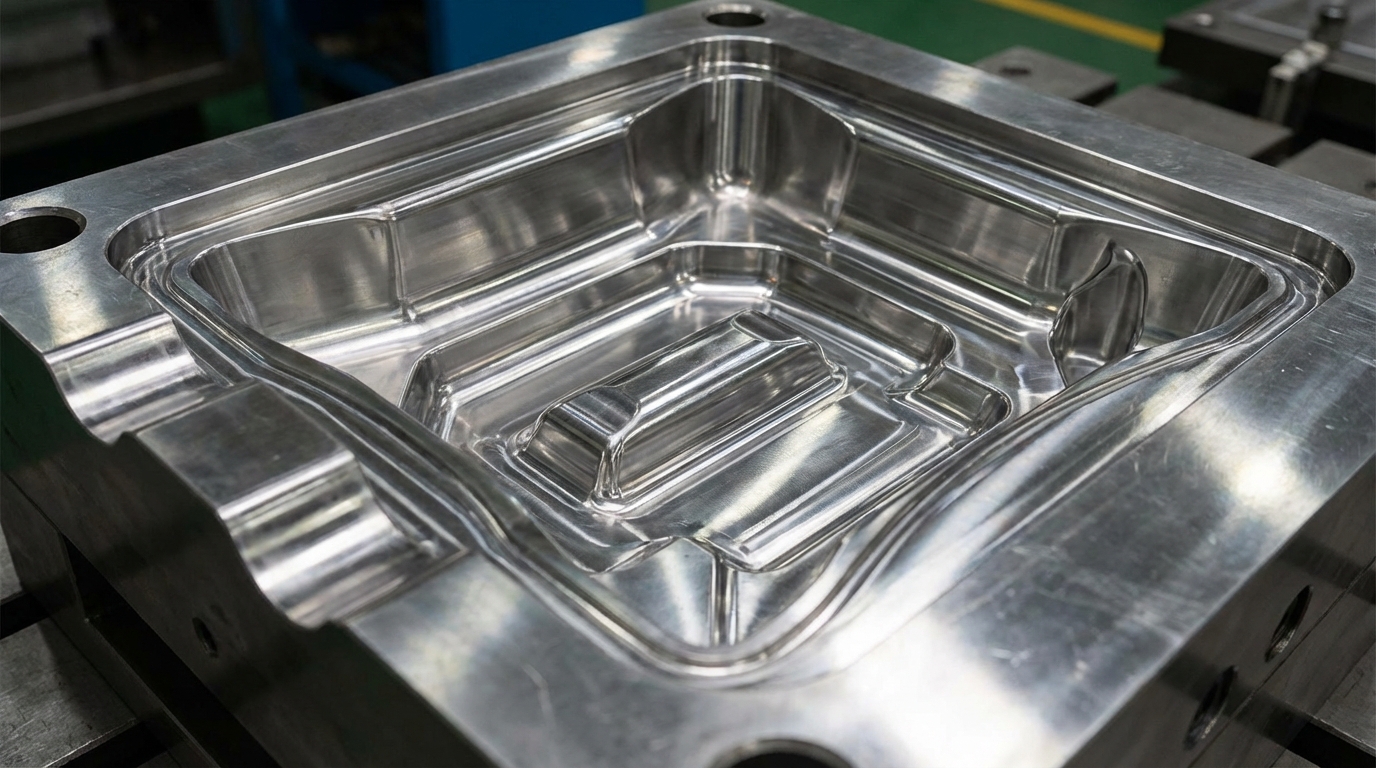
- Precision CNC machining of the mold is vital.
Here is the deal: accuracy starts with the steel of the mold, not just the molding process.
Non-Contact and Functional Testing Methods
Using optical comparators or laser scanners allows you to measure flexible parts without touching them. Functional tests, such as leak testing for gaskets, ensure the part performs under real-world pressure.
But wait, there is more: CCD visual inspection systems can catch surface defects at high production speeds.
Key Takeaway: Implementing non-contact inspection is the only way to get truly accurate data on flexible silicone components.
| QC Method | Purpose |
|---|---|
| Laser Scanning | Non-contact dimensional verification |
| Pressure Test | Ensures seal integrity for fluids |
| CCD Camera | High-speed surface defect detection |
Robust inspection protocols guarantee that every part leaving the factory meets your engineering specifications.
Which Industries Benefit Most from LSR?
Industries requiring high-purity materials and extreme environmental resistance find that the [LSR tooling cost] is a worthwhile investment for long-term reliability. From the high-voltage requirements of the automotive sector to the sterile needs of healthcare, LSR is a foundational material. You will find it in everything from your smartwatch band to the valves in a car engine.
Medical Devices and Smart Wearables
The biocompatibility of LSR makes it perfect for skin-contact items like fitness trackers and hearing aids. It is also used extensively in surgical tools and diagnostic equipment because it can withstand repeated sterilization.
- It is used in respiratory masks and valves.
- Smartwatch bands benefit from its soft touch.
- Implants utilize its bio-inert properties.
Think about it: no other material offers this combination of comfort and clinical safety.
Automotive Safety and Industrial Sealing
In cars, LSR provides durable seals for connectors and sensors that must withstand heat and vibration. It is also used for gaskets in electric vehicle batteries to prevent moisture ingress and ensure safety.
Look at it this way: LSR keeps the critical electronics in your vehicle dry and functional for years.
Key Takeaway: LSR is the preferred material for any industry where part failure is not an option and safety is the top priority.
| Industry | Primary Application |
|---|---|
| Healthcare | Valves, seals, and skin-contact parts |
| Automotive | O-rings, wire grommets, battery seals |
| Electronics | Smartwatch straps and acoustic dampeners |
The widespread adoption of LSR across these sectors highlights its versatility and mission-critical performance.
How Does LSR Support Mass Production?
LSR supports mass production through high-speed automation and precise metering that minimizes waste and optimizes the [LSR tooling cost]. The liquid state allows for incredibly fast injection times, which leads to shorter overall cycles. You can scale from thousands to millions of parts with very little variation in quality.
Faster Cycle Times and Scalability
Because LSR vulcanizes rapidly in a hot mold, you can often achieve cycle times under 30 seconds. This speed allows a single machine to produce a massive volume of parts with minimal human intervention.
- Multi-cavity molds increase output per cycle.
- Automated de-molding reduces labor costs.
- Consistent material flow prevents downtime.
But wait, there is more: the high level of automation means you can run your production 24/7 without quality drift.
Reducing Waste through Precise Metering
The 1:1 pumping system ensures you only mix the amount of material needed for the shot. This precision, combined with flash-less mold design, ensures your material utilization is nearly 100%.
Here is the kicker: reducing material waste directly improves your bottom line over large production runs.
Key Takeaway: The high efficiency and low waste of LSR molding make it the most cost-effective solution for high-volume elastomer production.
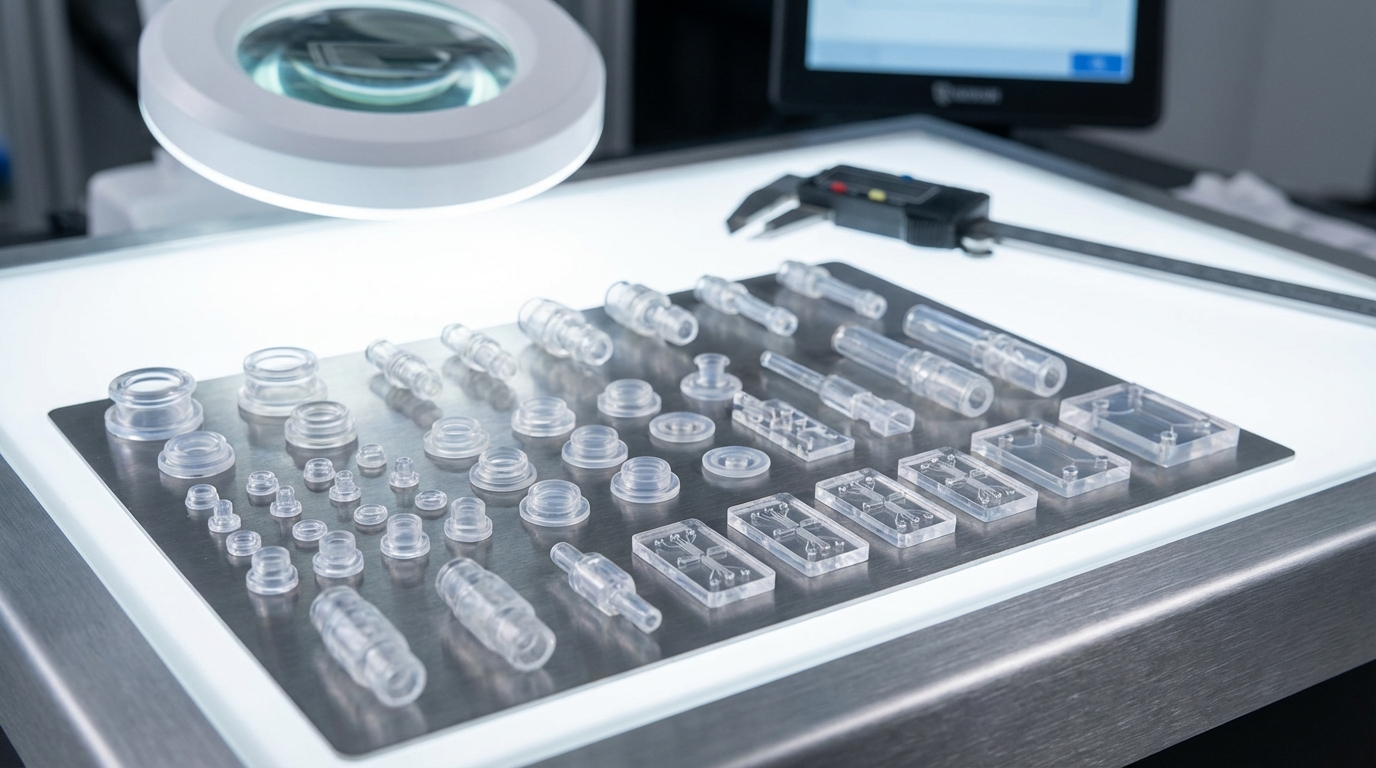
| Production Metric | LSR Advantage |
|---|---|
| Cycle Time | Frequently under 60 seconds |
| Material Waste | Minimal due to precise pumping |
| Automation | Nearly 100% operator-free possible |
Mass production with LSR is defined by its ability to maintain extreme precision at very high speeds.
How Do You Choose an LSR Factory Partner?
Choosing the right LSR factory partner involves evaluating their in-house tooling capabilities and their understanding of LSR tooling cost management. You need a partner who offers Design for Manufacturability (DFM) support to catch issues before the steel is cut. A factory with extensive export experience and ISO certifications ensures your supply chain remains stable.
In-House Tooling and DFM Support
A factory that makes its own molds can iterate faster and maintain tighter control over the tolerances. They should provide detailed DFM reviews to help you optimize your part for the liquid molding process.
- Look for IATF 16949 or ISO 13485 certifications.
- Ensure they have dedicated LSR molding machines.
- Check for cleanroom capabilities if needed.
The best part? In-house tooling often results in lower long-term maintenance costs for your molds.
ISO Compliance and Export Capabilities
You need to ensure your partner can handle the logistics of international shipping and provides all necessary material certifications. Compliance with RoHS and REACH standards is essential for parts sold in the EU and US.
Here is the deal: a partner with a global track record reduces the risk of customs delays and quality disputes.
Key Takeaway: Prioritize a partner who offers end-to-end support, from initial engineering design to global logistics and delivery.
| Selection Criteria | Importance |
|---|---|
| In-House Tooling | Critical for speed and precision |
| ISO Certification | Essential for quality and compliance |
| DFM Feedback | Necessary to reduce production risks |
Choosing a partner based on these criteria ensures a smooth transition from prototype to mass production.
Conclusion
This article solved the mystery of how Liquid Silicone Rubber injection molding delivers high-performance parts through a specialized, automated process. By understanding the unique thermal requirements and material properties of LSR, you can design better products and choose the right manufacturing partners.
At HuaLin Silicone, we take pride in being a top-tier custom manufacturer that bridges the gap between complex engineering and stable mass production. Whether you need medical-grade components or rugged automotive seals, our in-house tooling and ISO-certified processes ensure your project launches faster with fewer risks. Our vision is to empower global innovators with precision-engineered silicone solutions that stand the test of time. To discuss your next project or get a detailed DFM review, reach out today.
FAQ
Can I overmold LSR onto plastic or metal inserts?
Yes, it is. Overmolding allows you to create multi-material parts where the soft silicone is chemically or mechanically bonded to a rigid substrate for enhanced functionality.
What’s the best shore hardness for flexible wearables?
Absolutely. Most wearable applications utilize a range of 40A to 60A to provide the perfect balance between skin-friendly comfort and structural durability.
How do I know if my part requires post-curing?
Yes, it does. You typically need post-curing if your application requires the absolute highest mechanical strength or if you must meet strict outgassing standards for medical or aerospace use.
Can I use LSR for food-contact applications?
Absolutely. LSR is inherently non-toxic and certain grades are formulated specifically to meet FDA and LFGB standards for kitchenware and baby care products.
What’s the best way to manage flash on LSR parts?
Absolutely. The most effective method is utilizing high-precision mold design and cold-runner systems, though secondary cryogenic deflashing can be used for exceptionally complex geometries.