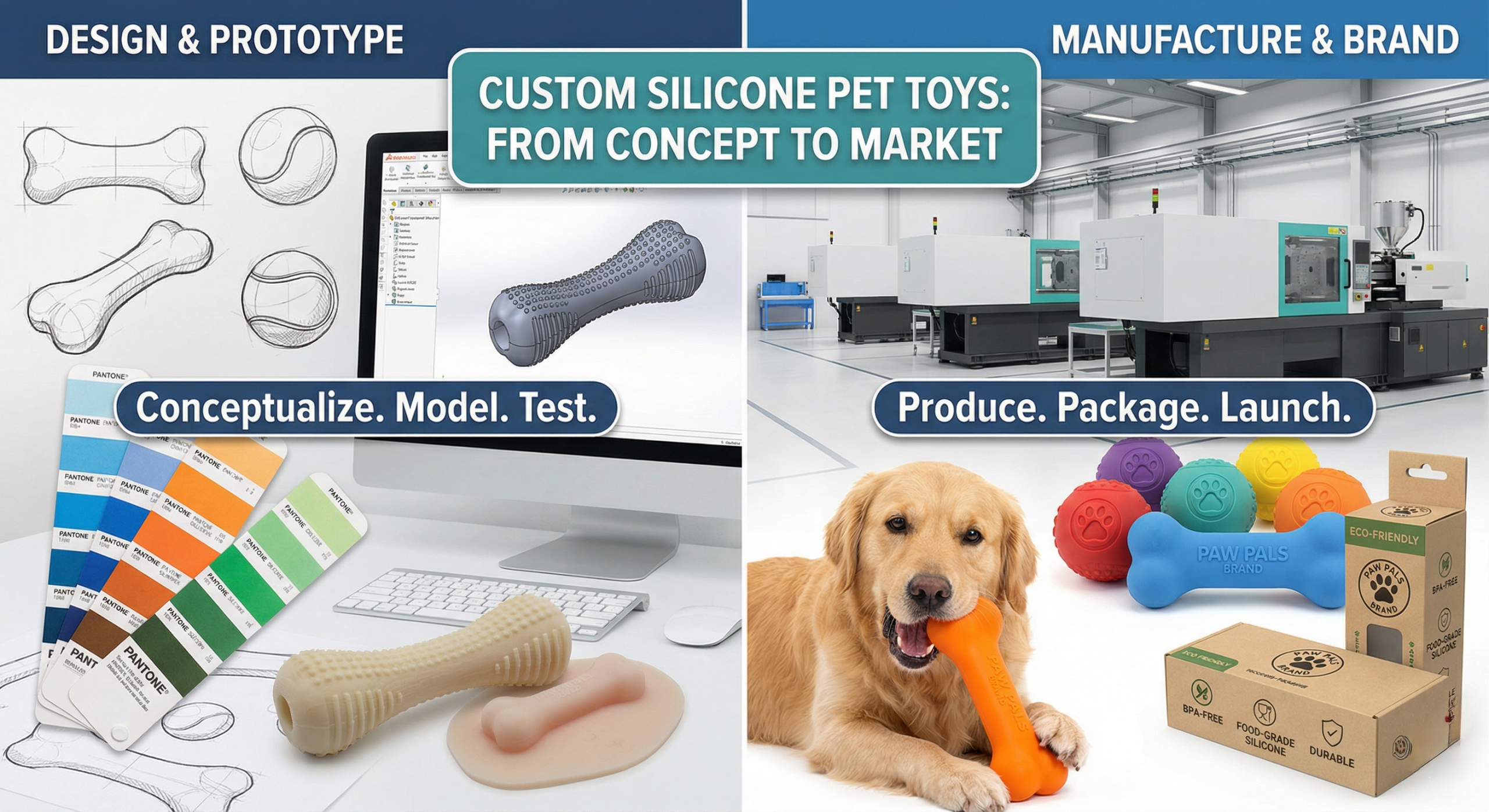
To create your own custom silicone pet toys, you must partner with a specialized manufacturer that manages the transition from 3D design to industrial-grade molding and safety certification. Many brands struggle with generic products that fail to stand out or withstand the aggressive chewing habits of modern pets, leading to poor customer retention. This lack of differentiation and quality agitates your bottom line and increases the risk of product recalls in a highly sensitive market. By investing in Custom Silicone Pet Toys, you provide safe, durable, and uniquely branded solutions that capture market share and build long-term consumer trust.
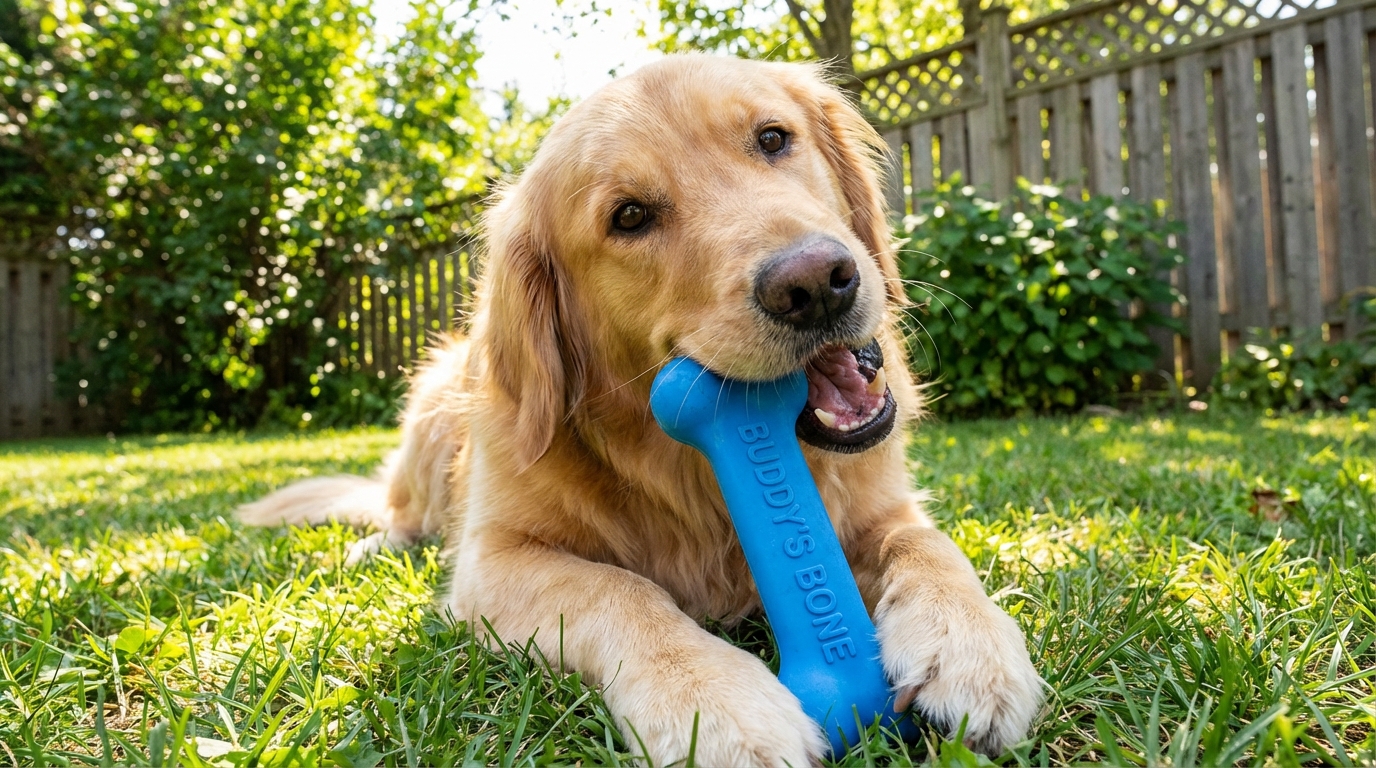
Why choose Custom Silicone Pet Toys for your brand?
You should choose Custom Silicone Pet Toys because they offer superior durability, non-toxic properties, and high thermal resistance compared to traditional plastic or rubber. These toys maintain their structural integrity even under extreme bite force, ensuring a longer product lifecycle for your customers.
What makes silicone the best material for pets?
Silicone is an ideal material because it is chemically inert, hypoallergenic, and free from harmful phthalates or BPA. It provides a soft yet resilient texture that is gentle on a pet’s gums while remaining difficult to tear or shred.
- Hypoallergenic and non-porous surface.
- Resistance to mold and bacteria growth.
- Dishwasher safe for easy sanitization.
Here is the deal. Using high-quality materials directly impacts your brand’s perceived value and safety rating.
Identifying gaps in the current pet toy market?
You can identify market gaps by researching underserved niches such as toys for specific breeds or specialized interactive dental cleaners. Most current offerings are “one size fits all,” leaving a significant opportunity for customized shapes and functional textures.
- Breed-specific jaw sizes.
- Integrated dental cleaning ridges.
- Multi-sensory interactive features.
Believe it or not. Customization allows you to charge a premium by solving specific problems that generic toys ignore.
Key Takeaway: Choosing silicone positions your brand at the intersection of safety and premium durability, which are the top priorities for modern pet owners.
| Feature | Silicone Benefit | Market Impact |
|---|---|---|
| Safety | Non-toxic/BPA-free | High consumer trust |
| Durability | Tear-resistant | Fewer product returns |
| Hygiene | Dishwasher safe | Practicality for owners |
This analysis confirms that material selection is the primary driver of competitive advantage in the premium pet accessory sector.
How do you start the concept and design phase?
Creating Custom Silicone Pet Toys starts with defining the toy’s function, whether it is for fetching, chewing, or treat-dispensing. You must translate these functional requirements into detailed sketches that consider the physical limits of the material and the intended pet’s size.
Converting rough sketches into 3D CAD models?
Professional designers use CAD software to transform your initial ideas into precise 3D models that the factory can use for tooling. This step is crucial for identifying potential structural weaknesses or molding difficulties before expensive production begins.
- Precise wall thickness measurements.
- Draft angles for easy mold removal.
- Simulated stress testing on the digital model.
The bottom line is this. A well-engineered 3D model reduces the need for multiple expensive physical prototype iterations.
Designing for durability and specific play styles?
You must adjust the geometry of your toy to suit aggressive chewers or gentle retrievers by varying the thickness of the silicone walls. Adding reinforced internal structures can significantly increase the “indestructible” feel of the product.
- Reinforced bite zones.
- Hollow centers for flexibility.
- Varying surface textures for engagement.
It gets better. Strategic design ensures your product survives the toughest “stress tests” in real-world environments.
Key Takeaway: The design phase is the foundation of product quality, where functionality meets manufacturing feasibility to create a marketable asset.
| Design Element | Purpose | Benefit |
|---|---|---|
| Wall Thickness | Structural integrity | Increased longevity |
| CAD Modeling | Accuracy | Lower tooling risks |
| Play Style Fit | Target marketing | Higher satisfaction |
Strategic design prevents mechanical failure and ensures the toy performs exactly as promised to the end-user.
What are the key specifications for these products?
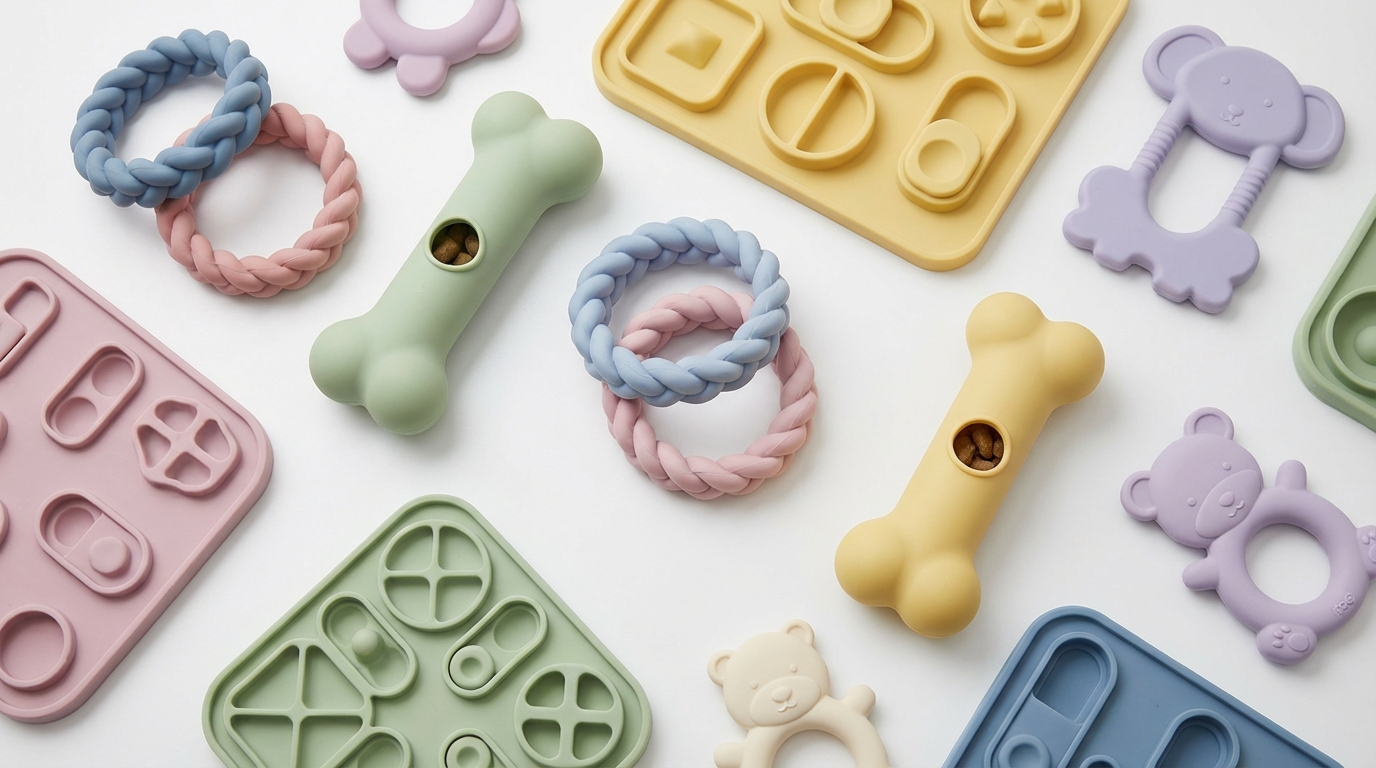
Setting the right specifications for Custom Silicone Pet Toys involves selecting the appropriate hardness and deciding how to permanently integrate your brand’s visual identity. These technical details determine the sensory experience for the pet and the professional look for the buyer.
Selecting the correct Shore A hardness?
Shore A durometer measures how soft or firm the silicone feels, ranging typically from 30A for soft teething toys to 70A for hard chewers. Choosing the wrong hardness can result in a toy that is either too easily destroyed or too hard for the pet to enjoy.
- 30A-40A: Soft, flexible teething toys.
- 50A-60A: Standard all-purpose toys.
- 70A+: Heavy-duty aggressive chewers.
Make no mistake. Getting the hardness right is the difference between a favorite toy and a rejected one.
How to integrate logos into the product design?
You should choose between embossing or debossing your logo directly into the mold for a permanent, high-end branding effect. Unlike printing, molded logos will never wear off or peel away, which is vital for safety and long-term brand recognition.
- Embossed (raised) logos for tactile feel.
- Debossed (sunken) logos for durability.
- Laser engraving for small batch customization.
Think about it. A molded logo acts as a permanent signature of your brand’s commitment to quality.
Key Takeaway: Technical specifications like Shore hardness and molded branding are the critical details that define your product’s market positioning.
| Specification | Typical Range | Application |
|---|---|---|
| Hardness | 30A – 80A | Breed dependent |
| Branding | Molded/Engraved | Permanent identity |
| Color | Pantone Matching | Brand consistency |
Careful specification ensures that the physical product aligns perfectly with your brand’s marketing promises and user expectations.
Which safety standards must your pet products meet?
Safety for Custom Silicone Pet Toys is governed by international food-contact standards since these products spend significant time in a pet’s mouth. Meeting these requirements is not just ethical; it is a legal necessity for importing into major markets like the US and EU.
Ensuring compliance with FDA and LFGB standards?
FDA (US) and LFGB (European) certifications confirm that the silicone material does not leach harmful chemicals or heavy metals during use. While FDA is the standard for North America, LFGB is often considered more stringent and is required for the premium European market.
- Chemical migration testing.
- Heavy metal content analysis.
- Sensory (odor and taste) testing.
The fact is. Certified products are easier to get into major retailers who demand strict safety documentation.
Why use 100% non-toxic food-grade silicone?
Food-grade silicone ensures that if a pet accidentally swallows a small piece, the material will not cause toxic poisoning. It is much safer than “industrial-grade” silicone, which may contain cheaper fillers and chemical residues.
- Zero BPA or Phthalates.
- Resistance to high heat (sterilization).
- No chemical odors that repel pets.
Look at it this way. Using inferior materials is a risk that your brand simply cannot afford to take.
Key Takeaway: Safety compliance is your brand’s insurance policy against liability and the key to unlocking global distribution channels.
| Standard | Region | Requirement Level |
|---|---|---|
| FDA | USA | Essential / Baseline |
| LFGB | Europe | Premium / Strict |
| RoHS/REACH | Global | Material Safety |
Rigorous adherence to these standards builds a “safety-first” reputation that justifies premium pricing in the pet industry.
How does the prototyping and iteration process work?
The prototyping phase for Custom Silicone Pet Toys allows you to test the physical properties of your design before committing to expensive mass-production molds. This iterative cycle identifies flaws in size, weight, or functionality that were not visible in the 3D model.
Benefits of 3D printing for initial prototypes?
3D printing offers a low-cost way to check the physical size and ergonomics of your toy design within days rather than weeks. While the material is different from silicone, it allows you to hold a physical object and check for breed-appropriate dimensions.
- Rapid turnaround for design changes.
- Cost-effective scale testing.
- Tactile feedback for stakeholders.
It gets better. Finding a size error now saves you thousands of dollars in mold modification fees later.
Validating functionality with silicone samples?
Once the shape is finalized, you should request a single-cavity prototype mold to produce actual silicone samples for real-world testing. This is the only way to accurately test the specific Shore hardness and tear strength with live animals or mechanical testers.
- Actual material performance tests.
- Final color and finish approval.
- In-mouth safety and engagement trials.
The truth is. You cannot know if a toy works until it has been chewed on by its intended audience.
Key Takeaway: Prototyping is the most important “sanity check” in the manufacturing journey, ensuring your design is ready for the real world.
| Prototype Stage | Method | Goal |
|---|---|---|
| Visual Mockup | 3D Printing | Size/Shape verification |
| Functional Sample | Sample Mold | Material/Hardness test |
| Pre-Production | Pilot Run | Final quality sign-off |
Investing time in iteration now prevents catastrophic manufacturing failures during high-volume production cycles.
What tooling options exist for pet toy manufacturing?
Tooling refers to the metal molds created to produce your Custom Silicone Pet Toys in large quantities. The type of tooling you choose—injection or compression—will depend on your design complexity and your total production volume.
Comparing injection vs. compression molding?
Injection molding is best for complex designs with fine details, while compression molding is often more cost-effective for simpler, solid shapes. Injection molding typically offers faster cycle times and higher precision but carries a higher initial tooling cost.
- Injection: Higher precision, faster cycles.
- Compression: Lower mold cost, simple parts.
- LSR (Liquid): Best for medical-grade purity.
Let’s face it. Your choice of molding method will dictate your unit price and initial investment level.
Understanding mold fabrication lead times?
Creating a high-quality steel mold usually takes between 4 to 6 weeks depending on the complexity and the number of cavities. A multi-cavity mold produces more parts per cycle, reducing your long-term unit cost but increasing the upfront price.
- Single-cavity for lower volumes.
- Multi-cavity for mass scaling.
- Hardened steel for million-cycle durability.
Here is the kicker. Rushing the mold fabrication process usually leads to surface defects and dimensional errors.
Key Takeaway: Selecting the right tooling strategy balances your upfront capital expenditure with your long-term production efficiency.
| Tooling Type | Precision | Initial Cost | Scaling Potential |
|---|---|---|---|
| Compression | Medium | Low | Moderate |
| Injection | High | High | Very High |
| LSR Molding | Superior | Very High | Maximum |
An analysis of these methods shows that injection molding is the standard for brands intending to scale globally with high-precision designs.
How is mass production managed for high quality?
Mass production of Custom Silicone Pet Toys requires a stable environment where material mixing and curing times are strictly controlled. This ensures that the first unit off the line is identical in quality and performance to the ten-thousandth unit.
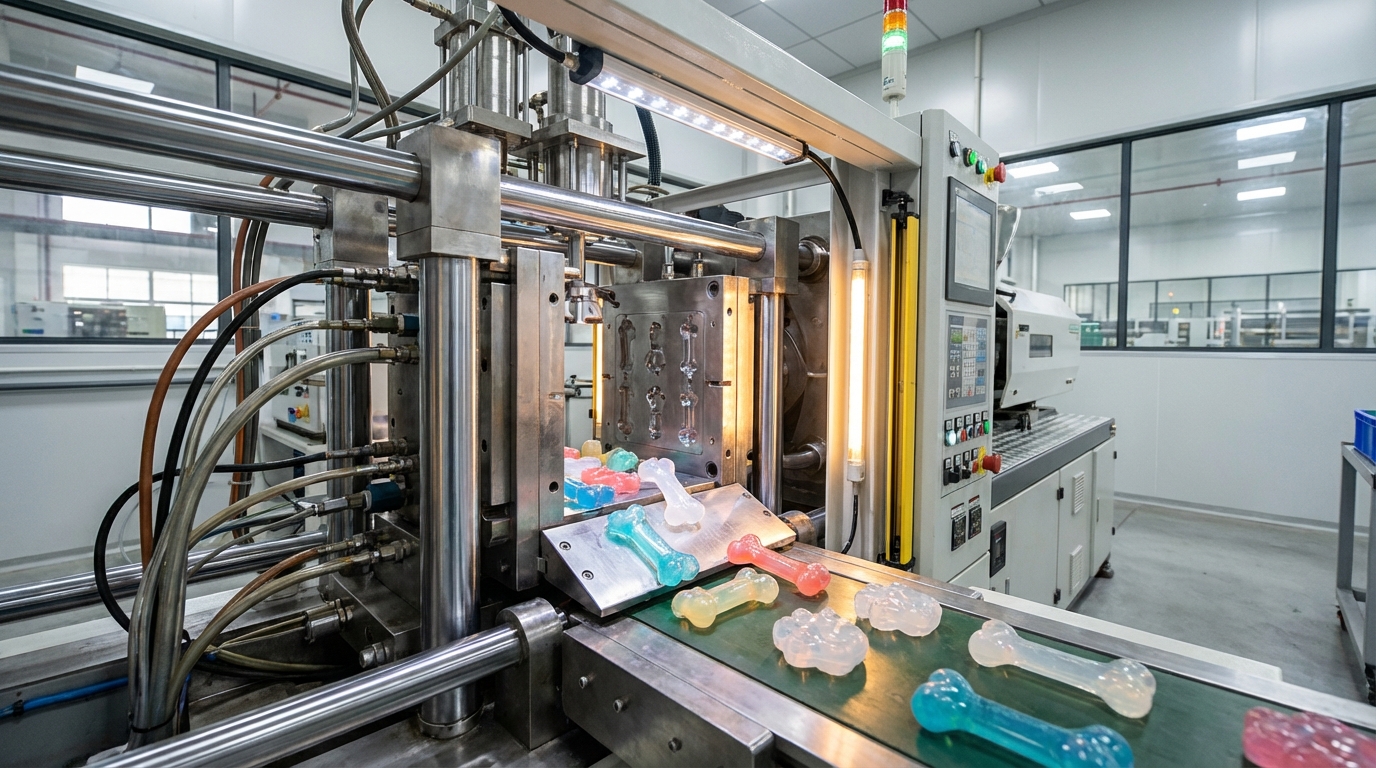
Managing high-volume injection molding cycles?
Automated injection molding machines ensure that the temperature and pressure remain constant throughout the entire production run. This automation minimizes human error and guarantees that the silicone cures perfectly every time.
- Automated material feeding systems.
- Precise temperature control units.
- Cycle time optimization for consistency.
The bottom line is. Stability in production is what prevents “batch variation” that can confuse customers and ruin brand trust.
How are in-process quality checks performed?
Operators perform visual and dimensional inspections at set intervals to catch any mold wear or material contaminants immediately. This proactive approach prevents a minor issue from turning into a massive waste of raw materials.
- Hourly dimension spot-checks.
- Visual inspections for air bubbles.
- Hardness testing of cured batches.
Think about it. Catching a defect at the machine is much cheaper than catching it at the warehouse.
Key Takeaway: High-quality mass production relies on the combination of sophisticated machinery and rigorous, scheduled human oversight.
| Quality Step | Frequency | Outcome |
|---|---|---|
| First Article | Start of run | Confirms setup accuracy |
| Patrol Inspection | Every 60 mins | Prevents drift in quality |
| Batch Sampling | Post-production | Validates total output |
Consistency in mass production is the hallmark of a professional B2B partnership and the key to retail success.
Why is post-production testing critical for success?
Post-production testing for Custom Silicone Pet Toys proves that the final items can withstand the aggressive mechanical stresses they will face in the field. These tests provide the data you need to market your toys as “durable” or “chew-resistant” with actual evidence.
Conducting tear strength and bite force tests?
Specialized machines pull and bite the silicone to measure the force required to break the material. This ensures that your product meets the expectations for “heavy chewer” categories and won’t fragment dangerously.
- Tensile strength measurement.
- Tear resistance validation.
- Simulated bite force cycles.
Make no mistake. Marketing a toy as “indestructible” without these tests is a major legal risk.
Dimensional and visual inspection protocols?
Final inspections ensure that every toy fits within the allowed tolerances and that no “flash” (excess silicone) remains on the seams. Visual perfection is what separates a premium brand from a low-quality mass-market competitor.
- Flash removal and seam smoothing.
- Color consistency verification.
- Weight and dimension audits.
Believe it or not. The finishing touches are often what consumers notice most when they open your packaging.
Key Takeaway: Post-production testing converts a manufactured object into a certified, reliable product ready for the consumer.
| Test Type | Metric | Brand Value |
|---|---|---|
| Tear Test | Newtons/mm | Durability proof |
| Aging Test | Color/Texture | Long-term quality |
| Inspection | Visual defects | Premium aesthetic |
Rigorous testing protocols ensure your brand never has to deal with the fallout of a sub-standard product batch.
How can you optimize branding and retail packaging?
Packaging for Custom Silicone Pet Toys must protect the product while communicating your brand’s values to the consumer. In the modern market, the packaging is often just as important as the toy itself for winning the first sale.
Choosing eco-friendly packaging solutions?
You should consider using recycled cardboard or biodegradable polybags to appeal to the growing segment of environmentally conscious pet owners. Eco-friendly packaging reinforces the “non-toxic” and “safe” messaging of the silicone product inside.
- Recycled paper headers and cards.
- Minimalist “no plastic” designs.
- Soy-based inks for printing.
Think about it. Sustainable packaging is a powerful marketing tool that builds emotional connection with your customers.
Labeling requirements for international markets?
Your packaging must include critical information like material composition, country of origin, and safety warnings in multiple languages if you plan to export. Proper labeling prevents customs delays and ensures you comply with local consumer protection laws.
- Safety warnings (e.g., “supervised play only”).
- Cleaning and care instructions.
- Compliance logos (FDA, CE, LFGB).
The truth is. Professional labeling is what makes your product look ready for the shelves of major global retailers.
Key Takeaway: Optimized packaging combines aesthetic appeal with regulatory compliance to create a shelf-ready product that sells itself.
| Package Element | Strategy | Customer Impact |
|---|---|---|
| Material | Sustainable/Recycled | Brand loyalty |
| Design | High Visibility | Retail shelf appeal |
| Text | Multilingual/Clear | Global accessibility |
The analysis of packaging trends shows that minimalism and sustainability are currently the most effective ways to drive B2B and B2C conversions.
Can you build a strong factory partnership?
Success in the Custom Silicone Pet Toys industry depends on a collaborative relationship with a manufacturer that understands your vision and scales with your growth. A true partnership goes beyond a simple transaction; it involves shared engineering expertise and transparent communication.
Tips for effective communication with manufacturers?
You should provide clear design files and be upfront about your quality expectations from day one to avoid costly misunderstandings. Regular video calls and factory audits help maintain a high level of accountability and build mutual trust.
- Provide detailed Tech Packs.
- Schedule regular progress updates.
- Be clear about defect tolerances.
Here is the deal. Manufacturers are your greatest allies in solving technical challenges before they reach the customer.
Managing minimum order quantities for scale?
Starting with a manageable MOQ allows you to test the market without over-investing in inventory, while planning for future volume discounts as you grow. Negotiate your scaling terms early so that your price per unit decreases as your brand gains traction.
- Start with “Market Test” batches.
- Negotiate price breaks for volume.
- Inventory forecasting for peak seasons.
Look at it this way. A factory that is willing to grow with you is more valuable than one that only takes large orders.
Key Takeaway: A strong factory partnership is the most valuable asset in your supply chain, ensuring long-term product stability and innovation.
| Partnership Pillar | Focus | Long-term Result |
|---|---|---|
| Transparency | Honest communication | Faster problem solving |
| Technical Support | DFM advice | Better product quality |
| Scalability | Flexible MOQs | Sustainable brand growth |
This analysis suggests that brands who treat their factory as a strategic partner outperform those who treat them as a mere vendor.
Summary: Launching Your Custom Pet Brand
Creating a successful line of pet products requires navigating complex design, material, and manufacturing hurdles. By following this guide, you solve the problem of generic, low-quality offerings by leveraging the durability and safety of silicone. Our vision is to help brands transition from “just another toy” to a market-leading authority in pet wellness and safety. If you are ready to differentiate your brand with premium, non-toxic solutions, contact us today to start your manufacturing journey.
*
FAQ
Can I use any silicone for pet toys?
No. You must use 100% food-grade or medical-grade silicone to ensure the product is non-toxic and safe for prolonged oral contact.
What’s the best way to prevent the toy from being destroyed?
Select a high Shore A hardness (60A+) and design reinforced internal structures to withstand extreme bite forces.
Can I get custom colors for my brand?
Absolutely. You can provide a Pantone code, and the factory will mix the silicone pigments to match your brand identity perfectly.
How long does it take from design to shipping?
Typically 10-14 weeks. This includes 2 weeks for design/prototyping, 6 weeks for tooling, and 2-4 weeks for mass production and QC.
What is the standard MOQ for custom toys?
Most professional factories require between 500 to 1,000 units per design to cover the overhead of machine setup and material mixing.