
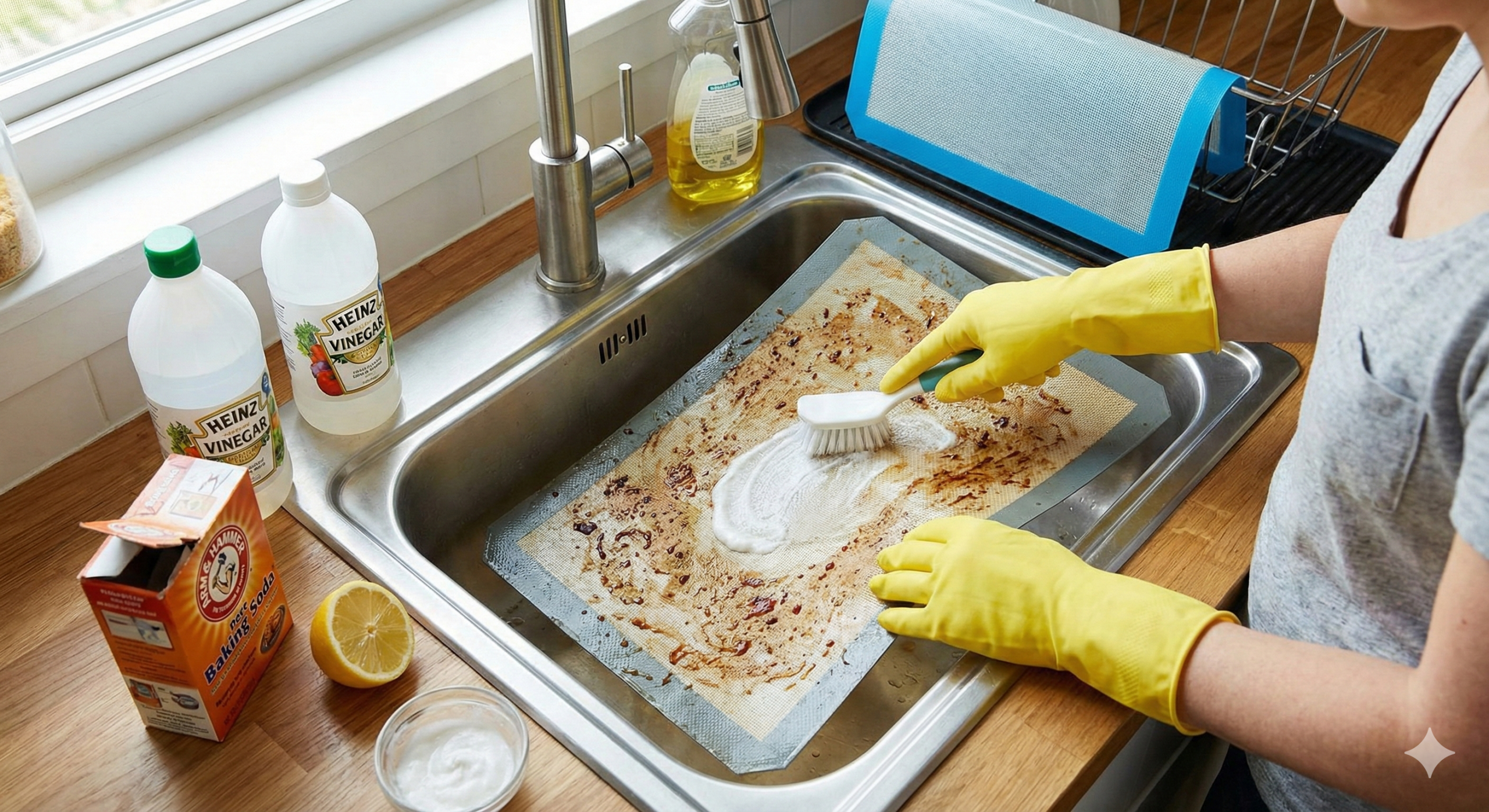
Cleaning silicone mats effectively requires a combination of high-temperature sterilization, mild abrasive scrubbing, and regular moisture management. Imagine walking into your kitchen only to find a sink mat covered in a slimy, grey film and smelling of sour dishwater. This buildup isn’t just unsightly; it is a breeding ground for bacteria that can compromise your home’s hygiene standards. Learning how to clean silicone sink mat hardware properly will save you money and protect your family from unhygienic kitchen conditions.
Which cleaning method kills the most bacteria?
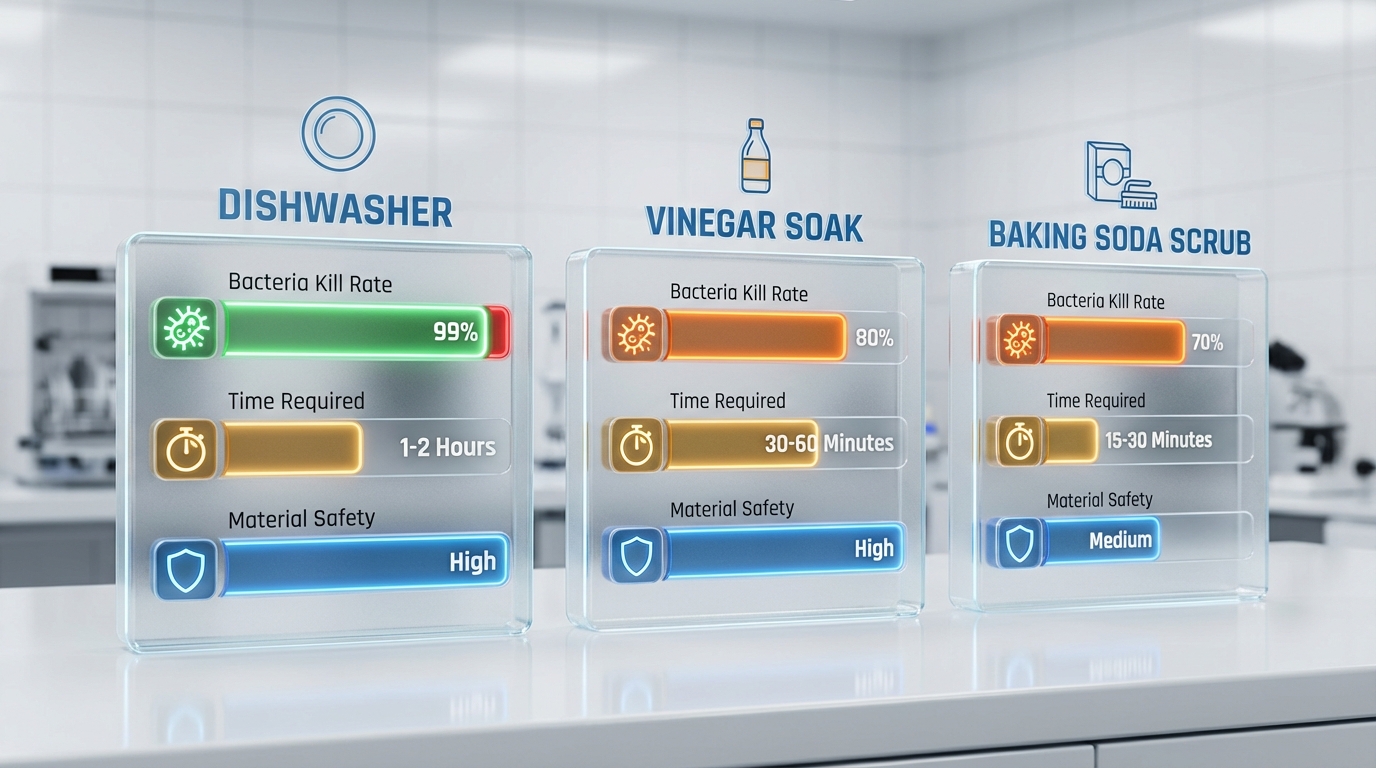
Dishwashing and boiling are the most effective ways to eliminate microbial life on your kitchen surfaces. Understanding how to clean silicone sink mat accessories often starts with selecting a method that targets the microscopic pathogens living in the material’s texture. High heat is the most reliable tool for breaking down biological films.
Does boiling water sanitize the surface?
Boiling your mat for ten minutes is a foolproof way to ensure it is medically clean. Think about it: traditional soap and water only reach the surface, but boiling heat penetrates deep into the silicone’s structure.
- Kills 99% of common household germs.
- Removes deep-seated food odors effectively.
- Requires no harsh chemical additives.
Key Takeaway: Thermal sterilization through boiling is the industry standard for resetting the hygiene levels of food-grade silicone products after heavy use.
| Cleaning Method | Germ Kill Rate | Safety Level |
|---|---|---|
| Boiling Water | High | Very Safe |
| Surface Wipe | Low | Safe |
| Cold Soak | Medium | Safe |
This data confirms that heat is the primary driver in ensuring your kitchen tools remain sanitary over long-term use.
Can you put silicone mats in the dishwasher?
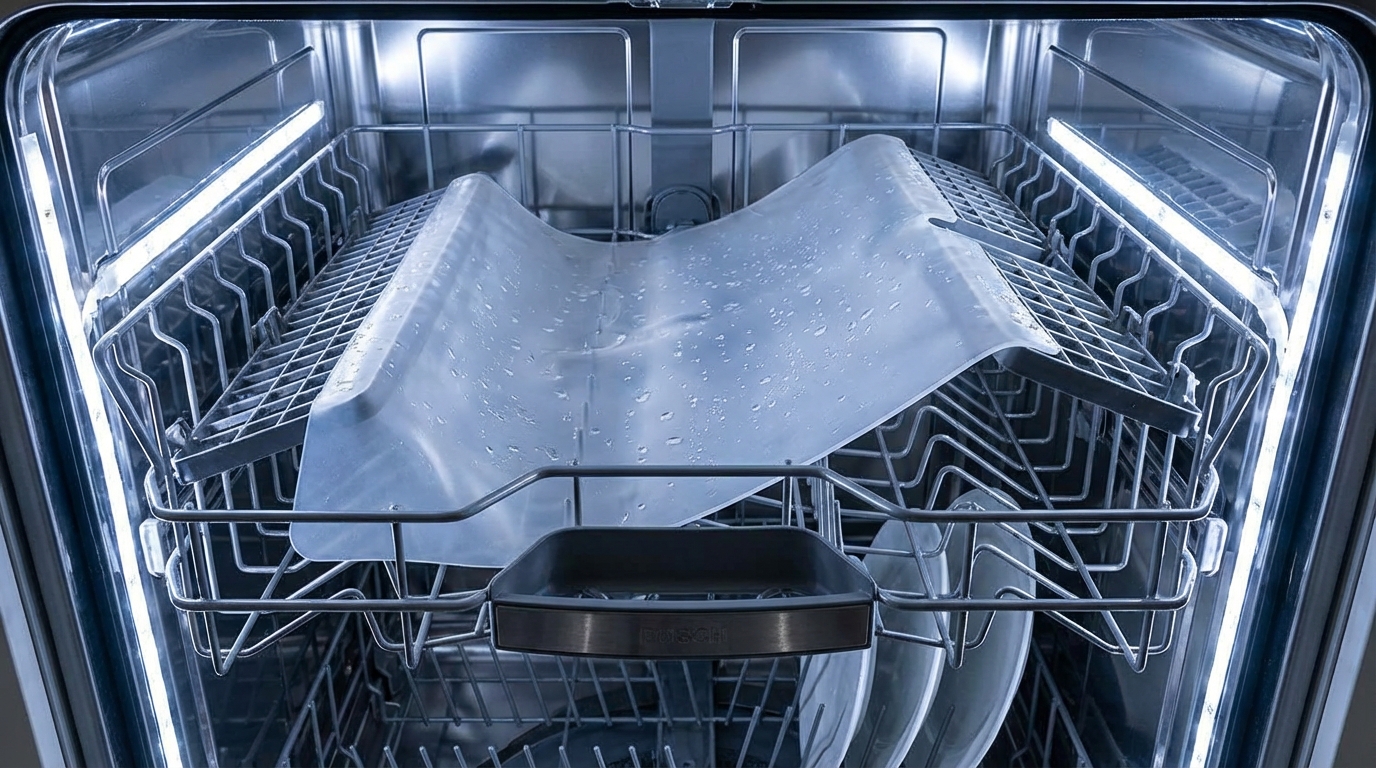
Most high-quality silicone sink mats are completely dishwasher safe and can handle standard cleaning cycles with ease. When you research how to clean silicone sink mat items, you will find that the convenience of a machine wash is a major benefit for busy households. The mechanical action of the spray arms helps dislodge particles from intricate drainage holes.
Is the top rack necessary for safety?
Placing the mat on the top rack prevents it from coming into direct contact with the heating element at the bottom. Believe it or not, this simple step prevents potential warping while still providing a high-temperature sanitize.
- Use a standard heavy-duty cycle for grease.
- Avoid using high-fragrance detergents.
- Ensure the mat is laid flat to avoid pooling.
Key Takeaway: Automating your cleaning schedule with a weekly dishwasher cycle maintains a baseline of hygiene without requiring manual labor.
| Cycle Type | Temperature | Best For |
|---|---|---|
| Sanitize | High | Mold Prevention |
| Normal | Medium | Regular Maintenance |
| Eco | Low | Light Rinsing |
Consistent machine washing is the most efficient way to maintain large batches of protective kitchen hardware in a B2B or residential setting.
How do you remove deep tomato stains?
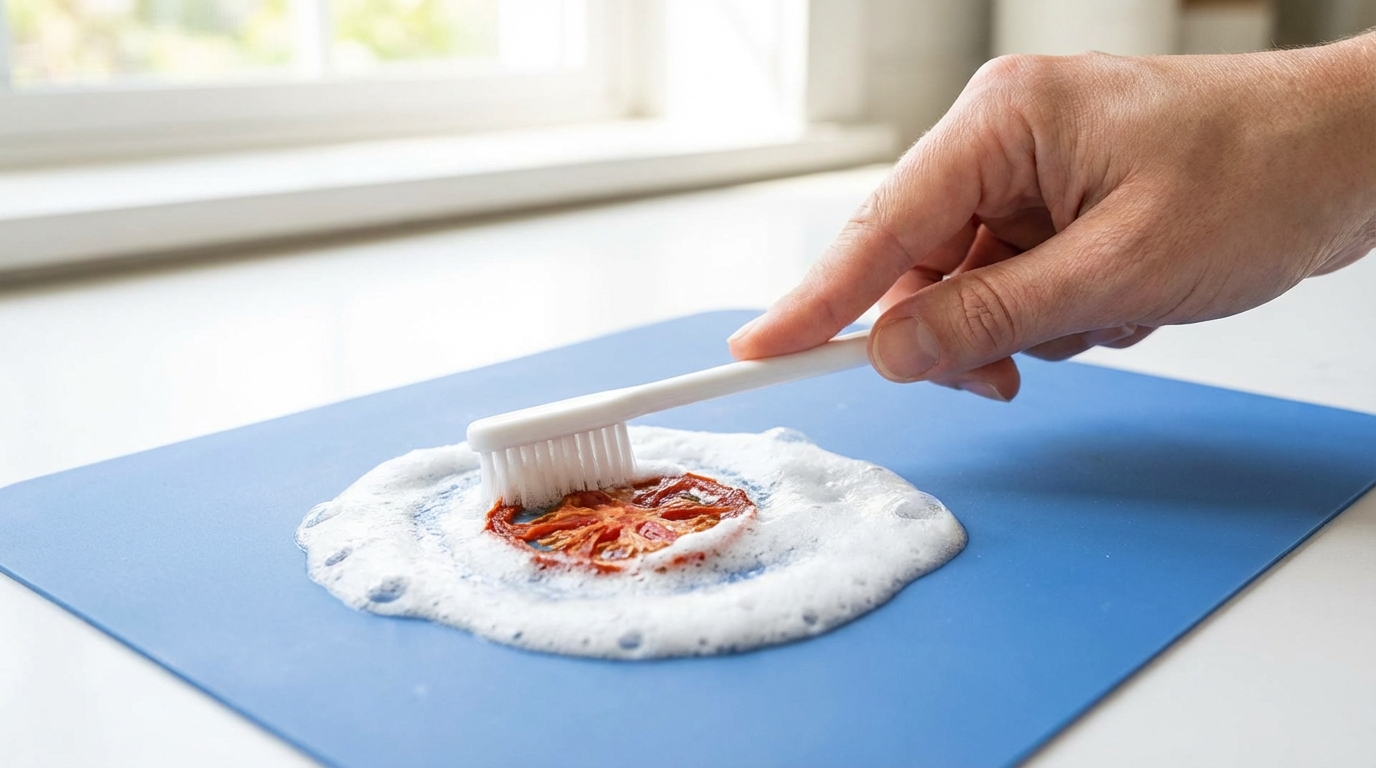
A paste made of baking soda and water is the most effective way to lift stubborn organic pigments from the material. If you need to know how to clean silicone sink mat surfaces that have turned orange from red sauce, a mild abrasive is your best friend. The chemical reaction helps pull the stains out of the silicone’s microscopic pores.
Does scrubbing with a brush help?
Using a soft toothbrush allows the cleaning paste to reach into the textured crevices where stains hide. Here is the kicker: the physical agitation breaks the surface tension that keeps oils trapped in the mat.
- Mix a 3:1 ratio of baking soda to water.
- Let the paste sit for fifteen minutes.
- Scrub in a circular motion for best results.
Key Takeaway: Removing deep stains requires a combination of chemical breaking agents and physical scrubbing to restore the mat’s original aesthetic.
| Stain Level | Treatment Time | Expected Result |
|---|---|---|
| Light | 5 Mins | Full Removal |
| Moderate | 15 Mins | High Removal |
| Severe | 30 Mins | Faded Result |
Applying a focused scrubbing technique ensures that even the most vibrant food dyes do not become a permanent fixture of your kitchen equipment.
Does white vinegar effectively kill mat mold?
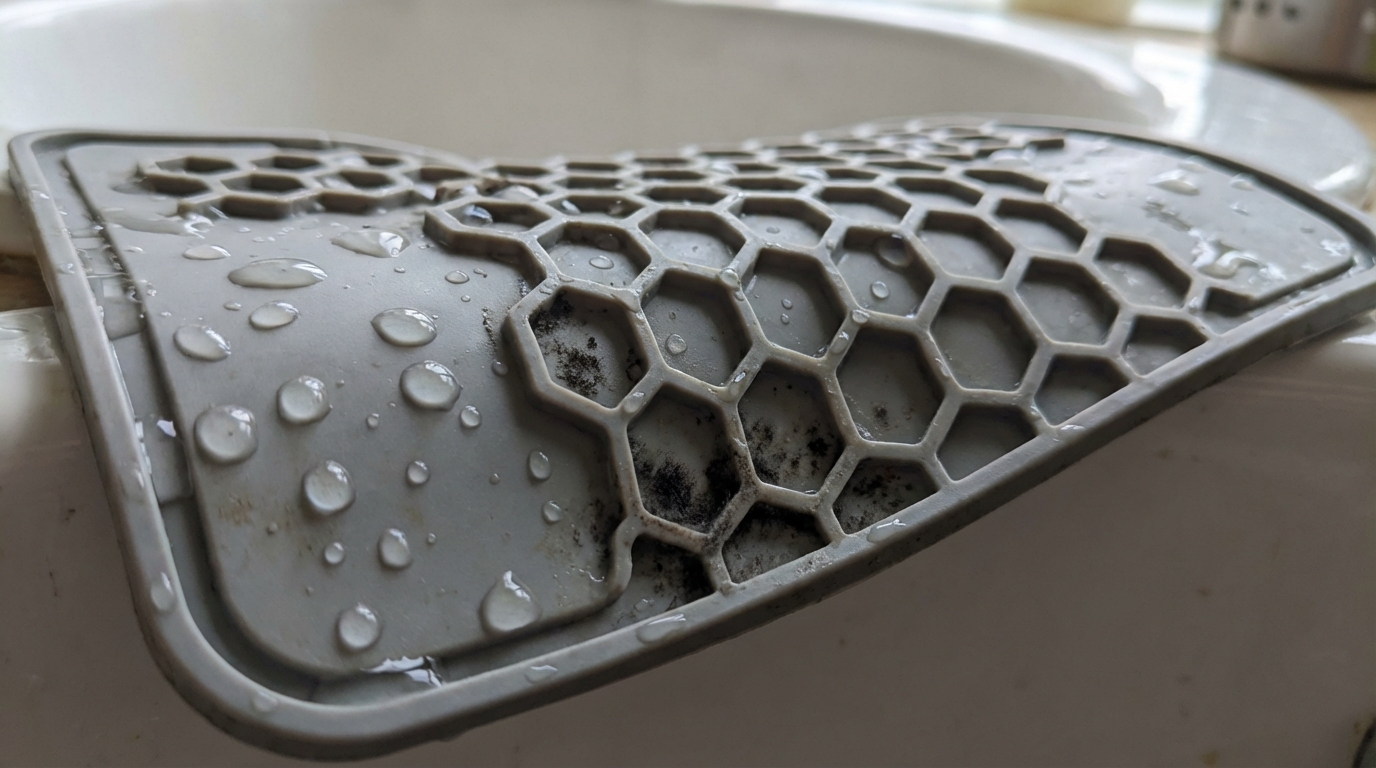
White vinegar is a highly effective natural disinfectant that can kill up to 82% of mold species common in wet kitchen environments. Learning how to clean silicone sink mat mold starts with using an acidic agent to penetrate the cell walls of the fungus. This non-toxic approach is safe for food-preparation surfaces and gentle on the material.
Should you soak the mat overnight?
Soaking your mat in a deep basin of vinegar and hot water is the best way to tackle heavy mold infestations. Think about it: the longer the vinegar sits, the more time it has to neutralize the mold roots.
- Use a 50/50 mix of vinegar and water.
- Submerge the mat completely under the surface.
- Rinse with fresh water to remove the smell.
Key Takeaway: Vinegar serves as the most reliable natural alternative to harsh chemicals for households that prioritize eco-friendly cleaning solutions.
| Solution | Mold Efficacy | Surface Safety |
|---|---|---|
| Pure Vinegar | High | Excellent |
| Diluted Mix | Medium | Excellent |
| Vinegar + Soap | Medium | Excellent |
Using vinegar on a weekly basis prevents the black mold spots that often lead homeowners to prematurely discard their sink accessories.
Is bleach safe for regular silicone cleaning?
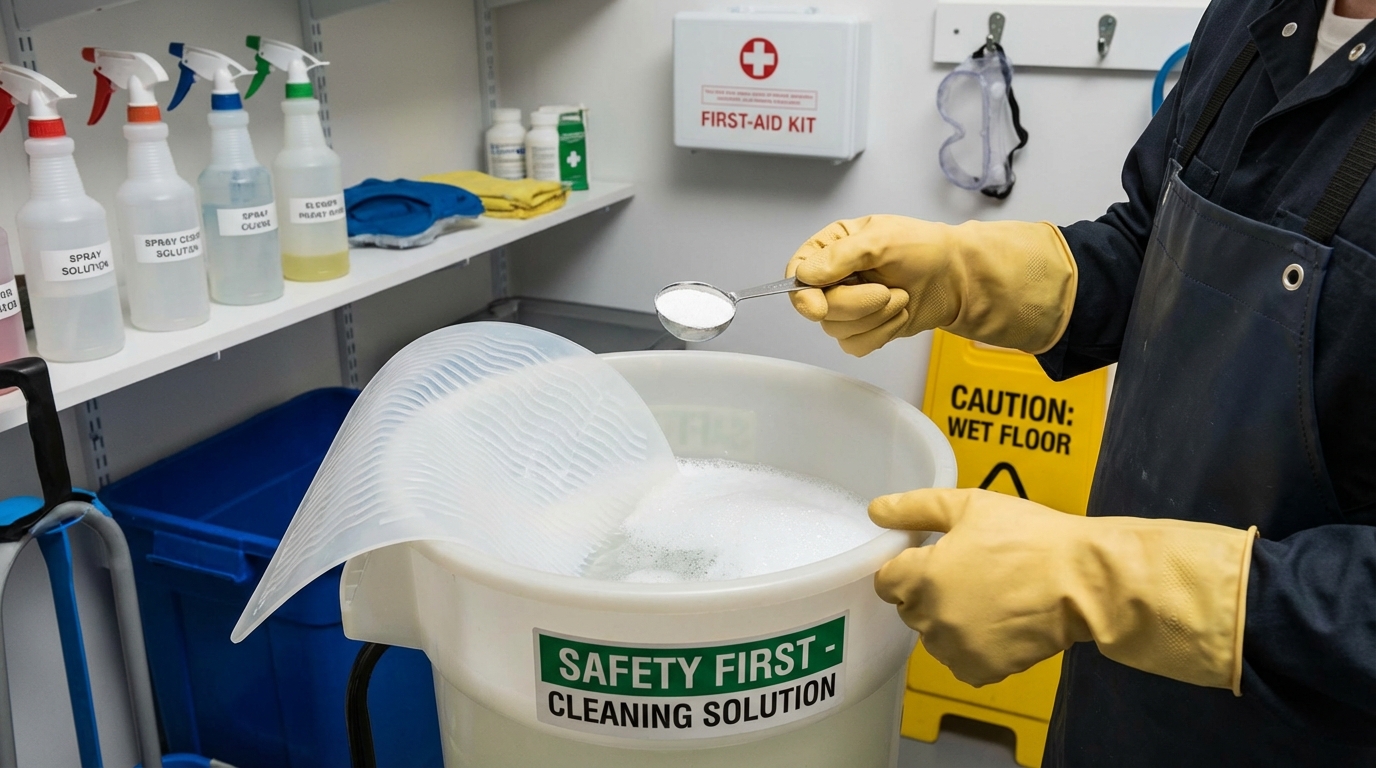
Bleach should be used sparingly as a last resort for sanitizing, as frequent exposure can eventually cause silicone to become brittle. Many users ask how to clean silicone sink mat black spots when nothing else works. While bleach is a powerful oxidizer, it requires careful dilution to ensure it does not damage the structural integrity of your kitchen tools.
Is the dilution ratio critical?
Mixing one tablespoon of bleach per gallon of water is the safest way to sanitize without causing discoloration. The best part? You only need a ten-minute soak to achieve a near-perfect microbial kill rate.
- Always wear protective gloves when handling.
- Work in a well-ventilated kitchen area.
- Rinse thoroughly to eliminate residual fumes.
Key Takeaway: Bleach is a high-potency tool that should be reserved for the most extreme sanitation needs rather than daily maintenance.
| Cleaner Type | Material Impact | Frequency |
|---|---|---|
| Bleach | Potential Wear | Monthly Only |
| Vinegar | No Impact | Weekly Safe |
| Soap | No Impact | Daily Safe |
Balancing the strength of your cleaning agents ensures that you maximize the lifespan of your silicone investments while maintaining a sterile environment.
How can you eliminate stubborn kitchen odors?
Eliminating odors from silicone is best achieved by a combination of soaking in deodorizing agents and high-temperature boiling. If you are struggling with how to clean silicone sink mat smells that won’t go away, you need to break down the volatile organic compounds trapped in the material. Odors are usually a sign that organic matter has penetrated below the surface level.
Does lemon juice naturally refresh silicone?
Rubbing a fresh lemon over the surface and letting the juice sit for ten minutes can neutralize many alkaline odors. Believe it or not, the natural citric acid acts as both a cleaner and a refreshing aromatic agent.
- Squeeze fresh lemon over the damp mat.
- Sprinkle salt for a mild abrasive effect.
- Rinse with boiling water to finish the job.
Key Takeaway: Odor management is as much about chemical neutralization as it is about physical cleaning, making acidic fruit juices an ideal companion.
| Odor Source | Best Neutralizer | Time Required |
|---|---|---|
| Fish/Onion | Lemon Juice | 10 Mins |
| Mildew/Damp | White Vinegar | 30 Mins |
| General Food | Boiling Water | 10 Mins |
A multi-pronged approach to odor removal ensures that your kitchen remains an inviting space for food preparation and dining.
What tools work best for degreasing silicone?
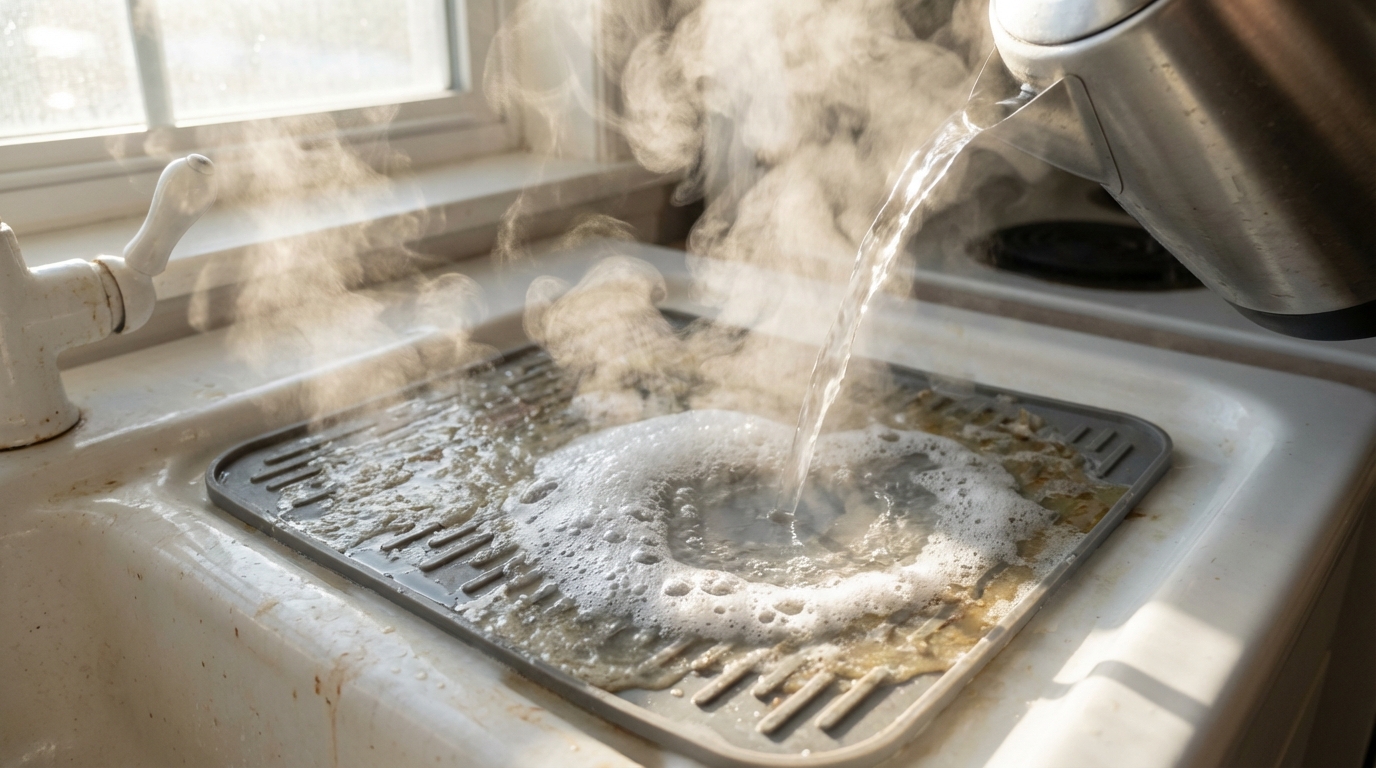
Hot water and a high-quality grease-cutting dish soap are the most effective tools for removing the oily film that builds up over time. When learning how to clean silicone sink mat surfaces, you will discover that heat is the key to melting polymerized fats. Without hot water, grease simply moves around the surface rather than being emulsified and washed away.
Should you use a non-scratch sponge?
A non-scratch scouring pad provides the necessary friction to lift sticky residue without slicing into the silicone’s soft surface. You might be wondering, why not use steel wool? Metal scrubbers will create microscopic tears that actually harbor more bacteria in the long run.
- Use water that is at least 120°F (49°C).
- Focus on the underside where oils pool.
- Rinse until the mat squeaks to the touch.
Key Takeaway: Degreasing is a temperature-dependent process that requires surfactants to break the bond between the silicone and the organic oils.
| Tool Choice | Grease Removal | Surface Safety |
|---|---|---|
| Nylon Brush | High | Safe |
| Soft Cloth | Low | Very Safe |
| Steel Wool | High | Dangerous |
Using the right tools prevents accidental damage while ensuring that the “slimy” feel common to neglected mats is completely eliminated.
Why does your silicone mat feel sticky?
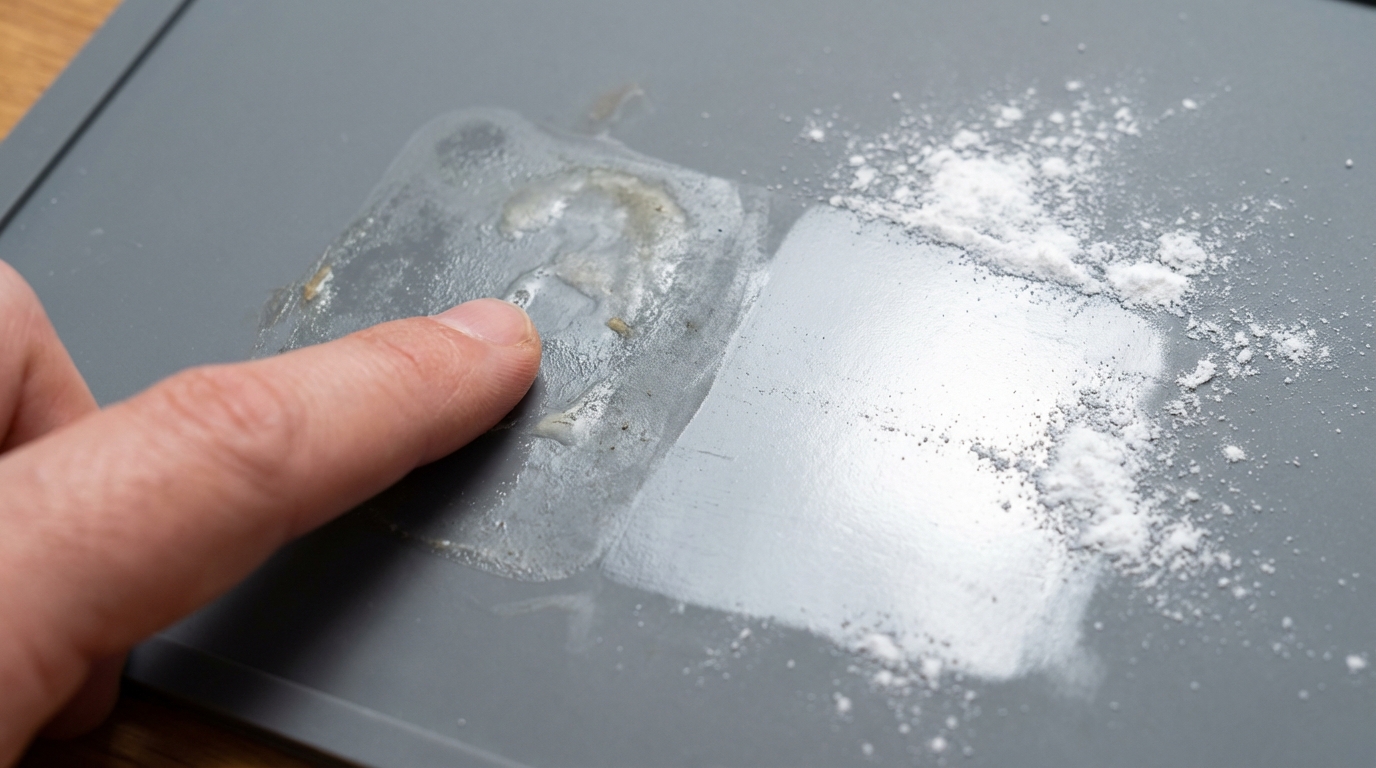
Stickiness is often caused by a buildup of cooking oils and dish soap residue that has polymerized onto the surface. Investigating how to clean silicone sink mat stickiness reveals that this tactile film acts like a magnet for dust and hair. To fix this, you need to reset the material’s surface tension using an alkaline cleaner like baking soda.
Is cooking spray the primary culprit?
Consistent use of aerosol cooking sprays near your sink can lead to a fine mist settling on your mats and hardening over time. The best part? This “gluey” texture can be reversed with a simple deep soak in hot, soapy water.
- Avoid spraying oils near your silicone tools.
- Rinse with very hot water after every meal.
- Use a degreasing detergent for regular maintenance.
Key Takeaway: Preventing stickiness is easier than curing it, making a “clean as you go” philosophy essential for silicone kitchen maintenance.
| Residue Type | Feel | Best Solution |
|---|---|---|
| Oil Film | Slick | Hot Soap |
| Polymerized Oil | Sticky | Baking Soda |
| Soap Scum | Chalky | Vinegar |
Understanding the tactile feedback of your mat helps you choose the correct chemical agent to restore its smooth, non-stick properties.
How often should you clean your mats?
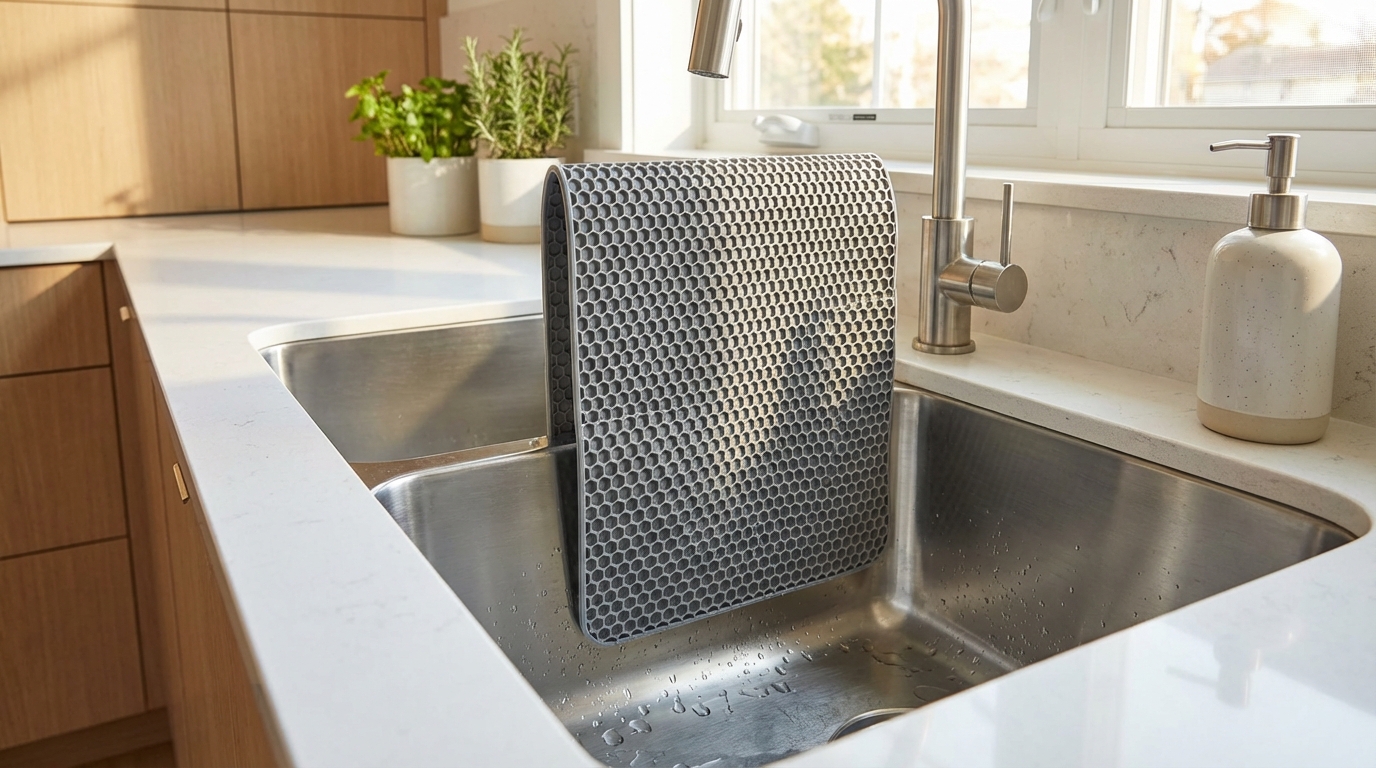
Rinsing your mat after every dishwashing session and performing a deep clean weekly is the recommended schedule for optimal hygiene. Many homeowners only ask how to clean silicone sink mat hardware once it has already become visible dirty. By then, mold has often already established a foothold in the material’s lower sections.
Is daily air drying strictly necessary?
Hanging your mat to dry every night prevents water from pooling underneath, which is the primary cause of slime development. You might be wondering, does it really make a difference? Yes, removing the moisture source stops bacteria from replicating overnight.
- Lift the mat to drain the sink floor.
- Wipe away standing water after heavy use.
- Sanitize once a week in the dishwasher.
Key Takeaway: A consistent maintenance routine is the most effective way to prevent the major cleaning crises that lead to product failure.
| Cleaning Frequency | Action | Benefit |
|---|---|---|
| Daily | Rinse & Dry | Slime Prevention |
| Weekly | Dishwasher | Sanitization |
| Monthly | Boil | Odor Reset |
Establishing these habits ensures your kitchen equipment lasts for years while providing a safe surface for your family’s dishware.
When is it time to replace a silicone mat?
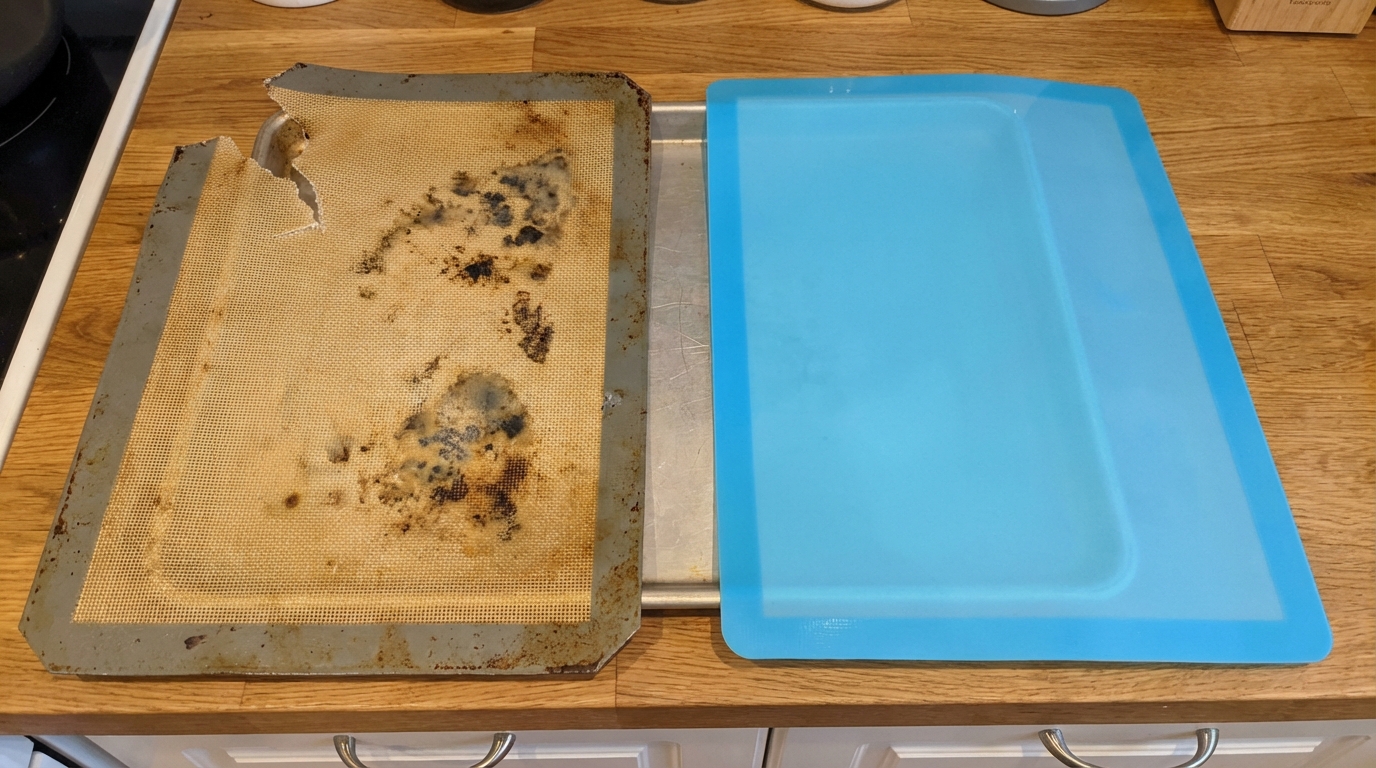
You should replace your silicone mat if it has deep black mold spots that cannot be removed or if the material shows signs of tearing. While learning how to clean silicone sink mat parts can extend their life, even the best silicone eventually wears out after years of exposure to heat and chemicals. High-quality mats typically last between two and five years depending on the level of care.
Are deep cracks a serious sanitation risk?
Cracks and tears provide a safe harbor for bacteria where brushes and soaps cannot reach effectively. Here is the kicker: even if the surface looks clean, a damaged mat can still be holding significant microbial loads internally.
- Check for thinning in high-wear areas.
- Look for permanent discoloration or odors.
- Feel for changes in the material’s flexibility.
Key Takeaway: Knowing when to retire a mat is a vital part of professional kitchen management and home sanitation.
| Sign of Wear | Severity | Action |
|---|---|---|
| Surface Stain | Low | Clean |
| Small Tear | Medium | Monitor |
| Black Mold Roots | High | Replace |
Identifying these warning signs early allows you to maintain a high standard of kitchen safety without risking cross-contamination from degraded materials.
Conclusion
Maximizing the lifespan and hygiene of your silicone mats is simple when you apply the correct thermal and chemical cleaning strategies. By incorporating weekly sanitization and daily moisture management, you can ensure your kitchen remains a safe, professional-grade environment. We take pride in manufacturing the highest quality silicone components that stand up to the rigors of daily use. If you are ready to upgrade your facility’s equipment or need expert manufacturing support, please contact us today.
Based in Dongguan, HuaLin Silicone is your premier partner for custom silicone and LSR parts, committed to engineering excellence and repeatability in every production batch.
FAQ
Can I use a metal scrubber to clean a silicone mat?
No, you should never use abrasive metal tools as they will create microscopic tears that trap bacteria.
What is the best way to stop mold from growing under the mat?
Always lift the mat and let it air dry completely between uses to eliminate the stagnant moisture mold needs to grow.
Is it safe to boil silicone mats for sterilization?
Yes, food-grade silicone is heat resistant and can be safely boiled for ten minutes to kill 99% of bacteria.
How do I get rid of the “sticky” feel on my mat?
Apply a thick paste of baking soda and water to break down the polymerized oils causing the stickiness.
Can I use bleach to remove black mold spots?
Yes, you can use a diluted bleach solution for ten minutes, but if the spots persist, the mold has likely rooted and the mat should be replaced.