
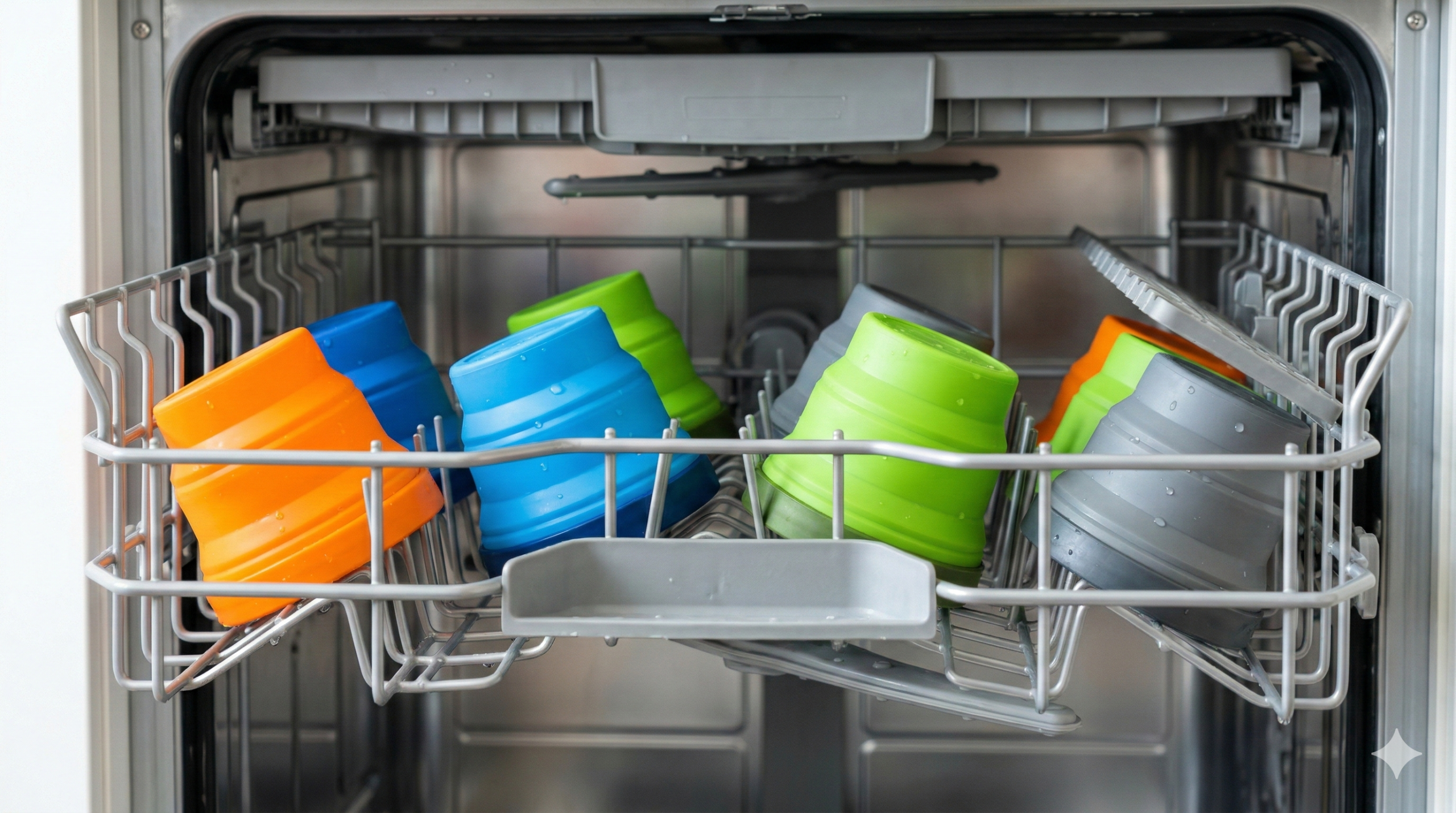
To wash silicone cups properly, you need to use mild soap, warm water, and regular sterilization methods to maintain hygiene. You likely notice that food-grade products get sticky or hold odors over time, ruining the user experience. When residue builds up, it degrades safety and forces you to replace inventory faster, which costs your business money. This guide will show you exactly how to clean silicone so your products stay pristine and safe for daily use.
Why Does Knowing How to Clean Silicone Cups Matter?
Recognizing how to clean silicone matters because it directly prevents bacterial growth and extends the lifespan of your products. Microscopic pores in the material can trap oils and sugars if you leave them unwashed. Over time, these trapped particles degrade the structural integrity of the rubber. Proper maintenance keeps your inventory hygienic and appealing to buyers.
What Happens When You Ignore Proper Washing?
Skipping regular washing causes sticky residue to accumulate rapidly on the surface. This creates a breeding ground for harmful bacteria that compromises user safety. It also causes the item to lose its flexibility and vibrant color.
- Lingering odors become trapped deep inside.
- Surface discoloration occurs rapidly.
- The material loses its premium feel.
Does Good Maintenance Save You Money?
Frequent replacement of damaged products drains your operating budget unnecessarily. Maintaining a strict hygiene schedule extends the usable life of each item significantly. Here is the deal: a well-maintained product reduces customer complaints and costly returns.
Key Takeaway: Implementing strict washing protocols protects both your physical product and your company’s image in the market.
| Benefit of Washing | Impact on Material | Business Value |
| Removes surface oils | Prevents stickiness | Higher satisfaction |
| Eliminates bacteria | Maintains safety | Health compliance |
| Stops bad odors | Keeps items neutral | Brand trust |
| Implementing regular maintenance directly correlates with extended product lifespans and higher buyer satisfaction. |
How to Clean Silicone Cups Right After Using Them?
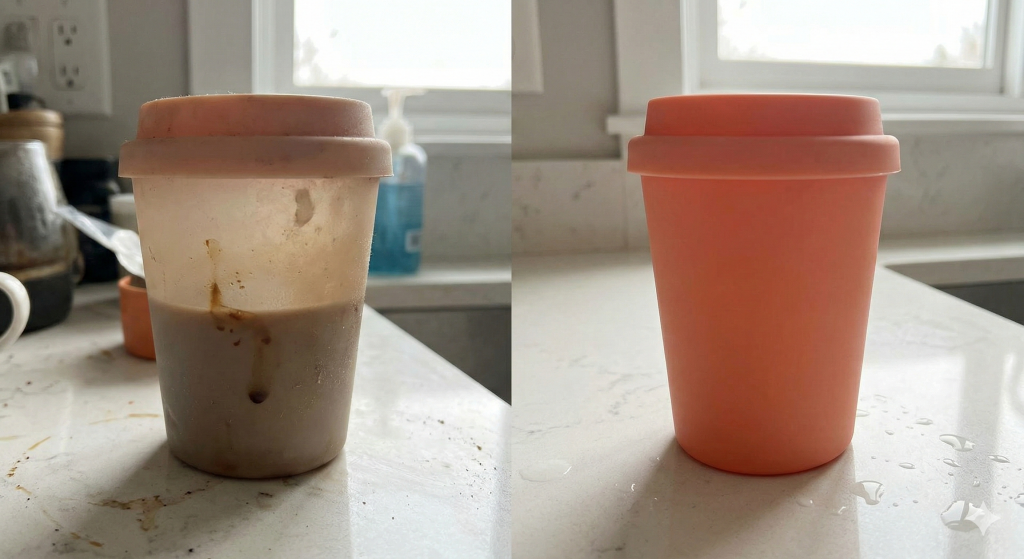
You must rinse the items with warm running water immediately after use to master how to clean silicone effectively. This simple action stops sugars and dairy from drying onto the surface. Fast action prevents stains from setting into the porous structure. A quick wash saves you from heavy scrubbing later.
Why Is Immediate Rinsing So Effective?
Washing right away flushes out liquids before they have a chance to harden. It takes less than ten seconds but provides massive benefits for hygiene.
- Prevents sugar crystallization.
- Stops milk proteins from souring.
- Blocks pigment from coffee or tea from staining.
What Should You Avoid During A Quick Rinse?
Do not use abrasive sponges during this fast wash because they can scratch the smooth finish. Scratching the surface creates new crevices where bacteria can hide in the future. What is the real story? Gentle friction with your bare hands or a soft cloth works best.
Key Takeaway: Acting quickly with warm water and soft hands is the most efficient way to keep your items spotless.
| Rinsing Action | Purpose | Result |
| Warm water flush | Melts fresh oils | Clean surface |
| Hand rubbing | Dislodges debris | No scratches |
| Avoiding steel wool | Protects finish | Longer lifespan |
| A fast and gentle rinse sets the foundation for long-term product durability and safety. |
What Soaps Are Best When Learning How to Clean Silicone?
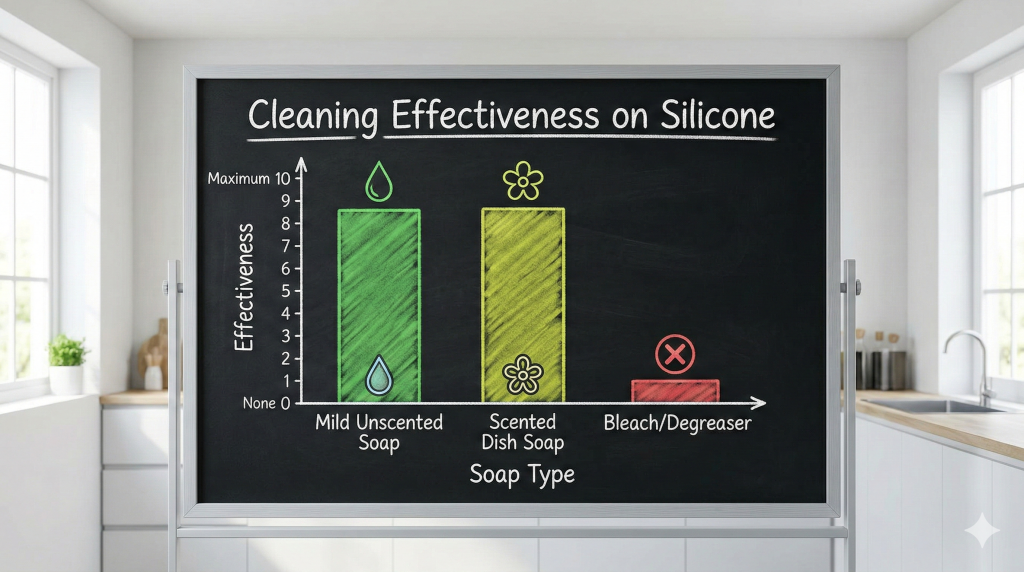
Mild dish soaps without heavy fragrances work best when you are learning how to clean silicone. Harsh chemicals like bleach can break down the rubber polymers and cause irreversible damage. Heavy fragrances often stick to the material and alter the taste of beverages. Always choose a gentle, food-safe liquid for daily washing.
Why Should You Avoid Heavily Scented Soaps?
The material easily absorbs artificial fragrances from cheap detergents. When a buyer uses the cup later, their water might taste like floral perfume.
- Unscented soaps leave no residue.
- Natural detergents protect the material.
- Food-safe formulas guarantee user safety.
Can You Use Industrial Cleaners?
You should never use industrial degreasers on these consumer products. Strong acids or bases will cause the rubber to become brittle and crack. Ready for the good part? Standard household dish liquid provides all the grease-cutting power you need without the risks.
Key Takeaway: Selecting a gentle, unscented soap preserves the structural integrity and neutrality of your products.
| Soap Type | Safety Level | Impact on Material |
| Mild unscented | High | Maintains neutrality |
| Heavy fragrance | Medium | Leaves bad taste |
| Bleach/Industrial | Low | Causes cracking |
| Choosing the correct detergent prevents chemical damage and keeps the user experience positive. |
How to Clean Silicone Cups Using a Hot Water Soak?
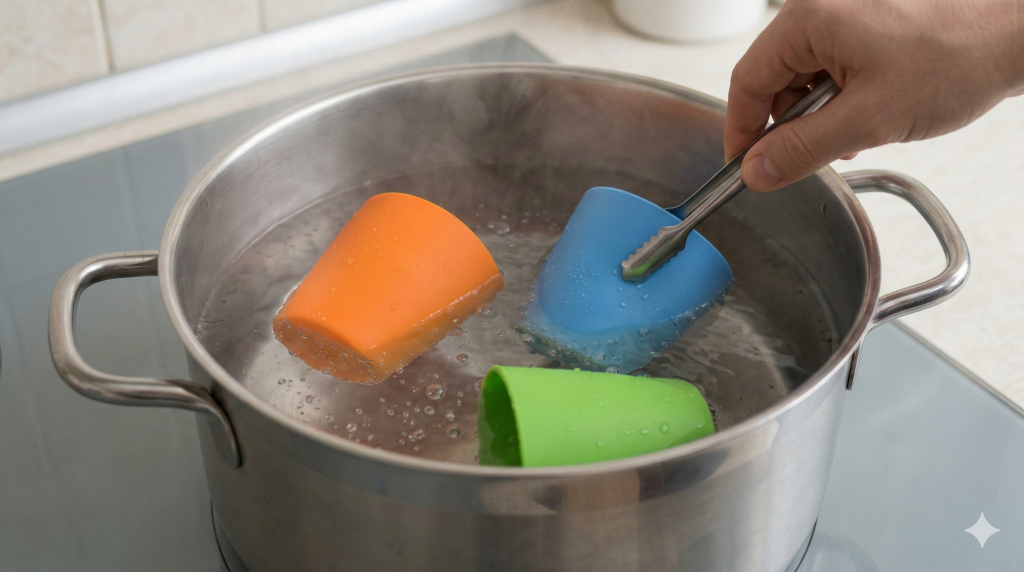
To correctly execute how to clean silicone with a soak, you need to submerge the items in boiling water for five minutes. This method helps loosen hardened debris that a quick rinse cannot remove. The heat expands the material slightly to release trapped oils. It is a highly effective step for deep washing routines.
What Is the Perfect Temperature for Soaking?
Water around 100 degrees Celsius provides the best results for loosening grime. You do not have to worry about melting because the material withstands extreme heat.
- Hot water melts stubborn fats.
- High temperatures kill mild bacteria.
- The process requires zero physical effort.
How Long Should the Items Soak?
Leaving them in the bath for five to ten minutes is usually sufficient. Leaving them longer will not harm them, but it is unnecessary for standard grime. This is where it gets interesting… The hot water does all the heavy lifting so you do not have to scrub.
Key Takeaway: A brief soak in near-boiling water effortlessly breaks down stubborn oils without requiring harsh chemicals.
| Temperature | Duration | Cleaning Effect |
| 50°C (Warm) | 15 mins | Mild softening |
| 100°C (Boiling) | 5 mins | Deep oil release |
| Cold water | 30 mins | Ineffective |
| Utilizing high temperatures maximizes cleaning efficiency while protecting the physical shape of the item. |
Does Baking Soda Help When Finding How to Clean Silicone?
Baking soda is highly effective for breaking down grease when you are figuring out how to clean silicone. Creating a thick paste with water allows you to target specific sticky spots on the surface. This natural compound acts as a very mild abrasive that lifts dirt without scratching. It is safe, cheap, and readily available for commercial use.
How Do You Make the Perfect Cleaning Paste?
Mix three parts baking soda with one part warm water until it forms a thick frosting consistency. Smear this mixture directly onto the sticky areas of the product.
- Let the paste sit for ten minutes.
- It absorbs foul odors trapped inside.
- It breaks down hardened proteins safely.
Is Baking Soda Better Than Chemical Solvents?
Yes, it provides excellent stain removal without the toxic risks of commercial solvents. It leaves absolutely no dangerous chemical residue behind after rinsing. You might be wondering: why does it work so well? The alkaline nature neutralizes acidic food stains instantly.
Key Takeaway: Baking soda offers a safe, non-toxic, and powerful alternative for removing tough grime from your inventory.
| Cleaning Agent | Toxicity | Effectiveness on Grease |
| Baking Soda | None | Very High |
| Vinegar | None | Medium |
| Chemical Solvent | High | High |
| Applying a natural alkaline paste easily solves stickiness issues while maintaining strict food-safety standards. |
How to Clean Silicone Cups with Stubborn Stains?
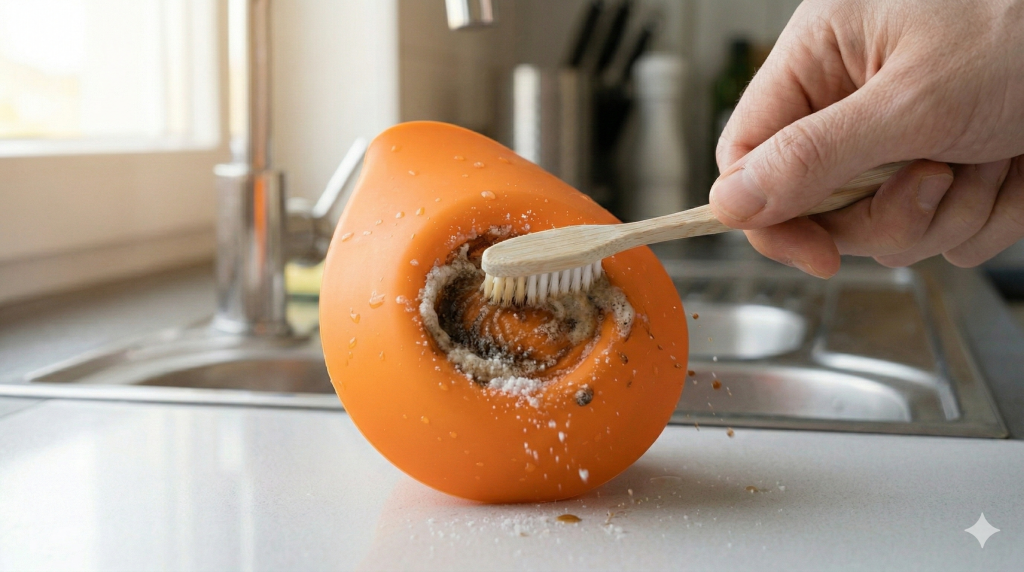
You can scrub stubborn marks gently using a soft-bristled brush to understand how to clean silicone perfectly. Coffee, tea, and tomato sauce are notorious for leaving colorful marks on light-colored products. Applying a small amount of hydrogen peroxide directly to the stain can lift the pigment. You must be patient and avoid using aggressive scraping tools.
What Tools Are Safe for Scrubbing?
Always use silicone-based brushes or soft sponges to tackle discoloration. Hard plastic bristles or metal scouring pads will cause micro-tears in the material.
- Soft sponges protect the finish.
- Microfiber cloths wipe away loose dirt.
- Toothbrushes work well for tight corners.
Can Hydrogen Peroxide Damage the Material?
Using a standard three percent hydrogen peroxide solution is completely safe for these products. It bleaches the organic food stains without degrading the synthetic rubber polymers. But here is the kicker… you only need a few drops to see immediate results.
Key Takeaway: Combining a soft brush with a mild peroxide solution eliminates ugly stains without ruining the product.
| Stain Type | Best Treatment | Required Tool |
| Coffee / Tea | Hydrogen Peroxide | Soft Sponge |
| Tomato Sauce | Baking Soda Paste | Microfiber Cloth |
| Hard Water | White Vinegar | Soft Brush |
| Targeting specific stains with the right natural solvents restores the visual appeal of your merchandise. |
What Method Is Safest for How to Clean Silicone Cups?
Boiling the items in a large pot of water remains the safest strategy for how to clean silicone items thoroughly. This sterilization process guarantees the destruction of all harmful pathogens and mold spores. You do not need expensive machines or toxic sanitizers to achieve medical-grade hygiene. It is the preferred method for baby products and clinical items.
How Do You Boil Products Safely?
Fill a large pot with enough water so the items float freely without touching the hot bottom. Keep the water at a rolling boil for about three to five minutes.
- Submerge the items completely.
- Use metal tongs for safe retrieval.
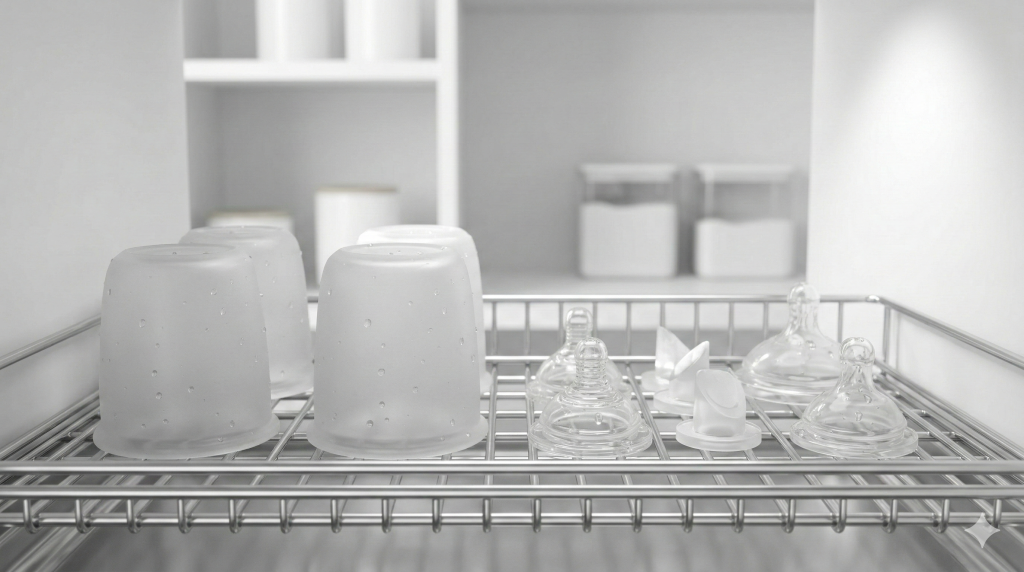
- Let them air dry on a clean rack.
Can You Use Microwave Sterilizers?
Yes, microwave steam sterilizers work exceptionally well for smaller components like valves or baby nipples. They use trapped steam to reach temperatures that eradicate bacteria quickly. Want to know the best part? The entire process takes less than three minutes to complete.
Key Takeaway: Heat-based sterilization is the ultimate method for guaranteeing maximum safety without relying on harsh chemicals.
| Sterilization Method | Time Required | Safety Level |
| Boiling Water | 5 minutes | Maximum |
| Microwave Steam | 3 minutes | Maximum |
| UV Light | 10 minutes | High |
| Utilizing high temperatures for sanitization guarantees your products meet the highest health and safety expectations. |
How to Clean Silicone Cups That Have Lingering Odors?
Rubbing fresh lemon juice or white vinegar on the surface is the best trick for how to clean silicone that smells bad. Sometimes, the material absorbs the smell of dish soap or strong beverages. Acidic natural liquids neutralize these trapped odors very effectively. Baking them in the oven can also burn off volatile odor compounds.
Why Do Odors Get Trapped?
The porous molecular structure naturally grabs onto volatile organic compounds from foods and scented soaps. Once trapped, normal cold water washing cannot release them.
- Heavy spices leave strong smells.
- Floral dish soaps cause soapy tastes.
- Coffee leaves a bitter scent.
How Does the Oven Trick Work?
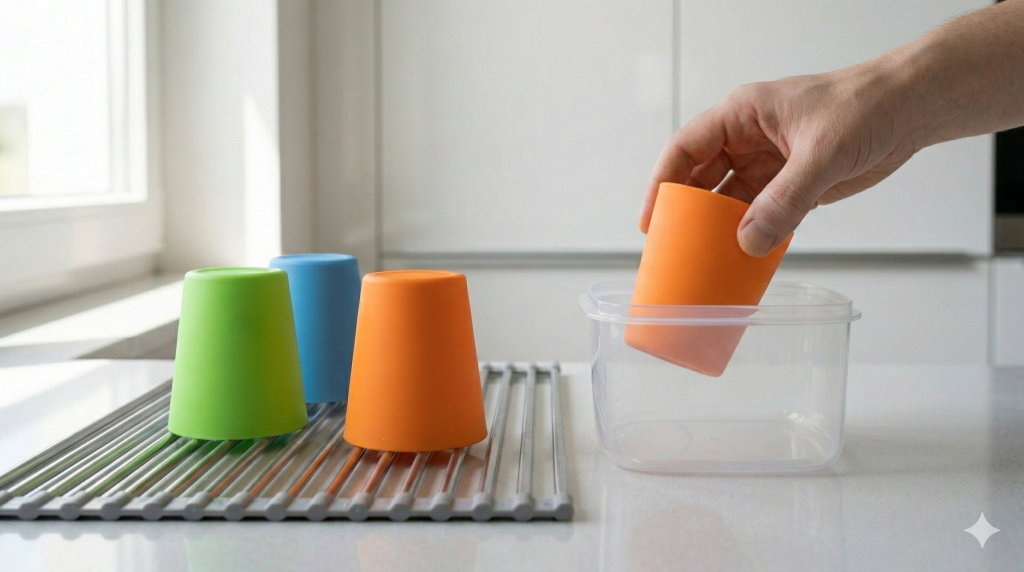
You can place the dry, clean items in an oven set to 250 degrees Fahrenheit for twenty minutes. The heat forces the trapped odor molecules to evaporate out of the rubber. Here is the secret: this works because the material’s melting point is much higher than the odor’s evaporation point.
Key Takeaway: Using natural acids or controlled oven heat permanently eliminates foul smells and restores a neutral taste.
| Odor Source | Removal Technique | Wait Time |
| Soapy Taste | Oven Baking (250°F) | 20 minutes |
| Coffee Smell | White Vinegar Soak | 15 minutes |
| Food Spices | Lemon Juice Rub | 10 minutes |
| Applying heat or natural acids resolves odor complaints and vastly improves the end-user experience. |
Are Dishwashers Good for How to Clean Silicone Cups?
Yes, placing these items on the top rack of your dishwasher is a safe approach for how to clean silicone. Modern appliances use high heat and strong spray jets that effectively sanitize the items. You should avoid placing them near the bottom heating element to prevent accidental warping. It saves immense time for high-volume commercial users.
What Settings Should You Use?
Select a normal or sanitizing cycle with the heated dry option turned on for the best outcome. The prolonged exposure to steam acts as an excellent secondary sterilization phase.
- Top rack placement is mandatory.
- Skip the heavy-duty pots cycle.
- Avoid heavily fragranced detergent pods.
Do Dishwashers Cause White Spots?
Sometimes, hard water in the machine leaves a powdery white residue on dark-colored products. This is just harmless mineral buildup from the water supply, not material damage. Why does this matter? You can easily wipe these spots away with a damp cloth dipped in vinegar.
Key Takeaway: Utilizing a dishwasher is highly efficient, provided you place the items correctly and use mild detergents.
| Dishwasher Factor | Best Practice | Reason |
| Placement | Top Rack | Avoids direct heating element |
| Detergent | Unscented Liquid | Prevents soapy tastes |
| Cycle Type | Normal / Sanitize | Best balance of heat |
| Automated washing delivers consistent hygiene results while saving significant labor time for consumers. |
How to Clean Silicone Cups to Maximize Their Lifespan?
Drying your items completely after washing is the last step in how to clean silicone to keep it functional for years. Moisture left inside enclosed spaces promotes the growth of black mold and mildew. You must shake off excess water and place them in a well-ventilated area. Proper storage habits drastically extend the durability of your inventory.
Why Is Air Drying Better Than Towel Drying?
Using a cloth towel can transfer microscopic lint and dust particles onto the sticky, wet surface. Air drying on a dedicated rack guarantees no foreign contaminants stick to the product.
- Lint ruins the smooth finish.
- Towels can harbor hidden bacteria.
- Air drying is completely hands-free.
Where Should You Store Them?
Keep the fully dried items in a cool, dust-free cabinet away from direct sunlight. Ultraviolet rays from the sun can slowly fade bright colors over many months. The truth is: proper storage is just as necessary as the washing process itself.
Key Takeaway: Ensuring total dryness and keeping products out of the sun guarantees maximum lifespan and pristine condition.
| Storage Step | Action to Take | Prevented Issue |
| Drying | Use a ventilated rack | Mold growth |
| Wiping | Avoid cotton towels | Lint accumulation |
| Location | Dark, cool cabinet | UV color fading |
| Mastering the final drying and storage phases secures your investment and guarantees long-term product reliability. |
Summary
Proper maintenance of your inventory does not have to be a frustrating chore. Adopting these methods solves the persistent issues of stickiness, bad odors, and hidden bacteria. Your products will look better, last longer, and provide a much safer experience for the end user. We believe that delivering premium, flawless products builds lasting trust with every client. If you want to upgrade your product line with high-quality, easy-to-maintain items, contact us today to discuss your manufacturing needs.
FAQ
Q1: Can I use bleach on my products?
No, you should never use bleach. Harsh chemicals like bleach break down the synthetic polymers, causing the material to become brittle and crack prematurely.
Q2: What is the best way to fix a sticky surface?
Baking soda paste is the most effective solution. The stickiness is caused by trapped oils, and the alkaline nature of baking soda gently breaks down this grease without scratching.
Q3: How do I know if the soapy taste will go away?
Yes, it will disappear with heat treatment. You can bake the item at 250 degrees Fahrenheit for twenty minutes to evaporate the trapped artificial fragrance molecules.
Q4: Can I put these items in the bottom rack of the dishwasher?
No, always use the top rack. The bottom rack sits too close to the exposed heating element, which can cause extreme temperatures that might warp thinner sections.
Q5: What is the best tool for scrubbing deep stains?
A soft sponge or a microfiber cloth is ideal. Using steel wool or stiff brushes will create micro-scratches where bacteria can easily hide in the future.