
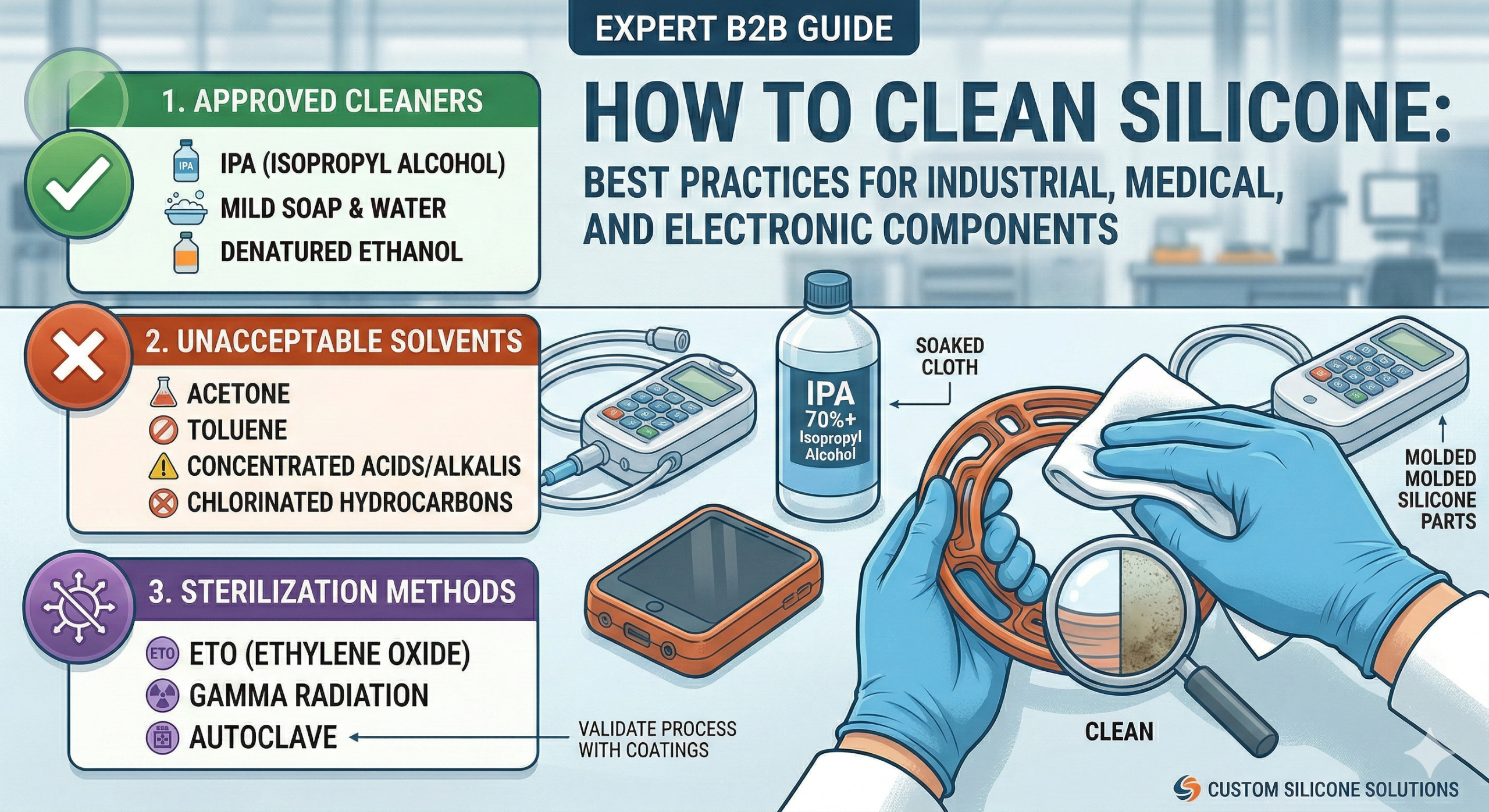
Best practices for cleaning silicone rubber involve utilizing mild detergents, non-abrasive tools, and specialized solvents like isopropyl alcohol for resilient industrial residues. Many procurement managers and engineers face the frustration of premature component failure due to surface degradation or loss of tactile response. This buildup of dust, skin oils, and chemical residues doesn’t just look unprofessional; it actively compromises the structural integrity of your high-performance seals and keypads. By implementing a standardized protocol for how to clean silicone, you can protect your investment, ensure medical-grade compliance, and extend the operational life of every part in your assembly.
Why is regular maintenance and knowing how to clean silicone vital?
Regular maintenance prevents contaminant buildup that degrades mechanical properties and compromises hygiene in critical B2B applications. Understanding how to clean silicone is essential because environmental debris can act as a micro-abrasive during component operation.
If left unmanaged, these particles lead to surface micro-cracking and eventual part failure. Consistent hygiene protocols ensure that your components maintain their specified shore hardness and elasticity over thousands of cycles.
How do contaminants affect mechanical performance?
Particulate matter and oils can seep into the porous structure of lower-grade silicones or sit on the surface of high-consistency rubber. Here’s the deal: these contaminants can change the coefficient of friction, leading to sticking or slipping in mechanical seals.
- Increased friction on moving parts.
- Swelling due to oil absorption.
- Loss of tactile feedback in keypads.
When you allow grime to accumulate, you are essentially inviting mechanical drift into your system. This reduces the precision of your hardware and increases the frequency of required field repairs.
What are the hygiene risks in medical applications?
In the healthcare sector, bio-burden accumulation on silicone surfaces represents a significant risk to patient safety and regulatory compliance. Think about it: a surface that isn’t properly sanitized becomes a breeding ground for pathogens that can compromise sterile environments.
- Biofilm formation on catheters or seals.
- Cross-contamination in diagnostic tools.
- Failure of FDA biocompatibility standards.
Maintaining a sterile surface is not just about aesthetics; it is a fundamental requirement for medical-grade LSR components. Proper cleaning routines ensure that the material’s antimicrobial properties remain effective.
Why does surface debris impact component aesthetics?
Visible components, such as smart wearable straps or consumer interface panels, rely heavily on their out-of-the-box appearance to convey quality. Dust and lint attraction is a natural byproduct of silicone’s inherent static charge.
- Discoloration from UV-reactive dust.
- Dullness of high-gloss finishes.
- Obscuring of laser-etched legends.
| Performance Factor | Impact of Neglect | Benefit of Cleaning |
|---|---|---|
| Mechanical Grip | Slippage/Failure | Consistent Friction |
| Hygiene Level | Biofilm Growth | Sterile Surface |
| Visual Appeal | Yellowing/Staining | Brand Integrity |
Proactive maintenance prevents the accumulation of sub-micron particles that standard wiping cannot easily remove once embedded.
Key Takeaway: Consistent cleaning is the primary defense against the mechanical and aesthetic degradation that shortens the lifecycle of silicone components.
Which cleaning solutions are safest for your silicone rubber?
The safest cleaning solutions for silicone rubber include mild aqueous detergents and 70% isopropyl alcohol for non-porous industrial grades. You must choose your agent based on the specific grade of the polymer to avoid the risk of how to clean silicone with the wrong solvent.
Using the incorrect chemical can lead to “bloom” or leaching of internal plasticizers. Always verify that your chosen solution is compatible with both the silicone and any overmolded substrates like polycarbonate or aluminum.
When should you use mild soap and warm water?
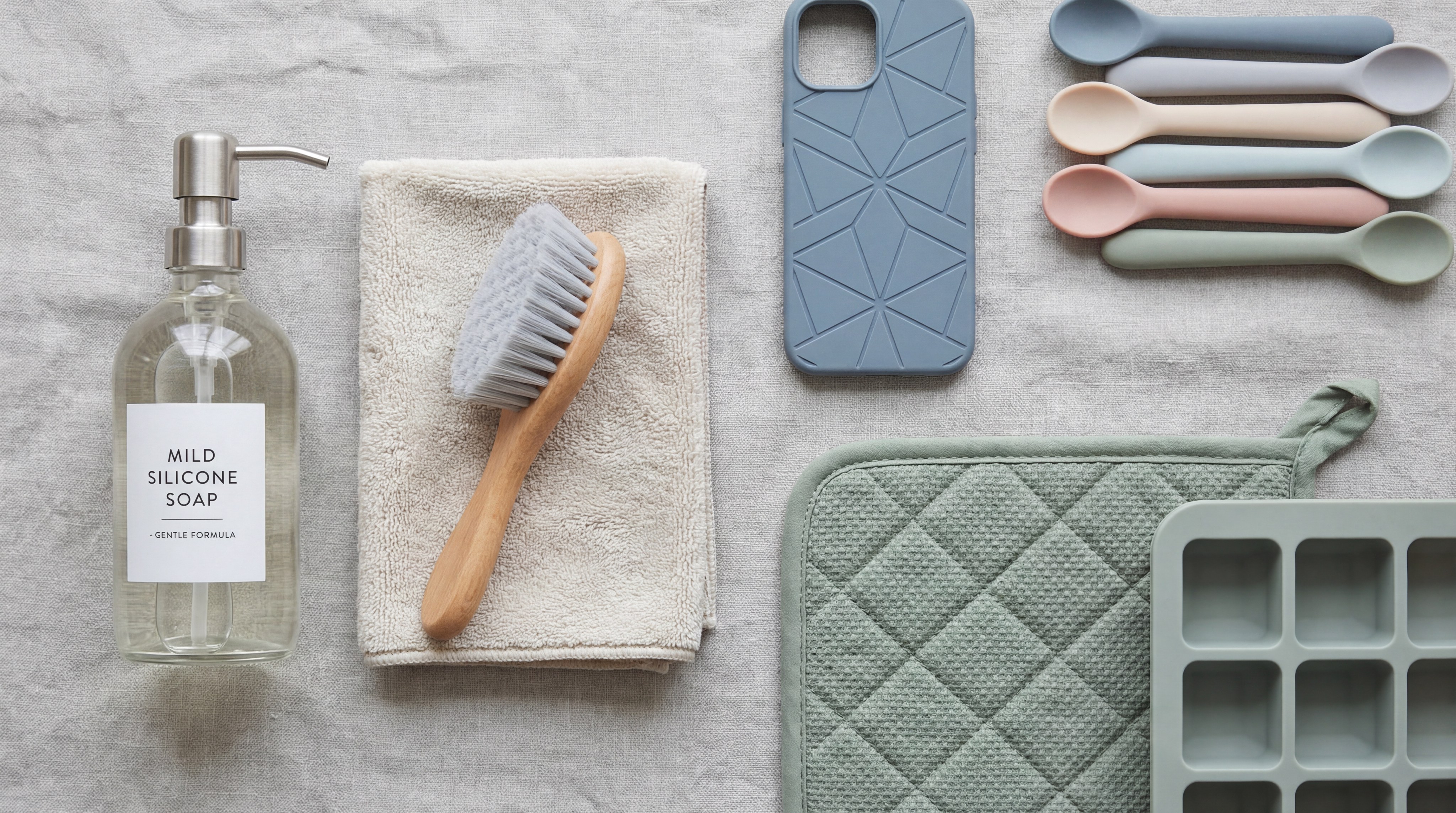
For the vast majority of light industrial and consumer applications, a solution of warm water and a pH-neutral dish soap is the gold standard. Believe it or not, this simple combination is often more effective at breaking down surface tension than aggressive chemicals.
- Safe for all silicone hardness levels.
- Non-reactive with most printed inks.
- Environmentally friendly and low-cost.
This method is particularly effective for removing dust, light dirt, and water-soluble residues. It ensures the material remains hydrated without introducing harsh acidic or basic reagents.
Is isopropyl alcohol safe for removing adhesives?
Isopropyl alcohol (IPA) at a 70% concentration is generally safe for brief exposure on most high-quality silicone parts. Here’s the kicker: IPA is incredibly effective at dissolving adhesive “ghosting” and stubborn grease without leaving a residue.
- Evaporates quickly to prevent soaking.
- Effectively kills surface bacteria.
- Dissolves non-polar oil molecules.
However, avoid soaking parts in IPA for extended periods. Prolonged immersion can lead to temporary swelling, though the part usually returns to its original dimensions once the alcohol evaporates.
Can hydrogen peroxide be used for sterilization?
Hydrogen peroxide is an excellent choice for disinfecting medical-grade silicone without the high heat required by other methods. It provides a deep clean that reaches into textured surfaces where bacteria might hide.
- Use a 3% concentration for standard cleaning.
- Ensure no metal inserts are sensitive to oxidation.
- Rinse with distilled water after application.
| Solvent Type | Compatibility | Primary Use Case |
|---|---|---|
| Mild Soap/Water | High | General Dust/Dirt |
| 70% Isopropyl | Medium | Oils and Adhesives |
| Hydrogen Peroxide | High | Medical Sanitization |
Alcohol-based cleaners provide the fastest drying times, making them ideal for high-volume assembly line maintenance.
Key Takeaway: Selecting the right solvent prevents chemical damage while ensuring the complete removal of functional contaminants.
How do you choose tools for how to clean silicone without damage?
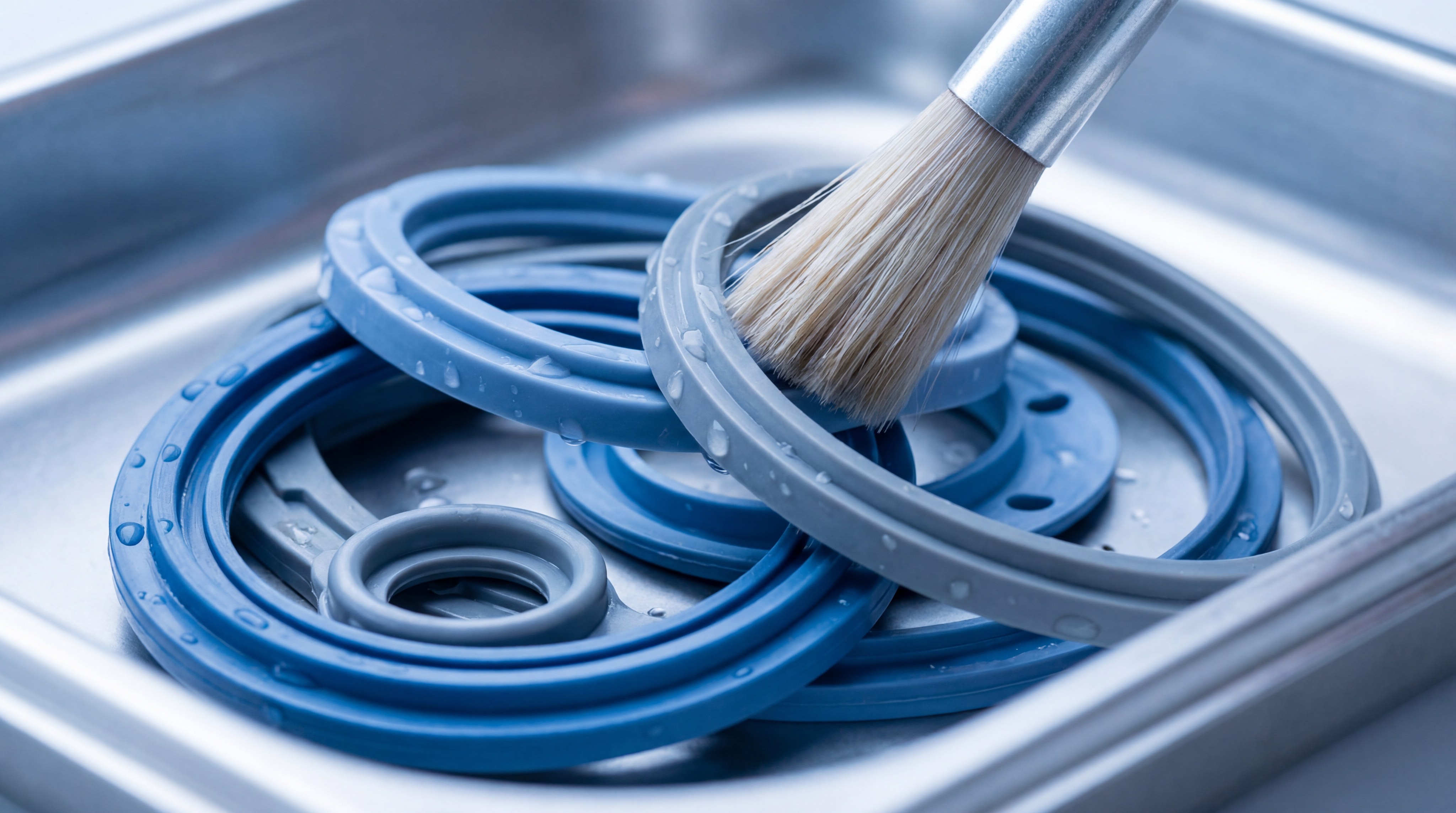
Selecting the right tools involves prioritizing non-abrasive materials like microfiber cloths and soft-bristled nylon brushes. Learning how to clean silicone requires a commitment to avoiding steel wool or scouring pads that can compromise the surface tension.
Abrasive tools create microscopic scratches that actually trap more dirt over time. This creates a “snowball effect” where the component becomes harder to clean with each subsequent maintenance cycle.
Why are non-abrasive lint-free cloths recommended?
Lint-free cloths, especially those made from high-density microfiber, are the preferred choice for wiping smooth silicone surfaces. It’s a simple truth: standard paper towels often leave behind cellulose fibers that stick to the silicone’s naturally “tacky” surface.
- Prevents fiber contamination.
- Uniformly distributes cleaning agents.
- Absorbs oils rather than spreading them.
These cloths are particularly vital for optical-grade silicone or components with sensitive coatings. They ensure a streak-free finish that maintains the transparency or matte texture of the part.
How can soft nylon brushes clean complex textures?
For components with deep channels, undercuts, or textured tactile surfaces, a soft-bristled nylon brush is indispensable. Let’s face it: a flat cloth simply cannot reach into the tight tolerances of a custom-molded gasket or keypad.
- Reaches into 90-degree corners.
- Gently agitates stuck-on debris.
- Safe for laser-etched graphics.
Using a circular motion with light pressure allows the bristles to flick out particles without gouging the rubber. This is the most efficient way to clean “knurled” or anti-slip textures common in industrial grips.
When is compressed air better than manual wiping?
Compressed air is the superior choice for removing dry dust from sensitive electronic assemblies or intricate silicone lattices. You avoid the risk of static discharge or physical deformation that can occur during manual handling.
- Use moisture-free, filtered air.
- Maintain a distance of 6-10 inches.
- Ideal for drying recessed cavities.
| Tool Type | Best For | Risk Level |
|---|---|---|
| Microfiber Cloth | Smooth Surfaces | Very Low |
| Nylon Brush | Textures/Grooves | Low |
| Compressed Air | Recessed Areas | Zero Contact |
Soft tools preserve the “skin” of the silicone, which is vital for maintaining its hydrophobic properties.
Key Takeaway: The mechanical action of cleaning should never be more aggressive than the material’s intended application environment.
How do you clean silicone components using a step-by-step process?
A professional step-by-step process begins with a preliminary inspection and ends with a controlled drying phase. You must approach how to clean silicone with a systematic mindset to ensure that no secondary contamination occurs during the procedure.
Skipping steps, such as the final rinse, can lead to the formation of a soapy film. This film can interfere with the bonding agents used in multi-material assemblies or reduce the responsiveness of tactile switches.
Why is a spot test necessary before full cleaning?
Before applying any solvent to a full batch of parts, performing a spot test on an inconspicuous area is a mandatory safety measure. Think about it: even “safe” chemicals can react unexpectedly with custom colorants or specialized surface coatings.
- Checks for color bleeding.
- Verifies material stability.
- Identifies potential swelling issues.
If you notice any softening, tackiness, or color transfer during the spot test, immediately cease the use of that cleaning agent. This prevents a localized error from becoming a catastrophic batch rejection.
How to rinse parts to prevent chemical film?
Rinsing is the most overlooked step in the cleaning cycle, yet it is vital for long-term material health. Here’s the deal: residual detergents can dry into a white, powdery residue that degrades the look and feel of the silicone.
- Use deionized or distilled water for high-precision parts.
- Ensure the water flow reaches all recessed areas.
- Agitate the parts gently in the rinse bath.
A double-rinse protocol is recommended for medical or food-contact parts. This ensures that every trace of surfactant is removed, meeting the strictest purity requirements for your supply chain.
What is the best way to dry industrial components?
Drying must be thorough to prevent water spots and the growth of mold or mildew in stored batches. While air drying is the safest method, it must be done in a clean, dust-free environment.
- Pat dry with a lint-free cloth first.
- Use a low-heat drying oven if the grade allows.
- Avoid high-velocity fans that blow dust onto wet parts.
| Step | Action | Objective |
|---|---|---|
| 1 | Spot Test | Validation |
| 2 | Wash/Agitate | Decontamination |
| 3 | Double Rinse | Residue Removal |
| 4 | Controlled Dry | Final Stability |
A dry surface is essential for any secondary operations like pad printing or adhesive application.
Key Takeaway: A standardized sequence eliminates variables and ensures repeatable quality across different cleaning shifts.
What is the secret for how to clean silicone with stubborn oils?
The secret to removing stubborn oils is the application of 70% isopropyl alcohol or a specialized alkaline degreaser. When you are determining how to clean silicone that has been exposed to heavy machinery lubricants, the chemical breakdown of the oil is your first priority.
Mechanical scrubbing alone often just spreads the oil thinner across the surface. You need a solvent that can break the non-polar bonds of the grease while leaving the cross-linked polymer of the silicone intact.
Using isopropyl alcohol for industrial residues
Isopropyl alcohol is the most versatile solvent for B2B silicone maintenance due to its rapid evaporation and high solvency for common oils. It’s a game changer: it can cut through thick grease layers that would simply slide off under a soap-and-water treatment.
- Dissolves petroleum-based lubricants.
- Removes “tacky” residues from protective tapes.
- Cleans without needing a water rinse in some cases.
For the best results, apply the IPA to a cloth first rather than spraying the part directly. This prevents the solvent from pooling in areas where it might affect internal electronics or adhesives.
Can a baking soda paste remove deep stains?
For silicone components that have absorbed stains from dyes or environmental pollutants, a baking soda paste offers a gentle abrasive solution. Believe it or not, this household staple can lift pigments from the surface without the need for toxic bleaching agents.
- Mix 3 parts baking soda to 1 part water.
- Apply to the stained area for 15 minutes.
- Scrub gently with a nylon brush.
This method is particularly effective for light-colored silicone parts used in consumer electronics or medical diagnostics. It restores the original pantone color without degrading the rubber matrix.
Handling skin oils on tactile silicone keypads
Skin oils (sebum) are the primary cause of the “shiny” appearance and reduced responsiveness on well-used silicone keypads. Here’s the kicker: these oils can eventually cause the silicone to swell and lose its “snap” ratio.
- Wipe daily with an alcohol-free sanitizer.
- Use deep-cleaning foam for textured keys.
- Ensure users have clean hands during operation.
| Residue Type | Recommended Agent | Application Method |
|---|---|---|
| Heavy Grease | Isopropyl Alcohol | Direct Wipe |
| Deep Stains | Baking Soda Paste | Soak and Scrub |
| Skin Oils | Mild Detergent | Daily Maintenance |
Regularly removing oils prevents them from penetrating deep into the silicone’s molecular structure.
Key Takeaway: Targeted chemical intervention is required to neutralize oils before they cause permanent physical deformation.
How should you sterilize medical-grade silicone rubber correctly?
Sterilization of medical-grade silicone requires validated methods like steam autoclaving, dry heat, or chemical disinfection. Managing how to clean silicone in a clinical setting demands that you follow the manufacturer’s specified temperature and pressure limits.
Silicone is prized in medical fields specifically because it can withstand these harsh sterilization cycles without losing its biocompatibility. However, improper parameters can lead to “compression set” issues or material brittleness.
Is autoclave sterilization right for your part?
Steam autoclaving is the most common sterilization method, utilizing high-pressure saturated steam to kill all microbial life. Here’s the deal: most medical silicones are rated for 121°C or 134°C cycles, but you must ensure the part is free of trapped air.
- Effective for complex internal geometries.
- No toxic residues left on the part.
- Rapid turnaround for reusable components.
Ensure that any overmolded plastic or electronic components can also withstand the high heat. If the assembly is multi-material, a lower-temperature chemical sterilization may be necessary.
How to manage chemical disinfection safely?
When heat is not an option, chemical disinfectants like glutaraldehyde or stabilized hydrogen peroxide are used. Think about it: you are trading thermal stress for chemical stress, so compatibility is paramount.
- Follow strict contact time guidelines.
- Use a neutralized rinse after the bath.
- Monitor for surface “crazing” or cloudiness.
Chemical methods are often preferred for sensitive wearable devices or parts with integrated sensors. They provide high-level disinfection while maintaining the integrity of the adhesive bonds within the assembly.
Meeting FDA guidelines for reusable components
To comply with FDA regulations for reusable medical devices, your cleaning and sterilization process must be fully documented and repeatable. This involves maintaining a “Cleaning Validation” report that proves your methods effectively remove bio-burden.
- Use USP Class VI certified silicone.
- Maintain traceable batch records.
- Implement 100% visual inspection post-sterilization.
| Method | Temperature | Best For |
|---|---|---|
| Steam Autoclave | 121°C – 134°C | Surgical Tools / Seals |
| Gamma Radiation | Ambient | Single-use Packaging |
| Ethylene Oxide | 37°C – 63°C | Heat-sensitive Devices |
Sterilization is the final layer of quality assurance that guarantees patient safety in high-stakes environments.
Key Takeaway: Rigorous adherence to sterilization parameters protects both the patient and the long-term functionality of the silicone part.
Why must you avoid certain chemicals when learning how to clean silicone?
You must avoid harsh chemicals like acetone, benzene, and petroleum-based solvents because they cause irreversible structural damage to the silicone matrix. Before you decide how to clean silicone with a new solvent, you must understand the “like dissolves like” principle of chemistry.
Because silicone is a polymer, non-polar solvents can penetrate the chains, causing them to expand and push apart. This results in swelling, loss of tensile strength, and a “gummy” surface texture that cannot be repaired.
Why are petroleum-based solvents dangerous?
Petroleum distillates, such as mineral spirits or gasoline, are highly destructive to silicone rubber. Here’s the deal: these solvents act as a plasticizer, migrating into the rubber and causing it to lose its shape and structural integrity almost immediately.
- Causes permanent volume increase (swelling).
- Reduces the dielectric strength of the part.
- Compromises the seal’s ability to hold pressure.
If a silicone gasket is exposed to petroleum, it may look fine initially but will fail under the first sign of mechanical stress. Never use these agents even for a “quick wipe.”
Does acetone degrade the silicone rubber matrix?
Acetone is a common industrial cleaner, but it is notoriously aggressive toward silicone. While it may not dissolve the part instantly, it leaches out the essential oils and fillers that give silicone its flexibility.
- Leads to surface cracking (crazing).
- Causes the material to become brittle.
- Can strip away functional surface coatings.
If your process requires removing heavy paint or ink from silicone, look for citrus-based cleaners or specialized esters that are labeled as “silicone safe.” Acetone is simply too volatile and reactive for this material.
How do strong acids impact material flexibility?
Strong mineral acids, such as sulfuric or hydrochloric acid, can chemically attack the siloxane bonds (Si-O-Si) that form the backbone of the rubber. Let’s face it: once the backbone is compromised, the part is no longer silicone; it’s a failing polymer mass.
- Watch for surface pitting or “pocking.”
- Check for sudden changes in Shore hardness.
- Avoid high-concentration alkaline cleaners as well.
| Prohibited Chemical | Effect on Silicone | Result |
|---|---|---|
| Acetone | Leaching / Brittleness | Cracking |
| Benzene | Extreme Swelling | Total Failure |
| Petroleum | Oil Absorption | Softening |
The chemical resistance of silicone is excellent for many substances, but it is not universal.
Key Takeaway: Avoiding “the big three”—acetone, petroleum, and strong acids—is the simplest way to prevent accidental component destruction.
How do you clean sensitive industrial silicone components safely?
Cleaning sensitive components requires a “minimalist” approach that uses low-pressure air, targeted wiping, and pH-neutral cleaners. You must understand how to clean silicone that is thin-walled or overmolded to avoid inducing mechanical stress during the process.
Industrial parts often feature integrated electronics or secondary finishes that are far more delicate than the silicone itself. A heavy-handed cleaning approach can result in delamination or electrical shorts.
Handling thin-walled or overmolded parts
Thin-walled silicone diaphragms or gaskets are susceptible to tearing if handled roughly during cleaning. Here’s the kicker: overmolded parts (silicone bonded to plastic or metal) have a “bond line” that can be compromised by aggressive solvent soaking.
- Use a “damp-wipe” technique rather than immersion.
- Avoid pulling or stretching the part while wet.
- Focus cleaning only on the contaminated areas.
The bond between silicone and a substrate often relies on a primer layer. Certain solvents can seep into this interface and weaken the chemical bond, leading to part separation in the field.
How to protect printed legends and coatings?
Many silicone keypads feature screen-printed legends or PU (polyurethane) coatings to enhance wear resistance. Believe it or not, the very cleaning agent meant to save the part can often be the thing that erases its functionality.
- Use only water-based cleaners on printed parts.
- Avoid vigorous scrubbing over text or icons.
- Check for “ink lift” during your spot test.
Modern laser-etched legends are more durable, but they can still trap dirt in the etched valleys. A soft brush and compressed air are the safest ways to maintain these features without abrasion.
Cleaning conductive silicone without damage
Conductive silicone, used for EMI shielding or keypad contacts, contains carbon or metallic fillers that must remain on the surface to function. Think about it: if you “clean away” the conductive particles, you break the circuit.
- Avoid abrasive pads at all costs.
- Use high-purity IPA only if necessary.
- Dry immediately to prevent oxidation of metallic fillers.
| Component Type | Sensitive Feature | Best Cleaning Method |
|---|---|---|
| Thin Diaphragm | Tensile Strength | Low-Pressure Air |
| Overmolded Part | Bond Line | Damp Microfiber |
| Printed Keypad | Legend Clarity | pH-Neutral Soap |
Preserving the functional surface is just as important as removing the dirt.
Key Takeaway: The complexity of the component dictates a more nuanced and gentle cleaning strategy to maintain multi-functional performance.
What habits help you master how to clean silicone for longevity?
Longevity is built on the habits of frequent light cleaning, proper environmental storage, and regular material inspections. Mastering how to clean silicone is less about a single deep scrub and more about a consistent maintenance schedule.
Preventative care ensures that contaminants never have the chance to bond deeply with the polymer. This “clean as you go” philosophy is the secret to making silicone components last for decades rather than years.
Where is the best place to store silicone?
Proper storage is the silent partner to effective cleaning. Here’s the deal: if you clean a part and then store it in direct sunlight or a dusty warehouse, your efforts are wasted.
- Store in a cool, dry place (under 25°C).
- Use UV-opaque containers or black poly bags.
- Keep away from ozone-generating equipment (motors).
UV light and ozone are the primary environmental “cleanliness killers” for silicone. They cause a yellowing effect and surface tackiness that acts as a magnet for more dust and debris.
How to inspect parts for environmental wear?
A cleaning session is the perfect time to perform a visual and tactile inspection of your components. Let’s face it: you are already looking closely at the part, so you might as well check for signs of fatigue.
- Look for “chalking” or white powder on the surface.
- Feel for changes in elasticity or “snap back.”
- Inspect for tiny tears at the edges of the part.
Early detection of these issues allows you to replace a single component before it causes a systemic failure in your larger assembly. It turns cleaning into a proactive quality control measure.
Why is regular cleaning better than deep scrubbing?
Deep scrubbing implies that you have allowed the dirt to become “set” into the material. Here’s the kicker: the more force you have to use to clean a part, the more likely you are to damage its surface integrity.
- Set a weekly or monthly cleaning cadence.
- Use the gentlest method that gets the job done.
- Replace parts that require “extreme” cleaning.
| Maintenance Habit | Frequency | Expected Outcome |
|---|---|---|
| Surface Wiping | Daily/Weekly | Dust Prevention |
| Visual Inspection | Monthly | Fatigue Detection |
| Climate Control | Constant | Material Stability |
Consistency reduces the need for aggressive chemical intervention, preserving the material’s natural properties.
Key Takeaway: A proactive maintenance culture is the most cost-effective way to ensure the long-term reliability of silicone assets.
How does component cleanliness impact your global supply chain?
High cleanliness standards directly reduce batch rejection rates and enhance the reliability of downstream assembly processes. Implementing a rigorous protocol for how to clean silicone ensures that your parts arrive at their final destination ready for high-precision integration.
In a globalized B2B environment, a single “dirty” batch can trigger expensive audits and shipping delays. Cleanliness is not a luxury; it is a prerequisite for participating in high-value industries like automotive and aerospace.
Reducing batch rejection through hygiene
Batch rejections often occur because of “surface inclusions” or contamination detected during the Incoming Quality Control (IQC) phase. Think about it: a buyer who sees dust on a shipment will immediately question the manufacturer’s overall quality standards.
- Minimizes the risk of “Failed on Arrival” reports.
- Increases trust between supplier and OEM.
- Reduces the waste associated with re-manufacturing.
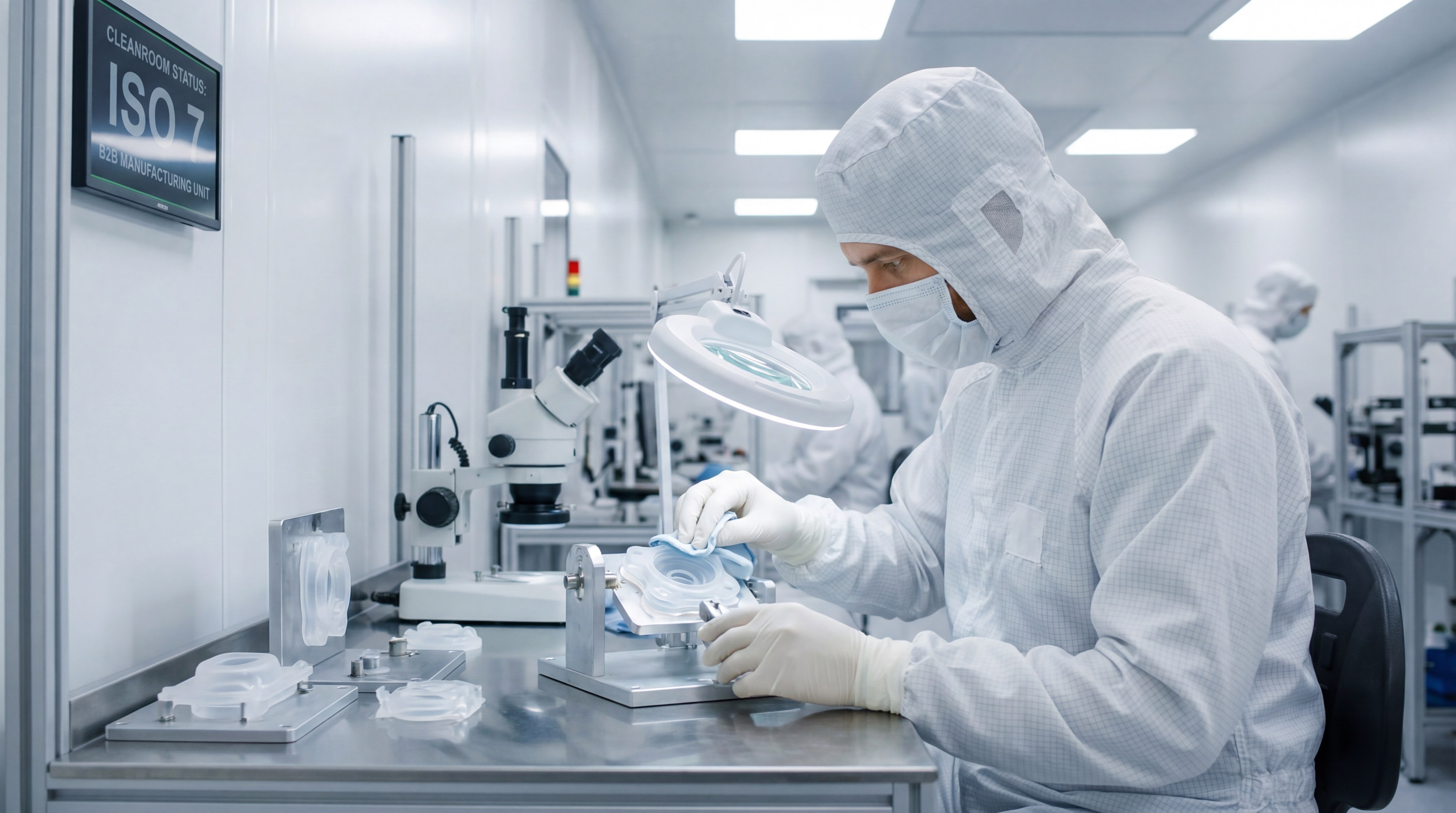
Maintaining a cleanroom-like environment during the final stages of production and packaging is vital. It ensures that the cleanliness you achieve in the factory is what the customer sees in their warehouse.
How does clean silicone improve assembly bonding?
For components that must be glued, taped, or overmolded, surface cleanliness is the number one factor in bond strength. Here’s the deal: even a microscopic layer of oil or dust acts as a “release agent,” preventing the adhesive from making a molecular bond with the silicone.
- Ensures 100% surface contact for adhesives.
- Prevents delamination in vibration-heavy environments.
- Allows for consistent ink adhesion during printing.
A “water break-free” surface test is a simple way to verify that a part is clean enough for bonding. If water beads up, the part is contaminated; if it sheets off, the part is chemically clean.
Meeting ISO 9001 and IATF 16949 standards
Global manufacturing standards require strict process control, and that includes hygiene. Integrating how to clean silicone into your Standard Operating Procedures (SOPs) is a key requirement for maintaining your certifications.
- Document all cleaning agents used.
- Train staff on non-abrasive techniques.
- Validate cleaning efficiency through testing.
| Supply Chain Factor | Impact of Cleanliness | Competitive Advantage |
|---|---|---|
| Bonding Quality | High Success Rate | Low Rework Costs |
| Audit Compliance | Zero Findings | Faster Certification |
| Brand Perception | Professionalism | Increased Orders |
Cleanliness is a measurable metric of your manufacturing discipline and your respect for the end-user.
Key Takeaway: Investing in cleanliness pays dividends across the entire supply chain through reduced waste and heightened technical reliability.
*
Conclusion
Mastering the best practices for cleaning silicone rubber is the foundation of high-performance component management. By addressing the problems of surface degradation, bacterial buildup, and mechanical failure, we have established a clear path toward long-term material health. Proper hygiene solves the issues of inconsistent tactile response, poor adhesive bonding, and aesthetic decline that plague neglected silicone parts.
At HuaLin Silicone, we provide more than just parts; we provide precision-engineered solutions backed by 15 years of manufacturing expertise. From medical-grade LSR components to high-durability industrial keypads, we ensure every part meets the highest standards of purity and performance. Our integrated DFM support and ISO-certified processes are designed to help you launch faster with zero quality risks.
Brand Vision: To empower global innovation through precision silicone engineering, setting the standard for quality, consistency, and reliability in every component we mold.
contact us today to discuss your custom silicone requirements and experience the HuaLin difference.
*
FAQs
Can I use a dishwasher to clean industrial silicone?
Yes, but only if the parts are high-temperature rated and the detergent is pH-neutral. Many industrial silicones can withstand the heat, but you must ensure they are secured so they don’t strike the heating element or get tangled in the spray arms.
What’s the best way to remove sticky adhesive residue?
The best way is to use a 70% isopropyl alcohol wipe. The alcohol breaks down the adhesive’s chemical bond without swelling the silicone rubber, allowing you to wipe the residue away cleanly with a microfiber cloth.
Does boiling water damage high-performance silicone?
No. Most high-performance silicones are rated for temperatures up to 200°C, meaning boiling water (100°C) is a safe and effective way to sanitize parts without using harsh chemicals.
Can I use diluted bleach on medical-grade parts?
Yes, but you must be extremely careful with the concentration and rinse the parts thoroughly afterward. A 1:10 bleach-to-water ratio is generally safe for short-duration disinfection, provided the silicone is medical-grade and non-porous.
How often should I clean silicone gaskets in storage?
No. You should not need to clean gaskets while they are in storage if they are properly sealed in UV-protected, airtight bags. Cleaning should only occur once the parts are removed from storage and prior to their assembly or installation.